
Why You’ll Love This Scottish Bannocks Oatmeal Scones
If you’re looking for a simple, satisfying snack with a rich history and incredible taste, Scottish Bannocks Oatmeal Scones should be at the top of your must-try list. These traditional treats offer a delightful balance of heartiness and comfort that can brighten any day.
Whether you’re a busy parent searching for wholesome snacks or a student seeking affordable meal options, these bannocks deliver exceptional value with minimal effort. The combination of wholesome oats and simple pantry ingredients creates a filling treat that keeps you energized throughout your day.
The beauty of Scottish Bannocks lies in their simplicity. With just a few basic ingredients, you can create a rustic, satisfying bread that has nourished generations.
What makes these oatmeal scones truly special is their remarkable versatility in the kitchen. Serve them warm with butter and jam for breakfast, pair them with soup for a hearty lunch, or enjoy them as an afternoon snack with your favorite cup of tea. Their mild, nutty flavor profile makes them adaptable to both sweet and savory toppings, appealing to food enthusiasts of all preferences.
Health Benefits to Consider
Beyond their delicious taste, Scottish bannocks offer nutritional advantages that Health-Conscious Individuals will appreciate. The high oat content provides:
- Abundant dietary fiber for digestive health
- Sustained energy release without sugar crashes
- Essential minerals like iron and magnesium
- Lower glycemic index compared to refined flour products
For those with specific dietary needs, these bannocks can be easily modified to accommodate various requirements, making them a perfect addition to any household’s recipe collection.
Jump to:
- Why You’ll Love This Scottish Bannocks Oatmeal Scones
- Health Benefits to Consider
- Essential Ingredients for Scottish Bannocks Oatmeal Scones
- Basic Traditional Recipe
- Sourdough Variation Ingredients
- Understanding Your Ingredients
- How to Prepare the Perfect Scottish Bannocks Oatmeal Scones: Step-by-Step Guide
- Preparing the Dough
- Incorporating the Butter
- Adding Liquid and Forming the Dough
- Shaping and Scoring
- Baking to Perfection
- Dietary Substitutions to Customize Your Scottish Bannocks Oatmeal Scones
- Gluten-Free Options
- Dairy-Free and Vegan Adaptations
- Whole Food and Nutrient-Packed Variations
- Mastering Scottish Bannocks Oatmeal Scones: Advanced Tips and Variations
- Professional Baking Techniques
- Flavor Variations to Explore
- Serving and Presentation Ideas
- How to Store Scottish Bannocks Oatmeal Scones: Best Practices
- Short-Term Storage Methods
- Freezing for Long-Term Storage
- Reheating for Freshness
- FAQs: Frequently Asked Questions About Scottish Bannocks Oatmeal Scones
- How do I make traditional Scottish bannocks at home?
- What is the ideal thickness for bannocks to get the best texture?
- Can I make bannocks using a sourdough starter?
- Are Scottish bannocks gluten-free, and how can I make them suitable for gluten intolerance?
- What are some traditional ways to serve bannocks in Scotland?
- Scottish Bannocks Oatmeal Scones
- Ingredients
- Instructions
- Last Step:
- Notes
- Nutrition
- Did you make this recipe?
Essential Ingredients for Scottish Bannocks Oatmeal Scones
The beauty of traditional Scottish baking lies in its simplicity. These Scottish Bannocks require just a handful of basic ingredients you likely already have in your pantry. Each component plays a crucial role in creating the perfect texture and flavor that makes this recipe a timeless classic.
Basic Traditional Recipe
- 1½ cups rolled oats
- 1 cup all-purpose flour
- 2 teaspoons baking powder
- 1 teaspoon kosher salt
- 6 tablespoons unsalted butter, melted
- ⅓ cup water
Sourdough Variation Ingredients
For those who enjoy the distinctive tang of fermented dough, the sourdough version of Scottish Bannocks requires some adjustments:
- 1½ cups rolled oats
- ⅓ cup all-purpose flour (reduced from 1 cup)
- 2 teaspoons baking powder
- ½ teaspoon kosher salt (reduced from 1 teaspoon)
- 6 tablespoons unsalted butter, melted
- ⅔ cup unfed sourdough starter
- (No water added in sourdough version)
The sourdough version incorporates ⅔ cup unfed sourdough starter in place of some of the flour and water, adding a subtle tang and improved texture to the traditional bannocks.
Understanding Your Ingredients
The quality of your ingredients directly impacts the final result of your Scottish Bannocks. When selecting rolled oats, look for thick, old-fashioned varieties rather than instant oats, as they provide better texture and structure to your scones.
Your choice of flour can be adjusted based on preference and dietary needs, as mentioned in our dietary substitutions section. For the butter, unsalted varieties allow you to control the salt content precisely, which is especially important when working with traditional recipes like this one.
If you’re new to baking with oats, you might also enjoy our guide to traditional oat-based baking techniques that expand on these methods.
How to Prepare the Perfect Scottish Bannocks Oatmeal Scones: Step-by-Step Guide
Making authentic Scottish Bannocks Oatmeal Scones is a straightforward process that yields satisfying results. Follow these detailed steps to create delicious, golden-brown bannocks that will impress your family and friends.
Preparing the Dough
Start by gathering all your ingredients and tools. You’ll need a large mixing bowl, measuring cups and spoons, a baking sheet, and parchment paper. Preheat your oven to 375°F (190°C) and line your baking sheet with parchment paper.
In your mixing bowl, combine the dry ingredients: 1½ cups rolled oats, 1 cup all-purpose flour, 2 teaspoons baking powder, and 1 teaspoon kosher salt. Mix these together thoroughly with a whisk or fork to ensure even distribution of the leavening agent.
Incorporating the Butter
Melt 6 tablespoons of unsalted butter and add it to the dry ingredients. The butter should be warm but not hot. Gently mix the butter into the oat and flour mixture until it forms a crumbly texture. This step is crucial for creating the signature tender crumb of traditional Scottish bannocks.
Adding Liquid and Forming the Dough
Gradually add ⅓ cup of water to the mixture, stirring continuously. The dough will begin to come together but should remain somewhat shaggy. Avoid overmixing at this stage, as this can result in tough bannocks rather than the desired tender texture.
Once the liquid is incorporated, turn the dough out onto a lightly floured surface. Gently knead the dough for just 1-2 minutes until it forms a coherent ball. The minimal kneading is intentional overworking will develop gluten and make the bannocks tough rather than tender.
Shaping and Scoring
Pat the dough into a round disc approximately ¾ inch thick. Traditionally, Scottish bannocks are scored into triangular wedges before baking, making them easy to portion later. Use a sharp knife to score the surface into 6 or 8 wedges, cutting about halfway through the dough.
| Baking Time Guide | Thickness | Temperature | Result |
|---|---|---|---|
| 15 minutes | ½ inch | 375°F (190°C) | Crisp, thin bannocks |
| 20 minutes | ¾ inch | 375°F (190°C) | Traditional texture |
| 25-30 minutes | 1 inch | 375°F (190°C) | Thick, cake-like bannocks |
Baking to Perfection
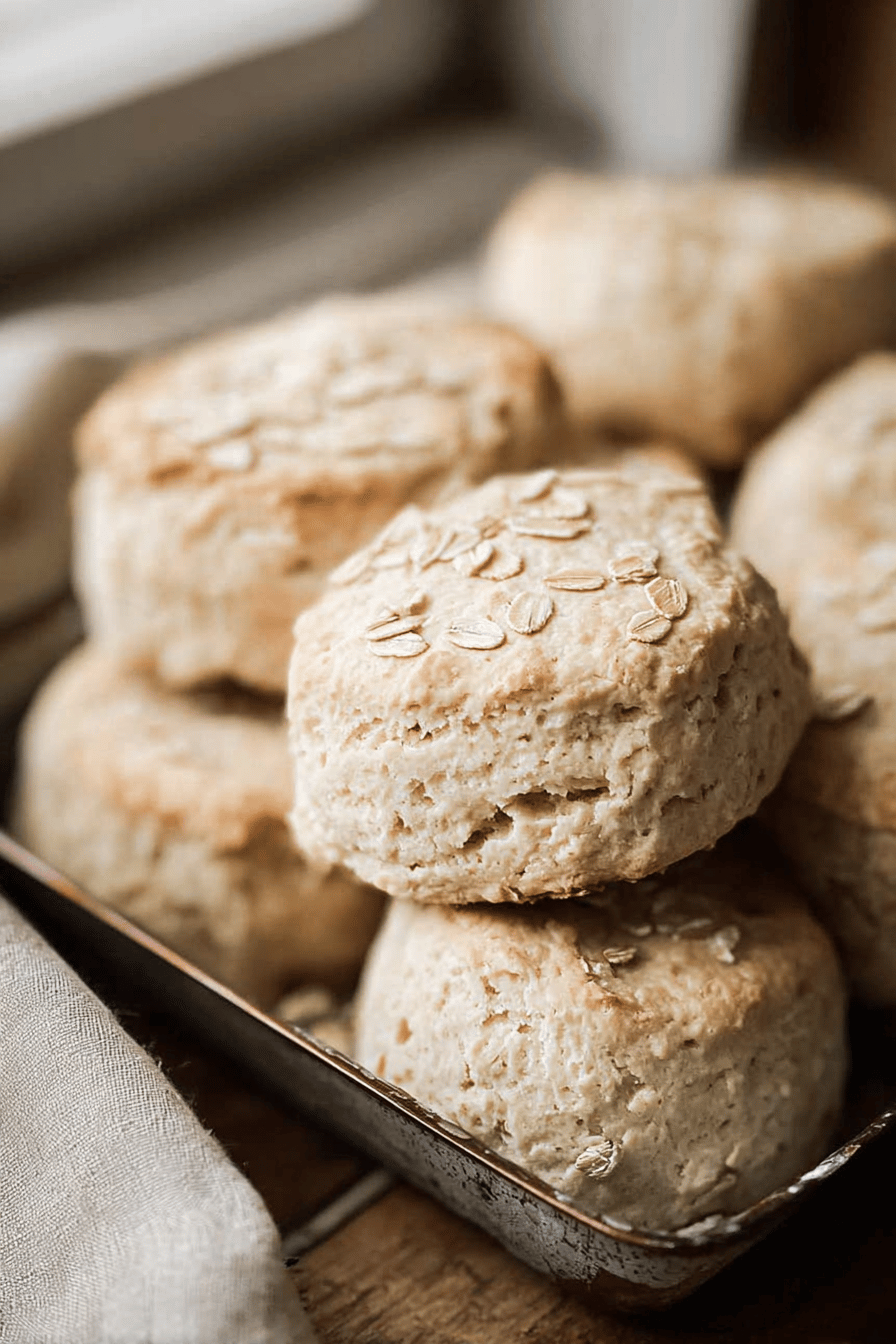
Transfer the scored dough to your prepared baking sheet. Bake for 20-25 minutes, or until the bannocks are golden brown and sound hollow when tapped on the bottom. The exact baking time may vary depending on your oven and the thickness of your dough.
Remove the bannocks from the oven and let them cool on the baking sheet for 5-10 minutes before breaking along the scored lines. This cooling period allows the crumb structure to set, preventing the bannocks from crumbling apart.
For a darker, crustier exterior, you can place the broken wedges back in the oven for an additional 2-3 minutes. This method mimics the traditional griddle-baking technique that was historically used to make Scottish bannocks.

Dietary Substitutions to Customize Your Scottish Bannocks Oatmeal Scones
One of the wonderful aspects of Scottish Bannock Oatmeal Scones is their adaptability to various dietary needs. Whether you’re following a specific eating plan or have food sensitivities, these bannocks can be easily customized while maintaining their essential character and appeal.
Gluten-Free Options
For those with gluten intolerance or celiac disease, traditional Scottish bannocks can easily be made gluten-free. Simply swap the all-purpose flour for a gluten-free blend that contains xanthan gum for structure. Many people find that using certified gluten-free oats is also essential, as regular oats may be cross-contaminated with wheat during processing.
The result is a delicious Scottish bannock that maintains the hearty texture and flavor of the traditional version while being completely safe for those with gluten sensitivities. You might need to adjust the liquid slightly when using gluten-free flours, as they often absorb moisture differently than wheat flour.
Dairy-Free and Vegan Adaptations
Making Scottish bannocks suitable for vegan or dairy-free diets is surprisingly simple. Replace the unsalted butter with high-quality plant-based alternatives such as:
- Coconut oil (for a subtle coconut flavor)
- Vegan butter sticks (for the most similar texture)
- Refined avocado oil (for a neutral taste)
Many traditional Scottish bannock recipes were actually dairy-free to begin with, using water rather than milk as the liquid component. This makes adapting the recipe for modern vegan needs quite straightforward and authentic to the historical preparation.
Whole Food and Nutrient-Packed Variations
Health-conscious bakers will appreciate how easily these bannocks can be enhanced with additional nutrients and flavors. Consider incorporating these wholesome additions:
- Ground flaxseed or chia seeds for omega-3 fatty acids
- Finely grated vegetables like zucchini or carrot for moisture and vitamins
- Nuts and seeds for protein, healthy fats, and crunch
- Dried fruits for natural sweetness and iron
By adding just one tablespoon of ground flaxseed per serving, you can significantly boost the omega-3 content and fiber of your Scottish bannocks without compromising their traditional taste and texture.
These dietary substitutions not only cater to specific nutritional needs but also offer exciting flavor profiles that can transform these simple bannocks into a personalized treat that reflects your unique preferences and dietary requirements.
Mastering Scottish Bannocks Oatmeal Scones: Advanced Tips and Variations
Once you’ve mastered the basic Scottish Bannocks recipe, you might want to elevate your baking game with these professional techniques and creative variations. These tips will help you achieve bakery-quality results in your own kitchen.
Professional Baking Techniques
The secret to truly exceptional Scottish bannocks lies in the details. Professional bakers swear by the technique of chilling the dough before baking. After forming the bannock disc, refrigerate it for 30 minutes. This resting period allows the oats to fully hydrate and the butter to firm up, resulting in a better texture and more defined layers when baked.
Another pro tip is to use a pizza stone or baking steel in your oven. Preheat it along with your oven, then transfer the bannocks to the hot surface. The intense, even heat mimics the traditional griddle-baking method and creates a superior crust that’s crisp yet tender.
Flavor Variations to Explore
While traditional Scottish bannocks are delicious in their simplicity, experimenting with flavors can create exciting new variations:
- Herbed bannocks: Add 2 tablespoons of finely chopped rosemary, thyme, or chives to the dry ingredients for a savory twist that pairs beautifully with soups and stews.
- Sweet variations: Incorporate 2 tablespoons of honey or maple syrup along with ½ teaspoon of cinnamon for autumn-inspired bannocks that need no additional toppings.
- Seeded versions: Mix in ¼ cup of sunflower seeds, pumpkin seeds, or sesame seeds for added crunch and nutritional benefits.
Serving and Presentation Ideas
Presentation can transform these rustic treats into an impressive offering for guests. Consider these serving suggestions:
- Create a bannock board with various toppings like butter, jam, honey, and cheese, allowing guests to customize their own portions.
- For breakfast service, present bannocks with a small bowl of soft-boiled eggs and freshly steamed asparagus spears.
- As an appetizer, cut mini bannock rounds and top them with smoked salmon, cream cheese, and fresh dill.
For party hosts and entertainment enthusiasts, these versatile scones can be prepared ahead of time and refreshed in the oven just before serving, ensuring they remain warm and fresh throughout your gathering without last-minute stress.
How to Store Scottish Bannocks Oatmeal Scones: Best Practices
Proper storage is essential to maintain the quality and freshness of your Scottish Bannocks. Whether you’ve baked a large batch or have leftovers, these storage techniques will help you enjoy your bannocks at their best for days after baking.
Short-Term Storage Methods
For bannocks you plan to eat within 2-3 days, room temperature storage works well. Place the cooled scones in an airtight container or resealable bag. For optimal freshness, include a piece of bread or a paper towel to absorb excess moisture that might make the bannocks soggy.
If your kitchen is particularly warm or humid, refrigeration might be necessary despite traditionally Scottish bannocks being stored at room temperature. In this case, wrap each bannock individually in wax paper before placing them in an airtight container in the refrigerator. They’ll keep for up to 5 days this way.
Freezing for Long-Term Storage
Scottish bannocks freeze exceptionally well, making them perfect for meal prep or batch baking. To freeze:
- Allow the bannocks to cool completely.
- Wrap each wedge individually in plastic wrap or aluminum foil.
- Place the wrapped bannocks in a freezer-safe container or resealable bag.
- Label with the date and contents.
- Freeze for up to 3 months.
Reheating for Freshness
When you’re ready to enjoy your stored bannocks, proper reheating is key to restoring their fresh-baked quality:
| Method | Instructions | Best For |
|---|---|---|
| Oven | Preheat to 350°F (175°C), heat bannocks for 5-10 minutes | Best texture, ideal for previously frozen bannocks |
| Stovetop | Heat a dry skillet over medium heat, warm bannocks 1-2 minutes per side | Reviving crispness, traditional method |
| Toaster | Lightly toast split bannocks for 1-2 cycles | Quick breakfast, creating crisp exterior |
| Microwave | Wrap in damp paper towel, heat for 15-20 seconds per bannock | Speed and convenience, soft texture |
For the busy professionals and working parents among us, preparing a batch of Scottish bannocks on the weekend ensures you have a wholesome, quick breakfast or snack option throughout the week. Simply reheat as needed for a taste of homemade goodness even on your busiest days.
FAQs: Frequently Asked Questions About Scottish Bannocks Oatmeal Scones
How do I make traditional Scottish bannocks at home?
Traditional Scottish bannocks are made by mixing oatmeal or oat flour with salt, baking soda or powder, and liquid such as water or buttermilk to form a soft dough. The dough is then shaped into a round flat cake about ⅛ to ¼ inch thick. Cook bannocks on a preheated dry skillet or griddle over medium-low heat for 5 to 10 minutes each side until golden brown. Bannocks can be made as a large round to cut into wedges or smaller individual scones. This simple method recreates the texture and flavor of this classic Scottish bread.
What is the ideal thickness for bannocks to get the best texture?
A bannock rolled between one-eighth and one-quarter inch thick generally provides a pleasing balance of crisp exterior and soft, chewy interior. Thinner bannocks will be crispier and cook faster, while thicker ones are softer and take longer to cook through. Adjust thickness based on your texture preference, but avoid making them too thick to ensure even cooking without a doughy center.
Can I make bannocks using a sourdough starter?
Yes, sourdough bannocks are a flavorful variation. Substitute part of the flour and water with an unfed sourdough starter—typically two-thirds cup starter with reduced flour (one-third cup) and no added water. Keep salt and melted butter as usual. The starter adds tenderness and subtle tang, while a longer resting time lets natural fermentation develop flavor and texture.
Are Scottish bannocks gluten-free, and how can I make them suitable for gluten intolerance?
Traditional bannocks made with pure oatmeal or oat flour can be gluten-free if you use certified gluten-free oats. Be sure to check packaging since oats are often cross-contaminated with wheat. Avoid adding wheat flour or baking powder containing gluten. Using gluten-free baking soda and natural binders like mashed potato or egg can help maintain structure in gluten-free bannocks.
What are some traditional ways to serve bannocks in Scotland?
Bannocks are commonly enjoyed warm, spread with butter and jam, honey, or clotted cream. They also accompany hearty soups, stews, or smoked fish for a filling meal. In some regions, bannocks are used in breakfast alongside eggs and bacon. Their mild, slightly nutty flavor pairs well with both sweet and savory toppings, making them a versatile staple in Scottish cuisine.
Scottish Bannocks Oatmeal Scones
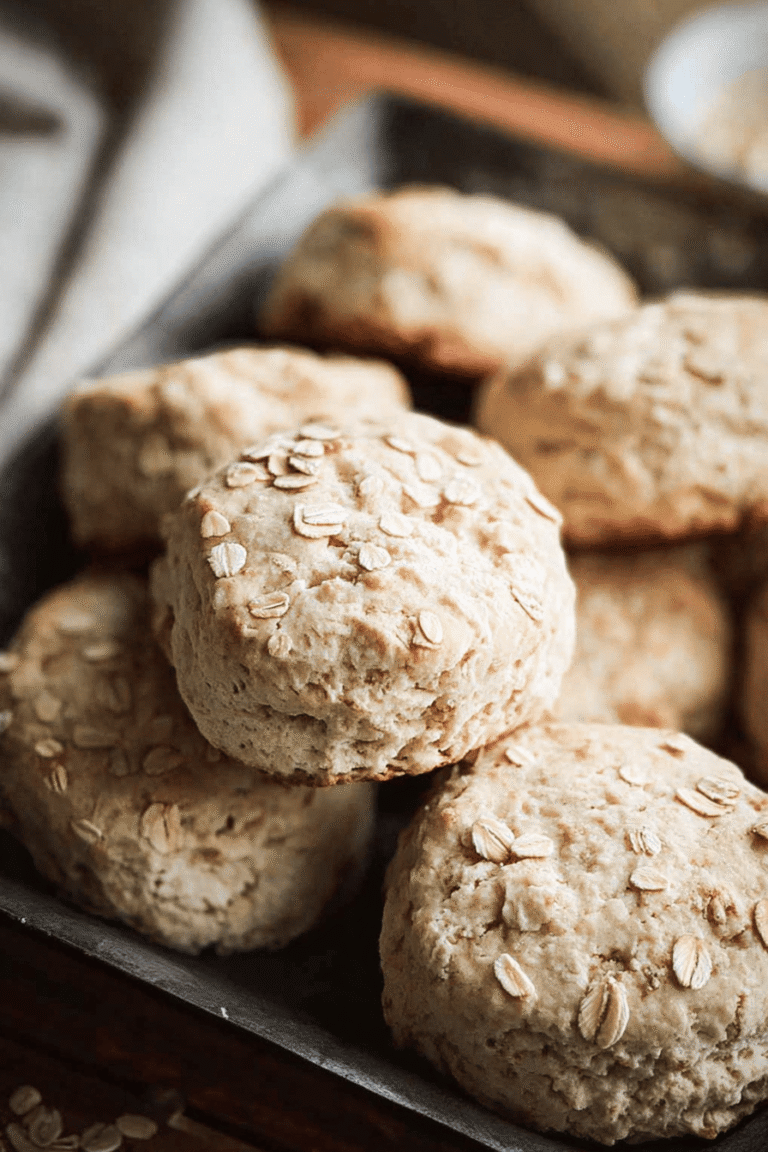
🥣 Scottish Bannocks are hearty traditional oatcakes offering a wholesome and satisfying option that’s perfect for any time of day.
🔥 This recipe includes versatile baking tips and a sourdough version to add depth of flavor and texture, ideal for those seeking authentic homemade taste.
- Total Time: 25-30 minutes
- Yield: 8–10 bannocks depending on size 1x
Ingredients
1½ cups rolled oats
1 cup all-purpose flour
2 teaspoons baking powder
1 teaspoon kosher salt
6 tablespoons unsalted butter, melted
⅓ cup water
⅓ cup all-purpose flour (reduced from 1 cup)
½ teaspoon kosher salt (reduced from 1 teaspoon)
⅔ cup unfed sourdough starter
Instructions
1-Preparing the Dough: Start by gathering all your ingredients and tools. You’ll need a large mixing bowl, measuring cups and spoons, a baking sheet, and parchment paper. Preheat your oven to 375°F (190°C) and line your baking sheet with parchment paper.
2-Preparing the Dough: In your mixing bowl, combine the dry ingredients: 1½ cups rolled oats, 1 cup all-purpose flour, 2 teaspoons baking powder, and 1 teaspoon kosher salt. Mix these together thoroughly with a whisk or fork to ensure even distribution of the leavening agent.
3-Incorporating the Butter: Melt 6 tablespoons of unsalted butter and add it to the dry ingredients. The butter should be warm but not hot. Gently mix the butter into the oat and flour mixture until it forms a crumbly texture. This step is crucial for creating the signature tender crumb of traditional Scottish bannocks.
4-Adding Liquid and Forming the Dough: Gradually add ⅓ cup of water to the mixture, stirring continuously. The dough will begin to come together but should remain somewhat shaggy. Avoid overmixing at this stage, as this can result in tough bannocks rather than the desired tender texture.
5-Adding Liquid and Forming the Dough: Once the liquid is incorporated, turn the dough out onto a lightly floured surface. Gently knead the dough for just 1-2 minutes until it forms a coherent ball. The minimal kneading is intentional overworking will develop gluten and make the bannocks tough rather than tender.
6-Shaping and Scoring: Pat the dough into a round disc approximately ¾ inch thick. Traditionally, Scottish bannocks are scored into triangular wedges before baking, making them easy to portion later. Use a sharp knife to score the surface into 6 or 8 wedges, cutting about halfway through the dough.
7-Baking to Perfection: Transfer the scored dough to your prepared baking sheet. Bake for 20-25 minutes, or until the bannocks are golden brown and sound hollow when tapped on the bottom. The exact baking time may vary depending on your oven and the thickness of your dough.
8-Baking to Perfection: Remove the bannocks from the oven and let them cool on the baking sheet for 5-10 minutes before breaking along the scored lines. This cooling period allows the crumb structure to set, preventing the bannocks from crumbling apart.
9-Baking to Perfection: For a darker, crustier exterior, you can place the broken wedges back in the oven for an additional 2-3 minutes. This method mimics the traditional griddle-baking technique that was historically used to make Scottish bannocks.
Last Step:
Please leave a rating and comment letting us know how you liked this recipe! This helps our business to thrive and continue providing free, high-quality recipes for you.Notes
🛎️ For a nuttier flavor, try toasting the rolled oats before mixing.
🌾 When using sourdough starter, reduce salt and eliminate added water for best texture.
⏰ Avoid overbaking to keep bannocks tender inside while crisp on the outside.
- Prep Time: 10 minutes
- Cook Time: 15-20 minutes
- Category: Snack
- Method: Baking
- Cuisine: Scottish
- Diet: Vegetarian
Nutrition
- Serving Size: 1 bannock
- Calories: 150 kcal
- Sugar: 0.5 g
- Sodium: 200 mg
- Fat: 7 g
- Saturated Fat: 4 g
- Unsaturated Fat: 3 g
- Trans Fat: 0 g
- Carbohydrates: 20 g
- Fiber: 3 g
- Protein: 3 g
- Cholesterol: 20 mg