
Why You’ll Love This White Spaghetti
This white spaghetti recipe is wonderfully simple and quick to prepare, making it perfect for busy weeknights. With minimal ingredients and straightforward steps, you can have a delicious meal ready in under 30 minutes.
Packed with nutritious ingredients, this dish offers a balanced mix of protein and vitamins. It uses wholesome components that support wellness and energy levels without sacrificing flavor. The addition of vegetables like broccoli and bell peppers contributes to both the texture and nutritional value of the meal.Vegetable pasta dishes have been shown to provide significant health benefits while still being incredibly satisfying.
What makes this white spaghetti truly special is its remarkable versatility. Whether you’re cooking for vegan friends, gluten-free family members, or just looking for a healthier weeknight dinner, this recipe can accommodate everyone’s needs without compromising on taste.
The unique blend of creamy sauces and aromatic seasonings sets this white spaghetti apart, delivering a rich and memorable taste experience that delights any dinner occasion. The combination of garlic powder, onion powder, Italian herbs, and freshly grated Parmesan cheese creates a depth of flavor that will have everyone coming back for seconds. Much like our dessert recipes that adapt to different dietary needs, this white spaghetti recipe is flexible enough to suit any preference or restriction.
Jump to:
- Why You’ll Love This White Spaghetti
- Essential Ingredients for White Spaghetti
- Main Ingredients:
- Vegetable Options:
- How to Prepare the Perfect White Spaghetti: Step-by-Step Guide
- Preparing the Vegetables
- Creating the White Sauce
- Cooking the Pasta
- Bringing It All Together
- Final Touches
- Nutritional Information
- Mastering White Spaghetti: Advanced Tips and Variations
- Sauce Preparation Secrets
- Enhancing Flavor and Nutrition
- Serving Suggestions
- Preparation Time
- Dietary Substitutions to Customize Your White Spaghetti
- Vegan Options
- Gluten-Free Adaptations
- Lower-Calorie Modifications
- How to Store White Spaghetti: Best Practices
- Refrigeration Guidelines
- Freezing Methods
- Reheating Techniques
- Meal Preparation Strategies
- FAQs: Frequently Asked Questions About White Spaghetti
- What is white sauce in spaghetti and how is it different from Alfredo sauce?
- Can I use other types of pasta besides spaghetti with white sauce?
- How can I make white sauce pasta vegan or gluten-free?
- What vegetables work best in white sauce pasta throughout the year?
- What is the best way to store and reheat white sauce pasta?
- White Spaghetti
- Ingredients
- Instructions
- Last Step:
- Notes
- Nutrition
- Did you make this recipe?
Essential Ingredients for White Spaghetti
Main Ingredients:
- Spaghetti or any pasta of choice (quantity not specified in the original summary)
- Butter (quantity not specified in the original summary)
- Flour (all-purpose or gluten-free/plain wheat for toddlers; quantity not specified in the original summary)
- Full-fat milk (can use unsweetened, unflavored soy milk for a vegan version; quantity not specified in the original summary)
- A pinch of salt for roasting vegetables
- Freshly cracked black pepper (quantity not specified in the original summary)
- Garlic powder (quantity not specified in the original summary)
- Onion powder (quantity not specified in the original summary)
- Red chili flakes (quantity not specified in the original summary)
- Mixed Italian herbs (including oregano, parsley, thyme; quantity not specified in the original summary)
- Freshly grated Parmesan cheese (quantity not specified in the original summary; added to sauce before turning off heat)
Vegetable Options:
- Broccoli (quantity not specified in the original summary)
- Red bell peppers (quantity not specified in the original summary)
- Green bell peppers (quantity not specified in the original summary)
- Seasonal options include: asparagus, corn, peas, zucchini, spinach
When selecting ingredients, choose high-quality produce and fresh herbs for the best flavor. The quality of your ingredients can dramatically impact the final result, much like in our other favorite recipes. Remember that you can adjust quantities based on your personal preferences and the number of servings you need. Our dessert recipes always emphasize quality ingredients as the foundation of any delicious dish.
How to Prepare the Perfect White Spaghetti: Step-by-Step Guide
Preparing the Vegetables
First, roast the vegetables in butter with a pinch of salt for 3-4 minutes, then set aside. This step ensures the vegetables retain some of their crunch while developing a nice golden color and enhanced flavor.
Creating the White Sauce
In the same pan, melt butter on a low flame. Add flour and cook for 45 seconds until it turns pale yellow. This creates a roux, which is the foundation of your white sauce.
Slowly add warm milk while stirring continuously. This gradual addition is crucial to prevent lumps from forming in your sauce.
Simmer the sauce on medium-low heat until it thickens, about 10-12 minutes. You’ll know it’s ready when the sauce coats the back of a spoon.
Season with salt, garlic powder, onion powder, oregano, and red chili flakes. The exact quantities can be adjusted to your taste preferences.
Add freshly grated Parmesan cheese and turn off the heat. The residual heat will melt the cheese perfectly without risking it separating.
Cooking the Pasta
Cook the pasta in boiling salted water according to package instructions. Different pasta shapes may require different cooking times, so always check the package.
Reserve half a cup of pasta water before draining. This starchy water is a secret weapon for adjusting sauce consistency later.
Bringing It All Together
Add some of the reserved pasta water to the white sauce to adjust consistency, keeping it creamy. Start with a small amount and add more as needed.
Add the cooked pasta to the sauce using tongs or a strainer spoon, avoiding excess water. This technique helps prevent the dish from becoming watery.
Toss everything well to ensure the pasta is evenly coated with the sauce.
Final Touches
Garnish with fresh parsley, red chili flakes, and Parmesan cheese. These final touches add color, texture, and an extra layer of flavor to your white spaghetti.
Serve immediately while hot for the best texture and flavor experience.
Nutritional Information
Understanding the nutritional profile of your meals is important for maintaining a balanced diet. Here’s the nutritional information for one serving of this white spaghetti recipe:
| Nutrient | Amount |
|---|---|
| Calories | 684 kcal |
| Carbohydrates | 99 g |
| Protein | 52 g |
| Fat | 18 g |
| Saturated Fat | 9 g |
| Polyunsaturated Fat | 1 g |
| Monounsaturated Fat | 4 g |
| Cholesterol | 42 mg |
| Sodium | 3521 mg |
| Potassium | 4834 mg |
| Fiber | 32 g |
| Sugar | 9 g |
| Vitamin A | 89968 IU |
| Vitamin C | 782 mg |
| Calcium | 1383 mg |
| Iron | 25 mg |
Note that these values are approximate and may vary based on exact ingredient quantities and specific brands used. The high potassium and vitamin content comes from the inclusion of various vegetables, making this recipe both delicious and nutritious.
Mastering White Spaghetti: Advanced Tips and Variations
Sauce Preparation Secrets
Prepare the sauce before cooking the pasta for better consistency and sauce adherence. This timing allows you to focus entirely on perfecting the sauce texture without worrying about overcooking your pasta.
Reserve pasta water to maintain creaminess when reheating or adjusting sauce thickness. The starchy water helps bind the sauce to the pasta and prevents separation.
Store the sauce in a glass container with beeswax paper or plastic wrap directly on the surface to prevent skin formation and oxidation. This simple trick will keep your sauce fresh and ready-to-use for longer periods.
Enhancing Flavor and Nutrition
Add vegetables for texture and nutritional boost; consider adding lime zest in spring and summer for fresh flavor. The vegetables not only add color and texture but also increase the overall nutritional profile of your meal.
To make the recipe healthier or vegan, substitute butter with olive oil or a mix of butter and olive oil, and use plant-based milk. These substitutions can significantly alter the nutritional content while maintaining the creamy texture everyone loves.
Use gluten-free flour or whole wheat flour based on dietary preferences. These alternatives offer different nutritional benefits and can accommodate various dietary needs without compromising on taste.
Serving Suggestions
Serve hot off the pan with additional seasonings like red chili flakes, oregano, and Parmesan cheese. These final seasonings allow everyone to customize their dish to their personal taste preferences.
Pair with garlic toast and wine for a complete meal experience. A crisp white wine complements the creamy sauce beautifully, while garlic toast provides the perfect vehicle for scooping up any extra sauce.
Preparation Time
- Prep time: approximately 5 minutes
- Cook time: approximately 20 minutes
- Total time: approximately 25 minutes

Dietary Substitutions to Customize Your White Spaghetti
Vegan Options
Transforming this white spaghetti into a vegan-friendly dish is simpler than you might think. Replace dairy butter with plant-based alternatives like vegan butter or olive oil. Instead of dairy milk, use unsweetened, unflavored soy milk or other plant-based milk alternatives.
For the Parmesan cheese, there are several vegan cheese alternatives available, or you can create a savory topping with nutritional yeast, which provides a similar umami flavor profile.
Gluten-Free Adaptations
For those avoiding gluten, select gluten-free pasta made from rice, corn, quinoa, or other gluten-free grains. When thickening the sauce, substitute all-purpose flour with gluten-free flour blends or cornstarch slurry.
Remember that gluten-free pastas may have different cooking times and can release more starch into the water, so adjust your sauce consistency accordingly.
Lower-Calorie Modifications
To lighten up this dish while keeping it delicious, consider using low-fat milk instead of full-fat milk, reduce the amount of cheese, or increase the proportion of vegetables to pasta.
You can also boost the protein content by adding grilled chicken, shrimp, or plant-based proteins like tofu or tempeh, making the dish more satisfying with potentially smaller portions.
How to Store White Spaghetti: Best Practices
Refrigeration Guidelines
Store leftover white spaghetti in an airtight container and refrigerate for up to 3 days to maintain freshness and flavor. The containers should be shallow to allow for even cooling and reheating.
To prevent the pasta from absorbing all the sauce and becoming dry, you might want to store the sauce and pasta separately if possible. This approach gives you more control over the final texture when reheating.
Freezing Methods
For longer storage, freeze portions in sealed containers. Freezing pasta dishes can sometimes affect the texture, particularly the creaminess of the sauce. To minimize this, undercook the pasta slightly before freezing, as it will continue to cook when reheated.
Thaw frozen white spaghetti overnight in the refrigerator before reheating. This gradual thawing process helps maintain the texture of both the pasta and sauce.
Reheating Techniques
Gently warm on the stovetop over low heat, adding a splash of milk or water to restore sauce creaminess, ensuring quality and safety. This method allows you to control the temperature and consistency more effectively than microwave reheating.
If using a microwave, heat in short intervals, stirring between each, and add liquid as needed to prevent the dish from drying out.
Meal Preparation Strategies
Divide cooked pasta and sauce into single-serving containers for easy grab-and-go meals throughout the week. Meal prep can save you significant time and ensure you have healthy, delicious lunches ready when you need them.
Consider preparing the sauce in advance and storing it separately from freshly cooked pasta when you’re ready to eat. This approach yields the best texture and flavor, even for meal prep.
FAQs: Frequently Asked Questions About White Spaghetti
What is white sauce in spaghetti and how is it different from Alfredo sauce?
White sauce, commonly known as béchamel sauce, is made by cooking equal parts butter and flour to create a roux, then gradually adding milk while stirring until thickened. It is typically seasoned with salt, black pepper, onion powder, garlic powder, and Italian herbs. Unlike Alfredo sauce, which uses heavy cream and has a richer, heavier texture, white sauce is lighter and creamier, making it a popular base for spaghetti dishes.
Can I use other types of pasta besides spaghetti with white sauce?
Yes, you can substitute spaghetti with any pasta shape you have on hand, such as penne, fusilli, or fettuccine. The white sauce pairs well with many pasta types, so feel free to use what’s available. Just adjust the cooking time of the pasta to the package instructions to maintain the best texture.
How can I make white sauce pasta vegan or gluten-free?
To make the pasta vegan, replace dairy milk with unsweetened, unflavored plant-based milk like soy or oat milk, and use vegan butter or oil instead of dairy butter. For a gluten-free version, substitute regular all-purpose flour with gluten-free flour or a cornstarch slurry to thicken the sauce. Always check that the pasta is labeled gluten-free if needed.
What vegetables work best in white sauce pasta throughout the year?
Spring and summer vegetables such as bell peppers, asparagus, fresh corn, peas, and zucchini add freshness and color. In fall and winter, try broccoli, spinach, and fresh herbs like thyme for warmth and depth. These vegetables can be sautéed or steamed before mixing into the pasta, enhancing both flavor and nutrition.
What is the best way to store and reheat white sauce pasta?
Store white sauce pasta in an airtight container in the refrigerator for 3 to 5 days. Before reheating, add a splash of water or reserved pasta cooking water to help loosen the sauce and prevent it from drying out. Reheat gently on the stove or in the microwave until warmed through. You can also freeze the pasta for up to 3 months; thaw at room temperature and reheat with added liquid to maintain creaminess.
White Spaghetti
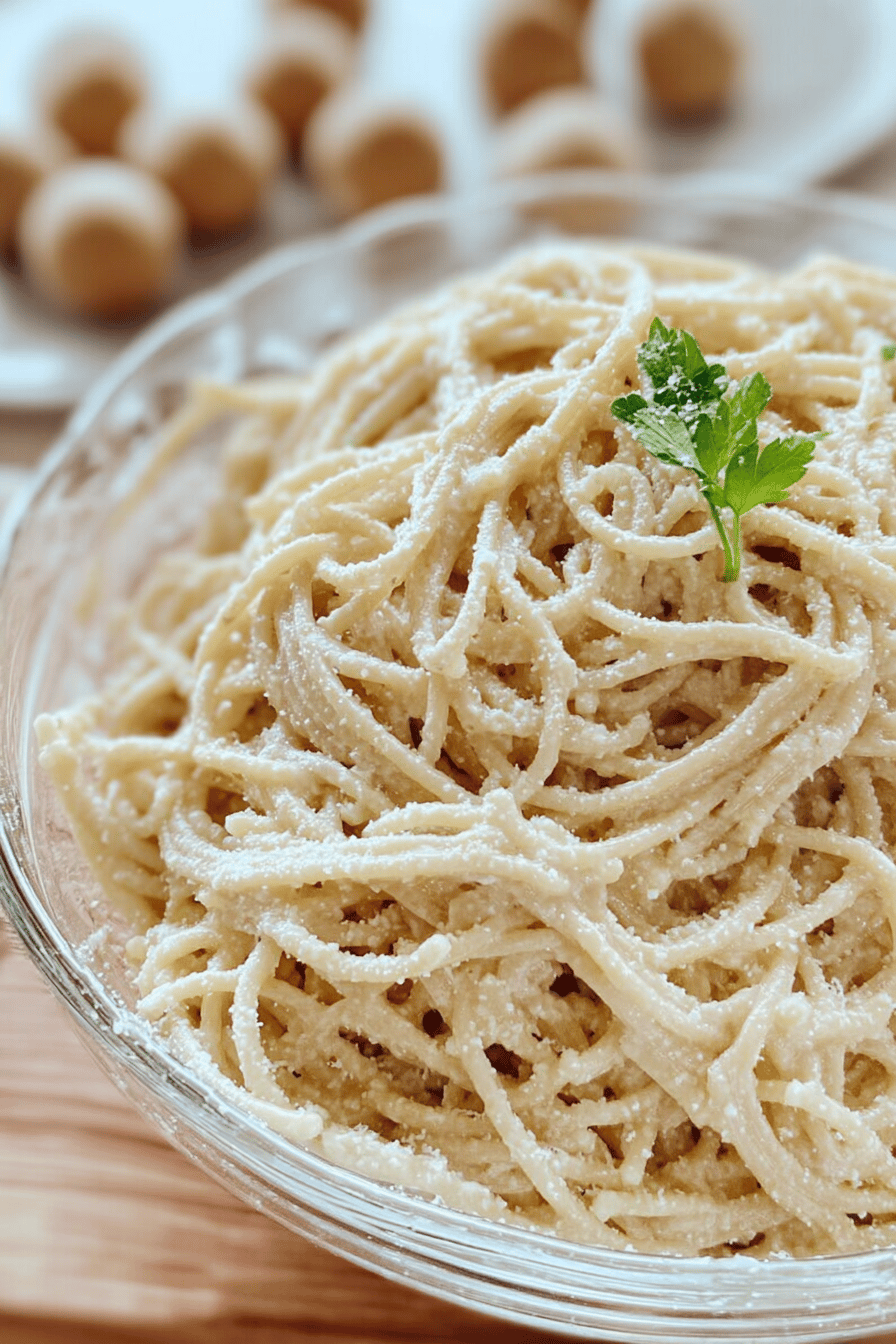
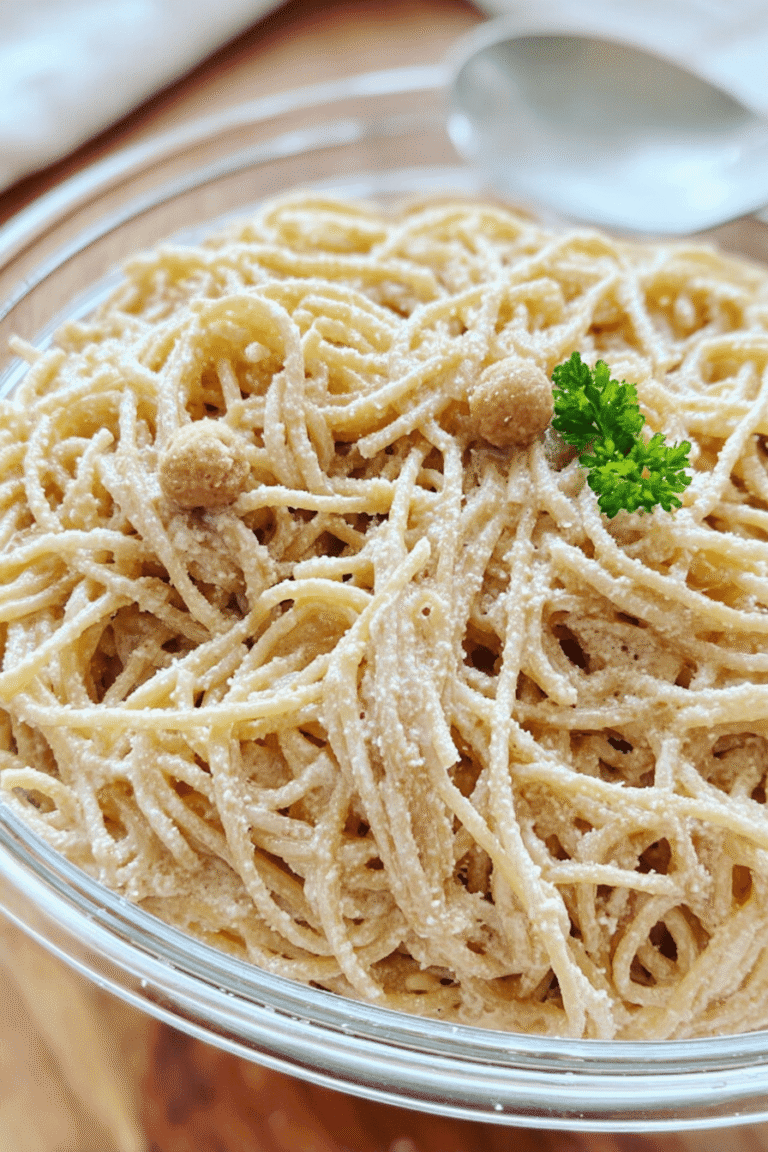
🧄 This White Sauce Pasta offers a creamy, garlicky comfort dish that combines rich cheese and tender pasta.
🍝 Easy to customize with your choice of vegetables and seasonings, it’s perfect for a satisfying meal any night of the week.
- Total Time: 25 minutes
- Yield: 4 servings
Ingredients
Spaghetti or any pasta of choice
Butter
Flour (all-purpose or gluten-free/plain wheat for toddlers)
Full-fat milk (can use unsweetened, unflavored soy milk for a vegan version)
A pinch of salt for roasting vegetables
Freshly cracked black pepper
Garlic powder
Onion powder
Red chili flakes
Mixed Italian herbs (including oregano, parsley, thyme)
Freshly grated Parmesan cheese (added to sauce before turning off heat)
Broccoli
Red bell peppers
Green bell peppers
Seasonal options include: asparagus, corn, peas, zucchini, spinach
Instructions
1-Preparing the Vegetables: First, roast the vegetables in butter with a pinch of salt for 3-4 minutes, then set aside. This step ensures the vegetables retain some of their crunch while developing a nice golden color and enhanced flavor.
2-Creating the White Sauce: In the same pan, melt butter on a low flame. Add flour and cook for 45 seconds until it turns pale yellow. This creates a roux, which is the foundation of your white sauce.
Slowly add warm milk while stirring continuously. This gradual addition is crucial to prevent lumps from forming in your sauce.
Simmer the sauce on medium-low heat until it thickens, about 10-12 minutes. You’ll know it’s ready when the sauce coats the back of a spoon.
Season with salt, garlic powder, onion powder, oregano, and red chili flakes. The exact quantities can be adjusted to your taste preferences.
Add freshly grated Parmesan cheese and turn off the heat. The residual heat will melt the cheese perfectly without risking it separating.
3-Cooking the Pasta: Cook the pasta in boiling salted water according to package instructions. Different pasta shapes may require different cooking times, so always check the package.
Reserve half a cup of pasta water before draining. This starchy water is a secret weapon for adjusting sauce consistency later.
4-Bringing It All Together: Add some of the reserved pasta water to the white sauce to adjust consistency, keeping it creamy. Start with a small amount and add more as needed.
Add the cooked pasta to the sauce using tongs or a strainer spoon, avoiding excess water. This technique helps prevent the dish from becoming watery.
Toss everything well to ensure the pasta is evenly coated with the sauce.
5-Final Touches: Garnish with fresh parsley, red chili flakes, and Parmesan cheese. These final touches add color, texture, and an extra layer of flavor to your white spaghetti.
Serve immediately while hot for the best texture and flavor experience.
Last Step:
Please leave a rating and comment letting us know how you liked this recipe! This helps our business to thrive and continue providing free, high-quality recipes for you.Notes
🍲 Prepare the sauce before cooking pasta for better consistency and adherence.
💧 Reserve pasta water to maintain creaminess when reheating or adjusting sauce thickness.
🥄 Store sauce with beeswax paper or plastic wrap directly on surface to prevent skin and oxidation.
- Prep Time: 5 minutes
- Cook Time: 20 minutes
- Category: Main Course
- Method: Sautéing and Simmering
- Cuisine: Italian
- Diet: Vegetarian (vegan option available)
Nutrition
- Serving Size: 1 serving
- Calories: 684
- Sugar: 9g
- Sodium: 3521mg
- Fat: 18g
- Saturated Fat: 9g
- Unsaturated Fat: 5g
- Trans Fat: 0g
- Carbohydrates: 99g
- Fiber: 32g
- Protein: 52g
- Cholesterol: 42mg