

Why You’ll Love This Chocolate Cookies
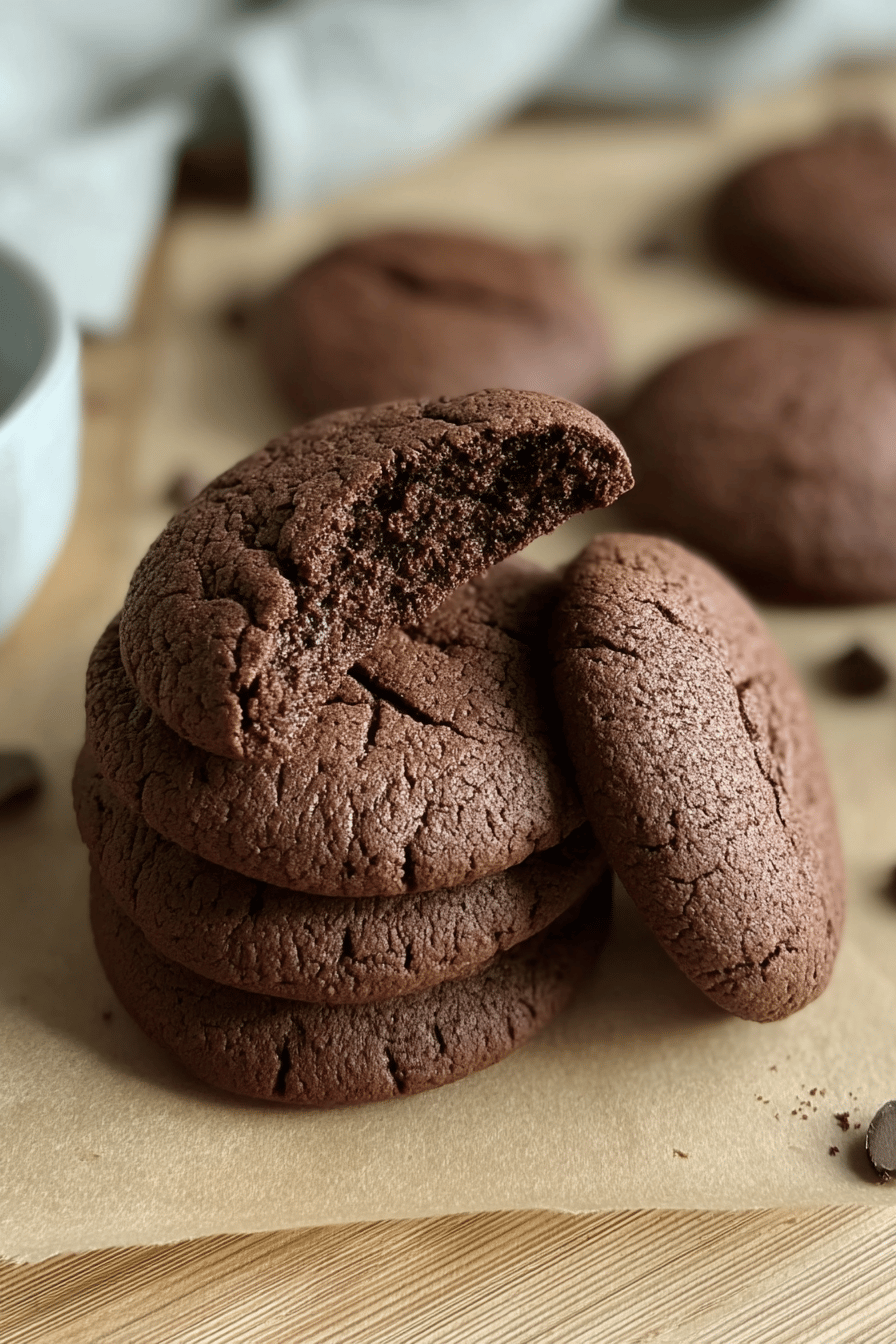
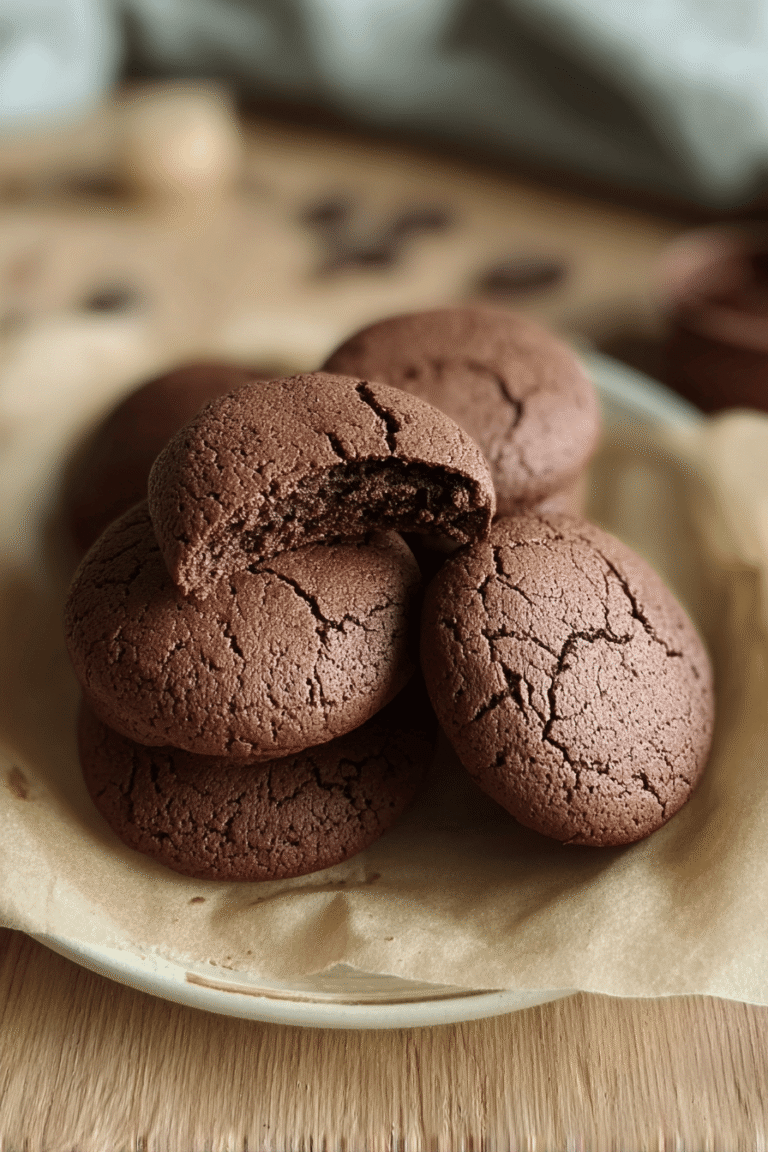
These soft and chewy chocolate cookies are everything a chocolate lover could dream of. Dense, intensely chocolaty, and boasting a wonderful brownie-like texture with a soft, chewy bite that will make you reach for seconds. Whether enjoyed plain or sprinkled with flaky salt or coarse sugar for added flavor, these cookies are sure to become your new favorite treat.
What makes this chocolate cookies recipe stand out? Let me share why you’ll fall in love with them:
- Ease of preparation: This chocolate cookies recipe comes together quickly with simple steps and minimal ingredients, making it ideal for bakers of all skill levels who want a delicious treat without much fuss.
- Health benefits: Made with wholesome ingredients, these chocolate cookies offer nutritional advantages like antioxidants from cocoa and potential fiber sources, supporting your wellness while satisfying your sweet tooth.
- Versatility: The recipe easily adapts to various dietary preferences, including vegan, gluten-free, and low-calorie options, making it suitable for many lifestyles and dietary needs.
- Distinctive flavor: Featuring a rich, intense chocolate taste balanced with hints of vanilla and a slightly chewy texture, these cookies stand out among typical chocolate treats.
These cookies are the perfect combination of simplicity and indulgence. With just 19 minutes from start to finish, you can have homemade cookies that taste like they came from a gourmet bakery.
Best of all, you don’t need to be a professional baker to achieve perfect results. The recipe is straightforward enough for beginners but produces cookies impressive enough for experienced bakers to appreciate. Whether you’re baking for a special occasion or just craving something sweet, these chocolate cookies deliver every time.
Jump to:
- Why You’ll Love This Chocolate Cookies
- Essential Ingredients for Chocolate Cookies
- The Role of Each Ingredient
- Special Dietary Options
- How to Prepare the Perfect Chocolate Cookies: Step-by-Step Guide
- Tips for Perfect Cookies
- Dietary Substitutions to Customize Your Chocolate Cookies
- Protein and Main Component Alternatives
- Vegetable, Sauce, and Seasoning Modifications
- Mastering Chocolate Cookies: Advanced Tips and Variations
- Pro Cooking Techniques
- Flavor Variations
- Presentation Tips
- Make-Ahead Options
- How to Store Chocolate Cookies: Best Practices
- Room Temperature Storage
- Refrigeration
- Freezing
- Reheating
- Meal Prep Considerations
- Nutritional Information
- FAQs: Frequently Asked Questions About Chocolate Cookies
- What are the main ingredients needed to make chocolate cookies?
- How can I make chocolate cookies chewy instead of crunchy?
- Can I store chocolate cookies for later, and what’s the best way to keep them fresh?
- How do I prevent chocolate cookies from spreading too much during baking?
- Are there any common substitutions for ingredients in chocolate cookies for dietary needs?
- Chocolate Cookies
- Ingredients
- Instructions
- Last Step:
- Notes
- Nutrition
- Did you make this recipe?
Essential Ingredients for Chocolate Cookies
Creating the perfect chocolate cookies starts with gathering the right ingredients. Here’s everything you’ll need to make these delicious treats:
- ¾ cup unsalted butter, at room temperature
- 1 ½ cups granulated sugar
- 2 large eggs
- 2 teaspoons vanilla extract
- 2 cups all-purpose flour
- ⅔ cup unsweetened cocoa powder
- 1 teaspoon baking soda
- ½ teaspoon salt
- Coarse sugar or flaky salt for sprinkling (optional)
The Role of Each Ingredient
Understanding what each ingredient brings to your chocolate cookies can help you appreciate the recipe more and make informed substitutions if needed:
Unsalted butter: Provides richness and moisture while helping to create that soft, chewy texture. Using room temperature butter ensures proper creaming with sugar.
Granulated sugar: Sweetens the cookies while contributing to their tender texture. The sugar crystals also help create those slightly crisp edges.
Eggs: Act as binders, holding the cookies together while adding moisture and structure. They also contribute to the rich flavor.
Vanilla extract: Enhances and deepens the chocolate flavor, adding a warm aromatic quality that makes these cookies irresistible.
All-purpose flour: Provides the necessary structure for the cookies. Measuring accurately is crucial to avoid dry or tough cookies.
Unsweetened cocoa powder: The star ingredient that gives these cookies their rich chocolate flavor and beautiful dark color.
Baking soda: Helps the cookies rise and spread properly, creating the perfect texture.
Salt: Balances the sweetness and intensifies the chocolate flavor, making it more pronounced.
Special Dietary Options
These chocolate cookies can be easily adapted to accommodate various dietary needs:
- Vegan: Use plant-based butter and substitute the eggs with flaxseed meal or applesauce
- Gluten-free: Replace all-purpose flour with a gluten-free flour blend
- Low-calorie: Use a sugar substitute and reduced-fat butter alternatives
For those looking to incorporate more protein into their baked goods, check out Greek yogurt bowls that can be a great complement to these chocolate cookies for breakfast or dessert.
How to Prepare the Perfect Chocolate Cookies: Step-by-Step Guide
Ready to bake some delicious chocolate cookies? Follow this step-by-step guide for perfect results every time. From preparation to baking, I’ll walk you through each stage to ensure your cookies turn out soft, chewy, and absolutely irresistible.
- Preheat and prepare: Preheat the oven to 350 degrees Fahrenheit and line a baking sheet with parchment paper.
- Cream butter and sugar: Beat the butter and sugar together until light and creamy, about 4 minutes. This step incorporates air into the mixture for lighter cookies.
- Add eggs and vanilla: Add the eggs one at a time, mixing after each addition, then stir in the vanilla extract until fully combined.
- Combine dry ingredients: In a separate bowl, sift together the flour, cocoa powder, baking soda, and salt. This ensures even distribution and prevents lumps.
- Mix wet and dry ingredients: Add the dry ingredients to the butter mixture and mix until just combined, scraping the bowl to ensure even mixing. Be careful not to overmix.
- Scoop the dough: Scoop rounded tablespoons of dough onto the prepared baking sheet, leaving space between each for spreading.
- Bake: Bake for about 9 minutes, until the edges are crisp and the tops are set but not wet. The centers will continue to cook from residual heat after removal.
- Add finishing touches: Immediately sprinkle with coarse sugar or flaky salt while the cookies are still hot if desired.
- Shape if needed: If the cookies are misshapen, gently press them into circles with a spatula right after removing from the oven.
- Cool and enjoy: Let the cookies cool on the pan for a few minutes before transferring to a wire rack. This allows them to set without breaking.
Tips for Perfect Cookies
Here are some additional tips to ensure your chocolate cookies turn out perfectly:
- Ensure the butter is soft enough to leave an indent when pressed but not shiny or melting, to prevent excessive spreading.
- Measure flour accurately using a kitchen scale or the spoon and level method to avoid over-flouring.
- Use a cookie scoop for uniform sizes, such as medium (1.5 tablespoons) or large (3 tablespoons), and adjust baking time as needed.
- Press any misshapen cookies back into shape while they are still warm.
- Remember that no dough chilling is required for this recipe; you can bake immediately after preparation.

Dietary Substitutions to Customize Your Chocolate Cookies
These chocolate cookies are incredibly versatile and can be adapted to suit various dietary preferences and restrictions. Whether you need to make them vegan, gluten-free, or just want to experiment with different flavors, these substitution options have you covered.
Protein and Main Component Alternatives
For those looking to modify the protein content or main components of these cookies:
- Vegan protein boost: Consider adding chickpea flour or pea protein powder to the dough. Substitute eggs with flaxseed meal or chia seeds mixed with water to maintain binding properties.
- Nut butters: Use almond, cashew, or peanut butter for added protein and moisture. You can replace a portion of the butter with your favorite nut butter.
Vegetable, Sauce, and Seasoning Modifications
Experiment with these additions to create unique flavor profiles and textures:
- Moisture additions: Incorporate pureed pumpkin or avocado for a moist texture and subtle flavor changes along with added nutrients.
- Flavor extracts: Swap vanilla extract with almond or orange extracts for flavor variety that complements the chocolate base.
- Spice it up: Add a dash of cinnamon, cayenne pepper, or chili powder for a spicy twist that enhances the chocolate flavor.
- Chocolate alternatives: Use dairy-free chocolate chips or carob chips for those with dietary restrictions or allergies.
Those seeking other breakfast options might enjoy Funfetti Greek yogurt muffins that offer a different take on baking with nutritional benefits.
Mastering Chocolate Cookies: Advanced Tips and Variations
Once you’ve mastered the basic chocolate cookie recipe, you might want to elevate your baking game with these advanced tips and creative variations. These techniques will help you achieve professional results and customize your cookies to perfection.
Pro Cooking Techniques
These professional techniques will take your chocolate cookies to the next level:
- Cold butter technique: For a different texture, try incorporating cold butter cut into the flour for a flakier cookie with distinct layers.
- Dough chilling: While not required for this recipe, chilling the dough overnight can enhance flavor development and result in a richer taste.
- Pressing technique: For a crispier cookie, press dough balls slightly before baking to increase surface area and promote even cooking.
The difference between good cookies and great cookies often comes down to technique. Simple adjustments like proper creaming and accurate measuring can dramatically improve your results.
Flavor Variations
Keep your chocolate cookies exciting with these flavor variations:
- Espresso enhancement: Add 1-2 teaspoons of espresso powder to intensify the chocolate notes without making the cookies taste like coffee.
- Sweet and salty: Mix in sea salt flakes for a sweet-salty contrast that makes the chocolate flavor pop.
- Texture additions: Blend in dried fruits like cherries or cranberries, or nuts like walnuts and pecans for added texture and taste diversity.
- Spiced chocolate: Experiment with warm spices like cinnamon, nutmeg, or cardamom to create complex flavor profiles.
Presentation Tips
Make your chocolate cookies look as good as they taste with these presentation ideas:
- Dusting: Lightly dust cooled cookies with powdered sugar for an elegant snow-capped appearance.
- Chocolate drizzle: Melt additional chocolate and drizzle over cooled cookies in decorative patterns.
- Sandwich cookies: Create cookie sandwiches by pairing two cookies with a flavored cream filling in between.
- Decorative toppings: Press whole nuts, chocolate chunks, or candy pieces into the dough balls before baking for visual appeal.
Make-Ahead Options
For those who like to plan ahead, these make-ahead options will save you time:
- Freeze dough: Prepare dough in advance and freeze in portions; bake fresh when needed.
- Par-baking: Par-bake cookies for a few minutes less than required, cool, and freeze. Reheat briefly when ready to serve.
- Batch baking: Double or triple the recipe and freeze baked cookies in airtight containers for future enjoyment.
How to Store Chocolate Cookies: Best Practices
Proper storage is crucial for maintaining the fresh taste and texture of your chocolate cookies. Whether you need to keep them for a few days or want to save some for later, these storage methods will help preserve their quality.
Room Temperature Storage
For short-term storage, keeping cookies at room temperature is ideal:
- Store cookies in an airtight container at room temperature for up to a week.
- Separate layers with parchment paper to prevent sticking.
- Keep the container away from direct sunlight and heat sources.
Refrigeration
While not typically necessary, refrigeration can extend the life of your cookies:
- For short-term refrigeration, keep cookies sealed in an airtight container to preserve freshness and prevent drying.
- Allow refrigerated cookies to come to room temperature before serving for the best texture and flavor.
Freezing
Freezing is an excellent option for long-term storage:
- Place baked cookies in a freezer-safe container or bag, separating layers with parchment paper.
- Alternatively, freeze dough balls on a baking sheet first, then transfer to a freezer bag once solid.
- Frozen cookies and dough can be stored for up to 3 months.
- Thaw at room temperature before serving or bake dough directly from frozen, adding a couple of extra minutes to the baking time.
Reheating
Bringing back that fresh-baked taste is simple with these reheating methods:
- Warm cookies in a low oven (around 300°F/150°C) for 5-7 minutes to restore softness.
- For a quick warm-up, microwave cookies for 10-15 seconds, checking frequently to avoid overheating.
- Reheating frozen cookies? You can microwave them for 20-30 seconds or warm in a 300°F oven for 10-12 minutes.
Remember that cookies are best within a few days of baking, but with proper storage, they can maintain their quality for up to a week at room temperature or several months in the freezer.
Meal Prep Considerations
Batch baking and proper storage maximize convenience for busy schedules:
- Plan a baking session dedicated to making large batches that can be stored for future use.
- Divide cookies into portion-controlled bags for easy grab-and-go snacks.
- Label storage containers with the date to ensure freshness.
- Consider freezing different varieties to have options available for different occasions.
Nutritional Information
For those monitoring their nutritional intake, here’s the breakdown per cookie:
| Nutrient | Amount |
|---|---|
| Calories | 192 |
| Carbohydrates | 26 grams |
| Protein | 3 grams |
| Fat | 9 grams |
| Saturated Fat | 6 grams |
| Cholesterol | 29 milligrams |
| Sodium | 102 milligrams |
| Potassium | 97 milligrams |
| Fiber | 2 grams |
| Sugar | 15 grams |
| Vitamin A | 201 IU |
| Calcium | 13 milligrams |
| Iron | 1 milligram |
FAQs: Frequently Asked Questions About Chocolate Cookies
What are the main ingredients needed to make chocolate cookies?
To make classic chocolate cookies, you typically need all-purpose flour, unsweetened cocoa powder, baking soda, salt, unsalted butter, granulated sugar, brown sugar, eggs, vanilla extract, and chocolate chips or chunks. These ingredients contribute to the cookie’s texture and rich chocolate flavor. Measuring accurately and using room-temperature butter and eggs helps achieve the best results.
How can I make chocolate cookies chewy instead of crunchy?
To make chocolate cookies chewy, use a higher ratio of brown sugar to granulated sugar, as brown sugar contains moisture that retains softness. Adding an extra egg yolk can also increase chewiness by providing fat and moisture. Avoid over-baking by removing cookies when the edges are set but the centers still look slightly soft, as cookies continue to cook on the baking sheet after removal.
Can I store chocolate cookies for later, and what’s the best way to keep them fresh?
Yes, chocolate cookies can be stored for up to one week at room temperature in an airtight container. To maintain freshness and softness, place a slice of bread or a damp paper towel inside the container, which helps retain moisture. For longer storage, freeze cookies in a sealed plastic bag or container for up to three months, then thaw at room temperature before serving.
How do I prevent chocolate cookies from spreading too much during baking?
Prevent chocolate cookies from spreading by chilling the dough for at least 30 minutes before baking; this firms up the fat and slows the spreading process. Also, avoid adding too much butter or sugar and use parchment paper or silicone baking mats to promote even baking. Using the correct oven temperature, typically 350°F (175°C), helps set the cookie edges quickly and minimizes excessive spread.
Are there any common substitutions for ingredients in chocolate cookies for dietary needs?
Yes, for gluten-free chocolate cookies, substitute all-purpose flour with a gluten-free flour blend designed for baking. To make cookies dairy-free, use coconut oil or vegan butter instead of regular butter. For egg-free options, replace each egg with flaxseed meal mixed with water (1 tablespoon flaxseed + 3 tablespoons water) or unsweetened applesauce (1/4 cup per egg). These swaps can retain flavor and texture while fitting dietary restrictions.
Chocolate Cookies
🍪 Delight in these soft and chewy chocolate cookies that offer a rich, brownie-like texture ideal for any chocolate lover.
✨ Perfect for quick baking and enjoying fresh, these cookies provide a tender bite with crispy edges and a delicious chocolate punch.
- Total Time: 19 minutes
- Yield: About 24 cookies
Ingredients
– ¾ cup unsalted butter, at room temperature
– 1 ½ cups granulated sugar
– 2 large eggs
– 2 teaspoons vanilla extract
– 2 cups all-purpose flour
– ⅔ cup unsweetened cocoa powder
– 1 teaspoon baking soda
– ½ teaspoon salt
– Coarse sugar or flaky salt for sprinkling (optional)
Instructions
1-Preheat and prepare: Preheat the oven to 350 degrees Fahrenheit and line a baking sheet with parchment paper.
2-Cream butter and sugar: Beat the butter and sugar together until light and creamy, about 4 minutes. This step incorporates air into the mixture for lighter cookies.
3-Add eggs and vanilla: Add the eggs one at a time, mixing after each addition, then stir in the vanilla extract until fully combined.
4-Combine dry ingredients: In a separate bowl, sift together the flour, cocoa powder, baking soda, and salt. This ensures even distribution and prevents lumps.
5-Mix wet and dry ingredients: Add the dry ingredients to the butter mixture and mix until just combined, scraping the bowl to ensure even mixing. Be careful not to overmix.
6-Scoop the dough: Scoop rounded tablespoons of dough onto the prepared baking sheet, leaving space between each for spreading.
7-Bake: Bake for about 9 minutes, until the edges are crisp and the tops are set but not wet. The centers will continue to cook from residual heat after removal.
8-Add finishing touches: Immediately sprinkle with coarse sugar or flaky salt while the cookies are still hot if desired.
9-Shape if needed: If the cookies are misshapen, gently press them into circles with a spatula right after removing from the oven.
10-Cool and enjoy: Let the cookies cool on the pan for a few minutes before transferring to a wire rack. This allows them to set without breaking.
Last Step:
Please leave a rating and comment letting us know how you liked this recipe! This helps our business to thrive and continue providing free, high-quality recipes for you.Notes
🧈 Make sure butter is softened but not melting to prevent cookies from spreading too much.
⚖️ Measure flour accurately using a kitchen scale or spoon and level method to avoid dry or cakey texture.
🍪 Use a cookie scoop for even cookie sizes and shape; gently reshape warm cookies if necessary.
- Prep Time: 10 minutes
- undefined: undefined
- Cook Time: 9 minutes
- Category: Dessert
- Method: Baking
- Cuisine: American
- Diet: Vegetarian
Nutrition
- Serving Size: 1 cookie
- Calories: 192
- Sugar: 15 g
- Sodium: 102 mg
- Fat: 9 g
- Saturated Fat: 6 g
- Unsaturated Fat: 3 g
- Trans Fat: 0 g
- Carbohydrates: 26 g
- Fiber: 2 g
- Protein: 3 g
- Cholesterol: 29 mg