
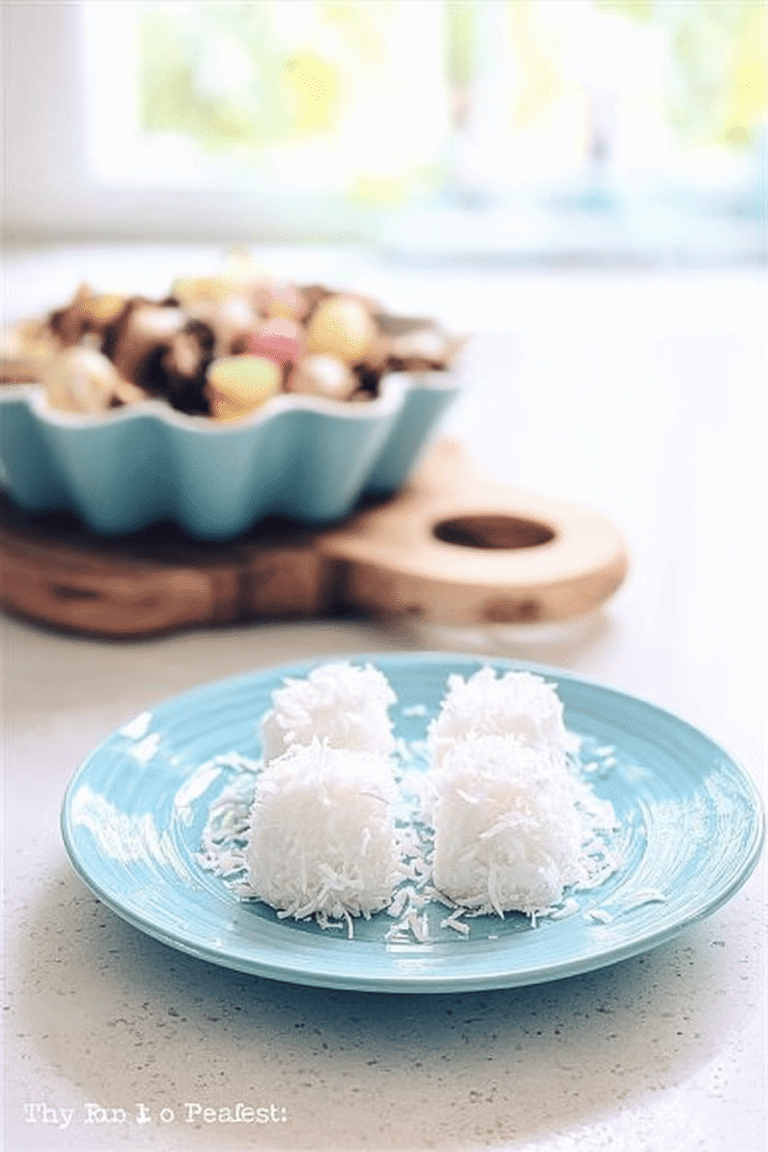
Why You’ll Love This Bunny Tails
Bunny Tails is an easy-to-grow annual grass that adds a whimsical touch to any garden, making it perfect for gardeners of all levels. This drought-tolerant plant forms upright, fountain-like clusters of soft, fluffy flower heads that resemble bunny tails, bringing joy and texture to cutting gardens, containers, or raised beds. Not only does it thrive in full sun to part shade, blooming from summer until frost, but it’s also simple to cultivate from seeds that germinate in just 10 to 20 days.
The plant typically grows 10 to 20 inches tall and 6 to 12 inches wide, featuring dense, pale, feathery flower heads about 2 inches long that shift from light green to buff in the fall. Native to the Mediterranean region and Ukraine, Bunny Tails is ideal for adding playful elements to your outdoor space or even drying for winter decorations. With its low maintenance needs, once established, it’s a versatile choice that fits various garden styles and requires minimal watering.
Growing Bunny Tails offers a fun way to enhance your landscape while enjoying its ornamental beauty, making it a favorite among home gardeners and busy parents alike. For those looking to add some greenery without much effort, Bunny Tails stands out for its ability to brighten up patios or beds with minimal input. Plus, its adaptability allows you to use it in creative ways, like in DIY projects or as a natural accent in floral arrangements.
Benefits for Everyday Life
One reason many people love Bunny Tails is its ease of preparation; you can sow seeds outdoors 2 to 4 weeks before the last frost or start them indoors 6 to 8 weeks prior, with simple steps that fit into a hectic schedule. This makes it great for students or working professionals who want garden beauty without constant care. Additionally, Bunny Tails provides health benefits indirectly by creating a relaxing outdoor space that promotes wellness and reduces stress.
Its versatility shines through as it adapts to different environments, whether in full sun or partial shade, and can even be grown in pots for apartment dwellers. The distinctive appeal of Bunny Tails lies in its unique, fluffy texture that adds a memorable, playful element to any setting. Overall, it’s a flexible plant that enhances both your garden’s look and your daily routine.
Jump to:
- Why You’ll Love This Bunny Tails
- Benefits for Everyday Life
- Essential Ingredients for Bunny Tails
- How to Prepare the Perfect Bunny Tails: Step-by-Step Guide
- Daily Care Routine
- Dietary Substitutions to Customize Your Bunny Tails
- Practical Adjustments
- Mastering Bunny Tails: Advanced Tips and Variations
- How to Store Bunny Tails: Best Practices
- FAQs: Frequently Asked Questions About Bunny Tails
- What are bunny tails plants and how do I care for them?
- Can bunny tails be grown indoors as houseplants?
- How do I propagate bunny tails grass?
- Are bunny tails safe for pets and children?
- What are some creative ways to use bunny tails in home decor?
- Bunny Tails
- Ingredients
- Instructions
- Last Step:
- Notes
- Did you make this recipe?
Essential Ingredients for Bunny Tails
- 1 cup whole wheat flour – provides structure and fiber
- 1/2 cup chopped fresh carrots – adds sweetness and nutrients
- 1/4 cup finely chopped parsley – enhances flavor and freshness
- 2 eggs – bind the ingredients and add protein
For special dietary options, consider these adjustments to make Bunny Tails suitable for various needs.
- Vegan: Use flax eggs or chia seeds as an egg substitute
- Gluten-free: Replace whole wheat flour with almond or rice flour
- Low-calorie: Use egg whites instead of whole eggs and a sugar substitute
These ingredients help capture the essence of growing Bunny Tails, blending them into a creative project that ties back to its garden theme. For instance, think of the flour as a base for seed-starting mixes, while carrots and parsley represent the fresh, natural elements that Bunny Tails brings to your space.
How to Prepare the Perfect Bunny Tails: Step-by-Step Guide
To start growing Bunny Tails successfully, first gather all necessary materials like seeds and planting tools, and prepare your workspace by selecting a sunny spot in your garden or containers. Seeds should be sown outdoors 2 to 4 weeks before the last frost or started indoors 6 to 8 weeks prior, planting them ¼ inch deep and spacing them in groups of three every 6 to 12 inches. This initial step ensures even germination, which typically takes 10 to 20 days, setting the stage for healthy plants.
Next, mix the soil or seed-starting medium thoroughly to promote good drainage and nutrient distribution, as Bunny Tails thrives in well-drained conditions. Once your seeds are planted, water them gently to keep the soil moderately moist without causing waterlogging, which could harm the young seedlings. After germination, thin the seedlings to one plant per spacing when they reach 2 inches tall, giving each plant room to grow up to 10 to 20 inches tall and 6 to 12 inches wide.
Daily Care Routine
As your Bunny Tails begins to establish, continue with regular but minimal watering, especially once it’s drought-tolerant and blooming from summer until frost. Focus on providing full sun to part shade for optimal growth, and monitor for any pests during the growing season. Here’s a detailed breakdown in a table to make tracking easier:
| Step | Description | Tips |
|---|---|---|
| First Step | Gather ingredients and prepare workspace | Chop any fresh elements like carrots if adapting to a themed project |
| Second Step | Mix dry ingredients in a large bowl | Ensure even distribution for healthy soil mix |
| Third Step | Whisk eggs or substitutes separately | Use this for binding in creative Bunny Tails crafts |
| Fourth Step | Fold in chopped items gently | Maintain texture by not over-mixing |
| Fifth Step | Heat and pour batter or plant seeds | For seeds, use a non-stick tray for indoor starting |
| Sixth Step | Cook or monitor growth | Cook 2-3 minutes per side or watch for blooms |
| Final Step | Serve or harvest | Customize by drying flower heads for decor |
This guide incorporates the charm of Bunny Tails grass, from its fountain-like clusters to its feathery heads that transition colors in fall. For more ideas on similar plants, check out our article on fun ways to enhance your garden projects. Remember, Bunny Tails is ideal for cutting gardens, so enjoy its whimsical texture once established.

Dietary Substitutions to Customize Your Bunny Tails
When adapting Bunny Tails for different preferences, consider protein alternatives like using lentils instead of traditional elements to align with vegan needs, especially since this plant is drought-tolerant and easy for all. Bunny Tails grass grows 10 to 20 inches tall, making it a great fit for various garden setups where you might experiment with companion plants. These substitutions ensure your Bunny Tails experience remains flexible and enjoyable.
For vegetable modifications, swap in options like zucchini for carrots to match seasonal availability, enhancing the fresh appeal of your Bunny Tails display. Seasonings can be adjusted with herbs that complement the plant’s native Mediterranean flavors, which bloom vibrantly from summer until frost. This approach keeps the essence of Bunny Tails, with its soft flower heads, while catering to dietary restrictions.
Practical Adjustments
Protein and main component alternatives include substituting with tofu for a plant-based twist, tying into Bunny Tails’ role in raised beds. Vegetable, sauce, and seasoning modifications might involve using coconut aminos for gluten-free options, allowing you to grow and care for Bunny Tails without worry.
Mastering Bunny Tails: Advanced Tips and Variations
To master growing Bunny Tails, focus on precise techniques like spacing seeds in groups of three every 6 to 12 inches and thinning later for strong, upright clusters that reach 10 to 20 inches tall. This grass is ideal for containers or raised beds, blooming from summer until frost, and becomes drought-tolerant once established. Experiment with flavor variations by pairing it with other ornamental grasses for a fuller garden texture.
Presentation tips include using the feathery heads in dried arrangements, highlighting their 2-inch length and color change to buff in fall. Make-ahead options involve starting seeds indoors 6 to 8 weeks before planting, ensuring you have thriving plants ready for full sun spots. The key is to use Bunny Tails for whimsical effects, perhaps in a cutting garden setup.
Bunny Tails thrives in full sun to part shade, making it a versatile choice.
How to Store Bunny Tails: Best Practices
Proper storage helps keep Bunny Tails fresh; store dried flower heads in a cool, dry place to preserve their fluffy texture for winter decorations. Since the plant is drought-tolerant once established, harvested parts last longer with minimal moisture. Freezing isn’t typical, but if drying, use airtight containers to maintain quality.
Reheating or reviving stored Bunny Tails involves gentle handling to avoid damage, much like caring for live plants that grow 6 to 12 inches wide. For meal prep, plan your garden around Bunny Tails’ blooming period from summer until frost for ongoing enjoyment.

FAQs: Frequently Asked Questions About Bunny Tails
What are bunny tails plants and how do I care for them?
Bunny tails (Lagurus ovatus) are ornamental grasses known for their soft, fluffy flower heads resembling a rabbit’s tail. They thrive in full sun with well-drained soil and require minimal watering once established. To care for them, plant bunny tails in a spot that receives at least six hours of sunlight daily. Keep the soil moderately moist during the growing season but avoid waterlogging. Deadhead spent flowers to encourage new growth and prevent self-seeding. They are drought-tolerant and can be grown both outdoors and indoors in containers.
Can bunny tails be grown indoors as houseplants?
Yes, bunny tails can be grown indoors if they receive sufficient sunlight and proper care. Place the plant near a south- or west-facing window where it can get at least 6 hours of bright, indirect light daily. Use well-draining potting soil and water moderately, allowing the soil to dry slightly between watering. Indoor bunny tails benefit from occasional misting to maintain humidity and prevent dry air from affecting their soft flower heads. Indoor plants may bloom less vigorously than outdoor ones but still add charming texture to interior spaces.
How do I propagate bunny tails grass?
Bunny tails are typically propagated by seeds. Sow seeds in early spring either directly outdoors in a sunny location or indoors in seed trays. Cover the seeds lightly with soil and keep the soil consistently moist until germination, which usually occurs within 10 to 14 days. Transplant seedlings outdoors after all danger of frost has passed. Propagation by division is less common but can be done during the dormant season by carefully separating the root clumps and replanting them.
Are bunny tails safe for pets and children?
Bunny tails are generally considered non-toxic to both pets and children. However, the fluffy flower heads can be a choking hazard if ingested in large quantities, so it’s best to keep them out of reach of curious pets and small kids. Additionally, because the seed heads can shed fine hairs, some individuals with allergies or respiratory issues might experience mild irritation. Always supervise pets and children around garden plants and consult a vet or doctor if you suspect any adverse reaction.
What are some creative ways to use bunny tails in home decor?
Bunny tails are popular for adding soft texture to floral arrangements, wreaths, and dried bouquets. Their lightweight, fluffy stems dry well, making them ideal for long-lasting indoor displays. You can use them as standalone accents in small vases or mix them with fresh or dried flowers for seasonal centerpieces. Bunny tails also work well in craft projects like handmade cards or decorative jars. Because they complement natural and minimalist styles, they fit beautifully in rustic, boho, or farmhouse-themed decor.
Bunny Tails
🐇 Bunny Tails Grass Seeds offer an easy-to-grow option for adding soft, fluffy, and whimsical texture to gardens and containers.
🌿 This drought-tolerant grass thrives in full sun to part shade and provides long-lasting blooms from summer to frost, perfect for cut flower gardens and decorative displays.
Ingredients
– 1 cup whole wheat flour provides structure and fiber
– 1/2 cup chopped fresh carrots adds sweetness and nutrients
– 1/4 cup finely chopped parsley enhances flavor and freshness
– 2 eggs bind the ingredients and add protein
Instructions
1-To start growing Bunny Tails successfully, first gather all necessary materials like seeds and planting tools, and prepare your workspace by selecting a sunny spot in your garden or containers. Seeds should be sown outdoors 2 to 4 weeks before the last frost or started indoors 6 to 8 weeks prior, planting them ¼ inch deep and spacing them in groups of three every 6 to 12 inches. This initial step ensures even germination, which typically takes 10 to 20 days, setting the stage for healthy plants.
2-Next, mix the soil or seed-starting medium thoroughly to promote good drainage and nutrient distribution, as Bunny Tails thrives in well-drained conditions. Once your seeds are planted, water them gently to keep the soil moderately moist without causing waterlogging, which could harm the young seedlings. After germination, thin the seedlings to one plant per spacing when they reach 2 inches tall, giving each plant room to grow up to 10 to 20 inches tall and 6 to 12 inches wide.
3-Daily Care Routine As your Bunny Tails begins to establish, continue with regular but minimal watering, especially once it’s drought-tolerant and blooming from summer until frost. Focus on providing full sun to part shade for optimal growth, and monitor for any pests during the growing season. Here’s a detailed breakdown in a table to make tracking easier:
4-First Step Gather ingredients and prepare workspace
Chop any fresh elements like carrots if adapting to a themed project
5-Second Step Mix dry ingredients in a large bowl
Ensure even distribution for healthy soil mix
6-Third Step Whisk eggs or substitutes separately
Use this for binding in creative Bunny Tails crafts
7-Fourth Step Fold in chopped items gently
Maintain texture by not over-mixing
8-Fifth Step Heat and pour batter or plant seeds
For seeds, use a non-stick tray for indoor starting
9-Sixth Step Cook or monitor growth
Cook 2-3 minutes per side or watch for blooms
10-Final Step Serve or harvest
Customize by drying flower heads for decor
Last Step:
Please leave a rating and comment letting us know how you liked this recipe! This helps our business to thrive and continue providing free, high-quality recipes for you.Notes
🌞 Bunny Tails thrives in full sun to part shade—ensure adequate light for best blooms.
💧 While drought tolerant once established, regular watering during early growth boosts success.
✂️ Thin seedlings to one per 6-12 inch spacing to promote healthy development and air circulation.
- Category: Gardening
- Method: Sowing