

Why You’ll Love This How to Clean Little Neck Clams
Thinking about diving into the world of fresh seafood? Cleaning little neck clams is easier than you might imagine, and it’s a great way to make sure you’re getting the best flavor without any unwanted surprises. Little neck clams are packed with protein and essential minerals, making them a smart choice for a quick, nutritious meal that fits right into your busy schedule. Plus, this method is so versatile that you can tweak it for different diets, like going gluten-free or keeping things low-calorie, so everyone at your table can enjoy it.
One of the best parts about how to clean little neck clams is how simple it is to prepare. You’ll find that the process helps keep the clams’ natural briny taste shining through, especially when you pair them with fresh herbs for a delightful twist. Whether you’re a home cook looking for a light dinner or a parent needing something quick for the family, this approach turns ordinary clams into a standout dish that feels special without much effort. Little neck clams offer about 22 calories per serving along with 4 grams of protein, making them a healthy add-on to your diet that won’t weigh you down.
Imagine serving these clams in various ways, like in a steaming bowl with a splash of white wine, which highlights their unique flavor and makes mealtime exciting. This recipe’s adaptability means you can easily adjust it for vegan options by swapping in plant-based alternatives, keeping it fresh and fun for all kinds of eaters. With just a few steps, you’ll master how to clean little neck clams and enjoy a dish that’s not only tasty but also good for you, like boosting your iron intake with every bite.
Health Benefits and Ease
Diving deeper, the health perks of little neck clams go beyond just protein they’re low in fat and rich in vitamins like Vitamin A, which supports eye health. For busy parents or working professionals, the quick prep time means you can have a meal ready in under three hours, including soaking. This makes how to clean little neck clams perfect for those spontaneous dinners or even a simple snack that fits into a diet-conscious lifestyle.
Jump to:
- Why You’ll Love This How to Clean Little Neck Clams
- Health Benefits and Ease
- Essential Ingredients for How to Clean Little Neck Clams
- Main Ingredients
- Special Dietary Options
- How to Prepare the Perfect How to Clean Little Neck Clams: Step-by-Step Guide
- Step-by-Step Breakdown
- Dietary Substitutions to Customize Your How to Clean Little Neck Clams
- Simple Modifications
- Mastering How to Clean Little Neck Clams: Advanced Tips and Variations
- Extra Tricks
- How to Store How to Clean Little Neck Clams: Best Practices
- FAQs: Frequently Asked Questions About How to Clean Little Neck Clams
- How do I properly clean little neck clams to remove sand and grit?
- Can I store little neck clams if I’m not cooking them right away?
- Why should I discard little neck clams with cracked or damaged shells?
- How long should I soak little neck clams, and what temperature should the water be?
- What is the best way to cook little neck clams after cleaning?
- How To Clean Little Neck Clams
- Ingredients
- Instructions
- Last Step:
- Notes
- Nutrition
- Did you make this recipe?
Essential Ingredients for How to Clean Little Neck Clams
Having the right ingredients on hand is key to mastering how to clean little neck clams effectively. Let’s break down what you’ll need to get started, focusing on a simple list that keeps things straightforward and easy to follow.
Main Ingredients
- 1 dozen littleneck clams
- 30 grams salt (about 2 tablespoons)
- 1000 grams cold water (about 1 liter)
These core items form the base of your cleaning process and ensure your clams are fresh and grit-free. For instance, the salt and cold water create the perfect soaking solution to help remove sand naturally.
Special Dietary Options
If you’re adapting this for different needs, consider these tweaks. For a vegan version, you could use plant-based clam substitutes to keep the texture similar. To make it gluten-free, just double-check that all tools and surfaces are clean, and skip any add-ins that might have gluten. If you’re watching calories, stick to minimal extras like fresh herbs to keep the dish light and satisfying.
| Ingredient | Purpose |
|---|---|
| 1 dozen littleneck clams | Main ingredient for freshness |
| 30 grams salt | Helps purge sand and grit |
| 1000 grams cold water | Creates the soaking environment |
This table shows how each part plays a role, making it simple to see why they’re essential. Remember, for more ideas on pairing clams with other recipes, check out our banana bread coffee cake recipe as a sweet follow-up to your seafood meal.
How to Prepare the Perfect How to Clean Little Neck Clams: Step-by-Step Guide
Getting into how to clean little neck clams starts with some basic steps that anyone can handle, even if you’re new to seafood. First, transport your clams home with ice; put them in a mesh bag inside an open bag of ice to keep them fresh and breathing. This keeps them alive and ready for the next steps without any hassle.
Next, if you’re not cooking right away, store the clams in an open container over ice in the fridge for no more than one day. Then, rinse the exteriors under cold running water, gently scrubbing with a brush or thick paper towel to get rid of any sand or debris. In a large bowl, dissolve the salt in cold water by whisking for about 30 seconds use cold tap water that’s around 70 degrees Fahrenheit or cooler for the best results.
Now, fully submerge the cleaned clams in this salted water and let them soak for 2 to 3 hours in a cool spot, either at room temperature or in the fridge, so they can purge that grit and sand. After soaking, discard the water and rinse the clams again with clean tap water. Finally, cook them by steaming in a single layer in a steamer basket over boiling water, keeping an eye on them and removing as they open toss any that don’t open after about 5 minutes.
Step-by-Step Breakdown
- Rinse the little neck clams under cold running water to remove surface dirt.
- Prepare a saltwater solution by dissolving 2 tablespoons of sea salt in 1 cup of cold water; soak clams in this mixture for 20-30 minutes to purge sand. For more on similar prep techniques, you might enjoy our high altitude chocolate lava cakes, which also involve careful timing.
- Drain and rinse clams again thoroughly to ensure all grit is removed.
- Heat 1 tablespoon of olive oil in a pan over medium heat; add minced garlic and sauté until fragrant.
- Add the cleaned clams to the pan, cover with a lid, and steam for 5-7 minutes until shells open.
- Remove clams with unopened shells and discard; sprinkle chopped fresh parsley over the opened clams.
- Serve immediately with a squeeze of lemon or your preferred garnish. For adaptations, keep it gluten-free by avoiding certain sauces, and use plant-based options for vegan needs.
The total preparation time includes about 5 minutes of prep, 2 to 3 hours of soaking, and 5 minutes of cooking, making the whole process around 3 hours and 5 minutes. Nutritional info per serving: 22 calories, 1 g carbs, 4 g protein, and 1 g fat, so it’s a light choice that packs a punch.
Soaking is key because, as one expert puts it, “It’s like giving your clams a spa day to let go of that pesky sand.”

Dietary Substitutions to Customize Your How to Clean Little Neck Clams
Everyone’s tastes and needs are different, so tweaking how to clean little neck clams can make it just right for you. Start with protein swaps: trade little neck clams for mussels or small scallops to mix things up while keeping that seafood vibe. For vegan folks, king oyster mushrooms or plant-based seafood stand-ins work great to mimic the texture without the original ingredients.
When it comes to veggies and seasonings, get creative swap garlic for shallots or leeks if you want a milder flavor. Go for low-sodium soy sauce or tamari to keep it gluten-free, and toss in seasonal picks like zucchini or cherry tomatoes for extra freshness. Don’t forget to play with herbs and spices; adding chili flakes can bring some heat, or smoked paprika for a smoky twist that elevates the dish.
Simple Modifications
- Substitute little neck clams with mussels or small scallops for a different seafood option.
- For vegan diets, use king oyster mushrooms or plant-based seafood substitutes.
- Swap garlic for shallots or leeks to vary flavor profiles.
- Use low-sodium soy sauce or tamari for gluten-free seasoning.
- Incorporate seasonal vegetables like zucchini or cherry tomatoes.
These tips help ensure the recipe stays flexible for dietary preferences, making how to clean little neck clams a go-to for various occasions.
Mastering How to Clean Little Neck Clams: Advanced Tips and Variations
Once you’ve got the basics of how to clean little neck clams down, it’s time to level up with some pro techniques. Rinse your clams multiple times and soak them in fresh saltwater hourly to really get rid of any lingering grit it’s a simple step that makes a big difference. For flavor variations, try adding white wine or citrus zest to bring in more depth and excitement to your dish.
Presentation is everything, so serve your clams in shallow bowls with fresh herbs and lemon wedges to make it look as good as it tastes. If you’re prepping ahead, clean and purge the clams in advance, then store them in the fridge and cook just before serving to keep that freshness. Remember to inspect for cracks or chips and discard any that don’t close when tapped, as this keeps things safe and high-quality.
Extra Tricks
- Ensure clams are not sealed in airtight containers to let them breathe.
- Avoid plain water for soaking; stick to the salt ratio of 30 grams per 1000 grams water.
- Use a slotted spoon to remove clams gently from the water.
- Limit soaking to 3-4 hours and steam until they open fully.
For more on maintaining freshness in recipes, an external guide like how to clean clams thoroughly can offer additional insights.
How to Store How to Clean Little Neck Clams: Best Practices
Proper storage is crucial for keeping your cleaned little neck clams fresh and ready to use. Stick them in the fridge in a breathable container lined with a damp cloth, and they’ll stay good for up to 2 days. Freezing works best after cooking, as raw clams don’t hold up well and can lose their texture when thawed.
When reheating, go low and slow to avoid making them tough it’s all about preserving that tender bite. For meal prep, purge and clean your clams ahead of time, then keep them separate from other ingredients to make batch cooking a breeze. This way, how to clean little neck clams fits seamlessly into your weekly routine.
FAQs: Frequently Asked Questions About How to Clean Little Neck Clams
How do I properly clean little neck clams to remove sand and grit?
To clean little neck clams, soak them in a saltwater solution made by mixing 30 grams of sea salt into 1 liter of cold tap water. Place the clams in this mixture for 2 to 3 hours. This soaking allows the clams to purge sand and grit from inside their shells. After soaking, rinse the clams under cold running water and scrub their shells gently with a stiff brush to remove surface dirt before cooking.
Can I store little neck clams if I’m not cooking them right away?
It’s best to cook little neck clams the same day you buy them. If you need to store them, keep the clams in an open container over ice in the refrigerator, ensuring they have access to air. Do not seal them in airtight bags or containers. Try to use them within 24 hours to maintain freshness and safety.
Why should I discard little neck clams with cracked or damaged shells?
Little neck clams with large cracks or broken shells should be discarded because they may be dead or contaminated, which can affect food safety and flavor. Clams with intact shells ensure freshness and reduce the risk of spoilage. Small chips on the shell edges are usually safe, but any clam with a compromised shell is best thrown away.
How long should I soak little neck clams, and what temperature should the water be?
Soak little neck clams for about 2 to 3 hours in cold water (ideally below 70°F or 21°C) mixed with sea salt. Soaking longer than 4 hours is not recommended because the clams may die without enough oxygen. Cold water keeps the clams alive and encourages them to expel sand and grit effectively.
What is the best way to cook little neck clams after cleaning?
After cleaning, place the little neck clams in a steamer basket over boiling water and cover with a lid. Steam them for 4 to 6 minutes until their shells open. Discard any clams that do not open after cooking. This method preserves their natural flavor and ensures they are cooked safely.
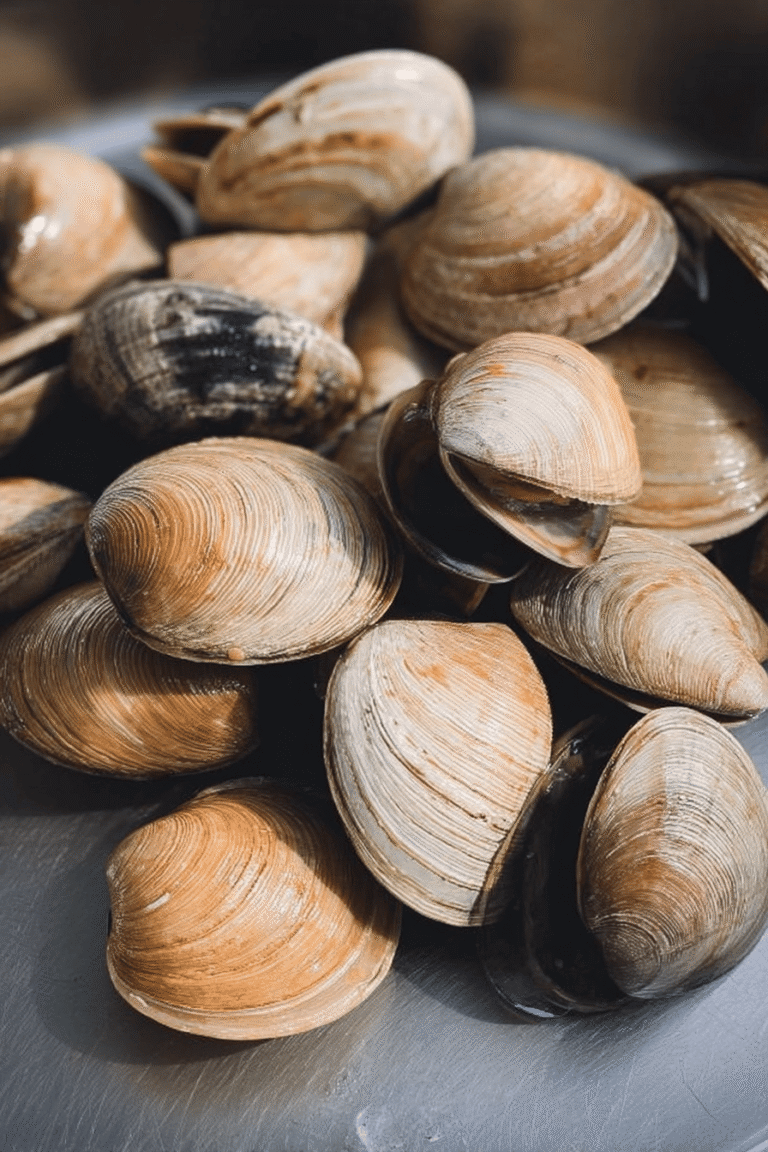
How To Clean Little Neck Clams
🦪 Learn how to clean clams effectively to remove all sand and grit, ensuring a fresh and enjoyable seafood experience.
🌊 This method enhances the natural flavor and texture of littleneck clams by purging unwanted debris before cooking.
- Total Time: 3 hours 5 minutes
- Yield: 1 dozen clams
Ingredients
– 1 dozen littleneck clams for freshness
– 30 grams salt helps purge sand and grit
– 1000 grams cold water creates the soaking environment
Instructions
1-Rinse the little neck clams under cold running water to remove surface dirt.
2-Prepare a saltwater solution by dissolving 2 tablespoons of sea salt in 1 cup of cold water; soak clams in this mixture for 20-30 minutes to purge sand. For more on similar prep techniques, you might enjoy our high altitude chocolate lava cakes, which also involve careful timing.
3-Drain and rinse clams again thoroughly to ensure all grit is removed.
4-Heat 1 tablespoon of olive oil in a pan over medium heat; add minced garlic and sauté until fragrant.
5-Add the cleaned clams to the pan, cover with a lid, and steam for 5-7 minutes until shells open.
6-Remove clams with unopened shells and discard; sprinkle chopped fresh parsley over the opened clams.
7-Serve immediately with a squeeze of lemon or your preferred garnish. For adaptations, keep it gluten-free by avoiding certain sauces, and use plant-based options for vegan needs.
Last Step:
Please leave a rating and comment letting us know how you liked this recipe! This helps our business to thrive and continue providing free, high-quality recipes for you.Notes
🌬️ Do not seal clams airtight; they need to breathe to stay alive.
❌ Avoid using plain fresh water or cornmeal for soaking—ineffective for grit removal.
⚖️ Maintain proper salt-to-water ratio: 30g salt per 1 liter water for best results.
- Prep Time: 5 minutes
- Soaking Time: 2 to 3 hours
- Cook Time: 5 minutes
- Category: Seafood, Side Dish
- Method: Soaking, Steaming
- Cuisine: American
- Diet: Pescatarian
Nutrition
- Serving Size: 1 clam
- Calories: 22 kcal
- Sodium: 151 mg
- Fat: 1 g
- Saturated Fat: 1 g
- Carbohydrates: 1 g
- Protein: 4 g
- Cholesterol: 8 mg