

Why You’ll Love This Sourdough Bread Tools
Sourdough bread tools make baking easier and more fun, offering simplicity that suits beginners and busy home bakers. These tools help deliver fresh bread with clear steps and less effort, perfect for everyday use. Plus, the process enhances health by promoting digestive wellness through natural fermentation and probiotics.
Beyond health, sourdough bread tools add versatility to your kitchen, allowing adaptations for dietary needs like gluten-free options. The unique tangy flavor from fermentation sets this bread apart, making every loaf a standout choice. These benefits make sourdough bread tools a smart pick for anyone wanting tasty, homemade bread without much hassle.
Health and Ease Benefits
One key advantage is how sourdough bread tools support gut health with their probiotic-rich fermentation. This not only boosts nutrition but also fits into quick routines for busy parents or students. Overall, these tools turn baking into a rewarding habit that enhances your daily meals.
For food enthusiasts and baking lovers, the tools provide reliable results every time. They help create bread that’s both delicious and adaptable, adding value to family gatherings or quick snacks. This fusion of ease and health makes sourdough bread tools a go-to for many home cooks.
Jump to:
- Why You’ll Love This Sourdough Bread Tools
- Health and Ease Benefits
- Essential Ingredients for Sourdough Bread Tools
- Special Dietary Options
- How to Prepare the Perfect Sourdough Bread Tools: Step-by-Step Guide
- Tips for Using Tools
- Dietary Substitutions to Customize Your Sourdough Bread Tools
- Flavor Enhancements
- Mastering Sourdough Bread Tools: Advanced Tips and Variations
- How to Store Sourdough Bread Tools: Best Practices
- FAQs: Frequently Asked Questions About Sourdough Bread Tools
- What essential tools do I need to start baking sourdough bread at home?
- How do I use a banneton proofing basket to improve my sourdough bread?
- Why is a digital scale important for baking sourdough bread?
- Can I bake sourdough bread without a Dutch oven? What are the alternatives?
- How should I care for and clean my sourdough baking tools?
- Sourdough Bread Tools
- Ingredients
- Instructions
- Last Step:
- Notes
- Did you make this recipe?
Essential Ingredients for Sourdough Bread Tools
- 500g unbleached bread flour – Provides the essential structure and protein content necessary for developing gluten.
- 350ml filtered water – Hydrates the flour and activates the natural yeast in the starter for fermentation.
- 100g active sourdough starter – The natural leavening agent that creates the unique tangy flavor and texture.
- 10g sea salt – Enhances flavor and strengthens the gluten network.
This list covers the main ingredients needed for sourdough bread tools, ensuring you have everything for a successful bake. For special diets, consider these options to customize your recipe.
Special Dietary Options
- Vegan: Ensure the sourdough starter contains no dairy; use plant-based enzyme enhancers if needed.
- Gluten-free: Substitute bread flour with a certified gluten-free flour mix and add xanthan gum for texture.
- Low-calorie: Use alternative flours like whole wheat or spelt to add fiber and reduce caloric density.
Beginners should start with basic supplies like glass jars for storing the sourdough starter and a reliable scale for accurate measurements. Using whole grain rye flour helps maintain the starter’s health, while proper temperature management keeps it active and strong.
How to Prepare the Perfect Sourdough Bread Tools: Step-by-Step Guide
First, combine the bread flour and water in a large mixing bowl and mix until a shaggy dough forms. Cover and let it rest for 1 hour to hydrate fully. Next, add the active sourdough starter and sea salt to the dough and massage thoroughly until the ingredients are evenly incorporated.
Then, perform a series of stretch and folds every 30 minutes during a 4-hour bulk fermentation at room temperature to develop gluten. After that, shape the dough into a tight boule and place it in a floured banneton or bowl lined with a towel. Cover and refrigerate overnight for cold fermentation.
Finally, preheat the oven to 230°C (450°F) with a Dutch oven inside. Transfer the dough onto parchment paper, score the top, and bake covered for 20 minutes. Remove the lid and bake for an additional 25-30 minutes until golden brown, then cool completely before slicing. sourdough recipes on our site for further ideas.
Basic baking tools like a cast iron pot to trap steam and promote dough rise are essential here. Use dough scrapers for handling sticky dough and proofing baskets dusted to prevent sticking. Clear-sided containers help monitor fermentation visually, with temperature control emphasized to achieve the best results. For adaptations, adjust flour type and hydration levels for gluten-free or vegan needs during mixing.
Tips for Using Tools
Starting with tools such as a durable spatula for mixing and wide bowls for hand-mixing dough can make the process smoother. Scoring tools create vents for better oven spring, enhancing the final loaf’s texture and appearance.

Dietary Substitutions to Customize Your Sourdough Bread Tools
Protein and main component alternatives include replacing wheat flour with gluten-free flour blends for those with gluten intolerance. You can also use chickpea flour to boost protein in a vegan-friendly way, making the bread more nutritious.
For vegetable, sauce, and seasoning modifications, try incorporating roasted garlic for added depth of flavor. Substitute sea salt with Himalayan pink salt for a mineral variation, or add herbs like rosemary or thyme to match your taste or seasonal ingredients.
For advanced baking, consider temperature-controlled containers for the starter and dough to refine these substitutions. Tools like accurate measuring scoops for flour and quality bread knives help ensure precise results when customizing your bread.
Flavor Enhancements
These changes allow working professionals or seniors to adapt recipes easily. Selecting flavorful bread flours from local farmers adds a personal touch to your substitutions.
Mastering Sourdough Bread Tools: Advanced Tips and Variations
Pro cooking techniques involve precise temperature control during fermentation and using a Dutch oven to trap steam for a crispy crust. Flavor variations can include mixing in ingredients like olives or sun-dried tomatoes to add complexity to your bread.
For elegant presentation, garnish with fresh herbs or a dusting of flour. To fit busy schedules, prepare the dough up to shaping and refrigerate for up to 24 hours before baking. These tips build on basic tools like glass jars for the starter and whole grain rye flour for health.
| Tool | Purpose |
|---|---|
| Temperature-controlled containers | Maintains optimal fermentation for starter and dough |
| Cast iron baking pans | Creates various loaf shapes with even heat |
| Grain mills | Produces fine flour from local grains for custom blends |
Additional equipment like compact ovens for versatile baking and heavy-duty mixers for pizza dough can elevate your skills. For more advanced options, use large rectangular tubs for bigger batches and store bread in proper containers to keep it fresh for up to a week.
Remember, resources like newsletters offer recipes with ingredients, directions, and tips to guide your baking journey.
How to Store Sourdough Bread Tools: Best Practices
Store sourdough bread in a paper bag or bread box at room temperature for up to 3 days to maintain crust quality. Avoid refrigerating to prevent staling, as this keeps the bread fresh and tasty.
For freezing, wrap the bread tightly in plastic wrap and aluminum foil, then freeze for up to 3 months. Thaw at room temperatureBefore reheating, and refresh by warming in an oven at 180°C (350°F) for 10-15 minutes.
Meal prep considerations include slicing before freezing for convenience, allowing quick toasting. Use reusable bowl covers to avoid dough drying and proper containers to extend bread freshness, ideal for travelers or party hosts.
FAQs: Frequently Asked Questions About Sourdough Bread Tools
What essential tools do I need to start baking sourdough bread at home?
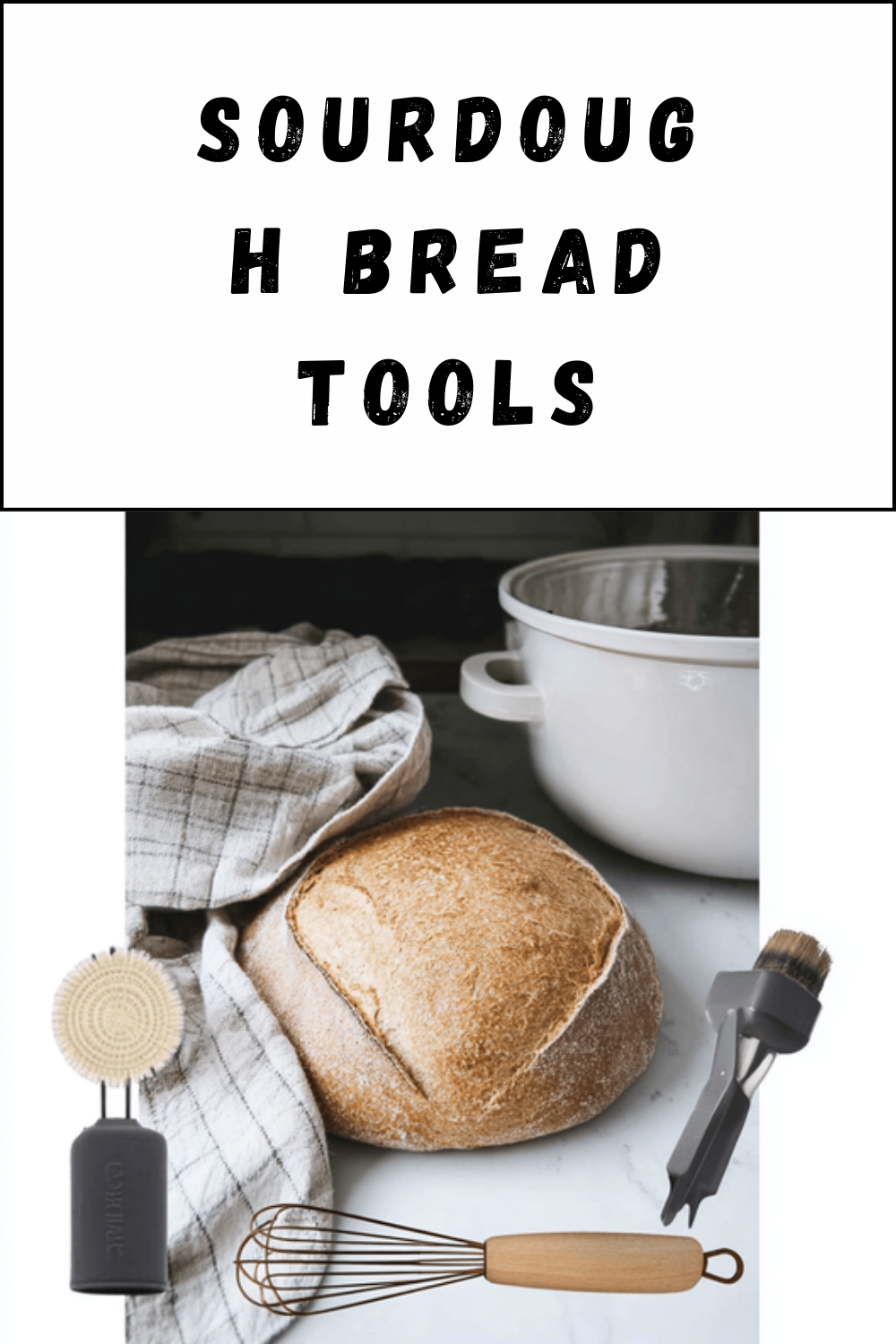
To begin baking sourdough bread, you’ll need a few key tools: a digital kitchen scale for precise measurements, a mixing bowl (preferably large and non-reactive), a dough scraper to handle sticky dough, a proofing basket (banneton) to shape and support the dough, a sharp serrated bread knife for slicing, and a Dutch oven or baking stone for creating steam and high heat during baking. These tools help ensure consistent results and make the sourdough baking process easier.
How do I use a banneton proofing basket to improve my sourdough bread?
A banneton proofing basket supports your dough during its final rise, helping it hold shape and develop a better crust pattern. To use it, lightly dust the basket with rice or all-purpose flour to prevent sticking. Place your shaped dough seam-side up into the basket, cover it, and proof until it doubles in size. When ready, carefully invert the dough onto a baking surface. The basket’s ridges leave attractive spiral marks while allowing for even fermentation.
Why is a digital scale important for baking sourdough bread?
Accurate measurement is critical in sourdough baking, and a digital scale provides precision that measuring cups can’t match. Because sourdough recipes rely on specific hydration levels and exact flour-to-water ratios, using a scale ensures consistency every time. This results in better dough texture, proper fermentation, and predictable outcomes. Most experienced bakers weigh ingredients in grams for the best accuracy.
Can I bake sourdough bread without a Dutch oven? What are the alternatives?
Yes, you can bake sourdough without a Dutch oven. Alternatives include using a baking stone or steel placed in your oven to mimic a hot surface that distributes heat evenly. To create steam—a crucial factor for crust development—place a metal pan with water on the oven floor or spray the oven walls with water before and during the first part of baking. These techniques help achieve a crispy crust and good oven spring without specialized cookware.
How should I care for and clean my sourdough baking tools?
Proper maintenance of your sourdough tools extends their lifespan and keeps your bread tasting fresh. Banneton baskets should be air-dried completely after use and brushed gently with a stiff brush to remove flour residue—avoid washing with water to prevent mold. Dutch ovens and baking stones should be cleaned without soap; simply wipe or soak to remove stuck-on bits. Dough scrapers and scales can be wiped with a damp cloth. Avoid submerging digital scales in water. Regular care ensures reliable performance in every bake.
Sourdough Bread Tools
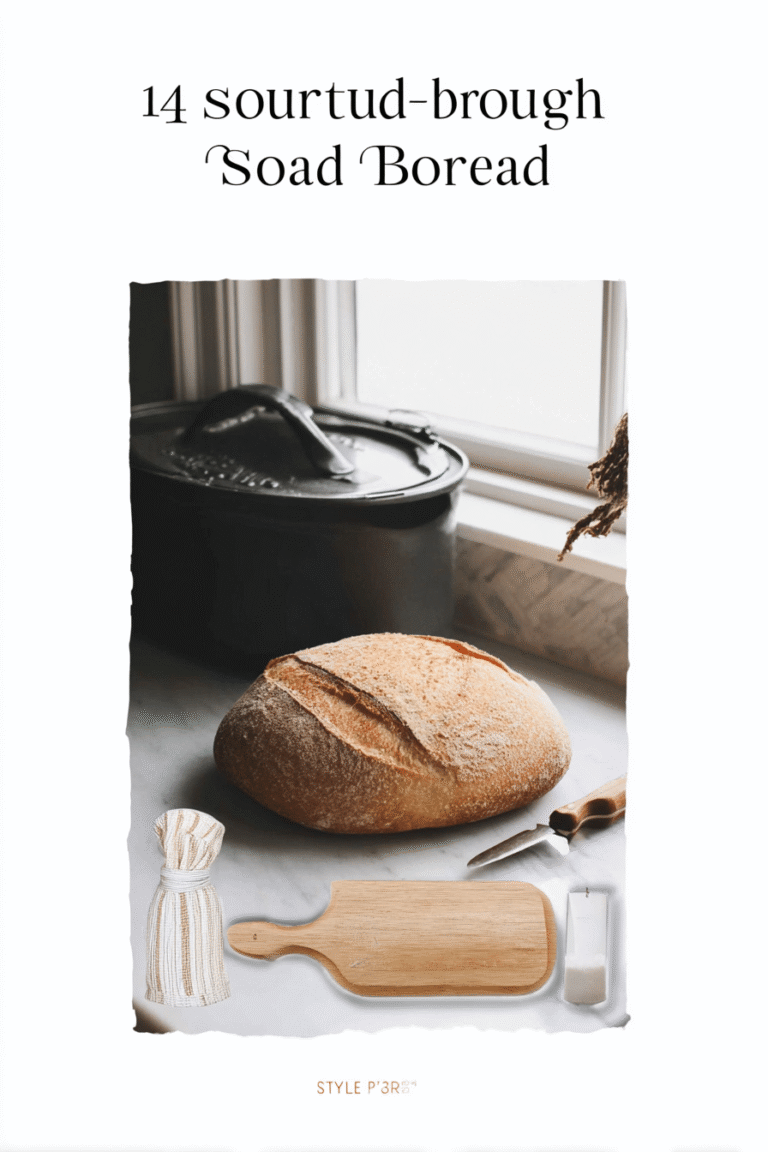
🛠️ Discover the essential baking tools that help you achieve perfect results every time you bake, from sourdough to pizza and more.
🍞 Having the right equipment makes baking easier, more precise, and enjoyable while ensuring consistent outcomes.
Ingredients
– 500g unbleached bread flour Provides the essential structure and protein content necessary for developing gluten.
– 350ml filtered water Hydrates the flour and activates the natural yeast in the starter for fermentation.
– 100g active sourdough starter The natural leavening agent that creates the unique tangy flavor and texture.
– 10g sea salt Enhances flavor and strengthens the gluten network.
Instructions
1-First, combine the bread flour and water in a large mixing bowl and mix until a shaggy dough forms. Cover and let it rest for 1 hour to hydrate fully.
2-Next, add the active sourdough starter and sea salt to the dough and massage thoroughly until the ingredients are evenly incorporated.
3-Then, perform a series of stretch and folds every 30 minutes during a 4-hour bulk fermentation at room temperature to develop gluten.
4-After that, shape the dough into a tight boule and place it in a floured banneton or bowl lined with a towel. Cover and refrigerate overnight for cold fermentation.
5-Finally, preheat the oven to 230°C (450°F) with a Dutch oven inside. Transfer the dough onto parchment paper, score the top, and bake covered for 20 minutes. Remove the lid and bake for an additional 25-30 minutes until golden brown, then cool completely before slicing.
Last Step:
Please leave a rating and comment letting us know how you liked this recipe! This helps our business to thrive and continue providing free, high-quality recipes for you.Notes
⚖️ Use a reliable kitchen scale to ensure precise ingredient measurements.
🔥 Maintain proper temperature control when fermenting and proofing dough for best results.
🔪 Invest in quality tools like bread knives and dough scrapers to handle dough effectively and safely.
- Category: Baking, Kitchen Tools
- Method: Preparation, Baking Techniques