
Why You’ll Love This Buttercream Frosting
Buttercream frosting is a staple for anyone who enjoys baking at home, and this simple recipe delivers smooth and creamy results that make decorating cakes and cupcakes a breeze. You’ll appreciate how easy it is to whip up, with straightforward steps that even beginners can master right away. Beyond its simplicity, this buttercream offers a touch of nutritional flexibility, allowing you to tweak it for healthier options without losing that delicious taste.
One reason this buttercream frosting stands out is its ease of preparation. It’s quick to make with just a few basic ingredients, perfect for busy parents and students who need a reliable recipe for last-minute treats. Plus, you can adapt it for various diets, making it a go-to choice for food enthusiasts and health-conscious folks alike.
The flavor profile adds a special charm, blending vanilla and cream for a rich, smooth finish that enhances any dessert. Whether you’re a baking enthusiast hosting a party or a working professional looking for a simple joy, this frosting brings versatility and a hint of fun to your kitchen adventures. For those exploring more baking ideas, check out our guide on funfetti greek yogurt muffins to pair with your frosting creations.
Another plus is how it supports dietary needs, like using lower-sugar options for diet-conscious individuals. This makes it ideal for travelers or newlyweds wanting light treats on the go. Overall, it’s a recipe that fits into everyday life while delivering that satisfying, creamy texture everyone loves.
Health and Adaptability Benefits
This buttercream frosting isn’t just tasty; it also brings health benefits through thoughtful ingredient choices. You can swap in healthier fats or reduce sugar for a lighter version, appealing to seniors and those watching their intake. It’s versatile enough for party hosts to customize for guests with specific preferences.
From a nutritional standpoint, options like non-dairy milk help make it kinder to your body. Enjoy the balance of flavors that make this frosting a hit, while keeping things adaptable for all skill levels.
Jump to:
- Why You’ll Love This Buttercream Frosting
- Health and Adaptability Benefits
- Essential Ingredients for Buttercream Frosting
- Special Dietary Options
- How to Prepare the Perfect Buttercream Frosting: Step-by-Step Guide
- Tips for Smooth Blending
- Dietary Substitutions to Customize Your Buttercream Frosting
- Mastering Buttercream Frosting: Advanced Tips and Variations
- Expert Storage and Re-Whipping
- How to Store Buttercream Frosting: Best Practices
- FAQs: Frequently Asked Questions About Buttercream Frosting
- Can I add different flavors to buttercream frosting?
- How sweet is American-style buttercream frosting?
- What’s the best way to store buttercream frosting before using it?
- Can I color buttercream frosting without changing its texture?
- Should buttercream frosting be refrigerated after decorating a cake?
- Buttercream Frosting
- Ingredients
- Instructions
- Last Step:
- Notes
- Did you make this recipe?
Essential Ingredients for Buttercream Frosting
Gathering the right ingredients is key to creating the perfect buttercream frosting, and this recipe keeps things simple yet effective. We’ll break down the essentials so you can see exactly what goes into it. Remember, precise measurements ensure your frosting turns out smooth and creamy every time.
- 1 cup (16 tablespoons; 226 grams) unsalted butter, softened
- 4 to 5 cups (480 to 600 grams) confectioners’ sugar, sifted if lumpy
- 1/4 cup (60 milliliters) heavy cream, half-and-half, or whole milk at room temperature
- 2 teaspoons pure vanilla extract
- Salt to taste
These ingredients form the base of your buttercream, providing the creamy texture and sweet flavor that make it so popular. For special tweaks, you can explore options like vegan substitutes to fit different diets. To learn more about complementary recipes, visit our article on mini earl grey honey scones, which pairs well with homemade frostings.
Special Dietary Options
If you’re adapting for dietary needs, consider plant-based butter for vegan versions or ensure your sugar is certified gluten-free. This keeps the frosting accessible for everyone, from busy parents to food enthusiasts. Experimenting with these can add a personal touch to your baking routine.
How to Prepare the Perfect Buttercream Frosting: Step-by-Step Guide
Making buttercream frosting at home is straightforward and fun, starting with gathering your ingredients for a balanced mix. Follow these steps to achieve that silky smooth result that elevates your desserts. This guide works for all levels, whether you’re a student baking for fun or a working professional prepping for an event.
First, measure your ingredients precisely to keep everything in harmony. For vegan twists, have plant-based swaps ready to maintain the creamy texture. Then, let your butter soften at room temperature so it blends easily without lumps.
Next, place the softened butter in a mixing bowl and beat it on medium speed until it’s nice and creamy. This step is crucial for a light frosting base, much like what you might find in a popular buttercream frosting recipe. Gradually add the confectioners’ sugar, one cup at a time, starting on low speed to avoid a mess, then increasing to fully incorporate it.
Once the sugar is mixed in, add the vanilla extract to bring in that warm flavor. Follow up by pouring in the heavy cream or milk a little at a time, mixing until you get a fluffy consistency. If needed, adjust for dietary preferences by adding a pinch of salt or using alternatives.
Finally, your frosting is ready to use right away, or you can store it for later. For the best results, especially in a warm kitchen, give it a quick whip before applying to your cakes. This method ensures buttercream frosting that’s adaptable and delicious for any occasion.
Tips for Smooth Blending
Beat the mixture thoroughly to incorporate air, which helps achieve that perfect lightness. If your frosting seems too thick, add more cream gradually while mixing. These small adjustments can make a big difference in your final product.

Dietary Substitutions to Customize Your Buttercream Frosting
Customizing buttercream frosting for different diets is easy and opens up options for everyone, from newlyweds to seniors. Start by swapping out main ingredients to fit your needs, like using plant-based alternatives for a vegan version. This keeps the frosting just as creamy and tasty.
For protein and main components, switch dairy butter with vegan margarine to keep things plant-based. You can also use aquafaba as a substitute in certain variations for a lighter lift. When it comes to vegetables and seasonings, try adding fruit purees for natural color and flavor that boost nutrition.
Incorporate extracts like almond or citrus to change things up, adjusting sweetness as needed for low-calorie preferences. These modifications make your buttercream versatile for party hosts and travelers alike. Always taste as you go to ensure the balance is just right.
| Substitution Type | Original Ingredient | Alternative |
|---|---|---|
| Vegan | Unsalted butter | Plant-based butter |
| Low-Calorie | Confectioners’ sugar | Reduced-sugar sweetener |
| Flavor Variation | Vanilla extract | Citrus extracts |
Mastering Buttercream Frosting: Advanced Tips and Variations
Taking your buttercream frosting to the next level involves some pro techniques that make a real difference in texture and taste. Use a stand mixer to whip air into the mixture for a lighter feel, and always sift your sugar first for a smoother finish. These steps help even baking enthusiasts create professional results at home.
Explore flavor variations by mixing in citrus zest or cocoa powder to add excitement. For presentation, try piping the frosting with decorative tips and topping with sprinkles for a fun look. If you’re planning ahead, make a batch and store it properly to keep the quality high.
One helpful tip is to experiment with different extracts for unique tastes, like the options in tips for perfect buttercream. This can turn your frosting into something special for any gathering. Whether you’re a parent baking with kids or a food enthusiast, these tweaks add personality.
- Use fresh zest for a zesty twist
- Add cocoa for chocolate lovers
- Garnish with edible flowers for elegance
Expert Storage and Re-Whipping
Prepare frosting in advance and store it in airtight containers to preserve flavor. Before using, give it a quick whip to restore its creamy texture, making it ideal for busy schedules.
How to Store Buttercream Frosting: Best Practices
Proper storage keeps your buttercream frosting fresh and ready for use, whether you’re storing it for a day or longer. Refrigerate it in an airtight container to maintain its creamy quality, and remember to bring it back to room temperature before re-whipping. This simple routine helps avoid any texture issues down the line.
For freezing, seal the frosting in bags or containers and keep it for up to three months. Thaw it slowly in the fridge and then beat it again for the best results. When reheating, go for gentle methods like stirring at room temperature rather than using direct heat.
Meal prep ideas include making extra portions for easy access, perfect for working professionals or party hosts. This way, you can pull out frosting whenever you need it for decorating projects. Storing correctly ensures your buttercream stays delicious and convenient.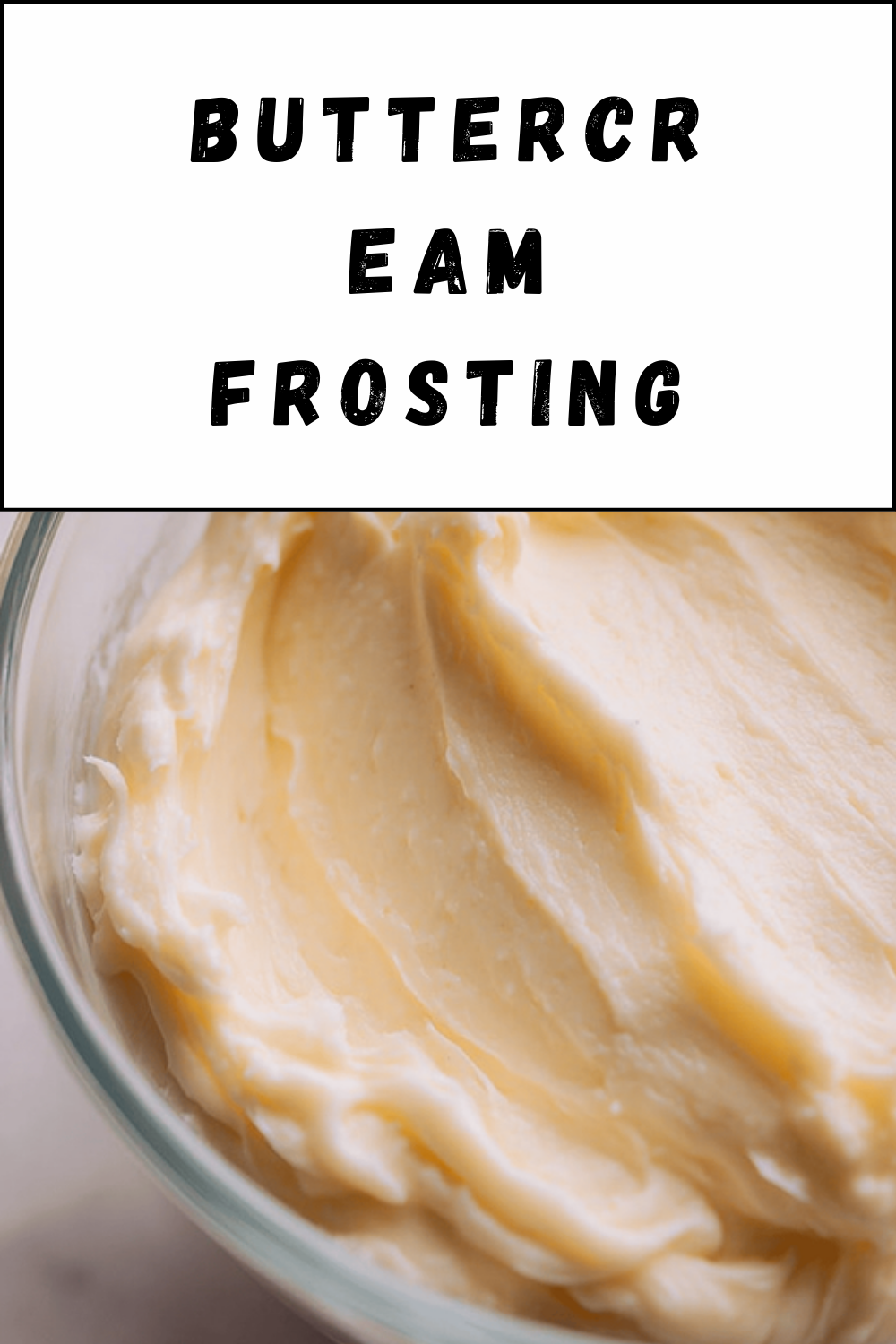
FAQs: Frequently Asked Questions About Buttercream Frosting
Can I add different flavors to buttercream frosting?
Yes, you can add various flavors to buttercream frosting to customize its taste. Popular options include peppermint, almond, maple, coconut, or orange extracts. When using additional extracts, reduce the vanilla extract to maintain balance. You can also try incorporating spices like ground cinnamon or cocoa powder. Start by adding small amounts, then adjust to taste to avoid overpowering the frosting’s texture and sweetness.
How sweet is American-style buttercream frosting?
American-style buttercream is known for being quite sweet because it uses powdered sugar as a main ingredient. If you prefer a frosting that is less sweet, you might want to explore alternative recipes like Swiss meringue or Italian meringue buttercream, which have a lighter, less sugary flavor while still providing a creamy texture.
What’s the best way to store buttercream frosting before using it?
Buttercream frosting can be stored by refrigerating it for up to 3 days or freezing it for up to 3 months. When refrigerated or frozen, you’ll want to bring it back to room temperature and then re-whip with a small splash of milk, cream, or half-and-half to restore its smooth, creamy consistency before applying it to cakes or cupcakes.
Can I color buttercream frosting without changing its texture?
Yes, you can color buttercream frosting using gel food coloring, which won’t thin the consistency. Gel colors are highly concentrated, so add them sparingly, especially when aiming for lighter shades. Avoid liquid food coloring, as it can make the frosting runny and affect how well it holds its shape during decorating.
Should buttercream frosting be refrigerated after decorating a cake?
Buttercream can be safely kept at room temperature for up to 24 hours, but for longer storage or in warm climates, refrigeration is recommended to prevent spoilage. Before serving, allow the cake to return to room temperature to soften the frosting, which improves flavor and texture. Refrigerated buttercream may become firmer but will regain creaminess once rested.
Buttercream Frosting
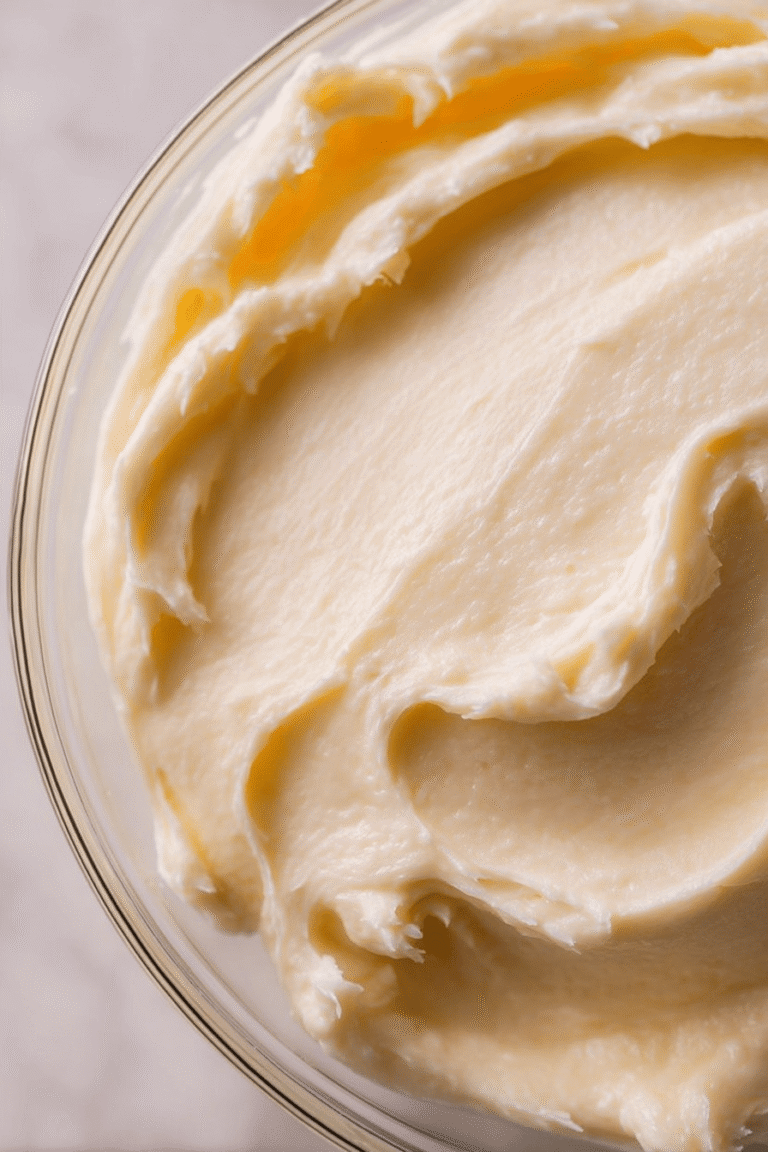
🍦 Enjoy a luxuriously smooth and creamy vanilla buttercream frosting that enhances any cake or cupcake.
🍰 This easy-to-make recipe delivers a rich, velvety texture and delightful vanilla flavor perfect for all your baking needs.
- Total Time: 10 minutes
Ingredients
– 1 cup (16 tablespoons; 226 grams) unsalted butter, softened
– 4 to 5 cups (480 to 600 grams) confectioners’ sugar, sifted if lumpy
– 1/4 cup (60 milliliters) heavy cream, half-and-half, or whole milk at room temperature
– 2 teaspoons pure vanilla extract
– Salt to taste
Instructions
1-First, measure your ingredients precisely to keep everything in harmony. For vegan twists, have plant-based swaps ready to maintain the creamy texture. Then, let your butter soften at room temperature so it blends easily without lumps.
2-Next, place the softened butter in a mixing bowl and beat it on medium speed until it’s nice and creamy. This step is crucial for a light frosting base, much like what you might find in a popular buttercream frosting recipe. Gradually add the confectioners’ sugar, one cup at a time, starting on low speed to avoid a mess, then increasing to fully incorporate it.
3-Once the sugar is mixed in, add the vanilla extract to bring in that warm flavor. Follow up by pouring in the heavy cream or milk a little at a time, mixing until you get a fluffy consistency. If needed, adjust for dietary preferences by adding a pinch of salt or using alternatives.
4-Finally, your frosting is ready to use right away, or you can store it for later. For the best results, especially in a warm kitchen, give it a quick whip before applying to your cakes. This method ensures buttercream frosting that’s adaptable and delicious for any occasion.
Last Step:
Please leave a rating and comment letting us know how you liked this recipe! This helps our business to thrive and continue providing free, high-quality recipes for you.Notes
🧈 Use room temperature butter for a smooth blend and to avoid lumps.
🥄 Sift powdered sugar to prevent grainy texture in your frosting.
❄️ For best results, refrigerate and then re-whip the frosting if not using immediately for perfect consistency.
- Prep Time: 10 minutes
- Category: Frosting, Dessert
- Method: Mixing, Beating