
Why You’ll Love This Lemon Curd
Imagine whipping up a bright, tangy spread that brightens your morning toast or elevates your favorite desserts it’s easier than you think with this lemon curd recipe. This lemon curd is delightfully simple and quick, perfect for busy cooks who want a delicious treat without extensive effort. It requires minimal ingredients and cooks in just minutes, making it accessible for all skill levels. Not only that, but it’s packed with health benefits like a burst of vitamin C from fresh lemons, which supports immune health and wellness. Using natural ingredients enhances its nutritional profile, helping you enjoy a balanced diet while savoring its creamy goodness.
Plus, this lemon curd shines with its versatility, adapting to various dietary needs like vegan or gluten-free options with easy swaps. The vibrant, fresh taste combined with a smooth, creamy texture makes it a standout addition to snacks, breakfast items, and desserts. Whether you’re a beginner or an experienced baker, this recipe promises memorable flavors that turn ordinary moments into something special.
Key Benefits at a Glance
- Ease of preparation makes it ideal for anyone short on time.
- Health perks include antioxidants that promote daily wellness.
- Endless uses, from topping yogurt to filling pastries.
- Adaptable for special diets, ensuring everyone can enjoy it.
With these features, it’s no wonder this lemon curd has become a favorite among home bakers like you. If you’re looking for more creative ways to use homemade spreads, check out our mini Earl Grey honey scones recipe for a perfect pairing.
Jump to:
- Why You’ll Love This Lemon Curd
- Key Benefits at a Glance
- Essential Ingredients for Lemon Curd
- Core Ingredients List
- Special Dietary Options
- How to Prepare the Perfect Lemon Curd: Step-by-Step Guide
- Tips for Common Challenges
- Dietary Substitutions to Customize Your Lemon Curd
- Protein and Main Component Alternatives
- Vegetable, Sauce, and Seasoning Modifications
- Mastering Lemon Curd: Advanced Tips and Variations
- Enhancing Flavors and Techniques
- How to Store Lemon Curd: Best Practices
- FAQs: Frequently Asked Questions About Lemon Curd
- Can I make lemon curd using other citrus fruits like lime or orange?
- Why does my lemon curd sometimes have a metallic taste?
- How long can I store lemon curd, and can it be frozen?
- Is it necessary to strain lemon curd after cooking?
- Can I use lemon curd as an ingredient in baked goods like pies or mixed with fruit?
- Lemon Curd
- Ingredients
- Instructions
- Last Step:
- Notes
- Nutrition
- Did you make this recipe?
Essential Ingredients for Lemon Curd
Getting the right ingredients is key to making creamy, tangy lemon curd that everyone loves. This section covers the specific items you’ll need, based on proven recipes that’ll help you achieve the best results at home. We’ll focus on precise measurements to ensure your batch turns out just right. Remember, fresh, high-quality ingredients make all the difference in flavor and texture.
Core Ingredients List
Here’s the full list of ingredients for this lemon curd recipe. Each one plays a vital role in creating that rich, citrusy spread. Use the quantities as stated for about 1 to 1.5 cups of lemon curd.
- 4 large egg yolks
- 2/3 cup granulated sugar (134g)
- 1 tablespoon lemon zest (about 1 lemon)
- 1/3 cup fresh lemon juice (80ml, about 2 3 lemons)
- 1/8 teaspoon salt
- 6 tablespoons unsalted butter (85g), cut into 6 pieces
Special Dietary Options
You can tweak this recipe to fit various needs. For instance, try plant-based butter for vegan versions or ensure your sugar is certified gluten-free for those avoiding gluten. These adjustments keep the lemon curd delicious while meeting dietary preferences, like using a flax egg instead of yolks.
How to Prepare the Perfect Lemon Curd: Step-by-Step Guide
Making lemon curd at home is a fun and rewarding process that results in a smooth, tangy treat you can use in many ways. Start by gathering your ingredients and tools, such as a heatproof bowl and whisk, to make the process smooth. This guide walks you through each part, helping you avoid common pitfalls like curdling. For more inspiration on using lemon curd, see how it pairs with other recipes on our site.
- First, zest and juice the lemons, ensuring no seeds remain; this step builds the vibrant citrus base.
- In a heatproof bowl, whisk together the eggs, sugar, lemon juice, and zest until smooth and well combined.
- Place the bowl over a pot of simmering water using the double boiler method; stir constantly to prevent curdling, cooking until the mixture thickens, about 10-15 minutes.
- Once thickened, remove from heat and stir in the butter gradually until it’s fully melted and incorporated for that creamy finish.
- For vegan adaptations, swap eggs with a cornstarch slurry or flax eggs, and use plant-based butter at this stage to keep things dairy-free.
- Finally, strain the lemon curd through a fine sieve for a silky texture, then transfer it to sterilized jars; let it cool to room temperature before refrigerating, and use within 1-2 weeks for the best taste.
This method not only ensures a perfect result but also lets you experiment with flavors. To explore complementary recipes, check out our Scottish bannocks oatmeal scones, which go great with a dollop of this curd. If you’re new to this, remember that practice makes perfect, and you’ll soon master the balance of tang and creaminess.
Tips for Common Challenges
| Challenge | Solution |
|---|---|
| Mixture curdles | Stir constantly and use low heat to keep it smooth. |
| Too runny | Cook longer or add a bit more thickener like cornstarch. |
| Not tangy enough | Use fresher lemons for a bolder citrus kick. |
With these steps and tips, you’re set to create lemon curd that’s as good as any from a professional kitchen. For even more guidance, take a look at this external resource on Perfect Lemon Curd Recipe.

Dietary Substitutions to Customize Your Lemon Curd
Everyone has different needs, so customizing your lemon curd is a smart way to make it work for you. This section covers simple swaps that keep the recipe tasty and accessible. Whether you’re aiming for vegan options or lighter versions, these changes help maintain the curd’s refreshing character. By adjusting just a few items, you can adapt it to fit various lifestyles without losing that signature tang.
Protein and Main Component Alternatives
- Replace eggs with a mix of cornstarch and water or aquafaba to keep it thickening nicely for vegan diets.
- Use plant-based butter or coconut oil instead of traditional butter to cater to those avoiding dairy.
Vegetable, Sauce, and Seasoning Modifications
- Add fresh herbs like mint or basil to bring in unique flavor twists that complement the citrus.
- Try alternative sweeteners such as honey or maple syrup to match your taste preferences.
- Adjust acidity by mixing in lime or orange zest for a fun variation on the classic recipe.
These substitutions make lemon curd flexible for all kinds of meals, ensuring it’s a hit at your next gathering. Remember, testing small batches helps you find the perfect balance.
Mastering Lemon Curd: Advanced Tips and Variations
Once you’re comfortable with the basics, it’s time to level up your lemon curd game with some expert techniques. Pro cooking methods like using a double boiler ensure even heating and prevent lumps, giving you that silky texture every time. Stirring continuously is key, as it keeps the mixture smooth and avoids any mishaps. Flavor variations can add excitement, such as mixing in ginger or cardamom for a more complex taste.
Enhancing Flavors and Techniques
Experiment with combining lemon with lime or orange to create layered profiles that surprise your guests. Presentation matters too try serving it in pretty jars topped with fresh fruit for a wow factor. Don’t forget make-ahead options; you can prep this curd in advance and store it for up to two weeks in the fridge or freeze it for three months, thawing gently to preserve its quality. These tips turn your lemon curd from simple to standout, perfect for impressing friends at parties.
Remember, the best recipes come from a bit of creativity, so feel free to play around and make it your own.
How to Store Lemon Curd: Best Practices
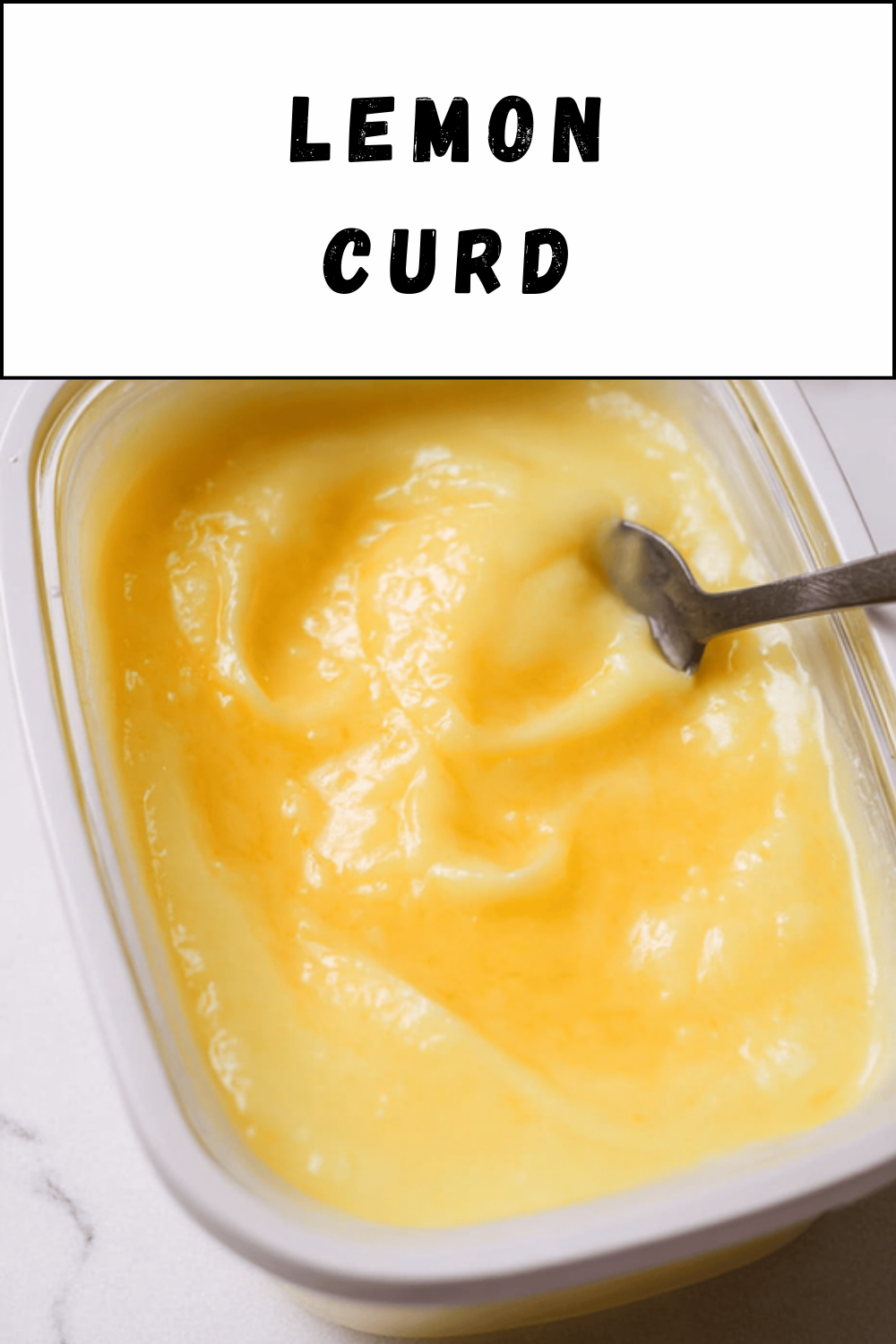
Proper storage keeps your lemon curd fresh and tasty for as long as possible. Start with refrigeration in airtight containers, where it stays good for up to 1-2 weeks; always use clean utensils to avoid any contamination. For longer keeps, freezing works wonders, letting it last up to 3 months in freezer-safe jars. When you’re ready to use it, thaw overnight in the fridge and give it a good stir.
Reheating is simple just warm it gently on low heat or in quick microwave bursts while stirring often to prevent separation. For meal prep, divide it into small portions and label them with dates to make your routine easier. These habits ensure your lemon curd remains a reliable kitchen staple without wasting a drop.
FAQs: Frequently Asked Questions About Lemon Curd
Can I make lemon curd using other citrus fruits like lime or orange?
Yes, you can substitute lemons with other citrus fruits such as limes, oranges, or grapefruits in a lemon curd recipe. The process remains the same, but keep in mind that flavors and acidity levels will vary. For a sweeter result, oranges work well, while limes add a tangy twist. Adjust sugar amounts to balance the tartness to your taste.
Why does my lemon curd sometimes have a metallic taste?
A metallic taste in lemon curd usually happens when it’s cooked in a metal double boiler. The acidic lemon juice can react with the metal, causing this off-flavor. To avoid this, use a heatproof glass bowl or a non-metal heatproof container placed over simmering water for gentle cooking.
How long can I store lemon curd, and can it be frozen?
Lemon curd can be stored in the refrigerator for up to 10 days when kept in an airtight container. For longer storage, it freezes well for 3 to 6 months. To use, thaw the frozen lemon curd in the refrigerator overnight and stir well before serving.
Is it necessary to strain lemon curd after cooking?
Straining lemon curd is optional. If you prefer a silky-smooth texture without any bits of cooked egg or zest, strain the curd through a fine mesh sieve after cooking. However, many recipes cook the zest finely enough that it doesn’t affect texture significantly, so skipping this step is fine if you don’t mind a slight texture.
Can I use lemon curd as an ingredient in baked goods like pies or mixed with fruit?
Lemon curd can be used in baked goods such as hand pies or tarts, but it can thin out or leak during baking if used in large amounts. To prevent this, use a small amount, seal pastry edges well, or combine the curd with fruits like blueberries to help thicken the filling and add extra flavor.
Lemon Curd
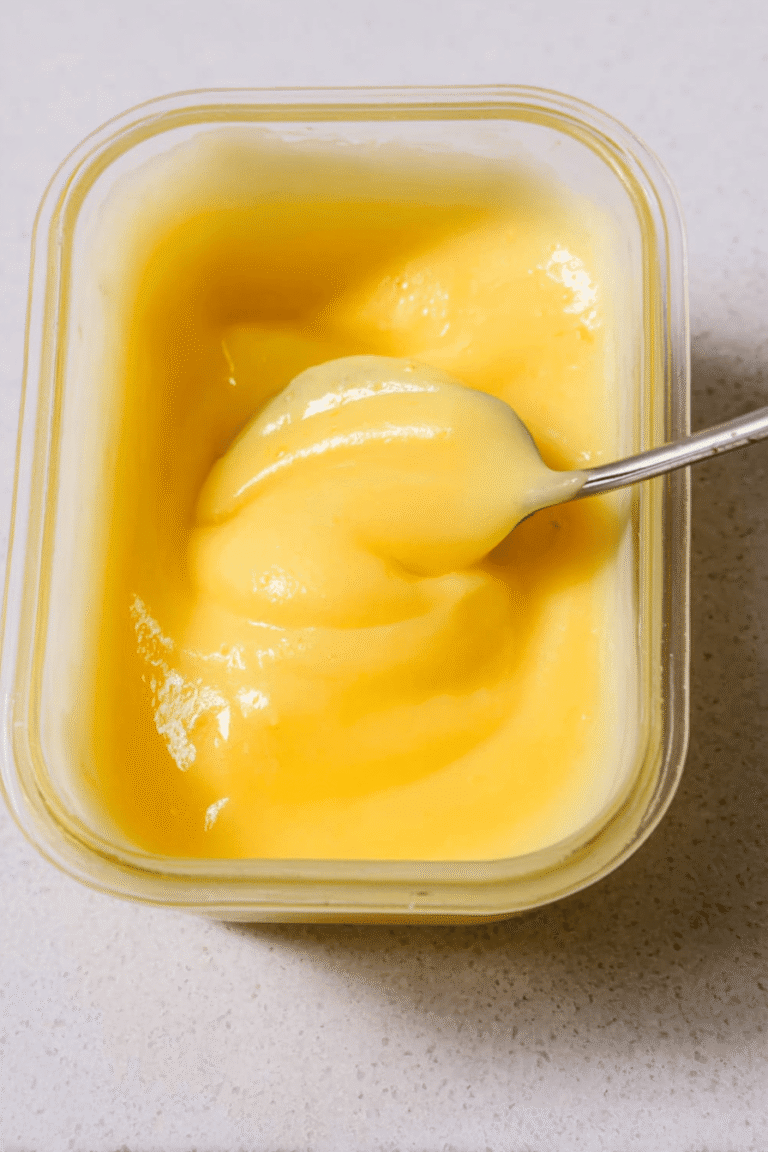
🍋 Enjoy a bright and tangy lemon curd that’s both smooth and creamy, perfect for spreading or baking.
🥄 This easy recipe provides a luscious citrus spread that enhances desserts with fresh, natural flavors.
- Total Time: 2 hours 15 minutes
- Yield: 1 to 1.5 cups
Ingredients
– 4 large egg yolks
– 2/3 cup granulated sugar (134g)
– 1 tablespoon lemon zest (about 1 lemon)
– 1/3 cup fresh lemon juice (80ml, about 2 3 lemons)
– 1/8 teaspoon salt
– 6 tablespoons unsalted butter (85g), cut into 6 pieces
Instructions
1-First, zest and juice the lemons, ensuring no seeds remain; this step builds the vibrant citrus base.
2-In a heatproof bowl, whisk together the eggs, sugar, lemon juice, and zest until smooth and well combined.
3-Place the bowl over a pot of simmering water using the double boiler method; stir constantly to prevent curdling, cooking until the mixture thickens, about 10-15 minutes.
4-Once thickened, remove from heat and stir in the butter gradually until it’s fully melted and incorporated for that creamy finish.
5-For vegan adaptations, swap eggs with a cornstarch slurry or flax eggs, and use plant-based butter at this stage to keep things dairy-free.
6-Finally, strain the lemon curd through a fine sieve for a silky texture, then transfer it to sterilized jars; let it cool to room temperature before refrigerating, and use within 1-2 weeks for the best taste.
Last Step:
Please leave a rating and comment letting us know how you liked this recipe! This helps our business to thrive and continue providing free, high-quality recipes for you.Notes
🍋 Use fresh lemons for bright flavor and best zest quality.
🥄 Stir constantly during cooking to prevent curdling or lump formation.
❄️ Store in a sealed container in the refrigerator and consume within 1-2 weeks.
- Prep Time: 5 minutes
- Chilling Time: 2 hours
- Cook Time: 10 minutes
- Category: Spread/Preserve
- Method: Double Boiler Cooking
- Cuisine: American
- Diet: Vegetarian
Nutrition
- Serving Size: 2 tablespoons