

Why You’ll Love This Chocolate Cage
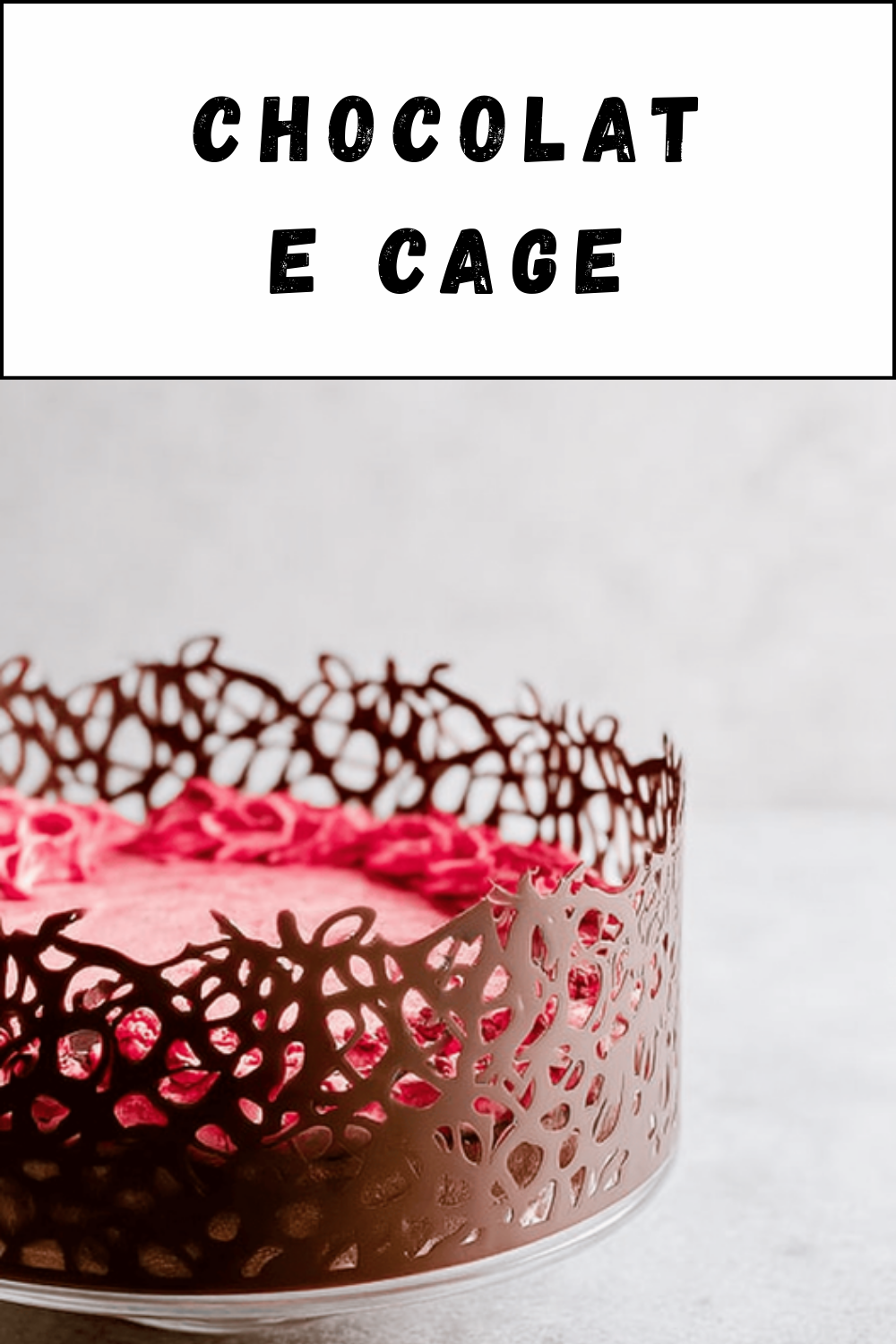
This chocolate cage recipe brings a fun and elegant touch to your cakes, making it a hit for anyone who enjoys simple yet stunning desserts. You’ll appreciate how easy it is to whip up, using just a few items from your kitchen without needing fancy tools. Plus, it’s packed with benefits that make it adaptable and delicious for all sorts of occasions.
One reason to try this is the ease of preparation. This chocolate cage recipe is designed for simplicity, with minimal ingredients and quick cooking times. It ensures you can create an impressive dessert without hours in the kitchen.
Another draw is the health benefits. Rich in antioxidants and essential nutrients, this chocolate cage offers a nutritious indulgence. The recipe highlights wholesome ingredients that promote wellness while satisfying sweet cravings.
Plus, its versatility stands out. Adapt this chocolate cage easily for various dietary needs, including vegan, gluten-free, and low-calorie options. Its flexible nature means everyone can enjoy a customized version.
Finally, the distinctive flavor makes it memorable. The chocolate cage stands out due to its balanced blend of rich cocoa notes and complementary ingredients, delivering a unique taste experience that impresses every palate.
Jump to:
- Why You’ll Love This Chocolate Cage
- Essential Ingredients for Chocolate Cage
- Chocolate Cage Cake Decoration Ingredients
- How to Prepare the Perfect Chocolate Cage: Step-by-Step Guide
- Gathering and Preparing Materials
- Melting and Piping the Chocolate
- Setting and Assembling
- Dietary Substitutions to Customize Your Chocolate Cage
- Mastering Chocolate Cage: Advanced Tips and Variations
- How to Store Chocolate Cage: Best Practices
- FAQs: Frequently Asked Questions About Chocolate Cage
- What type of chocolate is best for making a chocolate cage?
- How do I melt chocolate properly for a chocolate cage without losing its shine?
- How should I prepare the wax paper when making a chocolate cage for a cake?
- What piping tip size is best for creating a chocolate cage?
- What should I do if my chocolate cage is not setting after several minutes?
- Chocolate Cage
- Ingredients
- Instructions
- Last Step:
- Notes
- Nutrition
- Did you make this recipe?
Essential Ingredients for Chocolate Cage
Gathering the right ingredients is key to making a perfect chocolate cage that looks and tastes amazing. In this section, we’ll focus on the items you need, based on proven methods for creating impressive chocolate decor. Remember to choose high-quality options for the best results, as they help with texture and shine.
Chocolate Cage Cake Decoration Ingredients
- 4 oz dark chocolate (bittersweet or semi-sweet, preferably a bar rather than chips)
- Wax paper
- Piping bag
- Round piping tip
These ingredients keep things straightforward, allowing you to focus on the fun part of decorating. The dark chocolate provides that rich base, while the other tools help shape it just right.
How to Prepare the Perfect Chocolate Cage: Step-by-Step Guide
Creating a chocolate cage might sound tricky, but it’s really straightforward once you break it down. Start by getting all your supplies ready, and follow these steps to make something beautiful. This method takes about 15 minutes total, so it’s perfect for a quick addition to your cake.
Gathering and Preparing Materials
First, measure the cake circumference and cut two strips of wax paper to match this length. Add an extra inch to the height of the design you want. This helps ensure the cage fits perfectly around your cake.
Next, use a ruler and pen to draw guide lines on the wax paper for the design height. This simple step makes piping easier and keeps your lines straight and even, leading to a professional look without much effort.
Melting and Piping the Chocolate
Then, chop the 4 oz of dark chocolate and place it in a silicone or plastic bowl. Microwave at 50% power for 30 seconds, stir, then continue microwaving in 15-second increments at 50% power until fully melted, stirring each time. For more tips on this, check out How to Melt Chocolate, which covers gentle melting techniques.
After that, transfer the melted chocolate to a piping bag fitted with a round tip. Pipe the chocolate design within the guide lines, making lines thick enough to be sturdy. This creates a strong cage that holds its shape around the cake.
Setting and Assembling
Let the chocolate set at room temperature for about 3 minutes or until firm but pliable. If it doesn’t set, wait 10 more minutes and then refrigerate briefly. Carefully lift the wax paper with the chocolate design and wrap it around the frosted cake; repeat with the second strip.
Finally, peel off the wax paper carefully. If the chocolate is still soft, chill the cake longer before peeling. First step overall: Gather and measure all ingredients precisely to ensure perfect ratios, essential for a stable chocolate cage. Second step: Melt the dark chocolate gently as described. Third step: Temper the melted chocolate by cooling it to achieve a glossy finish. Fourth step: Pipe as instructed. Fifth step: Let it set and assemble on the cake.

Dietary Substitutions to Customize Your Chocolate Cage
Everyone has different needs, so tweaking this chocolate cage recipe is a smart move. Whether you’re avoiding certain foods or just want new flavors, these changes keep things tasty and inclusive. Let’s look at ways to adjust the ingredients while keeping the chocolate cage as the star.
Protein and main component alternatives: Replace almond flour with chickpea flour for a nut-free protein source. Use soy-based dark chocolate for additional plant protein and a vegan profile.
Vegetable, sauce, and seasoning modifications: Incorporate dried fruit or nuts as mix-ins to alter texture and flavor. Season the cage with a pinch of cinnamon or chili powder for added dimension. Use coconut sugar or agave syrup as natural sweetener alternatives to tailor the flavor. These options allow customization based on availability, dietary restrictions, or flavor preferences, maintaining the essence of the chocolate cage while ensuring broad appeal.
Mastering Chocolate Cage: Advanced Tips and Variations
If you’re ready to level up your chocolate cage game, these tips will help you get that professional touch. Think about adding unique flavors or presentation ideas to make your desserts stand out even more. With a bit of practice, you’ll create chocolate designs that wow everyone at the table.
Pro cooking techniques: Use precise chocolate tempering methods with a thermometer to achieve professional-grade gloss and snap. Practice slow cooling in controlled environments to avoid bloom. Gently melt chocolate without exceeding 90°F to keep it in temper for a glossy finish and crisp texture.
Flavor variations: Experiment by adding sea salt, espresso powder, or orange zest to the chocolate mixture for unique twists. Choose the piping tip size based on the design; thin lines may be fragile, so use a bigger tip for sturdier patterns like flowers or hearts.
Presentation tips: Garnish the cage with edible gold leaf or fresh berries to elevate visual appeal. Consider plating with complementary sauces or creams. If the chocolate doesn’t set quickly, chill briefly in the fridge but check often to avoid it becoming too firm and breaking.
Make-ahead options: Prepare cages in advance and store properly to maintain texture. Use airtight containers and cool, dry storage to prevent moisture damage. Using two shorter strips of wax paper is easier to handle for covering the cake’s circumference, and wax paper works best as it peels off easily from the chocolate.
How to Store Chocolate Cage: Best Practices
Keeping your chocolate cage fresh means it stays crisp and ready for your next event. Proper storage is simple and helps avoid any mess-ups later. Follow these steps to keep your creation looking great for days.
| Storage Method | Duration | Tips |
|---|---|---|
| Refrigeration | Up to one week | Store in a cool, dry fridge compartment to preserve texture and flavor. |
| Freezing | Longer periods | Wrap tightly in plastic wrap and aluminum foil; thaw slowly at room temperature. |
| Reheating | As needed | Warm gently in a low-temperature oven below 30°C to restore crispness. |
Meal prep considerations: When batch cooking, separate individual cages with parchment paper. Label storage containers with dates to manage freshness efficiently.
FAQs: Frequently Asked Questions About Chocolate Cage
What type of chocolate is best for making a chocolate cage?
Dark chocolate, such as bittersweet or semi-sweet varieties, is ideal for making a chocolate cage. Using a solid bar rather than chocolate chips is recommended because bars melt more evenly, while chips are formulated to hold their shape and may not melt smoothly. This helps in creating clean, sturdy lines in the chocolate cage design.
How do I melt chocolate properly for a chocolate cage without losing its shine?
Melt the chocolate gently at a temperature below 90 degrees Fahrenheit (32 degrees Celsius) to keep it in temper. Use a double boiler or microwave in short bursts, stirring frequently. Proper tempering ensures the chocolate sets quickly with a glossy finish and a crisp texture, which is essential for a neat and stable chocolate cage.
How should I prepare the wax paper when making a chocolate cage for a cake?
Measure the cake’s circumference carefully and cut two strips of wax paper to that length plus a bit of overlap, typically two strips around 15 inches long for a 9-inch cake. Use a ruler and pen to mark the desired height of your design on the wax paper. This guide helps pipe uniform lines and shapes for the cage.
What piping tip size is best for creating a chocolate cage?
A thin round piping tip (about #2 or #3) works well for outlining the chocolate cage to produce sturdy lines. For decorative shapes like flowers or hearts, a slightly larger round tip (#4 or #5) may be used. Lines should be thick enough to hold their shape but thin enough to look delicate.
What should I do if my chocolate cage is not setting after several minutes?
If the chocolate hasn’t set within 5 to 10 minutes, place the wax paper with the chocolate cage in the refrigerator for 3 to 5 minutes. Check frequently to prevent it from becoming too brittle. Once firm but not overly cold, carefully remove and assemble the cage around the cake to avoid cracking.
Chocolate Cage
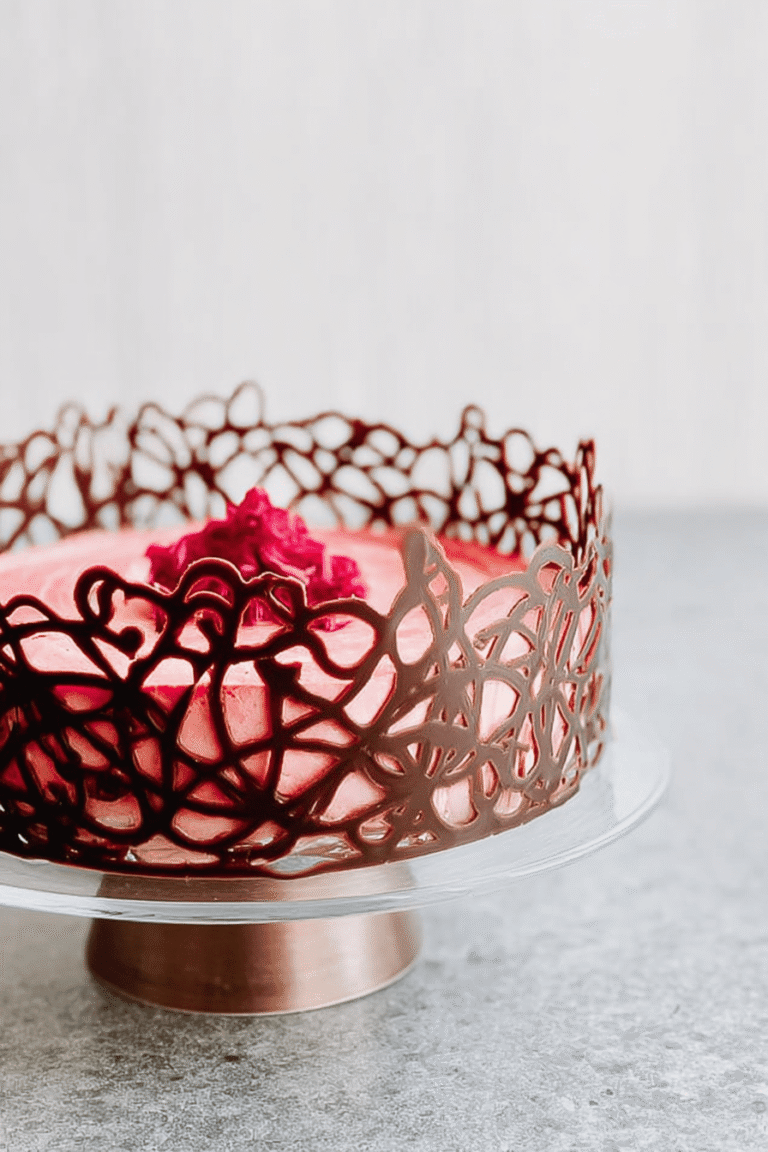
🍫 Create stunning and elegant cake decorations with easy-to-make chocolate cages that wow your guests.
🎂 This technique allows you to personalize your cake with beautiful, crisp chocolate designs that enhance its visual appeal.
- Total Time: 15 minutes
- Yield: Enough to decorate one standard cake circumference
Ingredients
– 4 oz dark chocolate (bittersweet or semi-sweet, preferably a bar rather than chips)
Instructions
1-Gathering and Preparing Materials: First, measure the cake circumference and cut two strips of wax paper to match this length. Add an extra inch to the height of the design you want. This helps ensure the cage fits perfectly around your cake.
2-Gathering and Preparing Materials: Next, use a ruler and pen to draw guide lines on the wax paper for the design height. This simple step makes piping easier and keeps your lines straight and even, leading to a professional look without much effort.
3-Melting and Piping the Chocolate: Then, chop the 4 oz of dark chocolate and place it in a silicone or plastic bowl. Microwave at 50% power for 30 seconds, stir, then continue microwaving in 15-second increments at 50% power until fully melted, stirring each time. For more tips on this, check out How to Melt Chocolate, which covers gentle melting techniques.
4-Melting and Piping the Chocolate: After that, transfer the melted chocolate to a piping bag fitted with a round tip. Pipe the chocolate design within the guide lines, making lines thick enough to be sturdy. This creates a strong cage that holds its shape around the cake.
5-Setting and Assembling: Let the chocolate set at room temperature for about 3 minutes or until firm but pliable. If it doesn’t set, wait 10 more minutes and then refrigerate briefly. Carefully lift the wax paper with the chocolate design and wrap it around the frosted cake; repeat with the second strip.
6-Setting and Assembling: Finally, peel off the wax paper carefully. If the chocolate is still soft, chill the cake longer before peeling. First step overall: Gather and measure all ingredients precisely to ensure perfect ratios, essential for a stable chocolate cage. Second step: Melt the dark chocolate gently as described. Third step: Temper the melted chocolate by cooling it to achieve a glossy finish. Fourth step: Pipe as instructed. Fifth step: Let it set and assemble on the cake.
Last Step:
Please leave a rating and comment letting us know how you liked this recipe! This helps our business to thrive and continue providing free, high-quality recipes for you.Notes
🌡️ Melt chocolate gently, not exceeding 90°F, to maintain temper for a glossy, crisp finish.
📏 Using two shorter strips of wax paper makes handling and applying the chocolate easier around the cake.
🎨 Choose a larger piping tip size for sturdier designs; thin lines may break easily.
- Prep Time: 10 minutes
- Setting Time: 5 minutes
- Category: Cake Decoration
- Method: Melting and Piping
- Cuisine: N/A
Nutrition
- Calories: 678
- Sugar: 27 g
- Sodium: 23 mg
- Fat: 48 g
- Carbohydrates: 52 g
- Protein: 9 g