

Why You’ll Love This Saffron
Saffron stands out as a simple yet luxurious ingredient that can transform your everyday meals. With its ease of preparation, you can enjoy rich flavors in just minutes, making it ideal for busy parents and working professionals. This spice also brings health benefits like antioxidants, supporting a healthy lifestyle for those who are diet-conscious.
Its versatility means it fits various dietary needs, from vegan to gluten-free options, appealing to students, travelers, and seniors alike. Plus, the distinctive flavor of saffron adds an exotic touch to dishes, helping food enthusiasts create memorable experiences at home or during gatherings.
Key Benefits at a Glance
- Ease of preparation offers simplicity and quick cooking time, perfect for busy schedules without compromising on flavor.
- Health benefits include being rich in antioxidants and essential nutrients, boosting wellness and supporting a healthy lifestyle.
- Versatility adapts to various dietary needs including vegan, gluten-free, and low-calorie options, making it suitable for everyone.
- Distinctive flavor features a unique and aromatic saffron taste that brings out the best in any meal, giving it a rich and exotic essence.
Jump to:
- Why You’ll Love This Saffron
- Key Benefits at a Glance
- Essential Ingredients for Saffron
- Main Ingredients
- Special Dietary Options
- How to Prepare the Perfect Saffron: Step-by-Step Guide
- Basic Steps for Saffron Infusion
- Full Recipe Steps
- Dietary Substitutions to Customize Your Saffron
- Protein and Main Component Alternatives
- Vegetable, Sauce, and Seasoning Modifications
- Mastering Saffron: Advanced Tips and Variations
- Pro Techniques and Ideas
- How to Store Saffron: Best Practices
- Storage Methods
- FAQs: Frequently Asked Questions About Saffron
- What is saffron and how is it harvested?
- How should I prepare saffron for cooking to get the best flavor?
- What are the most popular dishes that use saffron?
- How can I tell if saffron is pure and high quality?
- Can saffron provide health benefits and how is it used medicinally?
- Saffron
- Ingredients
- Instructions
- Last Step:
- Notes
- Did you make this recipe?
Essential Ingredients for Saffron
Gathering the right ingredients is key to unlocking the full potential of saffron threads. This section lists everything you need for a basic saffron recipe, ensuring you have precise measurements for easy preparation. Remember, using high-quality saffron like Super Negin can enhance your results.
Main Ingredients
- 1/2 tsp saffron threads – Provides the distinct aroma and color essential for saffron recipes.
- 1 cup basmati rice – Serves as the base, offering a fluffy and fragrant texture.
- 2 tbsp olive oil – Enhances flavor and aids in cooking for a smooth process.
- 1 medium onion, chopped – Adds sweetness and texture to balance the saffron.
- 2 garlic cloves, minced – Builds foundational flavor in your dish.
- A pinch of saffron threads – Used specifically for infusion, as detailed in saffron preparation instructions.
Special Dietary Options
- Vegan: Use vegetable broth instead of chicken broth to keep things plant-based.
- Gluten-free: Naturally gluten-free ingredients; make sure broth is gluten-free for full compliance.
- Low-calorie: Swap olive oil with a light cooking spray or use less to cut down on calories.
For more ideas on incorporating spices into baked goods, check out our High Altitude Chocolate Toffee Crunch Cupcakes recipe, which shows how flavors can blend seamlessly.
How to Prepare the Perfect Saffron: Step-by-Step Guide
Preparing saffron involves a few simple steps to maximize its flavor and color. Start by focusing on saffron threads, which are key to Super Negin quality. This method ensures you get the best results for your saffron uses in dishes like rice or teas.
Basic Steps for Saffron Infusion
- Grind a pinch of saffron threads into a fine powder using a pestle and mortar or spice grinder; adding a small amount of sugar or salt helps with grinding.
- Steep the ground saffron in 4 to 5 tablespoons of hot water for 10 minutes, allowing it to release its vibrant color and aroma.
- Alternatively, soak a pinch of saffron threads in half a cup of cold or room temperature water for 30 minutes to one hour until the water turns a bright yellow color.
Once your saffron is ready, move on to the full recipe. First, soak saffron threads in warm water for 10 minutes to release their color and flavor. Saffron contains natural compounds like crocin for color, safranal for aroma, and picrocrocin for flavor, offering antioxidant benefits when used in culinary applications or teas.
Full Recipe Steps
- Rinse basmati rice under cold water until it runs clear to remove excess starch.
- Heat olive oil in a pan over medium heat, then sauté chopped onions and minced garlic until they become translucent.
- Add the soaked saffron along with its water to the pan, stirring to combine for even distribution.
- Pour in the rice and stir to coat it with the saffron mixture.
- Add broth (vegetable for vegan options), bring to a boil, then reduce heat and cover the pan.
- Cook on low heat for 15-20 minutes until the rice is tender and liquid is absorbed. Grinding and steeping saffron takes about 10 minutes, while soaking threads requires 30 minutes to one hour for full color extraction.
- Fluff the rice with a fork and adjust seasoning if needed.
- Serve hot, optionally garnished with fresh herbs. Adapt cooking liquid and oil quantities for dietary needs, and remember a little saffron goes a long way, so use it sparingly for the best results.
For more on saffron quality, you can learn about saffron basics from reliable sources.

Dietary Substitutions to Customize Your Saffron
Making saffron recipes work for your needs is easy with a few swaps. Saffron threads adapt well to different diets, allowing home cooks and busy parents to enjoy Super Negin saffron without hassle. These changes keep the essence of saffron uses while fitting various preferences.
Protein and Main Component Alternatives
- Substitute chicken with tofu or tempeh for a vegan option that maintains protein levels.
- Use shrimp or fish for a seafood variation that adds a fresh twist to saffron dishes.
- Replace rice with quinoa or cauliflower rice to meet low-carb needs while keeping saffron as the star.
Vegetable, Sauce, and Seasoning Modifications
- Swap onions with shallots or leeks based on flavor preference to enhance the overall taste.
- Use coconut milk or almond milk as a sauce base for added creaminess in your saffron recipes.
- Enhance seasoning with cumin, coriander, or cardamom to vary taste profiles and complement saffron.
- Adjust salt and spice levels to fit dietary restrictions, ensuring everyone can enjoy Super Negin saffron quality.
Mastering Saffron: Advanced Tips and Variations
Taking your saffron skills further can make your cooking stand out. Toast saffron threads lightly before soaking to intensify their flavor in dishes. Experiment with adding saffron to stews or baked goods for new taste experiences that highlight its quality.
Pro Techniques and Ideas
- For stronger aroma, always soak saffron before use in recipes like rice or paella.
- Serve saffron rice molded into shapes or topped with toasted nuts to add an elegant touch for party hosts.
- Prepare meals in advance and reheat with a bit of broth to keep the moisture and flavor intact, ideal for baking enthusiasts.
Store saffron in a sealed container to maintain its freshness, color, aroma, and flavor over time. When making milk-based drinks with saffron, keep stirring to avoid burning, especially with sweetened condensed milk.
If you enjoy experimenting with spices in desserts, try our Banana Bread Coffee Cake recipe for inspiration on blending flavors.
How to Store Saffron: Best Practices
Proper storage keeps your saffron threads fresh and ready for use. Keep Super Negin saffron in a sealed container to preserve its quality for longer. This helps maintain the vibrant color and strong aroma that make saffron uses so rewarding.
Storage Methods
| Method | Duration | Tips |
|---|---|---|
| Refrigeration | Up to 3 days for cooked dishes | Store in airtight containers to keep flavors intact. |
| Freezing | Up to 1 month | Freeze portions and thaw overnight in the fridge. |
| Reheating | N/A | Reheat gently with broth to maintain texture and avoid bitterness. |
| Meal Prep | Throughout the week | Divide into single servings for easy access. |
Saffron offers antioxidant benefits and can be used in teas for added wellness, making it a great choice for diet-conscious individuals.
FAQs: Frequently Asked Questions About Saffron
What is saffron and how is it harvested?
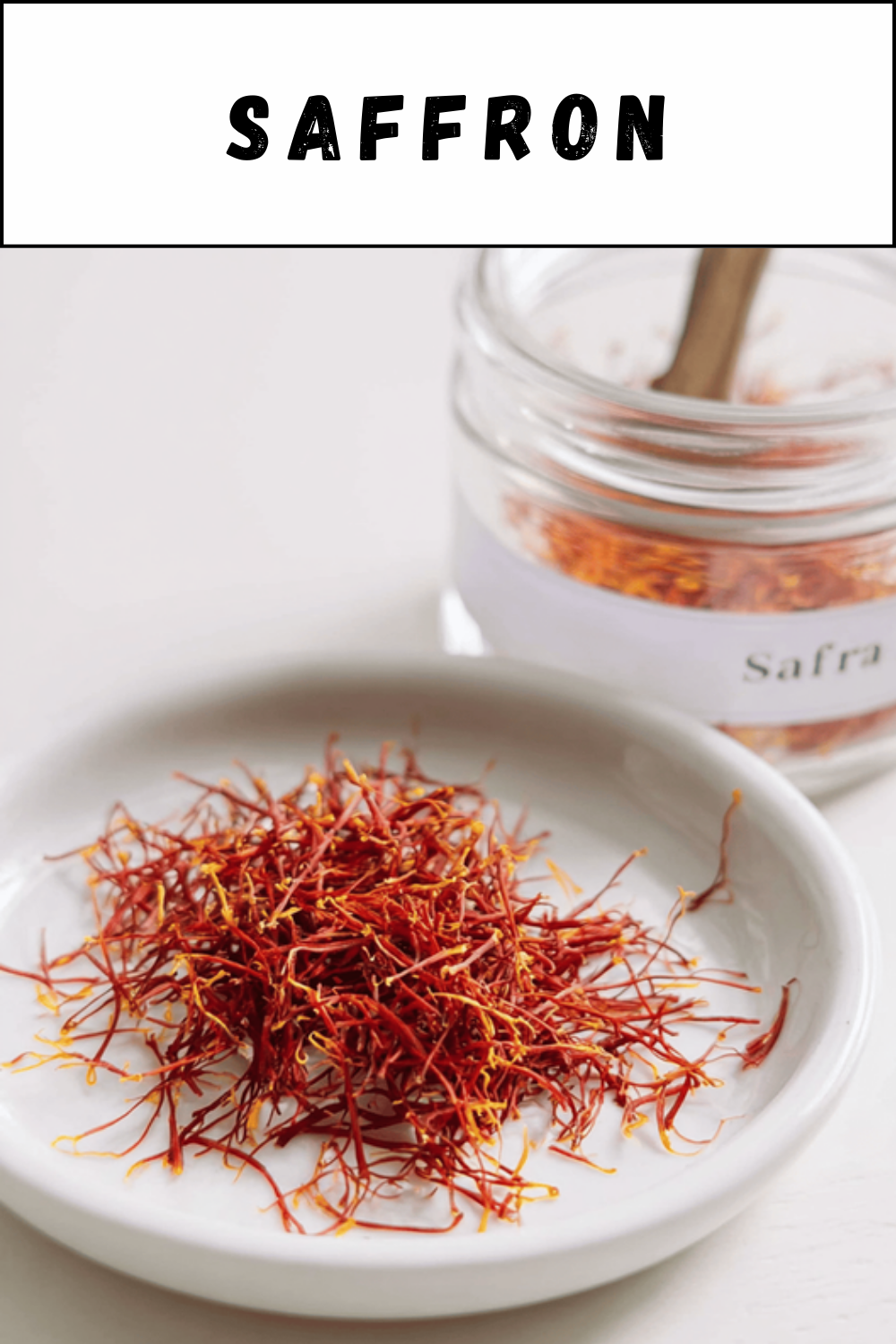
Saffron is a spice derived from the stigmas of the Crocus Sativus flower. Each flower produces only three delicate red threads, which are handpicked during a short blooming season. It takes roughly 175,000 flowers to produce just one pound of saffron, making it one of the most expensive spices in the world due to the labor-intensive harvesting process.
How should I prepare saffron for cooking to get the best flavor?
To bring out saffron’s full flavor, crush a small pinch of threads using a mortar and pestle or powder them finely. Then soak the saffron in 4-5 tablespoons of warm water for 10 minutes before adding it to your recipe. Alternatively, you can soak the threads in cold or room temperature water for 30 minutes to an hour until the water turns golden. This process helps release the color and aroma evenly in your dish.
What are the most popular dishes that use saffron?
Saffron is commonly used in dishes such as paella, risotto, biryanis, and saffron-infused rice. It also flavors beverages like saffron tea and golden milk. Its unique floral aroma and vibrant yellow-orange color make it a favorite in Middle Eastern, Mediterranean, and Indian cuisines.
How can I tell if saffron is pure and high quality?
Quality saffron is all-red without yellow parts, known as Super Negin, which provides the best flavor and color. Pure saffron is tested for key components like crocin (color), safranal (aroma), and picrocrocin (taste) based on ISO 3632 standards. Avoid saffron that looks dull, contains yellow styles, or has an artificial smell, as these may indicate impurities or adulteration.
Can saffron provide health benefits and how is it used medicinally?
Yes, saffron contains antioxidants linked to mood support, improved digestion, and anti-inflammatory properties. It can be consumed as a tea by steeping threads in hot water or taken as powdered extract supplements. However, it is important to use it in moderation and consult with a healthcare provider if using saffron for medicinal purposes.
Saffron
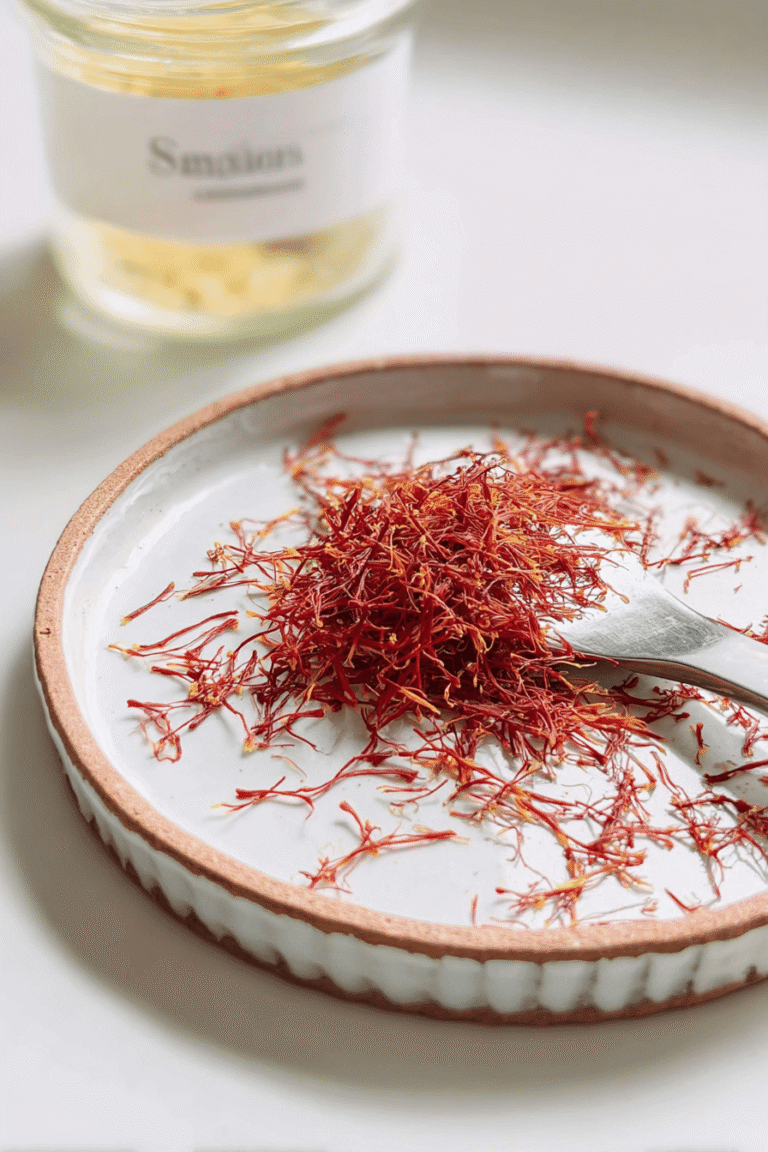
🌸 Discover the finest Super Negin saffron threads and how to prepare them for vibrant color and rich aroma.
🍽️ This guide helps you use saffron effectively to enhance the flavor and presentation of your dishes with its unique qualities.
- Total Time: 40 to 70 minutes
Ingredients
– 1/2 tsp saffron threads Provides the distinct aroma and color essential for saffron recipes.
– 1 cup basmati rice Serves as the base, offering a fluffy and fragrant texture.
– 2 tbsp olive oil Enhances flavor and aids in cooking for a smooth process.
– 1 medium onion, chopped Adds sweetness and texture to balance the saffron.
– 2 garlic cloves, minced Builds foundational flavor in your dish.
– A pinch of saffron threads Used specifically for infusion, as detailed in saffron preparation instructions.
Instructions
1- Grind a pinch of saffron threads into a fine powder using a pestle and mortar or spice grinder; adding a small amount of sugar or salt helps with grinding.
2- Steep the ground saffron in 4 to 5 tablespoons of hot water for 10 minutes, allowing it to release its vibrant color and aroma.
3- Alternatively, soak a pinch of saffron threads in half a cup of cold or room temperature water for 30 minutes to one hour until the water turns a bright yellow color.
4- Rinse basmati rice under cold water until it runs clear to remove excess starch.
5- Heat olive oil in a pan over medium heat, then sauté chopped onions and minced garlic until they become translucent.
6- Add the soaked saffron along with its water to the pan, stirring to combine for even distribution.
7- Pour in the rice and stir to coat it with the saffron mixture.
8- Add broth (vegetable for vegan options), bring to a boil, then reduce heat and cover the pan.
9- Cook on low heat for 15-20 minutes until the rice is tender and liquid is absorbed. Grinding and steeping saffron takes about 10 minutes, while soaking threads requires 30 minutes to one hour for full color extraction.
10- Fluff the rice with a fork and adjust seasoning if needed.
11- Serve hot, optionally garnished with fresh herbs. Adapt cooking liquid and oil quantities for dietary needs, and remember a little saffron goes a long way, so use it sparingly for the best results.
Last Step:
Please leave a rating and comment letting us know how you liked this recipe! This helps our business to thrive and continue providing free, high-quality recipes for you.Notes
🌿 Use saffron sparingly as its flavor and color are very concentrated.
🛍️ Store saffron in a sealed container to preserve freshness and potency.
☕ Soak saffron before use for a more intense, aromatic flavor, especially in rice dishes, teas, and milk-based drinks.
- Prep Time: 10 minutes
- Soaking Time: 30 to 60 minutes
- Category: Spices and Seasonings
- Method: Grinding and Steeping