

Why You’ll Love This Temper Chocolate
Tempering chocolate might sound complex at first, but this recipe makes it easy for anyone in the kitchen to get great results. It’s all about creating that smooth, shiny finish that makes your homemade candies and coatings look professional. With simple steps and quick prep, even busy parents or working pros can whip this up without much hassle.
One of the best parts is how this method brings out the chocolate’s natural health benefits, like antioxidants from the cocoa, which can support your wellness goals. It’s versatile too, fitting into various diets and letting you adapt it as needed. Plus, that rich and creamy flavor will make every bite feel special, whether you’re a baking enthusiast or just trying something new.
This approach keeps things straightforward, focusing on ease and enjoyment so you can impress friends at your next gathering. By following along, you’ll see how tempering adds a delightful snap and gloss that elevates your treats. It’s perfect for home cooks looking to add a touch of magic to their recipes without spending hours in the kitchen.
Health and Adaptability Benefits
Made with just high-quality ingredients, this temper chocolate recipe highlights the goodness of cocoa, which is packed with antioxidants that help promote overall health. You can easily tweak it for dietary needs, like making it vegan by choosing the right chocolate type. This flexibility means students or diet-conscious folks can enjoy it without worry, all while savoring that luxurious taste.
For instance, if you’re a food enthusiast experimenting with flavors, the basic setup allows for quick changes. Imagine using it in your favorite desserts to make them stand out, much like adding a fun twist to everyday baking. This recipe’s simplicity ensures everyone from newlyweds to seniors can master it and enjoy the results.
Jump to:
- Why You’ll Love This Temper Chocolate
- Health and Adaptability Benefits
- Essential Ingredients for Temper Chocolate
- How to Prepare the Perfect Temper Chocolate: Step-by-Step Guide
- Tempering by Seeding in Detail
- Tempering by Microwave
- Dietary Substitutions to Customize Your Temper Chocolate
- Mastering Temper Chocolate: Advanced Tips and Variations
- How to Store Temper Chocolate: Best Practices
- FAQs: Frequently Asked Questions About Temper Chocolate
- What is chocolate tempering and why is it important?
- How can I temper chocolate at home without special equipment?
- What types of chocolate are best for tempering?
- Can tempered chocolate be stored at room temperature?
- What should I do if my chocolate seizes during melting?
- Temper Chocolate
- Ingredients
- Instructions
- Last Step:
- Notes
- Nutrition
- Did you make this recipe?
Essential Ingredients for Temper Chocolate
- 16 ounces (454 grams) baking chocolate, finely chopped – This is the main ingredient that provides the rich base for tempering and ensures a smooth, glossy finish.
Beyond the core item, you might consider additions for better texture, but always start with this precise amount to get it right. High-quality choices make a big difference, so opt for bars that melt evenly. This list keeps things simple and focused, helping home cooks measure accurately for perfect results every time.
When preparing, remember that quality matters for that shiny outcome we all want. If you’re adapting for special diets, ensure your chocolate fits the bill. This setup is straightforward, making it easy for anyone to follow along at home.
How to Prepare the Perfect Temper Chocolate: Step-by-Step Guide
Getting started with tempering chocolate involves a few key steps to ensure your chocolate turns out smooth and shiny. Begin by setting up your workspace with all your tools ready, like a double boiler and a thermometer for accuracy. Chop the baking chocolate finely to help it melt evenly and avoid any lumps.
For the seeding method, melt two-thirds of the chocolate in a double boiler, stirring often until it hits about 115°F without going over 120°F. If you’re working with milk or white chocolate, aim for 110°F to keep the flavor just right. Once melted, take it off the heat and add the rest of the chocolate gradually while stirring constantly to cool it down to 84°F, which might take around 15 minutes.
To speed things up, you can use an ice bath, but make sure no water touches the chocolate to prevent seizing. Then, reheat it gently over the double boiler in short bursts until it reaches 89°F, but don’t let it go above 91°F. Test by dipping a piece of parchment into it and letting it set; it should turn firm and smooth if done correctly.
Tempering by Seeding in Detail
Follow these exact steps for the seeding method to master the process at home. First, melt two-thirds in a double boiler to 115°F, stirring frequently. Next, add the remaining chocolate and stir until it cools to 84°F. Then, reheat to 89°F and maintain that temperature while you use it.
This technique is ideal for “how to temper chocolate for smooth finish” as it ensures proper crystal formation. Keep stirring vigorously to avoid issues, and remember, prep time is about 20 minutes with only 5 minutes of cooking. In total, you’re looking at around 25 minutes, making it quick for busy schedules.
Tempering by Microwave
Alternatively, try the microwave method, which is even simpler for beginners. Place two-thirds of the chocolate in a microwave-safe bowl and heat at 50% power in 1-minute intervals, stirring each time, until it reaches 100-110°F and is fully melted. Add the rest gradually, stirring until everything blends smoothly and reaches 84-91°F.
This approach works well for “steps to temper chocolate at home” because it’s fast and uses common tools. Stir thoroughly to get that shiny, tempered result, and remember the total time is still around 25 minutes. Once tempered, you can use it right away for coatings or candies.
Here’s a quick table to compare the two methods for clarity:
| Method | Key Steps | Time Estimate |
|---|---|---|
| Seeding (Double Boiler) | Melt, cool by adding chocolate, reheat to 89°F | 20-25 minutes |
| Microwave | Melt in intervals, add and stir until tempered | 15-20 minutes |
Both ways help achieve “best way to temper chocolate for shiny results,” so pick based on what you have on hand. Always use a thermometer for precision, and keep everything dry to prevent seizing.

Dietary Substitutions to Customize Your Temper Chocolate
Making temper chocolate work for your needs is simple with a few swaps. For instance, if you’re aiming for a vegan version, swap in plant-based chocolate to keep that smooth texture. This way, you can still get the glossy finish without any dairy issues.
Other changes include using nut butters for added protein, or swapping extracts like vanilla for almond to mix up the flavors. If allergies are a concern, go for gluten-free options in any additives. These adjustments make the recipe accessible for everyone, from travelers to seniors watching their diets.
- Replace regular chocolate with vegan-certified options for plant-based diets.
- Use gluten-free gums or starches for thickeners if needed.
- Add seasonal spices like cinnamon for a fresh twist.
This flexibility ensures your tempered chocolate fits into various meals. For more ideas on incorporating chocolate, check out our funfetti Greek yogurt muffins recipe for a creative fusion.
Mastering Temper Chocolate: Advanced Tips and Variations
Once you’re comfortable with the basics of “chocolate tempering,” it’s time to level up with some pro techniques. Use a digital thermometer and a marble slab for precise cooling, which helps control the temperature just right for a perfect set. These tools make the process smoother and more reliable for any baking enthusiast.
Experiment with flavors by adding things like sea salt or espresso powder to create your own unique profiles. For presentation, try garnishing with crushed nuts or dried fruits to make your treats pop. You can even prepare batches ahead and store them for later use.
Here are some quick tips to enhance your results:
- Keep the chocolate at around 89°F during use to maintain its temper.
- Avoid heating above 120°F for dark chocolate to preserve flavor.
- Test a small amount on parchment to check for gloss and snap.
- If it seizes, add a bit of oil to salvage it for other uses.
Tempering might seem tricky at first, but with practice, you’ll achieve that professional shine every time, just like in my favorite baking sessions.
For more on related baking techniques, visit our page on mini Earl Grey honey scones to see how precision pays off. Remember, the “tempering chocolate process” gets easier with these advanced tweaks, ideal for party hosts wowing their guests.
How to Store Temper Chocolate: Best Practices
Proper storage keeps your tempered chocolate fresh and ready for use, maintaining that glossy finish. Keep it in a cool, dry spot around 15-18°C to avoid any moisture that could cause bloom. This method works well for everyday storage, so you don’t have to worry about it losing its snap.
For longer periods, wrap it tightly and freeze it, then thaw slowly in the fridge to keep the texture intact. When reheating, use a double boiler gently to prevent overheating and keep the temper. For meal prep, portion it out carefully to minimize temperature changes and keep things contamination-free.
These steps ensure your chocolate stays perfect, whether you’re a working professional grabbing a quick treat or a family cooking together. Always store in airtight containers for the best results in your recipes.
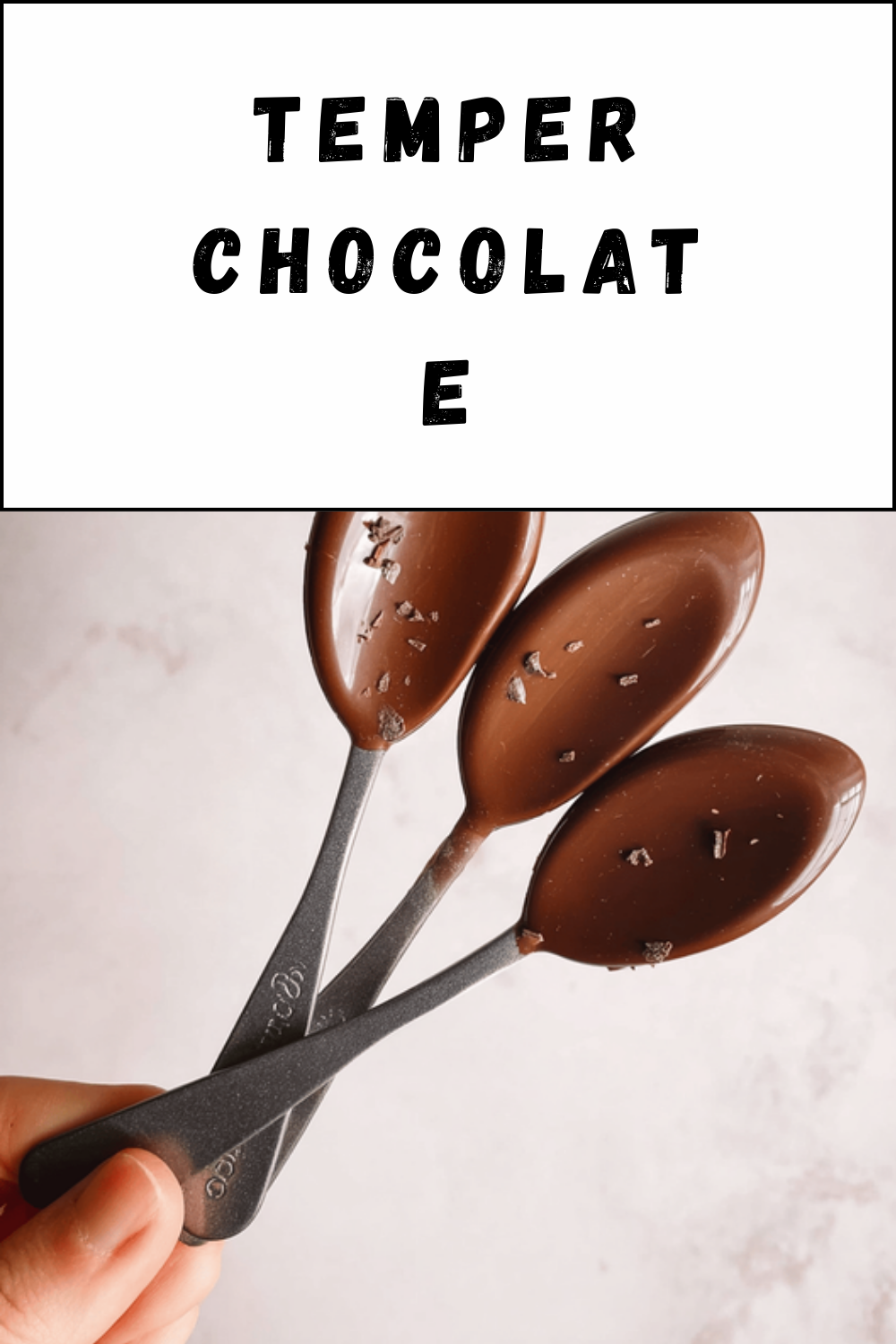
FAQs: Frequently Asked Questions About Temper Chocolate
What is chocolate tempering and why is it important?
Chocolate tempering is the process of heating and cooling chocolate to specific temperatures to stabilize the cocoa butter crystals. This results in chocolate that is smooth, shiny, and has a crisp snap when broken. Tempered chocolate also resists bloom, the dull white coating that can develop over time, and maintains its texture and appearance at room temperature, making it ideal for candies, coatings, and decorations.
How can I temper chocolate at home without special equipment?
You can temper chocolate using the seeding method without specialized tools. Gently melt two-thirds of the chopped chocolate over a double boiler or in short bursts in the microwave until it reaches around 45°C (113°F). Then, add the remaining chocolate slowly while stirring to cool it down to about 27-28°C (80-82°F). Finally, warm slightly to 31-32°C (88-90°F) before using. A kitchen thermometer helps accuracy, but careful timing and stirring are key.
What types of chocolate are best for tempering?
High-quality baking chocolate bars or couverture chocolate, which contain a higher percentage of cocoa butter, work best for tempering. Avoid chocolate chips, as they contain stabilizers that prevent smooth melting and proper crystallization. Look for chocolate labeled specifically for baking or couverture for the best results.
Can tempered chocolate be stored at room temperature?
Yes, properly tempered chocolate can be stored at room temperature, ideally between 18-22°C (64-72°F), in a cool, dry place away from direct sunlight. Tempering makes the chocolate stable so it maintains its glossy finish and firm texture without needing refrigeration, which can cause condensation and affect quality.
What should I do if my chocolate seizes during melting?
Seized chocolate becomes grainy and thick due to moisture contamination. To fix it, stir in a small amount of melted butter, cream, or oil slowly until it smooths out. Keep in mind this chocolate is no longer suitable for tempering but can be used in sauces, ganache, or baking recipes where texture isn’t critical. Prevent seizing by keeping all utensils dry.
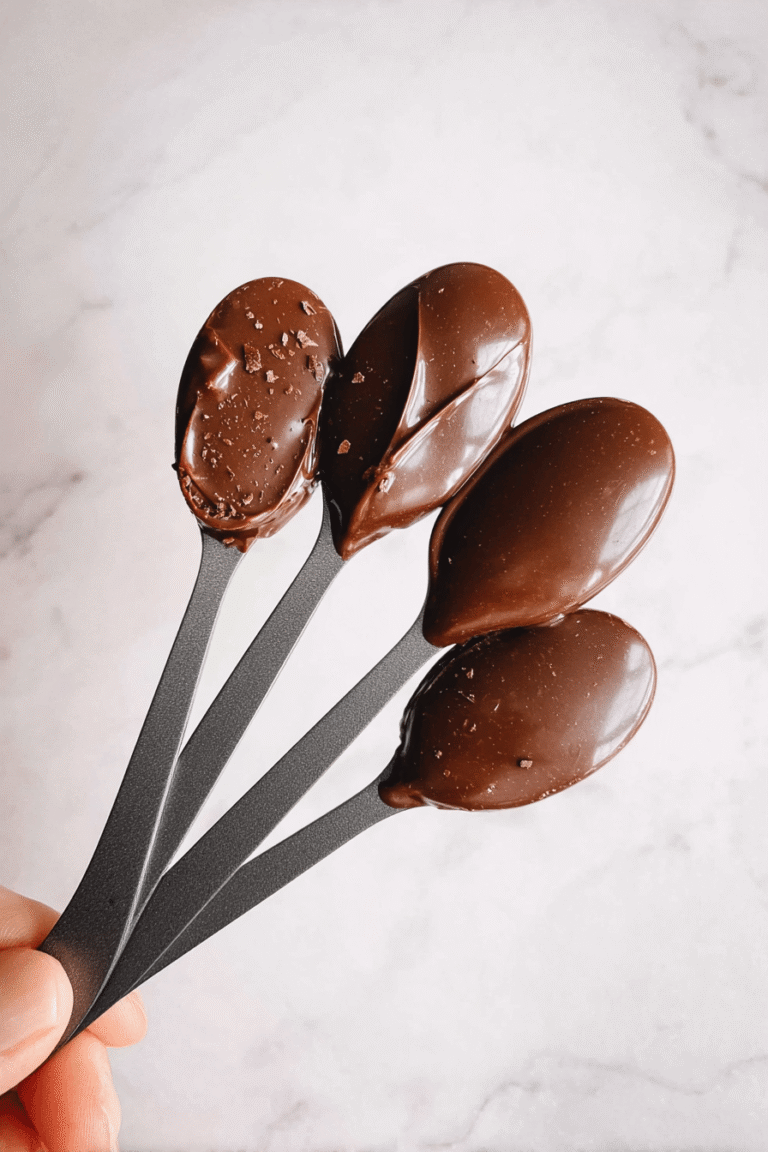
Temper Chocolate
🍫 Achieve a perfectly smooth and glossy finish with this easy-to-follow chocolate tempering process.
✨ Get professional-quality chocolate coatings that set with a firm snap and beautiful shine every time.
- Total Time: 25 minutes
- Yield: Varies depending on use, roughly chocolate for coating or candy making
Ingredients
– 16 ounces (454 grams) baking chocolate
Instructions
1-Getting started with tempering chocolate involves a few key steps to ensure your chocolate turns out smooth and shiny. Begin by setting up your workspace with all your tools ready, like a double boiler and a thermometer for accuracy. Chop the baking chocolate finely to help it melt evenly and avoid any lumps.
2-For the seeding method, melt two-thirds of the chocolate in a double boiler, stirring often until it hits about 115°F without going over 120°F. If you’re working with milk or white chocolate, aim for 110°F to keep the flavor just right. Once melted, take it off the heat and add the rest of the chocolate gradually while stirring constantly to cool it down to 84°F, which might take around 15 minutes.
3-To speed things up, you can use an ice bath, but make sure no water touches the chocolate to prevent seizing. Then, reheat it gently over the double boiler in short bursts until it reaches 89°F, but don’t let it go above 91°F. Test by dipping a piece of parchment into it and letting it set; it should turn firm and smooth if done correctly.
4-Follow these exact steps for the seeding method to master the process at home. First, melt two-thirds in a double boiler to 115°F, stirring frequently. Next, add the remaining chocolate and stir until it cools to 84°F. Then, reheat to 89°F and maintain that temperature while you use it.
5-Alternatively, try the microwave method, which is even simpler for beginners. Place two-thirds of the chocolate in a microwave-safe bowl and heat at 50% power in 1-minute intervals, stirring each time, until it reaches 100-110°F and is fully melted. Add the rest gradually, stirring until everything blends smoothly and reaches 84-91°F.
Last Step:
Please leave a rating and comment letting us know how you liked this recipe! This helps our business to thrive and continue providing free, high-quality recipes for you.Notes
🍴 Never heat bittersweet or semisweet chocolate above 120°F; keep milk or white chocolate below 110°F for best flavor.
💧 Avoid any contact with water to prevent chocolate from seizing.
🌡️ Use a reliable thermometer to monitor chocolate temperature accurately for best results.
- Prep Time: 20 minutes
- Cook Time: 5 minutes
- Category: Technique
- Method: Tempering
- Cuisine: Universal
- Diet: Vegetarian
Nutrition
- Serving Size: Varies