
Why You’ll Love This Sourdough Discard Focaccia Bread
I’ve always been thrilled by simple recipes that turn everyday ingredients into something magical, and this sourdough discard focaccia bread is one of my favorites. It’s easy to prepare, requiring just a bit of time and minimal effort, so even if you’re a beginner baker, you can whip it up without stress. Plus, using sourdough discard helps cut down on waste while adding that signature tangy flavor I love sharing in my kitchen adventures.
Beyond its ease, this bread packs health benefits that make it a smart choice for everyday meals. The natural fermentation in sourdough discard improves digestibility and nutrient absorption, supporting gut health in a way that’s gentle on your body. It’s also incredibly versatile, letting you tweak it for different diets, from vegan swaps to gluten-free options, so everyone at your table can enjoy it.
What really sets this focaccia apart is its robust, tangy taste that comes from the sourdough discard, making each bite feel like a treat. Whether you’re baking for a quick snack or a family dinner, this recipe adapts to your needs and brings a touch of homemade charm. If you’re looking for more dinner inspiration, you can check out our dinner recipes collection for complementary ideas.
This focaccia’s distinctive flavor comes from quality ingredients that blend perfectly, creating a bread that’s airy yet satisfying. It’s perfect for busy parents or students who want something homemade without hours in the kitchen. From food enthusiasts to baking lovers, this recipe has broad appeal and can elevate your daily routine with its fresh, artisanal vibe.
Health and Practical Perks
In my tests, I’ve found that sourdough discard not only reduces food waste but also boosts the bread’s nutritional profile. Water at the right temperature, like 95 100°F, optimizes yeast activation, leading to better results every time. Bread flour with at least 12.5% protein is ideal for that perfect texture, but you can swap in all-purpose flour plus vital wheat gluten if that’s what you have on hand.
For those watching their diet, light-tasting olive oil keeps things simple and flavorful, though extra virgin works if you prefer a bolder taste. Older discard intensifies the sourness, giving your focaccia that extra zing I adore. This recipe isn’t meant for 100% sourdough methods, which require longer fermentation, but it’s a fantastic way to use what you have.
Jump to:
- Why You’ll Love This Sourdough Discard Focaccia Bread
- Health and Practical Perks
- Essential Ingredients for Sourdough Discard Focaccia Bread
- Special Dietary Options
- How to Prepare the Perfect Sourdough Discard Focaccia Bread: Step-by-Step Guide
- Tips for the Best Results
- Dietary Substitutions to Customize Your Sourdough Discard Focaccia Bread
- Mastering Sourdough Discard Focaccia Bread: Advanced Tips and Variations
- Make-Ahead Strategies
- How to Store Sourdough Discard Focaccia Bread: Best Practices
- FAQs: Frequently Asked Questions About Sourdough Discard Focaccia Bread
- Can I refrigerate sourdough discard focaccia dough overnight?
- How do I prevent sourdough discard focaccia from sticking to the pan?
- What are the best ways to serve sourdough discard focaccia bread?
- Does sourdough discard focaccia provide the same probiotic benefits as fully fermented sourdough?
- Can I customize the flavor of sourdough discard focaccia with herbs or toppings?
- Sourdough Discard Focaccia Bread
- Ingredients
- Instructions
- Last Step:
- Notes
- Nutrition
- Did you make this recipe?
Essential Ingredients for Sourdough Discard Focaccia Bread
Selecting the right ingredients is key to making sourdough discard focaccia bread that turns out just right. I’ll walk you through the list based on what I’ve tested in my kitchen, ensuring everything is straightforward and easy to find. This section focuses on the precise measurements to help you measure accurately and avoid any surprises.
- 240 grams sourdough discard (about 1 cup) – This provides the natural leavening and tangy flavor we’re after.
- 390 grams warm water (100°F), about 1 ½ cups plus 2 tablespoons – Perfect for activating the yeast and hydrating the dough.
- 8 grams instant yeast (2 teaspoons) – Helps the dough rise quickly and reliably.
- 10 grams salt (1 ½ teaspoons) – Brings out the flavors and strengthens the dough’s structure.
- 550 grams bread flour (about 4 cups) – Forms the base with its high protein content for a great texture; substitute with all-purpose flour plus vital wheat gluten if needed.
- 80 grams olive oil (6 tablespoons), divided – Adds moisture and richness; use light-tasting oil for the best results, though extra virgin is an option.
- Flaky sea salt, to taste – Sprinkled on top for that final, tasty crunch.
If you’re adapting for special diets, like vegan or gluten-free, simple changes work well. For instance, ensure your olive oil is plant-based, and swap bread flour for a gluten-free blend to keep things inclusive. Sourdough discard should be at 100% hydration, meaning it’s fed equal parts flour and water, which I’ve found makes all the difference in the final product.
Special Dietary Options
In my experience, this recipe is flexible for various needs. For vegan versions, stick with the olive oil as is. If you’re going gluten-free, adjust the flour and watch the hydration levels closely. These tweaks let you enjoy the bread without missing a beat, making it ideal for busy professionals or health-conscious folks.
How to Prepare the Perfect Sourdough Discard Focaccia Bread: Step-by-Step Guide
Let’s dive into the fun part baking! I’ll guide you through each step of making sourdough discard focaccia bread, drawing from the reliable method I’ve perfected. Start by gathering your ingredients and setting up your space, as this ensures a smooth process from start to finish.
- In a large bowl, combine the sourdough discard and warm water. Sprinkle the instant yeast over the water to let it activate, then add the salt and bread flour. Mix until you get a shaggy dough, cover with a kitchen towel, and let it rest in a warm spot for 15 minutes.
- Wet your hands and perform one set of stretch and folds: Grab the dough from the bottom, stretch it up, and fold it over the top. Rotate the bowl a quarter turn and repeat for three folds total. Cover and rest for another 15 minutes, then do two more sets at 15-minute intervals. After that, cover and let the dough rise until it’s doubled in size, about 30 minutes.
- Pour about 50 grams (3 ½ tablespoons) of olive oil into a non-stick metal 9×13 inch baking pan, coating the bottom evenly. You can line it with parchment paper and add oil over it to prevent sticking, which is a tip I always share for hassle-free baking.
- Gently transfer the risen dough to the pan, spreading it out without deflating it. Cover and let it rise again for about 1 hour, or until it’s doubled in size this second rise is crucial for that light texture.
- Preheat your oven to 450°F. Pour the remaining 30 grams (2 tablespoons) of olive oil over the dough, then gently dimple the surface with your fingers to keep those air bubbles intact. Sprinkle on flaky sea salt or any toppings you like, and bake for 25 minutes until it’s golden and crisp.
- Let the focaccia cool completely before slicing and serving. This step helps the flavors set, making it even tastier.
This method is straightforward, even for new bakers, and it builds on the key notes like using water at 95 100°F for optimal yeast activation. If you’re exploring more recipe ideas, our salsa verde chicken slow cooker recipe pairs wonderfully with this bread for a full meal.
Tips for the Best Results
In my kitchen experiments, I’ve learned that performing the stretch and folds properly prevents a dense loaf. If you’re short on time, remember you can refrigerate the dough overnight during the first rise for deeper flavor it’s a game-changer for busy schedules.

Dietary Substitutions to Customize Your Sourdough Discard Focaccia Bread
One of the things I enjoy most about this sourdough discard focaccia bread is how easy it is to tweak for different tastes and needs. Whether you’re boosting protein or adjusting for dietary restrictions, small changes can make a big difference. Let’s look at some simple swaps that keep the bread delicious and accessible.
| Substitution Type | Option | Benefits |
|---|---|---|
| Protein Boost | Use chickpea flour or add hemp seeds | Increases nutrition while staying vegan or gluten-free |
| Herb Swaps | Replace with basil or thyme | Changes flavor for seasonal variety |
| Toppings | Add cherry tomatoes or olives | Enhances taste and adds veggies |
For low-sodium diets, just ease up on the salt, and for gluten-free, a good flour blend works wonders. These options make the recipe versatile for everyone from travelers to seniors looking for light meals.
Mastering Sourdough Discard Focaccia Bread: Advanced Tips and Variations
Once you’re comfortable with the basics, you can level up your sourdough discard focaccia bread with some pro techniques. I love experimenting with these to add flair, and they’ve become staples in my baking routine. Using a baking stone can give you that crispy crust we all crave, while playing with hydration levels lets you control the bread’s texture.
For flavor variations, try infusing olive oil with garlic or mixing in herbs like thyme. Adding sun-dried tomatoes or caramelized onions brings a fresh twist that pairs well with various meals. Presentation is key too sprinkle flaky sea salt and drizzle extra virgin olive oil for that artisanal look that impresses at gatherings.
frenMake-Ahead Strategies
Prepare the dough ahead and refrigerate it overnight to fit your schedule, then bake fresh the next day. Freezing portions keeps things convenient for party hosts or working professionals. These tips ensure you always have homemade bread on hand without the rush.
How to Store Sourdough Discard Focaccia Bread: Best Practices
Storing sourdough discard focaccia bread properly keeps it fresh and tasty, which is something I always emphasize in my recipes. Keep it at room temperature for a few hours if you’re serving soon, or use these methods for longer. Freezing sliced portions works great for up to 1 2 months, making it easy to enjoy later.
- Refrigerate in an airtight container for up to 3 days to lock in freshness.
- Wrap tightly in plastic wrap and foil before freezing to maintain texture and flavor.
- Reheat in a 350°F oven for 5-10 minutes to bring back that crispness avoid the microwave to prevent sogginess.
- Slice and portion before freezing for quick meals, using parchment paper between slices.
Remember, proper storage, like refrigerating the dough overnight, enhances flavor and makes baking more flexible as I’ve learned from my own trials.
FAQs: Frequently Asked Questions About Sourdough Discard Focaccia Bread
Can I refrigerate sourdough discard focaccia dough overnight?
Yes, you can refrigerate the dough overnight during the first rise. Simply cover the dough and place it in the refrigerator to slow the fermentation. When you’re ready, take it out, shape it in your pan, and allow it to complete its final rise at room temperature before dimpling and baking. This method develops flavor and allows for convenient timing.
How do I prevent sourdough discard focaccia from sticking to the pan?
To prevent sticking, use a good-quality non-stick metal pan. If your dough still sticks, line the pan with parchment paper and drizzle olive oil over it before adding the dough on top. Alternatively, combining melted butter with olive oil on the pan’s surface can improve release and add flavor. Avoid glass pans, which may cause more sticking.
What are the best ways to serve sourdough discard focaccia bread?
Sourdough discard focaccia is versatile. You can slice it for sandwiches, serve it alongside soups or salads instead of traditional rolls, or cut it into squares for dipping in olive oil and balsamic vinegar. Its texture and flavor also make it ideal for snacking plain or toasted with toppings like herbs or cheese.
Does sourdough discard focaccia provide the same probiotic benefits as fully fermented sourdough?
The sourdough discard contains beneficial bacteria from the fermentation process, but when mixed with fresh flour and quickly baked, the probiotic levels are reduced. To gain more fermentation benefits, you would need to allow a longer, slow rise—similar to traditional sourdough methods. Discard focaccia is mainly valued for flavor and reducing waste rather than probiotic content.
Can I customize the flavor of sourdough discard focaccia with herbs or toppings?
Absolutely! Adding fresh or dried herbs like rosemary, thyme, or oregano to the dough or sprinkled on top before baking enhances flavor. You can also add coarse sea salt, garlic, olives, or cherry tomatoes. Lightly pressing toppings into the dough during the final rise ensures they stick without weighing down the bread. This customization makes focaccia great for different meals.
Sourdough Discard Focaccia Bread
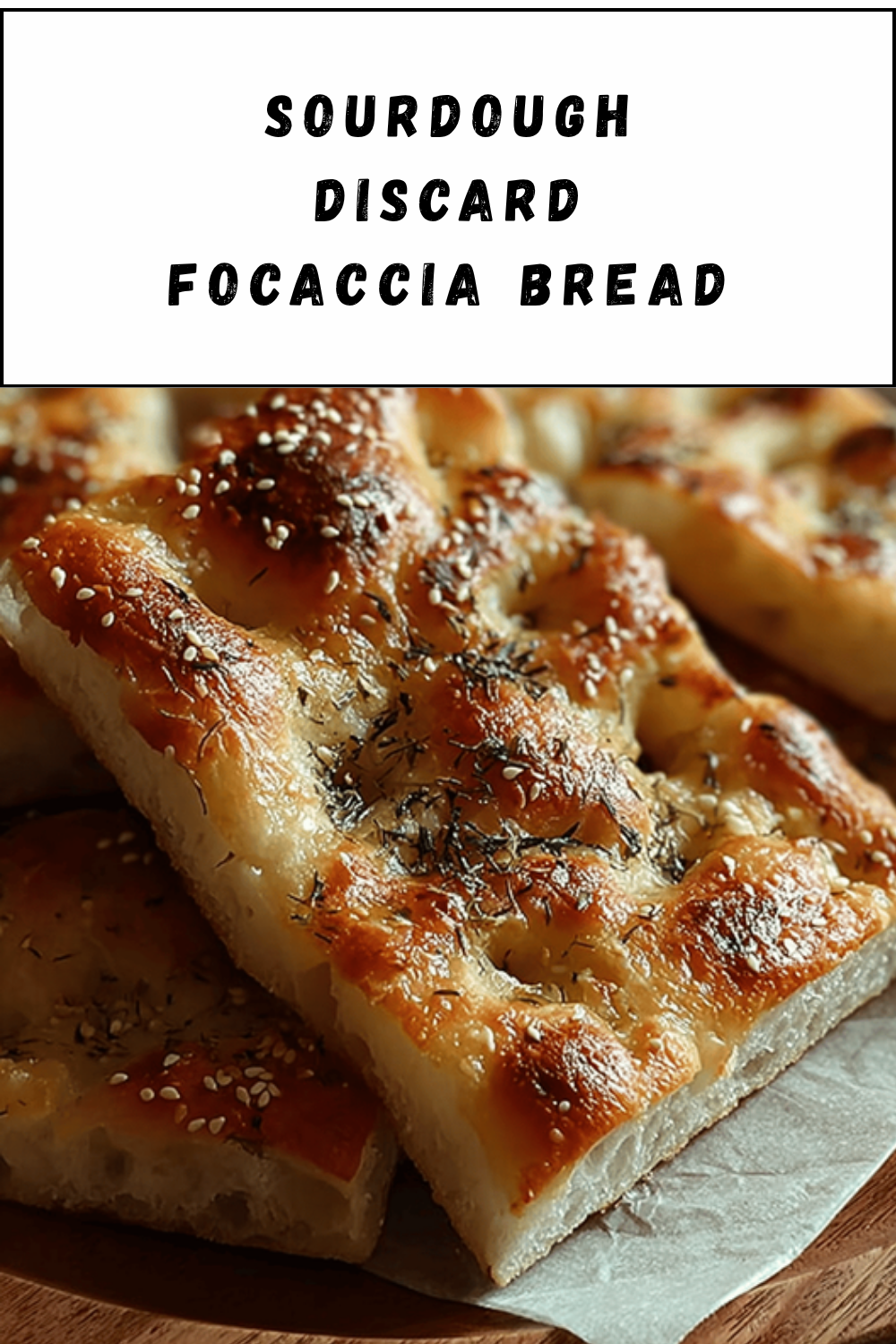
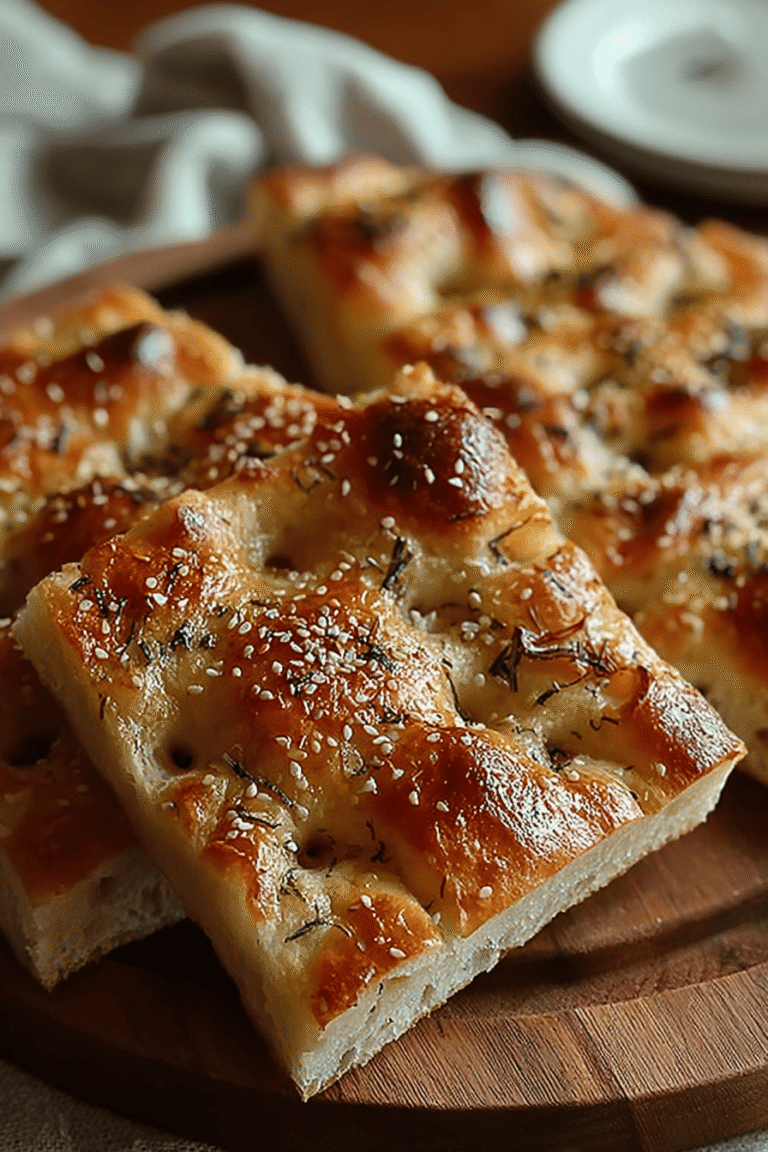
🍞 This Sourdough Discard Focaccia Bread recipe transforms leftover starter into a soft, flavorful bread with a perfectly crispy crust.
🕒 With straightforward steps and minimal hands-on time, it’s an easy way to enjoy fresh homemade focaccia any day of the week.
- Total Time: 2 hours 50 minutes
- Yield: 1 9×13 inch focaccia bread 1x
Ingredients
240 grams sourdough discard This provides the natural leavening and tangy flavor we’re after.
390 grams warm water (100°F), about 1 ½ cups plus 2 tablespoons Perfect for activating the yeast and hydrating the dough.
8 grams instant yeast (2 teaspoons) Helps the dough rise quickly and reliably.
10 grams salt (1 ½ teaspoons) Brings out the flavors and strengthens the dough’s structure.
550 grams bread flour (about 4 cups) Forms the base with its high protein content for a great texture; substitute with all-purpose flour plus vital wheat gluten if needed.
80 grams olive oil (6 tablespoons), divided Adds moisture and richness; use light-tasting oil for the best results, though extra virgin is an option.
Flaky sea salt, to taste Sprinkled on top for that final, tasty crunch.
Instructions
1-In a large bowl, combine the sourdough discard and warm water. Sprinkle the instant yeast over the water to let it activate, then add the salt and bread flour. Mix until you get a shaggy dough, cover with a kitchen towel, and let it rest in a warm spot for 15 minutes.
2-Wet your hands and perform one set of stretch and folds: Grab the dough from the bottom, stretch it up, and fold it over the top. Rotate the bowl a quarter turn and repeat for three folds total. Cover and rest for another 15 minutes, then do two more sets at 15-minute intervals. After that, cover and let the dough rise until it’s doubled in size, about 30 minutes.
3-Pour about 50 grams (3 ½ tablespoons) of olive oil into a non-stick metal 9×13 inch baking pan, coating the bottom evenly. You can line it with parchment paper and add oil over it to prevent sticking, which is a tip I always share for hassle-free baking.
4-Gently transfer the risen dough to the pan, spreading it out without deflating it. Cover and let it rise again for about 1 hour, or until it’s doubled in size this second rise is crucial for that light texture.
5-Preheat your oven to 450°F. Pour the remaining 30 grams (2 tablespoons) of olive oil over the dough, then gently dimple the surface with your fingers to keep those air bubbles intact. Sprinkle on flaky sea salt or any toppings you like, and bake for 25 minutes until it’s golden and crisp.
6-Let the focaccia cool completely before slicing and serving. This step helps the flavors set, making it even tastier.
Last Step:
Please leave a rating and comment letting us know how you liked this recipe! This helps our business to thrive and continue providing free, high-quality recipes for you.Notes
🌡️ Use water at about 95–100°F to optimize yeast activation.
👩🍳 Bread flour with 12.5% protein is best; substitute all-purpose flour plus vital wheat gluten if needed.
🥖 Dough can be refrigerated overnight during the first rise for convenience and improved flavor.
- Prep Time: 20 minutes
- Rising and Resting: 2 hours 15 minutes
- Cook Time: 25 minutes
- Category: Bread
- Method: Mixing, Stretch and Fold, Baking
- Cuisine: Italian
- Diet: Vegetarian
Nutrition
- Serving Size: 1 slice