
Why You’ll Love This Sinangag
Sinangag, or Filipino garlic fried rice, is a staple that brings bold flavors to your table with minimal effort. One of my favorite things about this dish is how simple it is to prepare, making it ideal for busy mornings or quick dinners. Not only does it pack a punch of garlic goodness, but it also offers health benefits like sustained energy from a balance of carbohydrates, protein, and fats, with about 247 calories per serving.
This recipe’s versatility lets you tweak it for various dietary needs, such as vegan or gluten-free options, without losing that authentic taste. Whether you’re a student needing a fast meal or a working professional looking for something comforting, Sinangag fits right in. Let’s dive into what makes this Filipino garlic fried rice a go-to choice for home cooks everywhere.
One handy tip is to use day-old rice, which helps achieve that perfect toasty texture and prevents mushiness, as recommended in traditional methods. This Sinangag Filipino garlic fried rice recipe shines with its ease, letting you enjoy a flavorful side dish for breakfast or any meal. You’ll appreciate how it combines everyday ingredients into something truly special, appealing to food enthusiasts and diet-conscious individuals alike.
Key Benefits of This Dish
The ease of preparation stands out because this Sinangag recipe requires minimal steps and ingredients, perfect for busy parents or newlyweds starting their day. Health benefits include a balanced mix of nutrients that support overall wellness, providing steady energy without overloading on calories. Its distinctive flavor, enhanced by crispy garlic, delivers a savory experience that’s hard to resist.
Plus, the adaptability means you can make Filipino fried rice suit various preferences, like adding veggies for more fiber. This makes it a hit among travelers seeking familiar tastes or seniors wanting light meals. All in all, Sinangag is more than just rice; it’s a versatile staple that enhances any meal.
To get started, think about how using cold, cooked white rice keeps things simple and effective. For those interested in more Asian-inspired dishes, check out our guide on how to make Filipino adobo, which pairs wonderfully with this garlic fried rice.
Jump to:
- Why You’ll Love This Sinangag
- Key Benefits of This Dish
- Essential Ingredients for Sinangag
- Special Dietary Options
- How to Prepare the Perfect Sinangag: Step-by-Step Guide
- First Steps: Gathering and Prepping
- Dietary Substitutions to Customize Your Sinangag
- Mastering Sinangag: Advanced Tips and Variations
- Creative Variations to Try
- How to Store Sinangag: Best Practices
- FAQs: Frequently Asked Questions About Sinangag
- What type of rice is best for making sinangag?
- How can I prevent sinangag from sticking to the pan?
- Can I add garlic to sinangag without burning it?
- What are some common variations or add-ins for sinangag?
- Is sinangag a healthy option for breakfast?
- Sinangag
- Ingredients
- Instructions
- Last Step:
- Notes
- Nutrition
- Did you make this recipe?
Essential Ingredients for Sinangag
When making Sinangag Filipino garlic fried rice, gathering the right ingredients is key to nailing that authentic flavor. This section lists everything you need based on the classic recipe, ensuring your dish turns out perfectly every time. Let’s break it down into a clear, structured list for easy shopping and preparation.
- 4 cups cold, cooked white rice – The base that provides substance and absorbs flavors well.
- ¼ cup canola oil – Used for frying to achieve that golden, toasted texture without overwhelming the taste.
- One head of garlic, peeled and minced – Adds the signature aromatic and pungent kick that defines Sinangag.
- Salt to taste – Enhances the overall flavor balance of the dish.
- Pepper to taste – Provides a subtle heat and depth to complement the garlic.
This list covers all the essentials from the recipe, making it straightforward for home cooks to follow. Remember, using day-old rice is crucial to prevent mushiness and get that ideal toasty feel. For special twists, you can explore options like vegan swaps or gluten-free adjustments to customize your Filipino garlic fried rice.
Special Dietary Options
If you’re adapting this Sinangag recipe for different needs, consider these variations. For instance, opt for coconut oil instead of canola for a vegan version that keeps things plant-based. Those on gluten-free diets can stick to the basic ingredients since this recipe naturally fits that category.
Table 1: Ingredient Swaps for Different Diets
| Dietary Need | Suggested Swap | Reason |
|---|---|---|
| Vegan | Use plant-based oil | Maintains the frying process without animal products |
| Gluten-Free | No changes needed | All ingredients are naturally gluten-free |
| Low-Calorie | Substitute with brown rice | Boosts fiber and reduces overall calories |
This table helps visualize how to tweak the ingredients for your lifestyle, ensuring Sinangag remains a favorite among busy parents and health-focused folks.
How to Prepare the Perfect Sinangag: Step-by-Step Guide
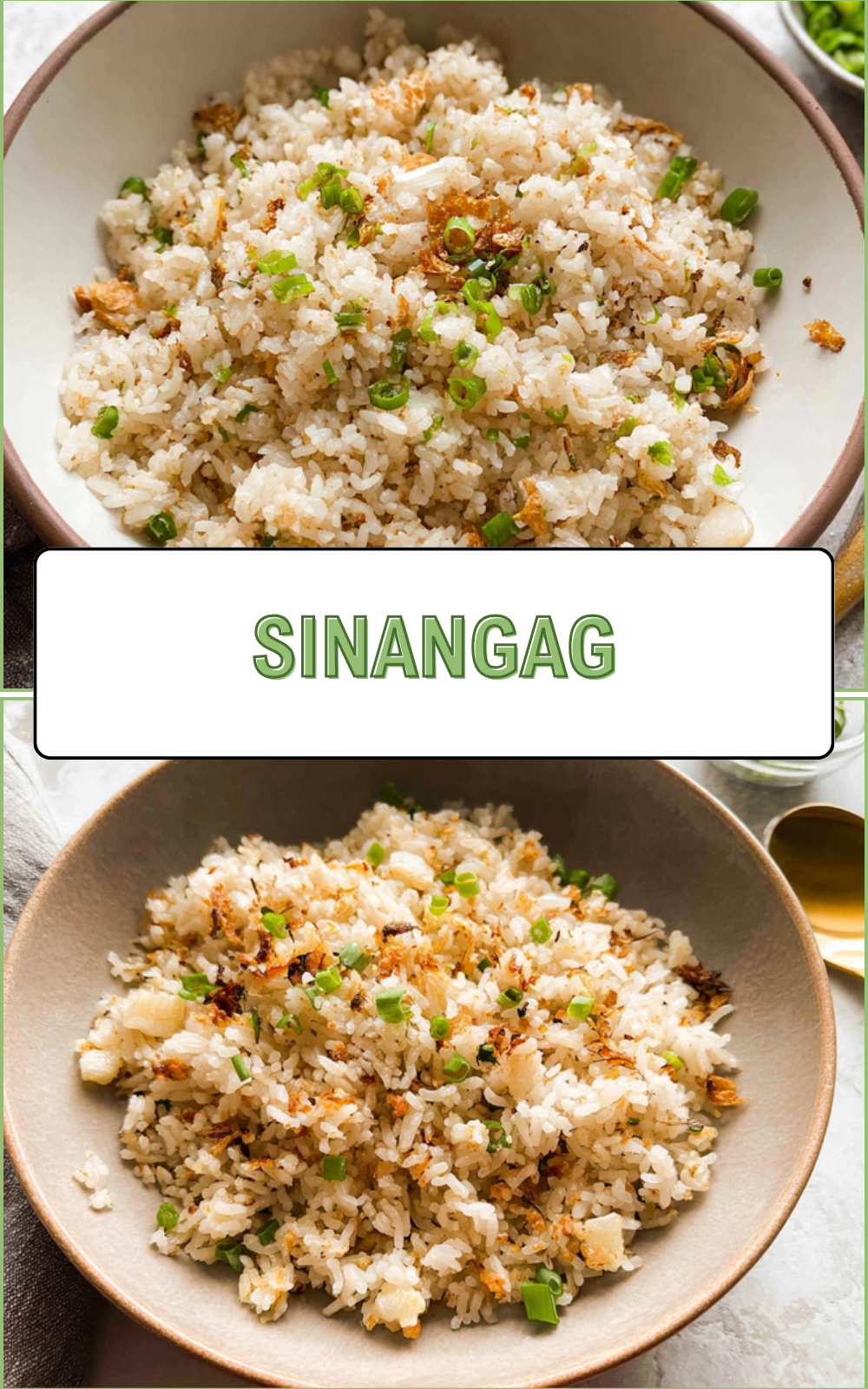
Creating Sinangag Filipino garlic fried rice is a fun and straightforward process that yields amazing results. Start by breaking apart the cold rice to separate the grains, which sets the stage for that perfect texture. Heat ¼ cup of canola oil in a wide skillet over low heat, then add the minced garlic and cook until it’s golden brown for that irresistible aroma.
Once the garlic is ready, remove the bits and drain excess oil, leaving just 1 to 2 tablespoons in the pan to keep things from getting too greasy. Crank up the heat to high, add the rice, and stir it around until it’s heated through and slightly toasted. This step is where the magic happens, blending flavors into every grain.
Return three-quarters of the crispy garlic to the rice and season with salt and pepper to taste, making sure everything is well mixed. Finally, serve it up hot, topped with the remaining garlic bits for an extra crunch. For those new to this, using day-old rice really makes a difference in achieving that toasty texture without any mush.
First Steps: Gathering and Prepping
Begin by gathering all your ingredients, like the 4 cups of cold, cooked white rice and one head of garlic. Preparing the rice ahead, ideally chilling it overnight, helps prevent clumping and ensures even cooking. This method is a great kitchen hack for busy schedules, making your Sinangag recipe with authentic flavor come together smoothly.
Heat management. Here’s a quick numbered list to guide you through the cooking phases.
- Gently fry the garlic over low heat to avoid burning and keep its flavor mild.
- Increase to high heat when adding rice to get that desirable toastiness.
- Stir continuously for about 5-7 minutes to meld flavors perfectly.
This approach not only enhances the taste but also makes it easy for students or working professionals to whip up a quick meal.

Dietary Substitutions to Customize Your Sinangag
One of the best parts of Sinangag is how easy it is to tweak for different tastes and needs. For example, if you’re looking for a protein boost, swap in tofu for a vegan option or add shrimp for a heartier version. These changes keep the essence of Filipino garlic fried rice while making it fit your diet.
Another way to customize is with vegetables or sauces, like using tamari instead of soy sauce for gluten-free diets. Adding items like bell peppers can bring in extra nutrients and colors, appealing to food enthusiasts and health-conscious eaters. Always adjust seasonings to keep that authentic flavor shining through.
For those watching calories, consider using cauliflower rice as a base, which aligns with the 247 calories per serving guideline. This flexibility makes Sinangag a versatile dish for everyone from baking enthusiasts to party hosts.
Mastering Sinangag: Advanced Tips and Variations
Taking your Sinangag to the next level involves some pro cooking techniques that enhance texture and flavor. Use a well-seasoned wok or pan with high heat to get that slightly crispy rice, which prevents it from sticking and keeps the grains separate. Prepping ingredients in advance, like mincing the garlic ahead of time, helps maintain freshness and cuts down on cooking time.
Flavor variations can really make your Filipino fried rice stand out, such as adding ginger or scallions for extra depth. Experiment with oils like sesame to introduce new tastes, or throw in a splash of something umami like fish sauce if it fits your diet. These tweaks turn a simple Sinangag recipe into a personalized favorite.
Presentation is key for wowing your guests, so plate it with colorful additions like green onions or fried eggs. For make-ahead meals, prepare a big batch and store it for quick reheating, which is perfect for busy parents or working professionals. Remember, the goal is to achieve that balance of carbs, protein, and fats for a satisfying dish.
Creative Variations to Try
If you’re feeling adventurous, incorporate seasonal veggies or proteins to match what’s fresh. This not only adds nutrition but also makes your Sinangag Filipino garlic fried rice recipe more exciting. For instance, adding tomatoes can bring a juicy twist, while keeping an eye on the calorie count at around 247 per serving.
One of my go-to tips is to always taste as you go, ensuring the garlic doesn’t overpower the other flavors for that perfect balance.
How to Store Sinangag: Best Practices
Proper storage keeps your Sinangag fresh and tasty for later. Start by refrigerating leftovers in airtight containers, where they can last 3-4 days without losing quality. This method helps maintain the toasty texture you worked hard to achieve with day-old rice.
For longer-term options, freezing is a great choice; portion it into freezer-safe bags and keep it for up to a month. When you’re ready to eat, thaw it in the fridge and reheat in a pan with a bit of oil to restore moisture. These practices make Sinangag a convenient meal prep staple for anyone on the go.
Label your containers with dates to track freshness, ensuring you enjoy it at its best. This approach is especially useful for diet-conscious individuals monitoring their intake of carbs and fats.
FAQs: Frequently Asked Questions About Sinangag
What type of rice is best for making sinangag?
The best rice for sinangag is cooked, day-old rice that has been refrigerated overnight. This rice is drier and the grains are firmer, which helps prevent the sinangag from becoming mushy or sticky. Freshly cooked rice is too moist and can clump together, but if you must use it, spread the rice in a thin layer and chill it in the fridge for at least an hour to let it dry out before frying.
How can I prevent sinangag from sticking to the pan?
To avoid sticking, use a non-stick or well-seasoned wok or skillet and preheat it before adding oil. Use enough oil to coat the pan lightly but not so much that the rice becomes greasy. Stir the rice gently and continuously over medium-high heat, breaking up any clumps. Also, avoid overcrowding the pan to ensure even cooking and prevent sticking.
Can I add garlic to sinangag without burning it?
Yes, but to avoid burnt garlic, start by gently frying the garlic slices or minced garlic over medium heat until golden and fragrant. Remove the garlic if you prefer a milder flavor or leave it in for a stronger taste. Then add the rice and stir-fry quickly. This method allows the garlic to flavor the oil without turning bitter from burning.
What are some common variations or add-ins for sinangag?
Popular add-ins include chopped spring onions, diced tomatoes, cooked meats like tocino or longganisa, eggs, and sometimes vegetables like carrots or peas. Adding these ingredients can create a more filling meal or complement other Filipino dishes. Just add them after the rice is heated through and toss quickly to combine.
Is sinangag a healthy option for breakfast?
Sinangag can be a healthy breakfast choice when made with minimal oil and paired with lean proteins and vegetables. Using whole grain rice adds fiber and nutrients. Portion control is also key since fried rice can be calorie-dense. Including sinangag in a balanced meal supports energy and fullness throughout the morning.
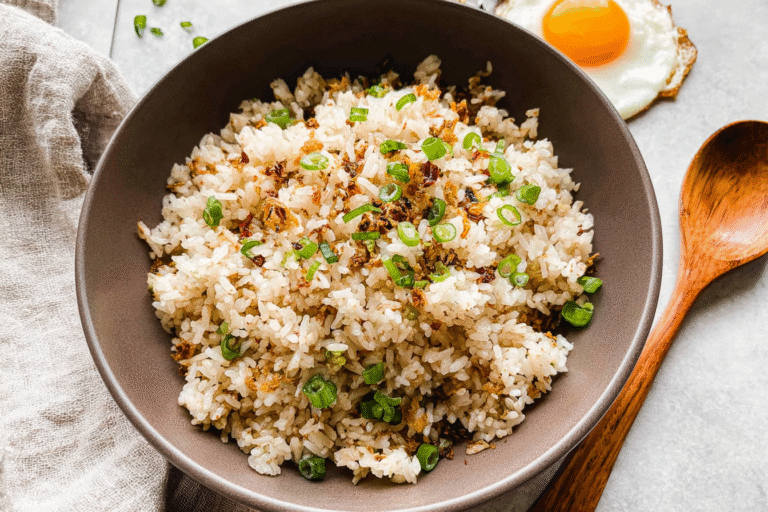
Sinangag
🧄 Sinangag offers a simple yet authentic Filipino garlic fried rice bursting with savory flavor.
🍚 Perfect for breakfast or any meal, this dish provides a satisfying toasty texture using day-old rice for the best results.
- Total Time: 15 minutes
- Yield: 4 servings
Ingredients
– 4 cups cold, cooked white rice The base that provides substance and absorbs flavors well
– ¼ cup canola oil Used for frying to achieve that golden, toasted texture without overwhelming the taste
– One head of garlic, peeled and minced Adds the signature aromatic and pungent kick that defines Sinangag
– Salt to taste Enhances the overall flavor balance of the dish
– Pepper to taste Provides a subtle heat and depth to complement the garlic
Instructions
1-Creating Sinangag Filipino garlic fried rice: is a fun and straightforward process that yields amazing results. Start by breaking apart the cold rice to separate the grains, which sets the stage for that perfect texture. Heat ¼ cup of canola oil in a wide skillet over low heat, then add the minced garlic and cook until it’s golden brown for that irresistible aroma.
2-Once the garlic is ready, remove the bits and drain excess oil, leaving just 1 to 2 tablespoons in the pan to keep things from getting too greasy. Crank up the heat to high, add the rice, and stir it around until it’s heated through and slightly toasted. This step is where the magic happens, blending flavors into every grain.
3-Return three-quarters of the crispy garlic to the rice and season with salt and pepper to taste, making sure everything is well mixed. Finally, serve it up hot, topped with the remaining garlic bits for an extra crunch. For those new to this, using day-old rice really makes a difference in achieving that toasty texture without any mush.
4-First Steps: Gathering and Prepping: Begin by gathering all your ingredients, like the 4 cups of cold, cooked white rice and one head of garlic. Preparing the rice ahead, ideally chilling it overnight, helps prevent clumping and ensures even cooking. This method is a great kitchen hack for busy schedules, making your Sinangag recipe with authentic flavor come together smoothly.
5-Heat management. Here’s a quick numbered list to guide you through the cooking phases.
6-Gently fry the garlic over low heat to avoid burning and keep its flavor mild.
7-Increase to high heat when adding rice to get that desirable toastiness.
8-Stir continuously for about 5-7 minutes to meld flavors perfectly.
Last Step:
Please leave a rating and comment letting us know how you liked this recipe! This helps our business to thrive and continue providing free, high-quality recipes for you.Notes
🧄 Use day-old rice to avoid mushy texture and achieve toasty grains.
🔥 Cook garlic slowly on low heat for a perfect golden color without bitterness.
🥄 Reserve some garlic bits for garnish to add crunchy texture and rich flavor.
- Prep Time: 5 minutes
- Cook Time: 10 minutes
- Category: Side Dish
- Method: Stir-frying
- Cuisine: Filipino
- Diet: Vegetarian
Nutrition
- Serving Size: 1 cup
- Calories: 247 kcal
- Sugar: 0.1 g
- Sodium: 450 mg
- Fat: 10 g
- Saturated Fat: 1 g
- Unsaturated Fat: 8 g
- Trans Fat: 0 g
- Carbohydrates: 36 g
- Fiber: 1 g
- Protein: 4 g
- Cholesterol: 0 mg