
Why You’ll Love This Seafood Platter
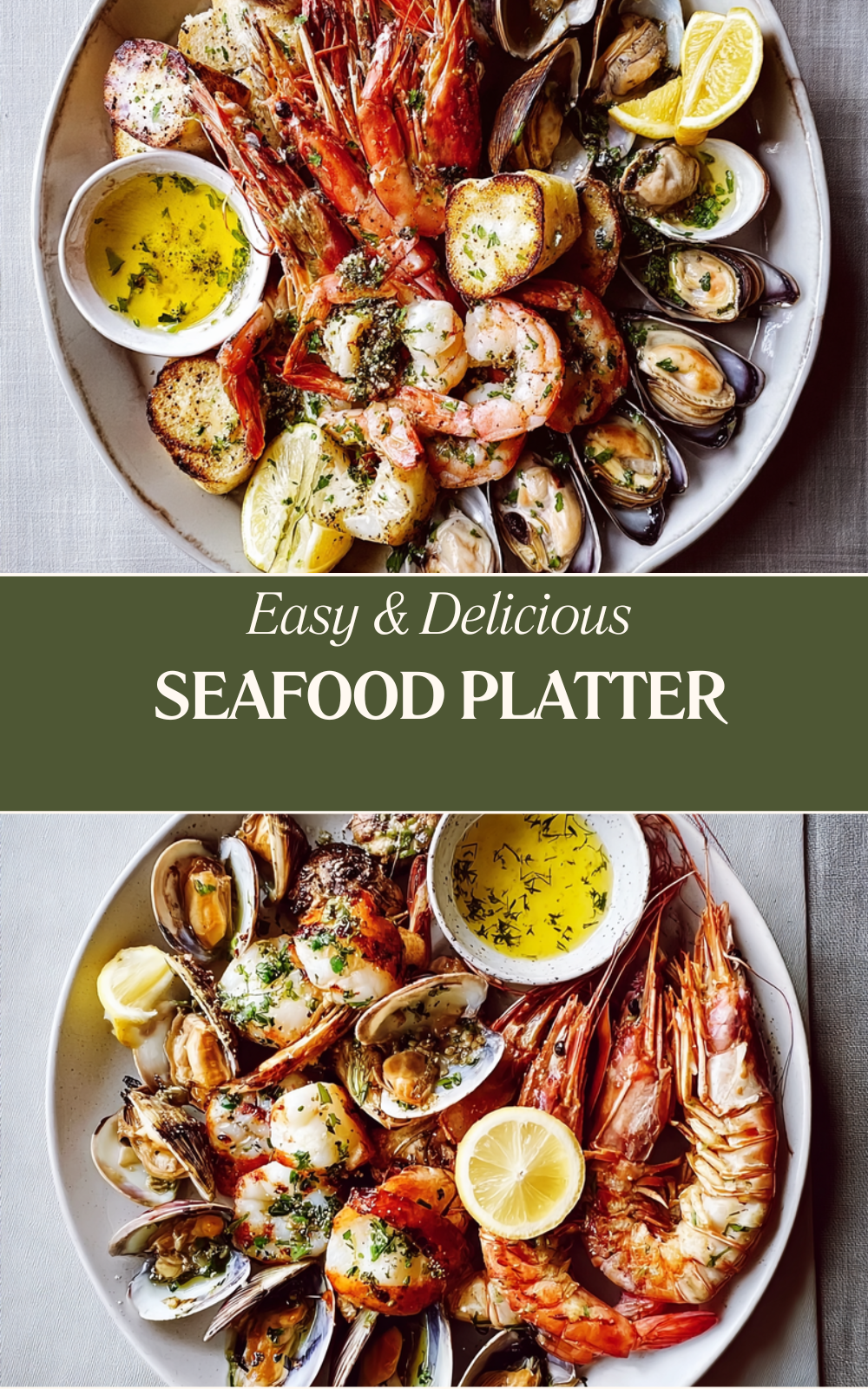
This seafood platter is a fantastic choice for festive gatherings or warm-weather events, offering a mix of fresh and pre-cooked seafood that brings people together with ease. You’ll appreciate how it’s packed with lean proteins from shellfish, smoked fish, and raw fish, supporting muscle health and heart wellness through omega-3 fatty acids and essential vitamins. Not only is it simple to prepare, but its versatility lets you adapt it for various dietary needs, making it a hit for everyone at the table.
One of the best parts is the distinctive flavor profile, where the natural sweetness of the sea meets zesty accompaniments like sauces and lemon wedges. For busy parents or food enthusiasts, this platter stands out because it requires minimal cooking time mostly just arrangement and perhaps cooking mussels allowing you to focus on enjoying the moment. Whether you’re hosting a party or seeking a light, nutritious meal, this platter delivers a memorable experience with its blend of textures and tastes.
To highlight its health aspects, remember that the sauces you choose can add fats and sugars, so opt for lighter options to keep things balanced. As a home cook, you’ll love how using locally sourced, minimally frozen seafood ensures the best flavor and safety, avoiding cheap alternatives for a truly fresh result. Discover the health benefits of seafood to see why it’s a smart addition to your routine.
Jump to:
- Why You’ll Love This Seafood Platter
- Essential Ingredients for Seafood Platter
- How to Prepare the Perfect Seafood Platter: Step-by-Step Guide
- Gathering and Prepping Your Ingredients
- Cooking and Assembling Steps
- Dietary Substitutions to Customize Your Seafood Platter
- Mastering Seafood Platter: Advanced Tips and Variations
- Flavor and Presentation Ideas
- How to Store Seafood Platter: Best Practices
- FAQs: Frequently Asked Questions About Seafood Platter
- What seafood should I include in a classic seafood platter?
- How can I keep seafood fresh and safe on my platter?
- What are popular sauces to serve with a seafood platter?
- Where is the best place to buy fresh seafood for a platter?
- Should I buy pre-cooked or raw seafood for my platter?
- Seafood Platter
- Ingredients
- Instructions
- Last Step:
- Notes
- Nutrition
- Did you make this recipe?
Essential Ingredients for Seafood Platter
Gathering the right ingredients is key to creating a stunning seafood platter that impresses your guests. Below is a comprehensive list based on a classic recipe, featuring precise measurements for each item to make your shopping and preparation straightforward.
- 2 kg of whole pre-cooked prawns with shells on
- 24 oysters (Sydney Rock or Pacific varieties)
- 4 whole pre-cooked blue swimmer crabs weighing at least 400g each
- 8 whole pre-cooked Moreton Bay bugs in shell as an alternative to Balmain bugs
- 200g of smoked salmon
- 250g of pre-sliced sashimi such as tuna, kingfish, or salmon
- 1 kg of cooked mussels served at room temperature
These ingredients form the heart of the platter, providing a variety of flavors and textures. For special dietary options, you can swap items like mussels for steamed artichoke hearts if needed, but always prioritize fresh, high-quality sources from local seafood markets.
How to Prepare the Perfect Seafood Platter: Step-by-Step Guide
Preparing a seafood platter is easier than you might think, especially when you start by purchasing all your seafood as close to serving time as possible. Begin with fresh items from seafood markets to ensure top quality, and remember to store cooked seafood loosely covered never in plastic bags to keep it fresh for up to two days.
Gathering and Prepping Your Ingredients
First, clean and thaw any frozen seafood, patting it dry for even cooking or arrangement. For shellfish like blue swimmer crabs and Moreton Bay bugs, avoid cutting off the crab claws and instead slice the bugs lengthwise on the back to remove internal matter without damaging the meat.
Next, cook the mussels using your preferred recipe, then garnish them with diced vegetables and a bit of the cooking liquid for extra flavor. Arrange everything on crushed ice if you want a cold, stable presentation, which helps keep the prawns, crabs, bugs, smoked salmon, sashimi, oysters, and mussels chilled and appealing.
Cooking and Assembling Steps
Follow these steps for smooth preparation: First, prepare all seafood by cleaning and thawing if frozen, then pat dry. Second, heat a pan if needed, but since most items are pre-cooked, focus on warming mussels gently. Third, gently fold in any additional elements like crab meat. Fourth, season with lemon juice for brightness. Fifth, garnish with parsley. Final step: Arrange on the platter with sauce bowls and lemon wedges nestled in for a polished look.
This process mostly involves arrangement and cooking mussels or special sides, so it’s ideal for working professionals with limited time. For a fun twist, consider adding baked cinnamon sugar donuts as a creative side, perfect for balancing the meal with a touch of sweetness.

Dietary Substitutions to Customize Your Seafood Platter
Making a seafood platter work for everyone is simple with a few smart swaps, especially since this recipe is naturally lean and protein-rich. For instance, if you’re catering to vegan preferences, replace shellfish with marinated tofu or grilled eggplant to keep that oceanic essence without the seafood.
Protein alternatives include swapping prawns for tempeh or using jackfruit in place of crab for a similar texture. For vegetable and sauce modifications, add seasonal items like asparagus and opt for gluten-free options such as tamari instead of soy sauce.
- Swap shrimp and scallops with grilled tofu for a plant-based version
- Use jackfruit or hearts of palm to mimic crab meat
- Replace mussels with steamed artichoke hearts
- Incorporate vegetables like bell peppers and use light vinaigrettes for sauces
These changes ensure the platter remains inclusive while maintaining its gourmet appeal, great for diet-conscious individuals or families with varied tastes.
Mastering Seafood Platter: Advanced Tips and Variations
Once you’re comfortable with the basics, elevate your seafood platter with pro techniques like sous-vide for tender results or quick searing to lock in juices. Experiment with flavors by adding Cajun spices or Mediterranean herbs, and brighten things up with citrus zest for a zesty kick.
Flavor and Presentation Ideas
For accompaniments, choose two sauces from options like cocktail sauce, tartare sauce, Marie Rose, or Thai chili lime sauce, plus specific ones for oysters and soy sauce with wasabi for sashimi. Standard sides include good quality bread with olive oil, green salads, and beverages like wine, but for a special touch, add cheese and crackers or crispy Asian-style vegetables.
Optional additions like salt and pepper squid or a whole baked fish with garlic and dill butter sauce can make it even more impressive. Presentation tips include serving on chilled platters with lemon wedges and parsley sprigs, and for make-ahead options, prepare sauces in advance to save time.
| Tips Category | Suggestions |
|---|---|
| Flavor Variations | Try infused oils or spice blends for regional twists |
| Presentation | Use edible flowers and arrange items attractively |
| Make-Ahead | Store components separately for easy assembly |
These expert insights make your platter a versatile centerpiece, ideal for party hosts looking to impress without much fuss. For more dessert ideas to pair, check out chocolate toffee crunch cupcakes for a sweet finish.
How to Store Seafood Platter: Best Practices
Proper storage keeps your seafood platter safe and tasty, so always refrigerate components within two hours of preparation. Use airtight containers and consume within 1-2 days to maintain freshness, especially for pre-cooked items like prawns and crabs.
For freezing, store items separately in freezer-safe bags and thaw overnight in the fridge. When reheating, use low heat methods like steaming to avoid overcooking, and portion everything for flexible meal prep.
- Refrigerate in airtight containers
- Freeze individually for texture preservation
- Gently reheat to retain moisture
- Label with dates for tracking
This approach ensures your platter stays enjoyable, even for seniors or travelers who might prepare ahead. FDA nutrition information for seafood can guide safe handling practices.
FAQs: Frequently Asked Questions About Seafood Platter
What seafood should I include in a classic seafood platter?
A classic seafood platter often includes a mix of pre-cooked and fresh items such as tiger or king prawns, oysters (Pacific or Sydney Rock), blue swimmer crab, cooked mussels, and sashimi varieties like kingfish or salmon. Adding crispy salt and pepper squid or marinated baby octopus can enhance texture and flavor. Including smoked salmon and Morton Bay bugs provides extra luxury and variety. Balance cold and cooked items for a colorful and appealing presentation.
How can I keep seafood fresh and safe on my platter?
Keep seafood chilled by serving it over a bed of crushed ice on the platter. Store seafood in roomy containers with air circulation and avoid sealing it tightly in plastic bags to prevent sliminess. Prepare and serve the platter close to mealtime to maintain freshness. Lemon wedges not only add flavor but also help reduce bacteria when squeezed over seafood before eating.
What are popular sauces to serve with a seafood platter?
Common sauces to complement a seafood platter include classic Cocktail Sauce or Marie Rose (Thousand Island style), tangy Tartare sauce, Family Favourite Seafood Sauce, and spicy Thai Chilli Lime Sauce. These sauces pair well with different seafood types and enhance natural flavors. Providing a variety lets guests customize their tasting experience.
Where is the best place to buy fresh seafood for a platter?
For the freshest seafood, local fish markets or specialist fishmongers are your best bet. They offer seafood that has been sourced recently and handled with care, unlike most supermarket options. In Australia, the Sydney Fish Markets is renowned for quality selection, especially for seafood platters on special occasions.
Should I buy pre-cooked or raw seafood for my platter?
Pre-cooked seafood like prawns or crab is often boiled shortly after being caught, preserving freshness and flavor while offering convenience and longer shelf life. However, luxury items like lobster or king crab taste better when bought raw and cooked yourself to avoid overcooking and low quality. Combining both pre-cooked and freshly cooked seafood can deliver the best balance of taste and ease.
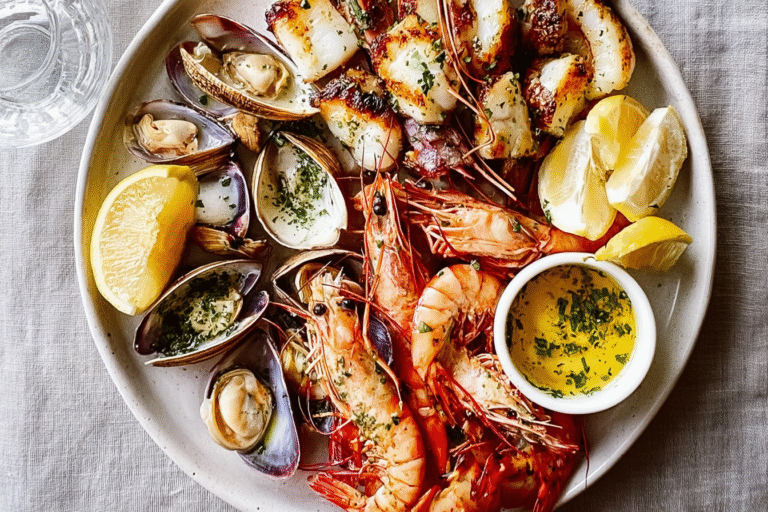
Seafood Platter
🦐 Enjoy a vibrant seafood platter featuring a variety of fresh and pre-cooked seafood, perfect for social gatherings and warm weather.
🍋 This platter offers a balanced mix of flavors and textures, enhanced by delightful sauces and fresh accompaniments for a complete dining experience.
- Total Time: 50 minutes
- Yield: Serves 6-8
Ingredients
– 2 kg whole pre-cooked prawns with shells on
– 24 oysters
– 4 whole pre-cooked blue swimmer crabs weighing at least 400g each
– 8 whole pre-cooked Moreton Bay bugs in shell
– 200g smoked salmon
– 250g pre-sliced sashimi
– 1 kg cooked mussels
Instructions
1-Gathering and Prepping Your Ingredients: First, clean and thaw any frozen seafood, patting it dry for even cooking or arrangement. For shellfish like blue swimmer crabs and Moreton Bay bugs, avoid cutting off the crab claws and instead slice the bugs lengthwise on the back to remove internal matter without damaging the meat.
2-Next: cook the mussels using your preferred recipe, then garnish them with diced vegetables and a bit of the cooking liquid for extra flavor. Arrange everything on crushed ice if you want a cold, stable presentation, which helps keep the prawns, crabs, bugs, smoked salmon, sashimi, oysters, and mussels chilled and appealing.
3-Cooking and Assembling Steps: Follow these steps for smooth preparation: First, prepare all seafood by cleaning and thawing if frozen, then pat dry. Second, heat a pan if needed, but since most items are pre-cooked, focus on warming mussels gently. Third, gently fold in any additional elements like crab meat. Fourth, season with lemon juice for brightness. Fifth, garnish with parsley. Final step: Arrange on the platter with sauce bowls and lemon wedges nestled in for a polished look.
Last Step:
Please leave a rating and comment letting us know how you liked this recipe! This helps our business to thrive and continue providing free, high-quality recipes for you.Notes
🦀 Handle seafood carefully and store properly to maintain freshness and flavor.
🍋 Use plenty of lemon wedges and fresh herbs to brighten the flavors on the platter.
🍤 Choose high-quality, locally sourced seafood and avoid cheap substitutes for the best taste and safety.
- Prep Time: 30 minutes
- Cook Time: 20 minutes (mainly for mussels)
- Category: Appetizer/Main Course
- Method: Assembling and steaming/boiling
- Cuisine: Seafood
- Diet: Pescatarian
Nutrition
- Serving Size: 1 platter serving
- Calories: 350 (varies by seafood and sauces)
- Sugar: 3 g
- Sodium: 600 mg
- Fat: 10 g
- Saturated Fat: 2 g
- Unsaturated Fat: 6 g
- Trans Fat: 0 g
- Carbohydrates: 15 g
- Fiber: 2 g
- Protein: 40 g
- Cholesterol: 200 mg