
Why You’ll Love This Pumpkin Muffins
There’s something magical about the aroma of freshly baked pumpkin muffins wafting through your kitchen. This recipe captures everything we love about fall baking in one simple, delicious package. Here’s why you’ll want to make these muffins your new autumn tradition:
- Ease of preparation: These pumpkin muffins come together quickly with just a few pantry staples and require no special equipment. You don’t even need a mixer! From prep to plate, you’ll have warm, spiced muffins ready in under 45 minutes, making them perfect for busy mornings or last-minute treats.
- Health benefits: Pumpkin is loaded with vitamins A and C, fiber, and antioxidants, making these muffins a more nutritious option than many other baked goods. The recipe uses moderate amounts of sugar and oil, and you can easily make substitutions to boost the nutritional profile even further while maintaining that moist, tender texture.
- Versatility: This basic recipe serves as an excellent canvas for your creativity. Add chocolate chips for a dessert twist, nuts for extra crunch, or dried cranberries for tart contrast. You can also adapt it for various dietary needs with simple substitutions that don’t compromise on flavor.
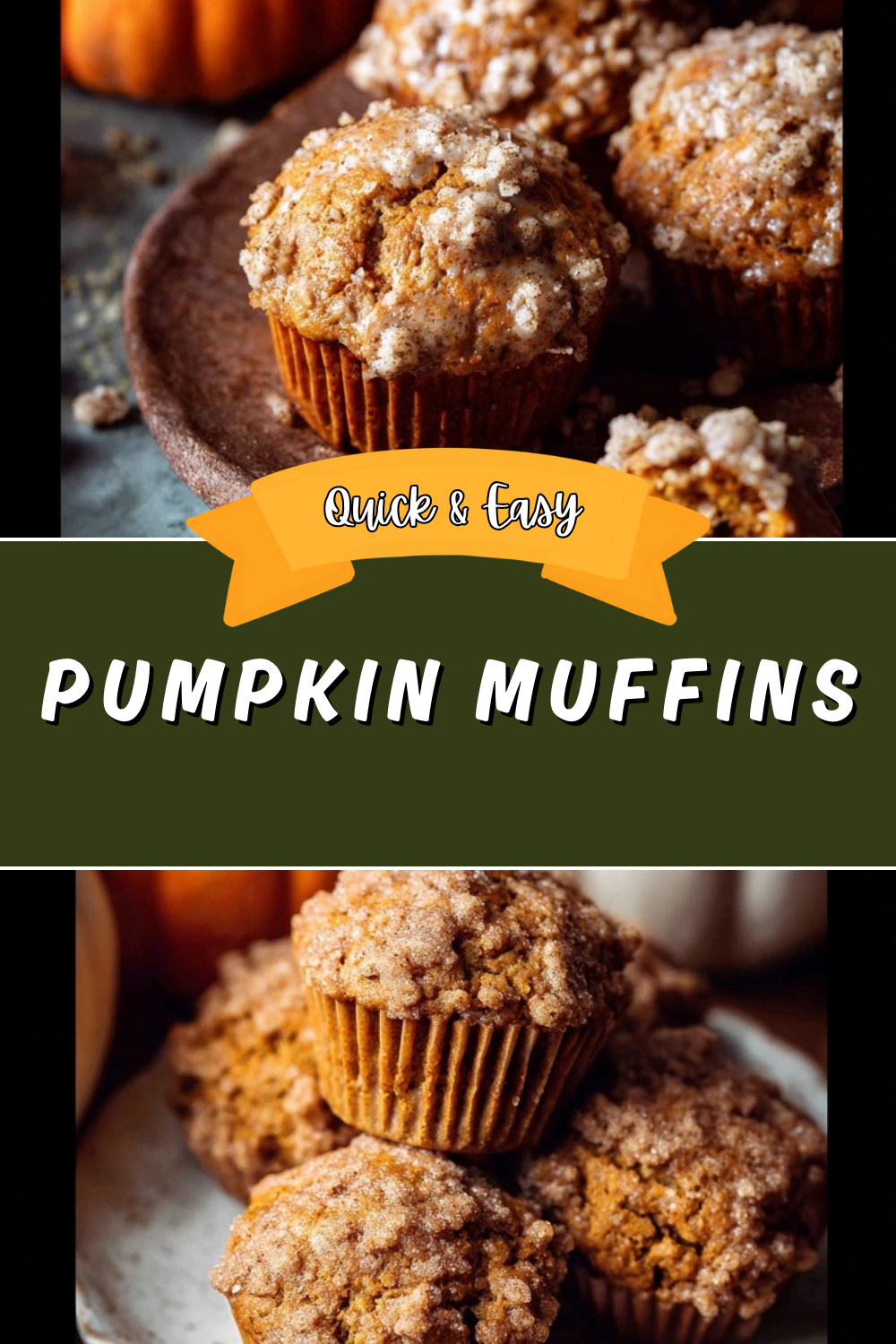
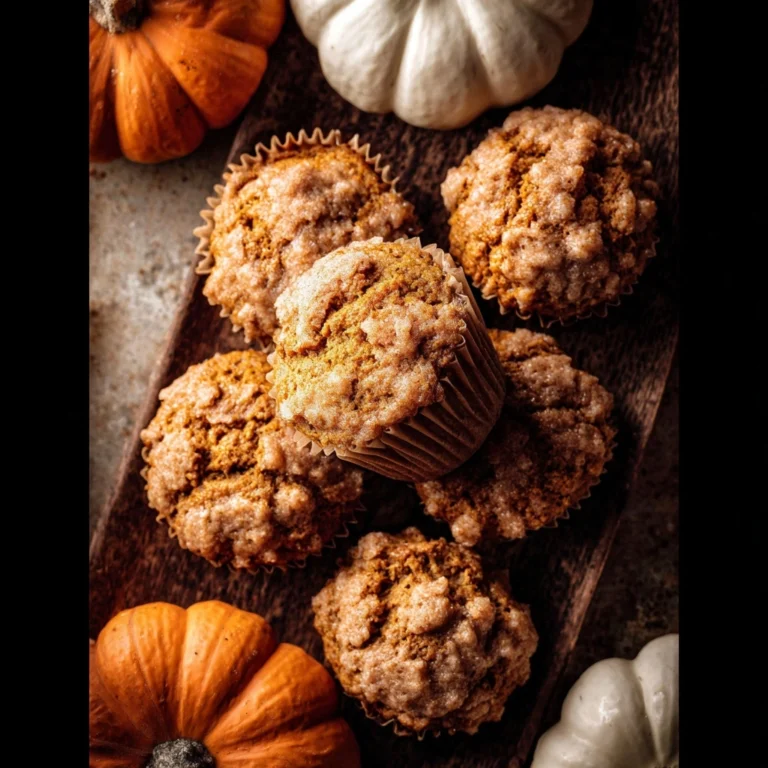
- Distinctive flavor: What sets these muffins apart is the perfect balance of warm spices cinnamon, pumpkin pie spice, and ginger combined with the natural sweetness of pumpkin. The high-heat baking technique creates those beautiful domed tops you usually only find in bakery muffins, giving you professional-looking results at home.
Jump to:
- Why You’ll Love This Pumpkin Muffins
- Essential Ingredients for Pumpkin Muffins
- Main Ingredients
- Special Dietary Options
- How to Prepare the Perfect Pumpkin Muffins: Step-by-Step Guide
- Preparation: Getting Started
- Mixing the Dry Ingredients
- Preparing the Wet Mixture
- Combining and Folding
- Filling the Muffin Cups
- The Two-Step Baking Method
- Testing for Doneness
- Cooling and Serving
- Dietary Substitutions to Customize Your Pumpkin Muffins
- Protein and Main Component Alternatives
- Vegetable, Sauce, and Seasoning Modifications
- Mastering Pumpkin Muffins: Advanced Tips and Variations
- Pro Cooking Techniques
- Flavor Variations
- Presentation Tips
- Make-Ahead Options
- How to Store Pumpkin Muffins: Best Practices
- Refrigeration
- Freezing
- Reheating
- Meal Prep Considerations
- FAQs: Frequently Asked Questions About Pumpkin Muffins
- What’s the difference between pumpkin muffins and pumpkin cupcakes?
- Can I cut back on sugar or oil in pumpkin muffins?
- Can I add chocolate chips, nuts, or fruit to pumpkin muffins?
- Why start baking pumpkin muffins at a high temperature?
- How do I store pumpkin muffins and can I freeze them?
- Pumpkin Muffins
- Ingredients
- Instructions
- Last Step:
- Notes
- Nutrition
- Did you make this recipe?
Essential Ingredients for Pumpkin Muffins
The beauty of these pumpkin muffins lies in their simple, accessible ingredients. Each component plays a crucial role in creating the perfect texture and flavor. Here’s everything you’ll need for a batch of 12 standard muffins:
Main Ingredients
- 1 and 3/4 cups (219g) all-purpose flour (can substitute half with whole wheat flour for denser texture)
- 1 teaspoon baking soda
- 1 and 1/2 teaspoons ground cinnamon
- 1 and 1/2 teaspoons pumpkin pie spice (can use a blend of ground cinnamon, ground cloves, ground nutmeg, ground allspice, and ground ginger)
- 1/4 teaspoon ground ginger
- 1/2 teaspoon salt
- 1/2 cup (120ml) vegetable oil or melted coconut oil
- 1/2 cup (100g) granulated sugar
- 1/2 cup (100g) packed light or dark brown sugar
- 1 and 1/2 cups (340g) canned pumpkin puree (not pumpkin pie filling; fresh puree can be used)
- 2 large eggs
- 1/4 cup (60ml) milk (dairy or nondairy)
Special Dietary Options
Vegan: Replace eggs with flax eggs (1 tablespoon ground flaxseed + 3 tablespoons water per egg) and use plant-based milk. Coconut oil is already a great vegan option.
Gluten-free: Substitute all-purpose flour with a 1:1 gluten-free flour blend that contains xanthan gum for best results.
Low-calorie: Swap half the oil with unsweetened applesauce and reduce sugars by 25% for a lighter version without sacrificing moisture.
How to Prepare the Perfect Pumpkin Muffins: Step-by-Step Guide
Creating bakery-style pumpkin muffins at home is easier than you might think. Follow these detailed steps for consistently delicious results that will have everyone asking for your secret recipe. Whether you’re an experienced baker or new to the kitchen, these clear instructions will guide you to success.
Preparation: Getting Started
Before you begin, gather all your ingredients and equipment. You’ll need a large mixing bowl, a medium bowl, a whisk, and a standard 12-cup muffin pan. Having everything ready beforehand makes the process smooth and enjoyable. Preheat your oven to 425°F (218°C) and prepare your muffin pan by spraying with non-stick cooking spray or lining with paper cupcake liners. This higher initial temperature is crucial for achieving that perfect dome on your muffins.
Make sure your pumpkin puree is at room temperature if possible, as this helps it blend more smoothly with other ingredients. If using coconut oil, measure it melted, but allow it to cool slightly so it doesn’t cook the eggs when combined.
Mixing the Dry Ingredients
In your large mixing bowl, whisk together 1 and 3/4 cups of all-purpose flour, 1 teaspoon of baking soda, 1 and 1/2 teaspoons of ground cinnamon, 1 and 1/2 teaspoons of pumpkin pie spice, 1/4 teaspoon of ground ginger, and 1/2 teaspoon of salt. Whisk thoroughly until all ingredients are evenly combined, which ensures your muffins rise properly and have consistent flavor throughout.
This step is important because properly distributing the leavening agents prevents bitter spots where baking soda might concentrate. If you’re using whole wheat flour for added nutrition, this is the perfect time to incorporate it by replacing half the all-purpose flour. The flour mixture should look uniform with no clumps of spices visible.
Preparing the Wet Mixture
In your medium bowl, whisk 1/2 cup of vegetable oil or melted coconut oil, 1/2 cup of granulated sugar, 1/2 cup of packed brown sugar, 1 and 1/2 cups of pumpkin puree, 2 large eggs, and 1/4 cup of milk together until completely combined. Make sure your pumpkin puree is smooth and lump-free before adding it.
The mixture should appear glossy and well-emulsified. This step is crucial for properly incorporating the sugars and oil with the pumpkin, which creates that moist, tender texture we love in good pumpkin muffins. Using room temperature eggs helps them incorporate more easily into the mixture, creating a more uniform batter.
Pro Tip: If you’re planning to add chocolate chips, nuts, or dried cranberries, fold them in now. Limit your mix-ins to 1 cup total to maintain the proper batter consistency.
Combining and Folding
Pour your wet ingredients into the bowl with the dry ingredients. Using a spatula, fold the mixture gently until no flour pockets remain. Be careful not to overmix stop as soon as the last streak of flour disappears. Overmixing can develop gluten in the flour, leading to tough, rubbery muffins instead of tender ones.
The batter will be thick and somewhat heavy, which is normal for pumpkin muffins due to the high moisture content of the pumpkin puree. You might notice small lumps remaining, which is perfectly fine. Resist the urge to keep mixing to smooth them out, as this will negatively affect the final texture.
Filling the Muffin Cups
Divide the batter evenly among your prepared muffin cups, filling each one to the top. This is important the generous amount of batter helps achieve those tall, bakery-style domes. An ice cream scoop makes portioning easy and ensures uniform muffins. If you’d like a crunchy topping, sprinkle coarse sugar over the batter before baking for a delightful texture contrast.
Don’t worry about the batter mounding above the liners it will settle into the pan as it bakes. The muffins will rise significantly during that initial high-heat period, so starting with full cups is essential for achieving the desired height and shape.
The Two-Step Baking Method
Place the muffin pan in your preheated 425°F oven and bake for exactly 5 minutes. This initial high heat creates rapid steam production, forcing the muffins to rise quickly and form those coveted domed tops. After 5 minutes, reduce the oven temperature to 350°F (177°C) and continue baking for 16-17 minutes.
This lower temperature allows the centers to cook through without drying out or burning the tops. Keep an eye on them through the oven window resist the urge to open the door during this critical time, as temperature fluctuations can cause the muffins to collapse.
Testing for Doneness
Check your muffins by inserting a toothpick into the center of one. It should come out clean or with just a few moist crumbs, not wet batter. If more time is needed, continue checking at 2-minute intervals. The muffins should have golden-brown tops and spring back lightly when touched in the center.
Every oven bakes differently, so use visual cues alongside the timer. The edges should be pulling slightly away from the pan, and the tops should feel set rather than jiggly.
Cooling and Serving
Allow the muffins to cool in the pan for 5 minutes before transferring them to a wire rack. This cooling period helps them set properly and makes them easier to remove from the pan without breaking. For the best eating experience, serve them slightly warm.
They’re delicious on their own, but a pat of butter or a drizzle of honey makes them extra special. For a truly indulgent treat, try them with a spread of cream cheese or a dollop of Greek yogurt.
| Step | Action | Time | Temperature |
|---|---|---|---|
| 1 | Preheat oven | – | 425°F (218°C) |
| 2 | Initial bake | 5 minutes | 425°F (218°C) |
| 3 | Continue baking | 16-17 minutes | 350°F (177°C) |
| 4 | Cool in pan | 5 minutes | Room temperature |

Dietary Substitutions to Customize Your Pumpkin Muffins
One of the wonderful things about this recipe is how adaptable it is to various dietary needs and preferences. These substitutions allow everyone to enjoy these delicious muffins while meeting their specific requirements. Check out our other fall dessert recipes for more inspiration on seasonal baking adaptations.
Protein and Main Component Alternatives
For those looking to boost protein content, you can add unflavored collagen peptides or vanilla protein powder directly to the dry ingredients. Start with 1-2 scoops and adjust liquid if needed to maintain proper batter consistency. This simple addition transforms these muffins into a more substantial post-workout snack or satisfying breakfast option.
Vegans can replace each egg with a flax egg (1 tablespoon ground flaxseed mixed with 3 tablespoons water) or a commercial egg replacer. Let the flax mixture sit for 5 minutes until it becomes gelatinous before adding to your wet ingredients. This substitution provides the binding properties needed without compromising the final texture.
For a richer flavor, melted butter can replace vegetable oil at a 1:1 ratio, though this does make the muffins slightly less moist. Those avoiding dairy can confidently use any plant-based milk option almond, soy, oat, or coconut milk all work beautifully in this recipe without altering the overall taste profile.
Vegetable, Sauce, and Seasoning Modifications
While pumpkin is the star, you can experiment with other pureed winter squash like butternut or acorn for a subtle flavor variation. These alternatives offer similar textures with slightly different flavor notes that might become your new favorite twist on the traditional recipe.
To reduce sugar content without sacrificing moisture, replace up to half the oil with unsweetened applesauce this also adds natural fruit sweetness that complements the pumpkin flavor beautifully. For a tangy twist, try replacing regular milk with buttermilk, which reacts with the baking soda for extra lift and a tender crumb.
The spice blend is easily customizable; increase ginger for a spicier kick or add nutmeg and allspice for more depth. If you’re sensitive to caffeine or prefer different flavors, this basic structure also works well with mashed sweet potatoes, though you may need to adjust the spices accordingly.
Mastering Pumpkin Muffins: Advanced Tips and Variations
Once you’ve mastered the basic recipe, try these expert techniques and creative variations to take your pumpkin muffins to the next level. These pro tips will help you achieve bakery-quality results every time and inspire your baking creativity.
Pro Cooking Techniques
The secret to professional-looking muffins lies in the two-step baking method mentioned earlier. Starting at high heat creates that impressive dome, while finishing at lower temperature ensures thorough cooking without drying. Room temperature ingredients combine more easily, so take your eggs and milk out about 20 minutes before baking.
For extra flavor development, toast your nuts before adding them to the batter. This simple step enhances their natural oils and deepens their taste profile. When mixing, use a gentle folding motion rather than vigorous stirring to preserve the tender crumb structure that makes these muffins so delightful.
Flavor Variations
Chocolate lovers should try folding in mini chocolate chips for better distribution throughout the muffins. The contrast between rich chocolate and spiced pumpkin is absolutely divine. For a streusel topping, mix 1/4 cup flour, 2 tablespoons brown sugar, 1 tablespoon cold butter, and a pinch of cinnamon until crumbly, then sprinkle over batter before baking.
Add crystallized ginger for a spicy kick, or create a harvest muffin by adding diced apples and pecans. For a mocha variation, dissolve 1 tablespoon instant coffee in the milk before mixing. The possibilities are truly endless when you use this reliable recipe as your foundation.
Presentation Tips
A sprinkle of coarse turbinado sugar before baking creates an attractive, sparkling top with delightful crunch. Serve muffins on a wooden board with autumnal leaves for seasonal flair. For gifting, package in clear bags tied with orange ribbon.
When serving at brunch, arrange on a tiered stand with cream cheese and various toppings so guests can customize their experience. This interactive element adds fun to any gathering and allows everyone to create their perfect muffin.
Make-Ahead Options
These muffins freeze exceptionally well. Bake a double batch and freeze half for busy mornings. You can freeze them individually wrapped for easy portion control. For meal prep, bake on Sunday and enjoy throughout the week they stay fresh for several days when stored properly.
The batter can also be refrigerated overnight and baked fresh in the morning for a wonderful breakfast experience. This technique allows the flavors to meld together for an even more developed taste profile.
How to Store Pumpkin Muffins: Best Practices
Proper storage ensures your pumpkin muffins remain fresh and delicious long after they come out of the oven. Follow these guidelines to enjoy your muffins at their best for days or even weeks after baking.
Refrigeration
For short-term storage, keep your pumpkin muffins in an airtight container at room temperature for up to 1 week. In humid climates, refrigeration can extend freshness to up to 2 weeks. Place a paper towel in the container to absorb excess moisture and prevent sogginess. If stacking muffins, separate layers with parchment paper or additional paper towels.
Freezing
Pumpkin muffins freeze beautifully for up to 3 months. Wrap each muffin individually in plastic wrap, then place them in a freezer bag or airtight container. Remove as much air as possible to prevent freezer burn. Label with the date so you can track freshness. For added protection, place the wrapped muffins in a second freezer bag before freezing.
Reheating
For the best texture, thaw frozen muffins overnight in the refrigerator. Reheat individual muffins in the microwave for 15-20 seconds for a just-baked taste. Alternatively, warm them in a 350°F oven for 5-10 minutes if you’re reheating several at once. Avoid overheating, which can dry them out.
Meal Prep Considerations
These muffins are excellent for weekly meal prep. Bake a batch on Sunday and portion them into individual containers for easy grab-and-go breakfasts throughout the week. Pair them with hard-boiled eggs or Greek yogurt for a balanced meal. Explore more healthy morning meal ideas to complete your breakfast rotation.
FAQs: Frequently Asked Questions About Pumpkin Muffins
What’s the difference between pumpkin muffins and pumpkin cupcakes?
Pumpkin muffins feature a thicker, denser texture from more flour and milk, delivering bold pumpkin flavor in every bite. Pumpkin cupcakes, by contrast, use less flour and milk for a lighter, airier crumb that’s ideal for frosting. Both start with similar pumpkin puree bases, but muffins stand alone without topping, while cupcakes pair best with cream cheese icing. This recipe yields bakery-style muffins with tall, domed tops from an initial high-heat bake, making them perfect for breakfast or snacks. Expect about 12 standard muffins from one batch, each around 200 calories depending on add-ins.
Can I cut back on sugar or oil in pumpkin muffins?
Yes, you can reduce sugar by up to 25% or swap some oil for applesauce without ruining the results, but don’t go too far—sugar keeps them moist and tender, while oil prevents dryness. For a batch of 12 muffins, try cutting 1/4 cup granulated sugar and replacing 1/4 cup oil with unsweetened applesauce. Use coconut sugar as a 1:1 sub for brown or white sugar to add subtle caramel notes. Test small batches first, as over-reduction leads to flat, crumbly textures. These tweaks make muffins slightly healthier, dropping calories by 20-30 per muffin, while retaining fall spices like cinnamon and nutmeg.
Can I add chocolate chips, nuts, or fruit to pumpkin muffins?
Absolutely—fold in 1 cup semi-sweet chocolate chips for gooey pockets, 1 cup chopped pecans or walnuts for crunch, or 3/4 cup dried cranberries for tartness right before baking. Avoid overfilling; stick to one cup total mix-ins per batch to keep batter balanced and muffins from sinking. Frozen cranberries work too, though they may add extra moisture—pat dry first. These additions boost flavor without changing bake time: 5 minutes at 425°F then 16-19 minutes at 350°F. A handful of pepitas on top adds visual appeal and pairs perfectly with the pumpkin-spice profile.
Why start baking pumpkin muffins at a high temperature?
The initial 5-minute bake at 425°F creates steam that forces muffin tops to rise high and dome perfectly, mimicking pro bakery results. Then drop to 350°F for 16-19 minutes to gently cook the centers without drying them out. This two-step method works for standard pans; for mini muffins, skip the high heat and bake at 350°F for 11-13 minutes in a sprayed or lined pan, filling cups to the brim. Always test doneness with a toothpick—it should come out clean or with moist crumbs. Yields tall, golden muffins that store well and freeze for up to 3 months.
How do I store pumpkin muffins and can I freeze them?
Store cooled pumpkin muffins in an airtight container at room temperature for up to 3 days, or refrigerate for 5-7 days to maintain moisture. For longer storage, freeze individually wrapped in plastic and foil, or in a freezer bag, for up to 3 months—thaw overnight in the fridge or microwave 15-20 seconds. This prevents sogginess from pumpkin’s high moisture. Avoid stacking warm muffins to dodge condensation. Pro tip: A slice of bread in the container keeps them soft. Properly stored, they retain flavor and texture, making them great for meal prep or holiday gifting.
Pumpkin Muffins
🎃 Delight in moist, tender pumpkin muffins bursting with warm spices and fall flavors for ultimate comfort.
🧁 Bakery-style tall domes from an easy no-mixer recipe, perfect for breakfast or snacks anytime.
- Total Time: 45 minutes
- Yield: 12 muffins
Ingredients
– 1 and 3/4 cups (219g) all-purpose flour
– 1 teaspoon baking soda
– 1 and 1/2 teaspoons ground cinnamon
– 1 and 1/2 teaspoons pumpkin pie spice
– 1/4 teaspoon ground ginger
– 1/2 teaspoon salt
– 1/2 cup (120ml) vegetable oil or melted coconut oil
– 1/2 cup (100g) granulated sugar
– 1/2 cup (100g) packed light or dark brown sugar
– 1 and 1/2 cups (340g) canned pumpkin puree
– 2 large eggs
– 1/4 cup (60ml) milk (dairy or nondairy)
Instructions
1-Preparation: Getting Started Before you begin, gather all your ingredients and equipment. You’ll need a large mixing bowl, a medium bowl, a whisk, and a standard 12-cup muffin pan. Having everything ready beforehand makes the process smooth and enjoyable. Preheat your oven to 425°F (218°C) and prepare your muffin pan by spraying with non-stick cooking spray or lining with paper cupcake liners. This higher initial temperature is crucial for achieving that perfect dome on your muffins. Make sure your pumpkin puree is at room temperature if possible, as this helps it blend more smoothly with other ingredients. If using coconut oil, measure it melted, but allow it to cool slightly so it doesn’t cook the eggs when combined.
2-Mixing the Dry Ingredients: In your large mixing bowl, whisk together 1 and 3/4 cups of all-purpose flour, 1 teaspoon of baking soda, 1 and 1/2 teaspoons of ground cinnamon, 1 and 1/2 teaspoons of pumpkin pie spice, 1/4 teaspoon of ground ginger, and 1/2 teaspoon of salt. Whisk thoroughly until all ingredients are evenly combined, which ensures your muffins rise properly and have consistent flavor throughout. This step is important because properly distributing the leavening agents prevents bitter spots where baking soda might concentrate. If you’re using whole wheat flour for added nutrition, this is the perfect time to incorporate it by replacing half the all-purpose flour. The flour mixture should look uniform with no clumps of spices visible.
3-Preparing the Wet Mixture: In your medium bowl, whisk 1/2 cup of vegetable oil or melted coconut oil, 1/2 cup of granulated sugar, 1/2 cup of packed brown sugar, 1 and 1/2 cups of pumpkin puree, 2 large eggs, and 1/4 cup of milk together until completely combined. Make sure your pumpkin puree is smooth and lump-free before adding it. The mixture should appear glossy and well-emulsified. This step is crucial for properly incorporating the sugars and oil with the pumpkin, which creates that moist, tender texture we love in good pumpkin muffins. Using room temperature eggs helps them incorporate more easily into the mixture, creating a more uniform batter.
4-Combining and Folding: Pour your wet ingredients into the bowl with the dry ingredients. Using a spatula, fold the mixture gently until no flour pockets remain. Be careful not to overmix stop as soon as the last streak of flour disappears. Overmixing can develop gluten in the flour, leading to tough, rubbery muffins instead of tender ones. The batter will be thick and somewhat heavy, which is normal for pumpkin muffins due to the high moisture content of the pumpkin puree. You might notice small lumps remaining, which is perfectly fine. Resist the urge to keep mixing to smooth them out, as this will negatively affect the final texture.
5-Filling the Muffin Cups: Divide the batter evenly among your prepared muffin cups, filling each one to the top. This is important the generous amount of batter helps achieve those tall, bakery-style domes. An ice cream scoop makes portioning easy and ensures uniform muffins. If you’d like a crunchy topping, sprinkle coarse sugar over the batter before baking for a delightful texture contrast. Don’t worry about the batter mounding above the liners it will settle into the pan as it bakes. The muffins will rise significantly during that initial high-heat period, so starting with full cups is essential for achieving the desired height and shape.
6-The Two-Step Baking Method: Place the muffin pan in your preheated 425°F oven and bake for exactly 5 minutes. This initial high heat creates rapid steam production, forcing the muffins to rise quickly and form those coveted domed tops. After 5 minutes, reduce the oven temperature to 350°F (177°C) and continue baking for 16-17 minutes. This lower temperature allows the centers to cook through without drying out or burning the tops. Keep an eye on them through the oven window resist the urge to open the door during this critical time, as temperature fluctuations can cause the muffins to collapse.
7-Testing for Doneness: Check your muffins by inserting a toothpick into the center of one. It should come out clean or with just a few moist crumbs, not wet batter. If more time is needed, continue checking at 2-minute intervals. The muffins should have golden-brown tops and spring back lightly when touched in the center. Every oven bakes differently, so use visual cues alongside the timer. The edges should be pulling slightly away from the pan, and the tops should feel set rather than jiggly.
8-Cooling and Serving: Allow the muffins to cool in the pan for 5 minutes before transferring them to a wire rack. This cooling period helps them set properly and makes them easier to remove from the pan without breaking. For the best eating experience, serve them slightly warm. They’re delicious on their own, but a pat of butter or a drizzle of honey makes them extra special. For a truly indulgent treat, try them with a spread of cream cheese or a dollop of Greek yogurt.
Last Step:
Please leave a rating and comment letting us know how you liked this recipe! This helps our business to thrive and continue providing free, high-quality recipes for you.Notes
🔥 Initial high oven temperature of 425°F creates tall, bakery-style muffin domes.
➕ Add chocolate chips, nuts, or dried cranberries for extra texture and flavor.
❄️ Muffins freeze beautifully for up to 3 months; thaw and warm for fresh taste.
- Prep Time: 15 minutes
- Cooling: 5 minutes
- Cook Time: 21 minutes
- Category: Desserts
- Method: Baking
- Cuisine: American
- Diet: Vegetarian
Nutrition
- Serving Size: 1 muffin
- Calories: 220 kcal
- Sugar: 20g
- Sodium: 250mg
- Fat: 10g
- Saturated Fat: 2g
- Unsaturated Fat: 8g
- Trans Fat: 0g
- Carbohydrates: 32g
- Fiber: 2g
- Protein: 4g
- Cholesterol: 35mg