
Why You’ll Love This Small Vanilla Cake
Are you looking for the perfect dessert that won’t leave you with leftovers for days? This small vanilla cake recipe is exactly what you need. Whether you’re celebrating a quiet anniversary at home, baking for just two people, or simply craving something sweet without the commitment of a full-sized cake, this mini vanilla cake hits all the right notes.- Ease of preparation: This recipe comes together in just about one hour of active prep time, making it perfect for busy weeknights or last-minute celebrations. With clear, straightforward steps, even novice bakers can achieve bakery-quality results without stress.
- Portion control: The smaller size means you can indulge without waste or guilt. This recipe makes two 6-inch cake layers, yielding 4-6 generous servings, perfect for intimate gatherings or small families who want a special treat without massive leftovers.
- Versatility: The classic vanilla flavor serves as an excellent canvas for various toppings and fillings. Add fresh berries between layers, top with sprinkles for birthday fun, or keep it elegantly simple with just the creamy vanilla buttercream frosting.
- Superior texture: The combination of butter and oil creates a cake that’s perfectly moist yet sturdy enough to layer and frost. The vinegar and baking soda reaction ensures a tender crumb that stays fresh for days.
Jump to:
- Why You’ll Love This Small Vanilla Cake
- Essential Ingredients for Small Vanilla Cake
- For the Vanilla Cake Layers:
- For the Vanilla Buttercream Frosting:
- Step-by-Step Instructions
- Preheat and Prepare
- Create Your Buttermilk Substitute
- Mix the Dry Ingredients
- Cream the Butter and Sugar
- Add Wet Ingredients
- Combine Wet and Dry Ingredients
- Bake the Cakes
- Cool the Layers
- Prepare the Buttercream
- Assemble and Frost
- Pro Tips for the Perfect Small Vanilla Cake
- Storage and Serving Suggestions
- Serving Suggestions
- Nutritional Information and Variations
- Flavor Variations
- Dietary Modifications
- Frequently Asked Questions
- How many people does a small vanilla cake serve?
- Can I halve the small vanilla cake recipe?
- Can I make a small vanilla cake gluten-free?
- How do I store a small vanilla cake?
- Can I freeze a small vanilla cake?
- Small Vanilla Cake
- Ingredients
- Notes
- Nutrition
- Did you make this recipe?
Essential Ingredients for Small Vanilla Cake
Before you start baking, gather all your ingredients. Using accurate measurements is crucial for baking success, especially when working with smaller quantities. Here’s everything you’ll need for this homemade small vanilla cake:For the Vanilla Cake Layers:
- 1 1/2 cups (195g) all-purpose flour
- 1 tsp baking powder
- 1/2 tsp baking soda
- 1/4 tsp salt
- 1/2 cup (120ml) milk
- 1 tsp vinegar
- 1/4 cup (55g) unsalted butter at room temperature
- 1 cup (200g) granulated sugar
- 1/4 cup (60ml) vegetable oil
- 2 large eggs
- 2 tsp vanilla extract
For the Vanilla Buttercream Frosting:
- 1 cup (220g) unsalted butter at room temperature
- 3 cups (360g) powdered sugar
- 2 tsp vanilla extract
- 2 to 3 tbsp milk
Step-by-Step Instructions
Follow these detailed instructions to create your perfect small vanilla cake. Taking your time with each step will ensure the best results.Preheat and Prepare
Start by preheating your oven to 350°F. Grease two 6-inch round cake pans thoroughly with butter or cooking spray, then line the bottoms with parchment paper circles for easy removal. For the most professional results, wrap dampened cake strips around the outside of your pans. These strips help the cakes bake evenly, preventing domed tops and ensuring perfectly flat layers.
Create Your Buttermilk Substitute
In a small bowl, stir together the 1/2 cup milk and 1 tsp vinegar. Let this mixture sit for about 5-10 minutes until it begins to curdle slightly. This homemade buttermilk adds tenderness and tang to your cake, creating a superior texture compared to regular milk alone.
Mix the Dry Ingredients
In a medium bowl, whisk together 1 1/2 cups all-purpose flour, 1 tsp baking powder, 1/2 tsp baking soda, and 1/4 tsp salt. Whisking these dry ingredients together ensures even distribution of the leavening agents throughout the flour, which helps your cake rise uniformly.
Cream the Butter and Sugar
In a larger mixing bowl, beat 1/4 cup (55g) unsalted butter and 1 cup (200g) granulated sugar using an electric mixer on medium speed. Continue beating for about 3-5 minutes until the mixture becomes pale and fluffy. This process incorporates air into the batter, creating a lighter cake texture. Add the 1/4 cup (60ml) vegetable oil and mix until smooth. The oil adds moisture that butter alone cannot provide, ensuring your cake stays fresh longer.
Add Wet Ingredients
Add the 2 large eggs and 2 tsp vanilla extract to the butter mixture. Mix well on medium speed until fully incorporated, scraping down the sides of the bowl as needed. The eggs provide structure and lift to your cake, while the vanilla gives it that classic, comforting flavor profile.
Combine Wet and Dry Ingredients
With your mixer on low speed, add half of the dry ingredient mixture to the wet ingredients. Before the flour is completely absorbed, add the milk and vinegar mixture. This timing prevents overworking the flour, which can make your cake tough. Then add the remaining dry ingredients and mix until just combined. The key here is to avoid overmixing once the flour is added. Stop mixing as soon as you no longer see visible streaks of flour. A few small lumps are perfectly fine and will disappear during baking.
Bake the Cakes
Divide the batter evenly between your prepared pans. You can use a kitchen scale for precision, or simply eyeball it for a more casual approach. Bake for 30-35 minutes at 350°F. To check for doneness, insert a toothpick into the center of the cake. It should come out clean with just a few moist crumbs clinging to it. If the toothpick comes out with wet batter, continue baking for a few more minutes and test again.
Cool the Layers
Allow the cakes to cool in their pans for about 20 minutes. This cooling period helps the cake set, making it less likely to break or crumble when you remove it. After 20 minutes, carefully turn the cakes out onto a wire cooling rack and let them cool completely before frosting. Warm cakes will cause your buttercream to melt and slide off, so patience during this step is essential.
Prepare the Buttercream
While the cakes are cooling, make the vanilla buttercream. In a mixing bowl, beat 1 cup (220g) unsalted butter until smooth and creamy. Gradually add 3 cups (360g) powdered sugar, mixing on low speed at first to prevent a cloud of sugar dust. Add 2 tbsp of milk, then increase mixer speed to medium and beat for 2-3 minutes until light and fluffy. If the frosting seems too stiff, add the third tablespoon of milk. Finally, mix in 2 tsp vanilla extract until well combined.
Assemble and Frost
Once the cake layers are completely cool, you may need to level them if they developed slight domes during baking. Use a serrated knife to carefully slice off the tops to create flat surfaces. Place one layer on your serving plate or cake stand. Spread a generous layer of buttercream over the top, then carefully place the second layer on top.
For a professional-looking finish, apply a thin crumb coat of frosting all over the cake. This thin layer locks in any loose crumbs. Chill the cake for 20 minutes to set this layer, then apply the final coat of buttercream, smoothing it with an offset spatula or bench scraper. Decorate as desired with sprinkles, fresh berries, or piped designs.
Pro Tips for the Perfect Small Vanilla Cake
“Baking is both science and art. Understanding the why behind each step helps you become a better, more confident baker.”
Master these expert tips to take your small vanilla cake from good to absolutely spectacular:
- Room temperature ingredients are essential: Your butter, eggs, and milk should all be at room temperature before you begin. Room temperature ingredients emulsify more easily, creating a uniform batter that bakes evenly. Cold butter won’t cream properly with sugar, and cold eggs can cause the butter to seize, creating small lumps in your batter.
- Measure flour accurately: The most common mistake in cake baking is using too much flour, which results in a dry, dense cake. Avoid scooping flour directly with your measuring cup, which packs it down. Instead, spoon the flour into your measuring cup and level it off with a flat edge (like the back of a knife). For the most precise results, use a kitchen scale.
- Don’t skip the cake strips: These simple bands wrapped around your cake pans make a dramatic difference in the final appearance of your cake. They insulate the sides of the pan, allowing the cake to bake evenly from edge to center. The result? Perfectly flat layers without domed tops that would otherwise need to be trimmed away.
- Avoid overmixing: Once you add the flour mixture, mix only until combined. Overmixing develops gluten in the flour, which creates a tough, chewy texture instead of a tender, delicate crumb. A few gentle strokes with a spatula after the mixer has done most of the work is often all that’s needed.
- Use large eggs, not extra-large: Recipe developers test with specific sizes, and changing them affects the moisture content and structure of your cake. Extra-large eggs add too much liquid, which can cause the cake to sink in the center or have a wet, gummy texture.
- Cool completely before frosting: This cannot be overstated. Even slightly warm cake layers will cause your buttercream to melt and slide off. If you’re short on time, you can speed up the cooling process by placing the layers (still in their pans) in the refrigerator for 15-20 minutes before removing them to finish cooling on the rack.
Storage and Serving Suggestions
Knowing how to properly store your cake ensures it stays fresh and delicious for as long as possible. Here are the best methods for preserving your small vanilla cake for any occasion:| Storage Method | Duration | Instructions |
|---|---|---|
| Room Temperature | 1-2 days | Keep in a cool spot away from direct sunlight, covered with a cake dome or inverted bowl. |
| Refrigerator | 4-5 days | Store in an airtight container. Bring to room temperature 1 hour before serving for best texture. |
| Freezer (Unfrosted) | 2-3 months | Wrap layers tightly in plastic wrap, then foil. Thaw overnight in refrigerator before frosting. |
| Freezer (Frosted) | 2-3 months | Flash freeze whole cake for 2 hours, then wrap tightly in plastic and foil. Thaw in refrigerator overnight. |
Serving Suggestions
For the best eating experience, serve your small vanilla cake at room temperature, not cold from the refrigerator. The flavors and texture are significantly more pronounced when the cake has had time to warm up slightly. Slice with a sharp knife dipped in hot water and wiped clean between cuts for neat, professional-looking slices.
This versatile cake pairs beautifully with a variety of accompaniments. Serve with fresh seasonal berries, a scoop of vanilla bean ice cream, or a drizzle of warm salted caramel sauce. For a beverage pairing, consider a hot cup of coffee, a glass of cold milk, or even a light champagne for celebratory occasions. Check out our other baked treats that would complement this cake perfectly at your next gathering.
Nutritional Information and Variations
While we don’t have exact nutritional information for this recipe, a typical slice of small vanilla cake (approximately 1/6th of the cake) contains approximately 350-400 calories, with significant amounts of carbohydrates from sugar and flour, and fats from the butter and oil. As with all desserts, moderation is key to enjoying this treat as part of a balanced diet.Flavor Variations
Once you’ve mastered the basic recipe, try these delicious variations to keep things interesting:
- Gluten-Free: Substitute the all-purpose flour with a high-quality 1-to-1 gluten-free baking flour blend. Brands like King Arthur or Bob’s Red Mill work well in this recipe. The texture will be virtually identical to the traditional version.
- Chocolate Chip: Fold 1/2 cup of mini chocolate chips into the batter just before pouring it into the pans. The mini chips distribute evenly and don’t sink to the bottom during baking.
- Lemon: Replace the vanilla extract with fresh lemon juice and lemon zest in both the cake and frosting. For an extra punch of flavor, add a layer of lemon curd between the cake layers.
- Almond: Use almond extract in place of half of the vanilla extract in both the cake and frosting. You can also add 1/4 cup of finely ground almonds to the dry ingredients for a subtle nutty flavor and added protein.
Dietary Modifications
For those with dietary restrictions, this easy vanilla cake can be adapted to meet various needs. To make it dairy-free, substitute the butter with a high-quality vegan butter alternative and use plant-based milk in place of cow’s milk. For egg-free versions, commercial egg replacers or flax eggs work well, though the texture may be slightly denser.
The perfect small vanilla cake recipe is also easily adaptable to different pan sizes. Double the recipe to make standard 8-inch or 9-inch layers, or halve it to create a single 6-inch layer. Adjust baking times accordingly, with smaller cakes needing less time and larger ones requiring more.
Frequently Asked Questions
How many people does a small vanilla cake serve?
A small vanilla cake typically serves 4 to 6 people, depending on slice size. This recipe bakes two 6-inch cake layers, perfect for intimate gatherings like date nights or small family desserts. Each layer is about 1-inch tall after baking, stacking to a 4-5 inch tall cake with frosting. For 4 servings, cut into generous wedges; for 6, opt for thinner slices. Pair with fresh berries or ice cream to stretch servings. Adjust based on appetite—kids’ parties might yield more. Always bake fresh for best texture, and note it uses basic pantry staples for quick prep under 1 hour total time.
Can I halve the small vanilla cake recipe?
Yes, halve the small vanilla cake recipe easily since all ingredients are even numbers. This yields one 6-inch cake layer serving 4 people. Reduce flour, sugar, eggs, butter, milk, and vanilla by half; same for baking powder, salt, and vinegar. Bake at 350°F for 20-22 minutes in a 6-inch pan—test with a toothpick for doneness. Halve the buttercream too: cut butter, powdered sugar, vanilla, and milk in half for perfect coverage. Cool layers fully before frosting to avoid crumbs. This mini version is ideal for solo treats or testing flavors without waste.
Can I make a small vanilla cake gluten-free?
Yes, make a small vanilla cake gluten-free by swapping all-purpose flour for a 1-to-1 gluten-free baking flour blend, like those from King Arthur or Bob’s Red Mill. Use the same 1.5 cups total—no other changes needed. The vinegar reacts with baking powder for lift, mimicking gluten’s structure for a fluffy crumb. I’ve had success with tested blends; avoid single flours like rice. Bake as directed: 350°F for 22-25 minutes per layer. Cool completely. Frost with dairy buttercream or a vegan alternative. Store airtight; it stays moist 3-4 days. Always check for cross-contamination if allergies are severe.
How do I store a small vanilla cake?
Store a small vanilla cake in the refrigerator for up to 5 days. Keep it uncovered for the first day if unsliced to let frosting set. After slicing or longer storage, use an airtight cake container or cover with plastic wrap to prevent drying. Remove from fridge 1 hour before serving for best flavor and texture—let it come to room temperature. For slices, layer in a container with parchment between to avoid sticking. Avoid room temperature over 2 hours due to frosting’s dairy content, which can spoil in heat. Label with date; freeze extras (see freezing FAQ) for longer life.
Can I freeze a small vanilla cake?
Yes, freeze a small vanilla cake for up to 2 months. Bake and cool layers fully, but skip frosting initially. Wrap each unfrosted layer tightly in plastic wrap, then foil or a freezer bag—squeeze out air to prevent ice crystals. Frosted cake? Slice first, flash-freeze on a tray 2 hours, then bag individually. Thaw overnight in fridge or 1-2 hours at room temp. Frost thawed layers fresh for best taste. Avoid refreezing. Freezing preserves moisture; it tastes nearly as fresh post-thaw. Great for make-ahead events—prep batter up to 24 hours ahead too, refrigerated.
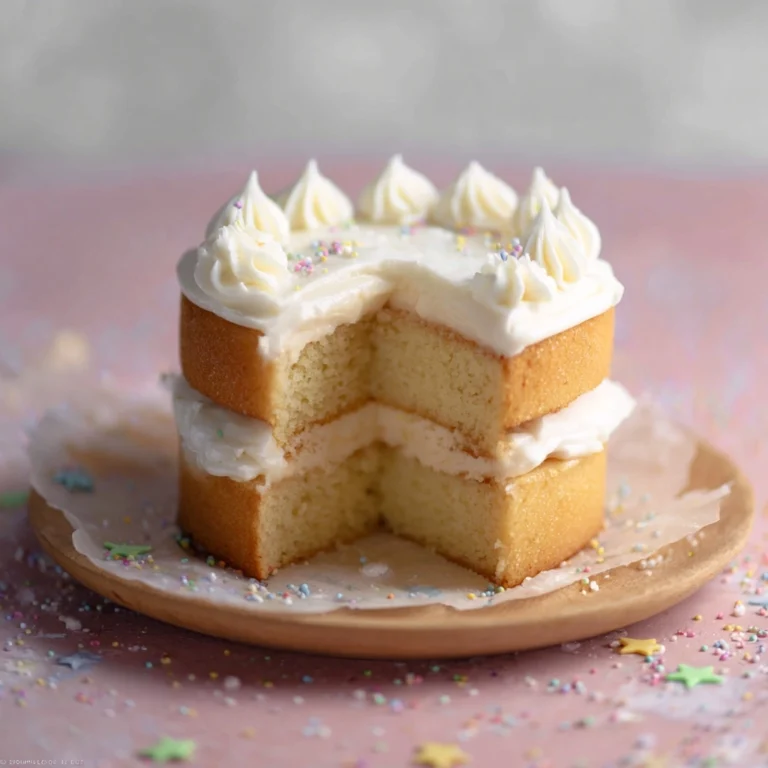
Small Vanilla Cake
🍰 Moist and tender vanilla cake in a small 6-inch size, perfect for intimate gatherings without leftovers.
🎂 Quick to bake and frost with creamy buttercream, customizable for birthdays, anniversaries, or any special day.
- Total Time: 3 hours
- Yield: 6-8 servings
Ingredients
– 1 1/2 cups (195g) all-purpose flour
– 1 tsp baking powder
– 1/2 tsp baking soda
– 1/4 tsp salt
– 1/2 cup (120ml) milk
– 1 tsp vinegar
– 1/4 cup (55g) unsalted butter at room temperature
– 1 cup (200g) granulated sugar
– 1/4 cup (60ml) vegetable oil
– 2 large eggs
– 2 tsp vanilla extract
– 1 cup (220g) unsalted butter at room temperature
– 3 cups (360g) powdered sugar
– 2 tsp vanilla extract
– 2 to 3 tbsp milk
Notes
📏 Spoon flour into cup and level off for accurate measurement to prevent dry cake.
💧 Use damp cake strips for even rising and flat tops without doming.
❄️ Cool cakes completely before frosting to avoid melting buttercream.
- Prep Time: 30 minutes
- Cooling: 2 hours
- Cook Time: 30 minutes
- Category: Desserts
- Method: Baking
- Cuisine: American
- Diet: Vegetarian
Nutrition
- Serving Size: 1 slice
- Calories: 380 kcal
- Sugar: 30g
- Sodium: 200mg
- Fat: 20g
- Saturated Fat: 10g
- Unsaturated Fat: 9g
- Trans Fat: 0g
- Carbohydrates: 48g
- Fiber: 1g
- Protein: 4g
- Cholesterol: 70mg