
Why You’ll Love This Caramel Cheesecake
If you’re looking for a dessert that screams “impressive” but doesn’t require professional baking skills, this salted caramel cheesecake is your new best friend. The combination of creamy cheesecake filling, spicy gingersnap crust, and rich salted caramel topping creates a flavor profile that’s absolutely unforgettable. Trust me, once you serve this at your next gathering, everyone will be asking for the recipe. Here’s why this caramel cheesecake deserves a permanent spot in your baking repertoire:- Ease of preparation: Despite its bakery-quality appearance, this recipe is surprisingly straightforward. With just 45 minutes of active prep time and clear, step-by-step instructions, even novice bakers can achieve stunning results. The gingersnap cookie crust comes together in minutes, and the filling requires simple mixing techniques that anyone can master. Plus, the water bath method virtually guarantees a crack-free cheesecake every time.
- Distinctive flavor: What sets this caramel cheesecake apart is the perfect balance of sweet and salty with a hint of warm spice. The gingersnap crust adds a zesty kick that complements the rich, buttery caramel sauce. Unlike traditional graham cracker crusts, the gingersnaps bring a sophisticated depth of flavor that elevates the entire dessert. And that final sprinkle of flaky sea salt? It’s the secret weapon that makes every bite absolutely divine.
- Versatility: This recipe adapts beautifully to different dietary needs and preferences. Whether you need gluten-free options or want to experiment with different crust flavors, this caramel cheesecake delivers. It’s perfect for holidays, dinner parties, or just because you deserve something special. The fact that it can be made ahead and stored for several days makes it ideal for busy hosts who want to prep in advance.
- Texture perfection: Thanks to the water bath technique and careful ingredient temperatures, this cheesecake achieves that dreamy, velvety texture we all crave. The edges puff beautifully during baking, creating a natural reservoir for your caramel topping. When you take that first bite, you’ll experience the crisp crust, the smooth and creamy filling, and the gooey caramel all in one harmonious moment.
Jump to:
- Why You’ll Love This Caramel Cheesecake
- Essential Ingredients for Caramel Cheesecake
- For the Gingersnap Cookie Crust
- For the Salted Caramel Cheesecake Filling
- Special Dietary Options
- How to Prepare the Perfect Caramel Cheesecake: Step-by-Step Guide
- First Step: Prepare Your Caramel and Crust
- Second Step: Set Up for Water Bath Baking
- Third Step: Create the Cream Cheese Filling
- Fourth Step: Add Eggs and Flavorings
- Fifth Step: Bake Your Cheesecake
- Final Step: Cool, Top, and Serve
- Dietary Substitutions to Customize Your Caramel Cheesecake
- Protein and Main Component Alternatives
- Vegetable, Sauce, and Seasoning Modifications
- Mastering Caramel Cheesecake: Advanced Tips and Variations
- Pro Cooking Techniques
- Flavor Variations
- Presentation Tips
- Make-Ahead Options
- How to Store Caramel Cheesecake: Best Practices
- Refrigeration
- Freezing
- Reheating and Thawing
- Meal Prep Considerations
- FAQs: Frequently Asked Questions About Caramel Cheesecake
- How do you make a simple caramel cheesecake recipe at home?
- Can I use Biscoff cookies for the crust in caramel cheesecake?
- How do you prevent cracks in caramel cheesecake?
- Can you make no-bake caramel cheesecake?
- How long does caramel cheesecake last and can it be frozen?
- Caramel Cheesecake
- Ingredients
- Instructions
- Last Step:
- Notes
- Nutrition
- Did you make this recipe?
Essential Ingredients for Caramel Cheesecake
Creating the perfect caramel cheesecake starts with quality ingredients. Each component plays a crucial role in achieving that restaurant-quality taste and texture you’re after. Let’s break down everything you need for this showstopping dessert.For the Gingersnap Cookie Crust
- 2 cups ground gingersnap cookies – These provide the spicy, crunchy foundation for your cheesecake. You can use regular or gluten-free varieties depending on your dietary needs.
- 1/4 cup granulated sugar – Adds just the right amount of sweetness to complement the natural molasses flavor of the gingersnaps.
- 6 tablespoons unsalted butter, melted – Binds the cookie crumbs together and creates that irresistible buttery texture in every bite.
For the Salted Caramel Cheesecake Filling
- 2 pounds full-fat cream cheese, room temperature – The star of the show! Using full-fat ensures a rich, creamy texture. Room temperature is crucial for smooth mixing.
- 1 cup granulated sugar – Sweetens the filling without overwhelming the other flavors.
- 2 tablespoons all-purpose flour or gluten-free flour – Helps stabilize the cheesecake and prevents cracking while contributing to the silky texture.
- 4 large eggs, room temperature – Provide structure and richness. Room temperature eggs incorporate more easily into the batter.
- 1 teaspoon vanilla extract – Enhances all the flavors and adds that classic cheesecake taste we all love.
- 1/2 cup full-fat sour cream, room temperature – Adds tanginess and contributes to the creamy, luxurious texture.
- 1/3 cup homemade salted caramel, cooled – Swirled into the filling for pockets of gooey caramel goodness throughout.
- Additional salted caramel for topping – Generously drizzled over the finished cheesecake for that stunning presentation.
- Flaky sea salt for garnish – The finishing touch that creates that perfect sweet and salty contrast.
Special Dietary Options
- Gluten-free: Simply use gluten-free gingersnap cookies and gluten-free flour in the crust and filling. The taste and texture remain virtually identical.
- Vegan: Substitute cream cheese with vegan cream cheese alternative, eggs with commercial egg replacer or flax eggs, and sour cream with vegan sour cream or coconut cream. Use vegan-friendly caramel made with coconut milk.
- Lower sugar: Replace granulated sugar with your preferred granulated sweetener that measures 1:1. Note that this may slightly alter the texture.
How to Prepare the Perfect Caramel Cheesecake: Step-by-Step Guide
Ready to create your masterpiece? Follow these detailed steps to achieve caramel cheesecake perfection. Remember, patience and attention to detail are your best friends in this process.First Step: Prepare Your Caramel and Crust
Start by preparing your salted caramel sauce ahead of time. Pour your homemade caramel into a heatproof container and refrigerate it while you work on the rest of the cheesecake. Having it cooled prevents it from cooking into the eggs when added to the batter later. Preheat your oven to 350°F (175°C). Grease a 9-inch springform pan thoroughly, and for extra insurance against sticking, consider lining the bottom with parchment paper. This step makes removing your cheesecake much easier after baking. Now, let’s make that incredible gingersnap crust. In a medium bowl, combine 2 cups ground gingersnap cookies, 1/4 cup granulated sugar, and 6 tablespoons melted unsalted butter. Mix until the crumbs are evenly moistened and hold together when squeezed. Press this mixture firmly into the bottom of your prepared pan, extending it about halfway up the sides for a nice crust edge. Bake the crust for 8-10 minutes until slightly set and fragrant. Remove from oven and allow it to cool while you prepare the filling. This brief baking helps set the crust so it doesn’t become soggy from the cheesecake filling.Second Step: Set Up for Water Bath Baking
Reduce your oven temperature to 325°F (165°C). Place a large roasting pan on the bottom rack of your oven. This will hold the water for your water bath, which is essential for preventing cracks and ensuring even baking. Meanwhile, boil water in a kettle or large pot. You’ll need enough hot water to reach about halfway up the sides of your springform pan when placed in the roasting pan. Having the water ready to pour before you put the cheesecake in the oven makes the process much smoother.Third Step: Create the Cream Cheese Filling
In a stand mixer fitted with the paddle attachment (or using a hand mixer and large bowl), combine 2 pounds full-fat cream cheese, 1 cup granulated sugar, and 2 tablespoons flour. Mix on low speed until completely smooth, scraping down the bowl frequently. This step is crucial for achieving that silky texture without incorporating too much air. If your cream cheese isn’t perfectly smooth at this point, try using the whisk attachment first to break up any lumps, then switch back to the paddle attachment. This pro tip ensures your caramel cheesecake filling will be perfectly velvety.Fourth Step: Add Eggs and Flavorings
Add the 4 large eggs one at a time, beating on low speed after each addition and scraping down the bowl between each egg. This gradual incorporation prevents overmixing, which can lead to cracks and a dense texture. Remember, we want a smooth, creamy cheesecake, not a aerated one. Once all eggs are incorporated, add 1 teaspoon vanilla extract, 1/2 cup sour cream, and 1/3 cup of your cooled homemade salted caramel. Mix until just combined, then finish mixing by hand with a spatula to ensure everything is evenly distributed without adding extra air.Fifth Step: Bake Your Cheesecake
Pour the batter over your cooled gingersnap crust. Gently tap the pan on the counter several times to release any trapped air bubbles. This simple step helps prevent cracks and ensures an even texture throughout your caramel cheesecake. Place the springform pan on the middle oven rack, directly above the roasting pan. Carefully pour the boiling water into the roasting pan until it reaches about halfway up the sides of your cheesecake pan. This water bath creates steam that keeps the oven humid, preventing the cheesecake from drying out or cracking. Bake for approximately 1 hour and 20 minutes. You’ll know it’s done when the edges are puffed and set, but the center still jiggles slightly when gently nudged. It should have a tight jiggle, not a wave-like motion. This residual heat will finish cooking the center as it cools.Final Step: Cool, Top, and Serve
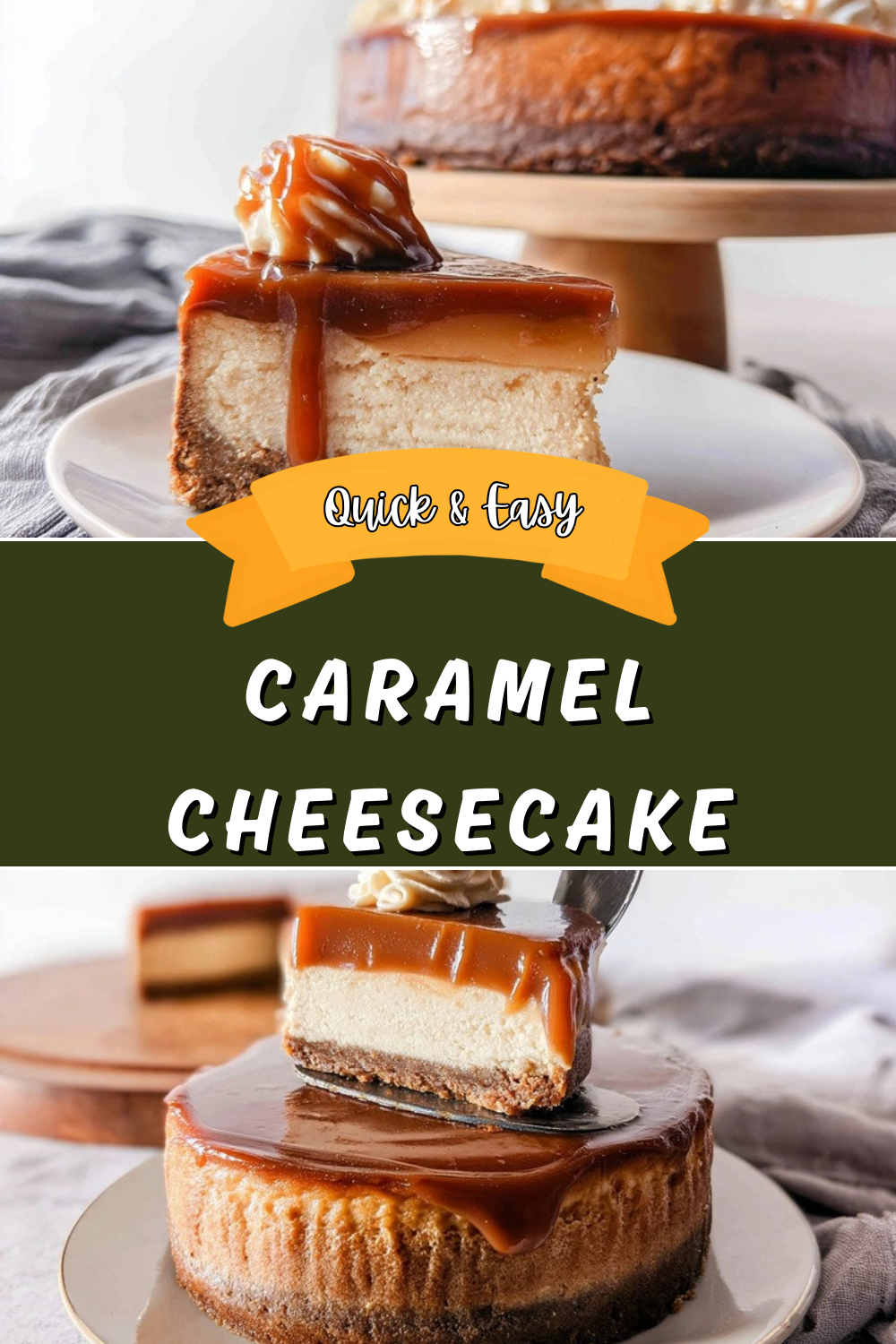
Turn off the oven but leave the cheesecake inside with the door slightly ajar for 45 minutes. This gradual cooling helps prevent sudden temperature changes that can cause cracking. After 45 minutes, remove the cheesecake from the oven and water bath, and let it cool completely at room temperature. Once cooled, pour the remaining salted caramel over the top of your cheesecake. If the caramel is too thick to pour easily, warm it briefly in the microwave for 10-15 seconds. The puffed edges of the cheesecake will create a natural wall, keeping the caramel neatly on top. Refrigerate for at least 4 hours, though overnight is even better for the best texture and flavor. This chilling time allows the flavors to meld and the cheesecake to set completely. Before serving, sprinkle generously with flaky sea salt and serve slightly chilled for the ultimate caramel cheesecake experience.
Dietary Substitutions to Customize Your Caramel Cheesecake
Protein and Main Component Alternatives
One of the beautiful things about cheesecake is its adaptability. If you need to accommodate different dietary needs or preferences, there are several substitutions you can make without sacrificing taste or texture. For those avoiding dairy, vegan cream cheese alternatives have come a long way in quality and taste. Look for brands specifically designed for baking, as they hold up better during the cooking process. Similarly, full-fat coconut cream makes an excellent substitute for sour cream, adding a subtle tropical note that pairs surprisingly well with caramel. If you’re watching your fat intake, you can experiment with lower-fat cream cheese options, though keep in mind this may affect the texture slightly. To compensate, consider adding an extra egg white or a tablespoon of cornstarch to help maintain structure. For a protein boost, some bakers successfully incorporate Greek yogurt, though this works best in no-bake versions rather than baked cheesecakes.Vegetable, Sauce, and Seasoning Modifications
While traditional caramel cheesecake is hard to beat, there are countless ways to customize the flavors to suit your taste or the season. The gingersnap crust is already a departure from the norm, but you could also try:- Chocolate cookie crust: Swap gingersnaps for chocolate wafer cookies or Oreos for a mocha-inspired version.
- Spiced caramel: Add cinnamon, nutmeg, or cardamom to your caramel sauce for warming winter spices.
- Fruit variations: Add a layer of caramelized apples or pears between the crust and filling for a autumnal twist.
- Nutty additions: Fold chopped toasted pecans or walnuts into the crust for extra crunch and flavor.
- Extract variations: Experiment with almond, coconut, or maple extract in place of some or all of the vanilla.
Mastering Caramel Cheesecake: Advanced Tips and Variations
Once you’ve mastered the basic caramel cheesecake recipe, you might want to try some professional techniques to take your dessert to the next level. These tips from experienced bakers will help you achieve consistent, bakery-quality results every time.Pro Cooking Techniques
Temperature control is everything in cheesecake making. Always use room temperature ingredients, particularly cream cheese, eggs, and sour cream. If you forget to take them out ahead of time, warm eggs in a bowl of warm water for 10 minutes, and soften cream cheese in a sealed bag submerged in warm water. Room temperature ingredients blend more easily, creating a smoother batter without overmixing. For the silkiest texture, try this restaurant technique: after mixing the cream cheese, sugar, and flour, press the mixture through a fine-mesh sieve before adding eggs. This removes any tiny lumps for an impossibly smooth filling. It takes a few extra minutes but makes a noticeable difference in the final product.Flavor Variations
While salted caramel is undeniably delicious, consider these creative flavor combinations:- Coffee caramel: Add 2 tablespoons instant espresso powder to your caramel sauce for a mocha twist.
- White chocolate caramel: Melt white chocolate into your caramel for an extra creamy, sweeter version.
- Bourbon caramel: Add 2 tablespoons bourbon to your caramel sauce during the last minute of cooking for an adult version.
- Spiced caramel: Infuse your cream with cinnamon sticks, star anise, or cardamom pods before making caramel.
Presentation Tips
The difference between a home dessert and a restaurant-quality presentation often comes down to the details. For a stunning finish, use an offset spatula to create swoops and swirls in the caramel topping before it sets. This gives the caramel texture and catches the light beautifully. Consider serving individual slices with a drizzle of extra caramel sauce and a light dusting of powdered sugar. A dollop of freshly whipped cream or a scoop of vanilla ice cream on the side transforms this into an elegant dinner party dessert. For special occasions, add edible gold leaf or a few whole gingersnap cookies as garnish.Make-Ahead Options
Cheesecake actually improves with time, making it the ultimate make-ahead dessert. The flavors develop and meld during chilling, resulting in a more complex taste. You can prepare the entire cheesecake up to 3 days in advance, storing it covered in the refrigerator. For even more convenience, prepare individual mini cheesecakes in muffin tins. These bake faster (about 30-35 minutes) and can be frozen individually for quick portions whenever you need them. Simply wrap each mini cheesecake tightly in plastic wrap and foil before freezing for up to 3 months.How to Store Caramel Cheesecake: Best Practices
Proper storage ensures your caramel cheesecake stays fresh and delicious for as long as possible. Whether you’re saving leftovers or preparing ahead for a future event, these guidelines will help maintain quality and safety.Refrigeration
Fresh caramel cheesecake should be stored in an airtight container in the refrigerator for optimal freshness. If you don’t have a container large enough for the whole cheesecake, you can cover it loosely with aluminum foil, being careful not to let the foil touch the caramel topping. Properly stored, your cheesecake will maintain its quality for 5-7 days in the refrigerator. For the best texture, let refrigerated cheesecake sit at room temperature for 20-30 minutes before serving. This allows the flavors to fully develop and the texture to soften slightly. If serving after several days of refrigeration, you might want to add a fresh drizzle of caramel to refresh the appearance.Freezing
Caramel cheesecake freezes surprisingly well, making it perfect for advance preparation. For best results, freeze the cheesecake before adding the caramel topping. Wrap the cooled cheesecake tightly in several layers of plastic wrap, followed by a layer of aluminum foil. Label with the date and freeze for up to 3 months. If you’ve already added the caramel topping, you can still freeze the cheesecake, but be aware the texture of the caramel may change slightly upon thawing. In this case, consider adding fresh caramel after thawing for the best presentation. Individual slices freeze beautifully wrapped in plastic wrap and placed in a freezer bag.Reheating and Thawing
To thaw frozen cheesecake, transfer it to the refrigerator and let it thaw overnight. Never thaw at room temperature, as this can encourage bacterial growth. Once thawed, consume within 2-3 days for the best quality and safety. Avoid microwaving to thaw or warm cheesecake, as this can create uneven heating and undesirable texture changes. If you prefer serving cheesecake slightly warm, let individual slices come to room temperature naturally. The delicate balance of textures in caramel cheesecake is best preserved with gentle, gradual temperature changes.Meal Prep Considerations
Caramel cheesecake is ideal for batch preparation and entertaining. The crust can be made up to 2 days ahead and stored at room temperature in an airtight container. The cheesecake batter can be prepared a day in advance and refrigerated, though it may need to be whisked briefly before baking to reincorporate any separated ingredients. For busy hosts, consider preparing multiple cheesecakes during a baking session. They freeze well and having one ready to go for unexpected guests or last-minute gatherings is incredibly convenient. Just remember to always label your frozen desserts with contents and dates to avoid any mix-ups.If you’re looking for more sweet inspiration, check out these delicious salted caramel cheesecake recipes from professional bakers who push the boundaries of this classic dessert.
FAQs: Frequently Asked Questions About Caramel Cheesecake
How do you make a simple caramel cheesecake recipe at home?
Start with a graham cracker crust: mix 1.5 cups crushed graham crackers, 1/3 cup melted butter, and 2 tbsp sugar, then press into a 9-inch springform pan and bake at 325°F for 10 minutes. For the filling, beat 24 oz softened cream cheese, 1 cup sugar, 3 eggs, 1 cup sour cream, and 1 tsp vanilla until smooth. Swirl in 1/2 cup homemade or store-bought caramel sauce. Bake in a water bath at 325°F for 60-70 minutes until edges set but center jiggles. Cool gradually to avoid cracks, then chill overnight. Top with extra caramel and sea salt. This yields 12 servings and takes about 1.5 hours active time plus chilling. Pro tip: Tap the pan before baking to release air bubbles.
Can I use Biscoff cookies for the crust in caramel cheesecake?
Yes, Biscoff cookies make an excellent crust substitute for caramel cheesecake, adding a spiced, caramel-like flavor that pairs perfectly. Crush 1.5 cups (about 9 oz) Biscoff cookies into fine crumbs, mix with 1/3 cup melted butter—no extra sugar needed due to their sweetness—and press firmly into a 9-inch springform pan. Bake at 325°F for 8-10 minutes to set, then cool before adding filling. This creates a crisp, flavorful base that holds up well to the creamy cheesecake. Users love it for no-bake versions too—just chill instead of baking. Expect the same texture as graham crackers but with enhanced taste. Total prep: 10 minutes.
How do you prevent cracks in caramel cheesecake?
Cracks happen from rapid temperature changes or overbaking, but you can avoid them easily. Use a water bath: wrap the springform pan in foil, place in a roasting pan with hot water halfway up the sides, and bake at 325°F for 60-70 minutes. Cool in the oven with the door ajar for 1 hour, then room temp for another hour before chilling. Don’t overmix the batter after adding eggs, and start with room-temp ingredients. A trick: tent foil over the top after 45 minutes if browning too fast. This method keeps the top smooth for swirling caramel beautifully. Your cheesecake will stay creamy and crack-free, ready to slice perfectly after overnight chill.
Can you make no-bake caramel cheesecake?
Absolutely, no-bake caramel cheesecake is quick and foolproof. For the crust, mix 2 cups crushed digestive biscuits or graham crackers with 1/2 cup melted butter, press into an 8-inch pan, and chill 30 minutes. Filling: beat 24 oz cream cheese, 1 cup powdered sugar, 1.5 cups heavy cream (whipped to stiff peaks), and 1 tsp vanilla. Fold in 3/4 cup caramel sauce. Pour over crust, swirl more caramel on top, and refrigerate 6+ hours or overnight. Garnish with whipped cream and flaky salt. Serves 8-10, ready in 20 minutes active time. It’s lighter than baked versions but holds shape well—perfect for summer or beginners. Store up to 5 days in fridge.
How long does caramel cheesecake last and can it be frozen?
Fresh caramel cheesecake lasts 5-7 days in the fridge, covered tightly, or 2-3 months in the freezer. To store: wrap slices individually in plastic then foil, or keep whole in an airtight container. Thaw overnight in fridge before serving—avoid microwaving to prevent sogginess. Freezing works best before adding toppings; freeze plain slices up to 3 months, then add caramel drizzle fresh. Label with dates for safety. A 9-inch cheesecake (12 servings) provides about 450 calories per slice. For best texture, consume within 2 days of thawing. This makes it ideal for make-ahead desserts or parties—always check for off smells before eating.
Caramel Cheesecake
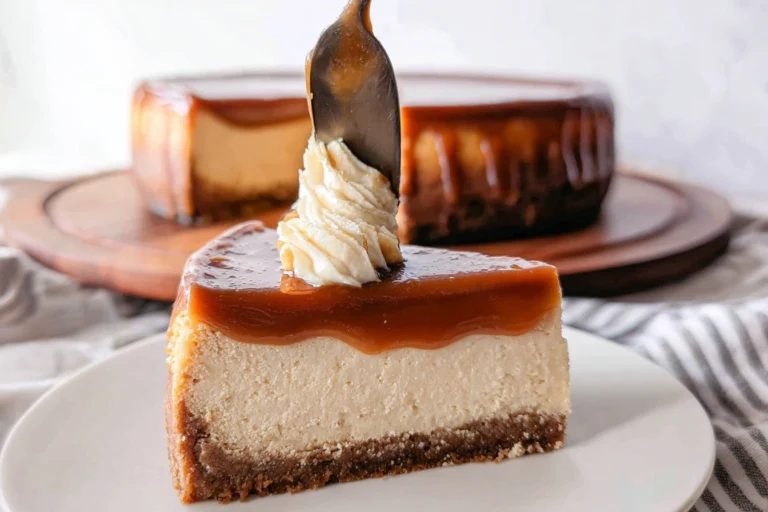
🍰🧂 Velvety salted caramel cheesecake on gingersnap crust delivers sweet-salty perfection without cracks.
🎂 Make-ahead holiday stunner with rich, creamy layers—impress guests effortlessly.
- Total Time: 6 hours
- Yield: 8-10 slices
Ingredients
– 2 cups ground gingersnap cookies
– 1/4 cup granulated sugar
– 6 tablespoons unsalted butter, melted
– 2 pounds full-fat cream cheese, room temperature
– 1 cup granulated sugar
– 2 tablespoons all-purpose flour or gluten-free flour
– 4 large eggs, room temperature
– 1 teaspoon vanilla extract
– 1/2 cup full-fat sour cream, room temperature
– 1/3 cup homemade salted caramel, cooled
– Additional salted caramel for topping
– Flaky sea salt for garnish
Instructions
1-First Step: Prepare Your Caramel and Crust Start by preparing your salted caramel sauce ahead of time. Pour your homemade caramel into a heatproof container and refrigerate it while you work on the rest of the cheesecake. Having it cooled prevents it from cooking into the eggs when added to the batter later. Preheat your oven to 350°F (175°C). Grease a 9-inch springform pan thoroughly, and for extra insurance against sticking, consider lining the bottom with parchment paper. This step makes removing your cheesecake much easier after baking. Now, let’s make that incredible gingersnap crust. In a medium bowl, combine 2 cups ground gingersnap cookies, 1/4 cup granulated sugar, and 6 tablespoons melted unsalted butter. Mix until the crumbs are evenly moistened and hold together when squeezed. Press this mixture firmly into the bottom of your prepared pan, extending it about halfway up the sides for a nice crust edge. Bake the crust for 8-10 minutes until slightly set and fragrant. Remove from oven and allow it to cool while you prepare the filling. This brief baking helps set the crust so it doesn’t become soggy from the cheesecake filling.
2-Second Step: Set Up for Water Bath Baking Reduce your oven temperature to 325°F (165°C). Place a large roasting pan on the bottom rack of your oven. This will hold the water for your water bath, which is essential for preventing cracks and ensuring even baking. Meanwhile, boil water in a kettle or large pot. You’ll need enough hot water to reach about halfway up the sides of your springform pan when placed in the roasting pan. Having the water ready to pour before you put the cheesecake in the oven makes the process much smoother.
3-Third Step: Create the Cream Cheese Filling In a stand mixer fitted with the paddle attachment (or using a hand mixer and large bowl), combine 2 pounds full-fat cream cheese, 1 cup granulated sugar, and 2 tablespoons flour. Mix on low speed until completely smooth, scraping down the bowl frequently. This step is crucial for achieving that silky texture without incorporating too much air. If your cream cheese isn’t perfectly smooth at this point, try using the whisk attachment first to break up any lumps, then switch back to the paddle attachment. This pro tip ensures your caramel cheesecake filling will be perfectly velvety.
4-Fourth Step: Add Eggs and Flavorings Add the 4 large eggs one at a time, beating on low speed after each addition and scraping down the bowl between each egg. This gradual incorporation prevents overmixing, which can lead to cracks and a dense texture. Remember, we want a smooth, creamy cheesecake, not a aerated one. Once all eggs are incorporated, add 1 teaspoon vanilla extract, 1/2 cup sour cream, and 1/3 cup of your cooled homemade salted caramel. Mix until just combined, then finish mixing by hand with a spatula to ensure everything is evenly distributed without adding extra air.
5-Fifth Step: Bake Your Cheesecake Pour the batter over your cooled gingersnap crust. Gently tap the pan on the counter several times to release any trapped air bubbles. This simple step helps prevent cracks and ensures an even texture throughout your caramel cheesecake. Place the springform pan on the middle oven rack, directly above the roasting pan. Carefully pour the boiling water into the roasting pan until it reaches about halfway up the sides of your cheesecake pan. This water bath creates steam that keeps the oven humid, preventing the cheesecake from drying out or cracking. Bake for approximately 1 hour and 20 minutes. You’ll know it’s done when the edges are puffed and set, but the center still jiggles slightly when gently nudged. It should have a tight jiggle, not a wave-like motion. This residual heat will finish cooking the center as it cools.
6-Final Step: Cool, Top, and Serve Turn off the oven but leave the cheesecake inside with the door slightly ajar for 45 minutes. This gradual cooling helps prevent sudden temperature changes that can cause cracking. After 45 minutes, remove the cheesecake from the oven and water bath, and let it cool completely at room temperature. Once cooled, pour the remaining salted caramel over the top of your cheesecake. If the caramel is too thick to pour easily, warm it briefly in the microwave for 10-15 seconds. The puffed edges of the cheesecake will create a natural wall, keeping the caramel neatly on top. Refrigerate for at least 4 hours, though overnight is even better for the best texture and flavor. This chilling time allows the flavors to meld and the cheesecake to set completely. Before serving, sprinkle generously with flaky sea salt and serve slightly chilled for the ultimate caramel cheesecake experience.
Last Step:
Please leave a rating and comment letting us know how you liked this recipe! This helps our business to thrive and continue providing free, high-quality recipes for you.Notes
🌡️ Use room-temp ingredients for crack-free smooth batter—warm eggs in water if needed.
💦 Water bath prevents drying/cracking; steam creates creamy texture.
🍮 Warm thick caramel slightly before topping for even drizzle.
- Prep Time: 45 minutes
- Chilling: 4 hours
- Cook Time: 1 hour 20 minutes
- Category: Desserts
- Method: Baking
- Cuisine: American
- Diet: Vegetarian
Nutrition
- Serving Size: 1 slice
- Calories: 550 kcal
- Sugar: 35g
- Sodium: 400mg
- Fat: 42g
- Saturated Fat: 24g
- Unsaturated Fat: 15g
- Trans Fat: 0g
- Carbohydrates: 38g
- Fiber: 1g
- Protein: 9g
- Cholesterol: 180mg