
Why You’ll Love This Classic Cheesecake
If you’ve been hesitant to try making a classic cheesecake at home, this recipe will change your mind! There’s something truly special about a homemade cheesecake that store-bought versions just can’t match. Let me share why this classic cheesecake recipe deserves a spot in your baking repertoire.
- Ease of preparation: While cheesecake has a reputation for being challenging, this recipe breaks down the process into manageable steps. With clear instructions and helpful tips, even first-time bakers can achieve impressive results. The total active prep time is just 40 minutes, making it perfect for weekend baking or special occasions.
- Health benefits: This classic cheesecake is made with quality ingredients that provide nutritional value. Cream cheese is a good source of vitamin A and contains protein and calcium. Click here to learn more about the nutritional profile of cream cheese. By making it at home, you control the ingredients and can avoid preservatives found in many commercial versions.
- Versatility: This classic cheesecake serves as a perfect canvas for your creativity. You can enjoy it plain or add countless toppings from fresh berries to chocolate ganache. It’s equally impressive for holiday gatherings, dinner parties, or simply as a special family dessert.
- Distinctive flavor: The combination of tangy cream cheese, subtle sweetness, and buttery graham cracker crust creates an irresistible flavor profile. The silky smooth texture and rich taste rival those from high-end bakeries and restaurants.
Jump to:
- Why You’ll Love This Classic Cheesecake
- Essential Ingredients for Classic Cheesecake
- Crust Ingredients:
- Cheesecake Filling Ingredients:
- Special Dietary Options:
- How to Prepare the Perfect Classic Cheesecake: Step-by-Step Guide
- Preparation and Crust Creation
- Preparing the Cheesecake Filling
- Baking and Cooling
- Dietary Substitutions to Customize Your Classic Cheesecake
- Protein and Main Component Alternatives
- Vegetable, Sauce, and Seasoning Modifications
- Mastering Classic Cheesecake: Advanced Tips and Variations
- Pro Cooking Techniques
- Flavor Variations
- Presentation Tips
- Make-Ahead Options
- How to Store Classic Cheesecake: Best Practices
- Refrigeration
- Freezing
- Reheating
- Meal Prep Considerations
- FAQs: Frequently Asked Questions About Classic Cheesecake
- What ingredients do I need for classic cheesecake graham cracker crust?
- How do I make the graham cracker crust for classic cheesecake?
- How can I prevent cracks in classic cheesecake?
- Why use a water bath for baking classic cheesecake and how do I set it up?
- How long to chill classic cheesecake before serving?
- Classic Cheesecake
- Ingredients
- Instructions
- Last Step:
- Notes
- Nutrition
- Did you make this recipe?
Essential Ingredients for Classic Cheesecake
Creating the perfect classic cheesecake starts with quality ingredients. Each component plays a crucial role in achieving that signature creamy texture and delicious taste. Here’s what you’ll need:
Crust Ingredients:
- 1 1/2 cups crushed graham cracker crumbs
- 1/3 cup granulated sugar
- 5 tablespoons unsalted butter, melted
Cheesecake Filling Ingredients:
- 32 ounces brick-style cream cheese, softened to room temperature
- 1 cup full-fat sour cream, room temperature
- 1 cup granulated sugar
- 2 teaspoons pure vanilla extract
- 4 large eggs, room temperature
Main Ingredients Explained:
- Graham cracker crumbs: Provide the perfect buttery, slightly sweet foundation that contrasts beautifully with the creamy filling. The amount listed creates a sturdy crust that holds up well to the rich cheesecake.
- Brick-style cream cheese: Essential for proper texture. Brick cream cheese has less moisture than whipped or tub versions, resulting in a denser, creamier cheesecake. The 32 ounces provides enough filling for a substantial 9-inch cheesecake.
- Full-fat sour cream: Adds tanginess and contributes to the silky smooth texture. Using full-fat ensures the best results, as reduced-fat versions can affect the final consistency.
- Granulated sugar: Sweetens the cheesecake without overpowering the cream cheese flavor. The amount listed provides the perfect balance of sweetness without making the dessert cloying.
- Pure vanilla extract: Improves the overall flavor profile with its warm, aromatic notes. Pure extract rather than imitation provides the best taste.
- Large eggs: Act as binders and help set the cheesecake. Room temperature eggs incorporate more easily into the batter, creating a smoother texture.
Special Dietary Options:
- Vegan: Substitute brick cream cheese with vegan cream cheese alternative, sour cream with vegan sour cream or plain coconut yogurt, eggs with commercial egg replacer or a mixture of flaxseed meal and water, and use vegan butter or coconut oil for the crust.
- Gluten-free: Replace graham cracker crumbs with gluten-free graham cracker crumbs or a mixture of gluten-free cookie crumbs and almond flour. Make sure all other ingredients are certified gluten-free.
- Low-calorie: Use reduced-fat cream cheese and sour cream (though the texture may change slightly), substitute half the sugar with a natural sweetener like monk fruit or stevia, and use a thinner crust with less butter.
How to Prepare the Perfect Classic Cheesecake: Step-by-Step Guide
Follow these detailed instructions to create a classic cheesecake with that coveted smooth texture and delicious flavor. The process might seem involved, but taking it step by step will lead to impressive results.
Preparation and Crust Creation
First Step: Preheat your oven to 325°F (163°C). This temperature is ideal for slowly cooking the cheesecake without causing cracks. While the oven heats, gather all your ingredients and equipment, including a 9-inch springform pan, mixing bowls, and either a hand mixer or stand mixer.
Second Step: Prepare the graham cracker crust by mixing 1 1/2 cups of crushed graham cracker crumbs and 1/3 cup of granulated sugar in a medium bowl until well combined. Pour in 5 tablespoons of melted unsalted butter, stirring until the mixture is evenly moistened and resembles wet sand.
Third Step: Transfer the crust mixture to a 9-inch springform pan. Press it firmly and evenly into the bottom of the pan using the bottom of a measuring cup or glass. This ensures a compact, uniform crust that will hold together well. Bake the crust for 10 minutes, then remove it from the oven and let it cool slightly while you prepare the filling.
Preparing the Cheesecake Filling
Fourth Step: Begin preparing the water bath by boiling water in a kettle or large pot. You’ll need about 1 inch of boiling water for the roasting pan. Set the water aside while you make the filling.
Fifth Step: In a large mixing bowl, beat the 32 ounces of softened brick-style cream cheese until completely smooth and creamy. This step is crucial for avoiding lumps in your finished cheesecake. Scrape down the sides of the bowl to ensure even mixing.
Sixth Step: Add 1 cup of full-fat sour cream to the cream cheese and mix until thoroughly combined. The mixture should be smooth and free of lumps at this point.
Seventh Step: Incorporate 1 cup of granulated sugar and 2 teaspoons of pure vanilla extract into the cream cheese mixture. Beat until smooth, scraping down the sides of the bowl as needed.
Eighth Step: In a separate small bowl, lightly beat the 4 large eggs. This helps prevent incorporating too much air into the batter, which can lead to cracks. Add the beaten eggs to the cheesecake batter on low speed, mixing just until combined. Be careful not to overmix at this stage.
Ninth Step: Scrape down the sides and bottom of the bowl one final time and give the batter a brief mix to make sure all ingredients are evenly incorporated. The batter should be smooth and creamy.
Baking and Cooling
Tenth Step: Prepare the springform pan for the water bath by wrapping the outside tightly with aluminum foil. For extra protection against water leaks, place the foil-wrapped pan inside an oven bag and fold down the edges.
Eleventh Step: Pour the cheesecake batter into the prepared crust. Use a spatula to smooth the top of the filling. Gently tap the pan on the counter a few times to release any air bubbles. If you see large bubbles on the surface, pop them with a toothpick.
Twelfth Step: Place the springform pan inside a large roasting pan. Carefully pour the boiling water into the roasting pan until it reaches about 1 inch deep. This water bath method provides gentle, even heat and moisture to prevent cracking.
Thirteenth Step: Bake the cheesecake in the preheated oven for 60-65 minutes. The edges should be set, but the center should still jiggle slightly when you gently shake the pan. This is the perfect doneness for a creamy cheesecake.
Fourteenth Step: Turn off the oven and crack the door open slightly. Let the cheesecake cool inside the oven for 1 hour. This gradual cooling helps prevent cracks from forming.
Fifteenth Step: Remove the cheesecake from the water bath and roasting pan. Allow it to cool completely at room temperature, which will take another 1-2 hours.
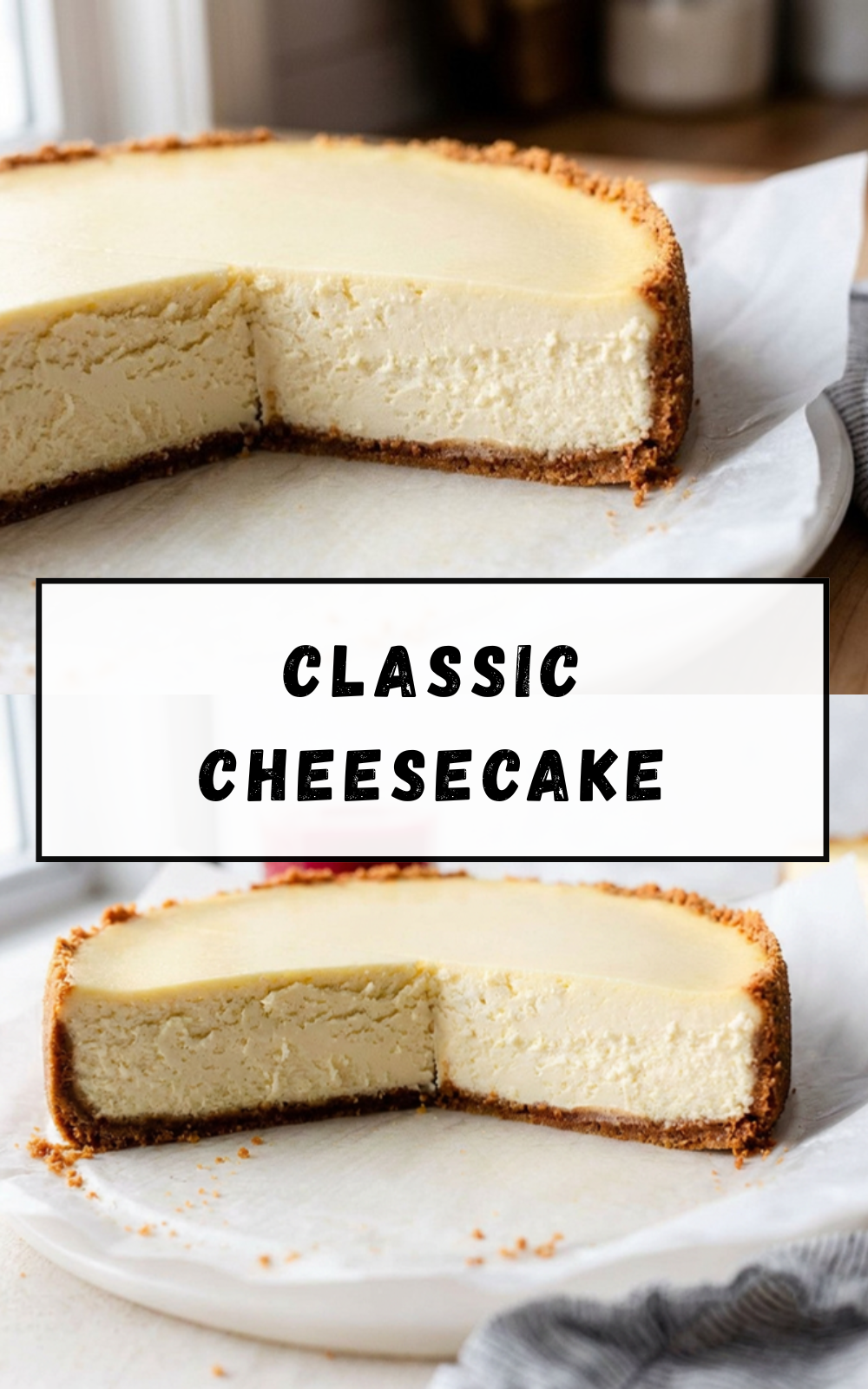
Final Step: Once fully cooled, refrigerate the cheesecake for at least 5-6 hours, but preferably overnight. This allows the cheesecake to set completely and develop its full flavor. When ready to serve, run a knife around the edge of the pan to loosen the cheesecake, then release the springform ring. Slice with a sharp knife dipped in hot water for clean cuts, and serve with your favorite toppings if desired.

Dietary Substitutions to Customize Your Classic Cheesecake
Protein and Main Component Alternatives
One of the wonderful aspects of this classic cheesecake recipe is its adaptability to different dietary needs and preferences. For those who want to modify the main components:
- Cream cheese alternatives: For a lighter version, you can substitute half of the cream cheese with Greek yogurt. This adds protein and tanginess while reducing the calorie content. If you’re dairy-free, try using a high-quality vegan cream cheese made from nuts or coconut.
- Egg substitutes: For those with egg allergies or dietary restrictions, each egg can be replaced with 1/4 cup of silken tofu blended until smooth, or a commercial egg replacer following package instructions. Keep in mind that these substitutions may slightly affect the final texture.
- Sour cream alternatives: Greek yogurt makes an excellent substitute for sour cream, offering similar tanginess and creaminess with more protein and less fat. For a dairy-free option, coconut cream or cashew cream can work well.
When making these substitutions, remember that they may slightly alter the texture or flavor of your classic cheesecake. It’s often best to make a small test batch before serving to guests for special occasions. If you’re looking for other delicious dessert recipes using similar ingredients, you might enjoy these funfetti Greek yogurt muffins that incorporate yogurt in a creative way.
Vegetable, Sauce, and Seasoning Modifications
While traditional classic cheesecake is delicious on its own, there are many ways to customize the flavor profile through thoughtful additions and toppings:
- Fruit toppings: Fresh berries (strawberries, blueberries, raspberries), sliced peaches, or poached pears add freshness and natural sweetness. A compote made from seasonal fruits can be swirled into the cheesecake before baking or spooned over the finished dessert.
- Chocolate variations: Add melted chocolate to the batter for a chocolate cheesecake, or create a ganache topping by heating heavy cream and pouring it over chopped chocolate. A sprinkle of cocoa powder in the crust also adds a chocolate twist.
- Caramel and nut additions: Salted caramel sauce drizzled over the top creates a delicious sweet-and-salty contrast. Chopped pecans, walnuts, or pistachios can be added to the crust or used as a topping for added texture and flavor.
- Seasoning twists: A tablespoon of lemon or lime juice in the filling brightens the flavor. A pinch of cinnamon or nutmeg in the crust adds warmth. For an adult version, a splash of your favorite liqueur can be incorporated into the batter.
Mastering Classic Cheesecake: Advanced Tips and Variations
Once you’ve mastered the basic classic cheesecake recipe, you might want to experiment with these advanced techniques and creative variations. These tips will help you achieve professional results and personalize your cheesecake to suit any occasion.
Pro Cooking Techniques
- Temperature control: Using room temperature ingredients is critical for a smooth batter. Take all ingredients out of the refrigerator at least 2 hours before baking to ensure they blend perfectly.
- Water bath mastery: For extra insurance against water leaks, use two layers of heavy-duty aluminum foil and place the wrapped pan in an oven bag before setting it in the roasting pan. This double protection guarantees no water seeps into your cheesecake.
- Perfect crust technique: After pressing the crust into the pan, use the bottom of a flat measuring cup to press it down firmly and evenly. This creates a solid foundation that won’t crumble when sliced.
- Smooth surface technique: Before baking, pass a kitchen torch lightly over the surface of the batter to burst any tiny air bubbles, or use a toothpick to pop visible ones for an impeccably smooth top.
Flavor Variations
- Coffee cheesecake: Dissolve 2 tablespoons of instant espresso powder in a tablespoon of hot water and add to the batter for a rich coffee flavor. Top with coffee whipped cream.
- Lemon cheesecake: Add 2 tablespoons of fresh lemon juice and 1 tablespoon of lemon zest to the filling for a bright, citrusy twist.
- Pumpkin spice cheesecake: Reduce sugar to 3/4 cup and add 1 cup of pumpkin puree, 1 teaspoon of cinnamon, 1/2 teaspoon of ginger, and 1/4 teaspoon of nutmeg to the batter for a festive fall version.
- Chocolate marble: Melt 4 ounces of dark chocolate and swirl it into the prepared batter before baking for a beautiful marble effect and chocolate flavor.
Presentation Tips
- Clean slices: Dip your knife in hot water and wipe it clean between slices for perfectly clean cuts that show off the smooth texture of your cheesecake.
- Artistic plating: Place each slice on a drizzle of fruit sauce or chocolate ganache on the plate. Garnish with fresh berries, mint leaves, or edible flowers for an elegant presentation.
- Uniform portions: For perfectly even slices, make a small mark in the center of the cheesecake, then cut it in half, then quarters, and finally into eighths or twelfths.
Make-Ahead Options
- Freeze whole: Wrap the cooled, unsliced cheesecake tightly in plastic wrap, then foil. Freeze for up to 3 months. Thaw overnight in the refrigerator before serving.
- Portion control: Slice the cheesecake before freezing, wrapping individual slices in plastic and placing them in a freezer bag. This allows you to thaw only what you need.
- Crust preparation: The crust can be made and baked up to 2 days in advance, wrapped tightly, and stored at room temperature until ready to fill.
For more baking inspiration and technique tips, check out this community discussion on stellar cheesecake tips from home bakers sharing their experiences and tricks. If you enjoy pairing desserts with tea or coffee, you might also love these mini Earl Grey honey scones that complement the rich flavor of cheesecake perfectly.
How to Store Classic Cheesecake: Best Practices
Proper storage ensures your classic cheesecake remains fresh and delicious for as long as possible. Here are the best methods for preserving your homemade dessert:
Refrigeration
Store your classic cheesecake in the refrigerator, covered loosely with plastic wrap or aluminum foil. It will maintain optimal quality for up to 4 days. For best results, place the cheesecake on a plate or cardboard round before covering to prevent the plastic from sticking to the surface. If you’re storing individual slices, wrap each piece separately in plastic wrap or place them in airtight containers.
Freezing
For longer storage, freezing is an excellent option. Wrap the cooled cheesecake tightly in plastic wrap, making sure no parts are exposed to air. Then wrap it again in aluminum foil for extra protection. Label with the date and freeze for up to 3 months. When you’re ready to enjoy, transfer the cheesecake to the refrigerator and let it thaw overnight. Individual slices can also be frozen by wrapping them separately in plastic wrap and then placing them in a freezer bag.
Reheating
Classic cheesecake is typically served chilled, but if you prefer it slightly warmer, let individual slices sit at room temperature for 15-20 minutes before serving. Avoid microwaving, as this can cause the texture to become uneven. For a warm cheesecake dessert, you can briefly place a slice in a low-temperature oven (about 200°F) for just a few minutes, but watch carefully to prevent melting.
Meal Prep Considerations
For efficient meal prep, consider baking your classic cheesecake on a weekend when you have more time. It requires several hours of cooling and chilling, making it perfect for preparing in advance. The cheesecake actually benefits from chilling overnight, as the flavors develop and the texture becomes even better. This makes it an ideal dessert for dinner parties or special occasions, as you can complete all the work a day ahead and simply add toppings before serving.
FAQs: Frequently Asked Questions About Classic Cheesecake
What ingredients do I need for classic cheesecake graham cracker crust?
For a classic cheesecake graham cracker crust, you’ll need 1 ½ cups finely crushed graham cracker crumbs (about 12 full sheets), ¼ cup granulated sugar, and 5 tablespoons unsalted butter, melted. These simple ingredients create a sturdy base that holds up to the creamy filling. To prepare, mix the crumbs and sugar in a bowl, then stir in the melted butter until the mixture looks like wet sand and all crumbs are evenly coated. This ratio ensures the crust isn’t too crumbly or greasy. Press it firmly into the bottom of a 9-inch springform pan using the bottom of a measuring cup for an even layer. Bake at 325°F for 10 minutes to set it, then let it cool before adding the filling. Store-bought crumbs work fine if you’re short on time.
How do I make the graham cracker crust for classic cheesecake?
Start by preheating your oven to 325°F. Crush 1 ½ cups graham crackers into fine crumbs using a food processor or rolling pin in a zip-top bag. In a medium bowl, combine the crumbs with ¼ cup granulated sugar. Melt 5 tablespoons unsalted butter and pour it in, stirring until the mixture is uniformly moistened and resembles wet sand. Dump it into a greased 9-inch springform pan and press evenly across the bottom and slightly up the sides with a flat-bottomed glass or measuring cup. Bake for 10 minutes until lightly golden, then remove and cool for 10-15 minutes on a wire rack. This step prevents sogginess and gives a crisp texture. Avoid overpacking to keep it from becoming too dense.
How can I prevent cracks in classic cheesecake?
Cracks ruin the smooth top of classic cheesecake, but you can avoid them with these steps: Use room-temperature full-fat cream cheese (24 ounces) and beat it smooth before adding 1 cup sugar, 1 cup sour cream, and 1 tablespoon vanilla. Add 4 large eggs last, mixing on low just until combined to minimize air bubbles. Bake in a water bath—wrap the springform pan in foil, place in a roasting pan with 1 inch of boiling water—for even heat at 325°F for 60-65 minutes. The center should jiggle slightly when done. Turn off the oven, crack the door, and cool inside for 1 hour, then room temperature for 2 hours, and chill overnight. This gradual cooling prevents sinking or splitting. Don’t overbake or slam the oven door.
Why use a water bath for baking classic cheesecake and how do I set it up?
A water bath provides gentle, even heat and steam, helping classic cheesecake bake smoothly without cracks by maintaining consistent moisture. Preheat oven to 325°F. After preparing your crust and filling (24 oz cream cheese, 1 cup sugar, 1 cup sour cream, 1 tbsp vanilla, 4 eggs), wrap the outside of a 9-inch springform pan tightly in three layers of heavy-duty foil to prevent leaks. Place the pan in a large oven-safe roasting pan. Pour boiling water into the roasting pan to 1 inch deep—about halfway up the springform sides—after setting the cheesecake inside. Bake 60-65 minutes until edges are set but center jiggles. This method reduces oven dryness. For extra protection, slip the foiled pan into an oven bag first and fold down the edges.
How long to chill classic cheesecake before serving?
Chill your classic cheesecake for at least 6 hours, or ideally overnight (8-12 hours), in the fridge before serving. After baking in a water bath at 325°F for 60-65 minutes, cool in the turned-off oven with the door cracked for 1 hour, then at room temperature for 2 hours. Run a knife around the edges, cover loosely with plastic wrap, and refrigerate. This firms the filling for clean slices and develops full flavor. A 9-inch cheesecake serves 12-16 people. Overnight chilling is best as it sets the texture perfectly. Before serving, let it sit 15-30 minutes at room temp. Top with fresh berries, chocolate ganache, or whipped cream. Store leftovers covered in the fridge up to 5 days or freeze slices up to 2 months.
Classic Cheesecake
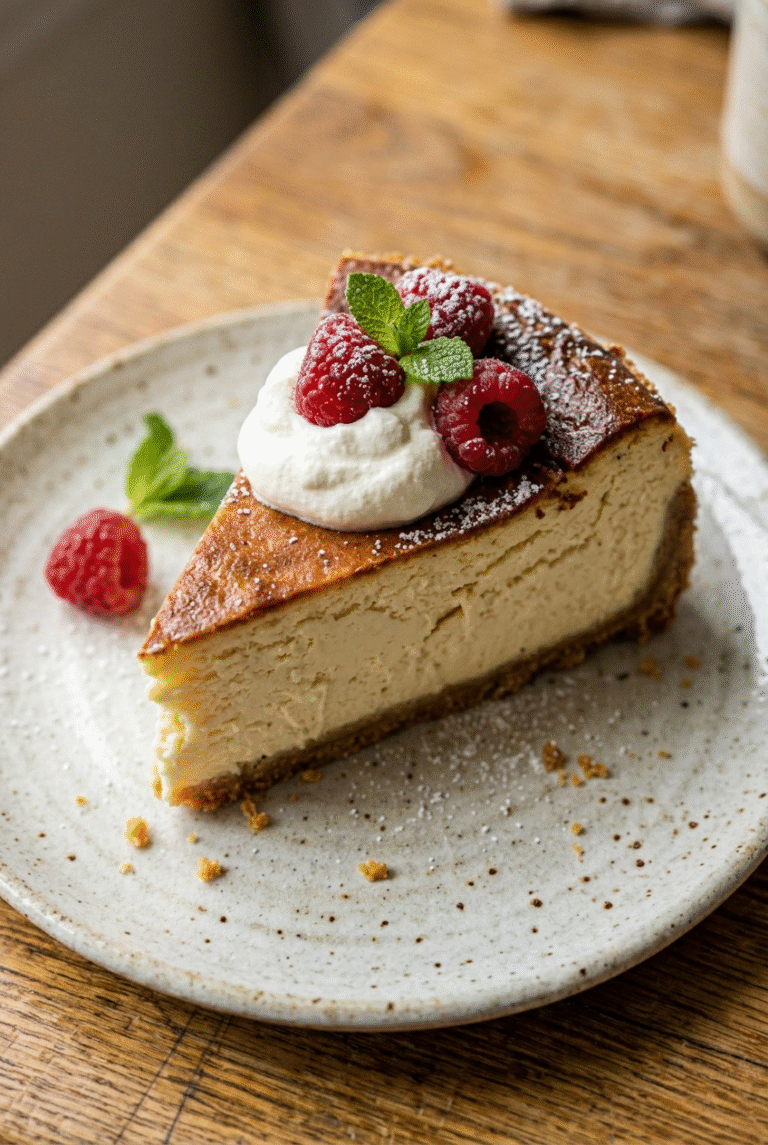
🍰 Indulge in the creamiest, richest classic cheesecake with a buttery graham cracker crust that’s velvety smooth and utterly decadent.
🧀 This foolproof recipe delivers crack-free perfection every time, ideal for celebrations or satisfying sweet tooth cravings.
- Total Time: 1 hour 40 minutes
- Yield: 12 servings
Ingredients
– 1 1/2 cups crushed graham cracker crumbs
– 1/3 cup granulated sugar
– 5 tablespoons unsalted butter, melted
– 32 ounces brick-style cream cheese, softened to room temperature
– 1 cup full-fat sour cream, room temperature
– 1 cup granulated sugar
– 2 teaspoons pure vanilla extract
– 4 large eggs, room temperature
Instructions
1-First Step: Preheat your oven to 325°F (163°C). This temperature is ideal for slowly cooking the cheesecake without causing cracks. While the oven heats, gather all your ingredients and equipment, including a 9-inch springform pan, mixing bowls, and either a hand mixer or stand mixer.
2-Second Step: Prepare the graham cracker crust by mixing 1 1/2 cups of crushed graham cracker crumbs and 1/3 cup of granulated sugar in a medium bowl until well combined. Pour in 5 tablespoons of melted unsalted butter, stirring until the mixture is evenly moistened and resembles wet sand.
3-Third Step: Transfer the crust mixture to a 9-inch springform pan. Press it firmly and evenly into the bottom of the pan using the bottom of a measuring cup or glass. This ensures a compact, uniform crust that will hold together well. Bake the crust for 10 minutes, then remove it from the oven and let it cool slightly while you prepare the filling.
4-Fourth Step: Begin preparing the water bath by boiling water in a kettle or large pot. You’ll need about 1 inch of boiling water for the roasting pan. Set the water aside while you make the filling.
5-Fifth Step: In a large mixing bowl, beat the 32 ounces of softened brick-style cream cheese until completely smooth and creamy. This step is crucial for avoiding lumps in your finished cheesecake. Scrape down the sides of the bowl to ensure even mixing.
6-Sixth Step: Add 1 cup of full-fat sour cream to the cream cheese and mix until thoroughly combined. The mixture should be smooth and free of lumps at this point.
7-Seventh Step: Incorporate 1 cup of granulated sugar and 2 teaspoons of pure vanilla extract into the cream cheese mixture. Beat until smooth, scraping down the sides of the bowl as needed.
8-Eighth Step: In a separate small bowl, lightly beat the 4 large eggs. This helps prevent incorporating too much air into the batter, which can lead to cracks. Add the beaten eggs to the cheesecake batter on low speed, mixing just until combined. Be careful not to overmix at this stage.
9-Ninth Step: Scrape down the sides and bottom of the bowl one final time and give the batter a brief mix to make sure all ingredients are evenly incorporated. The batter should be smooth and creamy.
10-Tenth Step: Prepare the springform pan for the water bath by wrapping the outside tightly with aluminum foil. For extra protection against water leaks, place the foil-wrapped pan inside an oven bag and fold down the edges.
11-Eleventh Step: Pour the cheesecake batter into the prepared crust. Use a spatula to smooth the top of the filling. Gently tap the pan on the counter a few times to release any air bubbles. If you see large bubbles on the surface, pop them with a toothpick.
12-Twelfth Step: Place the springform pan inside a large roasting pan. Carefully pour the boiling water into the roasting pan until it reaches about 1 inch deep. This water bath method provides gentle, even heat and moisture to prevent cracking.
13-Thirteenth Step: Bake the cheesecake in the preheated oven for 60-65 minutes. The edges should be set, but the center should still jiggle slightly when you gently shake the pan. This is the perfect doneness for a creamy cheesecake.
14-Fourteenth Step: Turn off the oven and crack the door open slightly. Let the cheesecake cool inside the oven for 1 hour. This gradual cooling helps prevent cracks from forming.
15-Fifteenth Step: Remove the cheesecake from the water bath and roasting pan. Allow it to cool completely at room temperature, which will take another 1-2 hours.
16-Final Step: Once fully cooled, refrigerate the cheesecake for at least 5-6 hours, but preferably overnight. This allows the cheesecake to set completely and develop its full flavor. When ready to serve, run a knife around the edge of the pan to loosen the cheesecake, then release the springform ring. Slice with a sharp knife dipped in hot water for clean cuts, and serve with your favorite toppings if desired.
Last Step:
Please leave a rating and comment letting us know how you liked this recipe! This helps our business to thrive and continue providing free, high-quality recipes for you.Notes
🍰 Always use room temperature ingredients for a lump-free, creamy batter.
🛁 Use a water bath to ensure even baking and prevent cracks on the surface.
⏲️ Cool the cheesecake gradually in the turned-off oven to avoid sinking or cracking.
- Prep Time: 40 minutes
- Chill: 6 hours
- Cook Time: 1 hour 5 minutes
- Category: Desserts
- Method: Baking
- Cuisine: American
- Diet: Vegetarian
Nutrition
- Serving Size: 1 slice
- Calories: 434 kcal
- Sugar: 24 g
- Sodium: 289 mg
- Fat: 33 g
- Saturated Fat: 18 g
- Unsaturated Fat: 14 g
- Trans Fat: 1 g
- Carbohydrates: 29 g
- Fiber: 0.5 g
- Protein: 7 g
- Cholesterol: 148 mg