
Why You’ll Love This Small Batch Cinnamon Rolls
There’s something magical about waking up to the smell of freshly baked cinnamon rolls, but traditional recipes often make a dozen or more, leaving us with more leftovers than we know what to do with. That’s where these small batch cinnamon rolls come in, perfectly portioned to yield just four glorious rolls ideal for couples, small families, or anyone who wants to enjoy warm, homemade treats without the waste or commitment of a full batch.These small batch cinnamon rolls deliver all the comfort and flavor of your favorite bakery treat, scaled down perfectly for intimate mornings without compromising on quality or taste.Here’s why this recipe will become your new go-to baking favorite:
- Ease of preparation: With clear, straightforward instructions and common pantry ingredients, these cinnamon rolls come together with minimal fuss. The active time is just 10 minutes, and while the dough rises, you can attend to other morning tasks. No complicated techniques or special equipment required beyond a simple 6-inch baking dish!
- Health benefits: While cinnamon rolls are certainly an indulgence, using real ingredients like butter and quality cinnamon ensures you’re enjoying a treat made with wholesome components. Plus, the smaller batch size means built-in portion control perfect for maintaining balance while still satisfying your sweet tooth.
- Versatility: This recipe adapts beautifully to your schedule. You can bake them the same day or prepare them the night before for an effortless morning. They’re also easily doubled for larger gatherings or halved (using two ramekins) for an especially intimate treat. The recipe works with various milk percentages and can be customized to suit different tastes.
- Distinctive flavor: The combination of brown sugar and cinnamon creates a rich, caramel-like filling that oozes perfectly through the spirals of each roll. Paired with the tangy cream cheese frosting, these small batch cinnamon rolls offer that perfect balance of sweetness and warmth that makes them utterly irresistible.
Jump to:
- Why You’ll Love This Small Batch Cinnamon Rolls
- Essential Ingredients for Small Batch Cinnamon Rolls
- Special Equipment
- Dough Ingredients
- Filling Ingredients
- Frosting Ingredients
- Preparation Time Overview
- How to Prepare the Perfect Small Batch Cinnamon Rolls: Step-by-Step Guide
- First Step: Proof the Yeast
- Second Step: Prepare the Dough
- Third Step: First Rise
- Fourth Step: Form the Rolls
- Fifth Step: Second Rise and Bake
- Final Step: Make and Apply the Frosting
- Dietary Substitutions to Customize Your Small Batch Cinnamon Rolls
- Protein and Main Component Alternatives
- Vegetable, Sauce, and Seasoning Modifications
- Mastering Small Batch Cinnamon Rolls: Advanced Tips and Variations
- Pro Cooking Techniques
- Flavor Variations
- Presentation Tips
- Make-Ahead Options
- How to Store Small Batch Cinnamon Rolls: Best Practices
- Refrigeration
- Freezing
- Reheating
- Meal Prep Considerations
- FAQs: Frequently Asked Questions About Small Batch Cinnamon Rolls
- What if my yeast doesn’t foam when making small batch cinnamon rolls?
- What can I use instead of a 6-inch pan for small batch cinnamon rolls?
- Can I double the small batch cinnamon rolls recipe?
- How do I freeze small batch cinnamon rolls?
- How long do small batch cinnamon rolls stay fresh, and how should I store them?
- Small Batch Cinnamon Rolls
- Ingredients
- Instructions
- Last Step:
- Notes
- Nutrition
- Did you make this recipe?
Essential Ingredients for Small Batch Cinnamon Rolls
Before diving into the step-by-step instructions, let’s gather everything you’ll need. This recipe uses simple, accessible ingredients you likely already have in your kitchen.Special Equipment
- 6 to 7-inch baking dish
Dough Ingredients
- ⅓ cup milk (any percentage)
- 1 teaspoon active dry yeast
- 1 tablespoon granulated sugar plus a pinch for proofing yeast
- 2 tablespoons salted butter (melted and slightly cooled)
- 1 large egg yolk
- ¼ teaspoon salt
- 1 cup and 1 tablespoon all-purpose flour
Filling Ingredients
- ⅓ cup packed brown sugar
- 1 teaspoon cinnamon
- 2 tablespoons salted butter (softened)
Frosting Ingredients
- 3 ounces cream cheese (softened)
- 3 tablespoons salted butter (softened)
- 1 cup powdered sugar
- ½ teaspoon vanilla extract
- pinch of salt
Preparation Time Overview
| Task | Time Required |
|---|---|
| Prep | 10 minutes |
| First rise | 1-1.5 hours |
| Second rise (same-day) | 45-60 minutes |
| Bake | 15-22 minutes |
| Total Time | ~2 hours 28 minutes |
How to Prepare the Perfect Small Batch Cinnamon Rolls: Step-by-Step Guide
Ready to create the most delightful breakfast treat? Follow these detailed steps to achieve perfectly fluffy, cinnamon-swirled rolls every time. Remember, baking is as much about the journey as the destination, so take your time and enjoy the process!First Step: Proof the Yeast
Begin by heating your milk to between 105-115°F. This temperature range is crucial it’s warm enough to activate the yeast but not so hot that it kills the beneficial organisms. If you don’t have a thermometer, test the milk by dripping a bit on your wrist; it should feel comfortably warm, like bathwater, not hot. Once your milk reaches the perfect temperature, pour it into a small bowl and stir in the yeast along with a pinch of sugar. The sugar feeds the yeast, helping it activate. Let this mixture rest for 10-15 minutes until it becomes foamy on top. This foaming action tells you the yeast is alive and ready to work its magic in your dough.For detailed guidance on activating yeast properly, check out this helpful resource on how to proof yeast to guarantee successful results every time.
Second Step: Prepare the Dough
In a mixing bowl, combine your activated milk-yeast mixture with the melted butter (make sure it’s only slightly cooled, not hot), the remaining tablespoon of sugar, the egg yolk, and the salt. Whisk these ingredients together until well combined. Now, add the flour all at once. Stir until a sticky dough forms. Don’t worry if it looks messy that’s exactly what we want! Turn this sticky dough out onto a lightly floured surface and knead it for about 10-15 folds. You don’t need to knead it extensively like bread dough; just work it until it becomes smooth and elastic. This gentle kneading develops enough gluten for structure without making the rolls tough.Third Step: First Rise
Transfer your smooth dough to a greased bowl, turning it once to coat all sides with oil. This prevents a crust from forming as it rises. Cover the bowl with plastic wrap or a clean kitchen towel and place it in a warm, draft-free spot. Let the dough rise for 1 to 1.5 hours, or until it has doubled in size. This is when the yeast ferments, creating carbon dioxide bubbles that will make your rolls light and fluffy. If your kitchen is cool, you can place the bowl near a preheating oven (not inside it) or in a slightly warmed oven that has been turned off.Fourth Step: Form the Rolls
While the dough rises, prepare your filling by blending the brown sugar and cinnamon in a small bowl until well combined. Once the dough has risen, punch it down gently to release excess air. On a lightly floured surface, roll the dough into a 5×15-inch rectangle. This precise shape ensures even rolling and consistent rolls. Spread the softened butter evenly over the dough, leaving a small border around the edges. Sprinkle the brown sugar-cinnamon mixture over the butter, pressing it gently to adhere. Starting from one of the short ends, roll the dough tightly into a log. Use a serrated knife or unflavored dental floss to cut the log into 4 equal pieces. The floss method works wonderfully simply slide a piece of floss under the log, cross the ends over the top, and pull tight to make a clean cut without squishing the dough.Fifth Step: Second Rise and Bake
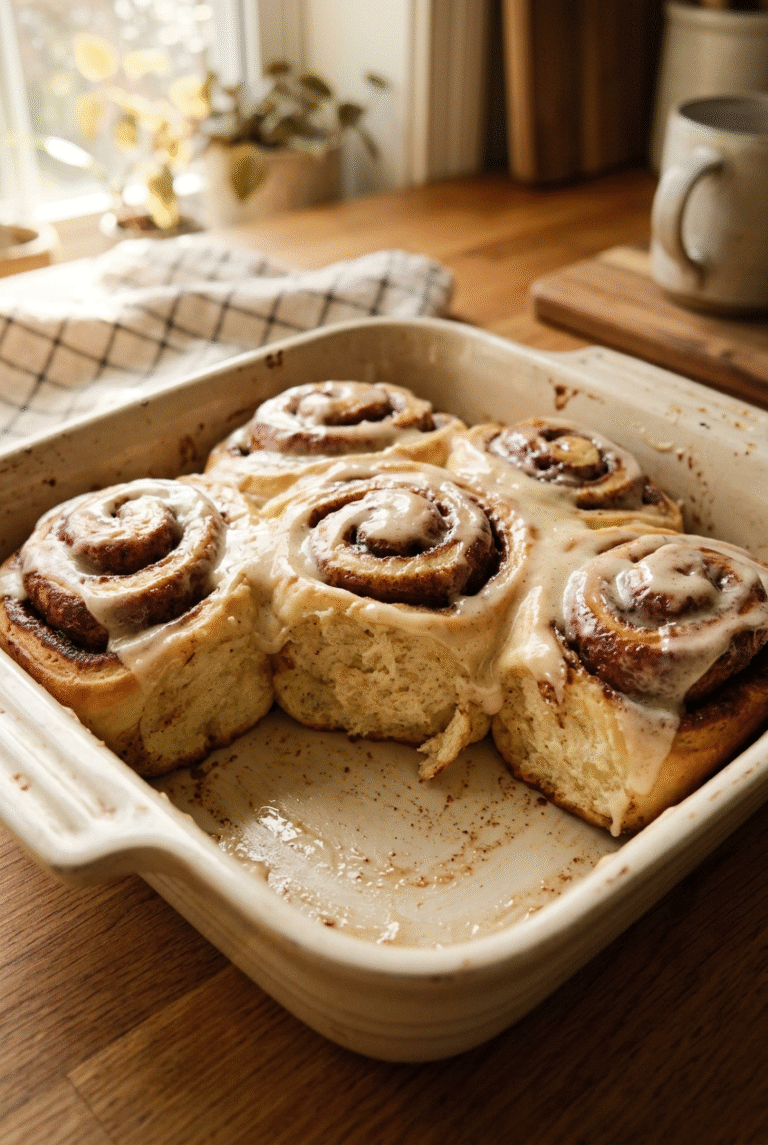
Arrange the cut rolls cut-side down in your greased 6 to 7-inch baking dish. The snug fit helps them rise upward and keeps the filling contained. Cover the dish and let the rolls rise for 45-60 minutes, or until they’re puffy and touching each other. Preheat your oven to 375°F. Once the rolls have risen, bake them for 15-22 minutes, until they’re golden brown on top. Rotate the pan halfway through baking for even browning. When done, the tops should be lightly browned and the rolls should feel set when gently touched.Final Step: Make and Apply the Frosting
While the rolls bake, prepare the frosting. In a mixing bowl, beat the softened cream cheese and softened butter together until smooth and creamy. Add the powdered sugar, vanilla extract, and pinch of salt, continuing to beat until the frosting is light and fluffy with no lumps. Let the baked rolls cool in the pan for about 5 minutes you want them warm, not piping hot, when you frost them. This allows the frosting to melt slightly into the swirls while still maintaining some structure. Spread the cream cheese frosting generously over the warm rolls and serve immediately for the ultimate comfort food experience.
Dietary Substitutions to Customize Your Small Batch Cinnamon Rolls
One of the beautiful aspects of this small batch cinnamon rolls recipe is its adaptability. Whether you have dietary restrictions or simply want to experiment with different flavors, these substitutions will help you create rolls that perfectly suit your needs and preferences.Protein and Main Component Alternatives
The protein in this recipe comes primarily from the egg yolk, which contributes richness and structure to the dough. For those with egg allergies or dietary preferences, you have several options:- Egg replacement: Use 1 tablespoon of aquafaba (the liquid from a can of chickpeas) or a commercial egg replacer mixed according to package directions. These alternatives provide the binding properties of egg yolk without using animal products.
- Dairy-free butter: Substitute the salted butter with a high-quality plant-based butter stick or stick margarine. Avoid tub spreads as they often contain too much water, which can affect the dough’s consistency and the rolls’ texture.
- Non-dairy milk: Any percentage of dairy milk works in this recipe, but for a completely dairy-free version, use oat milk, soy milk, or almond milk. Avoid rice milk as it’s typically too thin and may not provide enough structure.
- Vegan cream cheese: For the frosting, many high-quality vegan cream cheese brands work beautifully. Look for varieties specifically designed for baking or frosting, as some spreadable versions may become too soft when beaten.
Vegetable, Sauce, and Seasoning Modifications
While traditional cinnamon rolls focus on the classic cinnamon-sugar combination, there are numerous ways to customize the filling and seasoning to create unique variations:- Spice variations: Add a pinch of nutmeg, cardamom, or ginger to the cinnamon-brown sugar filling for a warming, complex flavor profile. A tiny dash of cayenne pepper creates an unexpected but delightful contrast to the sweetness.
- Fruit additions: Incorporate finely diced apples, raisins, or dried cranberries into the filling for added texture and natural sweetness. Rehydrate dried fruit in warm water for 10 minutes and pat dry before adding to prevent excess moisture.
- Nut enhancements: Sprinkle chopped pecans, walnuts, or toasted almond slices over the cinnamon sugar before rolling. The nuts add a delightful crunch and complement the soft, fluffy dough perfectly.
- Citrus zest: Add lemon or orange zest to either the dough or the frosting for a bright, fresh note that cuts through the richness. Lemon zest in the frosting pairs exceptionally well with the warm cinnamon flavor.
- Sweetener alternatives: While brown sugar creates the classic gooey texture, you can substitute coconut sugar for a lower glycemic index option or maple sugar for a deeper, more complex sweetness. Note that these alternatives may slightly alter the texture of the filling.
Mastering Small Batch Cinnamon Rolls: Advanced Tips and Variations
Once you’ve mastered the basic small batch cinnamon rolls recipe, you might want to experiment with techniques that take your baking to the next level. These professional tips and creative variations will help you achieve bakery-quality results right in your home kitchen.Pro Cooking Techniques
- Temperature control: Use an instant-read thermometer to check your milk temperature when proofing yeast. This simple tool eliminates guesswork and ensures your yeast activates properly every time. For the overnight method, let your shaped rolls come to room temperature before the final rise to prevent shock to the yeast.
- The water bath method: To speed up the morning rise, place your baking dish in a turned-off oven with a pan of boiling water on the rack below. The steam and warmth create the perfect proofing environment, reducing rise time to just 30-45 minutes. This technique is especially helpful on cold mornings.
- Proper rolling technique: When rolling out your dough, use even pressure and lift and turn the dough frequently to prevent sticking. Roll from the center outward rather than from one edge to the other for more consistent thickness. A rectangle with slightly tapered edges will roll more evenly than one with sharp corners.
- Sharp cutting tools: For the cleanest cuts that don’t compress the spirals, use unflavored dental floss or a very sharp serrated knife. If using a knife, gently saw back and forth rather than pressing down. Mark your cutting points gently with a ruler before slicing for perfectly even rolls.
Flavor Variations
- Maple pecan: Replace the brown sugar filling with maple sugar and add chopped pecans. Top the rolls with a maple glaze instead of cream cheese frosting for a breakfast that tastes like a cozy autumn morning.
- Chocolate orange: Mix cocoa powder into the brown sugar filling and add orange zest to the frosting. The combination of rich chocolate and bright citrus creates a sophisticated twist on the traditional flavor profile.
- Savory herb: For a departure from sweet, create a savory version by omitting the sugar from the filling and instead using herbs, garlic powder, and parmesan cheese. Top with a cream cheese frosting seasoned with herbs for a unique brunch bread.
Presentation Tips
- Garnish suggestions: After frosting, sprinkle your small batch cinnamon rolls with a light dusting of cinnamon, chopped nuts, or even edible flowers for an elegant touch. A drizzle of melted white chocolate or caramel sauce adds visual appeal and extra indulgence.
- Plating ideas: Serve each roll in its own small bowl with a pat of butter melting on top. Pair with fresh berries on the side to cut through the richness and add color contrast. A small sprig of mint makes a professional-looking garnish.
- Photography tricks: To capture that perfect Instagram shot, photograph the rolls while the frosting is still slightly melted so it drips enticingly down the sides. Natural light from a window provides the most flattering illumination for food photography.
Make-Ahead Options
- Overnight method: Prepare the rolls through the shaping step, place them in your baking dish, cover tightly with plastic wrap, and refrigerate overnight. In the morning, remove from the refrigerator and let rise in a warm place for 1-2 hours before baking. This method is perfect for special occasions or weekend mornings when you want fresh rolls without the early morning effort.
- Freezing dough: After cutting the rolls, flash freeze them individually on a baking sheet for 1 hour, then transfer to a freezer bag. When ready to bake, place frozen rolls in your baking dish and let thaw and rise together, which will take 2-3 hours. This option allows you to have fresh-baked rolls ready at a moment’s notice.
How to Store Small Batch Cinnamon Rolls: Best Practices
One of the advantages of small batch cinnamon rolls is that you won’t have to worry about storing dozens of leftovers. However, proper storage ensures your rolls maintain their delicious taste and texture as long as possible.Refrigeration
If you plan to eat your cinnamon rolls within a few days, refrigeration is your best option. Place completely cooled rolls in an airtight container or zip-top bag, separating layers with parchment paper to prevent sticking. Properly stored, they will maintain good quality for up to 4 days. Note that the frosting may become firmer when chilled, so allow the rolls to come to room temperature for about 20 minutes before serving, or warm them briefly in the microwave.Freezing
For longer storage, freezing your small batch cinnamon rolls is an excellent option. The best approach is to freeze the rolls unfrosted. Wrap each roll individually in plastic wrap, then place them in a freezer bag, removing as much air as possible before sealing. Frozen this way, they will maintain their quality for up to 2 months. When ready to enjoy, thaw overnight in the refrigerator, then warm in a 350°F oven for 10-15 minutes before frosting.Pro tip: If you want to freeze frosted rolls, first freeze the frosting separately on a sheet of parchment paper until solid, then wrap individual portions of frosting and store alongside the unfrosted rolls. Thaw both together and spread the frosting while the rolls are still warm.
Reheating
To restore freshly-baked qualities to refrigerated or thawed cinnamon rolls, reheating is essential. The microwave method is quickest wrap a roll in a damp paper towel and heat for 15-20 seconds. For a crispier exterior and fluffier interior, place rolls in a 350°F oven for 8-10 minutes. If reheating frozen rolls, add 2-3 minutes to the oven time. For air fryer owners, reheating at 300°F for 3-5 minutes creates a wonderfully crisp exterior while keeping the interior soft.Meal Prep Considerations
Small batch cinnamon rolls lend themselves beautifully to meal prep. Consider making the dough on Sunday, refrigerating the shaped rolls overnight, and baking them fresh throughout the week. Alternatively, bake all four rolls at once, then refrigerate or freeze the extras to have ready-to-eat breakfasts for busy weekdays. To maintain optimal texture when meal prepping, store frosting separately and apply it just before eating. This prevents the rolls from becoming soggy and allows you to enjoy that freshly-frosted experience each time.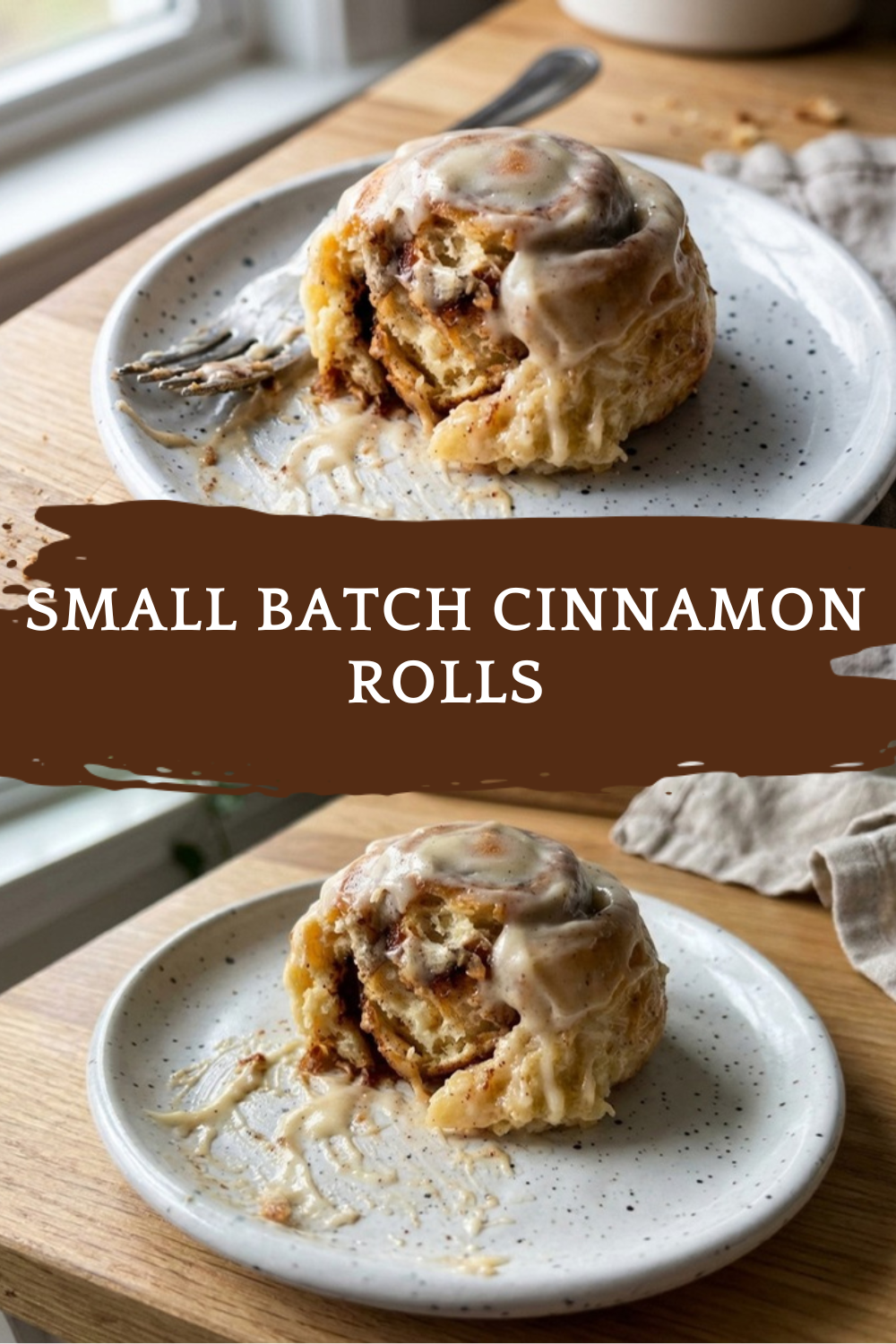
FAQs: Frequently Asked Questions About Small Batch Cinnamon Rolls
What if my yeast doesn’t foam when making small batch cinnamon rolls?
If your yeast doesn’t foam after 5-10 minutes in warm milk, check the temperature first—milk hotter than 115°F kills yeast, while cooler than 105°F slows activation. Use a thermometer for accuracy, or test by dipping your finger; it should feel like lukewarm bathwater, not hot. Fresh yeast should bubble and smell yeasty. If temperature is right but no foam appears, replace the yeast—it may be expired. Discard the mixture, start fresh with new yeast, and proof again. This step ensures fluffy rolls; skipping it leads to dense dough. Always date-check yeast packets and store in the fridge or freezer for longevity. (78 words)
What can I use instead of a 6-inch pan for small batch cinnamon rolls?
A 6-inch pan keeps rolls snug, trapping moisture and containing cinnamon filling to avoid spills. Swap with a 6-inch round or square cake pan, 7×5-inch rectangular dish, or any oven-safe pan with 28-40 square inches. Avoid larger pans like 8-inch, as rolls spread too much and dry out. Line with parchment or grease well. For two rolls, halve and use ramekins, adjusting bake time by 2-3 minutes. Test doneness with a toothpick—center should be soft but not doughy. Bake at 350°F for 20-25 minutes. This flexibility works for small batches without altering flavor. (92 words)
Can I double the small batch cinnamon rolls recipe?
Yes, double ingredients without changes to mixing or rising. Use a 9-inch round cake pan for eight rolls, placing them close together. Increase bake time by 3-5 minutes to 25-30 minutes at 350°F, checking for golden tops and set centers. Dough rises the same; proof until doubled, about 45-60 minutes. Frost while warm. This scales perfectly for four people, yielding breakfast for two days. Halve leftovers or freeze extras unfrosted. No adjustments needed for yeast or filling ratios, keeping texture soft and gooey. (85 words)
How do I freeze small batch cinnamon rolls?
Freeze unfrosted rolls for best results—wrap each individually in plastic wrap, then place in a freezer bag for up to 2 months. For frosting, spread cream cheese icing on parchment, freeze solid (1 hour), then wrap portions. Thaw overnight in fridge or microwave a frozen roll 30 seconds, add frosting disk, and heat another 30 seconds. Spread as it melts for fresh-baked taste. Avoid refreezing thawed rolls. Label bags with dates. This method preserves moisture and flavor, perfect for small batches to enjoy anytime without waste. (89 words)
How long do small batch cinnamon rolls stay fresh, and how should I store them?
Fresh-baked small batch cinnamon rolls last 2 days at room temperature in an airtight container, staying soft if covered tightly. Refrigerate up to 4 days in a zip-top bag to prevent drying—rewarm in microwave 15-20 seconds per roll. For best texture, avoid room temp beyond day one in humid climates. Frosted rolls firm up faster, so store frosting separately if possible. They freeze best unfrosted for 2 months. Pro tip: add a slice of bread to the container to maintain moisture without sogginess. Always cool completely before storing. (92 words)
Small Batch Cinnamon Rolls
🥐 Perfect for small households, these easy small batch cinnamon rolls deliver soft, gooey perfection without leftovers or waste.
😍 Savor the irresistible aroma and classic cinnamon flavor with creamy frosting – homemade joy in just a few rolls!
- Total Time: About 2 hours 30 minutes
- Yield: 4 rolls
Ingredients
– ⅓ cup milk (any percentage)
– 1 teaspoon active dry yeast
– 1 tablespoon granulated sugar plus a pinch for proofing yeast
– 2 tablespoons salted butter (melted and slightly cooled)
– 1 large egg yolk
– ¼ teaspoon salt
– 1 cup and 1 tablespoon all-purpose flour
– ⅓ cup packed brown sugar
– 1 teaspoon cinnamon
– 2 tablespoons salted butter (softened)
– 3 ounces cream cheese (softened)
– 3 tablespoons salted butter (softened)
– 1 cup powdered sugar
– ½ teaspoon vanilla extract
– pinch of salt
Instructions
1-First Step: Proof the Yeast Begin by heating your milk to between 105-115°F. This temperature range is crucial it’s warm enough to activate the yeast but not so hot that it kills the beneficial organisms. If you don’t have a thermometer, test the milk by dripping a bit on your wrist; it should feel comfortably warm, like bathwater, not hot. Once your milk reaches the perfect temperature, pour it into a small bowl and stir in the yeast along with a pinch of sugar. The sugar feeds the yeast, helping it activate. Let this mixture rest for 10-15 minutes until it becomes foamy on top. This foaming action tells you the yeast is alive and ready to work its magic in your dough.
2-Second Step: Prepare the Dough In a mixing bowl, combine your activated milk-yeast mixture with the melted butter (make sure it’s only slightly cooled, not hot), the remaining tablespoon of sugar, the egg yolk, and the salt. Whisk these ingredients together until well combined. Now, add the flour all at once. Stir until a sticky dough forms. Don’t worry if it looks messy that’s exactly what we want! Turn this sticky dough out onto a lightly floured surface and knead it for about 10-15 folds. You don’t need to knead it extensively like bread dough; just work it until it becomes smooth and elastic. This gentle kneading develops enough gluten for structure without making the rolls tough.
3-Third Step: First Rise Transfer your smooth dough to a greased bowl, turning it once to coat all sides with oil. This prevents a crust from forming as it rises. Cover the bowl with plastic wrap or a clean kitchen towel and place it in a warm, draft-free spot. Let the dough rise for 1 to 1.5 hours, or until it has doubled in size. This is when the yeast ferments, creating carbon dioxide bubbles that will make your rolls light and fluffy. If your kitchen is cool, you can place the bowl near a preheating oven (not inside it) or in a slightly warmed oven that has been turned off.
4-Fourth Step: Form the Rolls While the dough rises, prepare your filling by blending the brown sugar and cinnamon in a small bowl until well combined. Once the dough has risen, punch it down gently to release excess air. On a lightly floured surface, roll the dough into a 5×15-inch rectangle. This precise shape ensures even rolling and consistent rolls. Spread the softened butter evenly over the dough, leaving a small border around the edges. Sprinkle the brown sugar-cinnamon mixture over the butter, pressing it gently to adhere. Starting from one of the short ends, roll the dough tightly into a log. Use a serrated knife or unflavored dental floss to cut the log into 4 equal pieces. The floss method works wonderfully simply slide a piece of floss under the log, cross the ends over the top, and pull tight to make a clean cut without squishing the dough.
5-Fifth Step: Second Rise and Bake Arrange the cut rolls cut-side down in your greased 6 to 7-inch baking dish. The snug fit helps them rise upward and keeps the filling contained. Cover the dish and let the rolls rise for 45-60 minutes, or until they’re puffy and touching each other. Preheat your oven to 375°F. Once the rolls have risen, bake them for 15-22 minutes, until they’re golden brown on top. Rotate the pan halfway through baking for even browning. When done, the tops should be lightly browned and the rolls should feel set when gently touched.
6-Final Step: Make and Apply the Frosting While the rolls bake, prepare the frosting. In a mixing bowl, beat the softened cream cheese and softened butter together until smooth and creamy. Add the powdered sugar, vanilla extract, and pinch of salt, continuing to beat until the frosting is light and fluffy with no lumps. Let the baked rolls cool in the pan for about 5 minutes you want them warm, not piping hot, when you frost them. This allows the frosting to melt slightly into the swirls while still maintaining some structure. Spread the cream cheese frosting generously over the warm rolls and serve immediately for the ultimate comfort food experience.
Last Step:
Please leave a rating and comment letting us know how you liked this recipe! This helps our business to thrive and continue providing free, high-quality recipes for you.Notes
🔥 Always proof yeast properly; if it doesn’t foam, check temperature and freshness for fluffy rolls.
🥛 Whole milk gives the richest flavor, but any percentage works fine.
🧊 Freeze un-frosted baked rolls individually; thaw and frost as needed for later enjoyment.
- Prep Time: 10 minutes
- Rising Time: 1 hour 45 minutes to 3 hours 30 minutes
- Cook Time: 15-22 minutes
- Category: Breakfast & Brunch
- Method: Baking
- Cuisine: American
- Diet: Vegetarian
Nutrition
- Serving Size: 1 roll
- Calories: 556 kcal
- Sugar: 60g
- Sodium: 350mg
- Fat: 28g
- Saturated Fat: 16g
- Unsaturated Fat: 10g
- Trans Fat: 0g
- Carbohydrates: 75g
- Fiber: 1g
- Protein: 6g
- Cholesterol: 90mg