

Why You’ll Love This Eggplant Lasagna
If you’re looking for a healthier twist on traditional lasagna, this eggplant lasagna recipe delivers on all fronts. It’s the perfect comfort food without the heavy carb load, making it an ideal choice for health-conscious home cooks who still want to enjoy delicious Italian flavors.
Health Benefits Beyond Compare
- Nutritional Powerhouse: This easy eggplant lasagna recipe offers a wealth of health benefits. Eggplants are rich in fiber, vitamins, and antioxidants while being naturally low in calories and carbohydrates. By replacing traditional pasta noodles with eggplant slices, you significantly reduce the carb count while increasing vegetable intake, making this a perfect option for those watching their weight or blood sugar levels.
- Heart-Healthy Ingredients: With olive oil as the primary fat source and nutrient-dense cheeses providing protein and calcium, this low carb eggplant lasagna supports heart health while satisfying your comfort food cravings.
Simplicity Meets Sophistication
- Easy Preparation: Unlike traditional lasagna that requires boiling noodles and complicated layering, this version simplifies the process. The eggplant slices roast beautifully in the oven, creating tender “noodles” without the fuss. Even beginner cooks can master this recipe with ease.
- Time-Saving Techniques: The preparation involves straightforward steps that don’t require advanced culinary skills. With about 30 minutes of active prep time, you can have this dish assembled and in the oven in no time.
Versatility for Every Table
- Diet-Friendly Options: This eggplant lasagna naturally accommodates multiple dietary needs. It’s gluten-free, vegetarian, and low-carb, making it suitable for guests with various dietary restrictions without sacrificing flavor or texture.
- Adaptable Recipe: The basic framework is incredibly versatile. You can easily modify it to include additional vegetables, different cheese combinations, or even add meat if you prefer a non-vegetarian version. This flexibility makes it a go-to recipe for any occasion.
Distinctive Flavor Profile
- Rich and Satisfying: The combination of roasted eggplant, creamy ricotta filling, and tangy marinara creates a depth of flavor that rivals any traditional lasagna. The addition of lemon zest to the cheese filling adds a bright note that elevates the entire dish.
- Perfect Texture Balance: Roasting the eggplant gives it a slightly firmer texture than boiling, which prevents the lasagna from becoming mushy. The crispy cheese topping contrasts beautifully with the tender layers underneath.
Jump to:
- Why You’ll Love This Eggplant Lasagna
- Health Benefits Beyond Compare
- Simplicity Meets Sophistication
- Versatility for Every Table
- Distinctive Flavor Profile
- Essential Ingredients for Eggplant Lasagna
- Main Components
- Cheese Filling
- Special Dietary Considerations
- Vegan Adaptations
- Gluten-Free Options
- Lower-Calorie Modifications
- How to Prepare the Perfect Eggplant Lasagna: Step-by-Step Guide
- Step 1: Preparing the Eggplant
- Step 2: Roasting the Eggplant
- Step 3: Preparing the Cheese Filling
- Step 4: Assembling the Lasagna
- Step 5: Baking to Perfection
- Dietary Substitutions to Customize Your Eggplant Lasagna
- Protein and Main Component Alternatives
- Vegetable, Sauce, and Seasoning Modifications
- Mastering Eggplant Lasagna: Advanced Tips and Variations
- Pro Cooking Techniques
- Flavor Variations
- Presentation Tips
- Make-Ahead Options
- How to Store Eggplant Lasagna: Best Practices
- Refrigeration Guidelines
- Freezing Methods
- Reheating Best Practices
- Meal Prep Considerations
- FAQs: Frequently Asked Questions About Eggplant Lasagna
- What ingredients do I need for eggplant lasagna?
- How do you prepare eggplant slices for lasagna?
- How do you assemble eggplant lasagna?
- How long and at what temperature do you bake eggplant lasagna?
- Can you freeze eggplant lasagna and how?
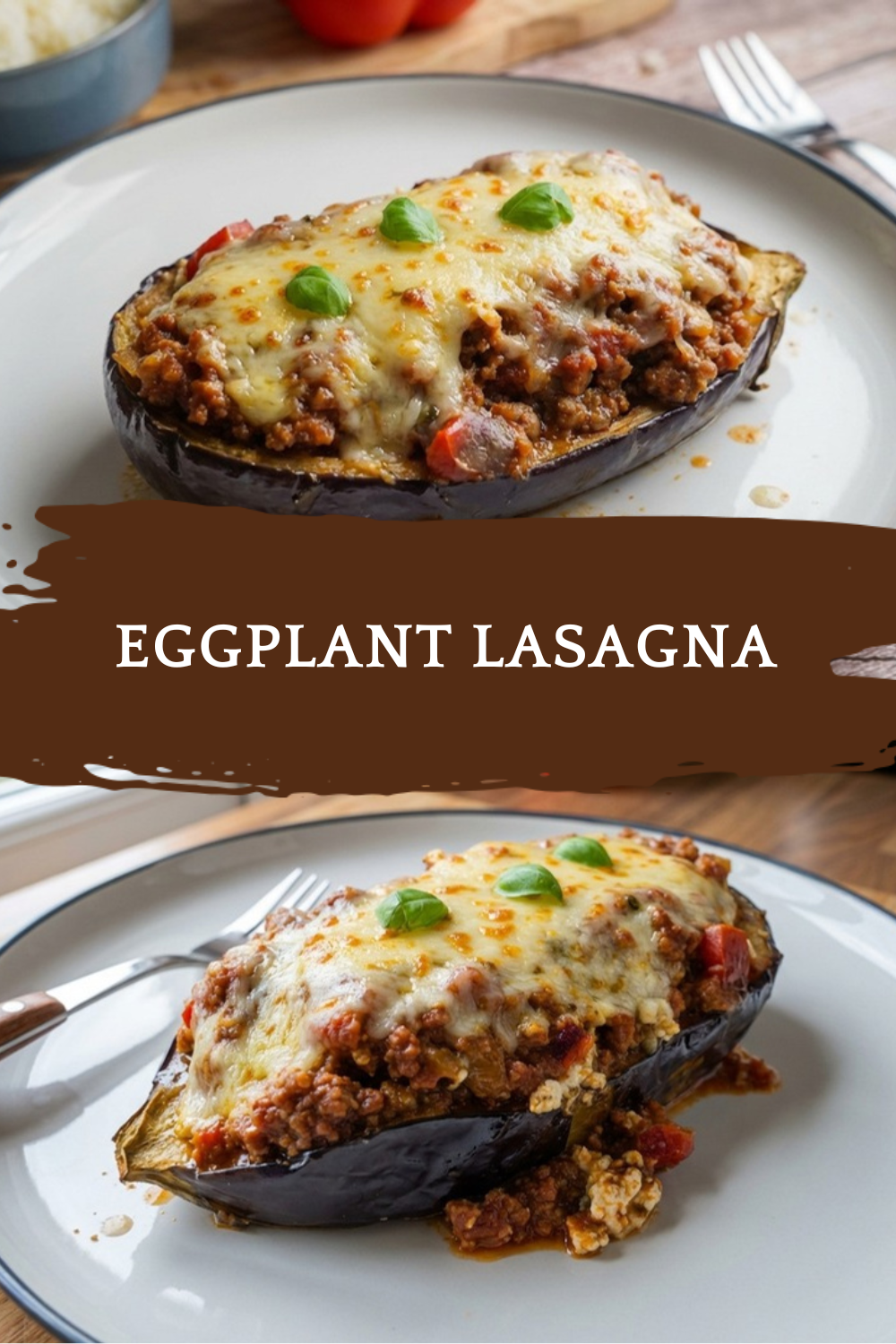
- Eggplant Lasagna
- Ingredients
- Instructions
- Last Step:
- Notes
- Nutrition
- Did you make this recipe?
Essential Ingredients for Eggplant Lasagna
Creating the perfect eggplant lasagna starts with selecting high-quality ingredients. Each component plays a crucial role in building layers of flavor and achieving the ideal texture. Here’s everything you’ll need:
Main Components
- 2 to 3 large Italian eggplants, totaling about 4 pounds, stemmed and sliced vertically into 1/4-inch-thick planks
- Olive oil, for drizzling and tossing
- 1 ½ cups marinara sauce, homemade or store-bought
- 2 cups grated mozzarella cheese
- ¼ cup grated Parmesan cheese, plus extra for sprinkling
- Fresh basil leaves, for garnish
Cheese Filling
- 2 cups whole milk ricotta cheese
- 1 large egg, beaten
- ¼ cup grated Parmesan cheese
- 2 cloves garlic, grated or minced
- 1 teaspoon dried oregano
- 1 teaspoon lemon zest
- ½ teaspoon salt
- Freshly ground black pepper to taste
| Original Ingredient | Vegan Alternative | Gluten-Free Option | Lower-Calorie Choice |
|---|---|---|---|
| Ricotta cheese | Cashew ricotta or tofu ricotta | Full-fat ricotta (naturally GF) | Part-skim ricotta |
| Mozzarella cheese | Vegan mozzarella shreds | Regular mozzarella (naturally GF) | Reduced-fat mozzarella |
| Parmesan cheese | Nutritional yeast or vegan Parmesan | Aged Parmesan (naturally GF) | Less Parmesan, more herbs |
| Egg | Flax egg or commercial egg replacer | Regular egg (naturally GF) | Egg white only |
Tip: When shopping for eggplant, look for ones that feel heavy for their size with smooth, shiny skin and no bruises or soft spots. Italian eggplants tend to have fewer seeds and a more delicate flavor than the larger globe variety.
Special Dietary Considerations
Vegan Adaptations
For a completely plant-based version, replace the ricotta with a cashew-based alternative or silken tofu seasoned with nutritional yeast, garlic, and herbs. Use vegan mozzarella and Parmesan substitutes for the same melty, cheesy experience without any animal products.
Gluten-Free Options
This eggplant lasagna recipe is naturally gluten-free as it eliminates pasta noodles entirely. However, always double-check your marinara sauce to ensure it doesn’t contain hidden gluten thickeners or flavorings.
Lower-Calorie Modifications
To reduce calories without sacrificing flavor, opt for part-skim cheeses and use slightly less olive oil when roasting the eggplant. Increase the vegetable content by adding layers of spinach or zucchini between the eggplant slices.
How to Prepare the Perfect Eggplant Lasagna: Step-by-Step Guide
Now that you have all your ingredients ready, let’s walk through the process of creating this delicious eggplant lasagna. Follow these steps carefully for the best results:
Step 1: Preparing the Eggplant
Preheat your oven to 425°F and line three large baking sheets with parchment paper. This step is crucial as the high heat helps achieve perfectly roasted eggplant with a tender texture.
Slice your eggplants into 1/4-inch-thick planks, working vertically from top to bottom. Consistent thickness ensures even cooking, so take your time with this step. Arrange the slices in a single layer on clean kitchen towels and sprinkle them with salt. Let them sit for 20 minutes to draw out moisture, which prevents the lasagna from becoming soggy.
Professional Tip: Salting the eggplant not only removes excess moisture but also helps reduce any potential bitterness in the vegetable. This step is worth the extra time for the best flavor results.
Step 2: Roasting the Eggplant
After 20 minutes, pat the eggplant slices dry thoroughly with paper towels. Any remaining moisture will affect the final texture of your lasagna, so be diligent in this step.
Transfer the dried eggplant slices to your prepared baking sheets. Drizzle generously with olive oil and toss to coat evenly. Arrange the slices in a single layer without overcrowding the pans. This allows them to roast rather than steam.
Roast for 20 to 25 minutes, flipping the slices halfway through and rotating the pans between oven racks to ensure even cooking. The eggplant should be tender and golden brown when done. This roasting process develops a rich flavor that forms the foundation of your lasagna.
Step 3: Preparing the Cheese Filling
While the eggplant roasts, prepare the cheese filling. In a large bowl, combine the ricotta cheese, beaten egg, Parmesan cheese, minced garlic, dried oregano, lemon zest, salt, and pepper. Mix thoroughly until all ingredients are well incorporated.
The lemon zest adds a bright, fresh note that cuts through the richness of the cheese and complements the eggplant beautifully. Taste the filling and adjust the seasoning if needed before setting it aside.
Step 4: Assembling the Lasagna
Once your eggplant is roasted and filling is prepared, it’s time to assemble the lasagna. Brush a 9×13-inch baking dish with olive oil to prevent sticking.
Spread ½ cup of marinara sauce evenly across the bottom of the dish. Arrange a layer of roasted eggplant slices over the sauce, slightly overlapping them to create a solid base. Spread half of the cheese filling evenly over the eggplant, then dot with another ½ cup of marinara sauce.
Add another layer of eggplant slices, followed by the remaining cheese filling, and dot with the remaining marinara sauce. Finally, place a third layer of eggplant slices on top. Sprinkle the grated mozzarella and Parmesan cheeses evenly over the surface.
Step 5: Baking to Perfection
Bake the assembled lasagna for about 30 minutes at 425°F, or until the cheese is browned and bubbling. If you notice the cheese browning too quickly, you can tent the dish with foil for the last 10 minutes of baking.
Once baked, remove from the oven and let it stand for 30 minutes before slicing. This resting period is crucial as it allows the lasagna to set, making it easier to cut into clean portions. Garnish with fresh basil leaves and red pepper flakes if desired before serving.
Time-Saver Tip: You can roast the eggplant slices up to two days ahead and store them refrigerated in an airtight container. This makes assembling the lasagna much quicker on busy days.
| Task | Time Required |
|---|---|
| Preparation (slicing, salting, mixing) | 30 minutes |
| Roasting eggplant | 20-25 minutes |
| Assembling lasagna | 10-15 minutes |
| Baking | 30 minutes |
| Resting before serving | 30 minutes |
| Total Time | Approximately 2 hours |

Dietary Substitutions to Customize Your Eggplant Lasagna
One of the best things about this eggplant lasagna recipe is its adaptability. Whether you have dietary restrictions or simply want to experiment with different flavors, these substitutions will help you create a version that’s perfect for your needs.
Protein and Main Component Alternatives
While this recipe is vegetarian by default, there are several ways to add or modify protein content based on your preferences. For those who eat meat, adding sautéed spicy pork or Italian sausage to the marinara sauce creates a hearty meat-lover’s version. Simply brown the meat before adding it to your sauce, then proceed with the recipe as directed.
Vegetarians looking to boost protein can incorporate chopped spinach or kale into the cheese filling. Not only does this add nutrients, but it also creates beautiful color contrast between layers. Another option is to replace some of the ricotta with cottage cheese for a slightly different texture and higher protein content.
For a completely plant-based protein option, consider adding layers of thinly sliced tofu or tempeh that have been seasoned and lightly pan-fried before assembly. These alternatives absorb the flavors of the sauce and cheese filling beautifully while providing substantial protein.
Vegetable, Sauce, and Seasoning Modifications
The sauce offers another opportunity for customization. While traditional marinara works perfectly, you can experiment with different tomato-based sauces like arrabbiata for a spicy kick or puttanesca for added depth with capers and olives. For a lighter option, consider a simple fresh tomato sauce made with cherry tomatoes, garlic, and fresh herbs.
Additional vegetables can be incorporated between eggplant layers. Thinly sliced zucchini, roasted red peppers, or sautéed mushrooms all complement the eggplant well. Just be sure to cook any moisture-rich vegetables beforehand to prevent the lasagna from becoming watery.
The seasoning profile can also be adjusted to suit your taste. If you enjoy more herbal flavors, add fresh basil, oregano, or thyme between layers. For those who prefer a bit of heat, incorporate red pepper flakes into the sauce or sprinkle them between layers. A touch of nutmeg in the cheese filling adds warmth and depth reminiscent of traditional Italian cooking.
If you’re feeling adventurous, try incorporating elements from our flourless chocolate brownie cookies by serving a small square as an unexpected dessert companion the rich chocolate flavor complements the savory lasagna surprisingly well.
Mastering Eggplant Lasagna: Advanced Tips and Variations
Once you’ve mastered the basic recipe, these advanced techniques and creative variations will help you elevate your eggplant lasagna to new heights. Whether you’re preparing it for a special occasion or simply want to impress your family, these tips will ensure perfect results every time.
Pro Cooking Techniques
For the most consistent slices, invest in a mandoline slicer. This tool allows you to achieve perfectly uniform 1/4-inch thickness, which ensures even cooking and professional-looking results. If using a knife, take your time and focus on consistency over speed.
The salting process for the eggplant is not optional it’s essential for the best texture. After salting, don’t just pat the eggplant dry; gently press between towels to remove as much moisture as possible. This extra attention prevents your lasagna from becoming watery.
When assembling, spread the cheese filling all the way to the edges of each layer. This technique ensures every bite contains all the delicious components, not just the center of the dish. Similarly, spread your marinara sauce generously in and between layers to maintain moisture balance throughout the lasagna.
Flavor Variations
For a Mediterranean twist, add crumbled feta cheese and kalamata olives between layers. The salty, tangy elements pair beautifully with the mild eggplant and rich ricotta. Alternatively, incorporate sun-dried tomatoes and pesto for an Italian-inspired variation that bursts with flavor.
If you enjoy a bit of heat, create a spicy version by adding crushed red pepper flakes to the sauce and incorporating diced jalapeños into the cheese filling. The heat cuts through the richness and creates an exciting flavor profile that will awaken your taste buds.
For a more subtle flavor enhancement, try infusing your olive oil with garlic or herbs before drizzling it over the eggplant for roasting. This technique distributes flavor throughout the eggplant itself, not just in the layers between.
Presentation Tips
For restaurant-worthy presentation, let the lasagna rest for the full 30 minutes before cutting. Use a sharp knife to create clean portions, and wipe the knife between cuts for the neatest appearance. Garnish each serving with fresh basil leaves and a light dusting of Parmesan for professional plating.
Consider serving individual portions in ramekins for a more elegant presentation, especially for dinner parties. Simply layer the ingredients in individual dishes and adjust the baking time accordingly. This approach eliminates the need for cutting and creates an impressive presentation.
Make-Ahead Options
This eggplant lasagna is perfect for meal prep and entertaining. You can roast the eggplant slices up to two days ahead and store them refrigerated in an airtight container. The cheese filling can also be prepared a day in advance, making assembly quick and easy.
For complete make-ahead convenience, assemble the entire lasaga up to 24 hours before baking. Cover tightly and refrigerate, then add about 10 minutes to the baking time since it will be cold when it goes into the oven. This makes it an excellent choice for dinner parties or busy weeknight meals.
To freeze, assemble the lasagna in a freezer-safe dish, wrap tightly with plastic and foil, and freeze for up to 3 months. Thaw overnight in the refrigerator before baking as directed. This makes it easy to have a homemade meal ready even on your busiest days.
How to Store Eggplant Lasagna: Best Practices
Proper storage ensures your eggplant lasagna remains delicious and safe to eat for as long as possible. Whether you’re storing leftovers or preparing meals in advance, these guidelines will help maintain quality and freshness.
Refrigeration Guidelines
Once cooled, leftover eggplant lasagna should be stored in an airtight container in the refrigerator within two hours of cooking. Properly stored, it will maintain its quality for 3-4 days. For best results, allow the lasagna to cool completely before covering to prevent condensation, which can make the dish soggy.
If storing individual portions, wrap each slice tightly in plastic wrap or place in separate containers. This makes reheating easier and prevents the portions from drying out. When ready to eat, remove only what you need to minimize reheating cycles that can affect quality.
Freezing Methods
Eggplant lasagna freezes exceptionally well, making it an excellent option for batch cooking. To freeze before baking, assemble the lasagna in a freezer-safe dish but don’t add the final cheese topping. Wrap tightly with plastic wrap followed by aluminum foil, and freeze for up to 3 months.
For freezing baked lasagna, cool completely first, then wrap tightly following the same method. Alternatively, cut the cooled lasagna into individual portions, wrap each separately, and freeze. This approach allows you to thaw and reheat only what you need, reducing waste.
Label your frozen lasagna with the date and reheating instructions. When ready to eat, thaw overnight in the refrigerator before baking. If baking from frozen, add approximately 20-30 minutes to the cooking time and cover with foil for the first half to prevent burning.
Reheating Best Practices
For the best results, reheat refrigerated eggplant lasagna in the oven at 350°F. Cover with foil to prevent drying out and heat for 15-20 minutes, or until heated through. Remove the foil for the last 5 minutes to crisp the cheese topping if desired.
Microwave reheating works for individual portions but may result in a softer texture. Place a slice on a microwave-safe plate, cover with a damp paper towel, and heat on medium power in 1-minute intervals until hot throughout.
For frozen lasagna, thawing in the refrigerator overnight is recommended before reheating using the oven method. This ensures even heating and maintains the texture of the eggplant and cheese layers.
Meal Prep Considerations
Eggplant lasagna is ideal for weekly meal prep. Consider making it on Sunday and portioning it for weekday lunches or dinners. The flavors often improve after a day or two as the ingredients meld together.
For added convenience, prepare all components ahead of time roast the eggplant, make the sauce and cheese filling then assemble and bake when ready to eat. This approach gives you fresh-baked lasagna with minimal effort on busy days.
When planning your meal prep, consider pairing your lasagna with complementary sides that can also be prepared in advance. A simple green salad with vinaigrette or roasted vegetables make excellent accompaniments that complete the meal without requiring additional last-minute preparation.
FAQs: Frequently Asked Questions About Eggplant Lasagna
What ingredients do I need for eggplant lasagna?
For eggplant lasagna serving 8-10, you’ll need 2-3 large Italian eggplants (about 4 pounds total), 4-5 cups marinara sauce (store-bought or homemade), 2 cups ricotta cheese, 1 cup grated Parmesan, 2 minced garlic cloves, 1 tsp dried oregano, zest of 1 lemon, 1 egg, 2 cups shredded mozzarella, plus salt, olive oil, and optional fresh basil or red pepper flakes. Slice eggplants into 1/4-inch planks, salt to draw out moisture, roast until tender. Mix ricotta filling with garlic, oregano, lemon zest, egg, and half the Parmesan. Layer sauce, eggplant, filling, and cheese in a 9×13-inch dish. This gluten-free, low-carb recipe swaps pasta for eggplant, keeping it hearty and veggie-packed at around 300 calories per serving.
How do you prepare eggplant slices for lasagna?
Start with 2-3 large eggplants. Slice lengthwise into 1/4-inch thick planks (about 24 slices). Sprinkle both sides generously with salt and place on layered kitchen towels for 20 minutes to release excess moisture—pat dry thoroughly. Drizzle two baking sheets with olive oil, arrange slices in a single layer, brush tops with more oil. Roast at 425°F for 20-25 minutes, flipping and rotating pans halfway, until golden and tender. This step prevents soggy lasagna. Prep up to 2 days ahead; cool and store in an airtight container in the fridge. Pro tip: Use Italian eggplants for fewer seeds and better texture than globe varieties.
How do you assemble eggplant lasagna?
In a 9×13-inch baking dish, spread 1 cup marinara sauce on the bottom. Add a layer of roasted eggplant slices (overlapping slightly), then half the ricotta filling (ricotta, Parmesan, garlic, oregano, lemon zest, egg), followed by 1 cup sauce. Repeat layers once: eggplant, remaining filling, 1 cup sauce. Top with final eggplant layer, 2 cups mozzarella, remaining Parmesan, and optional red pepper flakes. This builds 3 eggplant layers for structure without noodles. Cover with foil if edges brown too fast. Assemble up to 2 days ahead and refrigerate; add 10 minutes to bake time if cold. Yields a bubbly, melty dish ready in under an hour from assembly.
How long and at what temperature do you bake eggplant lasagna?
Preheat oven to 425°F. Bake the assembled lasagna uncovered for 25-35 minutes, until cheese is browned, bubbling, and edges are crispy—check at 25 minutes to avoid over-browning. If making ahead from fridge, bake 35-40 minutes. Let rest 10-15 minutes post-bake for clean slices; it firms up as it cools. Internal temp should reach 165°F for safety. Pairs perfectly with crusty bread and arugula salad. This high-heat method mimics roasting, crisping eggplant while melting cheese. Common tweak: Tent foil first 15 minutes if top browns fast. Total time from scratch: about 1.5 hours.
Can you freeze eggplant lasagna and how?
Yes, freeze eggplant lasagna for up to 3 months. Best method: Assemble fully (up to cheese topping) in a foil pan, wrap tightly in plastic then foil—label with date. Or bake first, cool completely, portion into single-serve containers, and freeze. Thaw overnight in fridge before baking (add 10-15 minutes if from frozen). Avoid refreezing thawed lasagna. Roasted eggplant holds up well, but cheese may weep slightly post-thaw—still delicious. Stores in fridge 3-4 days post-bake. Nutrition bonus: One serving has 25g protein, 10g net carbs, making it keto-friendly. Reheats at 350°F covered for 20 minutes.
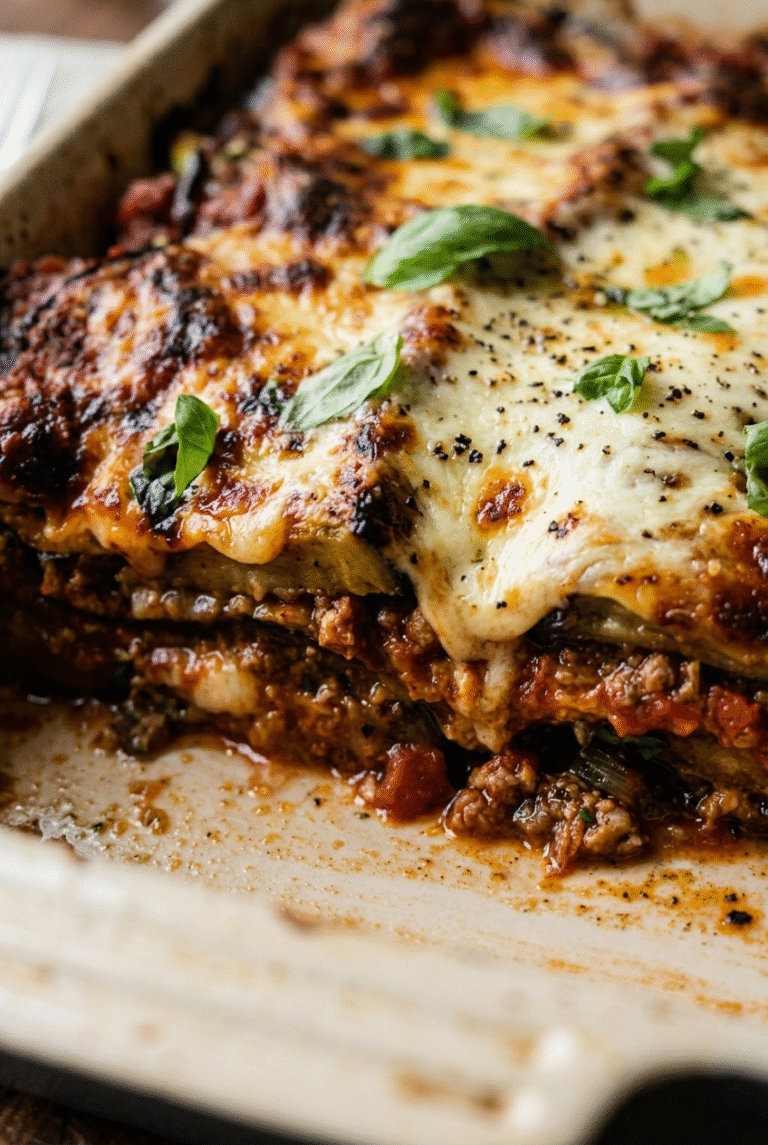
Eggplant Lasagna
🍆 Enjoy a low-carb twist on classic lasagna with tender roasted eggplant slices instead of pasta for guilt-free comfort food!
🧀 Packed with creamy ricotta, melty mozzarella, and rich marinara – easy, veggie-forward delight for keto or gluten-free diets!
- Total Time: 1 hour 30 minutes
- Yield: 8 servings
Ingredients
– 2 to 3 large Italian eggplants, totaling about 4 pounds
– Olive oil for drizzling and tossing
– 1 ½ cups marinara sauce
– 2 cups grated mozzarella cheese
– ¼ cup grated Parmesan cheese, plus extra for sprinkling
– Fresh basil leaves for garnish
– 2 cups whole milk ricotta cheese
– 1 large egg
– ¼ cup grated Parmesan cheese
– 2 cloves garlic
– 1 teaspoon dried oregano
– 1 teaspoon lemon zest
– ½ teaspoon salt
– Freshly ground black pepper to taste
Instructions
1-Step 1: Preparing the Eggplant Preheat your oven to 425°F and line three large baking sheets with parchment paper. This step is crucial as the high heat helps achieve perfectly roasted eggplant with a tender texture. Slice your eggplants into 1/4-inch-thick planks, working vertically from top to bottom. Consistent thickness ensures even cooking, so take your time with this step. Arrange the slices in a single layer on clean kitchen towels and sprinkle them with salt. Let them sit for 20 minutes to draw out moisture, which prevents the lasagna from becoming soggy.
2-Step 2: Roasting the Eggplant After 20 minutes, pat the eggplant slices dry thoroughly with paper towels. Any remaining moisture will affect the final texture of your lasagna, so be diligent in this step. Transfer the dried eggplant slices to your prepared baking sheets. Drizzle generously with olive oil and toss to coat evenly. Arrange the slices in a single layer without overcrowding the pans. This allows them to roast rather than steam. Roast for 20 to 25 minutes, flipping the slices halfway through and rotating the pans between oven racks to ensure even cooking. The eggplant should be tender and golden brown when done. This roasting process develops a rich flavor that forms the foundation of your lasagna.
3-Step 3: Preparing the Cheese Filling While the eggplant roasts, prepare the cheese filling. In a large bowl, combine the ricotta cheese, beaten egg, Parmesan cheese, minced garlic, dried oregano, lemon zest, salt, and pepper. Mix thoroughly until all ingredients are well incorporated. The lemon zest adds a bright, fresh note that cuts through the richness of the cheese and complements the eggplant beautifully. Taste the filling and adjust the seasoning if needed before setting it aside.
4-Step 4: Assembling the Lasagna Once your eggplant is roasted and filling is prepared, it’s time to assemble the lasagna. Brush a 9×13-inch baking dish with olive oil to prevent sticking. Spread ½ cup of marinara sauce evenly across the bottom of the dish. Arrange a layer of roasted eggplant slices over the sauce, slightly overlapping them to create a solid base. Spread half of the cheese filling evenly over the eggplant, then dot with another ½ cup of marinara sauce. Add another layer of eggplant slices, followed by the remaining cheese filling, and dot with the remaining marinara sauce. Finally, place a third layer of eggplant slices on top. Sprinkle the grated mozzarella and Parmesan cheeses evenly over the surface.
5-Step 5: Baking to Perfection Bake the assembled lasagna for about 30 minutes at 425°F, or until the cheese is browned and bubbling. If you notice the cheese browning too quickly, you can tent the dish with foil for the last 10 minutes of baking. Once baked, remove from the oven and let it stand for 30 minutes before slicing. This resting period is crucial as it allows the lasagna to set, making it easier to cut into clean portions. Garnish with fresh basil leaves and red pepper flakes if desired before serving.
Last Step:
Please leave a rating and comment letting us know how you liked this recipe! This helps our business to thrive and continue providing free, high-quality recipes for you.Notes
💧 Salt eggplant slices and let sit to remove excess moisture, preventing a soggy lasagna.
🔥 Roast the eggplant slices instead of frying for tender texture with less oil.
⏳ Allow the baked lasagna to rest for 30 minutes for clean, neat slices.
- Prep Time: 30 minutes
- Salting & Rest Time: 50 minutes
- Cook Time: 50 minutes
- Category: Main Dish
- Method: Baked
- Cuisine: Italian
- Diet: Vegetarian, Low Carb, Gluten-Free
Nutrition
- Serving Size: 1/8 of lasagna
- Calories: 400 kcal
- Sugar: 8g
- Sodium: 650mg
- Fat: 28g
- Saturated Fat: 12g
- Unsaturated Fat: 14g
- Trans Fat: 0g
- Carbohydrates: 15g
- Fiber: 5g
- Protein: 20g
- Cholesterol: 70mg