
Why You’ll Love This Cinnamon Monkey Bread
If you’ve never tried making your own Cinnamon Monkey Bread at home, you’re in for a real treat. This pull-apart pastry brings warmth and sweetness to any breakfast table or dessert spread, and it’s surprisingly simple to make even for baking beginners. Here’s why this recipe deserves a spot in your regular baking rotation:
- Ease of preparation: This recipe uses straightforward techniques and common ingredients. The dough comes together quickly with basic mixing and kneading, and the assembly process is fun and approachable. Even if you’re new to working with yeast dough, the clear steps will guide you to success. Plus, the hands-on time is minimal while the yeast does most of the work during rising periods.
- Health benefits: While definitely a sweet treat, making Cinnamon Monkey Bread at home allows you to control the quality of ingredients. Cinnamon contains antioxidants and may help regulate blood sugar levels, and using whole milk provides calcium and protein. This homemade version also avoids preservatives and artificial ingredients found in store-bought alternatives, making it a better option for your family.
- Versatility: This recipe adapts beautifully to different dietary preferences and occasions. You can customize the fillings and toppings, make it ahead of time for busy mornings, or modify ingredients to accommodate various dietary restrictions. It works equally well for holiday brunches, afternoon snacks, or dessert after dinner.
- Distinctive flavor: What sets this Cinnamon Monkey Bread apart is the perfect balance of warm cinnamon, rich butter, and sweet sugars that create those irresistible gooey layers. The homemade dough yields a tender, light texture that store-bought versions simply can’t match. Each bite offers a satisfying combination of soft dough and crispy, cinnamon-sugar coating that will have everyone reaching for another piece.
Jump to:
- Why You’ll Love This Cinnamon Monkey Bread
- Essential Ingredients for Cinnamon Monkey Bread
- Ingredients List
- Dough:
- Coating:
- Vanilla Icing:
- Special Dietary Options
- Vegan Substitutions:
- Gluten-free Options:
- Lower-calorie Alternatives:
- How to Prepare the Perfect Cinnamon Monkey Bread: Step-by-Step Guide
- Preparing the Dough
- First Step: Activate the Yeast
- Second Step: Mix the Wet Ingredients
- Third Step: Add the Flour
- Fourth Step: Knead the Dough
- Rising and Shaping
- Fifth Step: First Rise
- Sixth Step: Prepare the Coating
- Seventh Step: Shape the Dough Balls
- Eighth Step: Coat the Dough Balls
- Ninth Step: Layer in the Pan
- Baking and Finishing
- Tenth Step: Bake the Bread
- Final Step: Add the Icing and Serve
- Dietary Substitutions to Customize Your Cinnamon Monkey Bread
- Protein and Main Component Alternatives
- Vegetable, Sauce, and Seasoning Modifications
- Mastering Cinnamon Monkey Bread: Advanced Tips and Variations
- Pro Cooking Techniques
- Flavor Variations
- Presentation Tips
- Make-ahead Options
- How to Store Cinnamon Monkey Bread: Best Practices
- Refrigeration
- Freezing
- Reheating
- Meal Prep Considerations
- FAQs: Frequently Asked Questions About Cinnamon Monkey Bread
- What is cinnamon monkey bread?
- What ingredients do I need for homemade cinnamon monkey bread dough?
- Can I make cinnamon monkey bread dough ahead of time?
- How do you bake cinnamon monkey bread and get the sticky texture?
- How should I store leftover cinnamon monkey bread?
- Cinnamon Monkey Bread
- Ingredients
- Instructions
- Last Step:
- Notes
- Nutrition
- Did you make this recipe?
Essential Ingredients for Cinnamon Monkey Bread
The magic of Cinnamon Monkey Bread comes from using quality ingredients and following the precise measurements below. Each component plays an important role in creating the perfect texture and flavor profile:
Ingredients List
Dough:
- 1 1/2 cups Whole milk, warmed
- 2 1/4 teaspoons (1 packet) Instant yeast or active dry yeast
- 1/4 cup Granulated sugar
- 2 Large eggs
- 1/3 cup Unsalted butter, melted and slightly cooled
- 1 teaspoon Salt
- 5 cups All-purpose flour
Coating:
- 3/4 cup Unsalted butter, divided
- 1 1/4 cups Granulated sugar
- 1 tablespoon Ground cinnamon
- 2/3 cup Light or dark brown sugar, packed
- 1 teaspoon Pure vanilla extract
Vanilla Icing:
- 1 cup Confectioners’ sugar
- 3 tablespoons Whole milk
- 1/2 teaspoon Pure vanilla extract
Special Dietary Options
Vegan Substitutions:
Replace whole milk with plant-based alternatives like oat milk or almond milk. Use a vegan butter substitute for both the dough and coating. Flax eggs (1 tablespoon ground flaxseed + 3 tablespoons water per egg) work well as egg replacements in the dough.
Gluten-free Options:
Swap all-purpose flour with a high-quality 1-to-1 gluten-free flour blend that includes xanthan gum. The texture may be slightly denser but still delicious. Ensure all other ingredients are certified gluten-free as well.
Lower-calorie Alternatives:
Reduce sugar amounts by 25-30% without compromising flavor too significantly. Consider using monk fruit sweetener or stevia for a lower-calorie sweetening option. Replace some of the butter with applesauce in the dough for a lighter version.
Pro tip: For the best results, use room temperature eggs and slightly warmed milk when preparing your dough. This helps the yeast activate properly and creates a smoother dough consistency.
How to Prepare the Perfect Cinnamon Monkey Bread: Step-by-Step Guide
Follow these detailed instructions to create a bakery-quality Cinnamon Monkey Bread that will impress your family and friends:
Preparing the Dough
First Step: Activate the Yeast
In a large mixing bowl, combine the warm milk (about 110°F) with the instant yeast and 1 tablespoon of the granulated sugar. Stir gently and let it sit for 5-10 minutes until the mixture becomes foamy. This activates the yeast and ensures your bread will rise properly. If using active dry yeast instead of instant, you may need to let it proof for a few extra minutes.
Second Step: Mix the Wet Ingredients
Once the yeast is activated, add the eggs, remaining granulated sugar, melted butter, and salt to the bowl. Whisk together until well combined. The mixture should be smooth and slightly thickened.
Third Step: Add the Flour
Gradually add 4 cups of the all-purpose flour to the wet mixture, one cup at a time, stirring after each addition. The dough will become thick and sticky. Reserve the remaining cup of flour for kneading.
Fourth Step: Knead the Dough
Turn the dough out onto a lightly floured surface. Knead for 5-7 minutes, adding more of the reserved flour as needed to prevent sticking. The dough is ready when it’s smooth, elastic, and slightly tacky but not overly sticky. This step develops the gluten structure which gives the bread its texture.
Rising and Shaping
Fifth Step: First Rise
Place the kneaded dough in a lightly greased bowl, turning once to coat all sides. Cover with plastic wrap or a clean kitchen towel and place in a warm, draft-free spot. Let rise for 1-2 hours, or until doubled in size.
Sixth Step: Prepare the Coating
While the dough rises, prepare your coating ingredients. In a small bowl, mix together the granulated sugar and ground cinnamon until well combined. In another small saucepan, melt 1/2 cup of the unsalted butter (from the coating ingredients), then stir in the brown sugar and vanilla extract. Heat just until the sugar dissolves, then remove from heat and set aside.
Seventh Step: Shape the Dough Balls
Once the dough has doubled in size, punch it down gently to release air pockets. Turn it out onto a lightly floured surface and divide into small balls, about 1.5 inches in diameter. You should get approximately 40-45 balls.
Eighth Step: Coat the Dough Balls
Melt the remaining 1/4 cup of butter in a small bowl. Dip each dough ball into the melted butter, then roll generously in the cinnamon-sugar mixture until completely coated. Place the coated balls in your prepared Bundt pan as you go.
Ninth Step: Layer in the Pan
Arrange the coated dough balls in an even layer in the greased Bundt pan. Pour the brown sugar butter sauce evenly over the dough balls. Cover loosely with plastic wrap and let rise for another 30-45 minutes, until puffy and nearly doubled in size.
Baking and Finishing
Tenth Step: Bake the Bread
Preheat your oven to 350°F (175°C). Once the dough has risen, bake for 35-45 minutes, or until golden brown on top. The bread should be firm to the touch and an instant-read thermometer inserted into the center should read at least 190°F.
Final Step: Add the Icing and Serve
While the bread cools slightly in the pan (about 5-10 minutes), prepare the vanilla icing by whisking together the confectioners’ sugar, whole milk, and vanilla extract until smooth. Invert the warm bread onto a serving plate. Drizzle the icing over the top while still warm. Serve immediately for the best pull-apart experience!

Dietary Substitutions to Customize Your Cinnamon Monkey Bread
One of the wonderful things about Cinnamon Monkey Bread is its adaptability. Whether you’re accommodating dietary restrictions or simply want to experiment with flavors, these substitution ideas will help you create a version that works for you:
Protein and Main Component Alternatives
For those seeking different protein options or dealing with egg allergies, several alternatives work well in this recipe. Flax eggs (1 tablespoon ground flaxseed mixed with 3 tablespoons water per egg) provide structure and binding similar to regular eggs. For a higher protein content, you can incorporate Greek yogurt (1/2 cup per egg replaced) which also adds moisture. Commercial egg replacers following package instructions work reliably as well.
For dairy-free or vegan versions, replace whole milk with oat milk, almond milk, or soy milk in equal amounts. These plant-based milks perform similarly in baking and don’t significantly alter the flavor profile. Coconut milk works too but will impart a slight coconut flavor. For butter alternatives, vegan butter sticks generally perform better than tub spreads in baking due to their solid fat structure.
Vegetable, Sauce, and Seasoning Modifications
While traditional Cinnamon Monkey Bread relies on cinnamon as its primary spice, you can easily customize the flavor profile with different seasonings. Try adding nutmeg, allspice, or cardamom to the sugar coating for a more complex spice blend. For a festive twist during fall and winter, add pumpkin pie spice to the coating mixture. Chocolate lovers might enjoy mixing cocoa powder into the sugar coating or adding chocolate chips between layers.
For the sauce, maple syrup can partially replace the brown sugar for a different depth of flavor. Orange zest added to the brown sugar sauce creates a bright, citrusy variation. For a more adult version, consider adding a splash of rum or bourbon to the sauce mixture.
If you’re looking to add more nutritional value, try incorporating finely chopped nuts like pecans or walnuts between the layers of dough balls. Dried fruit such as raisins, cranberries, or chopped dates also add natural sweetness and texture. For a tropical variation, shredded coconut pairs beautifully with the cinnamon and brown sugar flavors.
Mastering Cinnamon Monkey Bread: Advanced Tips and Variations
Once you’ve mastered the basic Cinnamon Monkey Bread recipe, these advanced tips and creative variations will help you take your baking to the next level:
Pro Cooking Techniques
For the fluffiest bread, avoid adding too much flour during kneading. The dough should remain slightly tacky but not stick excessively to your hands. Using a kitchen scale to measure ingredients by weight rather than volume ensures consistency between batches.
Temperature control is crucial when working with yeast. The milk should be warm to the touch (about 110°F) but not hot, as excessive heat can kill the yeast. Similarly, find a consistently warm spot for rising, such as near a preheating oven or on top of a refrigerator with a pilot light.
For extra sticky, gooey results, increase the brown sugar in the sauce to 1 cup and add an additional 2 tablespoons of butter. This creates a richer caramelization during baking.
Flavor Variations
- Apple Cinnamon: Add diced fresh apples between the dough layers and incorporate apple pie spice into the coating mixture.
- Savory Herb: Skip the sugar coating and instead roll dough balls in melted butter mixed with garlic powder, Italian herbs, and grated Parmesan for a savory twist.
- Lemon Blueberry: Replace cinnamon with lemon zest and add fresh or frozen blueberries between layers. Make a lemon glaze for the finishing touch.
- Chocolate Peanut Butter: Add chocolate chips between layers and drizzle with melted peanut butter instead of vanilla icing.
Presentation Tips
For an elegant presentation, serve the inverted bread on a cake stand with a decorative edge. Sprinkle additional cinnamon-sugar or chopped nuts over the icing while it’s still wet for added texture and visual appeal.
If serving for brunch, create a centerpiece by placing fresh berries around the base of the monkey bread. A light dusting of powdered sugar over the entire presentation adds a professional touch.
Make-ahead Options
For busy mornings, prepare the dough through the first rise the night before. After shaping and coating the dough balls, arrange them in the pan, cover, and refrigerate overnight. In the morning, let the pan sit at room temperature for 30-60 minutes before baking.
You can also freeze the assembled, unbaked monkey bread. Wrap the Bundt pan tightly with plastic wrap and aluminum foil before freezing for up to 1 month. Thaw in the refrigerator overnight before letting it rise and bake as directed.
How to Store Cinnamon Monkey Bread: Best Practices
Proper storage ensures your Cinnamon Monkey Bread stays delicious for as long as possible. Here are the best methods for maintaining freshness and quality:
| Storage Method | Duration | Instructions |
|---|---|---|
| Room Temperature | 1-2 days | Cover tightly with plastic wrap or store in an airtight container at room temperature. Avoid direct sunlight or heat sources. |
| Refrigeration | 3-4 days | Wrap well or place in an airtight container. The bread may become slightly firmer but will still taste good. |
| Freezer | 2-3 months | Wrap tightly in plastic wrap followed by aluminum foil. Label with date before freezing. |
Refrigeration
For short-term storage beyond the first day, refrigeration helps maintain quality. Place the cooled monkey bread in an airtight container or wrap it well with plastic wrap. Keep in mind that refrigeration may cause the bread to lose some of its softness, but it will still be perfectly safe to eat.
Freezing
For longer storage, freezing is your best option. Wrap the completely cooled monkey bread tightly in plastic wrap, then place it in a freezer-safe bag or wrap again with aluminum foil. When ready to eat, thaw overnight in the refrigerator, then warm individual servings in the microwave for 15-20 seconds or heat the entire loaf in a 300°F oven for 10-15 minutes.
Reheating
The best way to revive leftover monkey bread is in the oven. Preheat to 300°F and place the bread on a baking sheet for 10-15 minutes until warmed through. This method helps restore some of the freshly baked texture. For quicker results, individual pieces can be microwaved for 15-20 seconds, though this may make them slightly softer.
Meal Prep Considerations
For meal prep purposes, consider portioning the monkey bread into individual servings before freezing. This makes it easy to grab just what you need for a quick breakfast or snack without having to thaw the entire loaf. You can also freeze the unbaked assembled monkey bread, allowing you to bake fresh bread whenever the craving strikes.
FAQs: Frequently Asked Questions About Cinnamon Monkey Bread
What is cinnamon monkey bread?
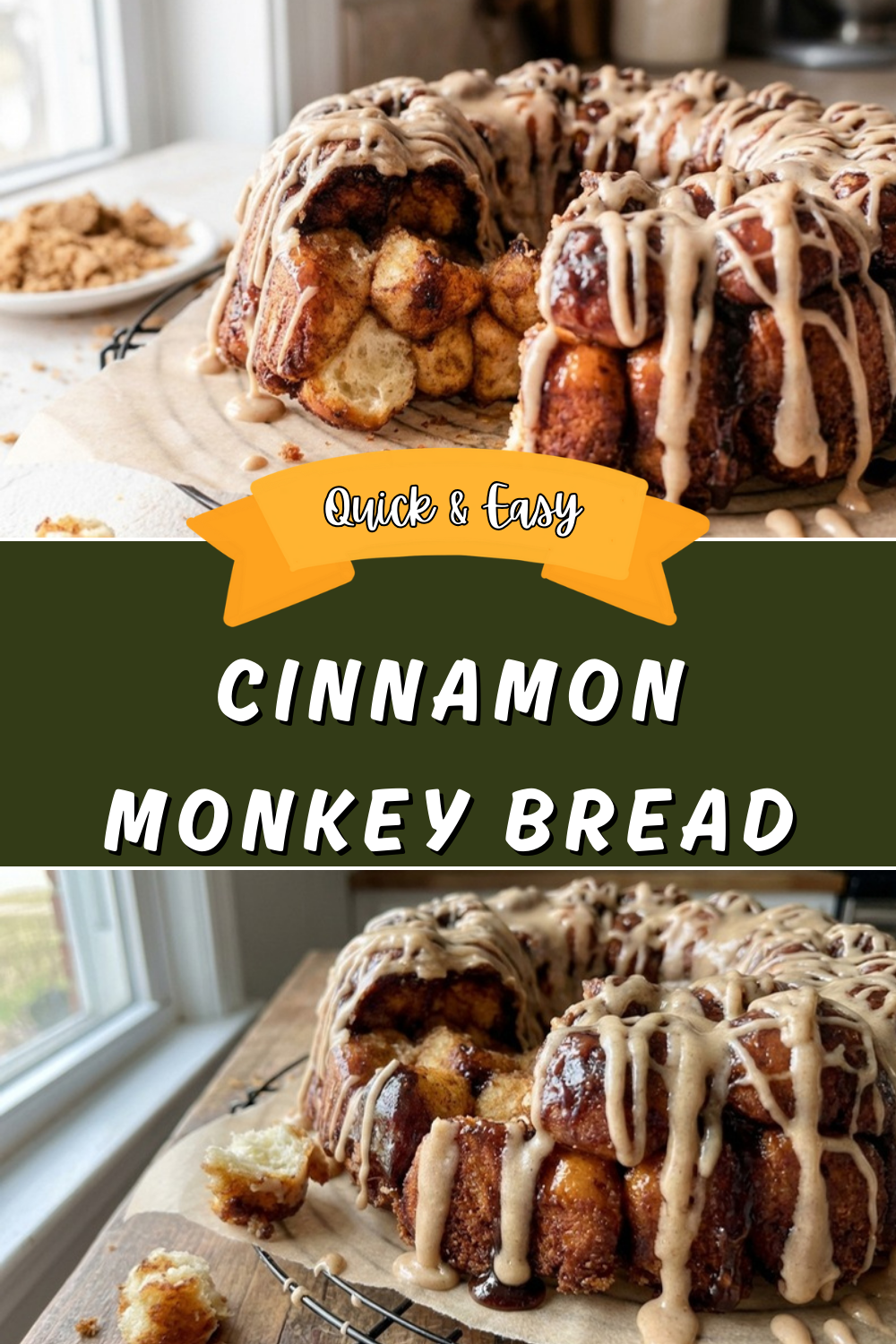
Cinnamon monkey bread is a sweet, pull-apart treat baked in a Bundt pan. It starts with balls of soft yeast dough rolled in cinnamon sugar, layered in the pan, and drenched in a buttery brown sugar sauce before baking. After baking, it’s inverted onto a plate and finished with vanilla icing. The result is gooey, sticky layers that you pull apart by hand. This version highlights cinnamon flavor in the sugar coating for extra warmth. Key parts include homemade dough, cinnamon-sugar coating, brown sugar sauce, and icing. It’s perfect for brunches or holidays, serving 12-16 people. Prep takes about 30 minutes plus rising time, with baking around 40 minutes. No special tools needed beyond a Bundt pan.
What ingredients do I need for homemade cinnamon monkey bread dough?
For the dough, gather 1 cup warm milk, 2 1/4 teaspoons Platinum Yeast (or instant yeast), 1/4 cup sugar, 2 eggs, 1/4 cup melted butter, 1 teaspoon salt, and 4-4 1/2 cups all-purpose flour. Platinum Yeast from Red Star works best as it’s instant with dough improvers for better rise. If using active dry yeast, proof it first in the warm milk and sugar—rise times may extend by 30 minutes. Start by mixing wet ingredients, then add flour gradually until a soft dough forms. Knead 5-7 minutes until smooth. This makes enough for one Bundt pan. Avoid whole wheat flour fully, as it can make the bread dry; sub up to 1 cup if desired for a heartier texture.
Can I make cinnamon monkey bread dough ahead of time?
Yes, prepare the dough the night before. After mixing and first rise (1-2 hours until doubled in a warm spot), punch it down, shape into balls, dip in melted butter, roll in cinnamon sugar, and place in the Bundt pan with brown sugar sauce. Cover tightly and refrigerate overnight. Next day, let it sit at room temperature 30-60 minutes to warm up, then bake. Alternatively, freeze uncoated dough balls after first rise for up to 3 months—thaw in fridge, coat, sauce, and bake. Shaped pan can also chill overnight. This flexibility suits busy schedules without sacrificing gooey texture from the sauce poured pre-bake.
How do you bake cinnamon monkey bread and get the sticky texture?
Preheat oven to 350°F. After layering coated dough balls in a greased Bundt pan and pouring brown sugar sauce (1 cup butter, 1 1/2 cups brown sugar, boiled 1 minute) over them, bake 35-45 minutes until top is golden brown. The sauce caramelizes for that signature sticky pull-apart goo. Cool in pan 5-10 minutes on a wire rack, then invert onto a plate—tap gently if needed. Drizzle with icing (2 cups powdered sugar, 3 tablespoons milk, 1 teaspoon vanilla). Use two loaf pans if no Bundt; adjust bake time to 30-35 minutes. For muffin tins, portion smaller balls but watch for faster baking around 20 minutes. Test doneness with a thermometer at 190°F internal.
How should I store leftover cinnamon monkey bread?
Store at room temperature covered tightly for up to 1 day, as it stays softest this way. For longer, refrigerate in an airtight container up to 4 days—warm slices in microwave 10-15 seconds to revive gooeyness. Freezing works well: wrap tightly in plastic and foil, freeze up to 2 months, thaw overnight in fridge, and reheat at 300°F for 10 minutes. Avoid loose wrapping to prevent drying. It tastes best fresh, but proper storage maintains the cinnamon-sugar crunch and sticky layers. If using frozen bread dough shortcut, note texture may soften faster. Re-icing after warming adds freshness. Serves great for breakfast toasts too.
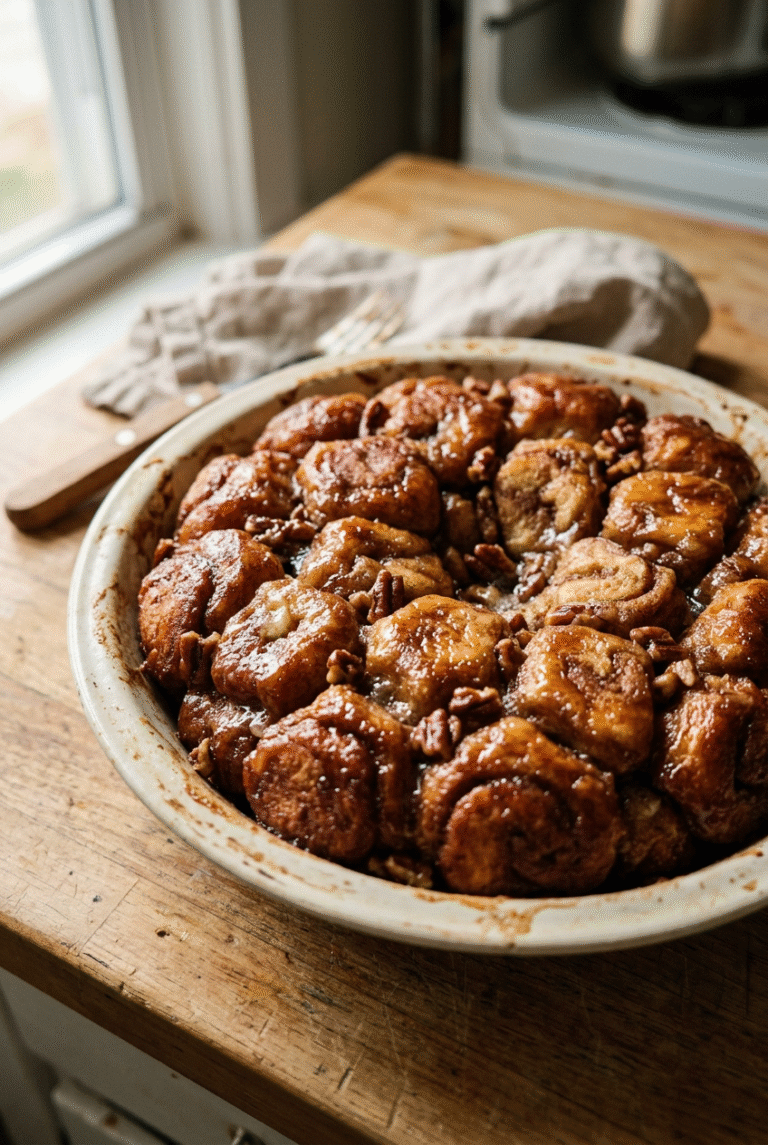
Cinnamon Monkey Bread
🥖 Pull-apart bites of soft yeast dough coated in cinnamon sugar and gooey caramel – a fun, shareable breakfast or brunch star!
🍬 Homemade from scratch with creamy vanilla icing drizzle, easier than it looks and way better than canned versions!
- Total Time: 3 hours
- Yield: 12 servings
Ingredients
– 1 1/2 cups Whole milk, warmed
– 2 1/4 teaspoons (1 packet) Instant yeast or active dry yeast
– 1/4 cup Granulated sugar
– 2 Large eggs
– 1/3 cup Unsalted butter, melted and slightly cooled
– 1 teaspoon Salt
– 5 cups All-purpose flour
– 3/4 cup Unsalted butter, divided
– 1 1/4 cups Granulated sugar
– 1 tablespoon Ground cinnamon
– 2/3 cup Light or dark brown sugar, packed
– 1 teaspoon Pure vanilla extract
– 1 cup Confectioners’ sugar
– 3 tablespoons Whole milk
– 1/2 teaspoon Pure vanilla extract
Instructions
1-First Step: Activate the Yeast In a large mixing bowl, combine the warm milk (about 110°F) with the instant yeast and 1 tablespoon of the granulated sugar. Stir gently and let it sit for 5-10 minutes until the mixture becomes foamy. This activates the yeast and ensures your bread will rise properly. If using active dry yeast instead of instant, you may need to let it proof for a few extra minutes.
2-Second Step: Mix the Wet Ingredients Once the yeast is activated, add the eggs, remaining granulated sugar, melted butter, and salt to the bowl. Whisk together until well combined. The mixture should be smooth and slightly thickened.
3-Third Step: Add the Flour Gradually add 4 cups of the all-purpose flour to the wet mixture, one cup at a time, stirring after each addition. The dough will become thick and sticky. Reserve the remaining cup of flour for kneading.
4-Fourth Step: Knead the Dough Turn the dough out onto a lightly floured surface. Knead for 5-7 minutes, adding more of the reserved flour as needed to prevent sticking. The dough is ready when it’s smooth, elastic, and slightly tacky but not overly sticky. This step develops the gluten structure which gives the bread its texture.
5-Fifth Step: First Rise Place the kneaded dough in a lightly greased bowl, turning once to coat all sides. Cover with plastic wrap or a clean kitchen towel and place in a warm, draft-free spot. Let rise for 1-2 hours, or until doubled in size.
6-Sixth Step: Prepare the Coating While the dough rises, prepare your coating ingredients. In a small bowl, mix together the granulated sugar and ground cinnamon until well combined. In another small saucepan, melt 1/2 cup of the unsalted butter (from the coating ingredients), then stir in the brown sugar and vanilla extract. Heat just until the sugar dissolves, then remove from heat and set aside.
7-Seventh Step: Shape the Dough Balls Once the dough has doubled in size, punch it down gently to release air pockets. Turn it out onto a lightly floured surface and divide into small balls, about 1.5 inches in diameter. You should get approximately 40-45 balls.
8-Eighth Step: Coat the Dough Balls Melt the remaining 1/4 cup of butter in a small bowl. Dip each dough ball into the melted butter, then roll generously in the cinnamon-sugar mixture until completely coated. Place the coated balls in your prepared Bundt pan as you go.
9-Ninth Step: Layer in the Pan Arrange the coated dough balls in an even layer in the greased Bundt pan. Pour the brown sugar butter sauce evenly over the dough balls. Cover loosely with plastic wrap and let rise for another 30-45 minutes, until puffy and nearly doubled in size.
10-Tenth Step: Bake the Bread Preheat your oven to 350°F (175°C). Once the dough has risen, bake for 35-45 minutes, or until golden brown on top. The bread should be firm to the touch and an instant-read thermometer inserted into the center should read at least 190°F.
11-Final Step: Add the Icing and Serve While the bread cools slightly in the pan (about 5-10 minutes), prepare the vanilla icing by whisking together the confectioners’ sugar, whole milk, and vanilla extract until smooth. Invert the warm bread onto a serving plate. Drizzle the icing over the top while still warm. Serve immediately for the best pull-apart experience!
Last Step:
Please leave a rating and comment letting us know how you liked this recipe! This helps our business to thrive and continue providing free, high-quality recipes for you.Notes
🌡️ Warm milk to 110°F for yeast activation without killing it – proof until foamy.
🧈 Divide butter precisely: 1/4 cup for dipping, 1/2 cup for caramel sauce.
⏳ Let dough rise fully for light, airy texture; cover loosely to prevent drying.
- Prep Time: 30 minutes
- Rising Time: 1 hour 45 minutes
- Cook Time: 35-40 minutes
- Category: Breakfast
- Method: Baked
- Cuisine: American
- Diet: Vegetarian
Nutrition
- Serving Size: 1/12 of loaf
- Calories: 450 kcal
- Sugar: 40g
- Sodium: 300mg
- Fat: 20g
- Saturated Fat: 12g
- Unsaturated Fat: 7g
- Trans Fat: 0g
- Carbohydrates: 65g
- Fiber: 2g
- Protein: 6g
- Cholesterol: 60mg