
Why You’ll Love These Peanut Butter Eggs
Peanut Butter Eggs are one of those easy homemade treats that feel special without asking for much time or effort. If you want a sweet bite that works for holidays, parties, gift boxes, or late-night cravings, this peanut butter eggs recipe fits right in. It uses pantry staples, comes together fast, and gives you that classic chocolate and peanut butter combo people never seem to get tired of.
- Easy to make: This peanut butter eggs recipe only needs a bowl, a microwave, and a lined sheet pan. The filling mixes in minutes, and the shaping step is simple enough for busy parents, students, or anyone who wants a quick treat.
- Great for sharing: The recipe makes 12 eggs, which makes it a nice choice for Easter baskets, bake sales, office snacks, or party trays. You can also shape them differently for birthdays, baby showers, or other celebrations.
- Rich, classic flavor: Creamy peanut butter, a little vanilla, sweet powdered sugar, and a milk chocolate coating create a familiar flavor that tastes like a homemade candy shop treat.
- Flexible for different needs: You can swap in crunchy peanut butter or try almond butter or cashew butter if that fits your pantry or preferences better. It is a handy recipe for home cooks who like easy dessert ideas with room to adjust.
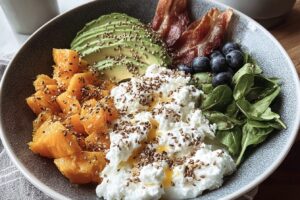
Tip: If you enjoy simple sweet recipes like this one, you may also like a creamy breakfast treat such as these easy Greek yogurt bowls for a quick and balanced start to the day.
For readers who like to keep dessert fun but still manageable, Peanut Butter Eggs check all the boxes. They chill well, dip well, and store well, which makes them especially useful when you need a make-ahead sweet. If you want another soft-baked option for your snack table, you can also browse funfetti Greek yogurt muffins for a cheerful treat with a similar homemade feel.
Jump to:
- Why You’ll Love These Peanut Butter Eggs
- Essential Ingredients for Peanut Butter Eggs
- Main Ingredients
- Ingredient Notes and Helpful Swaps
- Special Dietary Options
- How to Prepare the Perfect Peanut Butter Eggs: Step-by-Step Guide
- First Step: Melt the peanut butter and butter
- Second Step: Add the flavoring and sugar slowly
- Third Step: Shape the filling
- Fourth Step: Chill until firm
- Fifth Step: Melt the chocolate
- Final Step: Dip, decorate, and let them set
- Dietary Substitutions to Customize Your Peanut Butter Eggs
- Protein and Main Component Alternatives
- Vegetable, Sauce, and Seasoning Modifications
- Mastering Peanut Butter Eggs: Advanced Tips and Variations
- Pro cooking techniques
- Flavor variations
- Presentation tips
- Make-ahead options
- How to Store Peanut Butter Eggs: Best Practices
- Room temperature storage
- Freezing for longer storage
- Serving after storage
- FAQs: Frequently Asked Questions About Peanut Butter Eggs
- What ingredients do I need for homemade peanut butter eggs?
- Can I use different chocolate to coat peanut butter eggs?
- What can I substitute for peanut butter in peanut butter eggs?
- How do I store homemade peanut butter eggs?
- Can I freeze peanut butter eggs for later?
- Peanut Butter Eggs
- Ingredients
- Instructions
- Last Step:
- Notes
- Nutrition
- Did you make this recipe?
Essential Ingredients for Peanut Butter Eggs
One of the best parts of this peanut butter eggs recipe is how short the ingredient list is. You do not need anything fancy, and each item has a clear job in the recipe. The peanut butter gives the filling its rich, nutty base, while the powdered sugar helps the mixture firm up into a shape you can easily mold into eggs. The chocolate coating brings everything together with a smooth finish.
Main Ingredients
- 1 cup creamy peanut butter – This is the base of the filling and gives the eggs their smooth, nutty taste.
- 1/2 cup unsalted butter – Butter softens the filling and helps everything melt together evenly.
- 2 cups powdered sugar – Powdered sugar thickens the mixture so it can be shaped into eggs.
- 1/4 teaspoon salt – Salt balances the sweetness and makes the peanut butter flavor stand out.
- 1 teaspoon vanilla extract – Vanilla adds warmth and makes the filling taste more like a candy shop treat.
- 2 cups milk chocolate for dipping – Melted milk chocolate creates the smooth outer shell and gives the eggs their classic finish.
Ingredient Notes and Helpful Swaps
- Creamy peanut butter: Best for a smooth filling, but crunchy peanut butter works if you want more texture.
- Unsalted butter: Using unsalted butter gives you more control over the flavor. If you use salted butter, reduce or skip the added salt.
- Powdered sugar: This is what turns the filling into a rollable dough. Add it slowly so the mixture stays soft but workable.
- Milk chocolate: Milk chocolate keeps the coating sweet and familiar, but dark or white chocolate can also work if you want to change the flavor.
Special Dietary Options
- Vegan: Use plant-based butter and dairy-free chocolate, then choose a vegan-friendly nut butter.
- Gluten-free: This recipe is naturally gluten-free when you use certified gluten-free chocolate and peanut butter.
- Lower sugar: Try a less sweet nut butter and reduce the powdered sugar a little, then taste the filling before shaping.
| Ingredient | Amount | What It Does |
|---|---|---|
| Creamy peanut butter | 1 cup | Forms the base and gives the filling flavor |
| Unsalted butter | 1/2 cup | Helps create a smooth, rich texture |
| Powdered sugar | 2 cups | Sweetens and firms the filling |
| Salt | 1/4 teaspoon | Balances sweetness |
| Vanilla extract | 1 teaspoon | Adds depth and warmth |
| Milk chocolate | 2 cups | Creates the candy coating |
How to Prepare the Perfect Peanut Butter Eggs: Step-by-Step Guide
This peanut butter eggs recipe is simple enough for beginners, but a few small details can make the process even smoother. The biggest thing to remember is to work in stages. First you make the filling, then you chill it, then you dip the eggs in chocolate. That short rest in the fridge helps the eggs hold their shape and makes the coating much easier.
First Step: Melt the peanut butter and butter
Add the 1 cup creamy peanut butter and 1/2 cup unsalted butter to a microwave-safe bowl. Microwave until melted, then stir until the mixture looks smooth. If you notice small lumps, microwave for about 10 more seconds and stir again. This first step creates the soft base for your filling, and it should look glossy and easy to mix before you move on.
Second Step: Add the flavoring and sugar slowly
Mix in 1/4 teaspoon salt and 1 teaspoon vanilla extract. Then add the 2 cups powdered sugar one at a time, mixing after each addition. This helps the filling stay smooth and prevents clumps. The mixture will become thicker as you go, and that is exactly what you want. If it feels too sticky, keep mixing until it firms up enough to handle.
Third Step: Shape the filling
Scoop the mixture and roll it into balls. After that, gently shape each ball into an egg. A pair of gloves can really help here because the filling tends to stick to warm hands. If you want neat, even shapes, use a small cookie scoop so each piece starts out the same size. This step is easy to adjust if you want smaller candies for a dessert tray or slightly larger eggs for gift boxes.
Fourth Step: Chill until firm
Place the shaped eggs on a lined sheet pan and chill them for about 30 minutes. The chilling time gives the eggs structure so they do not fall apart when dipped. If your kitchen is warm, you may want to chill them a few extra minutes. The eggs should feel firm to the touch but not frozen solid.
Fifth Step: Melt the chocolate
Put 2 cups milk chocolate in a bowl and microwave in short increments, stirring between each round. This keeps the chocolate from scorching. If the chocolate starts to thicken while you are working, warm it again briefly. Smooth, melty chocolate makes dipping much easier and gives the finished eggs a cleaner look.
Final Step: Dip, decorate, and let them set
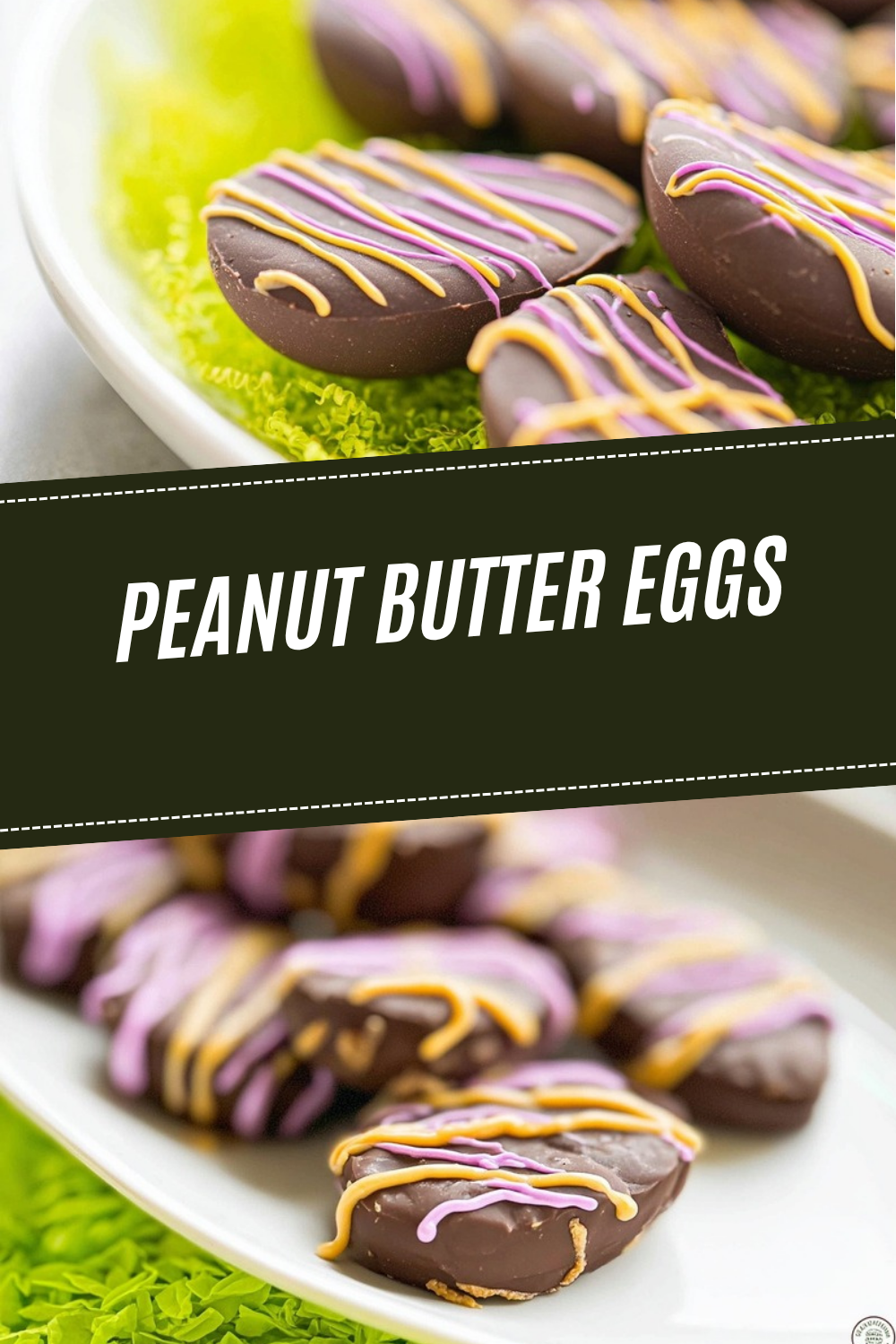
Take the chilled eggs from the fridge and work quickly. Dip each one into the melted chocolate, tap off the excess, and place it back on the lined pan. Drizzle extra chocolate over the eggs for a simple design if you want a more finished look. Let them sit until the chocolate sets. Once firm, they are ready to serve, package, or store.
Best timing tip: the full recipe takes about 50 minutes total, including 20 minutes of prep and 30 minutes of chilling, so it is a great choice when you need a quick homemade sweet.

Dietary Substitutions to Customize Your Peanut Butter Eggs
Protein and Main Component Alternatives
If peanut butter is not the best fit for your table, you can still make a candy-style filling with a few easy swaps. Almond butter gives a slightly toasted flavor, while cashew butter tastes milder and creamier. Sunflower seed butter is also a handy nut-free option for school events or allergy-aware gatherings. Because each butter has a different texture, you may need to add a little more powdered sugar if the mixture feels soft.
For a richer flavor, some home cooks like using crunchy peanut butter instead of creamy. That adds a little texture without changing the basic process. If the filling seems too loose after mixing, just add powdered sugar one spoonful at a time until it holds its shape.
Vegetable, Sauce, and Seasoning Modifications
Even though this recipe is a dessert, you can still change the flavor in small ways. A pinch of cinnamon can make the filling taste warmer, and a little extra vanilla gives it a softer, more bakery-style flavor. For the coating, dark chocolate works well if you want a less sweet finish, while white chocolate gives you a brighter look for holidays and themed parties.
If you enjoy reading about health-minded food choices, you might find this external resource helpful: this article on smarter dessert habits. For another practical take on sweet treats and balance, see tips for enjoying chocolate in a balanced way.
Mastering Peanut Butter Eggs: Advanced Tips and Variations
Once you have made Peanut Butter Eggs once or twice, a few small tricks can help you get cleaner shapes and a better-looking finish. These candy-style treats are forgiving, but the little details matter if you want them to look neat on a dessert tray or in a gift box.
Pro cooking techniques
- Wear gloves: The mixture can be sticky, and gloves make shaping much easier.
- Chill before dipping: Cold eggs hold together better and are less likely to fall apart in the chocolate.
- Dip quickly: Work fast once the eggs come out of the fridge so they stay firm.
- Rewarm chocolate as needed: If the coating thickens, microwave it again in short bursts.
Flavor variations
You can keep the classic peanut butter and milk chocolate combo, or switch things up for different occasions. Try dark chocolate for a richer bite, white chocolate for a sweeter finish, or add a sprinkle of flaky salt on top for contrast. You can also shape the filling into hearts, ovals, or little rounds instead of eggs if you want to use the same recipe for another holiday.
Presentation tips
For a polished look, drizzle extra melted chocolate over the tops in thin lines. That simple detail makes the eggs look like something from a candy counter. If you are serving them for a party, place them in mini paper cups or on a simple platter lined with parchment. A few decorative sprinkles can make them feel festive without much extra work.
Make-ahead options
This recipe is especially helpful for busy weeks because the filling can be shaped ahead of time and chilled until you are ready to dip. You can also make the finished eggs a day or two before an event and store them in an airtight container. For holiday prep, making a double batch is a smart move since they disappear fast.
How to Store Peanut Butter Eggs: Best Practices
Proper storage keeps these homemade candies tasting fresh and helps the chocolate stay smooth. Since the filling is rich and soft, it is best to keep the eggs in a cool, dry place or in the fridge if your kitchen runs warm. A little planning helps them stay neat for gifting or snacking later in the week.
Room temperature storage
Store Peanut Butter Eggs in an airtight container at room temperature for up to 5 days. Keep them away from heat, sunlight, and moisture. If you stack them, place parchment paper between layers so they do not stick together.
Freezing for longer storage
For longer storage, freeze the eggs after the chocolate has fully set. Place them on a lined tray until firm, then move them into a freezer-safe bag or container. They can stay frozen for longer periods and still taste great after thawing. This is a smart option if you want to make holiday candy ahead of time.
Serving after storage
If the eggs have been chilled or frozen, let them sit at room temperature for a few minutes before serving so the filling softens slightly. They are still tasty cold, but a brief rest can make the texture even better. Batch prepping works well for these treats because they hold up nicely once set.
FAQs: Frequently Asked Questions About Peanut Butter Eggs
What ingredients do I need for homemade peanut butter eggs?
Homemade peanut butter eggs require just six basic ingredients: 1 cup creamy peanut butter, 1/4 cup unsalted butter (softened), 2 cups powdered sugar, 1/4 teaspoon salt, 1 teaspoon vanilla extract, and 12 ounces milk chocolate chips or bars for coating. Start by mixing the peanut butter, butter, powdered sugar, salt, and vanilla until a firm dough forms—adjust with a splash of milk if too dry. Shape into eggs, chill, then dip in melted chocolate. This simple combo mimics Reese’s but lets you control sweetness and quality. Each batch yields about 20-24 eggs, perfect for Easter baskets or parties. Use natural peanut butter for less sugar, and always taste the filling before shaping to fine-tune flavor. Total prep time is under 30 minutes plus chilling. (98 words)
Can I use different chocolate to coat peanut butter eggs?
Yes, swap milk chocolate for dark chocolate chips (60-70% cocoa for richer flavor) or white chocolate for a sweeter, creamier finish—ideal for Easter with pastel colors. Melt 12 ounces of your choice with 1 tablespoon coconut oil or shortening for smooth dipping. White chocolate pairs well with spring designs: tint some with food coloring or sprinkle candy melts on top after dipping. Dark chocolate adds antioxidants and balances the peanut butter’s sweetness. Dip chilled eggs using a fork, tap off excess, and set on parchment paper. Refrigerate 10 minutes to harden. This flexibility keeps the recipe foolproof while matching your taste or holiday theme—no special tools needed. Store in an airtight container. (112 words)
What can I substitute for peanut butter in peanut butter eggs?
If peanut butter isn’t your favorite, replace it with almond butter, cashew butter, or sunflower seed butter for a nut-free option. Use 1 cup of any smooth variety, but note consistencies differ—almond butter is thinner, so add extra powdered sugar (up to 1/4 cup more) for firmness. Unsweetened nut butters may need 1-2 tablespoons honey or extra sugar for sweetness. Mix with softened butter, vanilla, salt, and powdered sugar as usual, taste-test the dough, and adjust until it holds shape like playdough. Chill 30 minutes before shaping eggs and dipping in chocolate. Almond butter gives a toasty note, cashew a milder creaminess. This keeps the eggs allergy-friendly and customizable—great for sharing. Yields the same 20-24 pieces. (118 words)
How do I store homemade peanut butter eggs?
Store peanut butter eggs in an airtight container at room temperature for up to 1 week, or refrigerate for 2-3 weeks to keep them firm and fresh—the chocolate coating prevents melting in moderate heat. Layer with parchment paper to avoid sticking. For longer storage, avoid direct sunlight or humidity. They taste best chilled, so pop in the fridge 30 minutes before serving. If stacking in gift boxes, add wax paper dividers. Pro tip: Label with dates for freshness. This method preserves texture without sogginess, unlike store-bought versions that harden over time. Perfect for meal prepping holiday treats—share stats like each egg has about 150 calories vs. 80 in mini Reese’s, but way fresher. (106 words)
Can I freeze peanut butter eggs for later?
Yes, freeze peanut butter eggs up to 3 months for year-round treats. After dipping and fully setting, place on a parchment-lined tray and freeze individually for 2 hours until solid. Transfer to a freezer bag or container, squeezing out air to prevent freezer burn. Thaw in the fridge overnight or at room temp for 30 minutes—microwaving risks melting the chocolate. Freezing works best post-coating; raw filling can be frozen too, shaped later. This saves time for busy seasons like Easter. Revived eggs stay crisp outside with creamy centers. Fun fact: Homemade versions cut fat by 20% compared to commercial ones. Link to our full Reese’s copycat recipe for exact steps. (102 words)

Peanut Butter Eggs
🥜 Dive into creamy peanut butter eggs coated in smooth milk chocolate – a delightful homemade treat that’s better than store-bought!
🍫 Quick to make with no baking required, perfect for holidays, parties, or satisfying sweet tooth cravings effortlessly.
- Total Time: 50 minutes
- Yield: 12 eggs
Ingredients
– 1 cup creamy peanut butter forms the base and gives the filling flavor
– 1/2 cup unsalted butter helps create a smooth, rich texture
– 2 cups powdered sugar sweetens and firms the filling
– 1/4 teaspoon salt balances sweetness
– 1 teaspoon vanilla extract adds depth and warmth
– 2 cups milk chocolate creates the candy coating
Instructions
1-First Step: Melt the peanut butter and butter Add the 1 cup creamy peanut butter and 1/2 cup unsalted butter to a microwave-safe bowl. Microwave until melted, then stir until the mixture looks smooth. If you notice small lumps, microwave for about 10 more seconds and stir again. This first step creates the soft base for your filling, and it should look glossy and easy to mix before you move on.
2-Second Step: Add the flavoring and sugar slowly Mix in 1/4 teaspoon salt and 1 teaspoon vanilla extract. Then add the 2 cups powdered sugar one at a time, mixing after each addition. This helps the filling stay smooth and prevents clumps. The mixture will become thicker as you go, and that is exactly what you want. If it feels too sticky, keep mixing until it firms up enough to handle.
3-Third Step: Shape the filling Scoop the mixture and roll it into balls. After that, gently shape each ball into an egg. A pair of gloves can really help here because the filling tends to stick to warm hands. If you want neat, even shapes, use a small cookie scoop so each piece starts out the same size. This step is easy to adjust if you want smaller candies for a dessert tray or slightly larger eggs for gift boxes.
4-Fourth Step: Chill until firm Place the shaped eggs on a lined sheet pan and chill them for about 30 minutes. The chilling time gives the eggs structure so they do not fall apart when dipped. If your kitchen is warm, you may want to chill them a few extra minutes. The eggs should feel firm to the touch but not frozen solid.
5-Fifth Step: Melt the chocolate Put 2 cups milk chocolate in a bowl and microwave in short increments, stirring between each round. This keeps the chocolate from scorching. If the chocolate starts to thicken while you are working, warm it again briefly. Smooth, melty chocolate makes dipping much easier and gives the finished eggs a cleaner look.
6-Final Step: Dip, decorate, and let them set Take the chilled eggs from the fridge and work quickly. Dip each one into the melted chocolate, tap off the excess, and place it back on the lined pan. Drizzle extra chocolate over the eggs for a simple design if you want a more finished look. Let them sit until the chocolate sets. Once firm, they are ready to serve, package, or store.
Last Step:
Please leave a rating and comment letting us know how you liked this recipe! This helps our business to thrive and continue providing free, high-quality recipes for you.Notes
🧤 Wear gloves when shaping the peanut butter mixture to prevent sticking to your hands.
🔥 If the filling is lumpy, microwave for an additional 10 seconds and stir to smooth it out.
🌰 Swap creamy peanut butter for crunchy or try almond butter, adjusting sugar to taste.
- Prep Time: 20 minutes
- Chilling Time: 30 minutes
- Category: Dessert
- Method: No-Bake
- Cuisine: American
- Diet: Vegetarian
Nutrition
- Serving Size: 1 egg
- Calories: 423
- Sugar: 37g
- Sodium: 147mg
- Fat: 29g
- Saturated Fat: 13g
- Unsaturated Fat: 14g
- Trans Fat: 0.3g
- Carbohydrates: 42g
- Fiber: 3g
- Protein: 6g
- Cholesterol: 20mg