

Why You’ll Love This Sourdough Starter Maintenance
Sourdough Starter Maintenance might seem like a simple task, but it brings a world of benefits for anyone eager to get into baking at home. This process is easy to fit into your daily routine, making it perfect for busy parents or students who want to keep things fresh without spending hours in the kitchen. With just a few simple steps, you can enjoy the health perks and tasty results that come from maintaining your own starter.
One of the best parts is how it boosts your health. This method is full of natural probiotics that help with digestion and make you feel good overall. It’s also versatile, working well for different diets like vegan or gluten-free options, which is great for food enthusiasts and diet-conscious folks. Plus, the unique flavors it adds to your breads make every bake feel special and rewarding.
- Ease of preparation: Keeping your sourdough starter in good shape only takes a few minutes each day, fitting right into a busy schedule for working professionals or baking enthusiasts.
- Health benefits: It’s packed with beneficial bacteria that support your gut and overall wellness, ideal for anyone looking to add more nutrients to their diet.
- Versatility: You can tweak it for various needs, like using gluten-free flours, so it’s accessible for everyone from newlyweds to seniors.
- Distinctive flavor: Regular care helps build that signature tangy taste, turning ordinary bread into something truly delicious for party hosts and food lovers.
To dive deeper, think of sourdough starter as a living pet that thrives with care, offering endless baking possibilities. This maintenance routine ensures your starter stays active and ready, like having a reliable friend in your kitchen. For more on getting started, check out our guide on how to make sourdough bread for tips that complement this process.
Jump to:
- Why You’ll Love This Sourdough Starter Maintenance
- Essential Ingredients for Sourdough Starter Maintenance
- Ingredients List
- How to Prepare the Perfect Sourdough Starter Maintenance: Step-by-Step Guide
- Key Feeding Steps
- Dietary Substitutions to Customize Your Sourdough Starter Maintenance
- Simple Swaps for Better Fit
- Mastering Sourdough Starter Maintenance: Advanced Tips and Variations
- Pro Tips for Long-Term Success
- How to Store Sourdough Starter Maintenance: Best Practices
- Storage Options Explained
- FAQs: Frequently Asked Questions About Sourdough Starter Maintenance
- Why do I need to discard some sourdough starter before feeding?
- How often should I feed my sourdough starter if I don’t bake every day?
- What can I do with sourdough discard instead of throwing it away?
- How can I tell if my sourdough starter is ready to bake with?
- What is hooch, and what should I do if I see it on my starter?
- Sourdough Starter Maintenance
- Ingredients
- Instructions
- Last Step:
- Notes
- Did you make this recipe?
Essential Ingredients for Sourdough Starter Maintenance
Gathering the right ingredients is key to sourdough starter maintenance, and it’s all about keeping things simple and effective. You’ll need a few basic items to get your starter going strong and healthy. Let’s break down what you need in a clear list to make it easy to follow.
Ingredients List
- 1 jar with a lid (size should be large enough to accommodate doubling in volume)
- Bread flour or all-purpose flour (amount depends on the starter; for feeding, use equal weight to the starter, e.g., 60 grams if starting with 60 grams of starter)
- Filtered or quality tap water (without chlorine; amount equals the weight of the starter, e.g., 60 grams if starting with 60 grams of starter)
The feeding ratio is 1:1:1 by weight, so if you have 60 grams of starter, add 60 grams of flour and 60 grams of water. This setup helps create a balanced environment for your starter to thrive. For special options, you can swap in whole wheat flour for added nutrients or go gluten-free with alternatives like brown rice flour.
| Ingredient | Purpose |
|---|---|
| Jar with lid | Keeps the starter safe and allows for proper fermentation |
| Bread flour or all-purpose flour | Feeds the yeast and bacteria for healthy growth |
| Filtered water | Hydrates the mixture and supports microbial activity |
These ingredients make sourdough starter maintenance straightforward, and they’re easy to find at home. Remember, using a kitchen scale ensures you get the measurements just right for feeding sourdough starter for healthy growth.
How to Prepare the Perfect Sourdough Starter Maintenance: Step-by-Step Guide
Getting your sourdough starter maintenance right is like following a reliable recipe for success, and it starts with simple, steady steps. First, measure and mix 100g whole wheat flour and 100g all-purpose flour in a clean bowl to build a strong base. This mix provides the nutrients needed for the starter to flourish.
Next, add 150ml of room temperature filtered water gradually, stirring until you get a smooth, thick batter. Cover the bowl loosely with a breathable cloth to let air flow in while keeping out any dust. Leave it at room temperature, around 21-25°C, for 12-24 hours to kick off the fermentation.
Key Feeding Steps
- After the initial wait, discard half of the starter to refresh acidity and control growth, just like in the directions provided.
- Feed the remaining starter with equal parts flour and water by weight, keeping that 1:1:1 ratio for the best results.
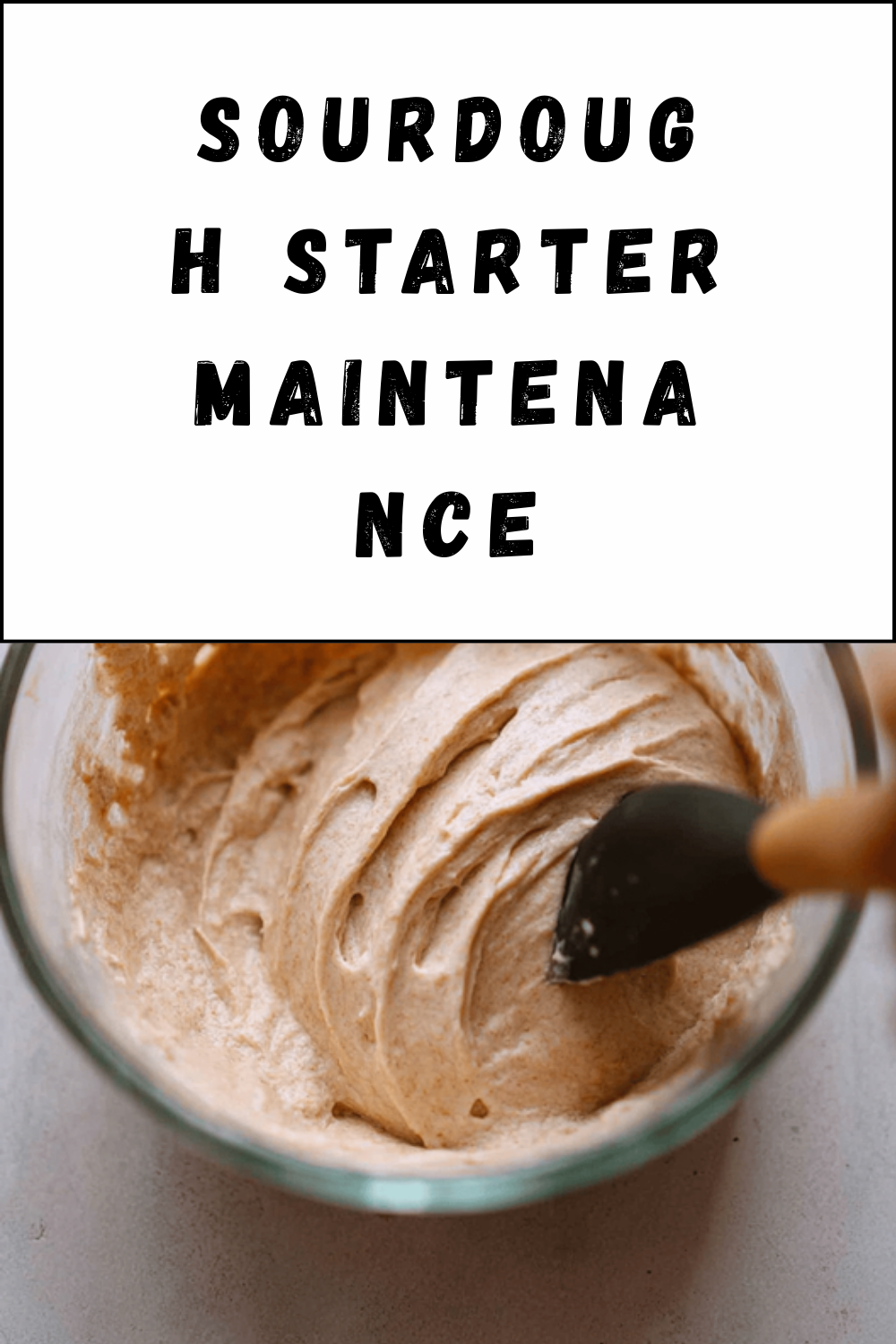
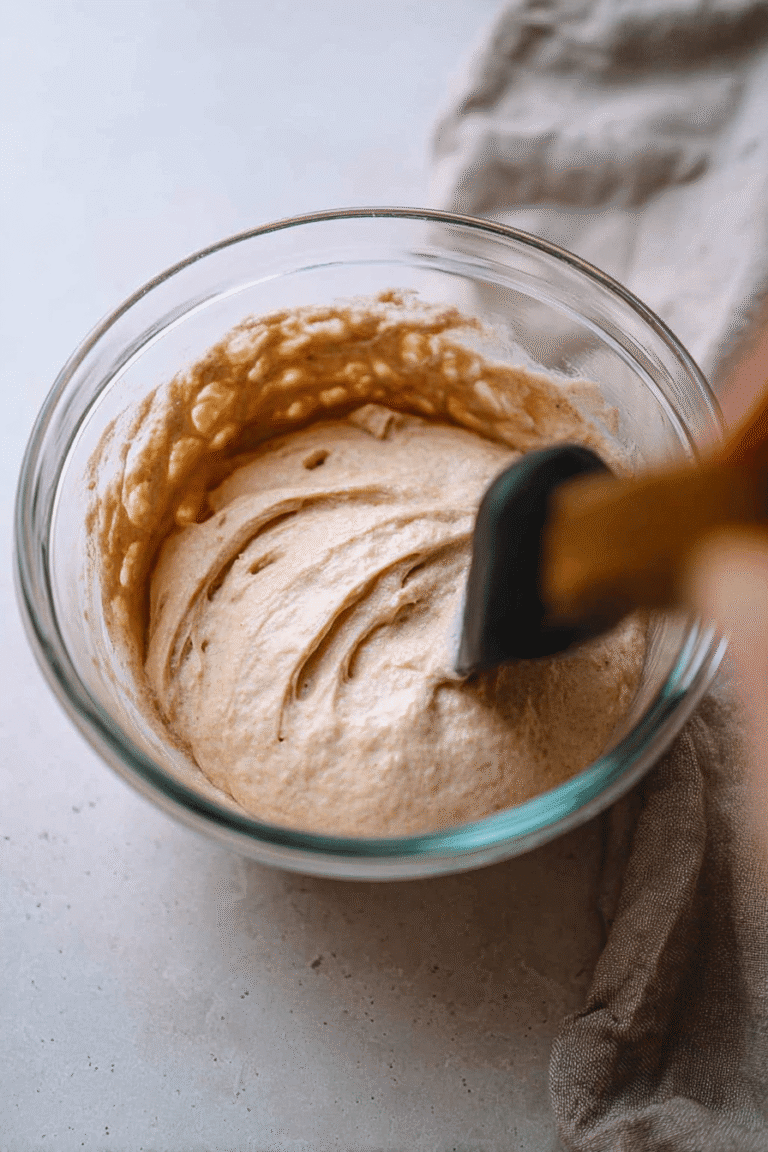
- Mix thoroughly until it’s a thick, lump-free texture, similar to thick pancake batter, and cover the jar loosely.
- Let it rise at room temperature, ideally 75 to 80 degrees Fahrenheit, until it doubles in size and becomes bubbly this could take 2 to 12 hours.
- Maintain a consistent schedule by feeding at the same time each day, and store it based on how often you bake.
Once your starter is active and bubbly, usually after 5-7 days, it’s ready for baking or ongoing care. Hands-on time for feeding is about 5 minutes, with total time varying from 2 to 12 hours depending on conditions. This step-by-step approach makes how to maintain sourdough starter simple and effective for everyday use.

Dietary Substitutions to Customize Your Sourdough Starter Maintenance
Tailoring your sourdough starter maintenance to fit your diet is easier than you think, and it opens up options for everyone. You can swap in different flours to match preferences, like using gluten-free brown rice flour instead of whole wheat for those with sensitivities. This keeps the starter active while meeting your needs.
Simple Swaps for Better Fit
- Replace whole wheat flour with gluten-free options like sorghum flour to keep things inclusive.
- Stick to plant-based choices, as the basic recipe is already vegan-friendly with just flour and water.
- Try spelt or rye flours to add new flavors and nutrients without much hassle.
For tweaks, you might add a bit of apple cider vinegar for extra tanginess, ensuring it aligns with dietary goals. These changes make your starter versatile for low-calorie adjustments or seasonal ingredients, enhancing tips for active sourdough starter growth in a fun way.
Mastering Sourdough Starter Maintenance: Advanced Tips and Variations
Taking your sourdough starter maintenance to the next level means trying out some smart techniques that make a big difference. Use precise temperature control, like a warm spot or proofing box, to speed up fermentation and keep things consistent. This helps your starter grow strong and reliable every time.
Flavor variations can add excitement, such as including a touch of honey to boost yeast activity and create unique tastes. For presentation, keep your starter in clear jars so you can watch the bubbles form, making it easier to time your feedings just right.
Pro Tips for Long-Term Success
- Adjust the texture after feeding by adding a little more water if it’s too thick, aiming for that perfect pancake batter feel.
- If you see hooch on top, pour it off before feeding to keep your starter healthy and active.
- Make-ahead options include refrigerating for up to two weeks, then warming it gently before use.
These methods build on regular feeding and discarding to maintain acidity and health, as mentioned in the tips and tricks. By incorporating the float test at the right time, you can check for activity and ensure your starter is always ready for baking.
Remember, your sourdough starter is like a trusty sidekick in the kitchen treat it well, and it’ll reward you with great bakes every time.
How to Store Sourdough Starter Maintenance: Best Practices
Storing your sourdough starter properly keeps it fresh and ready for your next bake, whether you’re baking daily or just once in a while. For short-term needs, pop it in the refrigerator in a loosely covered container and feed it weekly to maintain its strength. This slow approach works great if your baking schedule is light.
Storage Options Explained
- Refrigeration: Keeps the starter healthy for up to a week between feedings, ideal for those who bake less often.
- Freezing: Portion it out and freeze for longer storage, then thaw and feed it carefully to bring it back to life.
- Reheating: Let it warm up to room temperature slowly to protect the microbes, avoiding any sudden heat.
Plan your feedings around your routine to ensure the starter stays vibrant, especially during meal prep. Following these steps ties into maintaining a consistent feeding schedule for sourdough starter.
FAQs: Frequently Asked Questions About Sourdough Starter Maintenance
Why do I need to discard some sourdough starter before feeding?
Discarding part of your sourdough starter before feeding prevents it from growing too large and keeps the acidity balanced. Removing about half of the starter helps maintain a manageable amount and refreshes the environment for the wild yeast and bacteria, which promotes a healthy, active starter. Without discarding, the starter could become overly acidic and difficult to maintain.
How often should I feed my sourdough starter if I don’t bake every day?
If you bake less frequently, store your sourdough starter in the refrigerator and feed it about once a week. Before baking, bring it back to room temperature and feed it regularly for a day or two to reactivate. This schedule slows fermentation but keeps the starter healthy during periods of infrequent use.
What can I do with sourdough discard instead of throwing it away?
Sourdough discard can be used in recipes like pancakes, crackers, muffins, and waffles that don’t require active yeast. It adds flavor and reduces waste. You can also freeze it for later use or share it with friends who want to start their own sourdough.
How can I tell if my sourdough starter is ready to bake with?
Your starter is ready when it has doubled in size, displays bubbles throughout, feels spongy, and smells pleasantly tangy but not unpleasantly sour. Using your starter at its peak rise ensures the best leavening power and flavor in your bread.
What is hooch, and what should I do if I see it on my starter?
Hooch is a layer of liquid that forms on top of the starter when it’s hungry and needs feeding. It’s usually gray or brown. You can pour off the hooch or stir it back in before feeding. Regular feeding will prevent hooch from forming and keep your starter healthy.
Sourdough Starter Maintenance
🌾 Keep your sourdough starter healthy and active with simple and consistent feeding practices that promote natural fermentation.
🥄 This guide helps maintain the perfect balance of ingredients and environment for your starter to thrive, ensuring excellent bread baking results.
- Total Time: 2 to 12 hours
Ingredients
Jar with lid for keeping the starter safe and allows for proper fermentation
Bread flour or all-purpose flour for feeding the yeast and bacteria for healthy growth
Filtered water for hydrating the mixture and supports microbial activity
Instructions
1-Getting your sourdough starter maintenance right: First, measure and mix 100g whole wheat flour and 100g all-purpose flour in a clean bowl to build a strong base. This mix provides the nutrients needed for the starter to flourish.
2-Next, add 150ml of room temperature filtered water gradually, stirring until you get a smooth, thick batter. Cover the bowl loosely with a breathable cloth to let air flow in while keeping out any dust. Leave it at room temperature, around 21-25°C, for 12-24 hours to kick off the fermentation.
3-Key Feeding Steps: 1. After the initial wait, discard half of the starter to refresh acidity and control growth, just like in the directions provided.
2. Feed the remaining starter with equal parts flour and water by weight, keeping that 1:1:1 ratio for the best results.
3. Mix thoroughly until it’s a thick, lump-free texture, similar to thick pancake batter, and cover the jar loosely.
4. Let it rise at room temperature, ideally 75 to 80 degrees Fahrenheit, until it doubles in size and becomes bubbly this could take 2 to 12 hours.
5. Maintain a consistent schedule by feeding at the same time each day, and store it based on how often you bake.
4-Once your starter is active and bubbly, usually after 5-7 days, it’s ready for baking or ongoing care. Hands-on time for feeding is about 5 minutes, with total time varying from 2 to 12 hours depending on conditions. This step-by-step approach makes how to maintain sourdough starter simple and effective for everyday use.
Last Step:
Please leave a rating and comment letting us know how you liked this recipe! This helps our business to thrive and continue providing free, high-quality recipes for you.Notes
⚖️ Use a kitchen scale for precise ingredient measurement.
💧 Adjust consistency by adding more water if too thick, or more flour if too thin.
♻️ Discard half the starter regularly to prevent overgrowth; use discard in recipes like pancakes or muffins.
- Prep Time: 5 minutes
- Activation Time: 2 to 12 hours
- Category: Baking, Starter Maintenance
- Method: Feeding, Mixing