
Why You’ll Love This Butter
This butter recipe stands out for its straightforward preparation, requiring minimal ingredients and just a few minutes to put together, making it ideal for those with busy schedules. It offers health benefits through its rich fats and nutrients, supporting a balanced diet that aligns with wellness goals without sacrificing taste. The butter adapts easily to various dietary needs, such as vegan or gluten-free options, appealing to a broad audience including home cooks and health-conscious individuals. Butter’s creamy texture and flavor enhance everyday meals, drawing from its traditional origins as a dairy product made from milk fat.
Butter derives from churning cream, a process that separates fat from buttermilk, and it typically contains about 81% butterfat, providing essential vitamins like A, E, and K. This composition makes it versatile for baking and cooking, enriching dishes with improved texture and leavening. For those exploring different types, options like cultured or sweet cream butter add depth, showing why this staple remains a favorite among food enthusiasts and busy parents alike. Its semi-solid nature at room temperature ensures it spreads smoothly, adding convenience to daily use.
Benefits in Daily Life
Butter supports various cooking methods, from baking essential sauces like hollandaise to enhancing French cuisine, while its low smoke point of 150°C makes clarified versions suitable for frying. This adaptability fits travelers and newlyweds seeking simple yet effective ingredients. Additionally, butter contains trace amounts of lactose, potentially suiting those with mild intolerance, though moderation is key due to its saturated fat content.
For a deeper understanding, consider how butter’s production from cows or other mammals influences its nutritional profile, offering 717 kcal per 100 grams along with monounsaturated and polyunsaturated fats. For more on related topics, check our guide to dairy products for additional insights. This makes butter not just a ingredient but a beneficial addition to meals for seniors and working professionals.
Jump to:
- Why You’ll Love This Butter
- Benefits in Daily Life
- Essential Ingredients for Butter
- How to Prepare the Perfect Butter: Step-by-Step Guide
- Incorporating Traditional Methods
- Dietary Substitutions to Customize Your Butter
- Mastering Butter: Advanced Tips and Variations
- How to Store Butter: Best Practices
- FAQs: Frequently Asked Questions About Butter
- What is butter made of and how is it produced?
- How long does butter last and what is the best way to store it?
- Is butter healthier than margarine or vegetable oils?
- Can butter be used for high-heat cooking like frying or baking?
- How much butter should I use in recipes when substituting for oil or other fats?
- Butter
- Ingredients
- Instructions
- Last Step:
- Notes
- Nutrition
- Did you make this recipe?
Essential Ingredients for Butter
- Unsalted butter (1 cup) – Forms the creamy base and provides a rich texture for the recipe.
- Sea salt (1/2 tsp) – Enhances the overall flavor without overpowering the natural taste.
- Fresh herbs (2 tbsp, chopped) – Adds freshness and aromatic notes to the mixture.
- Garlic powder (1 tsp) – Introduces subtle savory elements that complement the butter’s profile.
Special Dietary Options include vegan alternatives using plant-based substitutes like margarine or coconut oil blended with nutritional yeast. For gluten-free preparations, all listed ingredients are naturally gluten-free, ensuring no cross-contamination occurs. Low-calorie versions can incorporate light butter or vegetable purees to reduce fat while maintaining the recipe’s essence. From the summary, note that basic butter making involves cream, optional salt, and natural flavorings, which align with these choices for customization.
How to Prepare the Perfect Butter: Step-by-Step Guide
Butter is prepared by first gathering all ingredients, ensuring the unsalted butter is softened for optimal mixing, which draws from traditional churning methods that break down fat globules. In a mixing bowl, combine the softened butter with sea salt and garlic powder to create a base that enhances flavor and texture. Stir in the finely chopped fresh herbs evenly to distribute the freshness throughout the mixture.
Mix thoroughly until all components are well incorporated, forming a solid mass similar to the process of pressing and kneading butter grains after churning. Taste and adjust seasoning if necessary, adding more herbs or salt as desired to achieve the perfect balance. Transfer the butter mixture into a mold or container and chill in the refrigerator for at least one hour before serving, allowing it to firm up as in traditional recipes.
Incorporating Traditional Methods
For a basic homemade version, start with cream from milk of cows or other mammals and churn it to agitate and break the fat globule membranes, leading to fat clumping. Drain off the buttermilk and wash the butter grains with cold water to remove any residual liquid, then work the butter by pressing and kneading to consolidate it. Add salt or flavorings before packaging, which can take about 6 hours for sweet cream butter or up to 72 hours for cultured varieties.
Note that for vegan or low-calorie options, substitute ingredients accordingly and follow the same method, with timing possibly varying based on consistency. This step-by-step approach ensures butter meets various needs, from baking enthusiasts to party hosts.

Dietary Substitutions to Customize Your Butter
Protein and main component alternatives include using plant-based options like cashew or almond spreads for vegan diets, or olive oil blends for lighter choices, which help incorporate nut butters or seeds for added protein. Vegetable, sauce, and seasoning modifications allow swapping fresh herbs for dried varieties or adding seasonal elements like roasted peppers and sun-dried tomatoes. Adjust sauces with additions like mustard or hot sauce to align with taste preferences and restrictions.
Butter’s composition, with about 81% butterfat, makes it adaptable; for instance, clarified butter removes solids for high-heat use. This customization draws from types like whey butter, which has lower fat, suiting diet-conscious individuals. By considering nutritional aspects, such as 51g of saturated fat per 100g, these substitutions promote moderate consumption in a balanced diet.
Mastering Butter: Advanced Tips and Variations
| Technique | Description |
|---|---|
| Whipping | Whip butter to achieve an airy consistency, ideal for lighter textures in baking. |
| Chilling | Chill ingredients before blending to maintain firmness and enhance flavor integration. |
| Flavoring | Introduce spices like smoked paprika or citrus zest for unique profiles and brightness. |
Pro cooking techniques involve whipping butter for a lighter texture and chilling thoroughly before blending, while flavor variations include adding spices or cinnamon. Presentation tips suggest using decorative molds and sprinkling with sea salt or herb sprigs, elevating the visual appeal for entertainment enthusiasts. Make-ahead options recommend preparing and freezing portions for busy days, aligning with storage practices from the summary.
Butter’s density of 911 g/L and melting point between 32 to 35°C make it perfect for these advanced uses, such as in sauces where it enhances leavening. For those interested, our butter storage guide offers more details on preservation.
How to Store Butter: Best Practices
Store butter in an airtight container to keep it fresh for up to two weeks in the refrigerator, preventing rancidity as recommended in traditional methods. Freezing works well by wrapping portions tightly with plastic wrap and foil, allowing storage for several months without quality loss. Reheating should use gentle methods like leaving it at room temperature or applying low heat to preserve texture.
Meal prep considerations involve batch preparing and labeling containers for easy access, drawing from tips like storing at 15°C for spreadability. From the summary, butter softens around 15°C and can be kept in a refrigerator’s butter compartment for a warmer temperature, ideal for daily use. This approach suits working professionals and families, ensuring butter remains at room temperature for baking when needed.
FAQs: Frequently Asked Questions About Butter
What is butter made of and how is it produced?
Butter is primarily made from cream or milk, and it is created by churning these dairy products until the fat separates from the liquid (buttermilk). Traditional butter production involves agitating cream until fat globules clump together, forming solid butter. This process concentrates milk fat, typically yielding a product with about 80% fat content. Some butters may contain added salt or cultures for flavor. Understanding this process helps clarify why butter has a rich, creamy texture and distinct taste compared to other dairy spread alternatives.
How long does butter last and what is the best way to store it?
Butter typically stays fresh for about 1 to 3 months when kept refrigerated. To maximize its shelf life, store butter in an airtight container or wrapped tightly in foil or parchment to minimize exposure to air and odors. Unsalted butter generally has a shorter shelf life than salted. For longer storage, butter can be frozen for up to 6 months, but it should be wrapped well to prevent freezer burn. Keeping butter cold and protected maintains its flavor and texture.
Is butter healthier than margarine or vegetable oils?
Butter contains saturated fats and cholesterol, which have been linked to heart health concerns when consumed in excess. Margarine and vegetable oils often contain unsaturated fats, which can be healthier choices for heart health. However, some margarines have trans fats, which are more harmful than butter’s saturated fats. Choosing between butter and margarine depends on the type and amount consumed. Moderation and choosing minimally processed options without trans fats are key for health-conscious choices.
Can butter be used for high-heat cooking like frying or baking?
Butter has a lower smoke point (around 350°F or 175°C) compared to oils like vegetable or avocado oil, which means it can burn quickly at high temperatures. However, clarified butter or ghee, which has the milk solids removed, has a higher smoke point (~485°F or 252°C) and is better suited for frying. For baking, butter adds flavor and tenderness but should be monitored closely if used for sautéing or frying to prevent burning.
How much butter should I use in recipes when substituting for oil or other fats?
When substituting butter for oil in cooking, use about 1.25 to 1.5 times the amount of oil specified, since butter contains about 15-20% water which affects moisture content. For baking, replace oil with an equal amount of melted butter for similar texture, but keep in mind butter adds distinct flavor also. When replacing margarine or shortening, a 1:1 substitution typically works, but results may vary slightly in texture. Adjust amounts gradually to achieve desired consistency.
Butter
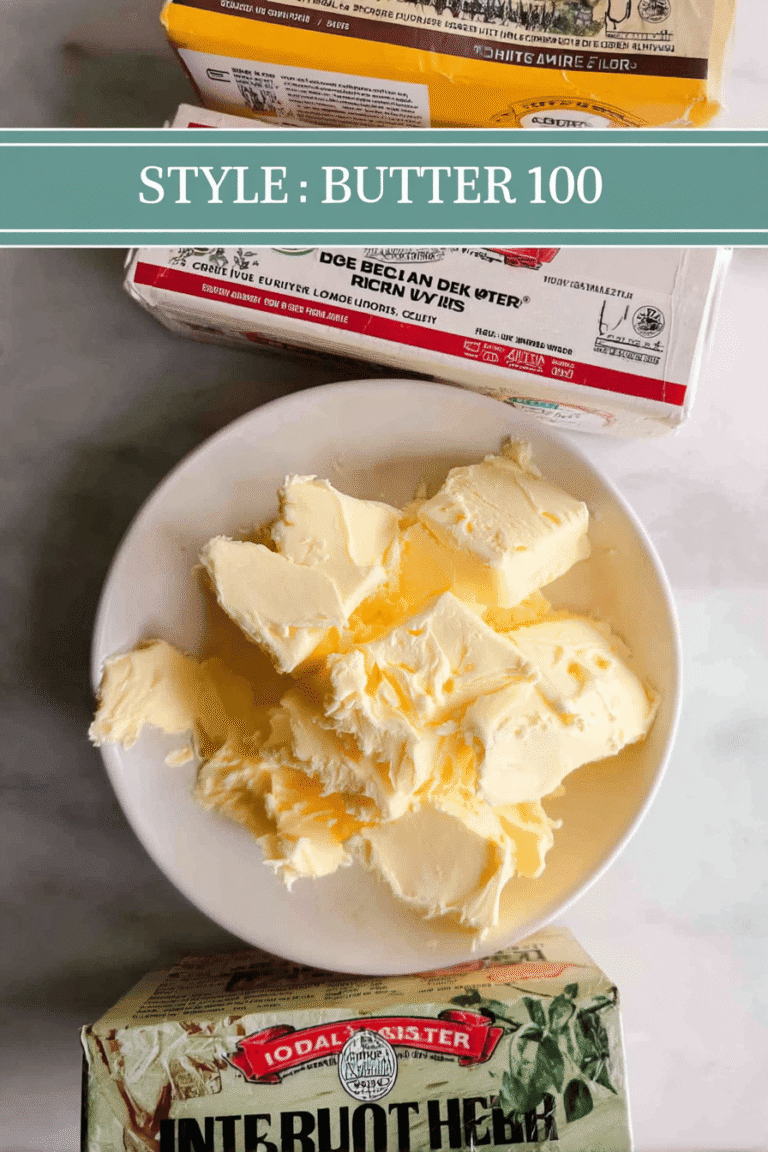
🧈 Discover the essentials of butter, a versatile ingredient that enriches flavors and textures in cooking and baking.
🍳 Learn how to make your own butter and explore tips that enhance your culinary creations with this creamy dairy staple.
Ingredients
– 1 cup Unsalted butter Forms the creamy base and provides a rich texture for the recipe.
– 1/2 tsp Sea salt Enhances the overall flavor without overpowering the natural taste.
– 2 tbsp Fresh herbs, chopped Adds freshness and aromatic notes to the mixture.
– 1 tsp Garlic powder Introduces subtle savory elements that complement the butter’s profile.
Instructions
1-How to Prepare the Perfect Butter: Butter is prepared by first gathering all ingredients, ensuring the unsalted butter is softened for optimal mixing, which draws from traditional churning methods that break down fat globules. In a mixing bowl, combine the softened butter with sea salt and garlic powder to create a base that enhances flavor and texture. Stir in the finely chopped fresh herbs evenly to distribute the freshness throughout the mixture.
2-Mixing and Chilling: Mix thoroughly until all components are well incorporated, forming a solid mass similar to the process of pressing and kneading butter grains after churning. Taste and adjust seasoning if necessary, adding more herbs or salt as desired to achieve the perfect balance. Transfer the butter mixture into a mold or container and chill in the refrigerator for at least one hour before serving, allowing it to firm up as in traditional recipes.
3-Incorporating Traditional Methods: For a basic homemade version, start with cream from milk of cows or other mammals and churn it to agitate and break the fat globule membranes, leading to fat clumping. Drain off the buttermilk and wash the butter grains with cold water to remove any residual liquid, then work the butter by pressing and kneading to consolidate it. Add salt or flavorings before packaging, which can take about 6 hours for sweet cream butter or up to 72 hours for cultured varieties.
4-Note on Variations: Note that for vegan or low-calorie options, substitute ingredients accordingly and follow the same method, with timing possibly varying based on consistency. This step-by-step approach ensures butter meets various needs, from baking enthusiasts to party hosts.
Last Step:
Please leave a rating and comment letting us know how you liked this recipe! This helps our business to thrive and continue providing free, high-quality recipes for you.Notes
🧈 Store butter at about 15°C (60°F) for optimal spreadability.
🔥 Use clarified butter or ghee for high-heat cooking due to butter’s low smoke point.
🥄 Let butter come to room temperature before baking unless a recipe specifies otherwise.
- Category: Cooking Basics
- Method: Churning and Kneading
Nutrition
- Calories: 717 kcal per 100g
- Fat: 81 g
- Saturated Fat: 51 g
- Unsaturated Fat: 24 g (monounsaturated and polyunsaturated)
- Trans Fat: 3 g