Ingredients
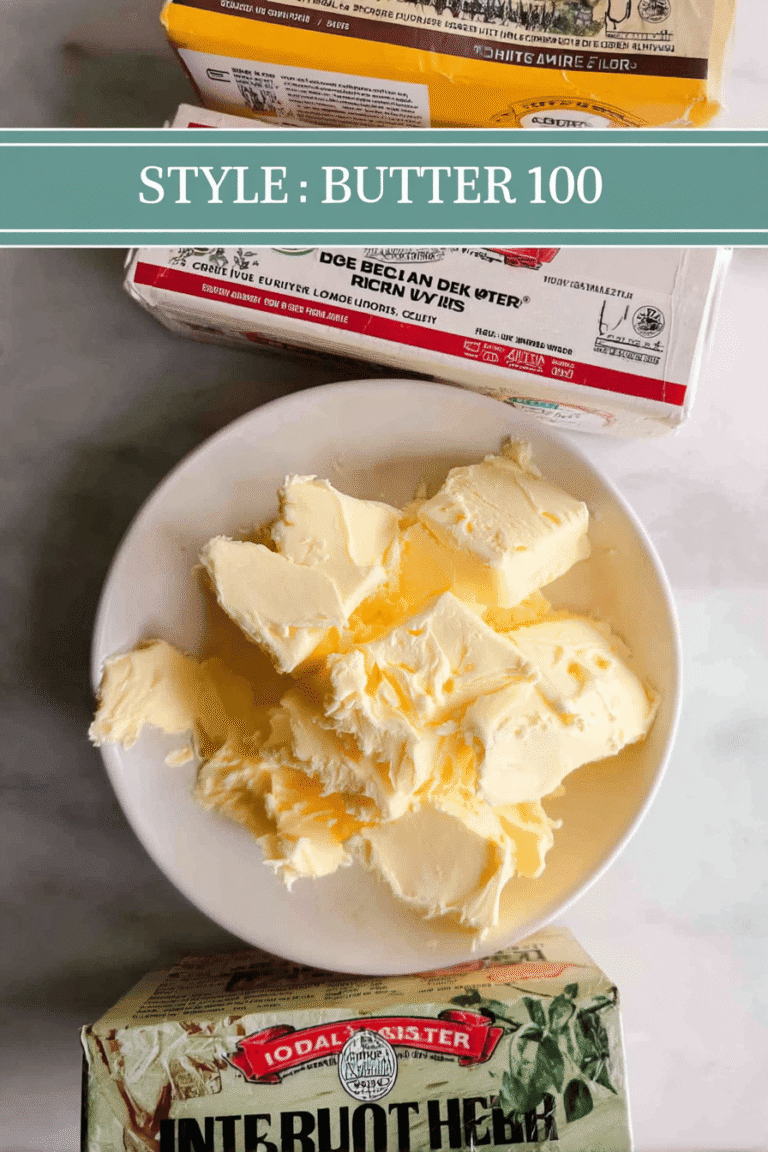
– 1 cup Unsalted butter Forms the creamy base and provides a rich texture for the recipe.
– 1/2 tsp Sea salt Enhances the overall flavor without overpowering the natural taste.
– 2 tbsp Fresh herbs, chopped Adds freshness and aromatic notes to the mixture.
– 1 tsp Garlic powder Introduces subtle savory elements that complement the butter’s profile.
Instructions
1-How to Prepare the Perfect Butter: Butter is prepared by first gathering all ingredients, ensuring the unsalted butter is softened for optimal mixing, which draws from traditional churning methods that break down fat globules. In a mixing bowl, combine the softened butter with sea salt and garlic powder to create a base that enhances flavor and texture. Stir in the finely chopped fresh herbs evenly to distribute the freshness throughout the mixture.
2-Mixing and Chilling: Mix thoroughly until all components are well incorporated, forming a solid mass similar to the process of pressing and kneading butter grains after churning. Taste and adjust seasoning if necessary, adding more herbs or salt as desired to achieve the perfect balance. Transfer the butter mixture into a mold or container and chill in the refrigerator for at least one hour before serving, allowing it to firm up as in traditional recipes.
3-Incorporating Traditional Methods: For a basic homemade version, start with cream from milk of cows or other mammals and churn it to agitate and break the fat globule membranes, leading to fat clumping. Drain off the buttermilk and wash the butter grains with cold water to remove any residual liquid, then work the butter by pressing and kneading to consolidate it. Add salt or flavorings before packaging, which can take about 6 hours for sweet cream butter or up to 72 hours for cultured varieties.
4-Note on Variations: Note that for vegan or low-calorie options, substitute ingredients accordingly and follow the same method, with timing possibly varying based on consistency. This step-by-step approach ensures butter meets various needs, from baking enthusiasts to party hosts.
Last Step:
Please leave a rating and comment letting us know how you liked this recipe! This helps our business to thrive and continue providing free, high-quality recipes for you.Notes
🧈 Store butter at about 15°C (60°F) for optimal spreadability.
🔥 Use clarified butter or ghee for high-heat cooking due to butter’s low smoke point.
🥄 Let butter come to room temperature before baking unless a recipe specifies otherwise.
- Category: Cooking Basics
- Method: Churning and Kneading
Nutrition
- Calories: 717 kcal per 100g
- Fat: 81 g
- Saturated Fat: 51 g
- Unsaturated Fat: 24 g (monounsaturated and polyunsaturated)
- Trans Fat: 3 g