
Why You’ll Love This Pork Belly
Pork belly is a favorite for many home cooks due to its rich taste and satisfying texture. This recipe makes preparing it simple and fun, turning your kitchen into a spot for flavorful dinners. With the slow-roasted method, you get tender meat and that crispy crackling skin everyone raves about.
- Ease of preparation: This pork belly recipe is simple to make, requiring minimal ingredients and straightforward steps, allowing you to prepare a delicious meal quickly. The cooking time is efficient, making it ideal for weeknight dinners or last-minute gatherings.
- Health benefits: Pork belly, when prepared with balanced ingredients, offers a tasty source of protein along with essential vitamins and minerals. Using leaner cuts and incorporating herbs enhances its nutritional profile, supporting wellness and a balanced diet. For more on health benefits of pork, check reliable sources.
- Versatility: This pork belly dish is adaptable to various dietary needs, including gluten-free, low-calorie, and even vegan options with proper substitutions. Its flexible flavor base allows it to pair well with many sides and sauces.
- Distinctive flavor: The rich, succulent pork belly stands out with its crispy skin and tender meat, infused with aromatic spices and marinades. This unique combination delivers a memorable taste experience that sets this recipe apart.
Trust me, once you try this pork belly recipe, you’ll want to make it over and over because it’s so straightforward and delicious. It’s perfect for busy parents or working professionals looking for a meal that’s both hearty and not too time-consuming. Plus, the optional accompaniments like apple sauce or chimichurri let you customize it to your liking.
Jump to:
- Why You’ll Love This Pork Belly
- Essential Ingredients for Pork Belly
- How to Prepare the Perfect Pork Belly: Step-by-Step Guide
- Dietary Substitutions to Customize Your Pork Belly
- Mastering Pork Belly: Advanced Tips and Variations
- How to Store Pork Belly: Best Practices
- FAQs: Frequently Asked Questions About Pork Belly
- How do I prepare pork belly skin for crispy crackling?
- What is the best cooking method and temperature for tender pork belly with crispy skin?
- Can I prepare pork belly ahead of time and still keep the crackling crispy?
- What are common seasonings and sauces that go well with slow-roasted pork belly?
- How do I choose the right pork belly for cooking crackling?
- Pork Belly
- Ingredients
- Instructions
- Last Step:
- Notes
- Nutrition
- Did you make this recipe?
Essential Ingredients for Pork Belly
In this section, we’ll focus on the key ingredients that make this pork belly recipe stand out. Using the right amounts ensures the best results, from tender meat to that perfect crispy skin. Let’s break down the list based on the precise measurements provided.
- 1 kg (2 lb) pork belly with skin on, preferably 3 to 3.5 cm thick and flat
- 1 1/2 teaspoons olive oil (divided)
- 1/2 teaspoon fennel powder or ground fennel seeds (optional)
- 1 teaspoon salt (cooking or kosher salt, or 7/8 teaspoon table salt, divided)
- 1/4 teaspoon black pepper
These ingredients form the foundation of a delicious slow-roasted pork belly. Optional serving accompaniments include cauliflower puree, apple sauce, vermouth jus, honey mustard, Dijon mustard, chimichurri, honey garlic sauce, gravy, parsley salsa verde, or BBQ sauce to enhance your meal. Remember, accurate measurements are key to achieving the ideal balance of flavors and textures.
How to Prepare the Perfect Pork Belly: Step-by-Step Guide
Getting pork belly just right involves a few key steps for tender meat and crispy crackling. Start by drying the pork skin uncovered in the fridge overnight for about 1 day to get the best crackling, or pat it thoroughly dry if time is short. This helps remove moisture and sets the stage for that irresistible crunch.
First, preheat your oven to 140°C (285°F, 120°C fan). Season the flesh side with 1 teaspoon olive oil, 1/2 teaspoon salt, black pepper, and fennel powder, rubbing it in thoroughly including the sides and crevices. Place the pork skin-side up inside a loosely folded foil box that exposes the skin, with sides pinched to enclose but not cover it, then pat the skin dry again if needed and rub with the remaining 1/2 teaspoon olive oil and sprinkle with the remaining 1/2 teaspoon salt.
The pork belly slow roasts at 140°C (285°F) for 2 1/2 hours total; after 1 1/2 hours, tighten the foil to maintain pork fat levels and moisture, then return it for another hour. Increase the oven temperature to 240°C (465°F), remove the pork from the foil, and place it on a rack over a tray if available, or prop it level on foil balls under the belly to keep the skin horizontal. It roasts at this high temperature for 30 minutes, rotating halfway, until the skin is golden, puffy, and crispy, and adjust foil patches to prevent burning.
Let the cooked pork rest for 10 minutes before slicing into 2 cm thick pieces with a serrated knife. This slow-roasted method ensures the meat stays tender while the skin crisps up nicely. For those adapting for dietary needs, you can follow substitutions mentioned later to fit your preferences.

Dietary Substitutions to Customize Your Pork Belly
Everyone has different needs, so customizing this pork belly recipe is easy. Protein and main component alternatives include using tofu or tempeh marinated with similar spices for a vegan substitute that mimics the texture and flavor of pork belly. For low-calorie options, replace pork belly with skinless chicken thighs or turkey breast to reduce fat content.
- Vegetable, sauce, and seasoning modifications: Swap traditional vegetables like bok choy with zucchini or bell peppers to match seasonal availability or dietary preferences.
- Adjust sauces by using coconut aminos or gluten-free soy sauce to accommodate gluten intolerance.
- Experiment with herbs such as rosemary or thyme for flavor variation, or reduce salt to meet low-sodium diet requirements.
These changes keep the dish versatile and enjoyable. For ideas on variations, check out this delicious dessert recipe that shows how simple tweaks can lead to great results in other meals.
Mastering Pork Belly: Advanced Tips and Variations
Taking your pork belly to the next level means trying some pro cooking techniques, like slow-cooking it sous vide for hours to get ultra-tender meat before crisping the skin with a torch or broiler. Flavor variations can include adding smoked paprika, chili flakes, or a citrus glaze to enhance and diversify the taste. For those who love experimenting, this is where you can really shine in the kitchen.
- Presentation tips: Slice pork belly thinly and arrange over steamed rice or noodles, garnished with finely chopped scallions and toasted sesame seeds for visual appeal.
- Make-ahead options: Prepare the pork belly a day ahead and refrigerate; reheat gently in the oven to preserve crispness, making it convenient for busy schedules. If you’re into baked goods, you might enjoy this banana bread coffee cake for a sweet pairing.
Remember, the key to great pork belly is in the details, like maintaining even heat for that crispy skin. This approach not only builds your cooking skills but also adds a fun twist to your meals.
How to Store Pork Belly: Best Practices
Proper storage keeps your pork belly fresh and tasty for later. Store cooked pork belly in an airtight container in the refrigerator for up to 3-5 days to maintain its quality. For longer keeping, wrap it tightly in plastic wrap and aluminum foil or use vacuum seal bags before freezing; it can last up to 2 months.
| Storage Method | Duration | Tips |
|---|---|---|
| Refrigeration | 3-5 days | Use airtight containers to prevent drying out. |
| Freezing | Up to 2 months | Thaw in the fridge overnight before reheating. |
| Reheating | N/A | Warm the meat in the microwave and crisp the crackling in the oven at 350°F (175°C); pour saved rendered fat over the meat for moisture. |
Meal prep considerations include portioning into meal-sized servings before storing to simplify quick reheating and reduce waste. This way, you can enjoy your pork belly without much hassle.
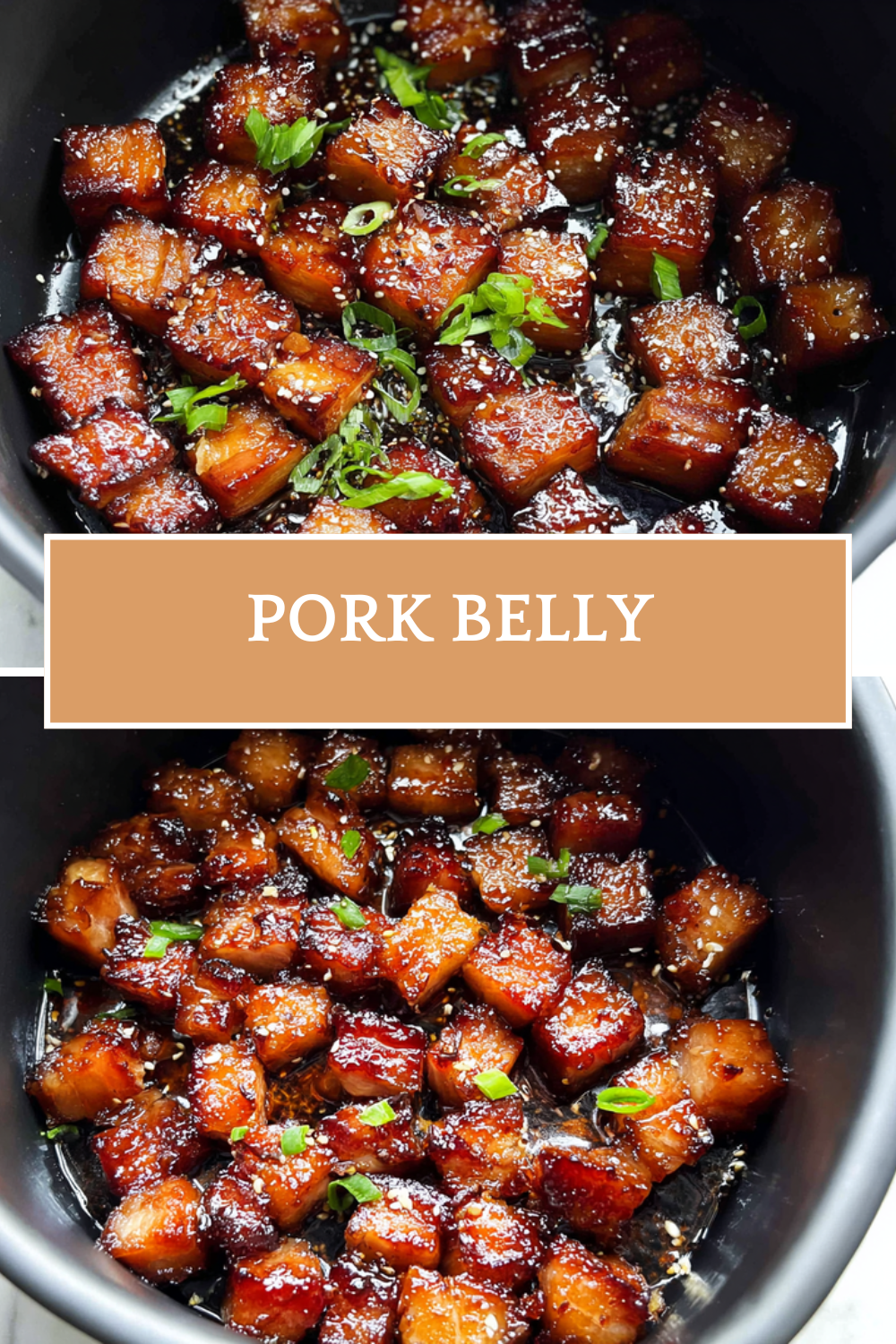
FAQs: Frequently Asked Questions About Pork Belly
How do I prepare pork belly skin for crispy crackling?
To get crispy crackling, start by drying the pork belly skin thoroughly, ideally uncovered in the fridge overnight. This removes moisture that prevents crispiness. Avoid scoring the skin, as it can cause juices to leak and result in soggy patches. Just rub salt evenly over the dry skin before cooking. This draws out extra moisture and helps create a bubbly, crunchy texture during roasting.
What is the best cooking method and temperature for tender pork belly with crispy skin?
Slow roast the pork belly at 140°C (285°F) for about 2 1/2 hours to tenderize the meat and render fat evenly. Then, increase the oven temperature to 240°C (465°F) for 20–30 minutes to crisp the skin and form crackling. During the final high-heat stage, position the pork so the skin is level to ensure even cooking and prevent burnt spots.
Can I prepare pork belly ahead of time and still keep the crackling crispy?
Yes, pork belly can be cooked in advance. Store the meat wrapped with some rendered fat poured over to retain moisture, reheating it gently in the oven at low heat. Reheat the crackling separately on a high heat for a few minutes to restore its crispiness before serving.
What are common seasonings and sauces that go well with slow-roasted pork belly?
Basic seasoning includes salt, pepper, and olive oil. Fennel powder adds a nice flavor if desired. Popular sauce choices are classic apple sauce and vermouth jus, which complement the rich pork. Alternatives like honey mustard, chimichurri, or BBQ sauce can provide different flavor profiles to suit your taste.
How do I choose the right pork belly for cooking crackling?
Select pork belly with a flat, dry skin and even thickness around 3 cm (1.3 inches) for consistent cooking. Avoid vacuum-packed pork as it often traps moisture in the skin. Look for well-marbled fat layers between the meat, which help keep the pork tender and flavorful throughout roasting.
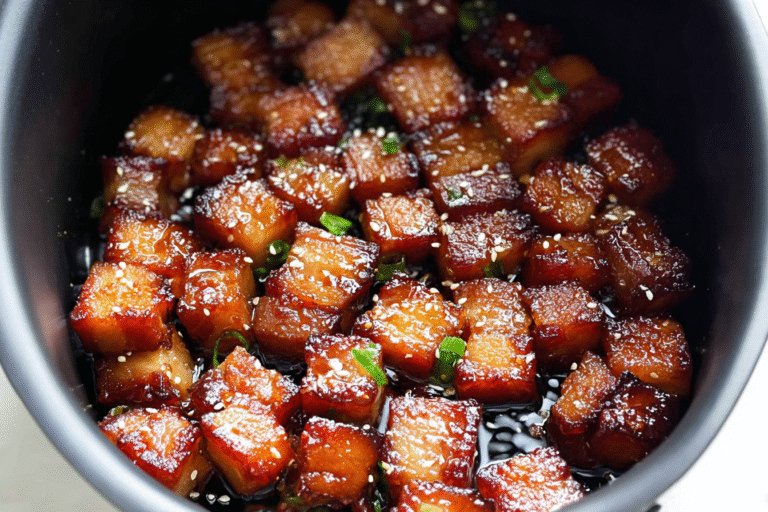
Pork Belly
🐖 Slow Roasted Pork Belly offers irresistibly tender meat paired with perfectly crispy crackling for a truly indulgent experience.
🔥 The slow roasting technique locks in moisture and flavor, creating a juicy, savory main dish that’s sure to impress.
- Total Time: Overnight plus 3 hours
- Yield: 4 servings
Ingredients
– 1 kg (2 lb) pork belly with skin on, preferably 3 to 3.5 cm thick and flat
– 1 1/2 teaspoons olive oil (divided)
– 1/2 teaspoon fennel powder or ground fennel seeds (optional)
– 1 teaspoon salt (cooking or kosher salt, or 7/8 teaspoon table salt, divided)
– 1/4 teaspoon black pepper
Instructions
1-Getting pork belly just right involves a few key steps for tender meat and crispy crackling. Start by drying the pork skin uncovered in the fridge overnight for about 1 day to get the best crackling, or pat it thoroughly dry if time is short. This helps remove moisture and sets the stage for that irresistible crunch.
2-First, preheat your oven to 140°C (285°F, 120°C fan). Season the flesh side with 1 teaspoon olive oil, 1/2 teaspoon salt, black pepper, and fennel powder, rubbing it in thoroughly including the sides and crevices. Place the pork skin-side up inside a loosely folded foil box that exposes the skin, with sides pinched to enclose but not cover it, then pat the skin dry again if needed and rub with the remaining 1/2 teaspoon olive oil and sprinkle with the remaining 1/2 teaspoon salt.
3-The pork belly slow roasts at 140°C (285°F) for 2 1/2 hours total; after 1 1/2 hours, tighten the foil to maintain pork fat levels and moisture, then return it for another hour. Increase the oven temperature to 240°C (465°F), remove the pork from the foil, and place it on a rack over a tray if available, or prop it level on foil balls under the belly to keep the skin horizontal. It roasts at this high temperature for 30 minutes, rotating halfway, until the skin is golden, puffy, and crispy, and adjust foil patches to prevent burning.
4-Let the cooked pork rest for 10 minutes before slicing into 2 cm thick pieces with a serrated knife. This slow-roasted method ensures the meat stays tender while the skin crisps up nicely. For those adapting for dietary needs, you can follow substitutions mentioned later to fit your preferences.
Last Step:
Please leave a rating and comment letting us know how you liked this recipe! This helps our business to thrive and continue providing free, high-quality recipes for you.Notes
⏳ Drying the skin overnight is key for crisp crackling.
🌿 Use fennel powder for subtle aromatic flavor.
🔥 When crisping crackling, watch carefully to avoid burning and adjust foil as needed.
- Prep Time: 10 minutes (plus overnight drying)
- Roasting time: 3 hours
- Cook Time: 3 hours
- Category: Main Course
- Method: Slow roasting, high heat roasting
- Cuisine: International
Nutrition
- Serving Size: 1 slice (approx. 2 cm thick)
- Calories: 1313 kcal
- Sugar: 1 g
- Sodium: 661 mg
- Fat: 135 g
- Saturated Fat: 49 g
- Trans Fat: 0 g
- Carbohydrates: 1 g
- Fiber: 0.1 g
- Protein: 23 g
- Cholesterol: 180 mg