
Why You’ll Love This Rice Pudding Recipe No Eggs
When you’re craving something cozy and sweet, this Rice Pudding Recipe No Eggs will wrap you up in all those nostalgic flavors without any fuss. There’s something truly special about homemade rice pudding it’s like a warm hug on a cold day, but without the stress of complicated cooking techniques or hard-to-find ingredients. Just like our mini Earl Grey honey scones, this recipe brings comfort and satisfaction to your kitchen with minimal effort.
Ease of Preparation
This rice pudding recipe no eggs makes for an incredibly simple dessert that anyone can master. With just five basic ingredients and about 50 minutes of mostly hands-off cooking time, you’ll have a creamy, delicious dessert that rivals any restaurant version. No tempering eggs, no baking, and virtually no risk of curdling just straightforward cooking that yields perfect results every time.
“The beauty of this recipe lies in its simplicity most of these items are probably already in your kitchen.”
Health Benefits
While this is certainly a treat, it does offer some nutritional advantages. The rice provides a good source of carbohydrates for energy, while milk delivers calcium and protein. Plus, this rice pudding recipe no eggs is naturally gluten-free, making it suitable for those with gluten sensitivities. For a healthier version, you can easily reduce the sugar or use natural alternatives like maple syrup or honey.
Versatility
One of the best things about this recipe is its adaptability. Whether you’re dairy-free, vegan, or watching your sugar intake, this rice pudding recipe no eggs can be customized to meet your needs. Use coconut milk for a dairy-free version, substitute sweeteners, or add your favorite mix-ins like raisins, nuts, or spices to create your perfect bowl of comfort.
Distinctive Flavor
The beauty of this rice pudding lies in its simple yet sophisticated flavor profile. The combination of creamy milk, tender rice, and just the right amount of sweetness with vanilla creates a dessert that’s comforting without being overly rich. Unlike egg-based puddings that can sometimes feel heavy, this version is lighter but still deeply satisfying, allowing the natural flavor of the rice to shine through.
Jump to:
- Why You’ll Love This Rice Pudding Recipe No Eggs
- Ease of Preparation
- Health Benefits
- Versatility
- Distinctive Flavor
- Essential Ingredients for Rice Pudding Recipe No Eggs
- Main Ingredients
- Special Dietary Options
- Vegan Options
- Gluten-Free Considerations
- Low-Calorie Variations
- How to Prepare the Perfect Rice Pudding Recipe No Eggs: Step-by-Step Guide
- Preparation Phase
- Cooking Process
- First Step: Heating the Milk
- Second Step: Adding the Rice
- Third Step: Simmering to Perfection
- Fourth Step: Adding Flavor
- Fifth Step: Resting for Perfection
- Final Step: Serving Your Creation
- Timing and Temperature Guide
- Dietary Substitutions to Customize Your Rice Pudding Recipe No Eggs
- Protein and Main Component Alternatives
- Vegetable, Sauce, and Seasoning Modifications
- Mastering Rice Pudding Recipe No Eggs: Advanced Tips and Variations
- Pro Cooking Techniques
- Flavor Variations
- Presentation Tips
- Make-Ahead Options
- How to Store Rice Pudding Recipe No Eggs: Best Practices
- Refrigeration
- Freezing
- Reheating
- Meal Prep Considerations
- FAQs: Frequently Asked Questions About Rice Pudding Recipe No Eggs
- How do you make rice pudding without eggs on the stovetop?
- What ingredients are needed for a rice pudding recipe no eggs?
- Should you rinse rice before making rice pudding no eggs?
- Can you freeze rice pudding made without eggs?
- How do you store homemade rice pudding recipe no eggs?
- Rice Pudding Recipe No Eggs
- Ingredients
- Instructions
- Last Step:
- Notes
- Nutrition
- Did you make this recipe?
Essential Ingredients for Rice Pudding Recipe No Eggs
Before you begin cooking, gather these simple ingredients that make this rice pudding recipe no eggs so special. The beauty of this recipe lies in its simplicity most of these items are probably already in your kitchen. If you’re interested in exploring more creamy rice pudding recipes, there are many variations to discover beyond this classic version.
Main Ingredients
- 3 cups whole milk – Creates the creamy base that makes this pudding so delicious
- 1/3 cup uncooked Jasmine rice (or any short, medium, or long grain rice) – The star ingredient that transforms into a tender, flavorful dessert
- 1/4 cup sugar (white sugar recommended; alternatives like maple sugar, coconut sugar, or brown sugar can be used) – Adds just the right amount of sweetness
- 1 teaspoon vanilla extract – Provides that classic, comforting flavor
- Cinnamon for sprinkling – The perfect finishing touch that adds warmth and aroma
Special Dietary Options
Vegan Options
For a plant-based version of this rice pudding recipe no eggs, simply replace the whole milk with coconut milk, almond milk, or oat milk. Coconut milk works particularly well as it naturally adds richness and creaminess similar to dairy. Keep in mind that some plant-based milks may require slightly longer cooking times to achieve the desired thickness.
Gluten-Free Considerations
Good news! This rice pudding recipe no eggs is naturally gluten-free, making it perfect for those with celiac disease or gluten sensitivity. Just ensure that your vanilla extract and other ingredients are certified gluten-free, especially if you’re serving someone with severe gluten allergies.
Low-Calorie Variations
To lighten up this rice pudding recipe no eggs, consider using reduced-fat milk or unsweetened almond milk instead of whole milk. You can also decrease the sugar amount or use natural calorie-free sweeteners like stevia. Adding extra flavor through cinnamon, nutmeg, or cardamom can compensate for reduced sweetness while keeping calories in check.
How to Prepare the Perfect Rice Pudding Recipe No Eggs: Step-by-Step Guide
Now that you have all your ingredients ready, let’s walk through how to make this delicious rice pudding recipe no eggs. These step-by-step instructions will guide you to perfect results every time.
Preparation Phase
Before you begin cooking, there’s one crucial step: rinsing your rice. Rinse the uncooked Jasmine rice 2-3 times under cold water until the water runs clear. This removes excess surface starch that can make your pudding gluey or overly thick. While this might seem like a small detail, it makes a significant difference in the final texture of your rice pudding recipe no eggs.
Cooking Process
First Step: Heating the Milk
In a medium saucepan, bring 3 cups of whole milk to a gentle boil over medium heat. Keep an eye on the pot to prevent the milk from scorching or boiling over. You can stir occasionally to ensure even heating. If you’re using a plant-based milk alternative, coconut milk works exceptionally well in this rice pudding recipe no eggs and provides a lovely tropical note to the final dish.
Second Step: Adding the Rice
Once the milk reaches a boil, carefully add the rinsed rice to the pot. Stir gently to distribute the rice evenly in the milk. This is the point where the magic begins as the rice starts absorbing the creamy liquid, creating the foundation of your pudding.
Third Step: Simmering to Perfection
Reduce the heat to low and cover the saucepan with the lid slightly cracked to allow steam to escape. Let the mixture simmer gently for 40 minutes to 1 hour. This is a mostly hands-off process, but you’ll want to stir the mixture every 15 minutes to prevent sticking and ensure even cooking. During this time, the rice will soften and absorb the milk, while the mixture will naturally thicken into a creamy consistency. Patience is key here good things take time!
Fourth Step: Adding Flavor
Once your rice is tender and the mixture has reached your desired thickness, remove the saucepan from the heat. Stir in 1/4 cup of sugar and 1 teaspoon of vanilla extract until well combined. The sugar will dissolve quickly in the hot mixture, and the vanilla will infuse its wonderful aroma throughout the pudding. This is when your kitchen will start smelling absolutely amazing!
Fifth Step: Resting for Perfection
Let the pudding sit for about 10 minutes after adding the sugar and vanilla. This resting period allows the sugar to fully dissolve and gives the flavors time to meld together. You’ll notice the pudding continuing to thicken slightly as it cools. This step is simple but essential for developing the depth of flavor that makes this rice pudding recipe no eggs so special.
Final Step: Serving Your Creation
Spoon the pudding into individual serving dishes and sprinkle with cinnamon for that classic finishing touch. You can serve it warm for immediate comfort or refrigerate for a cool, refreshing treat. Either way, this rice pudding recipe no eggs delivers a perfectly creamy texture and delightful flavor that will have everyone asking for seconds.
Timing and Temperature Guide
For your reference, here’s a quick breakdown of the timing for this recipe:
| Step | Action | Time | Temperature |
|---|---|---|---|
| 1 | Bring milk to boil | ~5 minutes | Medium heat |
| 2 | Simmer with rice | 40-60 minutes | Low heat |
| 3 | Rest after flavoring | 10 minutes | Off heat |
The total time from start to finish is approximately 50 minutes, including the resting period. This makes it a relatively quick dessert to prepare, considering most of the cooking time is hands-off.

Dietary Substitutions to Customize Your Rice Pudding Recipe No Eggs
Protein and Main Component Alternatives
While traditional rice pudding uses standard white rice, you can experiment with different grains to create unique variations of this rice pudding recipe no eggs. Brown rice works well but may require additional cooking time and liquid. For a higher protein option, quinoa makes an excellent substitute and adds a delightful nutty flavor. If you’re looking to reduce carbohydrates, cauliflower rice can be used, though the texture will be quite different from traditional pudding.
For the liquid component, whole milk provides the creamiest results, but there are many alternatives depending on your dietary needs. Coconut milk creates a rich, tropical version and works perfectly for those avoiding dairy. Almond milk offers a lighter option with a subtle nutty flavor, while oat milk provides a creamy texture similar to dairy without the animal products. If you prefer cow’s milk but want to reduce fat content, you can use 2% or skim milk, though the pudding may be less rich.
Vegetable, Sauce, and Seasoning Modifications
The flavor profile of your rice pudding recipe no eggs can be customized in endless ways through seasoning and add-ins. For autumn-inspired variations, try adding pumpkin puree, pumpkin pie spice, or a dash of nutmeg along with the sugar. In the spring, fresh berries or a swirl of lemon curd can brighten the dish.
For chocolate lovers, cocoa powder or melted chocolate can be added to create a decadent chocolate version. Coffee lovers might enjoy a mocha variation with instant coffee powder. Those who prefer more traditional flavors can experiment with different spices cardamom adds an exotic touch, while almond extract creates a marzipan-like flavor profile.
Looking for a breakfast version? Reduce the sugar and top with fresh fruit and nuts for a nutritious morning meal. The versatility of this rice pudding recipe no eggs makes it adaptable for any meal or occasion.
If you’re serving this to children, consider mixing in some jam or fruit preserves for extra sweetness. Adults might appreciate a splash of rum or bourbon in the mixture for a sophisticated dessert. Just remember that alcohol won’t cook off since the pudding is prepared on the stovetop without baking.
Mastering Rice Pudding Recipe No Eggs: Advanced Tips and Variations
Pro Cooking Techniques
For the creamiest results, use full-fat milk in your rice pudding recipe no eggs. The higher fat content prevents the milk from separating during cooking and creates a velvety texture. If you only have lower-fat milk available, adding a tablespoon of butter or a splash of cream can help mimic the richness of whole milk.
When simmering the rice and milk, keep the heat very low to prevent scorching. Using a heavy-bottomed saucepan or a double boiler can help distribute heat more evenly. If you notice the milk sticking to the bottom of the pan, reduce the heat and stir more frequently.
For an even more luxurious texture, try this restaurant technique: after the rice is cooked, remove about half a cup of the mixture and blend it until smooth, then return it to the pot. This creates a thicker, more velvety consistency without the need for eggs or cornstarch.
Flavor Variations
While cinnamon is the classic topping for this rice pudding recipe no eggs, there are many other flavor combinations to explore. Try these delicious variations:
- Add raisins, currants, or chopped dried apricots during the last 15 minutes of cooking for fruity sweetness
- Mix in chocolate chips or chopped dark chocolate after removing from heat for a chocolate lover’s version
- Stir in a tablespoon of orange or lemon zest along with the vanilla for a citrusy twist
- Infuse the milk with a vanilla bean, cinnamon stick, or cardamom pods while heating for deeper flavor
- Top with toasted coconut flakes, chopped pecans, or sliced almonds for added crunch
- Drizzle with caramel sauce, chocolate sauce, or fruit compote before serving
Presentation Tips
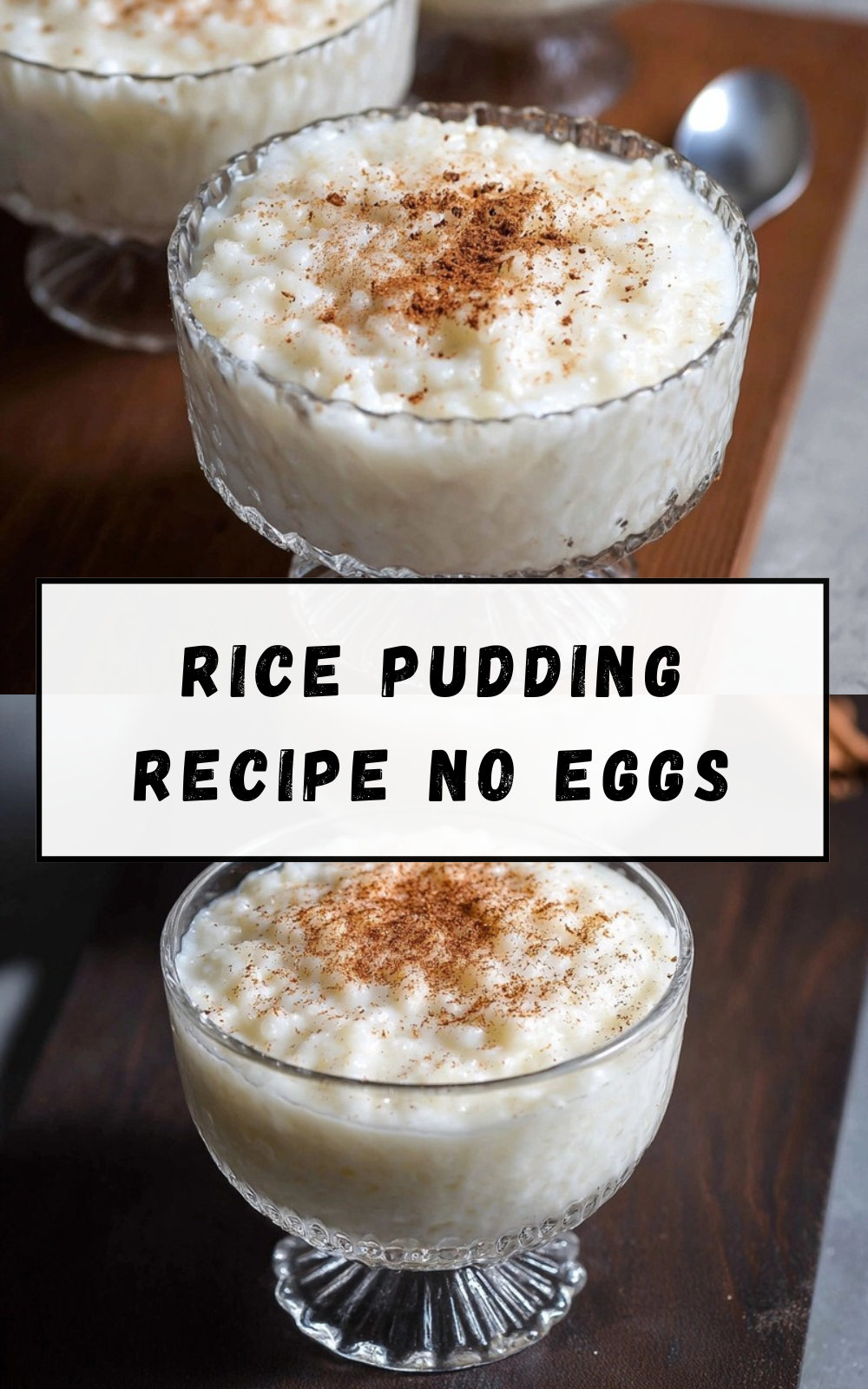
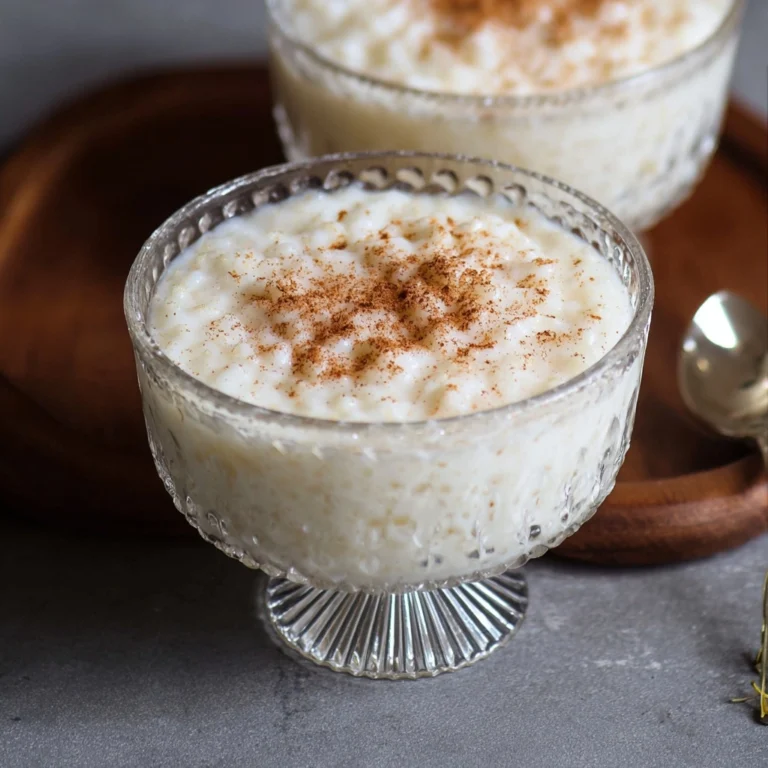
Serve your rice pudding in clear glass dishes or ramekins to show off its creamy texture. A light dusting of cinnamon, nutmeg, or cocoa powder on top adds visual appeal. For an elegant touch, place a cinnamon stick, fresh mint leaf, or piece of crystallized ginger as a garnish.
If serving at a dinner party, consider setting up a pudding bar with various toppings so guests can customize their own bowls. This interactive approach adds fun and allows everyone to create their perfect version of this rice pudding recipe no eggs.
Make-Ahead Options
This pudding actually improves after sitting in the refrigerator for a day, as the flavors have time to meld. You can make it up to 3 days in advance and store it in an airtight container in the refrigerator. When ready to serve, simply reheat gently on the stove with a splash of milk to restore its creamy consistency, or serve chilled for a refreshing treat.
For busy mornings, prepare a batch on Sunday and portion it into individual containers for quick breakfasts throughout the week. It’s a satisfying way to start the day that feels indulgent but provides lasting energy. This approach works wonderfully alongside other make-ahead breakfasts like our Greek yogurt bowls or funfetti Greek yogurt muffins.
How to Store Rice Pudding Recipe No Eggs: Best Practices
Refrigeration
Store your leftover rice pudding recipe no eggs in an airtight container in the refrigerator for 5-7 days. It’s important to let the pudding cool completely before covering and refrigerating to prevent condensation from forming, which can make the pudding watery. When you’re ready to enjoy your leftovers, you might notice the pudding has thickened considerably this is normal! Simply stir in a splash of milk before serving to restore its creamy texture.
For maximum freshness, place a piece of plastic wrap directly on the surface of the pudding before sealing the container. This prevents a skin from forming and helps maintain the pudding’s moisture. If you don’t like the idea of plastic touching your food, a thin layer of melted butter on the surface serves the same purpose.
Freezing
Surprisingly, this rice pudding recipe no eggs freezes well for up to 3 months. Portion the cooled pudding into freezer-safe containers, leaving about half an inch of space at the top to allow for expansion. Label each container with the date so you can keep track of freshness. When thawing, transfer the container to the refrigerator overnight and let it thaw gradually.
It’s worth noting that freezing may cause slight separation of the milk, but this is easily remedied. After thawing, give the pudding a good stir, and if needed, reheat gently on the stove with a splash of milk to smooth out the texture. The flavor will remain delicious even after freezing.
Reheating
For the best results, reheat your rice pudding recipe no eggs gently on the stove over low heat. Add a tablespoon or two of milk and stir frequently until warmed through. This method helps restore the creamy texture that may have been lost during storage.
If you’re short on time, the microwave works in a pinch. Transfer a portion to a microwave-safe bowl, cover loosely with a paper towel, and heat in 30-second intervals, stirring between each, until warmed through. You may need to add a splash of milk to achieve the desired consistency.
Meal Prep Considerations
This pudding is perfect for batch cooking and meal prep. Make a double batch on the weekend and portion it into individual containers for easy grab-and-go breakfasts or snacks throughout the week. Each portion can be customized with different toppings to keep things interesting.
For those who like variety, prepare a plain base and add different flavorings just before serving cinnamon and raisins for one day, chocolate chips for another, perhaps some chopped nuts and dried fruit for a third. This approach gives you multiple desserts from one batch of this rice pudding recipe no eggs.
FAQs: Frequently Asked Questions About Rice Pudding Recipe No Eggs
How do you make rice pudding without eggs on the stovetop?
Making rice pudding without eggs is simple and yields a creamy dessert using just pantry staples. Start by rinsing 1 cup of rice (Jasmine works best) 2-3 times to remove starch. In a saucepan, bring 4 cups of full-fat milk to a boil over medium heat. Stir in the rice, reduce to low, cover, and simmer for 40-60 minutes, stirring every 15 minutes until tender and thick. Remove from heat, mix in 1/2 cup sugar and 1 tsp vanilla extract, then let sit covered for 10 minutes. Sprinkle with cinnamon to serve. This egg-free method creates a smooth texture without curdling risks. Enjoy warm or chilled. Serves 4-6. Total time: about 1 hour. Pro tip: Use coconut milk for a dairy-free version. (98 words)
What ingredients are needed for a rice pudding recipe no eggs?
An egg-free rice pudding recipe calls for five basic ingredients: 1 cup uncooked rice (short, medium, or Jasmine grain), 4 cups full-fat milk (whole milk or coconut for vegan), 1/2 cup white sugar (or brown sugar/maple syrup), 1 tsp vanilla extract, and ground cinnamon for topping. No eggs means no need for tempering or baking—just stovetop simmering for creaminess. This keeps it simple, gluten-free, and customizable. Avoid instant rice as it won’t absorb milk properly. Scale up milk for creamier results or add raisins during the last 10 minutes. These staples ensure a comforting pudding ready in under an hour. Always use fresh milk to prevent separation. (112 words)
Should you rinse rice before making rice pudding no eggs?
Yes, rinse the rice 2-3 times under cold water until it runs clear before cooking egg-free rice pudding. This removes excess surface starch that can make the pudding gluey or overly thick. For 1 cup of rice (like Jasmine or short-grain), drain well after rinsing to achieve the ideal creamy, not gummy, texture. Skipping this step often leads to a stodgy result, especially in stovetop recipes without eggs for binding. After rinsing, proceed with boiling milk and simmering covered for 40-60 minutes, stirring occasionally. This small prep ensures restaurant-quality smoothness. Quick test: If water is cloudy after first rinse, keep going. Your pudding will thank you. (108 words)
Can you freeze rice pudding made without eggs?
Yes, egg-free stovetop rice pudding freezes well for up to 3 months. Portion into airtight containers or freezer bags, leaving space for expansion, and label with the date. Freezing may cause slight separation due to milk content, but it’s easy to fix. Thaw overnight in the fridge, then gently reheat on the stovetop over low heat with 1-2 tbsp milk, stirring until creamy (about 5 minutes). Microwave works too: cover loosely, heat in 30-second bursts, stirring and adding milk as needed. Avoid refreezing thawed pudding. This makes it perfect for meal prep—serve warm in winter or cold as a treat. Stays fresh-tasting post-freeze. (114 words)
How do you store homemade rice pudding recipe no eggs?
Store leftover egg-free rice pudding in an airtight container in the fridge for 5-7 days. It thickens when cold, so stir in a splash of milk (1-2 tbsp per serving) before reheating or eating chilled. For best flavor, keep covered to prevent drying out. Reheat gently on the stove over low heat or microwave in short intervals, stirring frequently. Discard if it smells off or shows mold. This no-egg version holds up well without separation issues common in custard-based puddings. Room temperature max: 2 hours. Pro storage tip: Divide into individual portions for grab-and-go breakfasts. Always use clean utensils to extend shelf life. (102 words)
Rice Pudding Recipe No Eggs
🍚 Velvety smooth rice pudding simmers to comforting perfection, infused with pure vanilla for nostalgic bliss.
🥛 Naturally gluten-free stovetop treat that’s creamy, customizable, and ready in under an hour.
- Total Time: 55 minutes
- Yield: 4 servings
Ingredients
– 3 cups whole milk
– 1/3 cup uncooked Jasmine rice (or any short, medium, or long grain rice)
– 1/4 cup sugar (white sugar recommended; alternatives like maple sugar, coconut sugar, or brown sugar can be used)
– 1 teaspoon vanilla extract
– Cinnamon for sprinkling
Instructions
1-Preparation Phase: Before you begin cooking, there’s one crucial step: rinsing your rice. Rinse the uncooked Jasmine rice 2-3 times under cold water until the water runs clear. This removes excess surface starch that can make your pudding gluey or overly thick. While this might seem like a small detail, it makes a significant difference in the final texture of your rice pudding recipe no eggs.
2-First Step: Heating the Milk In a medium saucepan, bring 3 cups of whole milk to a gentle boil over medium heat. Keep an eye on the pot to prevent the milk from scorching or boiling over. You can stir occasionally to ensure even heating. If you’re using a plant-based milk alternative, coconut milk works exceptionally well in this rice pudding recipe no eggs and provides a lovely tropical note to the final dish.
3-Second Step: Adding the Rice Once the milk reaches a boil, carefully add the rinsed rice to the pot. Stir gently to distribute the rice evenly in the milk. This is the point where the magic begins as the rice starts absorbing the creamy liquid, creating the foundation of your pudding.
4-Third Step: Simmering to Perfection Reduce the heat to low and cover the saucepan with the lid slightly cracked to allow steam to escape. Let the mixture simmer gently for 40 minutes to 1 hour. This is a mostly hands-off process, but you’ll want to stir the mixture every 15 minutes to prevent sticking and ensure even cooking. During this time, the rice will soften and absorb the milk, while the mixture will naturally thicken into a creamy consistency. Patience is key here good things take time!
5-Fourth Step: Adding Flavor Once your rice is tender and the mixture has reached your desired thickness, remove the saucepan from the heat. Stir in 1/4 cup of sugar and 1 teaspoon of vanilla extract until well combined. The sugar will dissolve quickly in the hot mixture, and the vanilla will infuse its wonderful aroma throughout the pudding. This is when your kitchen will start smelling absolutely amazing!
6-Fifth Step: Resting for Perfection Let the pudding sit for about 10 minutes after adding the sugar and vanilla. This resting period allows the sugar to fully dissolve and gives the flavors time to meld together. You’ll notice the pudding continuing to thicken slightly as it cools. This step is simple but essential for developing the depth of flavor that makes this rice pudding recipe no eggs so special.
7-Final Step: Serving Your Creation Spoon the pudding into individual serving dishes and sprinkle with cinnamon for that classic finishing touch. You can serve it warm for immediate comfort or refrigerate for a cool, refreshing treat. Either way, this rice pudding recipe no eggs delivers a perfectly creamy texture and delightful flavor that will have everyone asking for seconds.
Last Step:
Please leave a rating and comment letting us know how you liked this recipe! This helps our business to thrive and continue providing free, high-quality recipes for you.Notes
🚿 Rinse rice thoroughly to prevent gummy texture and ensure fluffy grains.
🥛 Full-fat milk yields creamiest results; sub coconut milk for dairy-free version.
❄️ Store in fridge up to 5 days; reheat gently with extra milk for silky smoothness.
- Prep Time: 5 minutes
- Cook Time: 50 minutes
- Category: Desserts
- Method: Stovetop
- Cuisine: American
- Diet: Vegetarian, Gluten-Free
Nutrition
- Serving Size: 1 cup
- Calories: 250 kcal
- Sugar: 18g
- Sodium: 100mg
- Fat: 8g
- Saturated Fat: 5g
- Unsaturated Fat: 2g
- Trans Fat: 0g
- Carbohydrates: 35g
- Fiber: 0g
- Protein: 8g
- Cholesterol: 25mg