
Why You’ll Love This Homemade Vanilla Cake
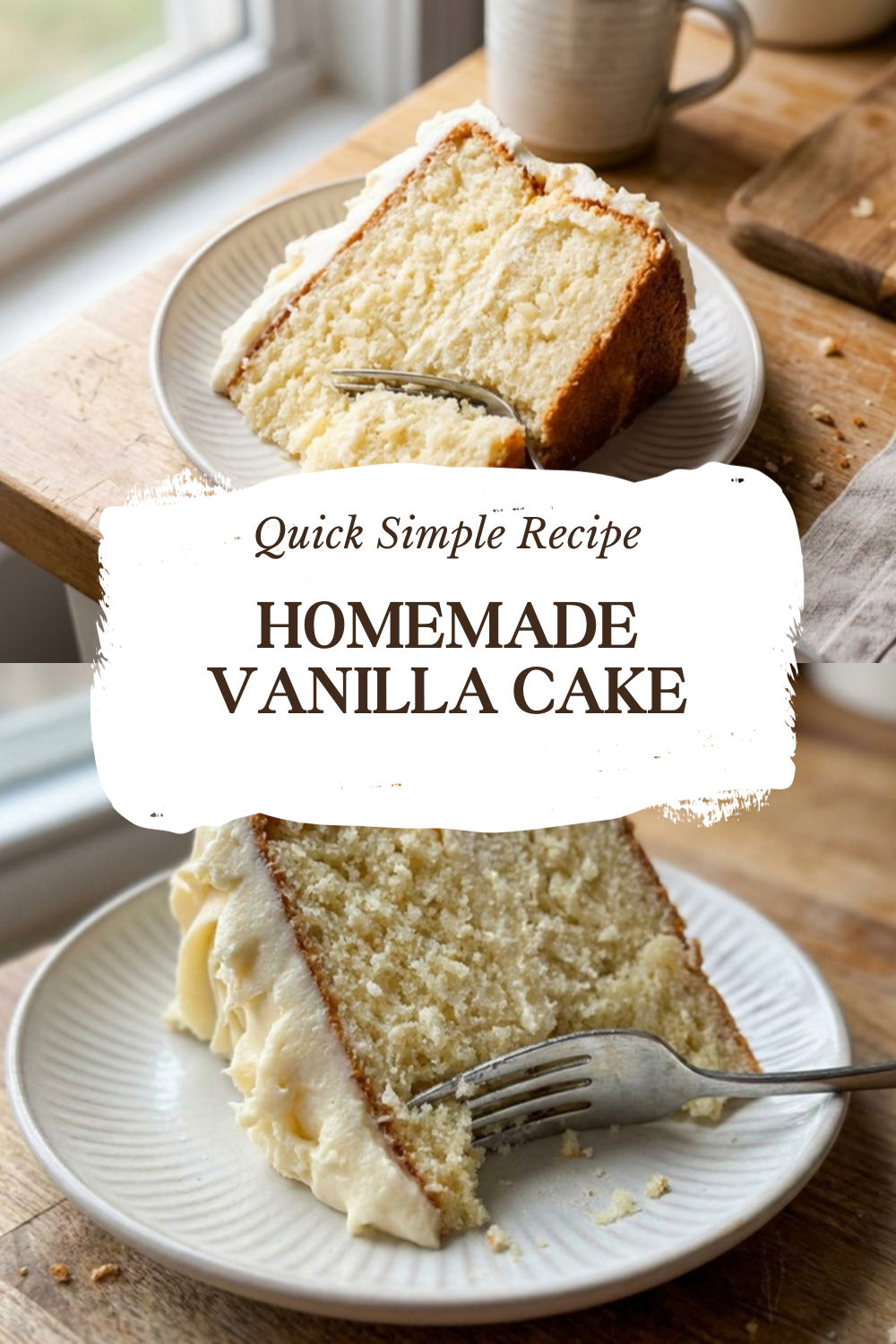
If you’re searching for the perfect dessert to impress family and friends, this Homemade Vanilla Cake is exactly what you need. This classic recipe delivers exceptional results every time, with a tender crumb and rich vanilla flavor that appeals to everyone from picky eaters to dessert connoisseurs. Whether you’re celebrating a special occasion or simply craving something sweet, this vanilla cake will quickly become your go-to recipe for all your baking adventures. Simple vanilla cake recipes are popular for good reason, and this version stands out for its exceptional texture and flavor.
What Makes This Vanilla Cake Special
- Ease of preparation: This Homemade Vanilla Cake comes together in just over an hour with simple steps that even beginners can master. With 30 minutes of prep time and 35 minutes in the oven, you’ll have a stunning cake ready for frosting without spending all day in the kitchen. The straightforward method uses common ingredients and clear instructions, making it accessible for bakers of all skill levels.
- Health benefits: While cakes are typically indulgent treats, this version uses a thoughtful combination of butter and oil to create a moist texture without excess saturated fat. The addition of buttermilk provides calcium and probiotics, while eggs offer quality protein. Each slice delivers 6 grams of protein and contains essential vitamins like Vitamin A (368 IU) and minerals including calcium (119 mg) and iron (2 mg). When enjoyed in moderation as part of a balanced diet, this cake can be part of a mindful approach to treats.
- Versatility: The neutral canvas of this Homemade Vanilla Cake adapts beautifully to various dietary needs and flavor preferences. You can easily modify the recipe for different occasions, substituting ingredients to accommodate restrictions or simply changing up the presentation. From cupcakes to layered cakes, from birthday celebrations to afternoon tea, this recipe transitions seamlessly across different serving styles and events.
- Distinctive flavor: What sets this Homemade Vanilla Cake apart is the perfect balance of vanilla sweetness with a buttery richness that isn’t overwhelming. The combination of butter and oil creates a unique texture that stays moist for days, while the full tablespoon of vanilla extract provides that comforting, recognizable flavor that makes vanilla cake a timeless classic. Unlike boxed mixes that taste artificial, this recipe delivers genuine vanilla essence in every bite.
Jump to:
- Why You’ll Love This Homemade Vanilla Cake
- What Makes This Vanilla Cake Special
- Essential Ingredients for Homemade Vanilla Cake
- Ingredients List
- Ingredient Breakdown
- Special Dietary Options
- Vegan Options
- Gluten-free Alternatives
- Low-calorie Options
- How to Prepare the Perfect Homemade Vanilla Cake: Step-by-Step Guide
- First Step: Preparing Your Kitchen and Equipment
- Second Step: Creaming Butter, Oil, and Sugar
- Third Step: Adding Eggs and Vanilla
- Fourth Step: Mixing Dry Ingredients
- Fifth Step: Combining Wet and Dry Ingredients
- Sixth Step: Baking the Cake Layers
- Final Step: Cooling and Frosting
- Dietary Substitutions to Customize Your Homemade Vanilla Cake
- Protein and Main Component Alternatives
- Vegetable, Sauce, and Seasoning Modifications
- Mastering Homemade Vanilla Cake: Advanced Tips and Variations
- Pro Cooking Techniques
- Flavor Variations
- Presentation Tips
- Make-Ahead Options
- How to Store Homemade Vanilla Cake: Best Practices
- Refrigeration
- Freezing
- Reheating
- Meal Prep Considerations
- FAQs: Frequently Asked Questions About Homemade Vanilla Cake
- Why is my homemade vanilla cake dry?
- Why is my homemade vanilla cake crumbly?
- Why did my homemade vanilla cake sink in the middle?
- Can I make homemade vanilla cake as cupcakes?
- What frosting pairs best with homemade vanilla cake?
- Homemade Vanilla Cake
- Ingredients
- Instructions
- Last Step:
- Notes
- Nutrition
- Did you make this recipe?
Essential Ingredients for Homemade Vanilla Cake
The success of your Homemade Vanilla Cake depends on using quality ingredients measured accurately. Each component plays a specific role in creating the perfect texture and flavor profile.
Ingredients List
- ½ cup (113 g) unsalted butter, softened to room temperature
- ½ cup (120 ml) avocado, canola, or vegetable oil
- 1 ½ cups (300 g) granulated sugar
- 4 large eggs, room temperature preferred
- 1 tablespoon vanilla extract
- 3 cups (375 g) all-purpose flour (can substitute with 3 1/3 cups cake flour or 375 g cake flour)
- 1 tablespoon baking powder
- ½ teaspoon salt
- 1 ¼ cups (300 ml) full-fat buttermilk, room temperature preferred
- Frosting of choice (e.g., chocolate frosting or other options)
Ingredient Breakdown
Each ingredient in this Homemade Vanilla Cake serves a specific purpose. The combination of butter and oil creates the perfect balance of flavor and moisture. Butter provides that rich, traditional taste we all love, while oil ensures the cake stays soft and tender for days. The granulated sugar not only sweetens but also helps create a tender crumb by interfering with gluten formation. Eggs provide structure and richness, while the generous amount of vanilla extract delivers that classic flavor profile.
All-purpose flour creates the cake’s structure, though you can substitute cake flour for an even more delicate texture. Baking powder is the leavening agent that makes the cake rise, while salt enhances all the other flavors. Buttermilk adds acidity which reacts with the baking powder for extra lift, while also contributing tenderness and a subtle tang that balances the sweetness. Vanilla itself offers some surprising health benefits, which you can read more about here.
Special Dietary Options
This Homemade Vanilla Cake recipe accommodates various dietary needs with simple substitutions:
Vegan Options
- Replace butter with vegan butter sticks (not tub margarine)
- Substitute eggs with flax eggs (1 tablespoon ground flaxseed + 3 tablespoons water per egg)
- Use plant-based buttermilk alternative (mix 1 cup plant milk with 1 tablespoon vinegar)
- Ensure vanilla extract is labeled vegan (most pure extracts are naturally vegan)
Gluten-free Alternatives
- Replace all-purpose flour with a 1:1 gluten-free flour blend containing xanthan gum
- Add 1 teaspoon xanthan gum if your blend doesn’t contain it
- Verify all other ingredients are certified gluten-free, including baking powder
- Expect slightly different texture gluten-free cakes often benefit from additional resting time before baking
Low-calorie Options
- Reduce sugar by up to 25% without significantly affecting texture
- Substitute half the oil with unsweetened applesauce
- Use reduced-fat buttermilk or make your own with skim milk and vinegar
- Replace whole eggs with egg whites (2 egg whites = 1 whole egg) for lower cholesterol
How to Prepare the Perfect Homemade Vanilla Cake: Step-by-Step Guide
Creating a beautiful Homemade Vanilla Cake from scratch is easier than you might think. Follow these detailed steps to achieve bakery-quality results in your own kitchen.
First Step: Preparing Your Kitchen and Equipment
Before mixing your Homemade Vanilla Cake batter, proper preparation is essential. Preheat your oven to 350°F (177°C) and position the rack in the center position for even baking. Prepare your cake pans by cutting parchment paper circles to fit the bottom of two deep 8-inch round pans. Place these in the pans and grease the sides thoroughly with butter or cooking spray. This preparation ensures your cake will release easily after baking without sticking or breaking.
Gather all your ingredients and equipment before beginning. For best results, ensure your butter, eggs, and buttermilk have reached room temperature (about 70°F). Room temperature ingredients combine more easily and create a uniform batter, which leads to even baking. Cold ingredients can cause the batter to curdle or separate, affecting the final texture. You’ll need two large mixing bowls, a whisk, a spatula, and an electric mixer (hand or stand) for this recipe.
Second Step: Creaming Butter, Oil, and Sugar
In a large bowl, combine the softened unsalted butter, your choice of avocado, canola, or vegetable oil, and the granulated sugar. Using an electric mixer on medium speed, beat these together until the mixture is smooth and creamy, approximately 2-3 minutes. This process, called creaming, incorporates air into the batter which helps the cake rise and creates a lighter texture. Scrape down the sides of the bowl periodically to ensure all ingredients are evenly incorporated.
For the lightest cake possible, cream the mixture until it appears pale and fluffy. This step is crucial for texture development, so don’t rush it. The sugar crystals should be mostly dissolved into the fats, creating a smooth base for adding the remaining ingredients. The combination of butter and oil is particularly effective here the butter provides structure and flavor, while the oil prevents the cake from becoming tough or dry, even days after baking.
Third Step: Adding Eggs and Vanilla
With the mixer running on medium-low speed, add the eggs one at a time, beating well after each addition. This gradual incorporation allows each egg to emulsify properly into the batter. After adding all four eggs, mix in the tablespoon of vanilla extract. The high proportion of vanilla extract in this Homemade Vanilla Cake recipe ensures that classic vanilla flavor shines through without being subtle or artificial-tasting.
After adding the eggs, the mixture might look slightly curdled or separated, which is normal. It will come back together when you add the dry ingredients. This step should take about 2-3 minutes total. Scrape down the sides and bottom of the bowl to ensure everything is evenly mixed before proceeding to the next step.
Fourth Step: Mixing Dry Ingredients
In a separate medium bowl, whisk together the all-purpose flour, baking powder, and salt. This dry mixture needs to be combined thoroughly to ensure even distribution of the leavening agent. Whisking for about 30 seconds should be sufficient to blend everything evenly. If you’re using cake flour instead of all-purpose flour, measure it carefully as it’s lighter and more volumetric than all-purpose flour.
Make sure your baking powder is fresh for the best rise. Baking powder loses potency over time, and expired leavening agents can lead to dense, flat cakes. If you’re unsure about your baking powder’s freshness, test it by stirring a teaspoon into a half cup of hot water it should bubble vigorously. If not, replace it before proceeding with your Homemade Vanilla Cake.
Fifth Step: Combining Wet and Dry Ingredients
Add the dry ingredients to the wet mixture in three portions, alternating with the buttermilk in two portions (starting and ending with the dry ingredients). This method, known as the alternating method, helps prevent overmixing, which can develop too much gluten and result in a tough cake. Use a spatula or the mixer on low speed to gently fold the ingredients together, mixing just until combined after each addition.
Be careful not to overmix at this stage some small lumps are acceptable and will dissolve during baking. Overmixing can cause your Homemade Vanilla Cake to become dense or develop tunnels. The batter should be smooth but not overly worked. This gentle mixing technique is one of the secrets to achieving a tender, moist crumb that melts in your mouth.
Sixth Step: Baking the Cake Layers
Divide the batter evenly between your prepared cake pans. Use a kitchen scale for precise measurement, or eyeball it as evenly as possible. Smooth the tops with an offset spatula or the back of a spoon, creating a slight depression in the center (this helps the layers bake evenly flat). Bake both pans on the middle rack of your preheated 350°F (177°C) oven for 30-35 minutes.
The cake is done when the top springs back when lightly touched and a toothpick inserted in the center comes out with moist crumbs but no wet batter. Every oven heats differently, so start checking at the 25-minute mark. Rotating the pans halfway through baking can help ensure even browning if your oven has hot spots. The layers should be golden brown on top and pulling slightly away from the edges of the pan.
Professional Tip: For the most accurate results, use an oven thermometer to verify your oven’s actual temperature. Many ovens run 10-25 degrees off, which can significantly affect baking times and results. This simple tool can make the difference between a perfectly baked Homemade Vanilla Cake and one that’s underdone or dry.
Final Step: Cooling and Frosting
Remove the cake layers from the oven and let them cool in the pans for 10-15 minutes. This cooling period allows the structure to set slightly, making the layers easier to handle without breaking. Run a thin knife around the edges of each pan to release the cake, then carefully invert onto wire racks to cool completely. Peel off the parchment paper circles from the bottoms once the cakes are cool enough to handle.
Allow the cakes to cool completely before frosting this is crucial for preventing the frosting from melting and sliding off. Depending on your kitchen’s temperature, this may take 1-2 hours. Once completely cool, level the tops if necessary using a serrated knife, then frost with your choice of frosting. Chocolate frosting, vanilla buttercream, cream cheese frosting, or even fruit-based frostings all pair beautifully with this Homemade Vanilla Cake.

Dietary Substitutions to Customize Your Homemade Vanilla Cake
This versatile Homemade Vanilla Cake recipe adapts easily to various dietary preferences and restrictions. With a few simple substitutions, you can create a version that works for everyone at your table while maintaining the delicious texture and flavor.
Protein and Main Component Alternatives
The protein components in this recipe primarily come from eggs, which provide structure, richness, and moisture. For those with egg allergies or following a vegan diet, several effective alternatives exist. Commercial egg replacers work well in this cake, following package instructions for the equivalent of four eggs. Alternatively, a homemade flax egg (1 tablespoon ground flaxseed meal mixed with 3 tablespoons water per egg) adds a subtle nuttiness and works effectively as a binder. For a lighter option, aquafaba (the liquid from canned chickpeas) whipped until frothy can replace eggs in this recipe use 3 tablespoons per egg.
The butter component can be replaced with equal parts vegan butter or coconut oil. Coconut oil works particularly well in this recipe and adds a subtle tropical note. When using coconut oil, ensure it’s softened to the same consistency as room temperature butter for proper creaming. For those avoiding dairy, the buttermilk can be replaced with an equal mixture of plant milk (soy, almond, or oat work best) and 1 tablespoon of vinegar or lemon juice, allowed to sit for 5 minutes to curdle before use.
Vegetable, Sauce, and Seasoning Modifications
While this Homemade Vanilla Cake recipe is simple in its classic form, several creative variations can transform it into something entirely new. For a lemon vanilla cake, add the zest of 2 lemons and replace 1/4 cup of the buttermilk with fresh lemon juice. The acidity brightens the flavor and pairs beautifully with vanilla. For a marble effect, reserve 1/3 of the batter before adding vanilla, instead mixing in 3 tablespoons of cocoa powder. Swirl the two batters together in the pans before baking for a visually stunning variation.
For seasonal variations, incorporate 1 cup of fresh blueberries, raspberries, or diced strawberries into the batter just before baking. Toss the fruit in a tablespoon of flour first to prevent sinking. The fruit adds moisture and natural sweetness while creating colorful bursts throughout the cake. For a spiced version perfect for fall, add 1 teaspoon cinnamon and 1/4 teaspoon nutmeg to the dry ingredients. This warm spice profile complements the vanilla beautifully and makes for a cozy dessert option.
The frosting options also provide endless customization possibilities. A funfetti-inspired vanilla buttercream with rainbow sprinkles transforms this into a celebration cake. For a more sophisticated adult version, try a coffee-infused buttercream by dissolving 1 tablespoon instant espresso powder in the milk or cream used to make the frosting. The slight bitterness of coffee enhances the vanilla flavor without overpowering it. If you enjoy trying different baking projects, you might also like these mini earl grey honey scones for a teatime treat.
Mastering Homemade Vanilla Cake: Advanced Tips and Variations
Once you’ve mastered the basic Homemade Vanilla Cake recipe, these professional techniques and creative variations will help you achieve bakery-quality results at home. These tips from experienced bakers address common challenges and provide inspiration for customizing the recipe to your taste.
Pro Cooking Techniques
The creaming method used in this recipe is fundamental to achieving the perfect texture. For an even lighter cake, try creaming the butter, oil, and sugar for 5-7 minutes instead of the standard 2-3. This extended creaming incorporates maximum air into the batter, resulting in an exceptionally tender crumb. Just be careful not to overheat the mixture, which could melt the butter and ruin the texture. If your kitchen is particularly warm, you might need to chill the bowl briefly during this process.
Temperature control throughout the baking process makes a significant difference in the final result. Always use room temperature ingredients unless otherwise specified, as they create a homogenous batter that bakes evenly. When checking for doneness, rely on multiple indicators: the toothpick test, the gentle spring-back of the cake’s surface, and the internal temperature (200°F is ideal for a fully baked cake). Investing in an oven thermometer is one of the best improvements you can make to your baking, as many home ovens run inaccurately.
Flavor Variations
While vanilla is timeless, this cake serves as an excellent base for numerous flavor adaptations. For an almond vanilla cake, replace 1 teaspoon of the vanilla extract with almond extract. This subtle change creates a sophisticated flavor profile that pairs wonderfully with mixed berries. For a coconut variation, use coconut oil in place of the vegetable oil and add 1 cup of shredded coconut to the batter. Toast half the coconut before adding for deeper flavor complexity.
For a richer chocolate vanilla marble cake, reserve 1/3 of the batter and whisk in 1/3 cup cocoa powder and 2 tablespoons sugar. Drop spoonfuls of the chocolate batter onto the vanilla batter in the pans, then swirl gently with a knife. This creates beautiful marbling and satisfies both vanilla and chocolate lovers. The key is not to over-swirl you want distinct ribbons of chocolate, not a fully blended batter.
For those who enjoy herbal notes, infusing the buttermilk with herbs before using it adds complexity. Heat 1 cup of the buttermilk with 2 tablespoons lavender buds, earl grey tea leaves, or fresh mint leaves, then steep for 10 minutes before straining and cooling. This infused buttermilk imparts subtle herbal flavors that complement the vanilla beautifully. These sophisticated variations work particularly well for afternoon tea or elegant dinner parties.
Presentation Tips
The way you finish your Homemade Vanilla Cake transforms it from delicious to show-stopping. For a professional look, apply a crumb coat first a thin layer of frosting that seals in loose crumbs. Chill the cake for 15-20 minutes to set this layer, then apply your final, thicker coat of frosting. This technique ensures a clean, crumb-free final appearance.
For naked or semi-naked cakes (a popular trend showing the layers between frosting), stack your cooled cakes with a generous layer of filling between them. Frost the top and sides thinly, deliberately allowing some of the cake layers to show through. This rustic style works particularly well with fresh flowers, whole berries, or a dusting of powdered sugar for garnish. These minimalist presentations let the quality of your Homemade Vanilla Cake shine through.
For piped decorations, fit a piping bag with your favorite tip and practice on a plate before decorating the actual cake. Stars, rosettes, and shells are classic designs that look impressive but are relatively simple to master. Adding a border of piped decorations around the base and top edges creates a polished, professional finish. Sprinkles, edible pearls, or gold leaf can add the perfect finishing touch for special occasions.
Make-Ahead Options
This Homemade Vanilla Cake recipe adapts well to advance preparation, making it perfect for busy schedules. You can bake the layers up to 2 days ahead of time. Wrap the completely cooled layers tightly in plastic wrap, then aluminum foil, and store at room temperature. Frost the day of serving for the freshest taste and texture.
For even longer advance preparation, freeze the unfrosted cake layers. Wrap each cooled layer individually in plastic wrap, then place in freezer bags. They can be frozen for up to 3 months. Thaw overnight in the refrigerator, then bring to room temperature before frosting. This method allows you to always have cake layers ready for unexpected occasions or last-minute celebrations.
You can also prepare the frosting in advance. Most buttercream frostings can be made 1-2 days ahead and stored in the refrigerator in an airtight container. Let it come to room temperature, then re-whip briefly before frosting your cake. For cream cheese frosting, prepare it no more than 1 day ahead as it can become softer with time. These make-ahead strategies reduce the stress of preparing desserts for events while ensuring fresh, delicious results.
How to Store Homemade Vanilla Cake: Best Practices
Proper storage ensures your Homemade Vanilla Cake maintains its moisture and flavor for as long as possible. Following these guidelines will help you enjoy your cake at its best, whether you’re keeping it for a few days or preparing it weeks in advance.
Refrigeration
For short-term storage, keep your frosted Homemade Vanilla Cake at room temperature if the weather is cool (below 70°F) and you plan to serve it within 24 hours. Cover it with a cake dome or inverted bowl to protect it from dust and drying out. If your kitchen is warm or the frosting contains perishable ingredients like cream cheese or whipped cream, refrigeration is necessary. Store the cake in an airtight container or well-covered with plastic wrap in the refrigerator for up to 5 days.
When refrigerating cake, the cold can cause it to dry out more quickly. To counteract this, place a slice of white bread in the container with the cake. The bread will sacrifice its moisture to the cake, keeping it fresher longer. Replace the bread slice every 1-2 days. This simple trick significantly extends the life of your Homemade Vanilla Cake while maintaining texture.
Freezing
Freezing offers the longest storage option for your Homemade Vanilla Cake. For unfrosted layers, wrap each completely cooled layer separately in several layers of plastic wrap, followed by aluminum foil. Label with the date and contents before placing in the freezer. Properly wrapped, these layers will maintain quality for up to 3 months. Thaw frozen layers overnight in the refrigerator, then bring to room temperature before frosting.
For frosted cakes, freezing requires a bit more care. Place the fully frosted cake in the freezer unwrapped for 1-2 hours to harden the frosting. Once firm, wrap the entire cake in several layers of plastic wrap, followed by aluminum foil. Thaw in the refrigerator overnight, then unwrap and bring to room temperature before serving. This method works best with buttercream frostings; whipped cream or delicate ganache may not freeze as successfully.
You can also freeze individual slices for convenient single servings. Place slices on a baking sheet and freeze until firm, then transfer to a freezer bag. These slices thaw in about 30 minutes at room temperature, making them perfect for packing in lunches or enjoying as an impromptu treat.
Reheating
While many enjoy cake at room temperature, slightly warming your Homemade Vanilla Cake can enhance the eating experience. To refresh refrigerated or frozen cake, individual slices can be microwaved for 10-15 seconds. This brief warming brings back the freshly baked texture and intensifies the vanilla aroma. Be careful not to overheat, which can melt the frosting or make the cake gummy.
For a more elegant presentation, briefly warm slices in a 300°F (150°C) oven for 5-7 minutes. This method warms the cake evenly without affecting the frosting’s appearance if placed on the slice. Serve immediately with a scoop of vanilla ice cream for a delightful temperature contrast. This technique works particularly well for serving leftover cake at a dinner party, making it feel freshly prepared.
Meal Prep Considerations
For efficient meal preparation, consider batching this Homemade Vanilla Cake recipe. Double or triple the ingredients and bake multiple cakes at once. The components can be frozen separately and assembled as needed, significantly reducing hands-on preparation time for future events. This approach works well for those who bake frequently or for businesses preparing desserts in advance.
When planning for events, create a timeline that accounts for cooling times before frosting. The cakes need at least 2 hours to cool completely before decorating, and frosted cakes benefit from at least 30 minutes at room temperature for the frosting to set properly. Working backward from your serving time helps ensure everything is ready exactly when you need it, reducing last-minute stress and allowing you to enjoy the process of creating your Homemade Vanilla Cake.
FAQs: Frequently Asked Questions About Homemade Vanilla Cake
Why is my homemade vanilla cake dry?
A dry homemade vanilla cake often comes from over-measuring flour, overmixing the batter, or overbaking. To prevent this, spoon flour into your measuring cup and level it off with a knife instead of scooping directly from the bag—this avoids packing in extra flour. Mix wet and dry ingredients just until combined to keep the batter tender. Bake at the recipe’s exact temperature (use an oven thermometer to verify) and test doneness by inserting a toothpick into the center; it should come out clean or with a few moist crumbs after 25-30 minutes for a standard 8-inch cake. If it’s still dry, brush simple syrup (equal parts sugar and water, boiled) over the warm layers for added moisture. Store in an airtight container to maintain softness for up to 3 days.
Why is my homemade vanilla cake crumbly?
Crumbly texture in homemade vanilla cake usually results from overbaking, using too much flour, or handling it while still warm. Bake until a toothpick test shows clean results, typically 25-35 minutes at 350°F for two 8-inch pans, and let it cool in the pans for 10-15 minutes before inverting onto a wire rack. Measure flour accurately by spooning and leveling to prevent density. Avoid rushing—cool completely before cutting to let structure set. If it crumbles anyway, next time add an extra tablespoon of milk or sour cream to the batter for better hydration. This keeps slices intact and moist, perfect for layering with frosting.
Why did my homemade vanilla cake sink in the middle?
Sinking happens when batter is under-mixed, baked too long at low heat, or disturbed mid-bake. Whisk dry ingredients thoroughly first, then gently fold in wet ones until just combined—no lumps, but don’t overdo it. Preheat your oven fully to 350°F and avoid opening the door for the first 20 minutes to prevent temperature drops. Use room-temperature eggs and butter for even rise. If your oven runs cool, check with a thermometer. For recovery, a slight sink can be filled with extra frosting. Bake in the middle rack position and cool gradually in the turned-off oven for 10 minutes to stabilize. This yields a flat-topped, fluffy cake every time.
Can I make homemade vanilla cake as cupcakes?
Yes, this homemade vanilla cake recipe works great for cupcakes, yielding about 24 standard-size ones. Line a muffin tin with paper liners and fill each ⅔ to ¾ full—overfilling causes overflow. Bake at 350°F for 16-20 minutes, until a toothpick inserted in the center comes out clean. Cool in the tin for 5 minutes, then transfer to a wire rack. This method ensures even baking and domed tops without sinking. Frost once fully cooled; chocolate buttercream or vanilla icing pairs perfectly. Store unfrosted cupcakes in an airtight container for up to 2 days, or freeze for 1 month—thaw at room temp before decorating.
What frosting pairs best with homemade vanilla cake?
Homemade vanilla cake’s mild flavor shines with chocolate buttercream, cream cheese frosting, classic vanilla buttercream, or strawberry whipped cream. For chocolate: beat 1 cup softened butter with 3½ cups powdered sugar, ½ cup cocoa, ¼ cup milk, and 1 tsp vanilla until fluffy (about 3 minutes). Cream cheese option: mix 8 oz softened cream cheese, ½ cup butter, 4 cups powdered sugar, and 1 tsp vanilla—chill for spreadable texture. These add richness without overpowering. Apply a crumb coat first, chill 15 minutes, then final layer for pro results. For variety, try fruit purees in buttercream. All store well refrigerated up to 5 days; bring to room temp before serving.
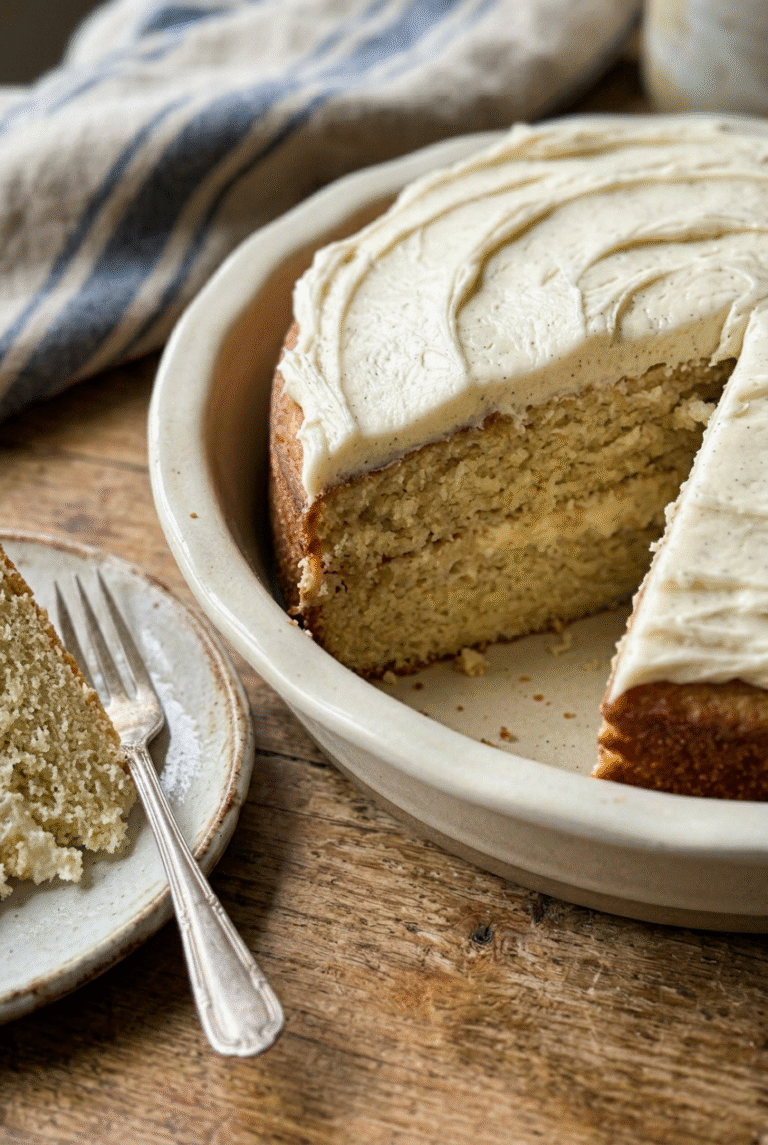
Homemade Vanilla Cake
🎂 Discover the ultimate simple vanilla cake that’s incredibly moist, fluffy, and bursting with pure vanilla flavor for any occasion!
🍰 Easy to bake with pantry staples, this delicious cake stays tender for days and pairs perfectly with your favorite frosting.
- Total Time: 1 hour 5 minutes
- Yield: 12 slices
Ingredients
– ½ cup (113 g) unsalted butter, softened to room temperature
– ½ cup (120 ml) avocado, canola, or vegetable oil
– 1 ½ cups (300 g) granulated sugar
– 4 large eggs, room temperature preferred
– 1 tablespoon vanilla extract
– 3 cups (375 g) all-purpose flour (can substitute with 3 1/3 cups cake flour or 375 g cake flour)
– 1 tablespoon baking powder
– ½ teaspoon salt
– 1 ¼ cups (300 ml) full-fat buttermilk, room temperature preferred
– Frosting of choice (e.g., chocolate frosting or other options)
Instructions
1-First Step: Preparing Your Kitchen and Equipment Before mixing your Homemade Vanilla Cake batter, proper preparation is essential. Preheat your oven to 350°F (177°C) and position the rack in the center position for even baking. Prepare your cake pans by cutting parchment paper circles to fit the bottom of two deep 8-inch round pans. Place these in the pans and grease the sides thoroughly with butter or cooking spray. This preparation ensures your cake will release easily after baking without sticking or breaking. Gather all your ingredients and equipment before beginning. For best results, ensure your butter, eggs, and buttermilk have reached room temperature (about 70°F). Room temperature ingredients combine more easily and create a uniform batter, which leads to even baking. Cold ingredients can cause the batter to curdle or separate, affecting the final texture. You’ll need two large mixing bowls, a whisk, a spatula, and an electric mixer (hand or stand) for this recipe.
2-Second Step: Creaming Butter, Oil, and Sugar In a large bowl, combine the softened unsalted butter, your choice of avocado, canola, or vegetable oil, and the granulated sugar. Using an electric mixer on medium speed, beat these together until the mixture is smooth and creamy, approximately 2-3 minutes. This process, called creaming, incorporates air into the batter which helps the cake rise and creates a lighter texture. Scrape down the sides of the bowl periodically to ensure all ingredients are evenly incorporated. For the lightest cake possible, cream the mixture until it appears pale and fluffy. This step is crucial for texture development, so don’t rush it. The sugar crystals should be mostly dissolved into the fats, creating a smooth base for adding the remaining ingredients. The combination of butter and oil is particularly effective here the butter provides structure and flavor, while the oil prevents the cake from becoming tough or dry, even days after baking.
3-Third Step: Adding Eggs and Vanilla With the mixer running on medium-low speed, add the eggs one at a time, beating well after each addition. This gradual incorporation allows each egg to emulsify properly into the batter. After adding all four eggs, mix in the tablespoon of vanilla extract. The high proportion of vanilla extract in this Homemade Vanilla Cake recipe ensures that classic vanilla flavor shines through without being subtle or artificial-tasting. After adding the eggs, the mixture might look slightly curdled or separated, which is normal. It will come back together when you add the dry ingredients. This step should take about 2-3 minutes total. Scrape down the sides and bottom of the bowl to ensure everything is evenly mixed before proceeding to the next step.
4-Fourth Step: Mixing Dry Ingredients In a separate medium bowl, whisk together the all-purpose flour, baking powder, and salt. This dry mixture needs to be combined thoroughly to ensure even distribution of the leavening agent. Whisking for about 30 seconds should be sufficient to blend everything evenly. If you’re using cake flour instead of all-purpose flour, measure it carefully as it’s lighter and more volumetric than all-purpose flour. Make sure your baking powder is fresh for the best rise. Baking powder loses potency over time, and expired leavening agents can lead to dense, flat cakes. If you’re unsure about your baking powder’s freshness, test it by stirring a teaspoon into a half cup of hot water it should bubble vigorously. If not, replace it before proceeding with your Homemade Vanilla Cake.
5-Fifth Step: Combining Wet and Dry Ingredients Add the dry ingredients to the wet mixture in three portions, alternating with the buttermilk in two portions (starting and ending with the dry ingredients). This method, known as the alternating method, helps prevent overmixing, which can develop too much gluten and result in a tough cake. Use a spatula or the mixer on low speed to gently fold the ingredients together, mixing just until combined after each addition. Be careful not to overmix at this stage some small lumps are acceptable and will dissolve during baking. Overmixing can cause your Homemade Vanilla Cake to become dense or develop tunnels. The batter should be smooth but not overly worked. This gentle mixing technique is one of the secrets to achieving a tender, moist crumb that melts in your mouth.
6-Sixth Step: Baking the Cake Layers Divide the batter evenly between your prepared cake pans. Use a kitchen scale for precise measurement, or eyeball it as evenly as possible. Smooth the tops with an offset spatula or the back of a spoon, creating a slight depression in the center (this helps the layers bake evenly flat). Bake both pans on the middle rack of your preheated 350°F (177°C) oven for 30-35 minutes. The cake is done when the top springs back when lightly touched and a toothpick inserted in the center comes out with moist crumbs but no wet batter. Every oven heats differently, so start checking at the 25-minute mark. Rotating the pans halfway through baking can help ensure even browning if your oven has hot spots. The layers should be golden brown on top and pulling slightly away from the edges of the pan.
7-Final Step: Cooling and Frosting Remove the cake layers from the oven and let them cool in the pans for 10-15 minutes. This cooling period allows the structure to set slightly, making the layers easier to handle without breaking. Run a thin knife around the edges of each pan to release the cake, then carefully invert onto wire racks to cool completely. Peel off the parchment paper circles from the bottoms once the cakes are cool enough to handle. Allow the cakes to cool completely before frosting this is crucial for preventing the frosting from melting and sliding off. Depending on your kitchen’s temperature, this may take 1-2 hours. Once completely cool, level the tops if necessary using a serrated knife, then frost with your choice of frosting. Chocolate frosting, vanilla buttercream, cream cheese frosting, or even fruit-based frostings all pair beautifully with this Homemade Vanilla Cake.
Last Step:
Please leave a rating and comment letting us know how you liked this recipe! This helps our business to thrive and continue providing free, high-quality recipes for you.Notes
🧈 Mix butter and oil together for unbeatable moisture and rich buttery flavor.
🌡️ Bring eggs and buttermilk to room temperature for seamless blending and better rise.
⚖️ Spoon and level your flour or use a scale to ensure a light, fluffy texture.
- Prep Time: 30 minutes
- Cook Time: 30-35 minutes
- Category: Dessert
- Method: Baking
- Cuisine: American
- Diet: Vegetarian
Nutrition
- Serving Size: 1 slice
- Calories: 404
- Sugar: 26g
- Sodium: 228mg
- Fat: 20g
- Saturated Fat: 7g
- Unsaturated Fat: 12g
- Trans Fat: 1g
- Carbohydrates: 51g
- Fiber: 1g
- Protein: 6g
- Cholesterol: 85mg