
Why You’ll Love This Danish Butter Cookies
There is something truly special about the classic taste of Danish Butter Cookies. Whether you remember them from the iconic blue tins during the holidays or you are just discovering them for the first time, these cookies offer a delightful experience for your taste buds. Let’s look at why this recipe needs to be in your baking rotation.
- Ease of preparation: You do not need to be a professional pastry chef to whip these up. With a prep time of only about 30 minutes, this recipe is straightforward and perfect for beginners or busy parents looking for a quick homemade treat.
- Distinctive flavor: The combination of high-quality butter and pure vanilla extract creates a rich, melt-in-your-mouth texture that is hard to resist. It is that perfect balance of sweet and savory that makes these cookies stand out from the rest.
- Versatility: This dough is incredibly adaptable. While delicious on its own, you can easily customize it with different extracts, zests, or toppings to suit any occasion or dietary preference.
- Perfect for sharing: These cookies store beautifully and maintain their texture, making them an excellent choice for gift-giving, holiday parties, or simply keeping a stash in the cookie jar for unexpected guests.
Jump to:
- Why You’ll Love This Danish Butter Cookies
- Essential Ingredients for Danish Butter Cookies
- Main Ingredients
- Special Dietary Options
- How to Prepare the Perfect Danish Butter Cookies: Step-by-Step Guide
- First Step: Preparation and Mise en Place
- Second Step: Creaming the Butter and Sugar
- Third Step: Adding Flavor and Binders
- Fourth Step: Incorporating the Flour
- Fifth Step: Piping the Cookies
- Final Step: Baking and Cooling
- Dietary Substitutions to Customize Your Danish Butter Cookies
- Protein and Main Component Alternatives
- Vegetable, Sauce, and Seasoning Modifications
- Mastering Danish Butter Cookies: Advanced Tips and Variations
- Pro cooking techniques
- Flavor variations
- Presentation tips
- Make-ahead options
- How to Store Danish Butter Cookies: Best Practices
- Refrigeration
- Freezing
- Reheating
- Meal prep considerations
- FAQs: Frequently Asked Questions About Danish Butter Cookies
- Do I need a piping bag to make Danish butter cookies?
- What piping tip should I use for Danish butter cookies?
- Can I make Danish butter cookie dough ahead of time?
- Why do Danish butter cookies spread when baking and how to fix it?
- How do I store Danish butter cookies?
- Danish Butter Cookies
- Ingredients
- Instructions
- Last Step:
- Notes
- Nutrition
- Did you make this recipe?
Essential Ingredients for Danish Butter Cookies
Creating the perfect cookie starts with using the right ingredients. Each component plays a vital role in achieving that signature tender crunch and buttery flavor. Here is everything you will need to make these delicious treats.
- 1 cup (227 g) unsalted butter, room temperature
- ½ cup (100 g) granulated sugar
- ¼ teaspoon salt
- 1 ½ teaspoons vanilla extract
- 1 egg
- 2 cups (284 g) all-purpose flour
- Additional granulated sugar for sprinkling
Main Ingredients
- Unsalted butter: The star of the show. Using room temperature butter ensures it creams properly with the sugar, creating air pockets for a lighter texture.
- Granulated sugar: Sweetens the dough and helps create a crisp edge. We also use extra for sprinkling on top to add a delightful crunch.
- All-purpose flour: Provides the structure for the cookies. Measuring correctly ensures the dough holds its shape while baking.
- Egg: Acts as a binder, holding the ingredients together and adding richness to the dough.
- Vanilla extract: Infuses the cookies with a warm, aromatic flavor that complements the butter perfectly.
- Salt: A small amount balances the sweetness and enhances the overall flavor profile.
Special Dietary Options
If you have specific dietary needs, you can still enjoy these cookies with a few simple tweaks.
- Vegan: Substitute the butter with a high-quality plant-based butter stick and use a flax egg (1 tablespoon ground flaxseed meal mixed with 3 tablespoons water) instead of a chicken egg.
- Gluten-free: Replace the all-purpose flour with a 1-to-1 gluten-free baking blend that contains xanthan gum to help the cookies keep their shape.
- Low-calorie: While butter cookies are naturally indulgent, you can try using a reduced-fat butter substitute, though this may slightly alter the texture.
How to Prepare the Perfect Danish Butter Cookies: Step-by-Step Guide
Ready to start baking? Follow these detailed instructions to create cookies that look professional and taste amazing. This method ensures consistent results every time.
First Step: Preparation and Mise en Place
Before you begin, it is crucial to prepare your workspace. Start by preheating your oven to 350 degrees Fahrenheit. This ensures the oven is at the correct temperature the moment your cookies are ready to bake. Next, line two baking sheets with parchment paper or silicone baking mats. This prevents sticking and makes cleanup incredibly easy. Gather all your ingredients to ensure everything is measured and within reach. This is especially important for the butter, which must be at room temperature to cream properly with the sugar.
Second Step: Creaming the Butter and Sugar
In a large mixing bowl, combine the 1 cup of unsalted butter and ½ cup of granulated sugar. Using an electric mixer on medium speed, beat these ingredients together until they are well combined and fluffy. This process usually takes about 1 to 2 minutes. You want the mixture to look pale and slightly aerated. This step is vital because it incorporates air into the dough, which helps the cookies maintain a lovely texture. Be careful not to overbeat, as this can introduce too much air and cause the cookies to spread too much in the oven.
Third Step: Adding Flavor and Binders
Once your butter and sugar mixture is ready, it is time to add the wet ingredients. Add the ¼ teaspoon of salt, 1 ½ teaspoons of vanilla extract, and the 1 egg to the bowl. Beat the mixture on medium speed until everything is thoroughly combined, which should take about 1 minute. The vanilla extract is particularly important here, as it provides that classic cookie aroma. If you want to get fancy, you can use vanilla bean paste instead to see those beautiful little black flecks in the final product. Scrape down the sides of the bowl to ensure no ingredient is left behind.
Fourth Step: Incorporating the Flour
Now, reduce the mixer speed to low. Gradually add the 2 cups of all-purpose flour to the wet mixture. It is best to add the flour in small batches to prevent a cloud of dust from forming in your kitchen. Mix until the flour is mostly combined. You will notice the dough becoming quite thick. At this point, stop the mixer and finish mixing with a spatula. This prevents overworking the gluten in the flour, which can make the cookies tough. The dough should be thick and pliable, perfect for piping.
Fifth Step: Piping the Cookies
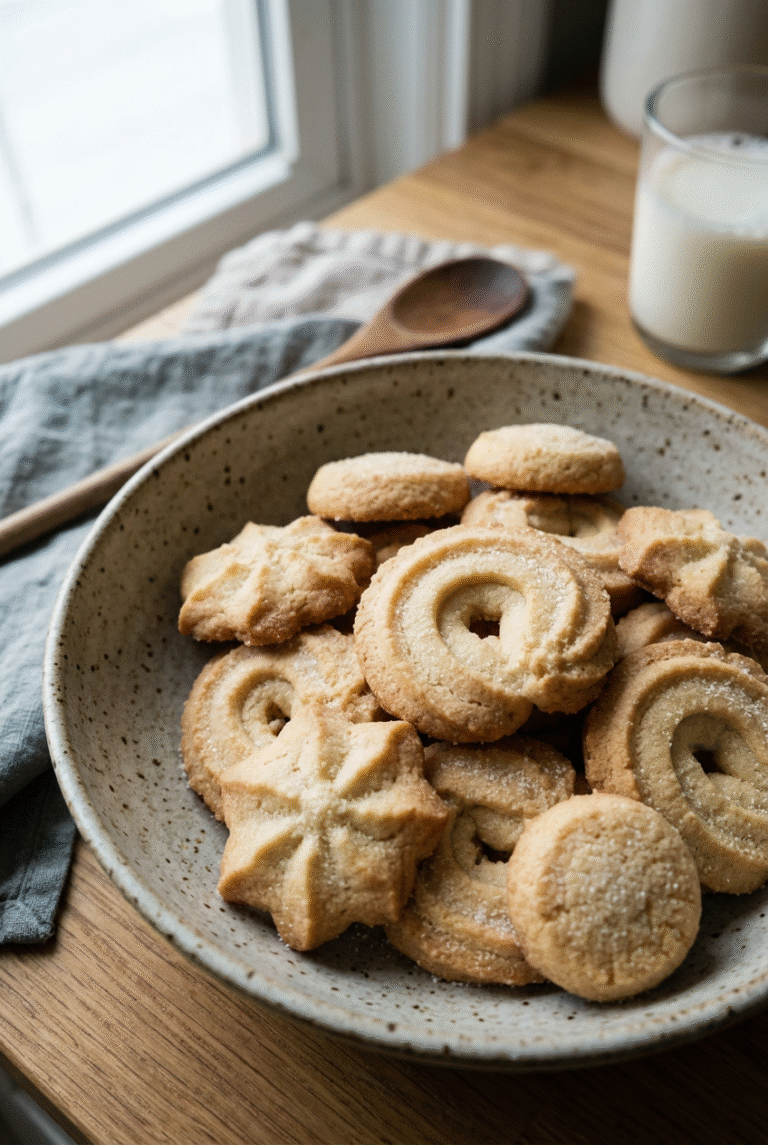
Transfer the thick dough into a piping bag fitted with a large open star tip. This specific tip is what creates the iconic ridged swirl shape of Danish butter cookies. If you do not have a piping bag, you can use a sturdy plastic zip-top bag and snip off the corner, though the shape will be different. Pipe the dough onto your prepared baking sheets into 2-inch circles. You do not need to leave too much space between them because these cookies do not spread a lot while baking. Once piped, lightly sprinkle the tops with additional granulated sugar. This adds a nice sparkle and a satisfying crunch to the finished cookie.
Final Step: Baking and Cooling
Place one baking sheet in the oven at a time. Bake the cookies until they are light golden brown, which typically takes about 15 to 17 minutes. Keep a close eye on them during the last few minutes to ensure they do not over-brown. You want them to stay tender. Once they are done, remove them from the oven and let them sit on the baking sheet for a few minutes to firm up slightly. Then, transfer them to a wire rack to cool completely. Allowing them to cool completely is essential because it lets the cookies set properly, ensuring they have the right texture when you bite into them.

Dietary Substitutions to Customize Your Danish Butter Cookies
Baking is all about making a recipe work for you. Whether you have allergies or just want to experiment with flavors, there are plenty of ways to customize this dough.
Protein and Main Component Alternatives
The main structure of this cookie comes from the flour and the butter. If you are looking to substitute the flour because of a gluten intolerance or preference, a 1-to-1 gluten-free baking flour is your best bet. These blends usually contain a mix of rice flour and potato starch, along with xanthan gum, which mimics the binding properties of gluten. For a protein boost or a different nutritional profile, some bakers like to experiment with almond flour. However, keep in mind that almond flour changes the texture significantly, making the cookie more dense and chewy rather than light and crisp.
Vegetable, Sauce, and Seasoning Modifications
While this is a classic recipe, you can easily introduce new flavors. Consider adding the zest of a lemon or an orange to the dough during the creaming stage for a citrusy twist. This pairs wonderfully with the vanilla and adds a bright note to the buttery richness. If you enjoy a bit of spice, a pinch of cinnamon or nutmeg mixed into the dry ingredients can evoke warm, cozy feelings. For a more savory approach, try substituting the vanilla extract with almond extract, or even adding a few tablespoons of finely chopped rosemary. This creates a sophisticated flavor profile that pairs excellently with tea. You can also melt some chocolate and drizzle it over the cooled cookies for a decadent dessert.
Mastering Danish Butter Cookies: Advanced Tips and Variations
Once you have mastered the basic recipe, you might want to try some advanced techniques to make your cookies even better. These tips will help you achieve bakery-quality results at home.
Pro cooking techniques
The temperature of your ingredients is the most critical factor in success. If your kitchen is very warm, the butter might become too soft before you even start mixing. In this case, let the dough chill in the refrigerator for 15 to 20 minutes before piping. This helps the cookies hold their shape better in the oven. Another tip is to rotate your baking sheet halfway through the baking time. This ensures that the cookies brown evenly, especially if your oven has hot spots. Using an oven thermometer can also be a game-changer, as many home ovens run hotter or cooler than the dial indicates.
Flavor variations
Do not be afraid to get creative with the mix-ins. You can gently fold in chopped nuts, like pecans or pistachios, before piping the dough for added texture. For a festive touch, dip half of the cooled cookie in melted white or dark chocolate. Another delicious variation is to sandwich two cookies together with a layer of fruit jam, such as raspberry or apricot. This creates a delightful contrast between the crisp cookie and the sweet, soft jam center.
Presentation tips
Presentation is key, especially if you are planning to give these as gifts. Piping the dough into different shapes can make your cookie platter look more interesting. Try creating “S” shapes, pretzel shapes, or simple rings along with the classic circles. If you are serving them at a party, arrange them on a tiered stand. Garnishing with a light dusting of powdered sugar or edible gold spray can make them look truly elegant.
Make-ahead options
One of the best things about this dough is that it freezes beautifully. You can make a large batch, pipe the cookies onto a baking sheet, and then place the entire sheet in the freezer until the dough is solid. Once frozen, transfer the unbaked cookies into a freezer bag. When you are ready to bake, simply place the frozen cookies on a lined baking sheet and bake them as usual, adding an extra minute or two to the baking time. This way, you can have fresh-baked cookies in minutes whenever a craving strikes.
How to Store Danish Butter Cookies: Best Practices
To keep your Danish Butter Cookies tasting fresh, proper storage is essential. These cookies have a high butter content, which means they can spoil or lose their texture if not stored correctly.
Refrigeration
While you can refrigerate these cookies, it is generally not recommended unless your kitchen is extremely hot. The refrigerator can cause the cookies to absorb moisture from the air, which can make them lose their crispness. However, if you do choose to refrigerate them, make sure they are in an absolutely airtight container. Let them come to room temperature before serving to enjoy the best flavor.
Freezing
Freezing is a fantastic option for long-term storage. Once the cookies are completely cool, place them in a single layer in an airtight container, separating layers with parchment paper to prevent sticking. They can be frozen for up to three months. When you are ready to eat them, simply take them out of the freezer and let them thaw on the counter for about 30 minutes. They will taste almost as good as the day they were baked.
Reheating
If your cookies have lost a bit of their crunch, you can refresh them in the oven. Place them on a baking sheet in a 300-degree Fahrenheit oven for 3 to 5 minutes. Watch them closely so they do not burn. This will help bring back that fresh-baked texture. Microwaving is not recommended as it tends to make them soft rather than crisp.
Meal prep considerations
If you are baking for a large event, you can make the dough a day or two in advance. Keep it wrapped tightly in plastic wrap in the refrigerator. This actually improves the flavor as the ingredients have time to meld together. Plus, cold dough pipes much more neatly than room-temperature dough, making your prep work easier on the day of the event.

FAQs: Frequently Asked Questions About Danish Butter Cookies
Do I need a piping bag to make Danish butter cookies?
Yes, a piping bag helps create the signature swirled shape of Danish butter cookies, but it’s not strictly required. Use a large open-star piping tip like Ateco #827 for the best results. If you lack one, fill a sturdy plastic zip-top bag with dough, snip off a corner to make a 1/2-inch opening, and pipe as usual—though the swirls may be less defined. For no-piping options, chill the dough into a log, slice into rounds, or use a cookie scoop for drop cookies. This keeps the tender, buttery texture intact. Always chill dough 30 minutes before baking to hold shape. Yields about 60 small cookies from one batch. (78 words)
What piping tip should I use for Danish butter cookies?
A large open-star piping tip, such as Ateco #827 or Wilton 8B, works best for Danish butter cookies to get those classic ridges and swirls. No coupler is needed—just insert the tip directly into a disposable piping bag or parchment cone, fill with soft dough, and pipe 1-inch rosettes onto parchment-lined sheets. Pipe close together since they don’t spread much. If unavailable, a plain large round tip (#1A) gives smoother shapes. Practice on scrap paper first. Chill piped cookies 10-15 minutes before baking at 350°F for 10-12 minutes until edges are golden. Store in an airtight tin. (92 words)
Can I make Danish butter cookie dough ahead of time?
Yes, Danish butter cookie dough stores well ahead. Prepare it fully, then wrap tightly in plastic and refrigerate up to 2 days. This rest improves flavor and makes piping easier as flavors meld. For longer storage, freeze dough in a log or disk up to 3 months; thaw overnight in fridge before piping. Avoid refreezing after thawing. When ready, let dough soften 15-20 minutes at room temp for smooth piping. Pipe, chill briefly, and bake fresh. This method mimics commercial cookies like Royal Dansk, yielding crisp, melt-in-mouth results. Label with dates for best freshness. (89 words)
Why do Danish butter cookies spread when baking and how to fix it?
Danish butter cookies spread if dough is too warm, butter overly soft, or oven too hot. High butter content (often 40-50% of recipe) causes this without proper chilling. Fix by chilling dough 30-60 minutes before piping and another 10-15 minutes after piping. Use cold ingredients: cube butter straight from fridge and cream minimally. Bake at 350°F on parchment, one sheet at a time in the middle rack. If spreading persists, add 1-2 tbsp extra flour next batch. Test one tray first. Results: uniform 1.5-inch cookies with crisp edges and soft centers. (94 words)
How do I store Danish butter cookies?
Store baked Danish butter cookies in an airtight container at room temperature for up to 1 week—they stay tender without softening. Layer with parchment to prevent sticking. For longer, freeze in a single layer on a tray first, then transfer to freezer bags up to 3 months; thaw at room temp 30 minutes. Avoid fridge humidity, which makes them soggy. Fully cool on racks before storing to set structure. Pro tip: add a vanilla bean pod to the tin for extra aroma. Perfect for gifting or holiday tins like Royal Dansk originals. (85 words)
Danish Butter Cookies
🍪 Experience authentic Danish bakery bliss with these buttery, tender cookies that melt in your mouth with every bite!
🧈 Simple to make at home, perfect for holidays, tea time, or gifting – crisp edges and soft centers guaranteed.
- Total Time: 45 minutes
- Yield: 36 cookies
Ingredients
– 1 cup (227 g) unsalted butter, room temperature
– ½ cup (100 g) granulated sugar
– ¼ teaspoon salt
– 1 ½ teaspoons vanilla extract
– 1 egg
– 2 cups (284 g) all-purpose flour
– Additional granulated sugar for sprinkling
Instructions
1-First Step: Preparation and Mise en Place Before you begin, it is crucial to prepare your workspace. Start by preheating your oven to 350 degrees Fahrenheit. This ensures the oven is at the correct temperature the moment your cookies are ready to bake. Next, line two baking sheets with parchment paper or silicone baking mats. This prevents sticking and makes cleanup incredibly easy. Gather all your ingredients to ensure everything is measured and within reach. This is especially important for the butter, which must be at room temperature to cream properly with the sugar.
2-Second Step: Creaming the Butter and Sugar In a large mixing bowl, combine the 1 cup of unsalted butter and ½ cup of granulated sugar. Using an electric mixer on medium speed, beat these ingredients together until they are well combined and fluffy. This process usually takes about 1 to 2 minutes. You want the mixture to look pale and slightly aerated. This step is vital because it incorporates air into the dough, which helps the cookies maintain a lovely texture. Be careful not to overbeat, as this can introduce too much air and cause the cookies to spread too much in the oven.
3-Third Step: Adding Flavor and Binders Once your butter and sugar mixture is ready, it is time to add the wet ingredients. Add the ¼ teaspoon of salt, 1 ½ teaspoons of vanilla extract, and the 1 egg to the bowl. Beat the mixture on medium speed until everything is thoroughly combined, which should take about 1 minute. The vanilla extract is particularly important here, as it provides that classic cookie aroma. If you want to get fancy, you can use vanilla bean paste instead to see those beautiful little black flecks in the final product. Scrape down the sides of the bowl to ensure no ingredient is left behind.
4-Fourth Step: Incorporating the Flour Now, reduce the mixer speed to low. Gradually add the 2 cups of all-purpose flour to the wet mixture. It is best to add the flour in small batches to prevent a cloud of dust from forming in your kitchen. Mix until the flour is mostly combined. You will notice the dough becoming quite thick. At this point, stop the mixer and finish mixing with a spatula. This prevents overworking the gluten in the flour, which can make the cookies tough. The dough should be thick and pliable, perfect for piping.
5-Fifth Step: Piping the Cookies Transfer the thick dough into a piping bag fitted with a large open star tip. This specific tip is what creates the iconic ridged swirl shape of Danish butter cookies. If you do not have a piping bag, you can use a sturdy plastic zip-top bag and snip off the corner, though the shape will be different. Pipe the dough onto your prepared baking sheets into 2-inch circles. You do not need to leave too much space between them because these cookies do not spread a lot while baking. Once piped, lightly sprinkle the tops with additional granulated sugar. This adds a nice sparkle and a satisfying crunch to the finished cookie.
6-Final Step: Baking and Cooling Place one baking sheet in the oven at a time. Bake the cookies until they are light golden brown, which typically takes about 15 to 17 minutes. Keep a close eye on them during the last few minutes to ensure they do not over-brown. You want them to stay tender. Once they are done, remove them from the oven and let them sit on the baking sheet for a few minutes to firm up slightly. Then, transfer them to a wire rack to cool completely. Allowing them to cool completely is essential because it lets the cookies set properly, ensuring they have the right texture when you bite into them.
Last Step:
Please leave a rating and comment letting us know how you liked this recipe! This helps our business to thrive and continue providing free, high-quality recipes for you.Notes
🌿 Swap vanilla extract with vanilla bean paste for beautiful flecks and intensified flavor.
🎨 Use a large open star piping tip for the signature swirled shape that makes them irresistible.
💎 Bake just to light golden for the perfect tender texture, and cool fully before enjoying.
- Prep Time: 30 minutes
- Cook Time: 15-17 minutes
- Category: Dessert
- Method: Baking
- Cuisine: Danish
- Diet: Vegetarian
Nutrition
- Serving Size: 1 cookie
- Calories: 83
- Sugar: 2g
- Sodium: 18mg
- Fat: 5g
- Saturated Fat: 3g
- Carbohydrates: 8g
- Cholesterol: 18mg