
Why You’ll Love This Lemon Curd
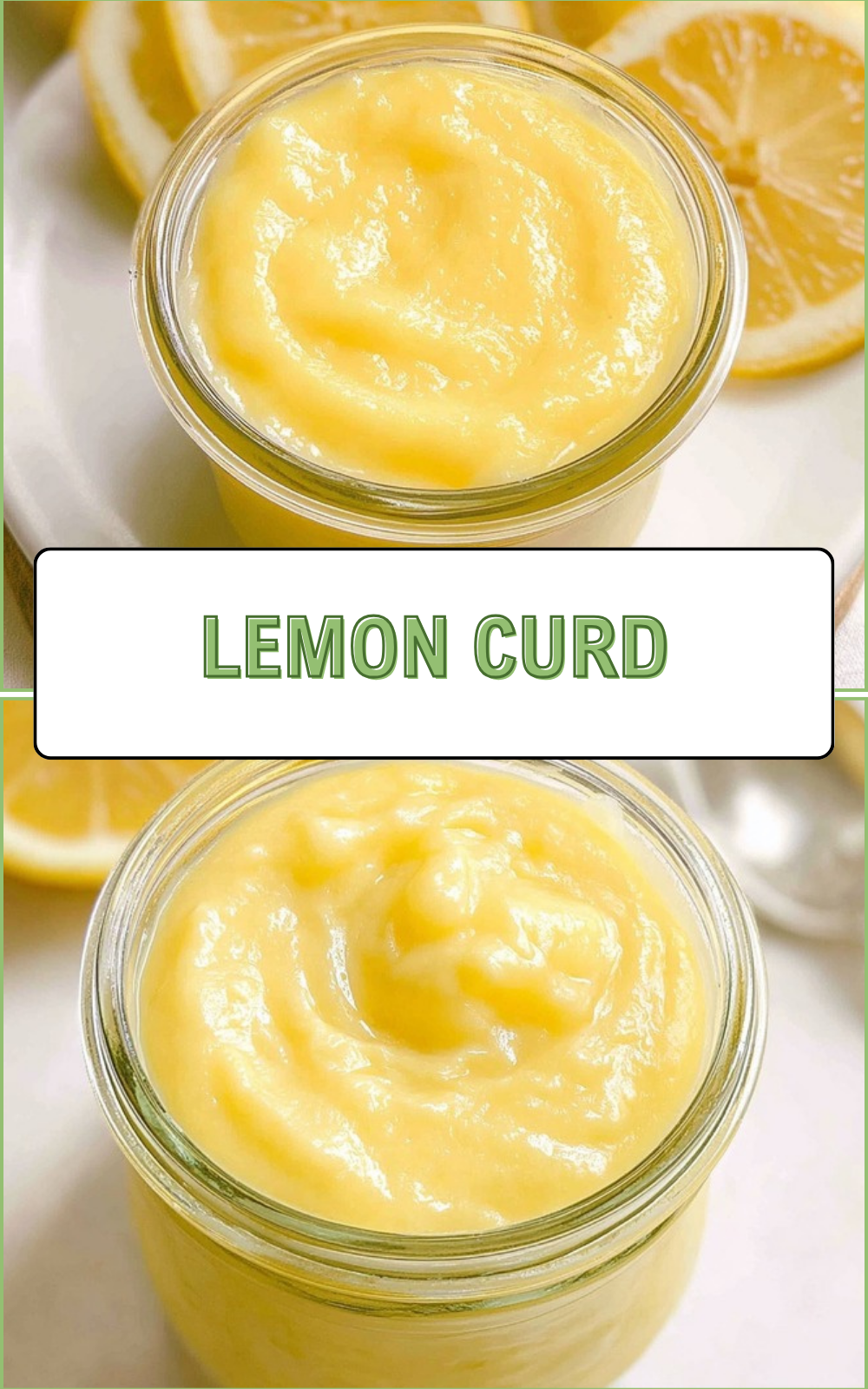
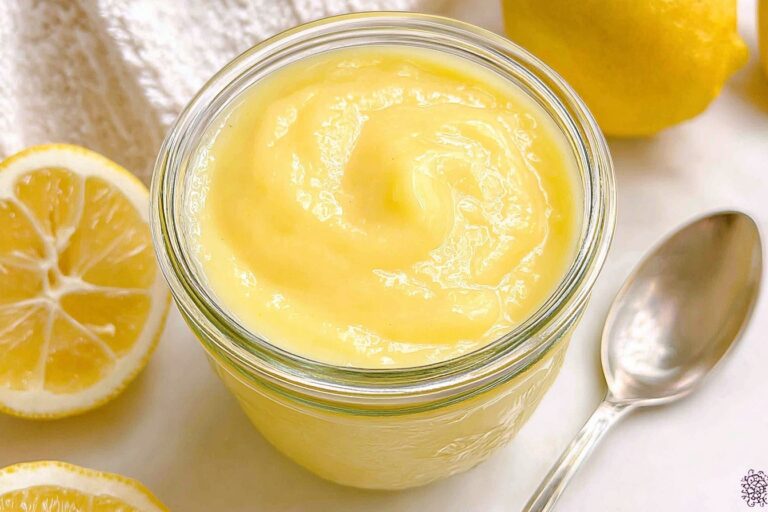
This Lemon Curd recipe is the kind of homemade treat that makes ordinary breakfasts and desserts feel a little special. It is bright, silky, tangy, and surprisingly simple to make with just a few pantry staples. If you have ever wanted an easy homemade lemon curd recipe that tastes bakery-worthy without a lot of fuss, this one fits the bill beautifully.
- Easy to make: This lemon curd recipe comes together in about 15 minutes of active cooking time. You only need a whisk, a double boiler, and a little patience while the mixture thickens into that dreamy custard-like texture.
- Good fresh flavor: Fresh lemon juice and zest give this homemade lemon curd its bold citrus taste. Lemons bring a sunny punch of flavor that feels bright and refreshing in every spoonful.
- Very versatile: Spoon it on scones, swirl it into yogurt, layer it in cakes, or spread it on toast. This silky lemon curd also works well for filling tarts, cupcakes, and cheesecakes.
- Light but satisfying: A little goes a long way. The balance of tart lemon, sugar, egg yolks, and butter creates a rich spread that feels indulgent without being heavy or overly sweet.
Tip: If you like citrus desserts that are bright but still creamy, this silky smooth and tangy lemon curd may become your new kitchen favorite.
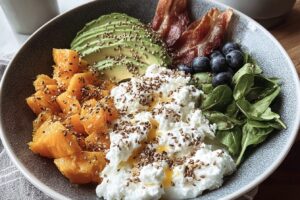
For more ideas on pairing citrus with breakfast foods, you might also enjoy mini Earl Grey honey scones or Greek yogurt bowls for a quick morning treat.
Jump to:
- Why You’ll Love This Lemon Curd
- Essential Ingredients for Lemon Curd
- Main Ingredients
- Optional Ingredient Swap
- Special Dietary Options
- How to Prepare the Perfect Lemon Curd: Step-by-Step Guide
- First Step: Set up the double boiler
- Second Step: Whisk the base ingredients
- Third Step: Cook slowly until thick
- Fourth Step: Add the butter
- Fifth Step: Strain and chill
- Final Step: Serve and enjoy
- Dietary Substitutions to Customize Your Lemon Curd
- Protein and Main Component Alternatives
- Vegetable, Sauce, and Seasoning Modifications
- Mastering Lemon Curd: Advanced Tips and Variations
- Pro cooking techniques
- Flavor variations
- Presentation tips
- Make-ahead options
- How to Store Lemon Curd: Best Practices
- Refrigeration
- Freezing
- Reheating
- Meal prep considerations
- FAQs: Frequently Asked Questions About Lemon Curd
- What is lemon curd and what does it taste like?
- How do you make lemon curd at home step by step?
- How long does homemade lemon curd last and how should I store it?
- Can I make lemon curd with other citrus fruits?
- What are common problems when making lemon curd and how to fix them?
- Lemon Curd
- Ingredients
- Instructions
- Last Step:
- Notes
- Nutrition
- Did you make this recipe?
Essential Ingredients for Lemon Curd
To make the best lemon curd, use fresh ingredients and measure everything before you start. This helps the cooking process move smoothly and keeps the texture silky. The ingredients below match the classic version, plus a few simple notes for small adjustments.
Main Ingredients
- 4 large egg yolks or, for a thicker curd, 2 egg yolks plus 1 whole egg – These create the rich, custard-like base.
- 2/3 cup granulated sugar – Adds sweetness and balances the tart lemon flavor.
- 1 tablespoon lemon zest from about 1 lemon – Gives the curd extra citrus aroma and flavor.
- 1/3 cup fresh lemon juice from about 2 to 3 lemons – Provides the bright tang that makes this tangy lemon curd so good.
- 1/8 teaspoon salt – Sharpens the flavor and keeps the sweetness in check.
- 6 tablespoons unsalted butter, softened and cut into 6 pieces – Makes the curd smooth, glossy, and rich.
Optional Ingredient Swap
- Salted butter may be used instead of unsalted butter if you prefer. If you do that, simply omit the added salt.
Special Dietary Options
- Vegan: Use plant-based butter and a thickener such as cornstarch or cornstarch plus plant milk in a separate citrus curd style recipe.
- Gluten-free: This recipe is naturally gluten-free as written.
- Low-calorie: Reduce the sugar slightly if you want a less sweet version, though the texture and flavor will be a bit different.
| Ingredient | Amount | Purpose |
|---|---|---|
| Egg yolks | 4 large | Create the custard base |
| Granulated sugar | 2/3 cup | Sweetens and balances tartness |
| Lemon zest | 1 tablespoon | Adds fragrance and citrus depth |
| Fresh lemon juice | 1/3 cup | Gives the curd its tangy flavor |
| Salt | 1/8 teaspoon | Rounds out the taste |
| Unsalted butter | 6 tablespoons | Creates a smooth, glossy finish |
How to Prepare the Perfect Lemon Curd: Step-by-Step Guide
This silky smooth lemon curd recipe is simple, but the details matter. Gentle heat, constant whisking, and fresh lemon juice are the keys to a smooth finish. If you rush it, the eggs can scramble. If you go low and slow, you get a creamy spread that tastes like sunshine in a jar.
First Step: Set up the double boiler
Fill the bottom of a double boiler with 1 to 2 inches of water and bring it to a simmer over high heat. Then reduce the heat to low so the water stays gently steaming rather than boiling hard. This gentle setup helps the curd cook evenly and keeps the eggs from curdling.
If you do not have a double boiler, set a heatproof glass bowl over a saucepan of simmering water. Make sure the bottom of the bowl does not touch the water. This simple swap works well for a homemade lemon curd and gives you more control.
Second Step: Whisk the base ingredients
In the top of the double boiler, combine the egg yolks, sugar, lemon zest, lemon juice, and salt. Whisk until everything looks smooth and well blended. At this point, the mixture will be thin and pale yellow.
Use non-metal equipment if possible. Metal can leave a slight metallic taste, especially when it meets acidic lemon juice. A whisk and bowl made from glass, silicone, or other non-reactive material is a smart choice for this tangy lemon curd.
Third Step: Cook slowly until thick
Whisk constantly as the mixture cooks. Keep the heat low and steady so the curd thickens gradually instead of scrambling. After about 10 minutes, it should look thick and glossy, with a texture similar to hollandaise sauce or a pudding that lightly coats the back of a spoon.
If you use a thermometer, aim for 170°F. That temperature is a helpful sign that the eggs have thickened safely. You may notice the mixture getting more opaque and becoming silky as it cooks. This is the moment where the magic happens in an easy homemade lemon curd recipe.
Fourth Step: Add the butter
Remove the pan from the heat once the curd is thick. Whisk in the butter pieces one at a time until each piece melts and disappears into the mixture. The butter gives the curd its rich, glossy finish and turns it into that dreamy silky lemon curd texture everyone loves.
If you want a thicker spread for cake filling or tart layers, use the option of 2 egg yolks plus 1 whole egg next time. That variation creates a firmer texture while still tasting bright and creamy.
Fifth Step: Strain and chill
Pour the curd into a jar or bowl. For an extra smooth texture, strain it through a fine mesh sieve to catch any cooked bits of egg zest or tiny lumps. This step is not required, but it gives you a very polished finish.
Press plastic wrap directly onto the surface of the curd before chilling. This keeps a skin from forming on top. Refrigerate until fully cooled and thickened. The total time for the recipe is about 1 hour and 15 minutes, including cooling. The active prep time is about 5 minutes, with 10 minutes of cooking time.
Final Step: Serve and enjoy
Once chilled, your silky smooth and tangy lemon curd is ready to use. Spread it on warm toast, pile it onto scones, spoon it into muffins, or use it as a filling for cakes, cupcakes, and tarts. It also tastes wonderful on yogurt or cheesecakes.
Best practice: Keep whisking, keep the heat gentle, and do not walk away. Lemon curd rewards a patient cook.
For a useful baking guide, you can also read this detailed lemon curd method from Sally’s Baking Addiction.

Dietary Substitutions to Customize Your Lemon Curd
Protein and Main Component Alternatives
The classic recipe depends on egg yolks for structure, but there are a few ways to adapt it. If you want a thicker curd, use 2 egg yolks plus 1 whole egg instead of 4 yolks. The whole egg adds extra body, which can be helpful for a smooth tangy lemon curd filling in layered desserts.
If eggs are off the menu, some cooks use a starch-based citrus curd instead. That version uses cornstarch and water or plant milk to thicken the mixture. It will taste a little different, but it can still give you a creamy result for toast, bars, or cake layers.
Vegetable, Sauce, and Seasoning Modifications
This recipe is flexible when it comes to flavor. You can swap lemons for limes, oranges, pineapple, or cranberry to create new versions with a similar method. Limes make the curd sharper and more punchy. Oranges bring a softer, sweeter flavor. Pineapple gives a tropical twist. Cranberry adds a pretty color and tart edge.
If you want to adjust sweetness, taste carefully as the curd cooks and add a small bit more sugar if needed. For a richer feel, salted butter can replace unsalted butter, but then leave out the added salt. You can also add tiny touches of vanilla or extra zest, though the classic lemon flavor usually shines best on its own.
These swaps make the recipe handy for different tastes, seasons, and dessert plans. That is one reason homemade lemon curd stays popular with busy parents, students, and baking fans alike.
Mastering Lemon Curd: Advanced Tips and Variations
Once you have made lemon curd a few times, small details can take it from good to very good. The biggest rule is to cook it slowly. High heat is the main reason curd turns grainy or scrambled. Gentle heat keeps the texture smooth and gives you that lovely silky finish.
Pro cooking techniques
- Use fresh lemon juice instead of bottled juice for the cleanest flavor.
- Whisk constantly, especially around the edges of the pan where the eggs can set first.
- Watch for the texture to coat the back of a spoon or reach 170°F.
- Strain the curd if you want it extra smooth and refined.
Flavor variations
Try orange zest and juice for a softer citrus profile, or use lime for a sharper punch. Pineapple curd works nicely in tropical cakes, while cranberry curd brings a festive color to holiday desserts. You can also add a tiny pinch of ginger or cardamom for a subtle twist, though the classic lemon version is often the star of the show.
Presentation tips
For a pretty finish, spoon the curd into small jars and top it with a tiny twist of zest. If you are serving it with brunch, place it beside scones, muffins, or toast on a simple tray. For dessert, pipe or layer it into pastry shells, cupcakes, or cake fillings. Its bright yellow color makes it look cheerful with almost no effort.
Make-ahead options
This is a smart make-ahead recipe for busy weeks, brunches, and parties. You can prepare a batch ahead of time and chill it until needed. Since the flavor gets a little more settled after resting, many people think it tastes even better the next day. If you are hosting, making it early can take some pressure off your dessert prep.
How to Store Lemon Curd: Best Practices
Proper storage keeps your lemon curd recipe fresh, smooth, and safe to eat. Since this spread contains eggs and butter, refrigeration matters.
Refrigeration
Store lemon curd in a clean jar or airtight container in the refrigerator. It will keep for up to 10 days, and many home cooks find it stays good for 1 to 2 weeks when chilled properly. Press plastic wrap directly on the surface before sealing to help prevent a skin from forming.
Freezing
You can freeze lemon curd for longer storage. Portion it into freezer-safe jars or bags, leaving a little headspace for expansion. Frozen lemon curd can last 3 to 6 months. Thaw it overnight in the refrigerator before using.
Reheating
If the curd becomes a little too firm after chilling, let it sit at room temperature for a short time before spooning it out. Do not heat it aggressively, since that can affect the texture. A gentle stir usually brings it back to a smooth, spreadable consistency.
Meal prep considerations
For meal prep, divide the curd into smaller containers so you can use only what you need. That works well for topping yogurt during the week or filling a last-minute tart. Small jars also make nice homemade gifts for friends, neighbors, and fellow dessert lovers.
FAQs: Frequently Asked Questions About Lemon Curd
What is lemon curd and what does it taste like?
Lemon curd is a smooth, creamy spread made from fresh lemon juice, zest, sugar, eggs, and butter. It’s cooked gently on the stove until it thickens into a pudding-like consistency, similar to custard but brighter and more tangy. The taste is intensely citrusy—tart and zesty from the lemons, balanced by sweetness and richness from the butter and sugar. It’s not overly sweet like jam; instead, it’s vibrant and refreshing with a silky texture. Perfect for spreading on scones, filling tarts, or layering in cakes. One batch yields about 2 cups and takes 15-20 minutes to make. Store it in a jar in the fridge for up to 2 weeks. For best flavor, use fresh lemons for that authentic zing.
How do you make lemon curd at home step by step?
To make lemon curd, whisk together 3/4 cup sugar, 3 large eggs, 1/2 cup fresh lemon juice (about 3 lemons), and 1 tablespoon lemon zest in a saucepan. Cook over medium-low heat, stirring constantly with a whisk for 8-10 minutes until it thickens to coat the back of a spoon (around 170°F). Remove from heat, stir in 1/2 cup softened butter one tablespoon at a time until melted and smooth. Strain through a fine mesh sieve to remove any bits, then pour into jars. Cool to room temperature before refrigerating. This yields 2 cups. Avoid high heat to prevent curdling—patience is key. Use room-temperature eggs for even thickening. Ready in under 30 minutes total.
How long does homemade lemon curd last and how should I store it?
Homemade lemon curd lasts 1-2 weeks in the fridge when stored in an airtight jar or container. For longer storage, freeze it in freezer-safe bags or jars (leave headspace for expansion) for up to 3 months—thaw overnight in the fridge. Always keep it refrigerated due to the eggs and butter; don’t store at room temperature. Signs it’s gone bad: mold, off smell, or separation. To extend freshness, add a thin layer of plastic wrap directly on the surface before sealing the jar to prevent a skin from forming. Label with dates. Pro tip: Portion into small jars for easy use in recipes without thawing the whole batch.
Can I make lemon curd with other citrus fruits?
Yes, swap lemons for other citrus like limes, oranges, or grapefruit using the same recipe—just adjust sugar slightly for tartness (e.g., add 1-2 tbsp more for limes). For oranges, use 1/2 cup juice from 2-3 fruits; zest stays at 1 tbsp. Pineapple juice works too for a tropical twist, as in pineapple curd cake layers. Even try cranberries for a tart red version. The cooking method remains identical: whisk, cook low and slow, strain, and chill. Expect color and flavor shifts—limes turn vibrant green, oranges golden. Yields the same creamy texture. Experiment with blood oranges in winter for stunning hue. Always taste-test during cooking to balance sweetness.
What are common problems when making lemon curd and how to fix them?
Curdled or lumpy curd? Cooked too fast—use low heat and constant whisking; if it happens, strain vigorously or blend smooth. Too thin? Didn’t reach 170°F—recook gently with 1 tsp cornstarch slurry. Eggy taste? More sugar or lemon juice masks it; use fresh eggs. Skin on top? Press plastic wrap directly on surface while cooling. Weepy after freezing? Stir well after thawing. For egg-free, replace eggs with 1/3 cup cornstarch + 2/3 cup water, whisked in. Microwave method: Cook in 1-minute bursts, stirring between. Test doneness by drawing a line on a spoon—it should hold. These fixes save most batches for perfect results every time.
Lemon Curd
🍋 Discover silky-smooth lemon curd bursting with fresh, tangy brightness – perfect versatile spread for scones, tarts, yogurt, or cakes that elevates any dessert!
🫐 Homemade luxury in minutes using real lemons for superior zing and creaminess over jarred versions, ideal for gifting, tea time, or baking bliss.
- Total Time: 1 hour 15 minutes
- Yield: 1 1/2 cups (12 servings)
Ingredients
– 4 large egg yolks for creating the custard base
– 2/3 cup granulated sugar for sweetening and balancing tartness
– 1 tablespoon lemon zest for adding fragrance and citrus depth
– 1/3 cup fresh lemon juice for giving the curd its tangy flavor
– 1/8 teaspoon salt for rounding out the taste
– 6 tablespoons unsalted butter for creating a smooth, glossy finish
Instructions
1-First Step: Set up the double boiler Fill the bottom of a double boiler with 1 to 2 inches of water and bring it to a simmer over high heat. Then reduce the heat to low so the water stays gently steaming rather than boiling hard. This gentle setup helps the curd cook evenly and keeps the eggs from curdling. If you do not have a double boiler, set a heatproof glass bowl over a saucepan of simmering water. Make sure the bottom of the bowl does not touch the water. This simple swap works well for a homemade lemon curd and gives you more control.
2-Second Step: Whisk the base ingredients In the top of the double boiler, combine the egg yolks, sugar, lemon zest, lemon juice, and salt. Whisk until everything looks smooth and well blended. At this point, the mixture will be thin and pale yellow. Use non-metal equipment if possible. Metal can leave a slight metallic taste, especially when it meets acidic lemon juice. A whisk and bowl made from glass, silicone, or other non-reactive material is a smart choice for this tangy lemon curd.
3-Third Step: Cook slowly until thick Whisk constantly as the mixture cooks. Keep the heat low and steady so the curd thickens gradually instead of scrambling. After about 10 minutes, it should look thick and glossy, with a texture similar to hollandaise sauce or a pudding that lightly coats the back of a spoon. If you use a thermometer, aim for 170°F. That temperature is a helpful sign that the eggs have thickened safely. You may notice the mixture getting more opaque and becoming silky as it cooks. This is the moment where the magic happens in an easy homemade lemon curd recipe.
4-Fourth Step: Add the butter Remove the pan from the heat once the curd is thick. Whisk in the butter pieces one at a time until each piece melts and disappears into the mixture. The butter gives the curd its rich, glossy finish and turns it into that dreamy silky lemon curd texture everyone loves. If you want a thicker spread for cake filling or tart layers, use the option of 2 egg yolks plus 1 whole egg next time. That variation creates a firmer texture while still tasting bright and creamy.
5-Fifth Step: Strain and chill Pour the curd into a jar or bowl. For an extra smooth texture, strain it through a fine mesh sieve to catch any cooked bits of egg zest or tiny lumps. This step is not required, but it gives you a very polished finish. Press plastic wrap directly onto the surface of the curd before chilling. This keeps a skin from forming on top. Refrigerate until fully cooled and thickened. The total time for the recipe is about 1 hour and 15 minutes, including cooling. The active prep time is about 5 minutes, with 10 minutes of cooking time.
6-Final Step: Serve and enjoy Once chilled, your silky smooth and tangy lemon curd is ready to use. Spread it on warm toast, pile it onto scones, spoon it into muffins, or use it as a filling for cakes, cupcakes, and tarts. It also tastes wonderful on yogurt or cheesecakes.
Last Step:
Please leave a rating and comment letting us know how you liked this recipe! This helps our business to thrive and continue providing free, high-quality recipes for you.Notes
🔥 Use a double boiler or heatproof bowl over simmering water to gently cook without curdling or scorching.
🍋 Always opt for fresh-squeezed lemon juice and zest for the brightest, most vibrant flavor – avoid bottled.
🧊 Cover surface with plastic wrap before chilling to avoid skin formation; stores up to 10 days in fridge.
- Prep Time: 5 minutes
- Chill: 60 minutes
- Cook Time: 10 minutes
- Category: Sauces & Condiments
- Method: Double Boiler
- Cuisine: British
- Diet: Vegetarian, Gluten-Free
Nutrition
- Serving Size: 2 tablespoons
- Calories: 103 kcal
- Sugar: 12 g
- Sodium: 40 mg
- Fat: 6 g
- Saturated Fat: 3.5 g
- Unsaturated Fat: 2.5 g
- Trans Fat: 0 g
- Carbohydrates: 12 g
- Fiber: 0 g
- Protein: 1 g
- Cholesterol: 75 mg