
Why You’ll Love This Lemon Curd
If you have a few lemons on hand, this Lemon Curd recipe is about to become your new favorite kitchen trick. It is bright, silky smooth, and ready in just minutes, which makes it perfect for busy mornings, baking days, or last-minute dessert plans. The flavor lands right between sweet and tangy, so it wakes up everything it touches.
- Easy to make: This lemon curd recipe comes together on the stovetop with simple pantry staples. No fancy tools, no complicated steps, just steady whisking and a little patience.
- Bright and fresh: Fresh lemon juice and lemon zest give this homemade lemon curd a lively citrus flavor that tastes far fresher than store-bought jars.
- Versatile: Use it as a lemon filling for cakes, spoon it over yogurt, spread it on toast, or tuck it into tarts and pastries. It fits sweet breakfasts and elegant desserts alike.
- Great for different needs: You can make a thicker lemon curd for filling layers, or adjust the butter and eggs for a richer texture. It is naturally gluten-free too.
For readers who like a little extra kitchen inspiration, this tangy treat pairs beautifully with breakfast bakes and soft pastries, like these mini Earl Grey honey scones. If you enjoy citrus flavors in other forms, you may also like reading about another classic lemon curd method.
One spoonful of homemade lemon curd can turn plain toast into something special.
Jump to:
- Why You’ll Love This Lemon Curd
- Essential Ingredients for Lemon Curd
- Main Ingredients
- Ingredient Notes and Smart Swaps
- Special Dietary Options
- How to Prepare the Perfect Lemon Curd: Step-by-Step Guide
- First Step: Gather and prep everything
- Second Step: Whisk the base together
- Third Step: Cook slowly over medium-low heat
- Fourth Step: Add the butter and finish the texture
- Fifth Step: Strain for a silky finish
- Final Step: Cool and use
- Dietary Substitutions to Customize Your Lemon Curd
- Protein and Main Component Alternatives
- Vegetable, Sauce, and Seasoning Modifications
- Mastering Lemon Curd: Advanced Tips and Variations
- Pro cooking techniques
- Flavor variations
- Presentation tips
- Make-ahead options
- How to Store Lemon Curd: Best Practices
- FAQs: Frequently Asked Questions About Lemon Curd
- What is lemon curd and what can I use it for?
- How do I make homemade lemon curd step by step?
- How long does lemon curd last and how should I store it?
- Can I make lemon curd with other citrus fruits?
- What are common mistakes when making lemon curd and how to avoid them?
- Lemon Curd
- Ingredients
- Instructions
- Last Step:
- Notes
- Nutrition
- Did you make this recipe?
Essential Ingredients for Lemon Curd
To make a classic lemon curd recipe, you only need a few fresh ingredients. Each one plays an important part in creating that silky smooth texture and tangy flavor people love.
Main Ingredients
- 4 large egg yolks or, for a thicker curd, 2 egg yolks plus 1 whole egg – The eggs thicken the curd and create that custard-like body.
- 2/3 cup granulated sugar – Adds sweetness and helps balance the sharp lemon juice.
- 1 tablespoon lemon zest from about 1 lemon – Brings strong lemon flavor and aroma.
- 1/3 cup fresh lemon juice from about 2 to 3 lemons – Gives the curd its bright tang and fresh citrus taste.
- 1/8 teaspoon salt – Sharpens the flavor and keeps the sweetness in check.
- 6 tablespoons unsalted butter, softened and cut into 6 pieces – Makes the curd smooth, rich, and glossy.
Ingredient Notes and Smart Swaps
- Salted butter: You can use salted butter instead of unsalted butter. If you do, leave out the salt.
- Egg choice: Use 4 yolks for a softer curd, or choose 2 yolks plus 1 whole egg for a thicker lemon curd that works well as a lemon filling.
- Fresh lemons: Fresh juice matters here. Bottled juice can taste flat and less lively.
| Ingredient | Purpose | Best Tip |
|---|---|---|
| Egg yolks | Thicken the curd | Use room-temperature eggs for smoother mixing |
| Lemon juice | Adds tang | Strain out seeds before measuring |
| Butter | Makes it creamy | Add in pieces for easy melting |
| Sugar | Balances acidity | Whisk well with the eggs |
Special Dietary Options
- Vegan: Swap the eggs and butter with a plant-based lemon curd alternative using cornstarch, coconut cream, and vegan butter.
- Gluten-free: This recipe is naturally gluten-free as written.
- Low-calorie: Reduce the butter slightly and serve smaller portions, or use it as a thin layer in fruit bowls and parfaits.
How to Prepare the Perfect Lemon Curd: Step-by-Step Guide
First Step: Gather and prep everything
Before you start cooking, measure all ingredients and have a medium saucepan, whisk, fine-mesh strainer, and heat-safe bowl ready. Separate the eggs if needed and zest the lemon before juicing it. This keeps the process smooth and helps you move quickly once the heat is on.
If you are making a thicker lemon curd for cakes or tart filling, use the version with 2 egg yolks plus 1 whole egg. For a softer spread, stick with 4 large egg yolks. Either way, room-temperature eggs mix more easily and lower the risk of curdling.
Second Step: Whisk the base together
In the saucepan, whisk together the egg yolks, sugar, lemon zest, lemon juice, and salt until the mixture looks well combined. The sugar should start dissolving, and the mixture will smell wonderfully bright already. This is where the tangy lemon curd recipe begins to take shape.
Use a heavy-bottomed pan if you have one. It helps spread the heat more evenly and gives you a little extra protection from scorching. If you are watching the sugar, do not cut it too far because it helps the curd set correctly.
Third Step: Cook slowly over medium-low heat
Place the pan over medium-low heat and keep whisking constantly. Do not walk away. The mixture will start out thin, then slowly thicken as the eggs cook gently. Stay patient and keep the heat low so the eggs do not scramble.
After about 8 to 10 minutes, the curd should coat the back of a spoon. If you use a thermometer, aim for about 170°F. That is the sweet spot for a silky smooth lemon curd. If the heat seems too strong, lift the pan off the burner for a few seconds while whisking, then return it to the heat.
Slow heat is the secret to creamy lemon curd. Fast heat is the fastest way to get scrambled eggs.
Fourth Step: Add the butter and finish the texture
Once the curd thickens, remove it from the heat right away. Add the softened butter pieces one at a time, whisking until each piece melts into the mixture. The curd should turn glossy and smooth. This step gives homemade lemon curd its rich, luscious finish.
If you used salted butter, remember to skip the added salt next time for balance. Butter that is softened, not cold, blends faster and helps the curd stay creamy. If the curd looks slightly grainy at first, keep whisking. It usually smooths out as the butter melts fully.
Fifth Step: Strain for a silky finish
Pour the finished curd through a fine-mesh sieve into a clean bowl or jar. This removes any bits of zest or tiny cooked egg pieces and gives you that classic silky smooth lemon curd texture. Straining is especially helpful if you want a polished lemon filling for cakes or a tart shell.
If you like a little extra zest in your curd, you can gently press the mixture through the sieve instead of stirring it all the way through. Just do not force any cooked bits that stay behind. The goal is smooth and creamy, not lumpy and stubborn.
Final Step: Cool and use
Let the curd cool at room temperature before covering and chilling it. As it cools, it will thicken more. Once cold, it is ready to spread, spoon, swirl, or layer into your favorite treats. Use it for lemon curd for cakes, lemon curd tart filling, pancakes, scones, or even simple yogurt bowls.
If you want to serve it soon, you can keep it at room temperature for a short while after straining, but always refrigerate it for storage. It tastes even brighter after chilling for a few hours.

Dietary Substitutions to Customize Your Lemon Curd
Protein and Main Component Alternatives
If you need to adjust the recipe for dietary needs or what is in your fridge, there are a few easy swaps. For a thicker lemon curd, the user-friendly egg option is already built in: 2 egg yolks plus 1 whole egg. That version gives a firmer set and works well as a lemon filling for tart shells or layered desserts.
For a vegan version, replace the eggs with a cornstarch thickener and use vegan butter or coconut butter. You will get a different texture, but the bright lemon flavor still shines through. If you want a lighter result, you can reduce the butter slightly, though the curd will be less rich and less glossy.
Vegetable, Sauce, and Seasoning Modifications
Lemon curd is flexible enough to suit many tastes. Add a little extra zest for a stronger citrus kick, or keep the zest light if you want a smoother, softer lemon flavor. If you enjoy warm spice, a tiny pinch of cardamom can be lovely in a brunch spread. For a lower sugar version, reduce the sugar carefully, but know that the curd may be more tart and a bit softer.
You can also swap the citrus entirely. Lime curd, orange curd, or even grapefruit curd all follow the same general method, though sweetness levels may need small changes. For more citrus inspiration and a look at lemon’s bright flavor benefits, this guide to lemon health benefits is a helpful read.
Mastering Lemon Curd: Advanced Tips and Variations
Pro cooking techniques
To make the best homemade lemon curd, keep the heat low and whisk often. A heavy saucepan is your friend because it spreads heat evenly. If your curd starts to look too thick too fast, remove it from the heat and whisk for a moment before returning it. That little pause can save the texture.
Another smart move is to strain the curd while it is still warm. It passes through the sieve more easily and leaves you with a cleaner finish. If you want extra insurance against overcooking, cook the base in a heatproof bowl over a saucepan of simmering water instead of directly in the pan.
Flavor variations
Try adding a tiny splash of vanilla after cooking for a softer finish, or mix in a little lime zest for a more complex citrus profile. A spoonful of lavender sugar can make the curd feel fancy for brunch, while a touch of ginger gives it a cozy kick. These changes work well when you want a tangy lemon curd recipe with a twist.
For a thicker batch, use the whole egg version and chill it well before serving. That style is ideal for lemon curd tart filling or lemon curd for cakes.
Presentation tips
Serve your curd in a small glass jar, top it with a thin lemon slice, or spoon it into a bowl with fresh berries. It also looks lovely piped into tart shells or layered in parfaits. If you are hosting, place it beside scones or shortbread for an easy treat bar.
Make-ahead options
This recipe is a great make-ahead choice for busy weeks. Prepare a batch on Sunday, chill it, and use it all week for toast, muffins, or dessert toppings. It keeps well and gives you a bright, ready-to-use lemon filling whenever you need it.
How to Store Lemon Curd: Best Practices
Homemade lemon curd stores beautifully when handled the right way. Let it cool fully before placing it in a clean jar or airtight container. Press plastic wrap directly onto the surface if you want to prevent a skin from forming, then seal it and refrigerate.
In the fridge, lemon curd lasts up to 2 weeks. For longer storage, freeze it for up to 3 months. Thaw overnight in the refrigerator before using. Because it contains eggs, keep it chilled at all times once it has cooled.
If you want to warm it slightly before serving, use very gentle heat or let it sit at room temperature for a short time. Do not microwave it too long or the texture may break. For meal prep, portion it into small jars so you can grab exactly what you need for toast, parfaits, or lemon curd for cakes.
| Storage Method | Time | Best Practice |
|---|---|---|
| Refrigeration | Up to 2 weeks | Store in an airtight jar |
| Freezing | Up to 3 months | Thaw in the fridge overnight |
| Serving | As needed | Stir after chilling if needed |
FAQs: Frequently Asked Questions About Lemon Curd
What is lemon curd and what can I use it for?
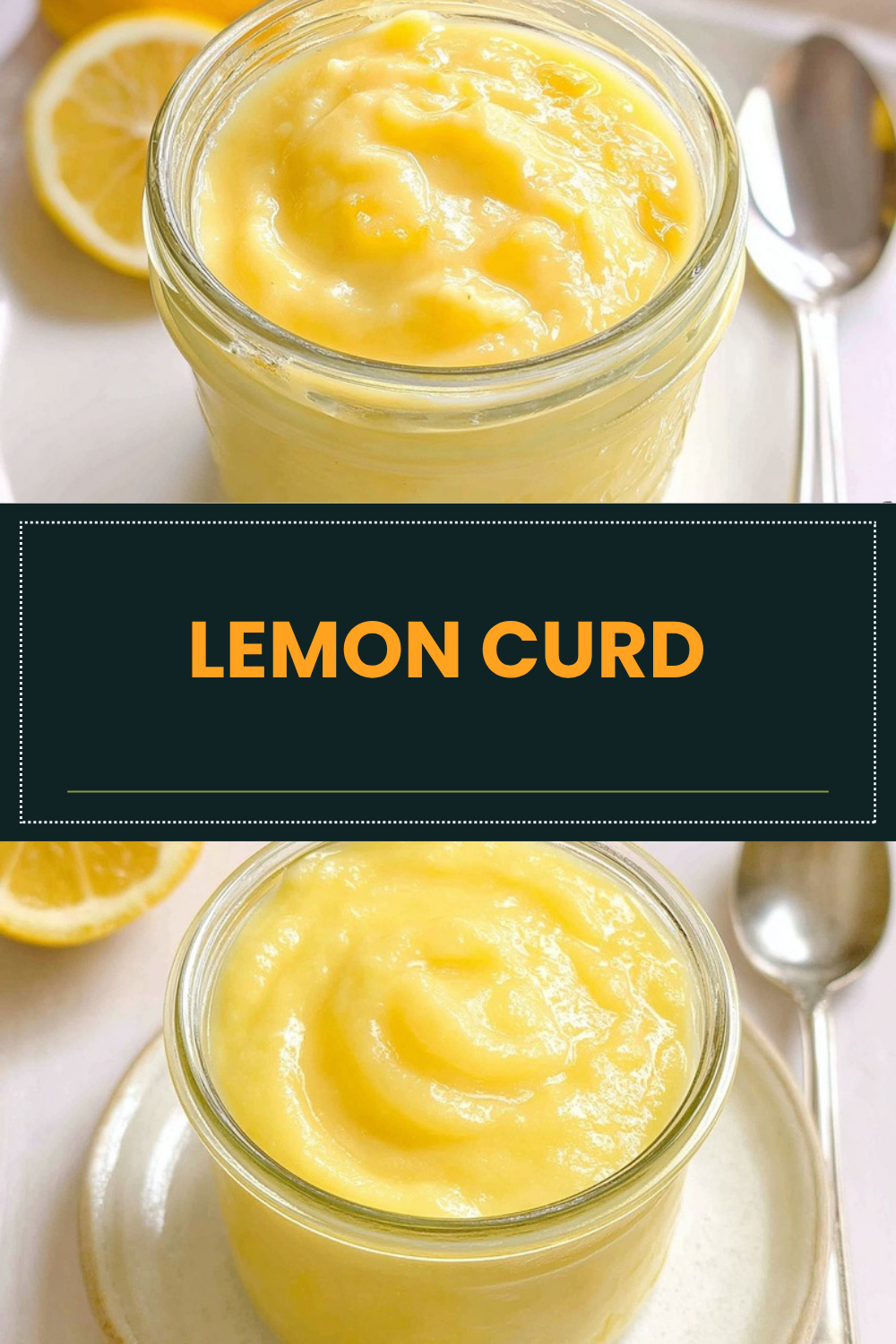
Lemon curd is a smooth, tangy spread made from fresh lemon juice, zest, sugar, butter, and eggs, cooked until thick and creamy. It has a bright citrus flavor with a velvety texture, similar to custard but brighter and more intense. Use it as a filling for tarts, pies, or cakes; spread it on scones, toast, or pancakes; swirl it into yogurt or cheesecake; or layer it in parfaits and trifles. It’s also great in thumbprint cookies or as a topping for shortbread. One batch yields about 2 cups, perfect for multiple uses. Store-bought versions often lack the fresh zing of homemade, so making your own takes just 15 minutes of active time. Always use room-temperature eggs for best results to avoid curdling.
How do I make homemade lemon curd step by step?
To make lemon curd, whisk together 3/4 cup sugar, 3 large eggs, 1/2 cup fresh lemon juice (about 3 lemons), and 1 tablespoon lemon zest in a saucepan. Cook over medium-low heat, stirring constantly with a whisk, until it thickens enough to coat the back of a spoon (about 8-10 minutes; reaches 170°F). Remove from heat, stir in 1/2 cup cold butter cut into pieces until melted and smooth. Strain through a fine-mesh sieve to remove bits, then pour into jars. Cool to room temperature before refrigerating. This yields 2 cups and takes 20 minutes total. Use a heavy-bottomed pan to prevent scorching, and avoid high heat to keep it silky. Perfect for beginners—fresh lemons give the best flavor.
How long does lemon curd last and how should I store it?
Homemade lemon curd lasts up to 2 weeks in the fridge when stored in an airtight jar or container. For longer storage, it freezes well for up to 3 months—thaw overnight in the fridge before using. Always keep it refrigerated due to the eggs; it firms up when cold but softens at room temperature. Check for spoilage by smell (should be fresh and citrusy) or appearance (no mold or separation). Cover the surface directly with plastic wrap before sealing the jar to prevent a skin from forming. Pro tip: portion into small jars for easy grab-and-go use in recipes like lemon bars or meringue pies. Proper storage maintains its creamy texture and vibrant yellow color.
Can I make lemon curd with other citrus fruits?
Yes, swap lemons for other citrus using the same recipe ratios. Try limes for a tart green version (use 1/2 cup juice from 4-5 limes), oranges for a sweeter profile (3/4 cup juice from 2-3 oranges, reduce sugar slightly), or grapefruits for a bittersweet twist (1/2 cup juice, balance with extra sugar). Pineapple juice works too for tropical flair (3/4 cup), or mix cranberries into a cooked base for a red holiday curd. Adjust zest to taste for intensity—about 1 tablespoon per fruit. Cooking time stays the same, but flavors vary: limes are sharper, oranges milder. Experiment with blood oranges in winter. Each variation thickens identically and stores the same way, opening endless options for tarts, fillings, or spreads.
What are common mistakes when making lemon curd and how to avoid them?
Common pitfalls include curdling from high heat—cook gently over medium-low, stirring constantly, never boiling. Use room-temperature eggs and butter to emulsify smoothly. Another issue is scrambled eggs from direct heat; whisk vigorously off-heat first, then cook slowly to 170°F. Forgetting to strain leaves zest bits—always sieve for silkiness. Overcooking makes it weepy; stop when it coats a spoon. Acidic lemons can curdle if eggs are cold, so temper by whisking hot mixture gradually into beaten eggs if needed (microwave method). Measure precisely: too much juice thins it. Test doneness with the spoon method, not time alone. These fixes ensure perfect results every time, yielding glossy, spreadable curd ideal for cakes or toast. Practice once for confidence.
Lemon Curd
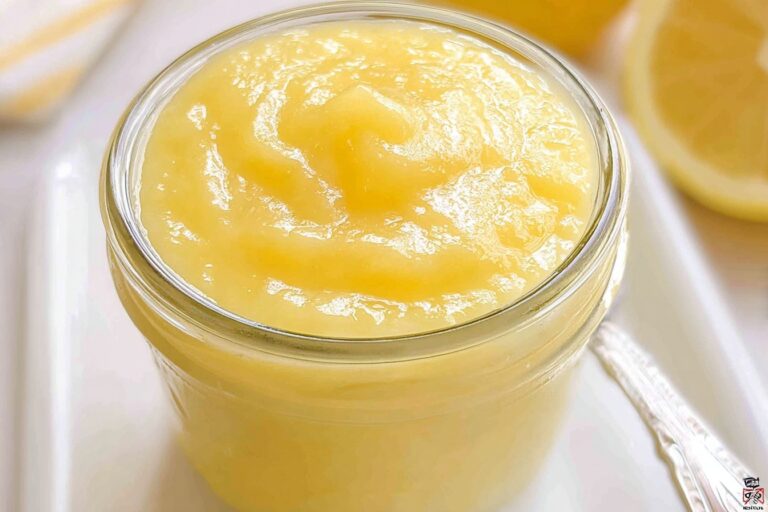
🍋 Indulge in silky smooth lemon curd bursting with tangy freshness, perfect for tarts, cakes, or toast to brighten any dish.
🍰 Homemade delight that’s quick to make, offering vibrant citrus flavor far superior to store-bought versions.
- Total Time: 1 hour 20 minutes
- Yield: 1 1/2 cups
Ingredients
– 4 large egg yolks for thickening the curd
– 2/3 cup granulated sugar for balancing acidity
– 1 tablespoon lemon zest for strong lemon flavor and aroma
– 1/3 cup fresh lemon juice for adding tang
– 1/8 teaspoon salt for sharpening the flavor
– 6 tablespoons unsalted butter for making it creamy
Instructions
1-First Step: Gather and prep everything Before you start cooking, measure all ingredients and have a medium saucepan, whisk, fine-mesh strainer, and heat-safe bowl ready. Separate the eggs if needed and zest the lemon before juicing it. This keeps the process smooth and helps you move quickly once the heat is on. If you are making a thicker lemon curd for cakes or tart filling, use the version with 2 egg yolks plus 1 whole egg. For a softer spread, stick with 4 large egg yolks. Either way, room-temperature eggs mix more easily and lower the risk of curdling.
2-Second Step: Whisk the base together In the saucepan, whisk together the egg yolks, sugar, lemon zest, lemon juice, and salt until the mixture looks well combined. The sugar should start dissolving, and the mixture will smell wonderfully bright already. This is where the tangy lemon curd recipe begins to take shape. Use a heavy-bottomed pan if you have one. It helps spread the heat more evenly and gives you a little extra protection from scorching. If you are watching the sugar, do not cut it too far because it helps the curd set correctly.
3-Third Step: Cook slowly over medium-low heat Place the pan over medium-low heat and keep whisking constantly. Do not walk away. The mixture will start out thin, then slowly thicken as the eggs cook gently. Stay patient and keep the heat low so the eggs do not scramble. After about 8 to 10 minutes, the curd should coat the back of a spoon. If you use a thermometer, aim for about 170°F. That is the sweet spot for a silky smooth lemon curd. If the heat seems too strong, lift the pan off the burner for a few seconds while whisking, then return it to the heat.
4-Fourth Step: Add the butter and finish the texture Once the curd thickens, remove it from the heat right away. Add the softened butter pieces one at a time, whisking until each piece melts into the mixture. The curd should turn glossy and smooth. This step gives homemade lemon curd its rich, luscious finish. If you used salted butter, remember to skip the added salt next time for balance. Butter that is softened, not cold, blends faster and helps the curd stay creamy. If the curd looks slightly grainy at first, keep whisking. It usually smooths out as the butter melts fully.
5-Fifth Step: Strain for a silky finish Pour the finished curd through a fine-mesh sieve into a clean bowl or jar. This removes any bits of zest or tiny cooked egg pieces and gives you that classic silky smooth lemon curd texture. Straining is especially helpful if you want a polished lemon filling for cakes or a tart shell. If you like a little extra zest in your curd, you can gently press the mixture through the sieve instead of stirring it all the way through. Just do not force any cooked bits that stay behind. The goal is smooth and creamy, not lumpy and stubborn.
6-Final Step: Cool and use Let the curd cool at room temperature before covering and chilling it. As it cools, it will thicken more. Once cold, it is ready to spread, spoon, swirl, or layer into your favorite treats. Use it for lemon curd for cakes, lemon curd tart filling, pancakes, scones, or even simple yogurt bowls. If you want to serve it soon, you can keep it at room temperature for a short while after straining, but always refrigerate it for storage. It tastes even brighter after chilling for a few hours.
Last Step:
Please leave a rating and comment letting us know how you liked this recipe! This helps our business to thrive and continue providing free, high-quality recipes for you.Notes
🍋 Use fresh lemons for the brightest, most vibrant flavor.
🔥 Stir constantly over low heat to avoid curdling the eggs.
🧈 Stores in an airtight container in the fridge for up to 2 weeks.
- Prep Time: 10 minutes
- Chill Time: 1 hour
- Cook Time: 10 minutes
- Category: Desserts
- Method: Stovetop
- Cuisine: American
- Diet: Vegetarian, Gluten-Free
Nutrition
- Serving Size: 2 tablespoons
- Calories: 120 kcal
- Sugar: 11g
- Sodium: 25mg
- Fat: 8g
- Saturated Fat: 5g
- Unsaturated Fat: 2.5g
- Trans Fat: 0g
- Carbohydrates: 11g
- Fiber: 0g
- Protein: 1g
- Cholesterol: 80mg