
Why You’ll Love This Artisan Bread
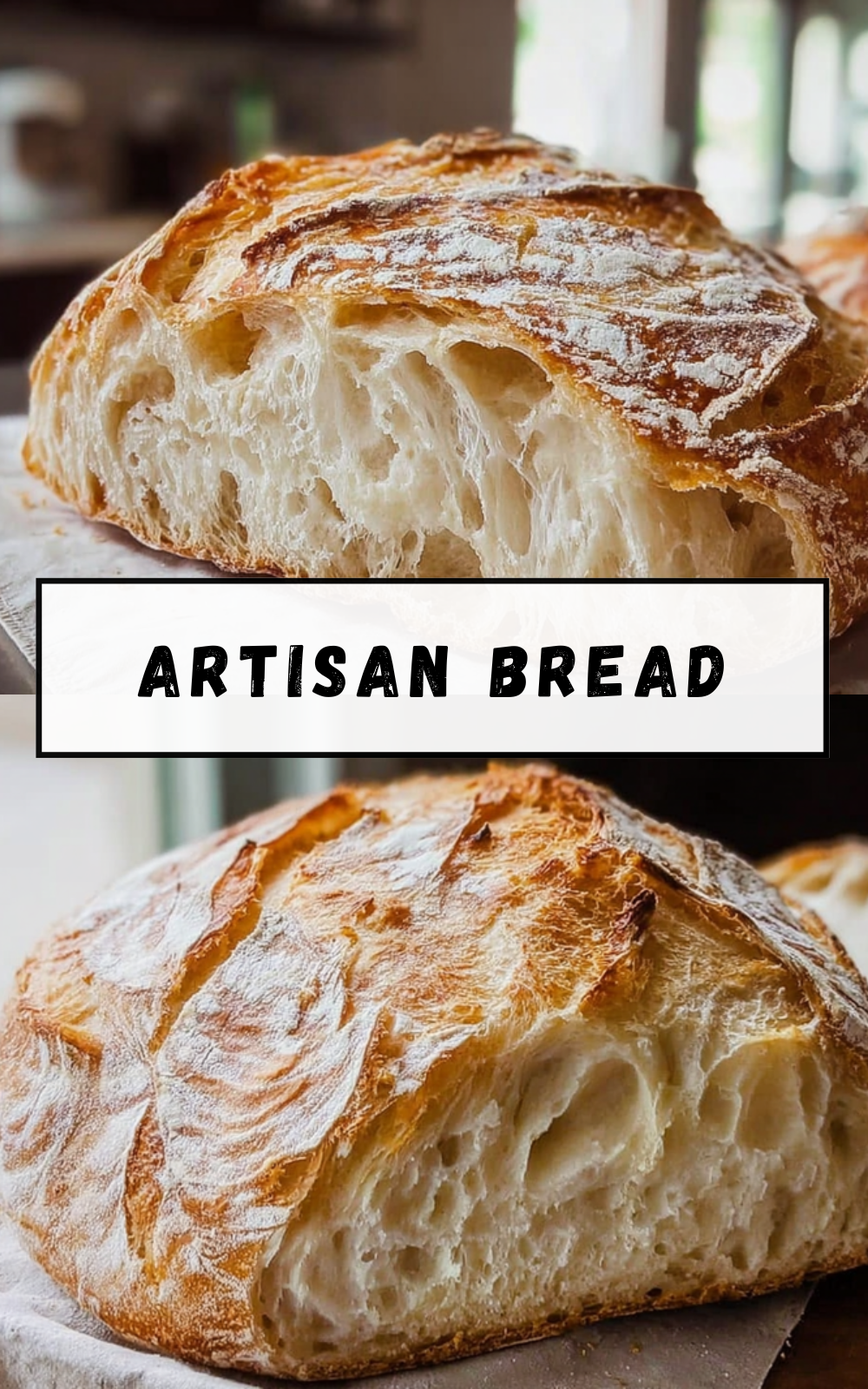
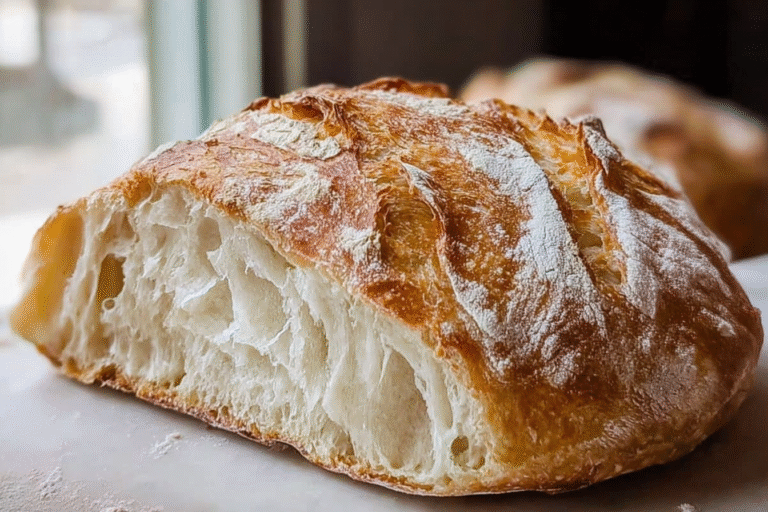
Baking artisan bread at home can feel like a rewarding adventure, and this no-knead version makes it simple for anyone to get started. With just a few basic ingredients, you can create loaves that boast a crispy crust and soft, airy interior that rivals professional bakeries. This recipe stands out for its ease, health perks, and how it adapts to your lifestyle.
One of the biggest draws is how straightforward this bread is to prepare. This artisan bread recipe uses minimal steps and everyday items, so even busy parents or students can whip up fresh loaves without spending hours in the kitchen. Plus, it offers health benefits like fiber and essential nutrients from natural ingredients, making it a smart choice for diet-conscious folks or working professionals looking for wholesome options.
You can tweak this recipe easily to fit various preferences, such as adding flavor boosters like garlic or herbs for food enthusiasts. Whether you are a baking newbie or a seasoned host, these loaves bring a touch of luxury to everyday meals, perfect for family dinners or quick snacks. This versatility means you can enjoy it as is or customize it for events, turning simple ingredients into something special.
Jump to:
- Why You’ll Love This Artisan Bread
- Essential Ingredients for Artisan Bread
- How to Prepare the Perfect Artisan Bread: Step-by-Step Guide
- Dietary Substitutions to Customize Your Artisan Bread
- Mastering Artisan Bread: Advanced Tips and Variations
- Creative Shaping and Storage Ideas
- How to Store Artisan Bread: Best Practices
- FAQs: Frequently Asked Questions About Artisan Bread
- What ingredients do I need to make artisan bread at home?
- How long should artisan bread dough rise for best results?
- Can I use active dry yeast instead of instant yeast for artisan bread?
- What is the best way to get a crispy crust on artisan bread?
- How can I shape artisan bread dough for different types of loaves or rolls?
- Artisan Bread
- Ingredients
- Instructions
- Last Step:
- Notes
- Nutrition
- Did you make this recipe?
Essential Ingredients for Artisan Bread
To make this artisan bread recipe a success, focus on quality ingredients that come together with ease. The key is balance, using precise measurements to ensure the best texture and flavor without any fuss. Below is a complete list of everything you need, based on a reliable no-knead method that simplifies home baking.
- 3 and 1/4 cups (about 430g) bread flour, plus extra for dusting hands and pan
- 2 teaspoons (about 6g) instant yeast
- 2 teaspoons (about 9g) coarse salt, preferably coarse sea salt
- 1 and 1/2 cups (360ml) water, close to room temperature (around 70°F or 21°C)
- Optional: cornmeal for dusting the baking pan
- Optional flavor additions such as garlic, rosemary, dill, chopped onion, jalapeño, shredded cheese, chopped nuts, dried cranberries, or garlic powder
Remember, bread flour gives a chewier texture, but you can swap in all-purpose flour if that’s what you have. For the best results, use a kitchen scale for accuracy and check water temperature with a digital thermometer to hit that ideal 70°F mark. This helps slow fermentation and builds a rich flavor without extra effort.
How to Prepare the Perfect Artisan Bread: Step-by-Step Guide
Getting started with artisan bread doesn’t have to be overwhelming, and this no-knead recipe makes it fun and straightforward. Begin by gathering your ingredients and following the steps below to create two lovely loaves. You’ll appreciate how little hands-on time it takes, leaving room for other tasks while the dough works its magic.
- In a large ungreased mixing bowl, whisk together the bread flour, instant yeast, and coarse salt to evenly distribute the dry ingredients.
- Pour in the room temperature water and mix gently with a spatula or wooden spoon; then use your hands to make sure all the flour is moistened, resulting in a sticky dough that holds air bubbles for a light crumb.
- Shape the dough into a ball inside the bowl, cover it tightly with plastic wrap or foil, and let it rise at room temperature for 2 to 3 hours until it doubles in size and becomes bubbly.
- For a deeper flavor and better texture, refrigerate the dough for 12 hours up to 3 days; it might puff up and then settle, which is perfectly normal and helps develop complexity.
- Lightly dust a large nonstick baking sheet with flour or cornmeal to prevent sticking and add a nice crunch.
- Turn the dough out onto a floured surface, divide it in half, shape each piece into a loaf about 9×3 inches, and place them on the baking sheet about 3 inches apart.
- Loosely cover the loaves and let them rest for 45 minutes; meanwhile, preheat your oven to 475°F (246°C) for even baking.
- Score each loaf with three slashes about 1/2 inch deep using a sharp knife or bread lame to help them expand without cracking.
- Optionally, place a shallow metal or cast iron pan on the bottom oven rack and add boiling water to create steam, which enhances the crust’s crispness.
- Bake the loaves on the center rack for 20 to 25 minutes until they turn golden brown and sound hollow when tapped, signaling they’re done.
- Allow the loaves to cool for at least 20 minutes on a wire rack before slicing to keep the texture just right; active cooking time is only 20 to 25 minutes, with a total prep of about 4 hours and 25 minutes including rising.
Handle the dough gently to preserve those important air bubbles that make the bread airy. If your dough feels too wet, add a bit more flour, but keep it minimal to maintain that ideal stickiness.

Dietary Substitutions to Customize Your Artisan Bread
Making artisan bread work for your needs is easy with a few smart swaps. This recipe is flexible, so you can adjust for dietary preferences while keeping the delicious taste and texture. For instance, if you’re looking to go gluten-free, explore gluten-free options by using alternatives that fit your lifestyle.
Start with protein and main component changes: Replace traditional yeast with a natural sourdough starter for a probiotic boost and unique flavor. Use almond flour or chickpea flour in place of wheat flour for gluten-free versions, and add seeds or nuts to amp up protein and texture without messing up the rise.
For vegetable, sauce, and seasoning tweaks: Swap standard salt with Himalayan pink salt or sea salt to boost mineral content and flavor. Mix in herbs like rosemary, thyme, or basil to enhance the bread’s natural taste, or try garlic-infused olive oil for a savory kick that suits various restrictions.
This no-knead method allows for endless customizations, so feel free to experiment and make it your own, whether you’re baking for a party or a quiet family meal.
Mastering Artisan Bread: Advanced Tips and Variations
Taking your artisan bread to the next level is all about fine-tuning techniques and trying new ideas. One pro tip is to use slow fermentation by refrigerating the dough overnight, which deepens the flavor and improves the crumb without much extra work. For flavor variations, mix in items like olives, caramelized onions, or cheese to create loaves that surprise and delight.
Creative Shaping and Storage Ideas
Presentation matters, so experiment with scoring patterns and dusting with flour or seeds to make your bread look as good as it tastes. If you want to make ahead, prepare the dough in advance and freeze it; just thaw it properly before baking to keep things fresh. Remember, alternative shapes like a round boule or smaller rolls are possible, but adjust baking times for rolls, cut back by about 5 to 10 minutes.
For external inspiration, check out resources on nutritional benefits of fresh flour, which can guide your ingredient choices for even better results.
| Technique | Benefit | Tips |
|---|---|---|
| Slow Fermentation | Deeper flavor | Refrigerate for up to 3 days |
| Adding Mix-ins | Unique taste | Use herbs or nuts sparingly |
| Baking Methods | Crispier crust | Try a Dutch oven for even heat |
How to Store Artisan Bread: Best Practices
Keeping your artisan bread fresh is key to enjoying its flavor longer. Store it wrapped in a paper bag or cloth at room temperature for up to two days to preserve that crispy crust. For longer storage, freeze the bread in airtight bags after it cools completely, and it’ll stay good for up to 3 months.
When you’re ready to eat, thaw it at room temperature and reheat in an oven at 175°C (350°F) for about 10 minutes to bring back that fresh-baked feel. For meal prep, slice and portion the bread before freezing to make it easy to grab just what you need, especially for busy mornings or quick dinners.
FAQs: Frequently Asked Questions About Artisan Bread
What ingredients do I need to make artisan bread at home?
To make artisan bread at home, you will need bread flour, instant yeast, coarse salt, and cool or room temperature water (approximately 70°F or 21°C). Optionally, you can use cornmeal for dusting the baking surface to prevent sticking. Bread flour is preferred for its higher protein content, which creates a chewier texture, but all-purpose flour can be substituted if bread flour is unavailable.
How long should artisan bread dough rise for best results?
Artisan bread dough typically rises at room temperature for about 2 to 3 hours until it doubles in size. For deeper flavor and improved texture, you can refrigerate the dough for 12 hours to 3 days after the initial rise. This slow fermentation allows the yeast to develop more complex flavors in the bread.
Can I use active dry yeast instead of instant yeast for artisan bread?
Yes, active dry yeast can be used as a substitute for instant yeast without changing the recipe measurements. However, active dry yeast may require a longer rising time because it activates slower. To improve activation, you can dissolve active dry yeast in warm water before mixing it into the dough.
What is the best way to get a crispy crust on artisan bread?
To achieve a crispy crust, place a pan of boiling water on the bottom rack of your oven during baking. The steam created helps form a crunchy, golden crust by keeping the dough surface moist initially and allowing it to dry during the latter stages of baking. Also, baking the bread directly on a preheated baking stone or heavy-duty pan helps promote even heat distribution.
How can I shape artisan bread dough for different types of loaves or rolls?
Artisan bread dough can be shaped into a round boule or divided to form longer batards. For smaller portions like rolls or buns, lightly flour your hands to handle the sticky dough and shape the pieces gently. Rolls require slightly less baking time—usually 5 to 10 minutes less—because of their smaller size. All shapes should maintain some air bubbles to keep the bread light and airy.
Artisan Bread
🍞 Homemade Artisan Bread Recipe delivers fresh, crusty loaves with a chewy interior and rich flavor, perfect for any meal.
🔥 This no-knead recipe is simple to make, producing bakery-style bread at home with minimal effort and ingredients.
- Total Time: 4 hours 25 minutes
- Yield: 2 loaves (approximately 8 inches each) 1x
Ingredients
3 and 1/4 cups (about 430g) bread flour, plus extra for dusting hands and pan
2 teaspoons (about 6g) instant yeast
2 teaspoons (about 9g) coarse salt, preferably coarse sea salt
1 and 1/2 cups (360ml) water, close to room temperature (around 70°F or 21°C)
cornmeal for dusting the baking pan
Optional flavor additions such as garlic, rosemary, dill, chopped onion, jalapeño, shredded cheese, chopped nuts, dried cranberries, or garlic powder
Instructions
1-In a large ungreased mixing bowl, whisk together the bread flour, instant yeast, and coarse salt to evenly distribute the dry ingredients.
2-Pour in the room temperature water and mix gently with a spatula or wooden spoon; then use your hands to make sure all the flour is moistened, resulting in a sticky dough that holds air bubbles for a light crumb.
3-Shape the dough into a ball inside the bowl, cover it tightly with plastic wrap or foil, and let it rise at room temperature for 2 to 3 hours until it doubles in size and becomes bubbly.
4-For a deeper flavor and better texture, refrigerate the dough for 12 hours up to 3 days; it might puff up and then settle, which is perfectly normal and helps develop complexity.
5-Lightly dust a large nonstick baking sheet with flour or cornmeal to prevent sticking and add a nice crunch.
6-Turn the dough out onto a floured surface, divide it in half, shape each piece into a loaf about 9×3 inches, and place them on the baking sheet about 3 inches apart.
7-Loosely cover the loaves and let them rest for 45 minutes; meanwhile, preheat your oven to 475°F (246°C) for even baking.
8-Score each loaf with three slashes about 1/2 inch deep using a sharp knife or bread lame to help them expand without cracking.
9-Optionally, place a shallow metal or cast iron pan on the bottom oven rack and add boiling water to create steam, which enhances the crust’s crispness.
10-Bake the loaves on the center rack for 20 to 25 minutes until they turn golden brown and sound hollow when tapped, signaling they’re done.
11-Allow the loaves to cool for at least 20 minutes on a wire rack before slicing to keep the texture just right; active cooking time is only 20 to 25 minutes, with a total prep of about 4 hours and 25 minutes including rising.
Last Step:
Please leave a rating and comment letting us know how you liked this recipe! This helps our business to thrive and continue providing free, high-quality recipes for you.Notes
🌾 Use bread flour for a chewier texture; all-purpose flour is an alternative but gives less chew.
🔥 Creating steam in the oven by placing boiling water enhances crust crispness.
⚖️ Weigh ingredients with a kitchen scale and use a digital thermometer for best results on water temperature and bread doneness.
- Prep Time: 15 minutes
- Rising and resting: 4 hours 10 minutes
- Cook Time: 25 minutes
- Category: Bread
- Method: No-knead, Baking
- Cuisine: American, Artisan
Nutrition
- Serving Size: 2 slices
- Calories: 136
- Sugar: 0.1g
- Sodium: 390mg
- Fat: 0.7g
- Carbohydrates: 27.2g
- Protein: 4.7g
- Cholesterol: 0mg