
Why You’ll Love This Baby Back Ribs
Discovering the joy of baby back ribs starts with a recipe that’s both straightforward and rewarding. Baby back ribs offer a tender, flavorful experience that appeals to home cooks looking for a satisfying meal. From the first bite, you’ll appreciate how this dish combines smoky goodness with ease of preparation, making it a go-to option for any occasion.
- Ease of Preparation: This baby back ribs recipe simplifies cooking with quick prep and cooking times that fit into busy schedules. For instance, the oven method takes about 2.5 hours total, allowing even beginners to achieve tender results without spending all day in the kitchen. Baby back ribs respond well to basic tools and steps, making them accessible for students or working professionals who want a hearty meal without complexity.
- Health Benefits: Preparing baby back ribs provides nutritional advantages, including high protein content that supports muscle health and energy needs. Each serving delivers about 103g of protein, along with essential nutrients like vitamins from the spices, which can contribute to overall wellness. For diet-conscious individuals, such as busy parents or seniors, this dish offers a balance of fats and carbs at 88g fat and 23g carbohydrates per serving, promoting a meal that’s both filling and mindful of daily intake.
- Versatility: Baby back ribs adapt easily to various dietary needs, from family dinners to special events for party hosts. You can tweak the recipe for gluten-free options by swapping ingredients, or make it low-calorie with lighter sauce choices, appealing to food enthusiasts and travelers alike. This flexibility ensures baby back ribs enhance any gathering, whether it’s a quick weeknight meal or a festive barbecue.
- Distinctive Flavor: What sets this baby back ribs apart is the unique blend of spices in the rub, featuring smoked paprika and cumin for a deep, memorable taste. The combination creates a savory profile that’s not overly spicy, allowing the natural tenderness of the ribs to shine through. Baby back ribs deliver that perfect mix of sweet and smoky notes from the sauce, making every bite a standout for newlyweds or baking enthusiasts exploring new flavors.
By focusing on these elements, this recipe for baby back ribs ensures a delightful cooking experience that’s both practical and delicious.
Jump to:
- Why You’ll Love This Baby Back Ribs
- Essential Ingredients for Baby Back Ribs
- For the Spice Rub:
- For the Ribs:
- Special Dietary Options:
- How to Prepare the Perfect Baby Back Ribs: Step-by-Step Guide
- First Step: Prepare the Spice Rub and Ribs
- Second Step: Apply the Rub and Let It Rest
- Third Step: Preheat and Initial Cooking
- Fourth Step: Wrapping and Saucing
- Fifth Step: Final Cooking and Checking Doneness
- Final Step: Resting and Serving
- Dietary Substitutions to Customize Your Baby Back Ribs
- Protein and Main Component Alternatives
- Vegetable, Sauce, and Seasoning Modifications
- Mastering Baby Back Ribs: Advanced Tips and Variations
- How to Store Baby Back Ribs: Best Practices
- FAQs: Frequently Asked Questions About Baby Back Ribs
- What are baby back ribs and where on the pig are they cut from?
- How should I prepare baby back ribs before cooking?
- What’s the best way to tell when baby back ribs are fully cooked?
- Can I cook baby back ribs in the oven, and how does that compare to smoking?
- How should leftover baby back ribs be stored and reheated?
- Baby Back Ribs
- Ingredients
- Instructions
- Last Step:
- Notes
- Nutrition
- Did you make this recipe?
Essential Ingredients for Baby Back Ribs
Gathering the right ingredients is key to making delicious baby back ribs. Below is a comprehensive list of everything you’ll need, organized by category for clarity. Each item includes its precise measurement and a brief explanation of its role in the recipe, using synonyms like pork loin ribs or back ribs to keep things natural.
For the Spice Rub:
- 3 tablespoons sugar – Adds a touch of sweetness to balance the spices and enhance the overall flavor of the back ribs.
- 2 teaspoons salt – Helps season the meat evenly, drawing out moisture for better tenderness in baby back ribs.
- 1½ tablespoons smoked paprika – Provides a smoky depth that infuses the pork loin ribs with rich, barbecue-like essence.
- 1½ teaspoons garlic powder – Offers a pungent, aromatic boost that complements the other spices in this back ribs rub.
- 1½ teaspoons onion powder – Brings a subtle, savory note that builds layers of flavor into the baby back ribs seasoning.
- 1 teaspoon ground cumin – Adds an earthy warmth, enhancing the distinctive taste profile of the ribs.
- 1 teaspoon dried oregano – Contributes herbal freshness that pairs well with the other elements for well-rounded back ribs.
- ½ teaspoon ground mustard – Introduces a mild tanginess that helps the rub adhere and penetrate the meat.
- ½ teaspoon cayenne pepper – Brings a gentle heat to elevate the spice mix without overwhelming the baby back ribs.
For the Ribs:
- 2 racks baby back ribs – The main protein, providing tender, juicy meat that serves as the star of the dish.
- About 6 tablespoons BBQ sauce (homemade or store-bought), plus more for serving – Coats the ribs for a sticky, caramelized finish, adding moisture and flavor during the final cooking stages.
Special Dietary Options:
- Vegan Substitutes: For plant-based versions of baby back ribs, use jackfruit or seitan (2 racks equivalent) to mimic the texture, clearly marked as a meat-free alternative that maintains the back ribs’ appeal.
- Gluten-Free Alternatives: Ensure all sauces and spices are gluten-free, like swapping any potential wheat-based BBQ sauce for a certified gluten-free option, specified for those avoiding gluten in their back ribs recipe.
- Low-Calorie Options: Identify lighter choices such as a reduced-sugar BBQ sauce or sugar-free sweeteners in the rub, helping diet-conscious individuals enjoy baby back ribs with fewer calories.
How to Prepare the Perfect Baby Back Ribs: Step-by-Step Guide
Creating the ideal baby back ribs involves a series of simple, actionable steps that lead to tender and flavorful results. This guide draws from proven methods, including smoker and oven techniques, to help you adapt based on your setup. We’ll incorporate details like cooking times and temperatures for clarity, ensuring even beginners can succeed.
First Step: Prepare the Spice Rub and Ribs
Begin by whisking together the spice rub to build the foundation of flavor for your baby back ribs. Combine 3 tablespoons sugar, 2 teaspoons salt, 1½ tablespoons smoked paprika, 1½ teaspoons garlic powder, 1½ teaspoons onion powder, 1 teaspoon ground cumin, 1 teaspoon dried oregano, ½ teaspoon ground mustard, and ½ teaspoon cayenne pepper in a bowl until well mixed. For the ribs, take your 2 racks of baby back ribs and remove the membrane from the underside using a butter knife and paper towel for grip this step, taking about 5 minutes, allows seasonings to penetrate better and improves tenderness, especially for dietary adaptations like low-sodium versions where you can reduce salt.
Second Step: Apply the Rub and Let It Rest
Evenly coat both sides of the ribs with half of the spice rub, ensuring full coverage for maximum flavor absorption. Let the ribs rest for 15 minutes on a plate, which helps the seasoning set in. This pause is perfect for adapting to preferences, such as using a milder cayenne amount for kids or busy parents, making the back ribs more versatile for family meals.
Third Step: Preheat and Initial Cooking
Preheat your smoker to 225°F or your oven to 300°F, depending on your chosen method for baby back ribs. Place the ribs in the smoker for 2 hours or on a foil-lined baking sheet in the oven for the same time. Monitor the temperature closely maintaining this low heat ensures the meat becomes tender without drying out, and you can adjust for high-altitude cooking by extending time slightly, as seen in recipes like high-altitude baking tips on our site.
Fourth Step: Wrapping and Saucing
After the initial cooking, remove the ribs and double wrap each rack in heavy-duty foil for the smoker method, then return them to the smoker for 1½ hours. For the oven method, keep them covered and bake for about 2 hours until tender. Once ready, unwrap carefully, brush with about 6 tablespoons of BBQ sauce, and fold the foil edges to create a tray this step adds moisture and caramelization, and for gluten-free adaptations, use a certified sauce to keep baby back ribs inclusive.
Fifth Step: Final Cooking and Checking Doneness
Return the sauced ribs to the smoker for another 45 minutes to 1 hour, or for the oven, broil for 2 to 4 minutes until the sauce bubbles. If grilling, heat to medium and cook for 10 to 15 minutes while basting. Check doneness by lifting the ribs from the center; they should bend easily, and the meat should crack on top, reaching an internal temperature of 190 203°F for optimal tenderness. This stage is crucial for variations, like adding more veggies for nutrient-packed back ribs.
Final Step: Resting and Serving
Let the ribs rest for 10 minutes before slicing to allow juices to redistribute, ensuring juicy baby back ribs every time. Serve with extra BBQ sauce on the side, perhaps alongside sides like a fresh salad. For dietary needs, cool slightly before customizing with low-calorie toppings, making this a flexible dish for all eaters. With prep time of 30 minutes and total time around 5 hours for smoking, you’ll have a meal that’s worth the wait.
| Method | Cook Time | Temperature |
|---|---|---|
| Smoker | 4 hours 30 minutes | 225°F |
| Oven | 2 hours | 300°F |

Dietary Substitutions to Customize Your Baby Back Ribs
Protein and Main Component Alternatives
Adapting the main protein in baby back ribs can make the recipe suitable for various diets. For instance, swap pork with jackfruit or seitan for vegan options, as these provide a similar texture and absorb flavors well, offering a plant-based alternative without losing the dish’s appeal.
Vegetable, Sauce, and Seasoning Modifications
Enhance your back ribs by changing vegetables or sauces based on seasons or restrictions. Opt for sugar-free BBQ sauce for low-calorie versions or gluten-free soy for those with sensitivities, and experiment with smoked paprika versus chipotle for different spice levels, keeping the dish versatile and flavorful.
Mastering Baby Back Ribs: Advanced Tips and Variations
Take your baby back ribs to the next level with pro techniques like low-and-slow smoking for deeper flavor. Try flavor variations such as sweet rubs or global sauces, and use presentation tips like garnishing with herbs for an appealing plate. For make-ahead options, prepare the rub in advance and store it, referencing similar strategies in coffee cake prep for efficiency.
When it comes to baby back ribs, patience with low heat truly pays off for that tender finish.
How to Store Baby Back Ribs: Best Practices
Proper storage keeps your baby back ribs fresh and tasty. For refrigeration, cool ribs quickly and store in an airtight container at 40°F or below for up to 3 to 4 days. Freezing works for longer, using wrap methods like foil and bags for up to 3 months. Reheating gently in a 250°F oven maintains quality, and for meal prep, portion and label for easy use.
FAQs: Frequently Asked Questions About Baby Back Ribs
What are baby back ribs and where on the pig are they cut from?
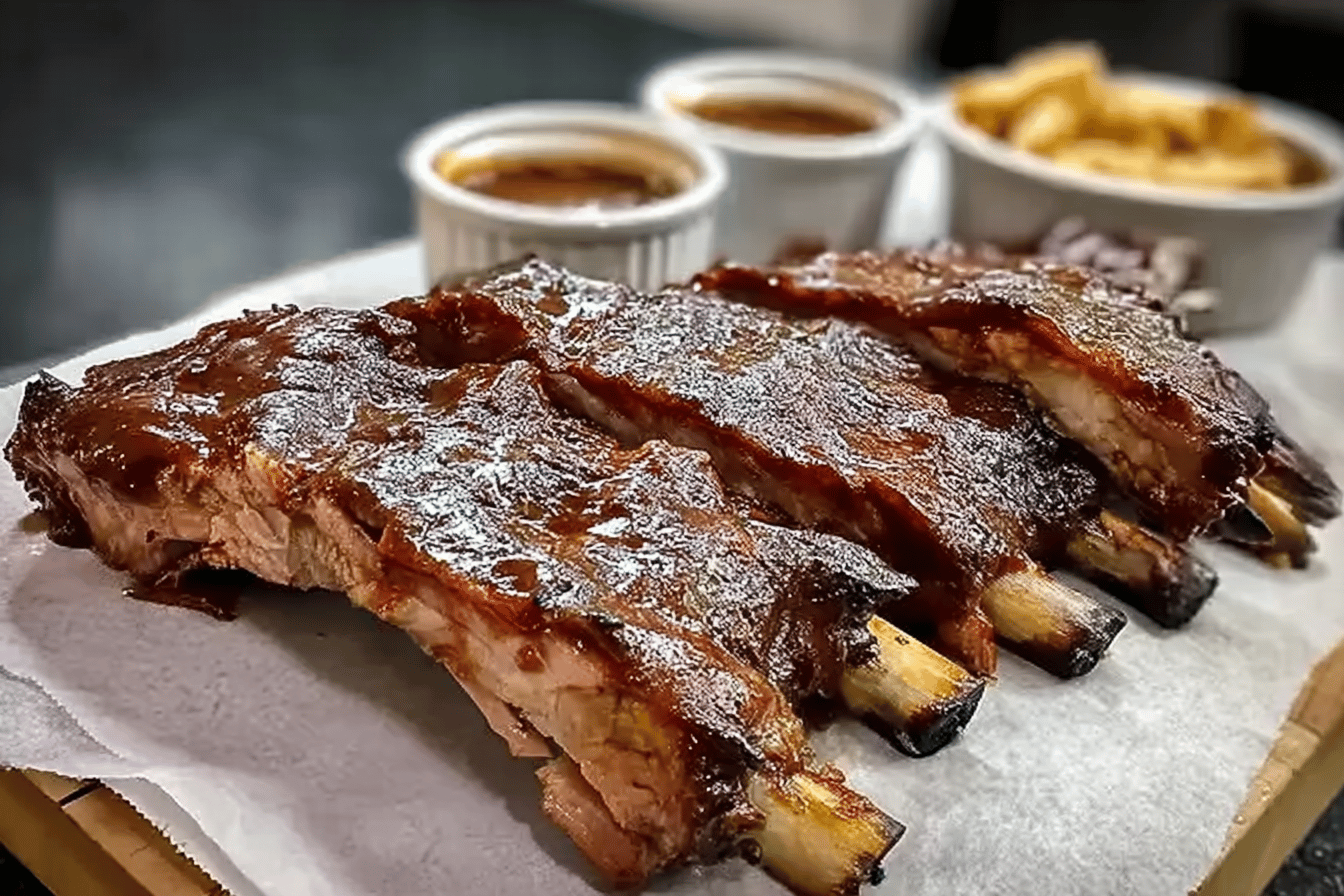
Baby back ribs, also called back ribs or loin ribs, come from the upper part of the pig’s rib cage near the spine, above the spare ribs. They are shorter, leaner, and more tender compared to spare ribs, which makes them popular for quick cooking methods. Despite the name, they do not come from baby pigs but are simply smaller ribs near the pig’s back.
How should I prepare baby back ribs before cooking?
To prepare baby back ribs, start by removing the tough membrane on the underside of the ribs. Use a butter knife to loosen one edge, then peel it off using a paper towel for grip. This helps spices penetrate and improves tenderness. After that, apply a dry spice rub evenly over both sides and let the ribs rest about 15 minutes before cooking to absorb the flavors.
What’s the best way to tell when baby back ribs are fully cooked?
Baby back ribs are properly cooked when the meat is tender and easily bends without falling apart. A good test is to lift the ribs with tongs from the center; they should bend and the meat will slightly crack on the surface. The internal temperature should reach around 190–203°F for tender ribs that pull away easily from the bone.
Can I cook baby back ribs in the oven, and how does that compare to smoking?
Yes, baby back ribs can be cooked in the oven, which is quicker and more convenient than smoking. Oven cooking usually takes about 2 hours at low heat and is often finished under the broiler or on a grill to caramelize the sauce. Smoking takes longer—about 4 hours—but adds a deep smoky flavor and tenderizes the meat differently.
How should leftover baby back ribs be stored and reheated?
Store leftover cooked ribs in an airtight container in the refrigerator for 3 to 4 days or freeze them for up to 3 months. To reheat, thaw if frozen, brush ribs with BBQ sauce, cover tightly with foil, and warm in a 250°F oven for 30–35 minutes until heated through. Uncover and continue heating 10–15 minutes more to set the sauce and restore the crispy bark.
Baby Back Ribs
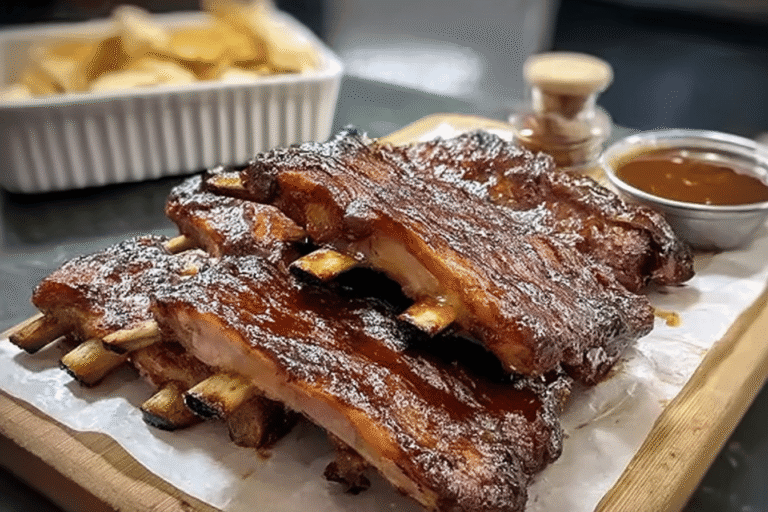
🍖 This Baby Back Ribs recipe offers tender, flavorful ribs with a rich smoky taste, perfect for BBQ lovers seeking authentic results.
🔥 Whether using a smoker or an oven, this method ensures juicy meat with a caramelized BBQ sauce finish that will impress any crowd.
- Total Time: 5 hours (smoker) or 2.5 hours (oven-to-grill)
- Yield: 4 servings 1x
Ingredients
3 tablespoons sugar to balance the spices and enhance flavor
2 teaspoons salt to season the meat evenly and draw out moisture
1½ tablespoons smoked paprika for smoky depth
1½ teaspoons garlic powder for aromatic boost
1½ teaspoons onion powder for savory note
1 teaspoon ground cumin for earthy warmth
1 teaspoon dried oregano for herbal freshness
½ teaspoon ground mustard for mild tanginess
½ teaspoon cayenne pepper for gentle heat
2 racks baby back ribs main protein
About 6 tablespoons BBQ sauce (homemade or store-bought) for coating and flavoring the ribs
Instructions
1-First Step: Prepare the Spice Rub and Ribs Begin by whisking together the spice rub to build the foundation of flavor for your baby back ribs. Combine 3 tablespoons sugar, 2 teaspoons salt, 1½ tablespoons smoked paprika, 1½ teaspoons garlic powder, 1½ teaspoons onion powder, 1 teaspoon ground cumin, 1 teaspoon dried oregano, ½ teaspoon ground mustard, and ½ teaspoon cayenne pepper in a bowl until well mixed. For the ribs, take your 2 racks of baby back ribs and remove the membrane from the underside using a butter knife and paper towel for grip this step, taking about 5 minutes, allows seasonings to penetrate better and improves tenderness, especially for dietary adaptations like low-sodium versions where you can reduce salt.
2-Second Step: Apply the Rub and Let It Rest Evenly coat both sides of the ribs with half of the spice rub, ensuring full coverage for maximum flavor absorption. Let the ribs rest for 15 minutes on a plate, which helps the seasoning set in. This pause is perfect for adapting to preferences, such as using a milder cayenne amount for kids or busy parents, making the back ribs more versatile for family meals.
3-Third Step: Preheat and Initial Cooking Preheat your smoker to 225°F or your oven to 300°F, depending on your chosen method for baby back ribs. Place the ribs in the smoker for 2 hours or on a foil-lined baking sheet in the oven for the same time. Monitor the temperature closely maintaining this low heat ensures the meat becomes tender without drying out, and you can adjust for high-altitude cooking by extending time slightly, as seen in recipes like high-altitude baking tips on our site.
4-Fourth Step: Wrapping and Saucing After the initial cooking, remove the ribs and double wrap each rack in heavy-duty foil for the smoker method, then return them to the smoker for 1½ hours. For the oven method, keep them covered and bake for about 2 hours until tender. Once ready, unwrap carefully, brush with about 6 tablespoons of BBQ sauce, and fold the foil edges to create a tray this step adds moisture and caramelization, and for gluten-free adaptations, use a certified sauce to keep baby back ribs inclusive.
5-Fifth Step: Final Cooking and Checking Doneness Return the sauced ribs to the smoker for another 45 minutes to 1 hour, or for the oven, broil for 2 to 4 minutes until the sauce bubbles. If grilling, heat to medium and cook for 10 to 15 minutes while basting. Check doneness by lifting the ribs from the center; they should bend easily, and the meat should crack on top, reaching an internal temperature of 190 203°F for optimal tenderness. This stage is crucial for variations, like adding more veggies for nutrient-packed back ribs.
6-Final Step: Resting and Serving Let the ribs rest for 10 minutes before slicing to allow juices to redistribute, ensuring juicy baby back ribs every time. Serve with extra BBQ sauce on the side, perhaps alongside sides like a fresh salad. For dietary needs, cool slightly before customizing with low-calorie toppings, making this a flexible dish for all eaters. With prep time of 30 minutes and total time around 5 hours for smoking, you’ll have a meal that’s worth the wait.
Last Step:
Please leave a rating and comment letting us know how you liked this recipe! This helps our business to thrive and continue providing free, high-quality recipes for you.Notes
🔪 Always remove the membrane from ribs to allow better seasoning absorption and tenderness.
⏲️ Let the spice rub sit for 15 minutes before adding more to deepen flavor.
🔥 For authentic smoky flavor, use a smoker at low temperature; oven method is a great faster alternative.
- Prep Time: 30 minutes
- Cook Time: 4 hours 30 minutes (smoker) or about 2 hours (oven)
- Cook Time: 4 hours 30 minutes (smoker) or about 2 hours (oven)
- Category: Main Dish
- Method: Smoking or Oven Baking with Broiling/Grilling finish
- Cuisine: American BBQ
- Diet: None
Nutrition
- Serving Size: 1/4 rack of ribs
- Calories: 1298 calories
- Sugar: 18 grams
- Sodium: 1340 milligrams
- Fat: 88 grams
- Saturated Fat: 31 grams
- Carbohydrates: 23 grams
- Fiber: 2 grams
- Protein: 103 grams
- Cholesterol: 369 milligrams