
Why You’ll Love This Black Lentils
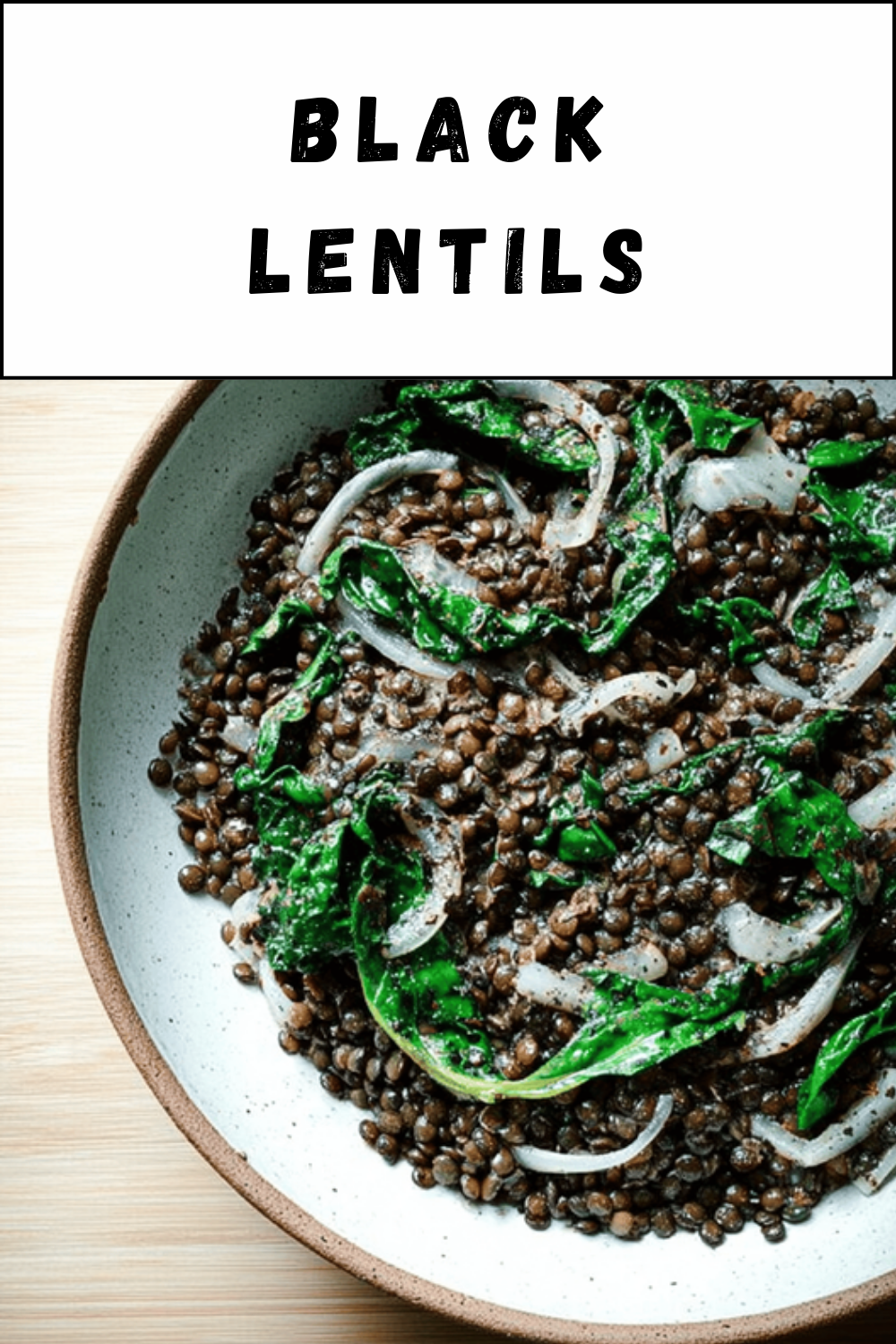
Black lentils, often called beluga lentils, make a great choice for anyone looking to add healthy, tasty options to their meals. These lentils are whole, non-GMO, kosher, and vegan, so they fit many diets without any fuss. They cook quickly in 15-20 minutes and keep their shape well, perfect for soups, salads, casseroles, tacos, and curries.
One big plus is how easy they are to prepare. Just rinse 1 cup of black lentils under cold water, combine with 3 cups of water in a pot, bring to a boil, and simmer for 15-20 minutes until tender. They are packed with plant-based protein, dietary fiber, iron, B vitamins, and other essential minerals that support overall health.
This makes them ideal for busy parents, students, and working professionals who want quick meals. Their earthy flavor and firm texture add depth to dishes, while their versatility shines in everything from simple sides to hearty mains.
- Ease of preparation: Black lentils are quick to cook and require minimal pre-soaking, making them a convenient choice for busy cooks. Their simple cooking process saves time while still delivering a hearty and satisfying meal.
- Health benefits: Rich in protein, fiber, and essential minerals, black lentils support digestive health, aid in blood sugar regulation, and contribute to overall wellness. They are an excellent plant-based source of nutrition.
- Versatility: Black lentils adapt well to various cuisines and dietary preferences, including vegan, gluten-free, and low-calorie diets. They can be incorporated into salads, soups, stews, and more.
- Distinctive flavor: With a firm texture and slightly earthy taste, black lentils stand out in dishes, adding depth and complexity that enhance the overall flavor profile.
For those interested in more meal ideas, check out our dinner recipes that include similar healthy ingredients.
Jump to:
- Why You’ll Love This Black Lentils
- Essential Ingredients for Black Lentils
- Main Ingredients
- Special Dietary Options
- How to Prepare the Perfect Black Lentils: Step-by-Step Guide
- Dietary Substitutions to Customize Your Black Lentils
- Mastering Black Lentils: Advanced Tips and Variations
- How to Store Black Lentils: Best Practices
- FAQs: Frequently Asked Questions About Black Lentils
- What are black lentils and how are they different from other lentils?
- How do you cook black lentils for the best texture?
- Are black lentils good for weight loss and nutrition?
- Can black lentils be used in vegan or vegetarian recipes?
- How should black lentils be stored to maintain freshness?
- Black Lentils
- Ingredients
- Instructions
- Last Step:
- Notes
- Nutrition
- Did you make this recipe?
Essential Ingredients for Black Lentils
Gathering the right ingredients is key to making a delicious black lentils dish. This section lists everything you need, based on the recipe details provided. We focus on precise measurements to help you get it right every time.
Main Ingredients
- 1 cup black lentils – Provides the base protein and fiber-rich component.
- 1 medium onion, finely chopped – Adds sweetness and flavor.
- 2 cloves garlic, minced – Offers aromatic depth and enhances taste.
- 1 teaspoon cumin seeds – Imparts a warm, earthy spice.
- 2 cups vegetable broth – Used for cooking lentils, adding richness.
- 1 tablespoon olive oil – Helps sauté ingredients and adds healthy fats.
Special Dietary Options
- Vegan: Use vegetable broth and olive oil to keep the recipe plant-based.
- Gluten-free: Ensure broth and spices are certified gluten-free.
- Low-calorie: Use minimal olive oil and low-sodium broth to reduce calorie content.
| Ingredient | Quantity | Purpose |
|---|---|---|
| Black lentils | 1 cup | Base for protein and fiber |
| Onion | 1 medium, finely chopped | Flavor enhancer |
| Garlic | 2 cloves, minced | Aromatic addition |
| Cumin seeds | 1 teaspoon | Spice for warmth |
| Vegetable broth | 2 cups | Cooking liquid for richness |
| Olive oil | 1 tablespoon | For sautéing and healthy fats |
These black lentils are non-GMO and kosher, making them a reliable pick for vegan diets. Remember, they don’t need pre-soaking, which cuts down on prep time.
How to Prepare the Perfect Black Lentils: Step-by-Step Guide
Cooking black lentils is straightforward and quick, taking just 15-20 minutes. Start by rinsing 1 cup of these non-GMO, kosher, and vegan lentils under cold water to clean them. This step ensures they are ready for a simple yet flavorful meal.
Heat 1 tablespoon of olive oil in a pot over medium heat. Add 1 finely chopped onion and 2 minced garlic cloves, then sauté until they turn translucent, about 5 minutes. This builds a strong base for your dish.
- First Step: Rinse 1 cup of black lentils thoroughly under cold water to remove impurities. No soaking needed, which speeds up prep time.
- Second Step: Heat 1 tablespoon of olive oil in a pot over medium heat. Add 1 finely chopped onion and 2 minced garlic cloves. Sauté until translucent, about 5 minutes.
- Third Step: Stir in 1 teaspoon cumin seeds and cook for 1 minute to release aroma.
- Fourth Step: Add the rinsed lentils and 2 cups vegetable broth to the pot. Bring to a boil.
- Fifth Step: Reduce heat to low, cover, and simmer for 25-30 minutes until lentils are tender but hold shape.
- Sixth Step: Season with salt and pepper to taste. For dietary adaptations, substitute vegetable broth with low-sodium or use water for lower calorie options.
- Final Step: Remove from heat and let stand for 5 minutes. Serve warm, garnished with fresh herbs if desired. This recipe can be customized with additional spices or vegetables depending on preference.
Black lentils maintain their shape well, thanks to their cooking method, making them great for various recipes. For more ideas on incorporating lentils into meals, explore our salsa verde chicken slow cooker recipe for a twist on dinner options.
Black lentils are rich in plant-based protein and fiber, offering a nutritious boost with every bite. They cook without pre-soaking and work wonders in salads and curries.

Dietary Substitutions to Customize Your Black Lentils
Black lentils are flexible, allowing you to swap ingredients based on what you have or your dietary needs. For instance, these lentils are naturally vegan and kosher, so they easily fit into plant-based meals.
Start with protein alternatives. You can replace black lentils with green or brown ones if that’s what’s available, though they might take a bit longer to cook.
- Protein and Main Component Alternatives: Substitute black lentils with green or brown lentils if preferred or based on availability. Use chickpeas or black beans for variation in texture and protein content.
- Vegetable, Sauce, and Seasoning Modifications: Replace onion with shallots or leeks for a milder flavor. Swap cumin seeds for coriander or smoked paprika for different spice profiles. Use coconut milk or tomato puree to create alternative sauce bases catering to diverse tastes and diets.
These changes help keep the dish nutritious, with black lentils providing iron and B vitamins no matter the variation.
Mastering Black Lentils: Advanced Tips and Variations
Once you get the basics down, try some advanced tips to make your black lentils even better. For sprouting, rinse the lentils and soak them in water for 12 hours, then rinse and drain daily until they sprout, which adds extra crunch and nutrients.
Pro cooking techniques include toasting spices before adding them to the pot. This step boosts flavors and makes your dish stand out. Black lentils, being non-GMO and rich in minerals, hold up well in these methods.
- Pro cooking techniques: Toast spices separately before adding to the pot to enhance their flavors. Use a heavy-bottomed pan for even cooking and prevent sticking.
- Flavor variations: Incorporate ingredients like ginger, turmeric, or fresh chili to introduce new dimensions. Experiment with fresh herbs such as cilantro or parsley for garnish.
- Presentation tips: Serve black lentils over a bed of fluffy rice or with a side of roasted vegetables. Garnish with toasted nuts or a dollop of yogurt to elevate plating.
- Make-ahead options: Cook in larger batches and refrigerate portions in airtight containers for up to 4 days. Lentils freeze well, allowing for convenient meal prep, perfect for busy schedules.
For external resources, learn about plant-based protein sources that complement black lentils.
How to Store Black Lentils: Best Practices
Proper storage keeps your black lentils fresh and ready for use. These lentils, being whole and non-GMO, last a long time if stored right. Keep dried ones in a cool, dry spot.
- Refrigeration: Store cooked black lentils in an airtight container in the refrigerator for up to 4 days to maintain freshness and flavor.
- Freezing: Freeze portions in sealed freezer-safe containers or bags for up to 3 months. Thaw in the refrigerator overnight before reheating.
- Reheating: Warm lentils gently on the stovetop or microwave with a splash of water or broth to prevent drying out. Stir occasionally for even heat distribution.
- Meal prep considerations: When batch cooking, divide lentils into single-serving containers for easy grab-and-go meals, ensuring portion control and reducing waste.
This approach works well for black lentils, which are high in fiber and ideal for meal planning.
FAQs: Frequently Asked Questions About Black Lentils
What are black lentils and how are they different from other lentils?
Black lentils, also known as beluga lentils, are small, shiny, pea-shaped legumes that resemble caviar. They differ from other lentils like green, brown, or red lentils in texture and cooking time. Black lentils hold their shape well when cooked and have a slightly firmer texture and earthier flavor. Unlike red lentils, which soften quickly and break down into a puree, black lentils remain whole, making them ideal for salads, soups, and side dishes.
How do you cook black lentils for the best texture?
To cook black lentils, rinse them thoroughly under cold water. Combine 1 cup of lentils with about 3 cups of water or broth in a pot. Bring to a boil, then reduce to simmer and cook uncovered for 20 to 25 minutes until tender but firm. Avoid overcooking to prevent mushiness. Drain any excess water and season as desired. No soaking is required thanks to their small size, but rinsing helps remove any debris and excess starch.
Are black lentils good for weight loss and nutrition?
Yes, black lentils are rich in protein, fiber, and complex carbohydrates, making them a satisfying and nutritious food for weight management. One cup of cooked black lentils provides about 18 grams of protein and 15 grams of fiber, which promote fullness and support digestive health. They are low in fat and contain important minerals like iron, folate, and magnesium. Including black lentils in meals can help stabilize blood sugar and reduce hunger cravings.
Can black lentils be used in vegan or vegetarian recipes?
Absolutely. Black lentils are a popular plant-based protein source in vegan and vegetarian diets. They can be added to salads, veggie burgers, stews, and casseroles to boost protein content and texture. Their ability to hold shape when cooked makes them especially versatile for dishes where you want defined lentils rather than a mushy consistency. Combining black lentils with grains like rice or quinoa creates a complete protein for balanced meals.
How should black lentils be stored to maintain freshness?
Store dried black lentils in an airtight container in a cool, dry place away from direct sunlight. Properly stored, they can last up to a year. Once cooked, keep lentils in an airtight container in the refrigerator and consume within 4 to 5 days. For longer storage, cooked lentils can be frozen for up to three months. Always cool cooked lentils before refrigerating to prevent spoilage.
Black Lentils
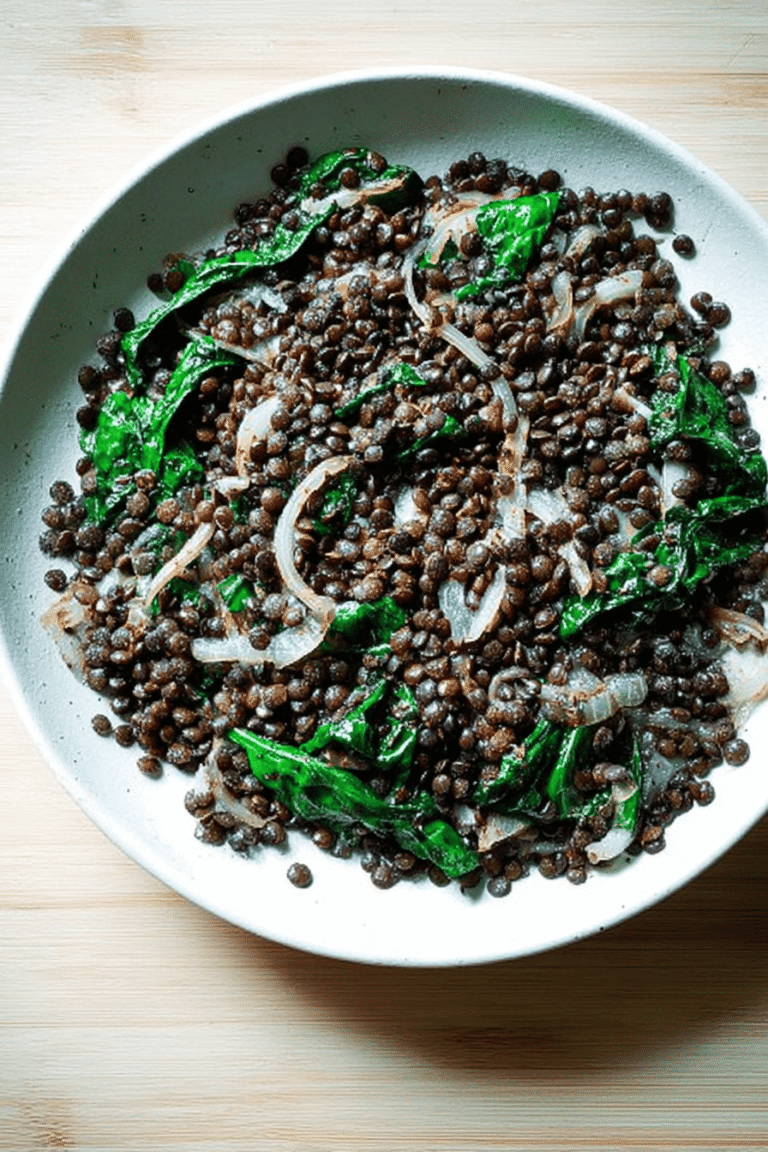
🌱 Enjoy nutritious Black Beluga lentils that are non-GMO, kosher, and vegan, offering a rich source of plant-based protein and essential minerals.
🍲 These versatile lentils cook quickly and hold their shape, making them perfect for a variety of dishes from soups to salads.
- Total Time: 25 minutes
- Yield: About 3 cups cooked lentils
Ingredients
– 1 cup Black lentils Base for protein and fiber
– 1 medium, finely chopped Onion Flavor enhancer
– 2 cloves, minced Garlic Aromatic addition
– 1 teaspoon Cumin seeds Spice for warmth
– 2 cups Vegetable broth Cooking liquid for richness
– 1 tablespoon Olive oil For sautéing and healthy fats
Instructions
1-First Step: Rinse 1 cup of black lentils thoroughly under cold water to remove impurities. No soaking needed, which speeds up prep time.
2-Second Step: Heat 1 tablespoon of olive oil in a pot over medium heat. Add 1 finely chopped onion and 2 minced garlic cloves. Sauté until translucent, about 5 minutes.
3-Third Step: Stir in 1 teaspoon cumin seeds and cook for 1 minute to release aroma.
4-Fourth Step: Add the rinsed lentils and 2 cups vegetable broth to the pot. Bring to a boil.
5-Fifth Step: Reduce heat to low, cover, and simmer for 25-30 minutes until lentils are tender but hold shape.
6-Sixth Step: Season with salt and pepper to taste. For dietary adaptations, substitute vegetable broth with low-sodium or use water for lower calorie options.
7-Final Step: Remove from heat and let stand for 5 minutes. Serve warm, garnished with fresh herbs if desired. This recipe can be customized with additional spices or vegetables depending on preference.
Last Step:
Please leave a rating and comment letting us know how you liked this recipe! This helps our business to thrive and continue providing free, high-quality recipes for you.Notes
🌿 Rinse lentils thoroughly before cooking to remove any debris.
⏱ Cooking time is short, so keep an eye to avoid overcooking.
🌱 Sprouted lentils can be used in salads or wraps for added nutrition and crunch.
- Prep Time: 5 minutes
- Sprouting time: 12 hours plus daily rinsing
- Cook Time: 20 minutes
- Category: Legumes
- Method: Boiling
- Cuisine: Universal
- Diet: Vegan, Kosher, Non-GMO
Nutrition
- Serving Size: 1/2 cup cooked lentils
- Calories: 115 kcal
- Sugar: 1 g
- Sodium: 5 mg
- Fat: 0.5 g
- Saturated Fat: 0 g
- Unsaturated Fat: 0.5 g
- Trans Fat: 0 g
- Carbohydrates: 20 g
- Fiber: 8 g
- Protein: 9 g
- Cholesterol: 0 mg