
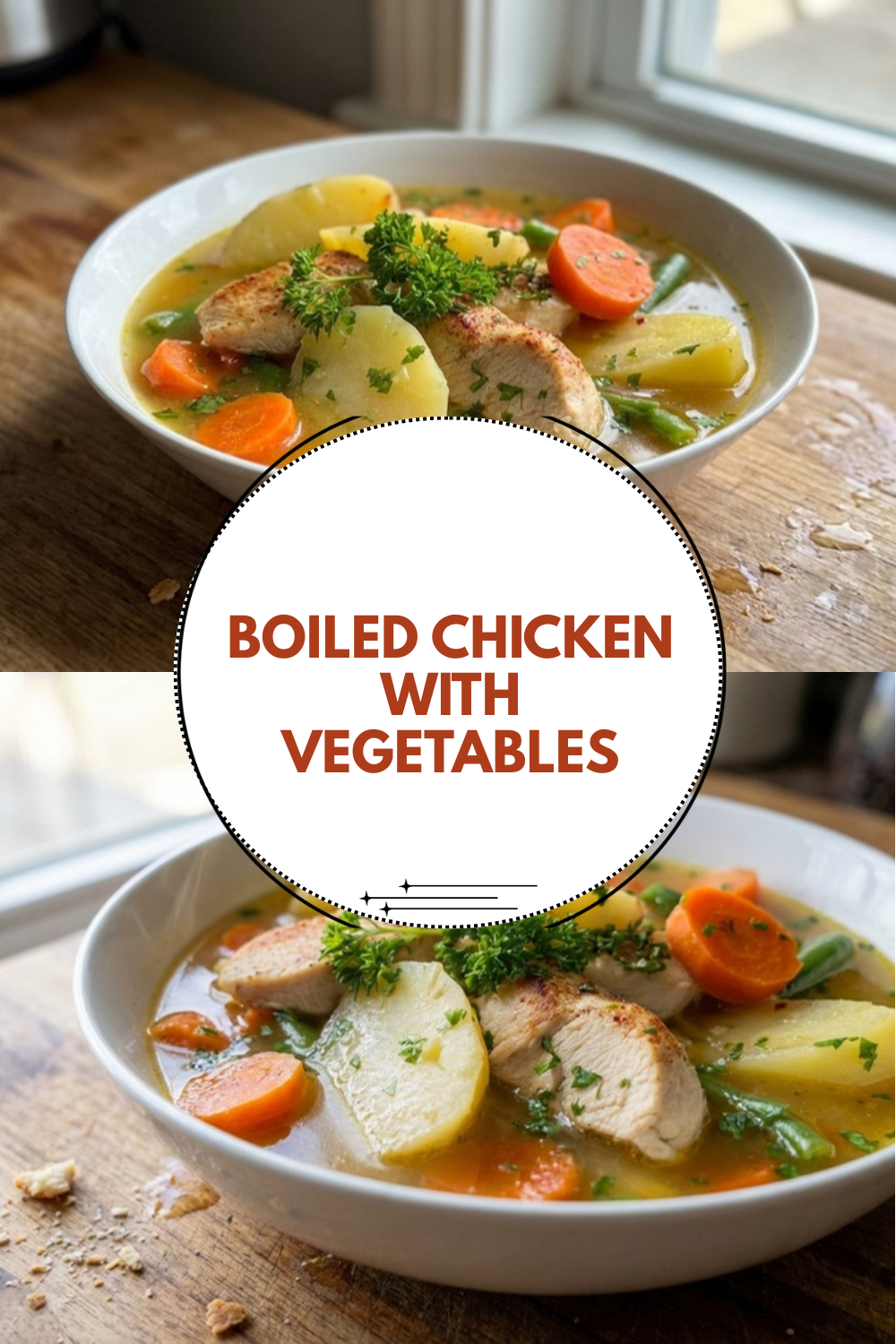
Why You’ll Love This Boiled Chicken With Vegetables
Boiled chicken often gets a bad reputation for being bland and boring, but when you do it right with vegetables, it becomes something special. This simple cooking method transforms basic ingredients into a nutritious and flavorful meal that works for almost any occasion. Whether you are meal prepping for the week or need a quick dinner solution, this recipe delivers consistently delicious results.
- Ease of preparation: This recipe requires minimal effort and cleanup. Simply toss your ingredients in a pot, let them simmer, and you are done. With just 5 minutes of prep time and 8-30 minutes of cooking, you will have perfectly tender chicken without standing over a hot stove for hours.
- Health benefits: Boiled chicken is one of the healthiest ways to prepare poultry. The gentle cooking method preserves nutrients without adding extra fat or calories. Chicken provides lean protein essential for muscle growth and repair, while vegetables add vitamins, minerals, and fiber to create a well-rounded meal that supports overall wellness.
- Versatility: This recipe adapts to countless dietary needs and preferences. Use it in salads, sandwiches, soups, casseroles, or enjoy it as a main dish with your favorite sides. The neutral flavor profile makes it easy to incorporate into various cuisines and recipes throughout the week.
- Distinctive flavor: Unlike plain boiled chicken, adding vegetables creates a depth of flavor that develops as everything cooks together. The vegetables release natural sweetness and aromatic compounds that infuse the chicken, resulting in tender meat with a subtle, savory taste that stands on its own or works beautifully in other dishes.
Jump to:
- Why You’ll Love This Boiled Chicken With Vegetables
- Essential Ingredients for Boiled Chicken With Vegetables
- Main Ingredients:
- Special Dietary Options:
- How to Prepare the Perfect Boiled Chicken With Vegetables: Step-by-Step Guide
- First Step: Preparation and Setup
- Second Step: Assemble in the Pot
- Third Step: Bring to a Boil
- Fourth Step: Simmer to Perfection
- Final Step: Check and Serve
- Dietary Substitutions to Customize Your Boiled Chicken With Vegetables
- Protein and Main Component Alternatives
- Vegetable, Sauce, and Seasoning Modifications
- Mastering Boiled Chicken With Vegetables: Advanced Tips and Variations
- Pro Cooking Techniques
- Flavor Variations
- Presentation Tips and Make-Ahead Options
- How to Store Boiled Chicken With Vegetables: Best Practices
- Refrigeration
- Freezing
- Reheating and Meal Prep Considerations
- FAQs: Frequently Asked Questions About Boiled Chicken With Vegetables
- How do you boil chicken with vegetables?
- How long does it take to boil chicken breasts with vegetables?
- What internal temperature should boiled chicken with vegetables reach?
- How can I flavor boiled chicken and vegetables?
- How do you store leftover boiled chicken with vegetables?
- Boiled Chicken With Vegetables
- Ingredients
- Instructions
- Last Step:
- Notes
- Nutrition
- Did you make this recipe?
Essential Ingredients for Boiled Chicken With Vegetables
The beauty of this recipe lies in its simplicity. You only need a handful of basic ingredients to create something delicious. Each component plays an important role in building flavor and ensuring perfectly cooked chicken every time.
Main Ingredients:
- 6 boneless skinless chicken breasts – The star of our dish, providing lean protein that stays juicy when boiled properly
- Enough chicken broth and/or water to fully submerge the chicken – Creates the cooking liquid; broth adds more flavor than water alone
- Sea salt, to taste – Essential for bringing out the natural flavors of both chicken and vegetables
- Black pepper, to taste – Adds subtle warmth and depth to the dish
- 2 tablespoons minced garlic – Infuses aromatic flavor throughout the chicken and cooking liquid
- Optional: carrots, celery, and onions for added flavor – These classic aromatics create a richer, more complex taste profile
Special Dietary Options:
- Vegan: For a plant-based version, substitute chicken with extra firm tofu, tempeh, or seitan chunks. Use vegetable broth instead of chicken broth.
- Gluten-free: This recipe is naturally gluten-free as written. Just ensure your chicken broth is certified gluten-free.
- Low-calorie: Use water instead of full-strength broth, limit added salt, and focus on vegetables for maximum volume with minimal calories.
Using lean chicken as your protein source provides essential nutrients without excessive calories, making it an excellent choice for health-conscious meals.
How to Prepare the Perfect Boiled Chicken With Vegetables: Step-by-Step Guide
Follow these detailed instructions to achieve perfectly tender, juicy boiled chicken every time. This foolproof method works whether you are cooking for one meal or meal prepping for the entire week.
First Step: Preparation and Setup
Start by gathering all your ingredients and equipment. You will need a large pot that comfortably fits all six chicken breasts with room to cover them completely with liquid. If you are using vegetables for added flavor, wash and chop them now. Carrots can be cut into large chunks, celery stalks into pieces, and onions quartered. Having everything ready before you start cooking makes the process smoother and more enjoyable.
Second Step: Assemble in the Pot
Place the 6 chicken breasts in the bottom of your large pot. Arrange them in a single layer if possible, but they can overlap slightly if needed. Cover with chicken broth and/or water, ensuring all chicken is fully submerged. The liquid should come about an inch above the chicken pieces. If you are using vegetables for flavor, add them to the pot now along with the sea salt, black pepper, and 2 tablespoons minced garlic. The vegetables will release their flavors into the liquid as everything cooks.
Third Step: Bring to a Boil
Place the pot on the stove over medium-high heat. Allow the liquid to come to a full boil. This will take approximately 5-10 minutes depending on your stove and starting temperature of the ingredients. Watch closely so the pot does not boil over. Once boiling, you may notice some foam rising to the top. This is normal protein release from the chicken. You can skim it off if you prefer a clearer broth, but it is not necessary for the flavor or quality of the chicken.
Fourth Step: Simmer to Perfection
Once the liquid reaches a rolling boil, reduce the heat to low. Cover the pot with a tight-fitting lid to maintain temperature and moisture. Let the chicken simmer gently for 25-30 minutes for 6 breasts. If you are cooking only 3 breasts, the cooking time reduces to 8-15 minutes. The gentle simmering action cooks the chicken evenly without making it tough or dry. Avoid the temptation to lift the lid frequently, as this releases heat and extends cooking time.
Final Step: Check and Serve
After the recommended cooking time, check for doneness. The internal temperature should reach 165°F when measured at the thickest part of the breast. If you do not have a thermometer, cut into the thickest piece to ensure no pink remains and the juices run clear. Once properly cooked, remove the chicken from the pot using tongs. You can shred it with two forks, cube it for recipes, or leave it whole depending on how you plan to use it. The vegetables can be served alongside, strained out for a clear broth, or pureed if you prefer. Remember to save the leftover cooking liquid as it makes an excellent base for soups and sauces.
The following table shows cooking times based on the number of chicken breasts you are preparing:
| Number of Breasts | Cooking Time |
|---|---|
| 1-2 breasts | 8-12 minutes |
| 3 breasts | 8-15 minutes |
| 4-5 breasts | 15-20 minutes |
| 6 breasts | 25-30 minutes |

Dietary Substitutions to Customize Your Boiled Chicken With Vegetables
One of the best things about this recipe is how easily it adapts to different dietary needs and preferences. Whether you are following a specific eating plan or just working with ingredients you have on hand, these substitutions will help you create a meal that works for you.
Protein and Main Component Alternatives
If you prefer a different type of poultry, chicken thighs work beautifully in this recipe. They contain slightly more fat than breasts, which makes them even more forgiving and juicy. Bone-in pieces add flavor to the cooking liquid but will require a few extra minutes of cooking time. For those looking beyond chicken, turkey breast follows the same cooking guidelines and provides a similar nutritional profile.
For pescatarians, white fish fillets like cod or halibut can be poached using the same method, though cooking time will decrease to 8-12 minutes depending on thickness. The broth and vegetable combination complements seafood wonderfully. Plant-based eaters can substitute extra firm tofu cubes, tempeh, or thick slices of seitan, though these protein sources absorb flavor differently and may benefit from longer simmering times or marinating beforehand.
Vegetable, Sauce, and Seasoning Modifications
While carrots, celery, and onions make a classic flavor base, do not hesitate to experiment with other vegetables. Leeks, fennel, and parsnips add aromatic depth. Bell peppers bring sweetness and color. Hardy greens like kale or Swiss chard can be added during the last 5 minutes of cooking for extra nutrition without becoming mushy. Root vegetables like potatoes or turnips can be included if you want a more substantial one-pot meal.
For seasoning variations, try adding fresh herbs like thyme, rosemary, or bay leaves to the cooking liquid. A splash of lemon juice or white wine brightens the flavors. For Asian-inspired variations, add ginger, soy sauce, and star anise to the broth. Southwestern flavors can be achieved with cumin, coriander, and jalapeño. Remember that flavors concentrate as the liquid reduces, so start with less and adjust after cooking if needed.
Cooking vegetables actually increases the bioavailability of certain nutrients. Some vegetables are healthier when cooked, as the heat breaks down cell walls and makes nutrients easier for your body to absorb.
Mastering Boiled Chicken With Vegetables: Advanced Tips and Variations
Once you have mastered the basic technique, these pro tips and creative variations will help you take your boiled chicken to the next level. Small adjustments can make a big difference in the final result.
Pro Cooking Techniques
For the most flavorful results, start your chicken in cold liquid rather than adding it to already boiling water. This gradual temperature change helps proteins contract more evenly, resulting in more tender meat. If you have time, brining the chicken for 30 minutes before cooking adds moisture and flavor throughout the meat. Another pro technique is to sear the chicken breasts quickly in a hot pan before boiling, creating a flavorful crust that adds depth to the finished dish.
When checking doneness, invest in a good instant-read thermometer. This removes all guesswork and prevents overcooking. If you do not have one, learn to recognize the signs of properly cooked chicken: the meat should feel firm but springy when pressed, and when you cut into the thickest part, the meat should be completely opaque with clear juices.
Flavor Variations
Transform this basic recipe into completely different meals by changing the flavor profile. For Mexican-style chicken, add cumin, chili powder, cilantro, and a lime wedge to the pot. The result is perfect for tacos, burritos, or taco salads. Italian variation can include oregano, basil, parmesan rind, and sun-dried tomatoes. This seasoned chicken works beautifully in pasta dishes or on pizza.
Asian-inspired boiled chicken benefits from ginger, garlic, green onions, and a splash of soy sauce or rice vinegar. Use this shredded chicken for fried rice, noodle bowls, or lettuce wraps. For a French-inspired approach, add herbs de Provence, a bay leaf, and a small amount of white wine to the cooking liquid. This elegant version works well in salads or sophisticated sandwiches.
Presentation Tips and Make-Ahead Options
For an attractive presentation, slice the boiled chicken breasts against the grain into thin, even strips. Arrange them on a platter with the cooked vegetables and fresh herbs for color. A light drizzle of olive oil and sprinkle of finishing salt elevates the simple dish without overwhelming the natural flavors.
This recipe is perfect for batch cooking. Make a large batch on Sunday and use it throughout the week for quick meals. The cooked chicken keeps well in the refrigerator and can be used in countless ways. For even more convenience, portion the shredded chicken into freezer bags and freeze for up to three months. Thaw overnight in the refrigerator for instant meal starters on busy days.
How to Store Boiled Chicken With Vegetables: Best Practices
Proper storage ensures your boiled chicken stays fresh, safe, and delicious. Follow these guidelines to make the most of your cooking efforts and reduce food waste.
Refrigeration
Allow the chicken to cool to room temperature within two hours of cooking, then transfer it to an airtight container. Store in the refrigerator for up to four days. For best results, keep a small amount of cooking liquid with the chicken to maintain moisture. The cooked vegetables can be stored separately or together with the chicken, depending on how you plan to use them. Label containers with the date so you can track freshness.
Freezing
For longer storage, freezing is an excellent option. Shred or cube the chicken before freezing for easier portioning. Place the cooled chicken in freezer-safe bags or containers, removing as much air as possible to prevent freezer burn. If you have space, freezing in a thin layer allows you to break off just what you need. Frozen boiled chicken maintains quality for 2-3 months. Consider freezing the cooking liquid in ice cube trays for easy addition to future recipes that need a flavor boost.
Reheating and Meal Prep Considerations
When reheating, add a splash of water or broth to prevent drying. Microwave on medium power in short intervals, stirring occasionally, or reheat gently on the stovetop. The internal temperature should reach 165°F for food safety. For meal prep, portion your chicken and vegetables into individual containers at the beginning of the week. Pair with different sides each day to create varied meals without extra cooking time. This approach saves time and reduces the temptation to order takeout on busy days.
FAQs: Frequently Asked Questions About Boiled Chicken With Vegetables
How do you boil chicken with vegetables?
To boil chicken with vegetables, place 4-6 boneless chicken breasts or thighs in a large pot. Add 8 cups of water or chicken broth, then toss in 2-3 chopped carrots, 2 celery stalks, 1 onion quartered, and 2-3 garlic cloves. Season with 1 tsp salt and ½ tsp black pepper. Bring to a boil over high heat, then reduce to a simmer. Cover and cook for 20-30 minutes until chicken reaches 165°F internally. Remove chicken, shred or cube it, and strain vegetables if desired. This simple method yields tender chicken and flavorful broth in under 45 minutes total. Use the chicken in salads, wraps, or soups, and save veggies for sides. Always use fresh ingredients for best taste and food safety. (92 words)
How long does it take to boil chicken breasts with vegetables?
Boiling time depends on chicken size and quantity. For 3 small chicken breasts (about 6 oz each) with vegetables like carrots, celery, and onions, simmer for 15-20 minutes. For 6 larger breasts (8-10 oz), it takes 25-35 minutes. Start timing after the pot reaches a boil, then reduce to simmer. Check doneness with a meat thermometer at 165°F in the thickest part—no pink juices or red meat. Vegetables soften in the same time, adding natural flavor without extra steps. Factor in 5-10 minutes to bring to boil. This one-pot approach saves time for weeknight meals. (98 words)
What internal temperature should boiled chicken with vegetables reach?
Boiled chicken must reach an internal temperature of 165°F (74°C) to be safe for eating, per USDA guidelines. Insert a meat thermometer into the thickest part of the breast or thigh, avoiding bone. With vegetables like carrots and celery, the simmering liquid helps even cooking, usually hitting this temp in 20-30 minutes. If no thermometer, cut into the center—juices should run clear, and meat pulls apart easily with no pink. Overcooking dries it out, so check at the minimum time. This ensures juicy results for recipes like chicken veggie soup or stir-fries. (96 words)
How can I flavor boiled chicken and vegetables?
For better flavor, replace water with chicken broth (full or half-and-half ratio). Add aromatics: 2 minced garlic cloves, 1 tsp sea salt, ½ tsp pepper, bay leaves, or herbs like thyme. Vegetables such as carrots, celery, onions, and potatoes infuse natural sweetness and depth during the 20-30 minute simmer. After cooking, shred chicken and mix with mustard, lemon juice, or soy sauce. Reuse the nutrient-rich broth for soups. This method avoids bland results—taste and adjust salt before serving. Pairs well with rice or salads for balanced meals under 400 calories per serving. (102 words)
How do you store leftover boiled chicken with vegetables?
Cool boiled chicken and vegetables quickly, then store in airtight containers. Keep chicken submerged in some broth to stay moist, or separate for up to 4 days in the fridge at 40°F or below. Vegetables store similarly, or puree into soup. For longer storage, freeze shredded chicken and veggies in portions for 2-3 months—thaw overnight in fridge. Reheat to 165°F on stovetop or microwave. Discard if it smells off or looks slimy. This preserves flavor and safety, perfect for meal prep like chicken salads or casseroles. Label containers with dates for easy use. (98 words)
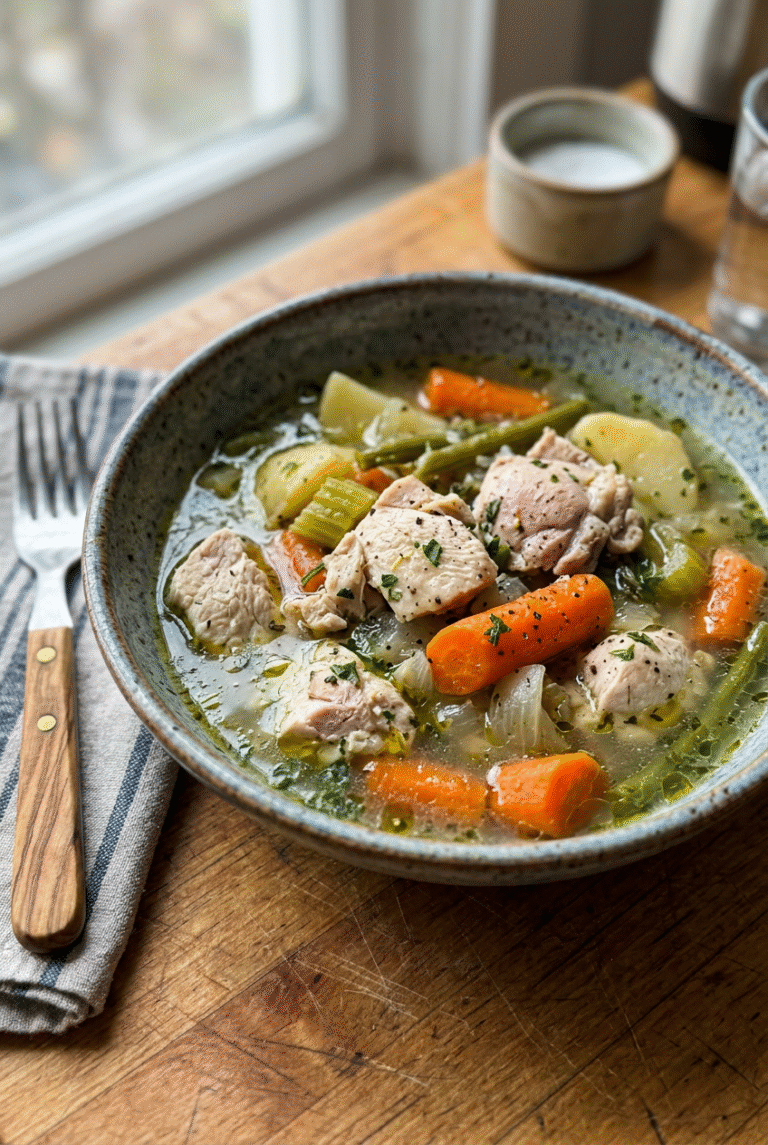
Boiled Chicken With Vegetables
🍗 Foolproof boil for ultra-tender, juicy chicken breasts every time – healthy protein without drying out!
🥘 Versatile shredded base for salads, soups, tacos, or meal prep – quick and nutritious!
- Total Time: 35 minutes
- Yield: 6 servings
Ingredients
– 6 boneless skinless chicken breasts for lean protein
– Enough chicken broth and/or water to fully submerge the chicken for cooking liquid
– Sea salt, to taste for bringing out the natural flavors
– Black pepper, to taste for subtle warmth and depth
– 2 tablespoons minced garlic for infusing aromatic flavor
– carrots, celery, and onions for added flavor
Instructions
1-First Step: Preparation and Setup Start by gathering all your ingredients and equipment. You will need a large pot that comfortably fits all six chicken breasts with room to cover them completely with liquid. If you are using vegetables for added flavor, wash and chop them now. Carrots can be cut into large chunks, celery stalks into pieces, and onions quartered. Having everything ready before you start cooking makes the process smoother and more enjoyable.
2-Second Step: Assemble in the Pot Place the 6 chicken breasts in the bottom of your large pot. Arrange them in a single layer if possible, but they can overlap slightly if needed. Cover with chicken broth and/or water, ensuring all chicken is fully submerged. The liquid should come about an inch above the chicken pieces. If you are using vegetables for flavor, add them to the pot now along with the sea salt, black pepper, and 2 tablespoons minced garlic. The vegetables will release their flavors into the liquid as everything cooks.
3-Third Step: Bring to a Boil Place the pot on the stove over medium-high heat. Allow the liquid to come to a full boil. This will take approximately 5-10 minutes depending on your stove and starting temperature of the ingredients. Watch closely so the pot does not boil over. Once boiling, you may notice some foam rising to the top. This is normal protein release from the chicken. You can skim it off if you prefer a clearer broth, but it is not necessary for the flavor or quality of the chicken.
4-Fourth Step: Simmer to Perfection Once the liquid reaches a rolling boil, reduce the heat to low. Cover the pot with a tight-fitting lid to maintain temperature and moisture. Let the chicken simmer gently for 25-30 minutes for 6 breasts. If you are cooking only 3 breasts, the cooking time reduces to 8-15 minutes. The gentle simmering action cooks the chicken evenly without making it tough or dry. Avoid the temptation to lift the lid frequently, as this releases heat and extends cooking time.
5-Final Step: Check and Serve After the recommended cooking time, check for doneness. The internal temperature should reach 165°F when measured at the thickest part of the breast. If you do not have a thermometer, cut into the thickest piece to ensure no pink remains and the juices run clear. Once properly cooked, remove the chicken from the pot using tongs. You can shred it with two forks, cube it for recipes, or leave it whole depending on how you plan to use it. The vegetables can be served alongside, strained out for a clear broth, or pureed if you prefer. Remember to save the leftover cooking liquid as it makes an excellent base for soups and sauces.
Last Step:
Please leave a rating and comment letting us know how you liked this recipe! This helps our business to thrive and continue providing free, high-quality recipes for you.Notes
🍲 Use chicken broth instead of water for way more flavor infusion.
💾 Save the flavorful cooking broth for soups or rice.
⏲️ Adjust simmer time based on breast size and altitude; always check to 165°F.
- Prep Time: 5 minutes
- Cook Time: 25-30 minutes
- Category: Main Dish
- Method: Boiled
- Cuisine: American
- Diet: High-Protein, Low-Fat, Gluten-Free
Nutrition
- Serving Size: 1 chicken breast
- Calories: 200 kcal
- Sugar: 0g
- Sodium: 150mg
- Fat: 4g
- Saturated Fat: 1g
- Unsaturated Fat: 2g
- Trans Fat: 0g
- Carbohydrates: 0g
- Fiber: 0g
- Protein: 40g
- Cholesterol: 120mg