
Why You’ll Love This Breakfast Platter
Starting your day with a breakfast platter is a great way to enjoy a balanced meal that fits your lifestyle. It offers ease of preparation, making it perfect for busy mornings when time is limited. This platter provides health benefits like essential vitamins and proteins to keep you energized all day.
One reason to try this breakfast platter is its versatility, allowing adaptations for various dietary needs such as vegan or gluten-free options. You can find restaurants that serve similar platters by entering an address, city and state, or zip code on their website, or use your current location for convenience. The website also includes options to sign in or join for rewards, where you can earn points, redeem rewards, access order history, and save favorite locations for easier future orders.
Ordering ahead for pickup or delivery is available, which adds to the platter’s appeal for those on the go. The menu features breakfast items like small chicken bites with about 90 calories, and biscuits ranging from 270 to 540 calories, showing how these can complement your platter. Classic cup retro-style seasonal drinks are introduced regularly, with new editions every few weeks, offering a refreshing pairing option.
Key Features of the Breakfast Platter
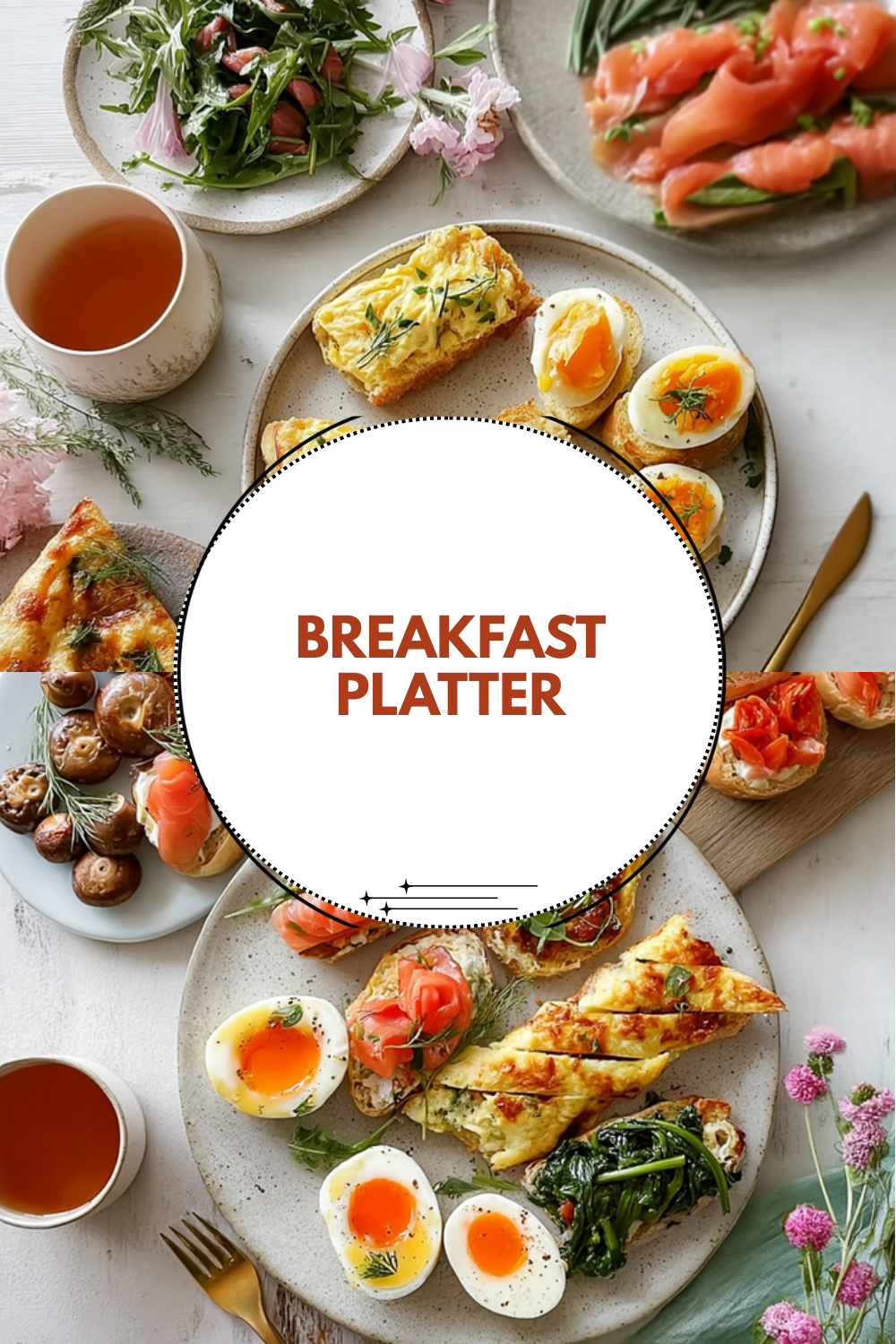
This platter stands out for its distinctive flavor from fresh ingredients and simple combinations. Typical components include eggs, breakfast potatoes or hash browns, a choice of meat like sausage or bacon, toast or biscuit, and optional sides such as fruit or cheese. Preparation takes just 15 to 25 minutes, depending on your methods, and involves cooking eggs to your preferred style, making breakfast potatoes crispy, heating the meat, and toasting the bread.
Using fresh, high-quality ingredients enhances the flavor, while timing cooking steps simultaneously ensures everything stays hot. You can customize sides based on dietary preferences and even prepare eggs and potatoes in advance for added convenience. Nutritional content varies, with items ranging from 90 to over 500 calories per serving, providing protein, fat, and carbohydrates for a hearty start.
The website offers more details on catering, shopping, company information, job opportunities, and customer support, which can help if you’re planning larger events. For more ideas on quick meals, check out our guide to quick breakfast ideas on the blog.
Jump to:
- Why You’ll Love This Breakfast Platter
- Key Features of the Breakfast Platter
- Essential Ingredients for Breakfast Platter
- Special Dietary Options
- How to Prepare the Perfect Breakfast Platter: Step-by-Step Guide
- Detailed Cooking Steps
- Dietary Substitutions to Customize Your Breakfast Platter
- Mastering Breakfast Platter: Advanced Tips and Variations
- How to Store Breakfast Platter: Best Practices
- FAQs: Frequently Asked Questions About Breakfast Platter
- What is a typical breakfast platter and what foods are usually included?
- How can I make a quick and healthy breakfast platter at home?
- What are some vegetarian options for a breakfast platter?
- How do breakfast platters fit into a balanced diet?
- Can I prepare a breakfast platter for meal prep, and how do I store it?
- Breakfast Platter
- Ingredients
- Instructions
- Last Step:
- Notes
- Nutrition
- Did you make this recipe?
Essential Ingredients for Breakfast Platter
Gathering the right ingredients is key to creating a delicious breakfast platter. Below is a structured list of all the ingredients mentioned, ensuring you have everything needed with precise measurements for easy preparation.
- 2 large eggs – provide protein and rich texture
- 1/2 cup cherry tomatoes – add freshness and antioxidants
- 1/4 cup sliced avocado – supplies healthy fats and creaminess
- 2 slices whole-grain bread – base for the platter, rich in fiber
- 1 tbsp olive oil – for cooking, adds heart-healthy fats
Special Dietary Options
For those with specific needs, here are adaptations to the ingredients:
- Vegan: Use tofu scramble instead of eggs and plant-based bread
- Gluten-free: Substitute whole-grain bread with certified gluten-free bread
- Low-calorie: Opt for egg whites instead of whole eggs and reduce the olive oil amount to 1/2 tbsp
This list covers every item required, making it simple to measure and assemble your platter accurately.
How to Prepare the Perfect Breakfast Platter: Step-by-Step Guide
Creating a breakfast platter at home is straightforward and can be done in 15 to 25 minutes. First, gather and measure all ingredients, ensuring fresh and quality produce, then preheat a non-stick skillet over medium heat. Using tips like timing cooking steps simultaneously helps serve everything hot, while customizing based on dietary needs adds flexibility.
Second, if using eggs, crack them into a bowl and whisk lightly; for vegan options, crumble tofu with seasoning. Third, heat olive oil in the skillet and cook eggs or tofu scramble for 3-4 minutes until set. Preparation involves cooking eggs to your preferred style, making breakfast potatoes crispy, and heating meat like sausage or bacon.
Detailed Cooking Steps
Fourth, while eggs cook, slice avocado and halve cherry tomatoes. Fifth, toast the bread slices until golden brown. Sixth, assemble the platter by arranging the eggs or tofu, avocado slices, tomatoes, and toasted bread on a serving plate.
Final step: Garnish with fresh herbs or seasoning, serve warm, and enjoy. For gluten-free and low-calorie options, use appropriate substitutions and adjust cooking times slightly as needed. Remember, the website provides ordering ahead for pickup or delivery if you prefer not to cook.
| Step | Action | Time Estimate |
|---|---|---|
| 1 | Gather ingredients | 2-5 minutes |
| 2 | Cook eggs or tofu | 3-4 minutes |
| 3 | Prepare sides | 5-10 minutes |
| 4 | Assemble and serve | 2-3 minutes |
For more advanced preparation techniques, visit our advanced cooking tips section.

Dietary Substitutions to Customize Your Breakfast Platter
Adapting your breakfast platter for different diets is simple and keeps the meal enjoyable. Protein alternatives include replacing eggs with tofu scramble or tempeh for vegan diets, or using chicken sausage for added variety. For low-calorie options, swap whole eggs with egg whites or add steamed vegetables as main components.
Vegetable modifications can involve swapping cherry tomatoes with roasted bell peppers or sautéed mushrooms. Use gluten-free sauces and experiment with herbs like basil or spices such as paprika to enhance flavors. The menu’s breakfast items, like small chicken bites, can inspire these changes while considering prices and availability by location.
Mastering Breakfast Platter: Advanced Tips and Variations
Taking your breakfast platter to the next level involves pro cooking techniques like using sous-vide for eggs to achieve perfect consistency. Flavor variations might include adding smoked paprika or citrus zest for a fresh twist. Presentation tips focus on arranging components symmetrically with contrasting colors and garnishing with microgreens.
Make-ahead options let you prepare elements like roasted vegetables or cooked proteins the night before. Classic cup retro-style seasonal drinks pair well, and the website’s catering information can help for events. Using fresh ingredients and timing steps ensures a hot, customized meal every time.
How to Store Breakfast Platter: Best Practices
Proper storage keeps your breakfast platter fresh and ready to enjoy later. Refrigerate individual components in airtight containers for up to 3 days to maintain quality. Freezing works for cooked proteins or vegetable mixes, but avoid freezing bread and avocado to prevent texture issues.
Reheating in a pan or microwave preserves flavor, and toasting bread fresh is key. For meal prep, prepare ingredients in bulk and assemble just before eating. The website’s customer support can offer more tips if needed.
FAQs: Frequently Asked Questions About Breakfast Platter
What is a typical breakfast platter and what foods are usually included?
A typical breakfast platter is a balanced meal usually served on one plate, featuring a mix of protein, carbohydrates, and fruits or vegetables. Common items include eggs (scrambled, fried, or boiled), bacon or sausage, toast or pancakes, hash browns or roasted potatoes, and fresh fruit or a small salad. Some variations include cheese, avocado, or sautéed mushrooms. This combination provides a satisfying and nutritious start to the day with a variety of flavors and textures.
How can I make a quick and healthy breakfast platter at home?
To make a quick and healthy breakfast platter, focus on simple ingredients that cook fast or can be prepared ahead. For example, scramble eggs with spinach, serve with whole-grain toast, add a side of mixed berries, and include some lean turkey sausage. You can also prepare overnight oats or chia pudding as a base. Using pre-cut vegetables or frozen fruit can save time without sacrificing nutrition.
What are some vegetarian options for a breakfast platter?
Vegetarian breakfast platters can include scrambled eggs or tofu scramble, roasted potatoes or hash browns, whole-grain toast with avocado, sautéed mushrooms, grilled tomatoes, and fresh fruit. For plant-based protein, add beans, nuts, or vegetarian sausage. Including a variety of colorful vegetables adds vitamins and fiber, making the platter both filling and nutritious.
How do breakfast platters fit into a balanced diet?
Breakfast platters, when well-rounded, can provide essential nutrients like protein, healthy fats, fiber, and vitamins to start your day. Including protein like eggs or beans helps keep you full longer, while whole grains provide steady energy. Adding fruits and vegetables supplies antioxidants and fiber. Portion control and choosing whole foods over processed items make breakfast platters a balanced option that supports overall health and energy levels.
Can I prepare a breakfast platter for meal prep, and how do I store it?
Yes, you can prepare breakfast platters ahead for meal prep. Cook components like eggs, potatoes, and vegetables in advance and store them in airtight containers in the refrigerator for up to 3-4 days. Keep fruits and toast separate and add them fresh to maintain texture. Reheat protein and starches in the microwave or on the stovetop for best results. This approach saves time during busy mornings while keeping the meal tasty and wholesome.

Breakfast Platter
🍳 Create a stunning breakfast spread that impresses guests and accommodates every dietary preference with this versatile catering platter
🥞 Perfect for office meetings, family gatherings, or special celebrations – serve up to 12 people with one comprehensive breakfast feast
- Total Time: 1 hour 30 minutes
- Yield: 12 servings
Ingredients
– 2 large eggs provide protein and rich texture
– 1/2 cup cherry tomatoes add freshness and antioxidants
– 1/4 cup sliced avocado supplies healthy fats and creaminess
– 2 slices whole-grain bread base for the platter, rich in fiber
– 1 tbsp olive oil for cooking, adds heart-healthy fats
– tofu scramble for vegan option (substitute for eggs)
– plant-based bread for vegan option (substitute for whole-grain bread)
– certified gluten-free bread substitute for whole-grain bread
– egg whites instead of whole eggs for low-calorie option
– 1/2 tbsp olive oil reduced amount for low-calorie option
Instructions
1-First, gather and measure all ingredients, ensuring fresh and quality produce, then preheat a non-stick skillet over medium heat.
2-Second, if using eggs, crack them into a bowl and whisk lightly; for vegan options, crumble tofu with seasoning.
3-Third, heat olive oil in the skillet and cook eggs or tofu scramble for 3-4 minutes until set. Preparation involves cooking eggs to your preferred style, making breakfast potatoes crispy, and heating meat like sausage or bacon.
4-Fourth, while eggs cook, slice avocado and halve cherry tomatoes.
5-Fifth, toast the bread slices until golden brown.
6-Sixth, assemble the platter by arranging the eggs or tofu, avocado slices, tomatoes, and toasted bread on a serving plate.
7-Final step: Garnish with fresh herbs or seasoning, serve warm, and enjoy.
8-Gather ingredients
9-Cook eggs or tofu
10-Prepare sides
11-Assemble and serve
Last Step:
Please leave a rating and comment letting us know how you liked this recipe! This helps our business to thrive and continue providing free, high-quality recipes for you.Notes
🍽️ Set up stations for different dietary needs – clearly label gluten-free, vegetarian, and dairy-free options for guest convenience
⏰ Prepare components in advance: potatoes can be roasted and reheated, eggs can be cooked and kept warm in a slow cooker on low
🥓 Use separate cutting boards and utensils for different dietary restrictions to prevent cross-contamination
- Prep Time: 30 minutes
- Setup Time: 15 minutes
- Cook Time: 45 minutes
- Category: Breakfast
- Method: Mixed Cooking Methods
- Cuisine: American
- Diet: Contains options for vegetarian, gluten-free, dairy-free
Nutrition
- Serving Size: 1 serving (approximately 1/12 of platter)
- Calories: 450
- Sugar: 12g
- Sodium: 890mg
- Fat: 28g
- Saturated Fat: 11g
- Unsaturated Fat: 14g
- Trans Fat: 0g
- Carbohydrates: 32g
- Fiber: 4g
- Protein: 25g
- Cholesterol: 320mg