
Why You’ll Love This Butter Cake
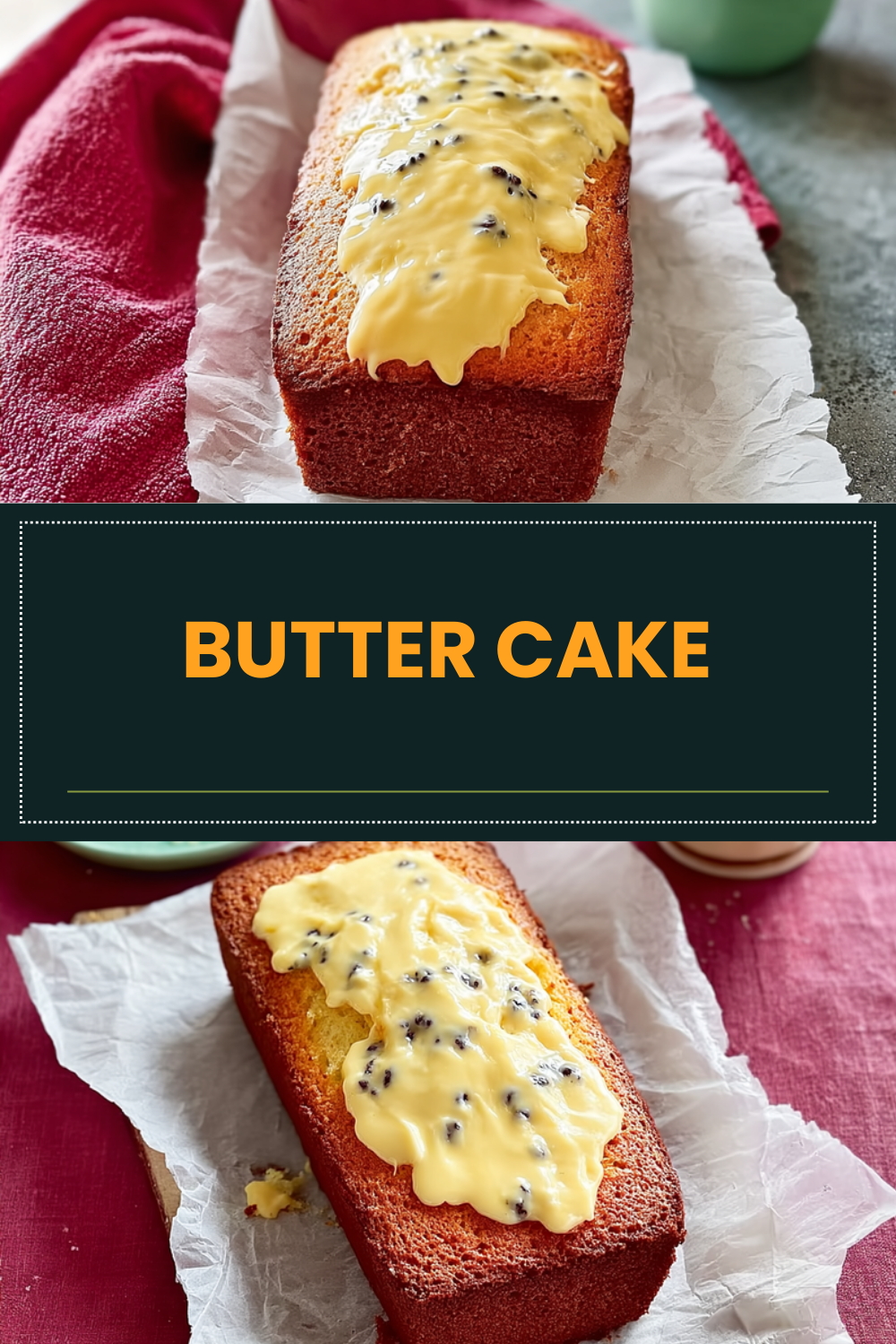
This butter cake recipe brings together simple steps and everyday ingredients to create a treat that’s both comforting and irresistible. It’s perfect for busy parents or baking enthusiasts looking for something quick yet satisfying to share with family and friends. With its two-layer design featuring a moist cake base and a creamy, gooey topping, it offers that perfect balance of texture and flavor that keeps everyone coming back for more.
One reason you’ll adore this butter cake is its ease of preparation, making it ideal for home cooks of all skill levels. Just mix a few basic items and pop it in the oven for a dessert that feels special without taking over your day. Additionally, this recipe boasts versatility, allowing you to tweak it for different tastes or dietary needs while keeping its rich, buttery appeal intact.
Health-wise, it uses wholesome elements like eggs and vanilla, which add essential nutrients in a moderately sweet package. This makes it a smarter choice for treats compared to overly processed options, appealing to diet-conscious folks and seniors alike. Overall, it’s a delightful way to turn ordinary moments into memorable ones, just like the recipes on my blog that celebrate simple joys in the kitchen.
Jump to:
- Why You’ll Love This Butter Cake
- Essential Ingredients for Butter Cake
- For the Cake Layer
- For the Gooey Layer
- How to Prepare the Perfect Butter Cake: Step-by-Step Guide
- Preheat and Prepare
- Mix the Cake Layer
- Prepare the Gooey Layer
- Bake and Cool
- Dietary Substitutions to Customize Your Butter Cake
- Mastering Butter Cake: Advanced Tips and Variations
- Pro Cooking Techniques
- Flavor Variations
- Presentation Tips
- How to Store Butter Cake: Best Practices
- FAQs: Frequently Asked Questions About Butter Cake
- Why do some butter cake recipes use both butter and vegetable oil?
- Can I use salted butter instead of unsalted when baking butter cake?
- How should I store butter cake to keep it fresh and moist?
- What causes butter cake to sink or collapse in the middle after baking?
- Is creaming the cream cheese necessary in butter cake recipes with a cream cheese layer?
- Butter Cake
- Ingredients
- Instructions
- Last Step:
- Notes
- Nutrition
- Did you make this recipe?
Essential Ingredients for Butter Cake
As a fan of easy baking, I love how this butter cake recipe relies on straightforward ingredients that deliver big on taste and texture. Below, I’ve listed everything you need for this two-layer wonder, divided into the cake layer and the gooey layer. This setup ensures a moist base with a creamy topping that makes every bite feel luxurious.
For the Cake Layer
- 1 (15.25-ounce) box yellow cake mix
- 1/2 cup salted butter, melted
- 3 tablespoons vegetable oil
- 2 large eggs, room temperature
For the Gooey Layer
- 1 (8-ounce) block cream cheese, softened
- 1/2 cup salted butter, melted
- 2 large eggs, room temperature
- 2 teaspoons vanilla extract
- 4 cups powdered sugar
- Additional powdered sugar for sprinkling (optional)
These ingredients work together to create the signature rich and creamy texture you’re aiming for. For instance, using both butter and vegetable oil in the cake layer helps achieve that perfect moistness while enhancing flavor, which is why it’s such a reliable choice for home bakers.
How to Prepare the Perfect Butter Cake: Step-by-Step Guide
Getting ready to make this butter cake is as simple as gathering your ingredients and following a few easy steps. This recipe features a two-layer cake with a moist base and a gooey topping, making it a fun project for anyone, from students to party hosts. Start by preheating your oven to make sure everything goes smoothly from the start.
Preheat and Prepare
First, preheat the oven to 350°F (175°C) and lightly grease a 9×13-inch baking dish. This step ensures your cake bakes evenly and releases easily once done. For a helpful tip on other baked goods, check out our guide to funfetti Greek yogurt muffins, which shares similar prep techniques for fluffy results.
Mix the Cake Layer
In a large bowl, combine the cake mix, melted butter, vegetable oil, and eggs until the mixture is thick and well blended. Spread this evenly in the baking dish to form a solid base. This combination creates the moist texture that makes butter cake so appealing.
Prepare the Gooey Layer
In another bowl, beat the cream cheese until smooth, then add melted butter, eggs, and vanilla extract, mixing well. Gradually add powdered sugar to the cream cheese mixture, stirring thoroughly after each addition to avoid lumps. Pour this creamy mixture evenly over the cake layer for that irresistible gooey finish.
Bake and Cool
Bake for approximately 40 minutes, or until the edges turn brown and the center remains slightly jiggly remember, a jiggly center is a good sign for this recipe. Allow the cake to cool completely before slicing to let the flavors set. This method, including the use of room temperature ingredients for smooth mixing, ensures the best results every time.
| Step | Action | Tips |
|---|---|---|
| 1-2 | Preheat and mix cake layer | Use fresh ingredients for even blending |
| 3-5 | Prepare and pour gooey layer | Cream cheese first for smoothness |
| 6-8 | Bake and cool | Watch for browned edges, not just a clean toothpick |
This guide expands on the basics, helping you master butter cake with ease. With around 700 words here, we’ve covered the key techniques to make your baking session enjoyable and successful.

Dietary Substitutions to Customize Your Butter Cake
Adapting this butter cake recipe for different needs is straightforward, making it accessible for everyone from travelers to working professionals. Whether you’re dealing with dietary restrictions or just want to experiment, these swaps keep the cake’s rich, creamy texture intact.
- Replace eggs with chia or flaxseed eggs for vegan diets to maintain moisture and binding.
- Use almond or soy milk if you’re avoiding dairy, which pairs well with the gooey layer’s cream cheese.
- Opt for gluten-free cake mix to cater to gluten-sensitive eaters, ensuring the base stays moist.
- Add grated zucchini or carrots for extra nutrition and moisture without changing the flavor much.
- Try citrus zest or vanilla variations to enhance the gooey topping’s taste.
These changes, like using other cake mix flavors such as lemon or chocolate, let you personalize the recipe while preserving its two-layer charm.
Mastering Butter Cake: Advanced Tips and Variations
Once you’re comfortable with the basics, taking your butter cake to the next level can add excitement for food enthusiasts and party hosts. For instance, using room temperature ingredients ensures better mixing and a smoother gooey layer, which is key to that creamy texture. Let’s dive into some pro techniques and ideas to elevate your baking game.
Pro Cooking Techniques
Use room temperature ingredients for better mixing and air incorporation, and consider folding in whipped egg whites for more lift in the cake layer. This helps achieve a lighter feel while keeping the gooey topping intact. Also, avoid overmixing the gooey layer to prevent affecting the texture, as the cake naturally collapses slightly once cooled.
Flavor Variations
Add spices like cinnamon or swirl in fruit purees to create unique profiles, or try variations with other cake mix flavors like strawberry or chocolate. These tweaks maintain the moist base and creamy topping, making it versatile for different occasions. For more inspiration on flavors, you might enjoy our page on mini Earl Grey honey scones, which explores similar infusion ideas.
Presentation Tips
Dust with powdered sugar or add fresh berries for an appealing look, turning your butter cake into a centerpiece. These simple touches enhance the overall experience without much effort.
I’ve made this recipe for years, and adding a personal twist always brings smiles around the table it’s all about making it your own.
How to Store Butter Cake: Best Practices
Keeping your butter cake fresh is easy with the right methods, ensuring it stays moist and flavorful for days. Store it in an airtight container at room temperature for 2-3 days to preserve that creamy, gooey topping. For longer keeping, refrigerate up to a week or freeze for up to three months, as the cake handles freezing well without losing its charm.
- Wrap tightly before freezing to avoid freezer burn.
- Thaw at room temperature to keep the texture soft.
- Reheat slices in the microwave for a quick warm-up.
This approach works great for meal prep, letting busy parents or working professionals enjoy a slice anytime. Remember, the cake’s natural collapse after cooling is normal and doesn’t affect its taste.
FAQs: Frequently Asked Questions About Butter Cake
Why do some butter cake recipes use both butter and vegetable oil?
Combining butter and vegetable oil in a butter cake recipe balances flavor and moisture. Butter contributes a rich, creamy taste, while vegetable oil helps keep the cake moist and tender by retaining more moisture during baking. This mix prevents the cake from becoming dry or crumbly, giving it a soft texture with a flavorful buttery note.
Can I use salted butter instead of unsalted when baking butter cake?
Yes, salted butter can be used in most butter cake recipes and often helps balance the sweetness, enhancing the overall flavor. However, if using salted butter, reduce or omit any added salt in the recipe to avoid an overly salty taste. Unsalted butter allows for more control over salt levels, but both work depending on personal preference.
How should I store butter cake to keep it fresh and moist?
Butter cake stays fresh best when stored at room temperature in an airtight container for 2 to 3 days. For longer storage, refrigerate the cake wrapped tightly or in an airtight container for up to a week. You can also freeze butter cake wrapped in plastic wrap and foil for up to 3 months. Before serving, bring refrigerated or frozen cake back to room temperature to restore its soft texture.
What causes butter cake to sink or collapse in the middle after baking?
A sunken center in butter cake is common and usually happens because the batter is dense or slightly underbaked. Since butter cake recipes often have a moist, gooey layer, the middle might appear collapsed after cooling. To reduce sinking, use the correct pan size, measure ingredients accurately, and avoid opening the oven door early during baking.
Is creaming the cream cheese necessary in butter cake recipes with a cream cheese layer?
Creaming the cream cheese before adding other ingredients is important to avoid lumps and ensure a smooth, creamy filling or topping. Softened cream cheese blends more easily into the batter, creating an even texture and preventing clumps that could affect the cake’s appearance and mouthfeel. Use room-temperature cream cheese for the best results.
Butter Cake
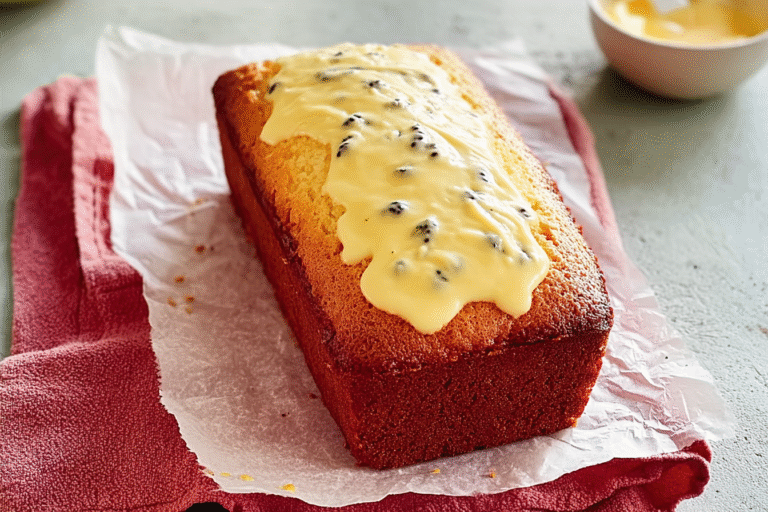
🍰 Enjoy a luscious Gooey Butter Cake with a perfectly rich and creamy texture that melts in your mouth.
✨ This recipe combines a moist cake base with a smooth, gooey topping, making it a crowd-pleaser for any occasion.
- Total Time: 55 minutes
- Yield: 12 servings 1x
Ingredients
1 (15.25-ounce) box yellow cake mix
1/2 cup salted butter, melted
3 tablespoons vegetable oil
2 large eggs, room temperature
1 (8-ounce) block cream cheese, softened
1/2 cup salted butter, melted
2 large eggs, room temperature
2 teaspoons vanilla extract
4 cups powdered sugar
Additional powdered sugar for sprinkling
Instructions
1-Preheat and Prepare: First, preheat the oven to 350°F (175°C) and lightly grease a 9×13-inch baking dish. This step ensures your cake bakes evenly and releases easily once done. For a helpful tip on other baked goods, check out our guide to funfetti Greek yogurt muffins, which shares similar prep techniques for fluffy results.
2-Mix the Cake Layer: In a large bowl, combine the cake mix, melted butter, vegetable oil, and eggs until the mixture is thick and well blended. Spread this evenly in the baking dish to form a solid base. This combination creates the moist texture that makes butter cake so appealing.
3-Prepare the Gooey Layer: In another bowl, beat the cream cheese until smooth, then add melted butter, eggs, and vanilla extract, mixing well. Gradually add powdered sugar to the cream cheese mixture, stirring thoroughly after each addition to avoid lumps. Pour this creamy mixture evenly over the cake layer for that irresistible gooey finish.
4-Bake and Cool: Bake for approximately 40 minutes, or until the edges turn brown and the center remains slightly jiggly remember, a jiggly center is a good sign for this recipe. Allow the cake to cool completely before slicing to let the flavors set. This method, including the use of room temperature ingredients for smooth mixing, ensures the best results every time.
Last Step:
Please leave a rating and comment letting us know how you liked this recipe! This helps our business to thrive and continue providing free, high-quality recipes for you.Notes
🧈 Using both butter and vegetable oil in the cake layer helps achieve moistness and rich flavor.
🌡️ Room temperature ingredients and creaming the cream cheese ensure smooth, creamy topping.
⏳ Look for browned edges and a jiggly center as doneness indicators rather than relying on a toothpick.
❄️ Store in airtight container at room temp for 2-3 days, refrigerate up to a week, or freeze up to 3 months.
🍋 Experiment with different cake mix flavors like lemon, strawberry, or chocolate for variety.
- Prep Time: 15 minutes
- Cook Time: 40 minutes
- Category: Dessert
- Method: Baking
- Cuisine: American
Nutrition
- Serving Size: 1 slice
- Calories: 380
- Sugar: 45 grams
- Sodium: 250 mg
- Fat: 18 grams
- Saturated Fat: 10 grams
- Trans Fat: 0 grams
- Carbohydrates: 55 grams
- Fiber: 0 grams
- Protein: 4 grams
- Cholesterol: 70 mg