
Why You’ll Love This Butternut Squash Pasta
This butternut squash pasta is a go-to meal that brings comfort to your table without much fuss. It’s packed with health benefits like vitamins and fiber from the squash, which makes it a smart choice for busy days. Plus, it’s versatile enough to tweak for different tastes and diets, making it fun to customize.
One of the best parts is how easy it is to prepare, with simple steps that fit into a hectic schedule. Imagine digging into a dish that’s not only delicious but also helps with digestion and boosts your energy. Whether you’re cooking for family or just yourself, this recipe delivers a satisfying, flavorful experience every time.
The mix of herbs and creamy texture gives it a unique twist that sets it apart from regular pasta. You’ll find it’s perfect for autumn evenings or any time you crave something hearty yet light. Give it a try and see how it becomes a favorite in your kitchen rotation.
Health Boosts from the Ingredients
The butternut squash in this pasta isn’t just tasty; it packs a punch with antioxidants that support your immune system. Combined with fresh herbs like thyme and rosemary, it adds flavors that make every bite feel nourishing. This makes butternut squash pasta a great option for those watching their health.
For more on how veggies like squash can improve your meals, check out this health benefits of butternut squash guide that dives into its perks.
Jump to:
- Why You’ll Love This Butternut Squash Pasta
- Health Boosts from the Ingredients
- Essential Ingredients for Butternut Squash Pasta
- Why These Measurements Matter
- How to Prepare the Perfect Butternut Squash Pasta: Step-by-Step Guide
- Tips for Smooth Cooking
- Dietary Substitutions to Customize Your Butternut Squash Pasta
- Mastering Butternut Squash Pasta: Advanced Tips and Variations
- How to Store Butternut Squash Pasta: Best Practices
- FAQs: Frequently Asked Questions About Butternut Squash Pasta
- What ingredients do I need to make butternut squash pasta from scratch?
- How can I make butternut squash pasta sauce creamy without using cream?
- What is the best way to roast butternut squash for pasta sauce?
- Can I use canned butternut squash instead of fresh for butternut squash pasta?
- How do I store leftover butternut squash pasta and how long does it last?
- Butternut Squash Pasta
- Ingredients
- Instructions
- Last Step:
- Notes
- Nutrition
- Did you make this recipe?
Essential Ingredients for Butternut Squash Pasta
When it comes to making this butternut squash pasta, having the right ingredients on hand makes all the difference. This section lists everything you need in a clear way, so you can shop and cook with ease. Let’s break it down into main items and options for different diets.
Here’s the full list of ingredients based on the recipe, with exact measurements for accuracy:
- 1 tablespoon extra virgin olive oil
- 2 cups cubed butternut squash
- 6-10 cloves garlic
- 2 tablespoons fresh thyme leaves
- 2 tablespoons chopped fresh rosemary
- Crushed red pepper flakes (pinch)
- Kosher salt (pinch)
- Black pepper (pinch)
- 8 slices prosciutto
- 1/2 cup ricotta cheese
- 1 pound long or short cut pasta
- 2 tablespoons salted butter
- 1 tablespoon fresh chopped sage
- 1/2 cup shredded gouda cheese
- 1/3 cup grated parmesan cheese
These ingredients come together to create a creamy, flavorful dish that’s hard to resist. For special tweaks, like going vegan, swap out the cheeses for plant-based options to keep things tasty and inclusive.
Why These Measurements Matter
Using precise amounts, such as exactly 2 cups of cubed butternut squash, ensures the dish turns out just right every time. This helps balance the flavors and textures, making your pasta creamy without being too heavy.
How to Prepare the Perfect Butternut Squash Pasta: Step-by-Step Guide
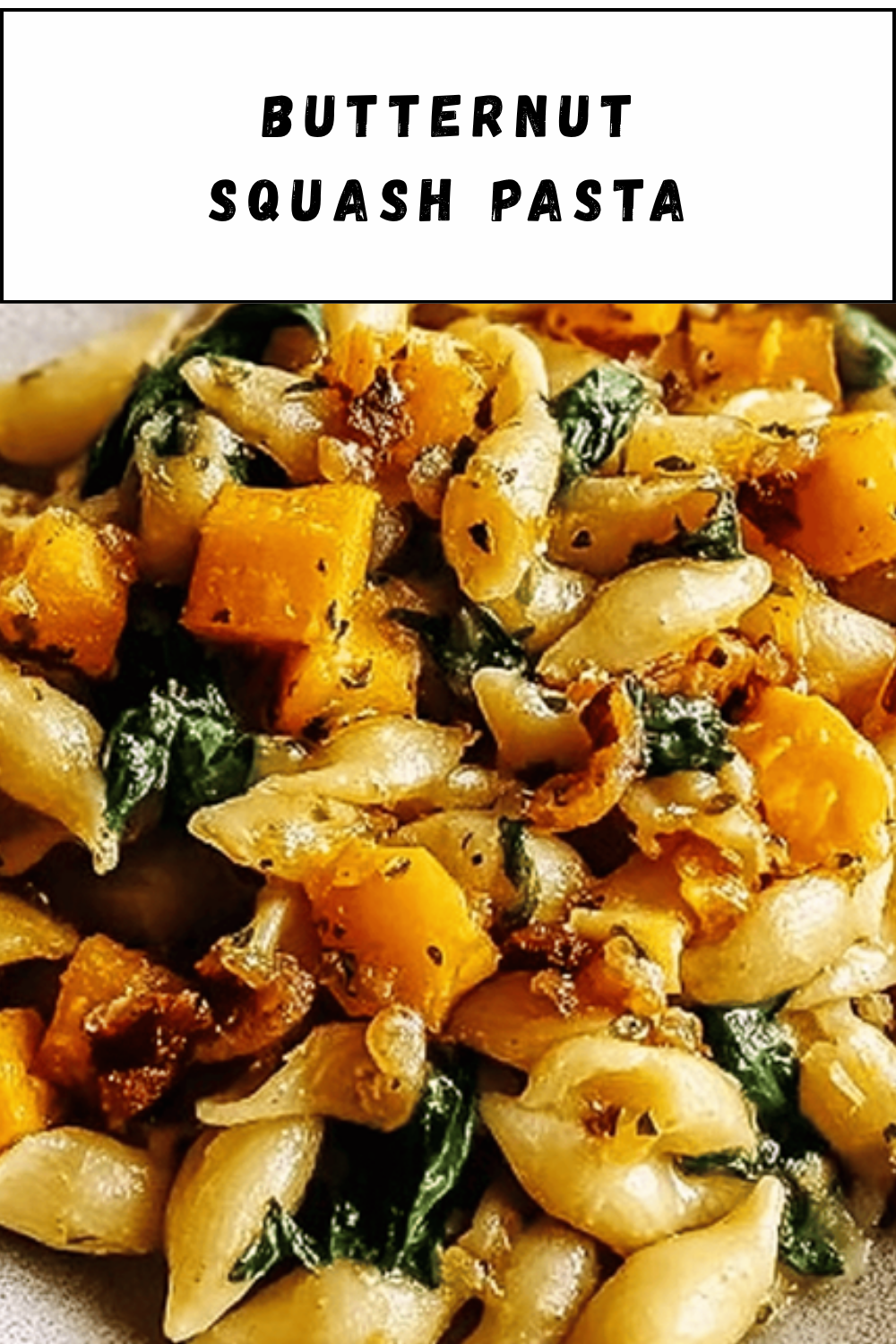
Getting started with this butternut squash pasta is straightforward and fun. Begin by preheating your oven to 400°F and preparing the squash. Toss the 2 cups of cubed butternut squash with 1 tablespoon extra virgin olive oil, 6-10 cloves garlic, 2 tablespoons fresh thyme leaves, 1 tablespoon chopped fresh rosemary, a pinch of crushed red pepper flakes, kosher salt, and black pepper on a baking sheet.
Arrange 8 slices of prosciutto around the squash and bake for 20 minutes, then check the prosciutto and bake another 10 to 15 minutes until the squash is tender. While that’s roasting, cook 1 pound of pasta in salted boiling water until al dente, and reserve 1 cup of pasta water before draining.
In a skillet, melt 2 tablespoons salted butter with 1 tablespoon fresh chopped sage and the remaining 1 tablespoon chopped fresh rosemary until the butter browns. Add the pureed roasted squash mixture made by blending the squash, garlic, and 1/2 cup ricotta cheese in a food processor and stir in 1/2 cup pasta water. Melt in 1/2 cup shredded gouda cheese and 1/3 cup grated parmesan cheese, then toss with the pasta, adding more reserved water if needed.
Serve it up topped with extra parmesan and the crispy prosciutto for a delicious finish. This method, including roasting for caramelized flavors, takes about 1 hour total, with 15 minutes prep and 45 minutes cooking.
Tips for Smooth Cooking
If you’re new to this, roasting helps bring out the best in the ingredients, like making the garlic sweet and the prosciutto crispy. For variations, check out our chocolate lava cakes recipe for ideas on baking tweaks that might inspire your pasta prep.

Dietary Substitutions to Customize Your Butternut Squash Pasta
One of the great things about this butternut squash pasta is how easy it is to adapt. If you’re looking to make it vegetarian, just skip the prosciutto and add sun-dried tomatoes for that extra zing. For protein, try swapping the pasta with chickpea or lentil varieties to boost nutrients while keeping it gluten-free.
You can also mix in veggies like spinach or kale for more greens, or use coconut milk for a creamier sauce if you’re going vegan. Fresh herbs such as sage and rosemary really shine in this dish, enhancing those autumn vibes. Don’t forget, options like grilled tofu can turn this into a heartier meal.
These changes let you tailor the recipe to fit your needs, whether you’re watching calories or exploring new flavors. It’s all about making it your own while keeping that creamy goodness intact.
Mastering Butternut Squash Pasta: Advanced Tips and Variations
Once you’re comfortable with the basics, take your butternut squash pasta to the next level with a few pro moves. Roast the squash at high heat for deeper caramelization, which brings out its natural sweetness and makes the sauce silkier when you puree part of it. Adding toasted nuts like walnuts can give a nice crunch, or toss in sun-dried tomatoes for a tangy kick.
Presentation matters too serve it in warmed bowls with a drizzle of olive oil and some fresh herbs for that wow factor. If you’re prepping ahead, roast the squash earlier and store it in the fridge, then combine everything when you’re ready. For more baking inspiration, visit our banana bread coffee cake page to see how simple tweaks can elevate flavors.
Experimenting with substitutions, like using sweet potatoes instead of squash, keeps things exciting. Remember, fresh herbs are key to capturing those cozy, seasonal tastes that make this dish stand out.
How to Store Butternut Squash Pasta: Best Practices
Keeping your butternut squash pasta fresh is simple with the right steps. Pop leftovers in an airtight container and stick them in the fridge for up to 3 days to hold onto that great taste. If you want to freeze it, portion it out into freezer-safe containers for up to 2 months, then thaw in the fridge before warming up.
When reheating, go low and slow on the stove or in the microwave with a bit of water to keep it from drying out. For meal prep, store the pasta and sauce separately so everything stays textured and flavorful when you reheat it later.
| Storage Method | Duration | Tips |
|---|---|---|
| Refrigeration | Up to 3 days | Use airtight containers to maintain freshness |
| Freezing | Up to 2 months | Freeze in portions and thaw slowly |
FAQs: Frequently Asked Questions About Butternut Squash Pasta
What ingredients do I need to make butternut squash pasta from scratch?
To make butternut squash pasta, you generally need butternut squash, pasta (such as fettuccine or penne), olive oil or butter, garlic, onion, vegetable or chicken broth, salt, pepper, and optional additions like sage, parmesan cheese, or cream for richness. Roasting or sautéing the squash before blending it into a sauce helps bring out its natural sweetness and creamy texture. Using fresh ingredients enhances the flavor and texture of your dish.
How can I make butternut squash pasta sauce creamy without using cream?
You can create a naturally creamy butternut squash pasta sauce by pureeing roasted squash with cooked onions, garlic, and vegetable broth. Adding a small amount of starchy pasta cooking water while mixing helps achieve a smooth consistency. For extra richness, ingredients like pureed white beans or a sprinkle of nutritional yeast can be used as dairy-free alternatives to cream.
What is the best way to roast butternut squash for pasta sauce?
To roast butternut squash for a pasta sauce, preheat your oven to 400°F (200°C). Peel and cube the squash into even pieces, toss with olive oil, salt, and pepper, and spread them in a single layer on a baking sheet. Roast for about 25-30 minutes until tender and lightly caramelized. Roasting brings out a deeper, slightly sweet flavor that enhances the sauce’s taste.
Can I use canned butternut squash instead of fresh for butternut squash pasta?
Yes, canned butternut squash can be used as a convenient alternative when fresh squash is not available. Choose pureed or mashed canned squash without added sugars or preservatives. Be aware that the flavor might be less vibrant than fresh squash, so taste and adjust seasonings accordingly. Adding fresh herbs or a squeeze of lemon juice can brighten the sauce when using canned squash.
How do I store leftover butternut squash pasta and how long does it last?
Store leftover butternut squash pasta in an airtight container in the refrigerator. It will keep well for 3 to 4 days. To reheat, gently warm it in a pan over low heat, adding a splash of water or broth if the sauce has thickened. For longer storage, you can freeze the pasta and sauce separately in freezer-safe containers for up to 2 months. Thaw overnight in the refrigerator before reheating.
Butternut Squash Pasta
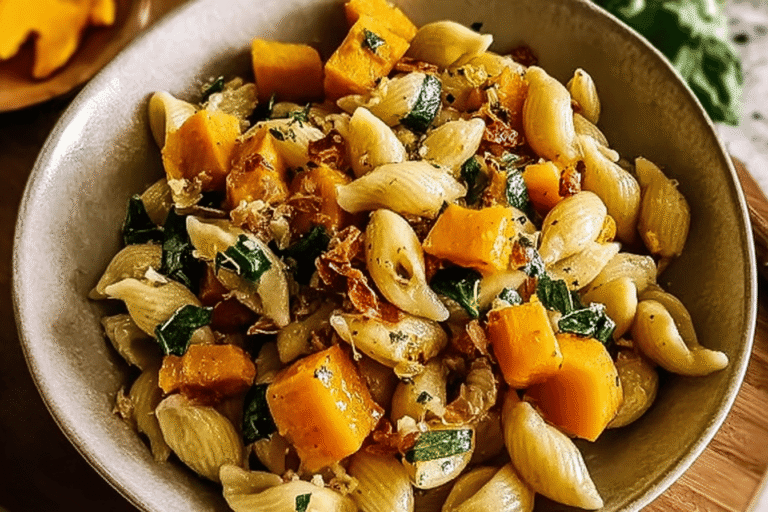
🍝 This Creamy Roasted Garlic Butternut Squash Pasta offers a rich, comforting dish perfect for cozy fall meals.
🌿 Combining aromatic herbs, roasted squash, and crispy prosciutto provides a flavorful and satisfying pasta experience.
- Total Time: 1 hour
- Yield: 6 servings
Ingredients
– 1 tablespoon extra virgin olive oil
– 2 cups cubed butternut squash
– 6-10 cloves garlic
– 2 tablespoons fresh thyme leaves
– 2 tablespoons chopped fresh rosemary
– Crushed red pepper flakes (pinch)
– Kosher salt (pinch)
– Black pepper (pinch)
– 8 slices prosciutto
– 1/2 cup ricotta cheese
– 1 pound long or short cut pasta
– 2 tablespoons salted butter
– 1 tablespoon fresh chopped sage
– 1/2 cup shredded gouda cheese
– 1/3 cup grated parmesan cheese
Instructions
1-Getting started with this butternut squash pasta is straightforward and fun. Begin by preheating your oven to 400°F and preparing the squash. Toss the 2 cups of cubed butternut squash with 1 tablespoon extra virgin olive oil, 6-10 cloves garlic, 2 tablespoons fresh thyme leaves, 1 tablespoon chopped fresh rosemary, a pinch of crushed red pepper flakes, kosher salt, and black pepper on a baking sheet.
2-Arrange 8 slices of prosciutto around the squash and bake for 20 minutes, then check the prosciutto and bake another 10 to 15 minutes until the squash is tender. While that’s roasting, cook 1 pound of pasta in salted boiling water until al dente, and reserve 1 cup of pasta water before draining.
3-In a skillet, melt 2 tablespoons salted butter with 1 tablespoon fresh chopped sage and the remaining 1 tablespoon chopped fresh rosemary until the butter browns. Add the pureed roasted squash mixture made by blending the squash, garlic, and 1/2 cup ricotta cheese in a food processor and stir in 1/2 cup pasta water. Melt in 1/2 cup shredded gouda cheese and 1/3 cup grated parmesan cheese, then toss with the pasta, adding more reserved water if needed.
4-Serve it up topped with extra parmesan and the crispy prosciutto for a delicious finish. This method, including roasting for caramelized flavors, takes about 1 hour total, with 15 minutes prep and 45 minutes cooking.
Last Step:
Please leave a rating and comment letting us know how you liked this recipe! This helps our business to thrive and continue providing free, high-quality recipes for you.Notes
🔥 Roasting squash, garlic, and prosciutto together creates caramelized garlic and crispy prosciutto for rich flavor.
🌱 For a vegetarian option, omit prosciutto and add sun-dried tomatoes as garnish.
💧 Adjust sauce consistency by adding reserved pasta water as needed for creaminess.
- Prep Time: 15 minutes
- Cook Time: 45 minutes
- Category: Main Course
- Method: Roasting, sautéing
- Cuisine: American
- Diet: Vegetarian option available
Nutrition
- Serving Size: 1 serving
- Calories: 326 kcal