

Why You’ll Love This Cacio E Pepe Recipe
This cacio e pepe recipe is a straightforward way to bring classic Italian flavors to your table without much hassle. It’s perfect for weeknights when you want something tasty but don’t have hours to cook. Imagine enjoying a creamy pasta dish that balances sharp cheese and spicy pepper in every bite, making it a hit for family dinners or quick meals.
One reason you’ll love it is the ease of preparation, with simple steps that take just about 15 minutes total. This recipe uses minimal ingredients like dried bucatini or spaghetti, offering a simple yet satisfying option for busy parents and students. Additionally, its distinctive flavor from freshly grated Pecorino Romano and toasted black pepper creates a bold, memorable taste that stands out among other pasta dishes.
Health benefits include the protein and calcium from the cheese, along with antioxidants from the pepper, supporting a balanced diet for diet-conscious folks. Its versatility lets you tweak it for various needs, like vegan swaps, so it appeals to a wide audience from newlyweds to seniors. If you’re a food enthusiast, this dish might remind you of travels in Italy, bringing that authentic feel home.
Jump to:
- Why You’ll Love This Cacio E Pepe Recipe
- Essential Ingredients for Cacio E Pepe Recipe
- How to Prepare the Perfect Cacio E Pepe Recipe: Step-by-Step Guide
- Key Tips for the Best Results
- Dietary Substitutions to Customize Your Cacio E Pepe Recipe
- Mastering Cacio E Pepe Recipe: Advanced Tips and Variations
- Pro Cooking Techniques
- Flavor Variations
- How to Store Cacio E Pepe Recipe: Best Practices
- FAQs: Frequently Asked Questions About Cacio E Pepe Recipe
- What is Cacio e Pepe and what ingredients do I need to make it?
- How do I make a creamy Cacio e Pepe sauce without the cheese clumping?
- Can I use a different type of cheese or pasta for Cacio e Pepe?
- Is Cacio e Pepe suitable for gluten-free diets?
- How can I store and reheat leftover Cacio e Pepe without losing its creamy texture?
- Cacio E Pepe Recipe
- Ingredients
- Instructions
- Last Step:
- Notes
- Nutrition
- Did you make this recipe?
Essential Ingredients for Cacio E Pepe Recipe
Getting the ingredients right is key to making this classic Italian dish shine. Below is a complete list of everything you need, based on the traditional recipe. I’ll break it down clearly so you can shop and prepare with ease.
- 8 oz dried bucatini or spaghetti
- 2 tablespoons unsalted butter
- ½ cup freshly grated Pecorino Romano cheese (plus extra for garnish)
- ½ teaspoon cracked black pepper (toasted)
- salt for the pasta water
These items form the base of the recipe, ensuring a creamy sauce that coats the pasta perfectly. For special dietary options, you can make swaps like using vegan parmesan instead of Pecorino Romano for a plant-based version. This setup keeps things simple while allowing for adjustments to fit different lifestyles.
How to Prepare the Perfect Cacio E Pepe Recipe: Step-by-Step Guide
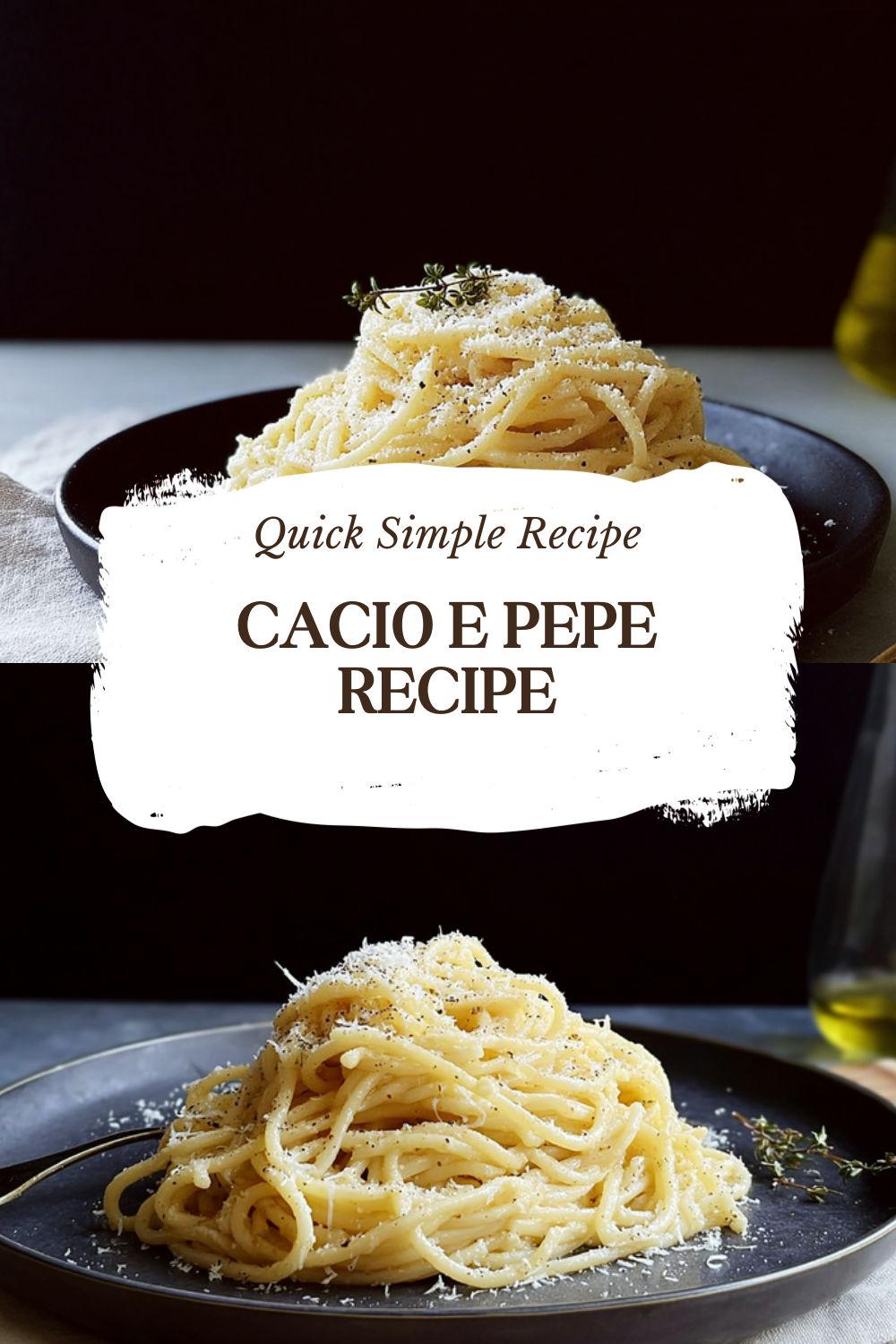
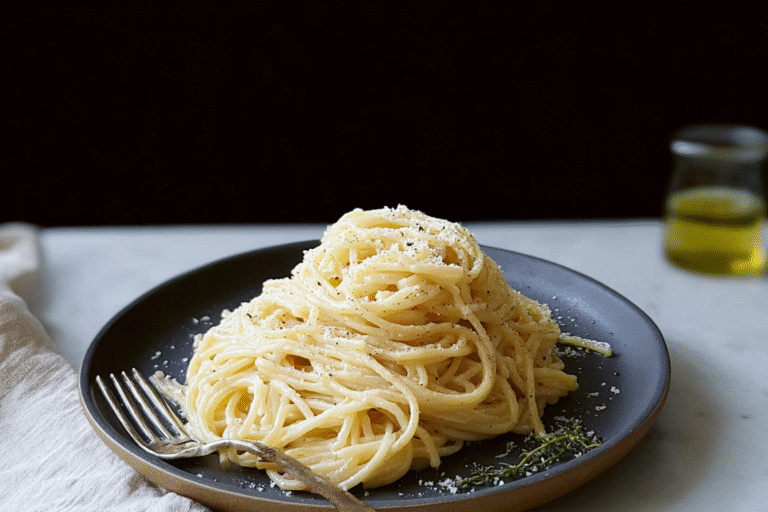
Diving into this cacio e pepe recipe starts with gathering your ingredients and a big pot. Follow these steps to create a creamy, flavorful pasta that captures the essence of Italian cooking. It’s an easy pasta recipe that’s fun to make and even better to eat.
First, bring a large pot of water to a boil, add salt, and cook 8 oz dried bucatini or spaghetti until al dente, which takes about 6 to 8 minutes. While the pasta cooks, reserve 2/3 cup of the pasta water before draining to help form that smooth sauce. This step is crucial for the cheese pasta recipe to turn out just right.
Next, return the drained pasta to the pot or a large skillet over low heat. Add the reserved pasta water and 2 tablespoons unsalted butter, then toss until the butter melts and everything mixes well. Now, stir in the ½ cup freshly grated Pecorino Romano cheese and ½ teaspoon toasted cracked black pepper, tossing continuously until a creamy sauce forms that coats the noodles evenly.
Serve immediately, topped with extra grated cheese for a simple cacio e pepe garnish. For extra flair, consider adding toppings like butter-toasted breadcrumbs or crushed red pepper flakes. If you’re linking this to other recipes on our site, check out our banana bread coffee cake for a sweet follow-up dessert that pairs well with Italian meals.
Key Tips for the Best Results
Using warm pasta water helps create a smooth sauce, so don’t skip reserving it. Always finely grate the cheese for even melting and add it slowly while mixing to avoid clumps. Here’s a quick table of tips to keep handy:
| Tips | Why It Matters |
|---|---|
| Use warm pasta water | Helps emulsify the sauce for a creamy texture |
| Finely grate cheese | Ensures even melting and smooth integration |
| Add cheese slowly | Prevents clumping and maintains sauce consistency |
This approach makes your cacio e pepe pasta a classic Italian favorite that’s quick to prepare.

Dietary Substitutions to Customize Your Cacio E Pepe Recipe
Making this cacio e pepe recipe your own is easy with a few swaps. Whether you’re vegan or watching calories, these changes keep the pepper pasta dish delicious and accessible. Let’s look at protein and main component options first.
- Substitute traditional pasta with gluten-free varieties for those with celiac needs.
- Replace Pecorino Romano cheese with nutritional yeast or vegan alternatives to suit plant-based diets.
- Use plant-based butter or olive oil to cut down on saturated fat.
For vegetable, sauce, and seasoning tweaks, try adding sautéed mushrooms or spinach to boost nutrients. You can experiment with white pepper for a milder spice or use almond-based cheese blends for a dairy-free twist. These adjustments make the traditional cacio e pepe recipe with Pecorino cheese adaptable for everyone from busy professionals to baking enthusiasts.
Mastering Cacio E Pepe Recipe: Advanced Tips and Variations
Once you’re comfortable with the basics, level up your cacio e pepe recipe with pro techniques and fun twists. This simple cacio e pepe recipe can become even more exciting with a few changes. Start with toasting the pepper to release its full aroma before mixing it in.
Pro Cooking Techniques
Use finely grated cheese to ensure it melts smoothly into the sauce. Toast peppercorns freshly for that extra flavor pop, and add pasta water gradually to get the perfect consistency. These steps make your how to make cacio e pepe pasta experience seamless and tasty.
Flavor Variations
Try adding lemon zest for a bright, citrusy note that complements the cheese. Mix in browned garlic for a deeper umami flavor, or incorporate ideas from other recipes like our strawberry crinkle cookies for a sweet contrast after your meal. To learn more about the cheese, check out this guide on Pecorino Cheese for added inspiration.
Presentation tips include plating the pasta in a neat nest and garnishing with fresh pepper. For make-ahead options, pre-grate your cheese and cook pasta slightly under al dente to reheat well later.
How to Store Cacio E Pepe Recipe: Best Practices
Storing your cacio e pepe properly keeps it fresh for another day. Put leftovers in an airtight container in the fridge for up to 2 days to hold onto that creamy texture. Freezing isn’t ideal as it can change the pasta’s feel, so aim to eat it fresh when possible.
When reheating, do it gently on the stove with a bit of pasta water to bring back the creaminess. For meal prep, cook the pasta just under al dente so it doesn’t get mushy later. These steps ensure your quick cacio e pepe pasta steps remain enjoyable even as leftovers.
FAQs: Frequently Asked Questions About Cacio E Pepe Recipe
What is Cacio e Pepe and what ingredients do I need to make it?
Cacio e Pepe is a traditional Roman pasta dish that means “cheese and pepper.” It features a simple sauce made from Pecorino Romano cheese, freshly cracked black pepper, pasta (usually spaghetti or bucatini), and sometimes a bit of butter. To make Cacio e Pepe, you need dried pasta, freshly grated Pecorino Romano, coarsely cracked black pepper, and warm pasta cooking water to create a creamy sauce. Butter is optional but adds richness.
How do I make a creamy Cacio e Pepe sauce without the cheese clumping?
To avoid clumping, use warm pasta water that contains starch when mixing the cheese and pepper with the cooked pasta. The starch helps emulsify the cheese and water into a smooth, creamy sauce. Gradually add the cheese to the hot pasta along with spoonfuls of pasta water, stirring constantly. This method prevents the cheese from becoming stringy or clumpy and evenly coats the noodles.
Can I use a different type of cheese or pasta for Cacio e Pepe?
Yes, while Pecorino Romano is traditional, you can substitute Parmigiano-Reggiano for a milder flavor or blend both cheeses. For pasta, bucatini or spaghetti are classic choices due to their texture, but other long pastas like linguine or fettuccine also work well. Make sure to adjust cooking times to the pasta you choose.
Is Cacio e Pepe suitable for gluten-free diets?
Absolutely. To make Cacio e Pepe gluten-free, replace traditional wheat pasta with gluten-free pasta varieties made from rice, corn, or legumes. The sauce preparation remains the same. Check that your Pecorino Romano cheese doesn’t contain additives with gluten, and enjoy this simple dish without the gluten.
How can I store and reheat leftover Cacio e Pepe without losing its creamy texture?
To store, keep leftover Cacio e Pepe in an airtight container in the refrigerator for up to 2 days. When reheating, add a small amount of warm water or broth to loosen the sauce. Reheat gently on the stovetop over low heat while stirring until warmed through, or microwave in short intervals with added water, stirring between each to maintain creaminess and prevent dryness.
Cacio E Pepe Recipe
🧀 Discover the creamy, cheesy delight of Cacio e Pepe, a classic and simple Italian pasta that highlights quality ingredients.
🌶️ This recipe offers a perfect balance of sharp Pecorino Romano and freshly cracked black pepper for an authentic taste experience.
- Total Time: 15 minutes
- Yield: 2 servings
Ingredients
– 8 oz dried bucatini or spaghetti
– 2 tablespoons unsalted butter
– ½ cup freshly grated Pecorino Romano cheese (plus extra for garnish)
– ½ teaspoon cracked black pepper (toasted)
– salt for the pasta water
Instructions
1-First, bring a large pot of water to a boil, add salt, and cook 8 oz dried bucatini or spaghetti until al dente, which takes about 6 to 8 minutes. While the pasta cooks, reserve 2/3 cup of the pasta water before draining to help form that smooth sauce. This step is crucial for the cheese pasta recipe to turn out just right.
2-Next, return the drained pasta to the pot or a large skillet over low heat. Add the reserved pasta water and 2 tablespoons unsalted butter, then toss until the butter melts and everything mixes well. Now, stir in the ½ cup freshly grated Pecorino Romano cheese and ½ teaspoon toasted cracked black pepper, tossing continuously until a creamy sauce forms that coats the noodles evenly.
3-Serve immediately, topped with extra grated cheese for a simple cacio e pepe garnish. For extra flair, consider adding toppings like butter-toasted breadcrumbs or crushed red pepper flakes. If you’re linking this to other recipes on our site, check out our banana bread coffee cake for a sweet follow-up dessert that pairs well with Italian meals.
Last Step:
Please leave a rating and comment letting us know how you liked this recipe! This helps our business to thrive and continue providing free, high-quality recipes for you.Notes
🧂 Use warm pasta water to help the cheese melt smoothly and create a creamy sauce.
🧀 Finely grate the Pecorino Romano cheese for best melting and texture.
🔥 Toast the black pepper before using to enhance its aroma and flavor.
- Prep Time: 5 minutes
- Cook Time: 10 minutes
- Category: Main Course
- Method: Boiling and tossing
- Cuisine: Italian
- Diet: Vegetarian
Nutrition
- Serving Size: 1 serving
- Calories: 450
- Sugar: 1 g
- Sodium: 600 mg
- Fat: 18 g
- Saturated Fat: 10 g
- Unsaturated Fat: 6 g
- Trans Fat: 0 g
- Carbohydrates: 55 g
- Fiber: 3 g
- Protein: 20 g
- Cholesterol: 40 mg