
Why You’ll Love This Chicken Katsu
Imagine coming home after a long day and whipping up a meal that’s crunchy, flavorful, and ready in no time. Chicken katsu fits that bill perfectly, offering a delightful twist on fried chicken with its light, crispy coating and juicy interior. Whether you’re a busy parent juggling schedules or a food enthusiast exploring new tastes, this recipe is sure to become a favorite in your kitchen.
One of the best things about chicken katsu is how easy it is to prepare. It uses simple ingredients and follows straightforward steps, making it ideal for weeknights when you want something homemade without spending hours cooking. Plus, it’s packed with health benefits from lean chicken that’s rich in protein, helping you stay satisfied and energized throughout the day.
This dish shines in its versatility too. You can tweak it for different dietary needs, like using gluten-free options, which means everyone at your family dinner can enjoy it. And let’s not forget that distinctive flavor the panko breadcrumbs create a unique crispiness that’s far from ordinary fried chicken, making each bite a real treat. For those who love experimenting, this recipe pairs wonderfully with sides like rice or veggies, as seen in recipes such as our banana bread coffee cake for a sweet contrast.
Key Reasons to Try It
- Quick and simple preparation for busy lifestyles
- Nutritious with lean protein to support a balanced diet
- Easy adaptations for various dietary preferences
- A standout taste that brings excitement to mealtimes
To add a personal touch, I remember my first try at chicken katsu during a family gathering it turned a simple dinner into a fun event. If you’re new to Japanese-inspired dishes, this is a great starting point, much like how many home cooks begin with easy bakes on our site.
Jump to:
- Why You’ll Love This Chicken Katsu
- Key Reasons to Try It
- Essential Ingredients for Chicken Katsu
- Main Ingredients List
- How to Prepare the Perfect Chicken Katsu: Step-by-Step Guide
- Dredging and Frying Process
- Dietary Substitutions to Customize Your Chicken Katsu
- Mastering Chicken Katsu: Advanced Tips and Variations
- Presentation and Make-Ahead Ideas
- How to Store Chicken Katsu: Best Practices
- FAQs: Frequently Asked Questions About Chicken Katsu
- What cut of chicken is best for making chicken katsu?
- Why should I use panko breadcrumbs for chicken katsu instead of regular breadcrumbs?
- How can I tell when the oil is hot enough for frying chicken katsu?
- Is it necessary to pound chicken before making chicken katsu?
- What is chicken katsu sauce, and can I substitute it with other sauces?
- Chicken Katsu
- Ingredients
- Instructions
- Last Step:
- Notes
- Nutrition
- Did you make this recipe?
Essential Ingredients for Chicken Katsu
Gathering the right ingredients is the first step to nailing this chicken katsu recipe. Each one plays a key role in creating that perfect crispy exterior and tender inside. Based on the classic preparation, you’ll want fresh, quality items that are easy to find at your local store.
Here’s a complete list of everything you’ll need, pulled straight from the recipe details. I’ve formatted it clearly so you can see the exact measurements and quantities required. This ensures you don’t miss a thing when you’re prepping.
Main Ingredients List
- 1 ½ pounds boneless, skinless chicken breasts or thighs
- Heaping ½ teaspoon garlic powder (plus extra for dredging)
- Kosher salt and ground black pepper (to taste)
- ½ cup rice flour (all-purpose flour can be substituted)
- 2 large eggs, lightly beaten
- 2 ½ cups panko breadcrumbs
- Frying oil (quantity: 1 inch deep in skillet)
With these ingredients on hand, you’re set for a delicious meal. For special tweaks, consider options like vegan substitutes to make it fit your needs. This setup not only keeps things straightforward but also lets you focus on the fun of cooking.
| Ingredient Category | Options for Variation |
|---|---|
| Protein Base | Use firm tofu for vegan versions or pork for a twist |
| Breading | Gluten-free panko for those with sensitivities |
| Oil | Any neutral oil works, but keep it to 1 inch deep |
Remember, using Japanese-style panko makes all the difference for that light, crispy result. It’s one of those small details that can turn a good meal into a great one, especially if you’re hosting a gathering like the party enthusiasts in our audience might.
How to Prepare the Perfect Chicken Katsu: Step-by-Step Guide
Getting chicken katsu just right is all about following a few key steps that build on each other. Start with fresh ingredients and a bit of patience, and you’ll end up with a dish that’s crispy on the outside and juicy inside. This guide draws from time-tested methods to make your cooking experience smooth and enjoyable.
First, heat 1 inch of frying oil in a deep skillet over medium-high heat until it reaches 350-375°F. You can test this by dropping in a breadcrumb if it sizzles right away, you’re good to go. This step is crucial for achieving that golden brown perfection without making the chicken greasy.
Next, prepare the chicken by butterflying the breasts and pounding them to about ½-inch thickness; for thighs, just trim the fat and open them flat. Season everything with garlic powder, salt, and pepper to bring out the flavors. Setting up your breading station comes next: use three shallow bowls one with seasoned rice flour, one with beaten eggs, and one with panko breadcrumbs, all mixed with a bit of salt, pepper, and garlic powder for extra taste.
Dredging and Frying Process
Now, dredge each piece of chicken: coat it first in the flour, then dip it in the egg, and finally press it firmly into the panko, shaking off any excess. Fry the chicken in batches to avoid overcrowding, cooking for 3-4 minutes per side until it’s golden brown and fully cooked. Once done, drain on paper towels and add a light sprinkle of salt while it’s still warm.
Serve it immediately for the best crunch, perhaps with a simple sauce. The total time is just 25 minutes, with 15 minutes prep and 10 minutes cooking, making it perfect for working professionals or students. If you’re looking for more quick ideas, check out our high-altitude chocolate lava cakes for a sweet treat to pair with it.
I always feel a sense of accomplishment when I pull perfectly fried chicken katsu from the pan it’s like a little celebration in the kitchen!

Dietary Substitutions to Customize Your Chicken Katsu
One of the joys of cooking chicken katsu is how adaptable it is to different tastes and needs. Whether you’re watching your diet or accommodating guests, a few swaps can make this dish work for anyone. Let’s dive into some easy modifications that keep the crispy goodness intact.
For the protein, swap chicken with firm tofu or seitan for vegan options, or use pork loin for a traditional variation. If gluten is a concern, go for gluten-free chicken tenders and switch out the flour and panko. On the veggie side, try adding steamed broccoli or pickled radish as sides to boost nutrition.
- Replace panko with crushed cornflakes for a fun texture change
- Use tamari instead of soy sauce if you’re avoiding gluten
- Add spices like smoked paprika to the mix for a flavor boost
These changes not only make the recipe inclusive but also let you experiment, much like how baking enthusiasts might tweak a base recipe. It’s all about making food that fits your lifestyle while staying delicious.
Mastering Chicken Katsu: Advanced Tips and Variations
Once you’ve got the basics down, it’s time to level up your chicken katsu game. These pro tips will help you achieve restaurant-quality results right at home. From perfecting the crisp to adding unique twists, you’ll be impressing everyone with your skills.
Use a thermometer to keep the oil at the right temperature, around 350-375°F, to prevent sogginess. Double-coating the chicken with eggs and breadcrumbs adds extra crunch, and don’t forget to season each part of the breading for maximum flavor. For variations, mix in garlic powder, sesame seeds, or even cayenne for a spicy kick.
Presentation and Make-Ahead Ideas
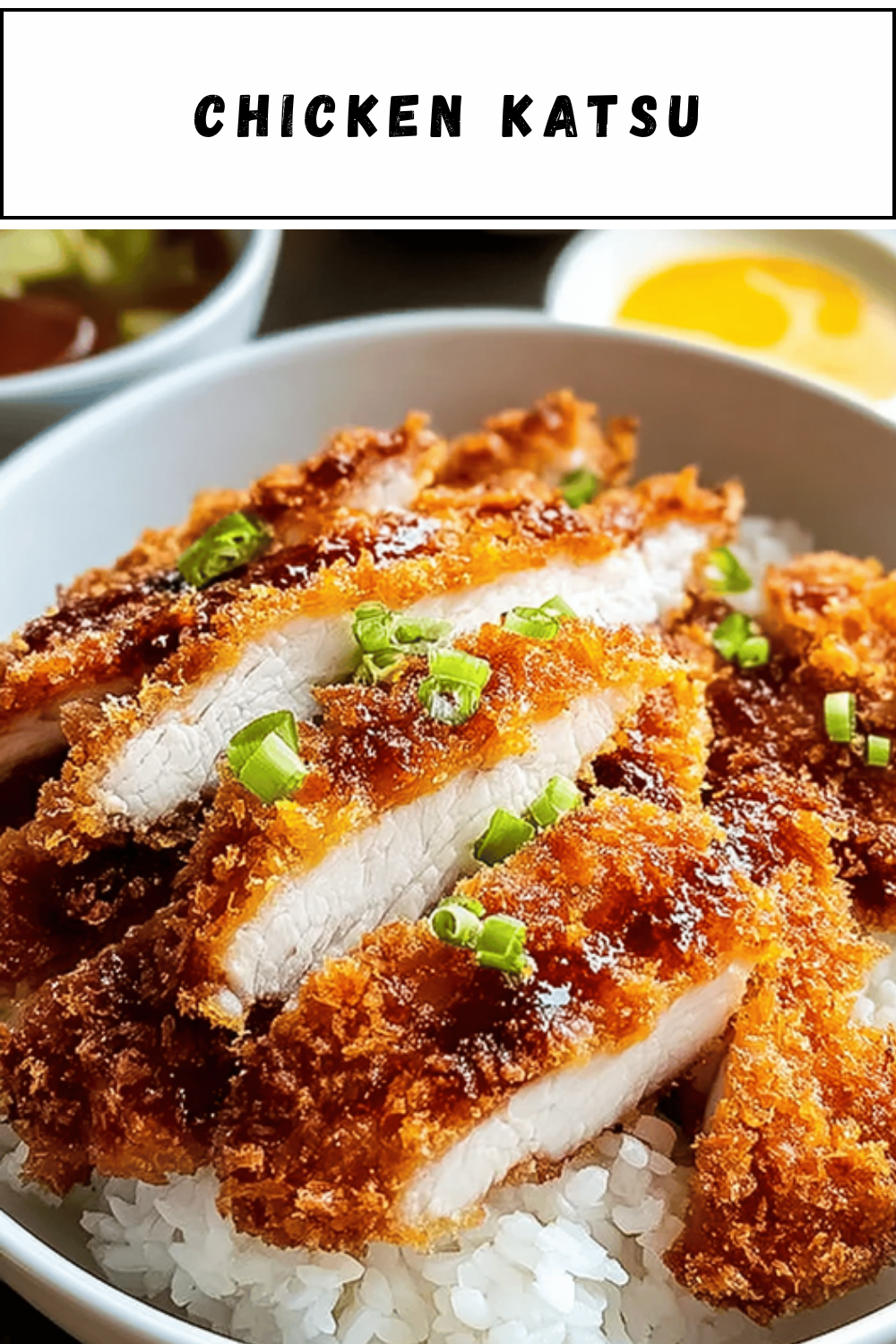
Serve your katsu sliced over rice, topped with scallions and a drizzle of sauce for a visually appealing plate. If you’re prepping ahead, bread the chicken and freeze it on trays then cook from frozen on busy days. Reheat in a 425°F oven for 3-4 minutes per side or a 375°F air fryer for 2 minutes to keep it crispy.
Storing leftovers in an airtight container in the fridge for up to 2 days works great, and they’re perfect for sandwiches the next day. This recipe’s flexibility makes it a hit for travelers or newlyweds setting up their kitchens.
How to Store Chicken Katsu: Best Practices
Keeping your chicken katsu fresh is key to enjoying it later, and with the right methods, you can maintain that crave-worthy crispiness. Proper storage helps prevent waste and keeps meals tasty for days. Let’s cover the essentials so your leftovers stay as good as new.
For refrigeration, place cooked katsu in an airtight container and keep it for up to 3 days. Freezing is another option wrap portions tightly in plastic wrap and foil, then store for up to 1 month. When reheating, use an oven or air fryer at 350°F for 10-15 minutes to restore the crunch without drying it out.
- Cool the chicken completely before storing
- Separate sauces to avoid sogginess
- Cook in batches for easy meal prep
This approach is ideal for busy parents or working professionals who need quick reheat options. Remember, a little planning goes a long way in the kitchen.
FAQs: Frequently Asked Questions About Chicken Katsu
What cut of chicken is best for making chicken katsu?
Boneless, skinless chicken breasts or thighs both work well for chicken katsu. Chicken breasts give you a leaner, extra-crispy texture, while thighs remain juicier and offer more flavor. Choose breasts if you prefer a lighter cutlet and thighs for a richer taste. Make sure to trim excess fat and optionally butterfly or flatten the chicken for even cooking.
Why should I use panko breadcrumbs for chicken katsu instead of regular breadcrumbs?
Panko breadcrumbs are preferred because they are larger, lighter, and flakier than regular Italian-style breadcrumbs. This texture creates the signature crispy and crunchy coating that doesn’t absorb excessive oil during frying. Look for authentic Japanese-style panko to achieve the classic chicken katsu crust.
How can I tell when the oil is hot enough for frying chicken katsu?
To check if the oil is ready, drop a small piece of breadcrumb into it. If it immediately sizzles and bubbles, the oil is at the correct temperature, typically around 350-375°F (175-190°C). Maintaining this temperature ensures the chicken cooks evenly while developing a golden crispy crust without becoming greasy.
Is it necessary to pound chicken before making chicken katsu?
Pounding chicken breasts is optional but can help achieve a thinner, more even cutlet that cooks faster and crisps uniformly. For chicken thighs, pounding is generally not required, as they are naturally more tender and can be prepared by trimming any excess fat and unfolding the meat for consistent thickness.
What is chicken katsu sauce, and can I substitute it with other sauces?
Chicken katsu sauce is a thick, sweet-savory condiment made from a blend of ingredients like Worcestershire sauce, soy sauce, ketchup, sugar, and spices. It pairs perfectly with the crispy chicken, adding umami flavor and tang. While you can use alternatives like tonkatsu sauce or a mild barbecue sauce, authentic katsu sauce is recommended to complement the dish’s taste.
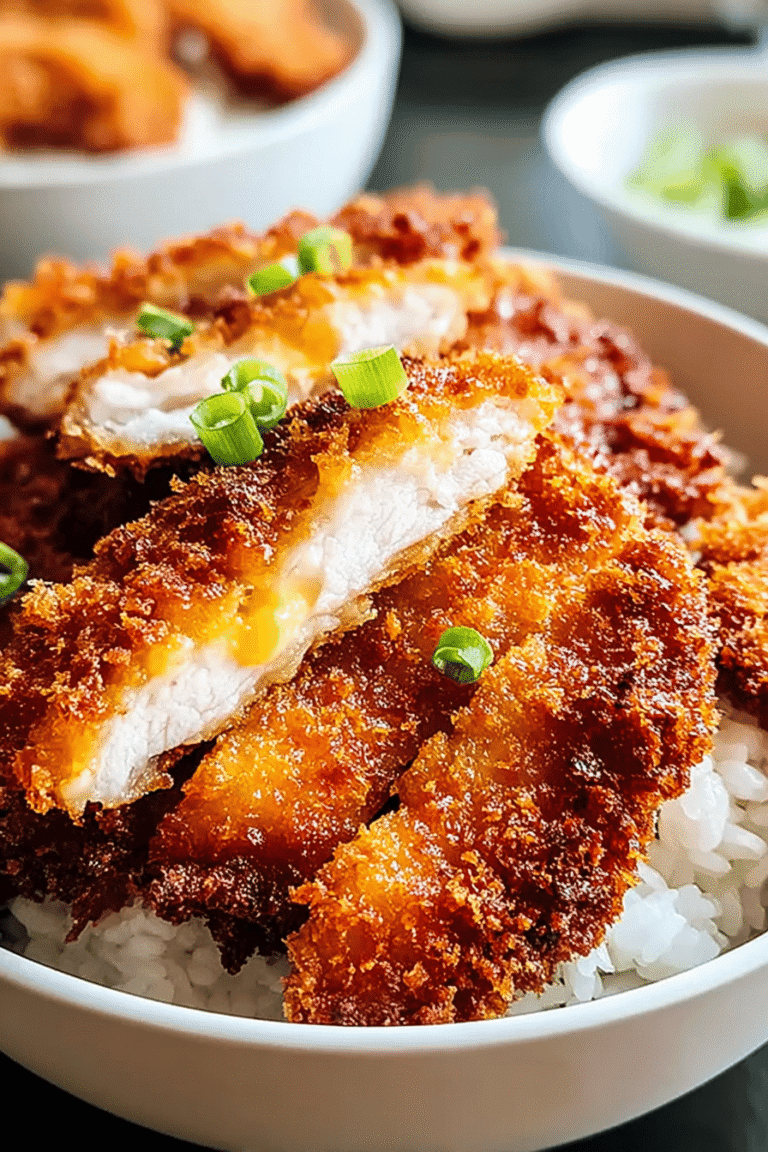
Chicken Katsu
🍗 Experience crispy and juicy Japanese-style fried chicken cutlets ready in just 25 minutes for a quick, satisfying meal.
🍽️ This Chicken Katsu recipe combines a crunchy panko coating with tender chicken, perfect for weeknight dinners or making ahead for sandwiches.
- Total Time: 25 minutes
- Yield: 4 servings
Ingredients
– 1 ½ pounds boneless, skinless chicken breasts or thighs
– Heaping ½ teaspoon garlic powder plus extra for dredging
– Kosher salt and ground black pepper to taste
– ½ cup rice flour (all-purpose flour can be substituted)
– 2 large eggs, lightly beaten
– 2 ½ cups panko breadcrumbs
– Frying oil 1 inch deep in skillet
Instructions
1-First, heat 1 inch of frying oil in a deep skillet over medium-high heat until it reaches 350-375°F. You can test this by dropping in a breadcrumb if it sizzles right away, you’re good to go. This step is crucial for achieving that golden brown perfection without making the chicken greasy.
2-Next, prepare the chicken by butterflying the breasts and pounding them to about ½-inch thickness; for thighs, just trim the fat and open them flat. Season everything with garlic powder, salt, and pepper to bring out the flavors. Setting up your breading station comes next: use three shallow bowls one with seasoned rice flour, one with beaten eggs, and one with panko breadcrumbs, all mixed with a bit of salt, pepper, and garlic powder for extra taste.
3-Dredging and Frying Process Now, dredge each piece of chicken: coat it first in the flour, then dip it in the egg, and finally press it firmly into the panko, shaking off any excess. Fry the chicken in batches to avoid overcrowding, cooking for 3-4 minutes per side until it’s golden brown and fully cooked. Once done, drain on paper towels and add a light sprinkle of salt while it’s still warm.
4 Serve it immediately for the best crunch, perhaps with a simple sauce.
Last Step:
Please leave a rating and comment letting us know how you liked this recipe! This helps our business to thrive and continue providing free, high-quality recipes for you.Notes
🍤 Use Japanese-style panko breadcrumbs for the lightest, crispiest texture.
🍗 Season each breading component (flour, egg, panko) to enhance overall flavor.
🌡️ Ensure oil temperature is correct using a breadcrumb test to avoid greasy or undercooked coating.
- Prep Time: 15 minutes
- Cook Time: 10 minutes
- Category: Main Dish
- Method: Frying
- Cuisine: Japanese
Nutrition
- Serving Size: 1 chicken cutlet
- Calories: 450 kcal
- Sugar: 1 g
- Sodium: 500 mg
- Fat: 20 g
- Saturated Fat: 4 g
- Unsaturated Fat: 12 g
- Trans Fat: 0 g
- Carbohydrates: 35 g
- Fiber: 1 g
- Protein: 35 g
- Cholesterol: 110 mg