

Why You’ll Love This Crab Ceviche
This crab ceviche recipe combines simplicity with incredible flavor, making it perfect for both novice cooks and experienced home chefs. With minimal preparation time and basic ingredients, you can create a restaurant-quality appetizer that will impress your family and friends. The bright, zesty flavors come together beautifully while the unique texture of crab meat creates a satisfying mouthfeel unlike any other seafood dish.
Beyond its delicious taste, crab ceviche offers numerous health benefits that make it an excellent addition to your meal rotation. The dish is packed with lean protein from the crab meat, which helps with muscle repair and maintenance. The abundance of lime juice provides a generous dose of vitamin C, supporting immune health and skin vitality. With just 87 calories per serving, this is a light yet satisfying option for those watching their calorie intake.
Another reason to love this crab ceviche is its versatility. The recipe can be easily adapted to accommodate various dietary needs and preferences. Whether you’re hosting a dinner party, preparing a special appetizer, or simply looking for a light lunch option, this dish fits seamlessly into any occasion. The crisp, refreshing flavors make it particularly popular during warm weather months, but its satisfying profile makes it enjoyable year-round.
Jump to:
- Why You’ll Love This Crab Ceviche
- Essential Ingredients for Crab Ceviche
- Nutritional Information
- How to Prepare the Perfect Crab Ceviche: Step-by-Step Guide
- Preparation Time
- Dietary Substitutions to Customize Your Crab Ceviche
- Protein Alternatives
- Vegetable and Herbs Variations
- Flavor Adjustments
- Mastering Crab Ceviche: Advanced Tips and Variations
- Ingredient Selection
- Flavor Variations
- Presentation Tips
- How to Store Crab Ceviche: Best Practices
- Refrigeration Guidelines
- Storage Tips for Best Quality
- Food Safety Considerations
- FAQs: Frequently Asked Questions About Crab Ceviche
- What type of crab is best for making crab ceviche?
- How long should crab ceviche marinate before serving?
- Can you use raw crab meat in crab ceviche?
- What ingredients traditionally complement crab ceviche?
- How should crab ceviche be stored and how long does it last?
- Crab Ceviche
- Ingredients
- Instructions
- Last Step:
- Notes
- Nutrition
- Did you make this recipe?
Essential Ingredients for Crab Ceviche
The success of any dish begins with quality ingredients. For this crab ceviche recipe, you’ll need simple, fresh components that work together to create a harmonious blend of flavors. Here’s exactly what you’ll need:
Ingredients:
- 12 ounces (2 cans) lump crabmeat, drained
- ¼ cup fresh lime juice (about 2 limes)
- ½ cup chopped red onion
- 1 plum tomato, chopped
- 1 jalapeño, chopped
- ¼ cup fresh cilantro, roughly chopped
- Salt and pepper to taste
When selecting your crabmeat, look for fresh, high-quality options with minimal liquid in the can. Fresh lump crabmeat provides the best texture and flavor for this dish. The lime juice should be freshly squeezed rather than bottled, as the bright, fresh acidity is essential to the overall flavor profile. Red onion adds a sharp bite and crisp texture, while tomato contributes color and a touch of sweetness.
The jalapeño provides a gentle heat that balances the citrus notes, but you can adjust the amount based on your spice tolerance. Fresh cilantro adds the herbaceous notes that make ceviche distinctive, though you can substitute with parsley if cilantro isn’t to your taste. Finally, salt and pepper bring all the flavors together, enhancing the natural sweetness of the crab while allowing the supporting ingredients to shine.
Nutritional Information
For those who are health-conscious, here’s a comprehensive breakdown of the nutritional content per serving of this delicious crab ceviche:
| Nutrient | Amount |
|---|---|
| Calories | 87 |
| Carbohydrates | 4 grams |
| Protein | 16 grams |
| Fat | 1 gram |
| Saturated Fat | 0.1 gram |
| Polyunsaturated Fat | 0.1 gram |
| Monounsaturated Fat | 0.1 gram |
| Cholesterol | 36 milligrams |
| Sodium | 721 milligrams |
| Potassium | 271 milligrams |
| Fiber | 1 gram |
| Sugar | 2 grams |
| Vitamin A | 263 IU |
| Vitamin C | 19 milligrams |
| Calcium | 48 milligrams |
| Iron | 1 milligram |
As you can see, this crab ceviche is high in protein while remaining low in calories and fat, making it an excellent choice for health-conscious individuals. For more information about the health benefits of crab, this external resource offers detailed insights into its nutritional advantages.
How to Prepare the Perfect Crab Ceviche: Step-by-Step Guide
Making this crab ceviche is surprisingly simple and requires no cooking, only fresh ingredients and a bit of prep work. Follow these straightforward steps to create a delicious and appetizing dish that will have your guests coming back for more:
Directions:
- Place the crabmeat in a medium glass or ceramic bowl. Squeeze in fresh lime juice and let the crabmeat marinate for about 5 minutes.
- Stir in chopped red onion, tomato, jalapeño, cilantro, salt, and pepper. Ensure all ingredients are coated with the lime juice.
- Refrigerate for 10 to 15 minutes before serving.
For best results, make sure your crabmeat is well-drained before adding the lime juice. This prevents the dish from becoming too watery and allows the flavors to concentrate. When marinating the crab in lime juice, gently stir occasionally to ensure even distribution of the citrus.
When adding the vegetables and herbs, be careful not to overmix as this can break down the delicate crab meat. A gentle folding motion works best to maintain the texture of the crab while still incorporating all the flavors evenly.
Preparation Time
One of the biggest advantages of this recipe is how quickly it comes together. Here’s a breakdown of the time commitment:
| Task | Time Required |
|---|---|
| Total time | approximately 20 minutes |
| Marinate crab meat | 5 minutes |
| Refrigeration before serving | 10 to 15 minutes |
This makes crab ceviche an ideal choice for last-minute entertaining or when you want a special appetizer without spending hours in the kitchen. If you’re looking for other quick and delicious meal ideas, check out our dinner recipes collection for options that are equally impressive and time-friendly.

Dietary Substitutions to Customize Your Crab Ceviche
While the classic crab ceviche recipe is delicious as is, you can easily adjust it to accommodate different dietary needs and preferences. From vegan alternatives to low-carb variations, these substitutions allow everyone to enjoy this refreshing dish regardless of their dietary requirements.
Protein Alternatives
If fresh crab isn’t available or you’d like to try different protein options, consider these alternatives:
- Substitute with cooked shrimp for a different seafood profile
- Try firm tofu for a vegetarian option that absorbs flavors well
- Use young green jackfruit for a vegan option with a similar texture
- Hearts of palm can provide a flaky texture similar to crab when properly prepared
Vegetable and Herbs Variations
Feel free to experiment with different vegetables and herbs to create your signature version:
- Add diced avocado for creaminess (add just before serving to prevent browning)
- Incorporate diced cucumber for extra crunch and freshness
- Try chopped mango or pineapple for a sweet contrast to the citrus
- Replace cilantro with parsley if you’re not a fan of cilantro’s distinct flavor
- Add diced red or orange bell peppers for color and sweetness
Flavor Adjustments
Tailor the flavor profile of your ceviche with these simple adjustments:
- For a milder version, remove the seeds and membranes from the jalapeño
- Add a splash of olive oil for a richer mouthfeel
- Incorporate a pinch of cumin or smoked paprika for depth
- Add minced garlic for an aromatic boost
- Include a splash of orange juice alongside the lime for a more complex citrus profile
These variations make the basic recipe incredibly versatile, allowing you to create a version that perfectly suits your taste preferences or dietary needs while still maintaining the essence of what makes crab ceviche so delicious.
Mastering Crab Ceviche: Advanced Tips and Variations
Once you’ve mastered the basic crab ceviche recipe, you might want to explore more advanced techniques and flavor combinations. These professional tips will help you take your ceviche from good to extraordinary, impressing even the most discerning palates.
Use only the freshest ingredients possible. The simplicity of ceviche means each component shines through, making quality paramount to creating an exceptional dish.
Ingredient Selection
The type of crab you use can significantly impact your final dish. For the best results:
- Choose fresh blue crab, Dungeness, or king crab meat when available
- If using canned crab, select lump crabmeat in water rather than brine for a cleaner flavor
- Always smell the crab meat before using; it should smell like the ocean, not fishy or sour
- For truly exceptional ceviche, consider steaming your own fresh crabs and extracting the meat
Flavor Variations
Experiment with these sophisticated flavor combinations to create signature versions of crab ceviche:
- Coconut-lime ceviche: Add a tablespoon of coconut milk and a sprinkle of toasted coconut
- Mango-habenero: Include diced ripe mango and habanero pepper for a sweet-heat combination
- Asian-inspired: Incorporate minced ginger, a splash of fish sauce, and sesame oil
- Mediterranean twist: Add chopped olives, capers, and a drizzle of olive oil
- Guacamole crab ceviche: Fold in mashed avocado for a creamy texture
Presentation Tips
The way you present your crab ceviche can transform it from a simple dish to an elegant appetizer:
- Serve in chilled martini glasses for an elegant presentation
- Layer with finely diced vegetables in a glass for a visually appealing striped effect
- Top with microgreens or edible flowers for color and sophistication
- Serve with colorful chips like blue corn tortilla chips or plantain chips
- Present in individual spoons for an appetizer-style serving at parties
For more inspiration on seafood preparation and safety techniques, this discussion on safe ceviche preparation at home offers valuable insights from cooking enthusiasts.
How to Store Crab Ceviche: Best Practices
Proper storage is crucial for maintaining the quality and safety of your crab ceviche. These tips will help you keep your dish fresh for later consumption while preserving its delightful texture and flavor profile.
Refrigeration Guidelines
To maximize freshness and food safety when refrigerating crab ceviche:
- Store in an airtight glass container to prevent absorption of other flavors
- Place in the coldest part of your refrigerator, typically the back
- Consume within 48 hours for best quality and safety
- For extended storage, consider keeping ingredients separate and combining just before serving
Storage Tips for Best Quality
To maintain the integrity of your crab ceviche during storage:
To store leftovers, drain excess marinade from the solid ingredients to prevent oversoaking. Keep refrigerated in an airtight container for up to 48 hours. Add fresh lime juice the next day to refresh the flavor.
Additionally:
- Consider storing the crab and chopped vegetables separately
- Keep the lime juice in a separate container to add just before serving
- If serving leftovers, drain excess liquid and refresh with additional lime juice and herbs
- Add avocado or other delicate ingredients only just before serving
Food Safety Considerations
Since crab ceviche contains raw ingredients and seafood, proper food handling is essential:
- Consume ceviche ideally within two hours of preparation, but it can be refrigerated safely for up to two days
- Check for spoilage by smell, texture, and appearance; if ceviche smells off, has a slimy texture, or is discolored, discard immediately to avoid health risks
- Never leave ceviche at room temperature for more than two hours
- When in doubt, throw it out it’s better to be safe than sorry with seafood
Following these storage guidelines ensures your crab ceviche remains delicious and safe to eat, allowing you to prepare it ahead of time or enjoy leftovers without compromising quality.
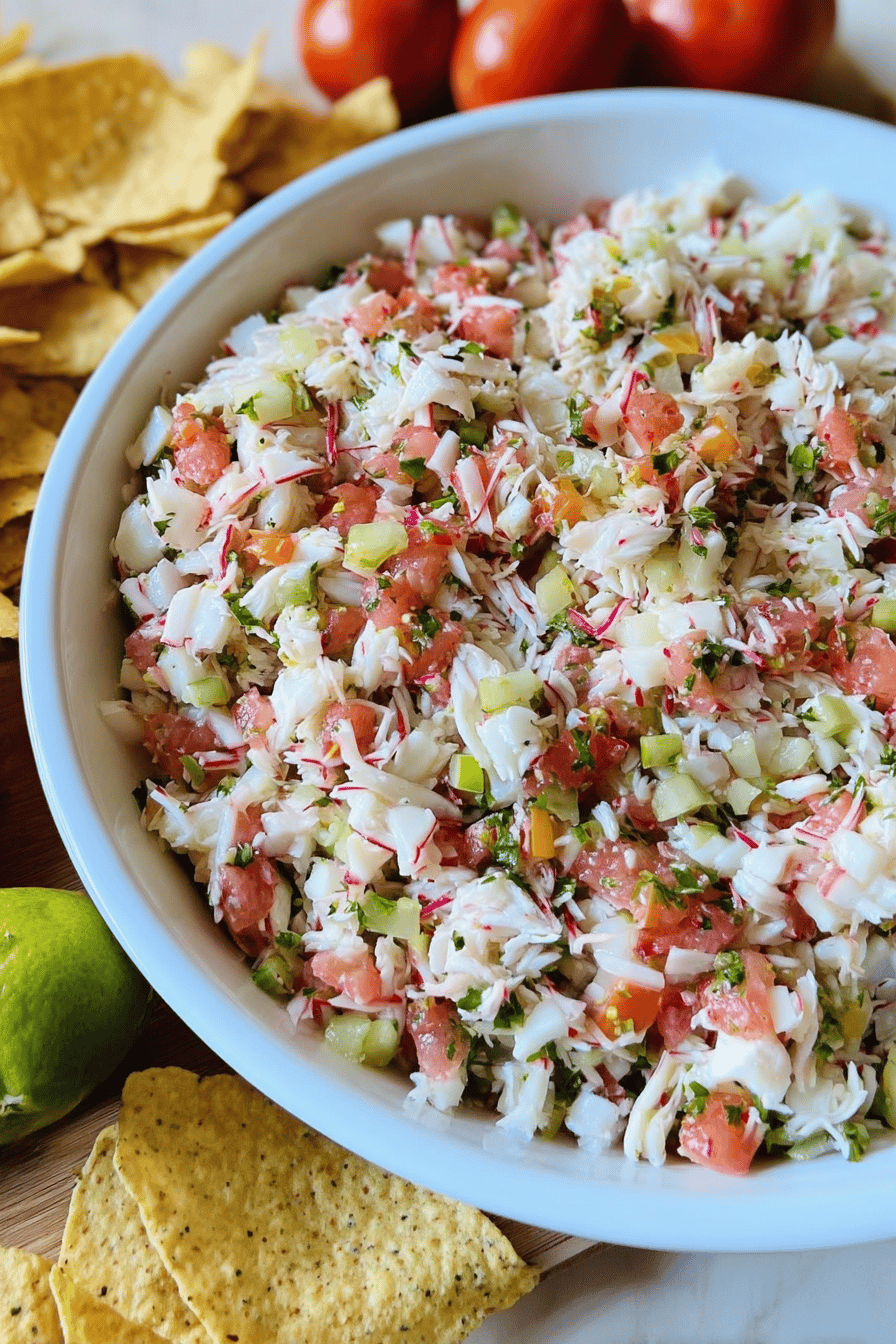
FAQs: Frequently Asked Questions About Crab Ceviche
What type of crab is best for making crab ceviche?
The best crab for ceviche is typically fresh, sweet, and tender crab meat such as Dungeness, blue crab, or king crab. These varieties have firm, flaky meat that holds up well to the acid in the citrus marinade without becoming mushy. Freshness is key, so use crab that is recently cooked and properly chilled. Avoid crab that tastes fishy or has an off odor. Using high-quality crab meat ensures the ceviche has a clean, sweet flavor and a pleasant texture.
How long should crab ceviche marinate before serving?
Crab ceviche should marinate between 30 minutes and 2 hours in the refrigerator, depending on how “cooked” you prefer the crab texture. Unlike firm fish, crab meat is already cooked and just needs time to absorb the citrus flavors. Marinating too long can make the crab tough or overly acidic. For a bright, fresh taste, 45 minutes to 1 hour is ideal. Stir occasionally to distribute the marinade evenly.
Can you use raw crab meat in crab ceviche?
It is not recommended to use raw crab meat in ceviche due to potential food safety risks. Unlike fish, crab should be cooked before marinating because raw mollusks and crustaceans can carry harmful bacteria and parasites. Cooking the crab meat first ensures it’s safe to eat, while the citrus juice in the marinade adds flavor rather than cooking the meat. Always use fully cooked, fresh crab meat for ceviche.
What ingredients traditionally complement crab ceviche?
Common ingredients paired with crab ceviche include freshly squeezed lime or lemon juice, red onion, cilantro, diced tomatoes, jalapeños or other mild chiles, and a touch of salt. Some recipes add avocado or cucumber for creaminess and crunch. These ingredients balance the sweet crab flavor with acidity, heat, and herbal notes. Serving the ceviche with tortilla chips or toasted bread enhances texture and makes for a satisfying appetizer.
How should crab ceviche be stored and how long does it last?
Store crab ceviche in an airtight container in the refrigerator and consume it within 24 to 48 hours for best taste and safety. The acidity from the citrus helps preserve the ceviche temporarily, but over time the crab texture can become tough and the flavors may degrade. Keep the ceviche well chilled and avoid leaving it out at room temperature. If the ceviche develops an off smell or slimy texture, discard it immediately.
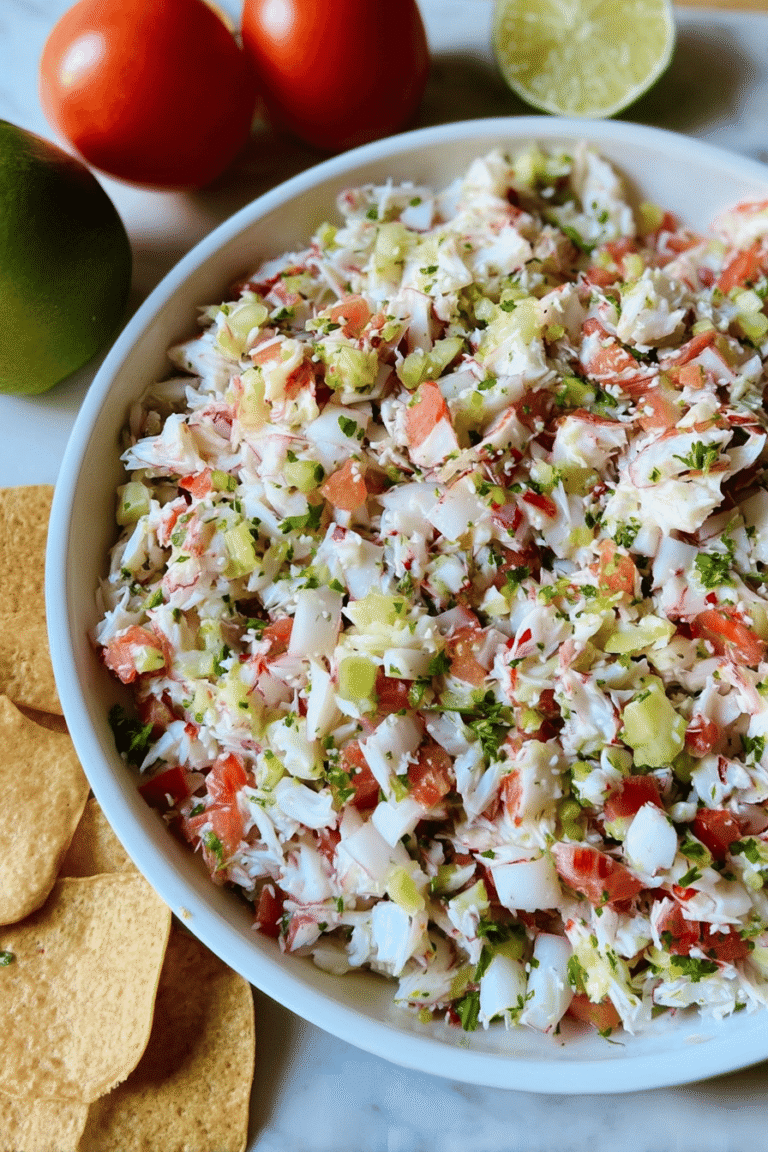
Crab Ceviche
🦀 Easy Crab Ceviche Recipe offers a fresh, zesty seafood dish that’s quick to prepare and perfect for light meals or appetizers.
🍋 The blend of lime juice and crisp vegetables delivers vibrant flavors while keeping the dish healthy and refreshing.
- Total Time: 20 minutes
- Yield: 4 servings 1x
Ingredients
12 ounces (2 cans) lump crabmeat, drained
¼ cup fresh lime juice (about 2 limes)
½ cup chopped red onion
1 plum tomato, chopped
1 jalapeño, chopped
¼ cup fresh cilantro, roughly chopped
Salt and pepper to taste
Instructions
1-Place the crabmeat in a medium glass or ceramic bowl. Squeeze in fresh lime juice and let the crabmeat marinate for about 5 minutes.
2-Stir in chopped red onion, tomato, jalapeño, cilantro, salt, and pepper. Ensure all ingredients are coated with the lime juice.
3-Refrigerate for 10 to 15 minutes before serving.
Last Step:
Please leave a rating and comment letting us know how you liked this recipe! This helps our business to thrive and continue providing free, high-quality recipes for you.Notes
🍽️ Use glass or ceramic bowls to avoid reactions with citrus juice.
⏱️ Since canned crab meat is used, a short marinating time of about 5 minutes is sufficient.
🥑 Serve with tortilla chips, plantain chips, or tostadas for added texture and flavor.
- Prep Time: 5 minutes
- Refrigeration time: 10 to 15 minutes
- Category: Appetizer
- Method: No-cook
- Cuisine: Latin American
- Diet: Gluten-Free, Low Fat
Nutrition
- Serving Size: 1 serving
- Calories: 87
- Sugar: 2 g
- Sodium: 721 mg
- Fat: 1 g
- Saturated Fat: 0.1 g
- Carbohydrates: 4 g
- Fiber: 1 g
- Protein: 16 g
- Cholesterol: 36 mg