
Why You’ll Love This Creamy Broccoli Pasta
If you’re searching for a satisfying weeknight dinner that comes together quickly without sacrificing flavor, this creamy broccoli pasta is about to become your new favorite. This delightful dish combines tender pasta, nutritious broccoli, and a rich, velvety sauce that will have even the pickiest eaters asking for seconds. The beauty of this recipe lies in its simplicity and adaptability, making it perfect for busy weeknights or lazy weekend meals.
Ease of Preparation
This creamy broccoli pasta recipe requires just 10 minutes of prep time and 15 minutes of cooking, meaning you can have a delicious homemade meal on the table in just 25 minutes. The one-pan method means less cleanup and more time enjoying your meal. No need to boil pasta separately or make a complicated sauce everything cooks together in perfect harmony.
Health Benefits
Beyond its incredible taste, this dish packs a nutritional punch. Broccoli is a powerhouse vegetable loaded with vitamins, minerals, and fiber. When paired with the protein-rich cheese and dairy in this recipe, you get a balanced meal that satisfies your hunger while providing essential nutrients. The half-and-half creates a creamy texture without the heavy calories of full cream, making it a moderate option for those watching their calorie intake while still wanting comfort food.
Versatility
This creamy broccoli pasta is incredibly adaptable to suit various dietary preferences and ingredient availability. Whether you need to make it gluten-free, add extra protein for growing kids, or use up vegetables in your fridge, this recipe welcomes modifications. The basic template remains delicious while accommodating your specific needs, making it a reliable go-to for any situation.
Distinctive Flavor
What sets this creamy broccoli pasta apart is the harmonious blend of flavors the slight sharpness of Parmesan cheese, the aromatic garlic, the bright hint of lemon, and the earthy herbs all work together to create a sauce that’s much more than the sum of its parts. The pasta absorbs all these wonderful flavors as it cooks directly in the sauce, ensuring every bite is perfectly seasoned and satisfyingly creamy without being overwhelming.
Jump to:
- Why You’ll Love This Creamy Broccoli Pasta
- Ease of Preparation
- Health Benefits
- Versatility
- Distinctive Flavor
- Essential Ingredients for Creamy Broccoli Pasta
- Main Ingredients
- Special Dietary Options
- How to Prepare the Perfect Creamy Broccoli Pasta: Step-by-Step Guide
- First Step: Preparation and Mise en Place
- Second Step: Building the Flavor Base
- Third Step: Creating the Cooking Liquid
- Fourth Step: Cooking the Pasta
- Final Step: Finishing Touches and Serving
- Dietary Substitutions to Customize Your Creamy Broccoli Pasta
- Protein and Main Component Alternatives
- Vegetable, Sauce, and Seasoning Modifications
- Mastering Creamy Broccoli Pasta: Advanced Tips and Variations
- Pro Cooking Techniques
- Flavor Variations
- Presentation Tips
- Make-Ahead Options
- How to Store Creamy Broccoli Pasta: Best Practices
- Refrigeration
- Freezing
- Reheating
- Meal Prep Considerations
- FAQs: Frequently Asked Questions About Creamy Broccoli Pasta
- What is half-and-half and can I substitute it in creamy broccoli pasta?
- Can I use different pasta shapes in creamy broccoli pasta?
- How do I add cheese to creamy broccoli pasta for a smooth sauce?
- How long does creamy broccoli pasta last in the fridge or freezer?
- Can I make creamy broccoli pasta vegan or dairy-free?
- Creamy Broccoli Pasta
- Ingredients
- Instructions
- Last Step:
- Notes
- Nutrition
- Did you make this recipe?
Essential Ingredients for Creamy Broccoli Pasta
The magic of this creamy broccoli pasta comes from simple, quality ingredients that work together to create something truly special. Each component plays an important role in building layers of flavor and texture.
Main Ingredients
4 tablespoons butter – Forms the rich base of the sauce and adds essential fat for flavor and mouthfeel
4 cloves garlic, minced – Provides aromatic depth and classic Italian flavor foundation
2 cups chicken broth – Creates the cooking liquid that becomes part of the sauce, adding savory depth
1 ¼ cups half and half – Delivers creaminess without the heaviness of heavy cream
½ pound medium pasta shells – Perfect shape to hold the sauce and catch broccoli pieces
¼ teaspoon each onion powder, dried thyme, salt – Layered seasonings for complex flavor
½ teaspoon each dried oregano, dried parsley – Mediterranean herbs that complement broccoli beautifully
3 ½ cups uncooked broccoli florets – The star vegetable that adds color, nutrition, and texture
2 teaspoons lemon juice – Brightens the rich sauce and balances the creaminess
¾ cup finely grated Parmesan cheese – Adds umami flavor, saltiness, and helps thicken the sauce
Special Dietary Options
Vegan: Replace half-and-half with full-fat coconut milk or cashew cream. Use vegan butter and skip the Parmesan or substitute with nutritional yeast. Choose vegetable broth instead of chicken broth.
Gluten-free: Use gluten-free pasta shells or other short pasta shapes made from rice, corn, or quinoa. Ensure all seasonings, especially the chicken broth, are certified gluten-free.
Low-calorie: Substitute half-and-half with skim milk thickened with a cornstarch slurry. Use less butter (or a butter substitute) and reduce the amount of Parmesan cheese while adding extra herbs for flavor.
How to Prepare the Perfect Creamy Broccoli Pasta: Step-by-Step Guide
Creating this delicious creamy broccoli pasta is straightforward when you follow these detailed steps. The method is designed to infuse the pasta with flavor while achieving that perfect velvety consistency. Let’s walk through each stage of the cooking process to ensure your dish turns out perfectly every time.
First Step: Preparation and Mise en Place
Before you turn on the stove, measure all ingredients and have them ready to go. This French technique called “mise en place” (everything in its place) ensures a smooth cooking process without last-minute scrambling. Cut your broccoli into smaller, uniform pieces for quicker, more even cooking. If you’re using fresh herbs for garnish, chop them now. Grate your Parmesan cheese from a block if possible, as pre-packaged grated cheese often contains anti-caking agents that can make your sauce grainy rather than smooth.
Second Step: Building the Flavor Base
In a large skillet or saucepan, melt the 4 tablespoons of butter over medium heat. Once the butter has melted and is starting to foam, add the 4 cloves of minced garlic. Cook for just 1 minute, stirring constantly you want the garlic to become fragrant and release its flavor, but not burn or brown, which would make it bitter. This short cooking time is crucial for achieving that subtle garlic undertone that will permeate the entire dish without overpowering it.
Third Step: Creating the Cooking Liquid
After the garlic has cooked for a minute, add the 2 cups of chicken broth, 1 ¼ cups of half and half, and all your seasonings: ¼ teaspoon each of onion powder, dried thyme, and salt, plus ½ teaspoon each of dried oregano and dried parsley. Stir gently to combine all the ingredients. Increase the heat to bring the mixture to a gentle boil. You’ll notice the liquid start to steam and small bubbles forming around the edges this is your sign that it’s time to add the pasta.
Fourth Step: Cooking the Pasta
Once your cooking liquid is boiling, add the ½ pound of medium pasta shells. Make sure all the pasta is submerged in the liquid. Let the mixture return to a boil, then reduce the heat slightly to maintain a gentle simmer. Cover the pan partially, leaving a small opening for steam to escape. Cook according to the package instructions for your pasta, but begin checking for doneness a minute or two before the recommended time since pasta continues to cook when removed from heat.
About halfway through the pasta cooking time, add the 3 ½ cups of broccoli florets. This timing is important it allows the pasta to absorb some of the liquid first, creating starch that will help thicken the sauce. During this cooking phase, stir occasionally with a silicone spatula to prevent the pasta from sticking to the bottom of the pan. The silicone material won’t damage your cookware and allows you to scrape up any flavorful bits that might be sticking.
Final Step: Finishing Touches and Serving
When the pasta is al dente (tender but still with a slight bite) and the broccoli is tender-crisp, remove the cover. Taste-test a piece of pasta to ensure it’s cooked to your liking if not, continue cooking for another minute or two. Once done, remove the pan from the heat completely this is crucial for the next step. Add the 2 teaspoons of lemon juice and gently mix in the ¾ cup of finely grated Parmesan cheese. The residual heat from the pasta will melt the cheese perfectly without risking it separating or becoming grainy, which can happen if added to boiling liquid.
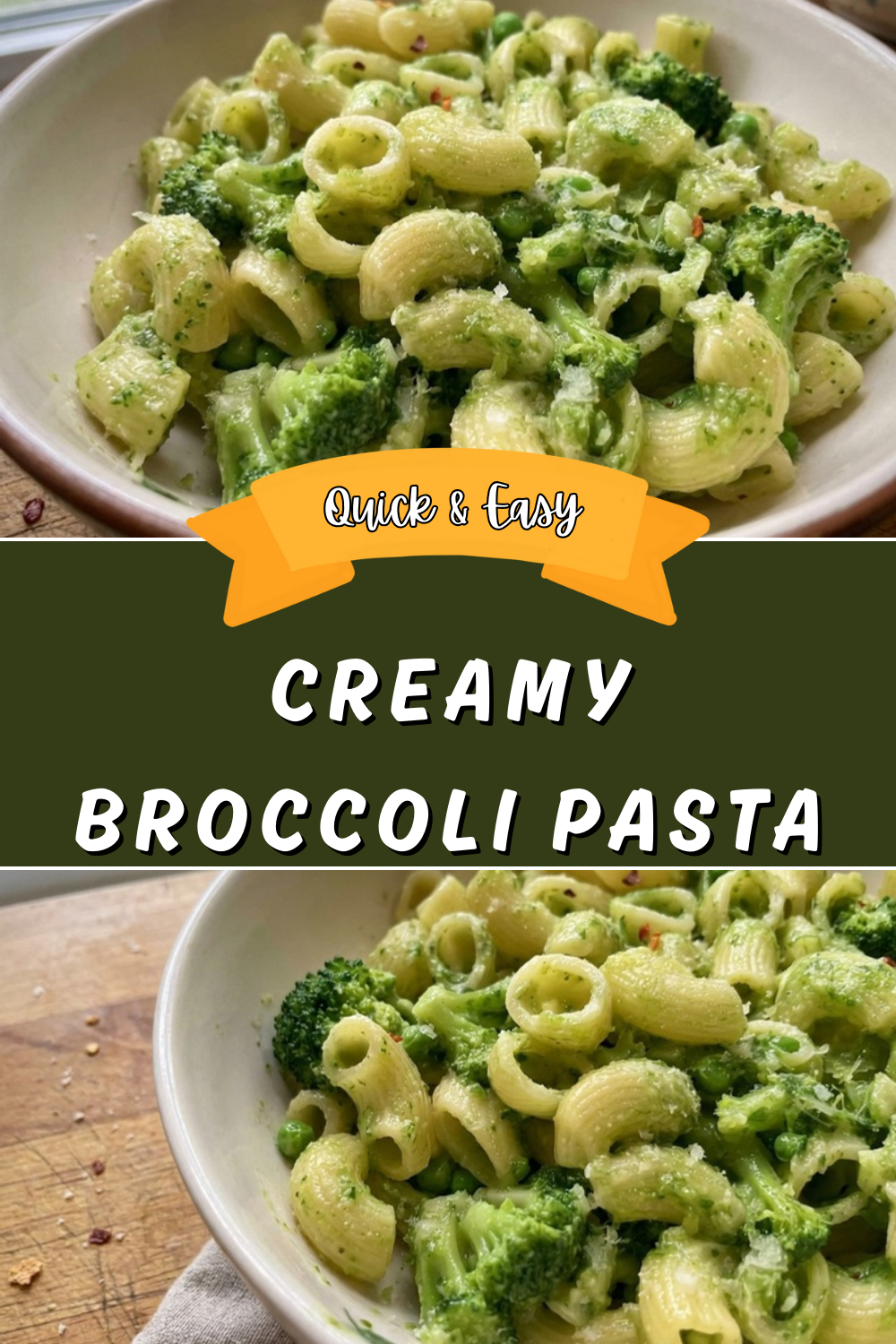
Let the dish stand for a few minutes before serving, as the sauce will continue to thicken slightly. Garnish with fresh parsley if desired and serve immediately. The finished dish should feature tender pasta shells coated in a creamy, cheesy sauce with bright green broccoli florets throughout. Each bite delivers the comforting creaminess you crave, balanced by the fresh vegetables and aromatic herbs.
This comforting pasta dish pairs beautifully with a crisp green salad and crusty bread for a complete meal. The creamy texture and rich flavors make it feel indulgent while the broccoli adds nutrition and vibrant color to your plate.

Dietary Substitutions to Customize Your Creamy Broccoli Pasta
One of the best things about this creamy broccoli pasta recipe is its adaptability. Whether you’re accommodating dietary restrictions, using up ingredients you have on hand, or simply looking to try something new, these substitutions will help you create a version of this dish that works perfectly for you.
Protein and Main Component Alternatives
While this recipe is wonderful in its original vegetarian form, you might want to add more protein to make it even more filling. Consider adding sliced chicken breast, browned ground turkey or Italian sausage, or even shrimp during the last few minutes of cooking. These additions pair beautifully with the creamy sauce and broccoli. For vegetarian protein options, try adding cannellini beans, chickpeas, or cubed tofu. If you’re avoiding dairy but still want creaminess, pureed white beans or cashew cream can create a similar texture while adding protein.
For those who prefer a lighter version, you can increase the proportion of chicken broth to half-and-half, or use a mixture of milk and cornstarch to achieve the desired consistency without as much dairy fat. If you’re watching your carbohydrate intake, consider using lower-carb pasta alternatives like shirataki noodles, spiralized vegetables, or legume-based pastas which offer higher protein and fiber content. Pasta can be part of a healthy diet when consumed in moderation and paired with nutrient-dense ingredients like those in this recipe.
Vegetable, Sauce, and Seasoning Modifications
Broccoli is the classic choice for this pasta, but many other vegetables work equally well. Try cauliflower, peas, asparagus, zucchini, or spinach based on what’s in season or what your family enjoys. You can also use a mix of vegetables for added color and nutrition. If using vegetables with different cooking times, add them at appropriate intervals so everything finishes cooking together.
For the sauce, consider adding a pinch of red pepper flakes for some heat, or swapping the dried herbs for fresh ones in larger quantities. Fresh basil, chives, or dill can completely transform the flavor profile. You might also experiment with adding sun-dried tomatoes, roasted red peppers, or caramelized onions for additional depth of flavor.
If you need to make this dish gluten-free, simply swap the regular pasta shells for your favorite gluten-free variety and ensure your chicken broth is certified gluten-free. The sauce itself is naturally gluten-free, making this an easy adaptation. Those avoiding dairy can create a vegan version using coconut milk, cashew cream, or a combination of vegetable broth and plant-based milk thickened with a little flour or cornstarch. Nutritional yeast or a store-bought vegan parmesan substitute can provide the cheesy flavor.
For a lower-sodium version, use low-sodium chicken broth and reduce the amount of added salt, relying more on herbs, garlic, and lemon juice to flavor the dish. You can boost the flavor impact by using roasted garlic instead of raw, or by adding umami-rich ingredients like a splash of soy sauce or a small amount of tomato paste.
Mastering Creamy Broccoli Pasta: Advanced Tips and Variations
Once you’ve mastered the basic creamy broccoli pasta recipe, there are countless ways to elevate this simple dish and make it your own. These advanced techniques and creative variations will help you impress family and friends with your culinary prowess while keeping the preparation manageable and stress-free.
Pro Cooking Techniques
The secret to restaurant-quality creamy broccoli pasta lies in a few professional techniques. First, always grate your cheese from a block rather than using pre-shredded cheese. Pre-packaged shredded cheese contains anti-caking agents like cellulose that prevent it from melting smoothly, resulting in a grainy texture. A microplane grater produces the finest texture for quick melting, while a box grater works well for slightly larger cheese shreds.
Temperature control is crucial when working with dairy-based sauces. Never add cheese to a boiling liquid, as it will likely separate and become oily. Always remove the pan from heat before adding cheese, allowing the residual warmth to melt it gently. If your sauce needs reheating after adding cheese, do so over the lowest possible heat, stirring constantly.
For an even more luxurious sauce, try making a quick roux by melting an extra tablespoon of butter and whisking in a tablespoon of flour before adding your liquids. This creates a thicker, more stable sauce that’s less likely to separate. Another technique is to reserve a small amount of pasta water before draining this starchy water is perfect for adjusting sauce consistency if needed.
Flavor Variations
Transform this dish into something completely new with these flavor variations. For a Mediterranean twist, add kalamata olives, artichoke hearts, and sun-dried tomatoes along with the broccoli. An Italian-inspired version might include pancetta or prosciutto, peas instead of broccoli, and a dollop of pesto swirled in at the end.
Love spicy food? Add crushed red pepper flakes when cooking the garlic, and consider using pepper jack cheese in place of some or all of the Parmesan. For a smoky flavor, add a few strips of bacon or pancetta to the pan before cooking the garlic, or stir in some smoked paprika with the dried herbs.
During winter months, try roasting the broccoli with garlic and olive oil before adding it to the pasta this concentrates its flavor and adds delightful crispy edges. You might also experiment with different cheese combinations: sharp cheddar adds bold flavor, Gruyère brings nutty notes, and Fontina provides exceptional melting properties.
Presentation Tips
They say we eat with our eyes first, and a beautifully presented dish enhances the dining experience. Transfer your creamy broccoli pasta to individual warmed bowls rather than serving family-style for a more elegant presentation. A light sprinkle of freshly ground black pepper, some chopped fresh herbs, or even edible flowers can add professional-looking finishing touches.
Consider serving this pasta in hollowed-out roasted tomatoes or bell peppers for an impressive presentation that also adds more vegetables to the meal. A simple garnish of lemon zest adds brightness both visually and flavor-wise. For dinner parties, you might even use a ring mold to create a neat, circular presentation on the plate, then drizzle a little extra sauce around the outside.
Make-Ahead Options
For busy weeknights, you can prep several components of this dish in advance. Wash and cut the broccoli up to 2 days ahead, storing it in an airtight container in the refrigerator. You can also grate the cheese and measure out your seasonings in advance, keeping them in separate containers until ready to use.
While pasta dishes are best enjoyed fresh, this creamy broccoli pasta can be partially prepared earlier in the day. Complete the recipe through the cooking of the pasta and broccoli, but stop before adding the cheese and lemon juice. When ready to serve, reheat the mixture gently, then finish with the cheese and lemon juice. This method prevents the cheese from separating and ensures the sauce remains creamy.
For meal prep enthusiasts, this recipe makes excellent leftovers. Portion cooled pasta into individual containers for easy grab-and-go lunches throughout the week. The flavors often improve after a day as they have more time to meld together. Just be aware that the sauce will thicken considerably in the refrigerator you may need to add a splash of milk or broth when reheating to restore the desired consistency.
How to Store Creamy Broccoli Pasta: Best Practices
While creamy broccoli pasta is best enjoyed fresh from the stove, proper storage techniques can help maintain its quality for later meals. Whether you’re meal prepping for the week or saving leftovers from a family dinner, these guidelines will help you preserve the flavor and texture of this delicious dish.
Refrigeration
To refrigerate creamy broccoli pasta, allow it to cool to room temperature within 2 hours of cooking. Transfer to an airtight container, pressing a piece of parchment paper directly on the surface of the pasta to minimize air exposure. Stored this way, your pasta will maintain its quality for up to 3 days in the refrigerator. The sauce may thicken considerably as it cools this is normal and can be remedied by adding a small amount of milk or broth when reheating.
Freezing
Freezing creamy pasta dishes can be tricky due to the dairy content, but it is possible with the right technique. Portion cooled pasta into freezer-safe bags or containers, leaving some room for expansion. For best results, use within 2-3 months. When freezing, consider slightly undercooking the pasta, as it will continue to cook when reheated. The sauce may separate slightly upon freezing, but gentle reheating usually restores most of its creamy texture.
Reheating
For the best results, reheat refrigerated pasta gently on the stovetop over low to medium heat. Add a splash of milk, cream, or broth to help restore the creamy consistency, stirring frequently until heated through. This method usually takes 5-8 minutes and allows for better control over the final texture.
If using a microwave, place pasta in a microwave-safe dish, add a small amount of liquid, cover with a microwave-safe lid or damp paper towel, and heat in 30-second intervals, stirring between each. This helps distribute the heat evenly and prevents hot spots. Regardless of the reheating method, aim for an internal temperature of 165°F to ensure food safety while avoiding overheating, which can cause the sauce to separate.
Meal Prep Considerations
This creamy broccoli pasta is an excellent candidate for meal prep. Consider preparing individual portions on Sunday for easy lunches throughout the work week. For the best texture, slightly undercook the pasta initially, as it will continue to absorb liquid and soften in the refrigerator. Keep a small container of extra broth or milk handy to refresh the sauce when reheating.
If you prefer freezing for longer-term storage, consider portioning the pasta into individual servings before freezing. This not only helps with portion control but also allows you to thaw only what you need. To maintain the best quality, thaw frozen pasta in the refrigerator overnight before reheating using one of the methods described above.
FAQs: Frequently Asked Questions About Creamy Broccoli Pasta
What is half-and-half and can I substitute it in creamy broccoli pasta?
Half-and-half is a dairy product that’s equal parts whole milk and heavy cream, giving creamy broccoli pasta its rich, smooth sauce without being as heavy as full cream. It adds body and a subtle sweetness that pairs perfectly with broccoli and pasta. If you don’t have it, substitute with whole milk mixed with 1-2 tablespoons of heavy cream or butter per cup for similar results. For a lighter option, use 2% milk with a teaspoon of cornstarch slurry to thicken. Avoid skim milk alone, as it can make the sauce watery. In the recipe, it typically takes about 1 cup for 8 ounces of pasta—test small batches to match creaminess. This keeps the dish under 500 calories per serving while maintaining texture. Reheat gently with a splash of milk to restore smoothness. (92 words)
Can I use different pasta shapes in creamy broccoli pasta?
Yes, swap short, sturdy pasta shapes that hold the creamy broccoli sauce well, like fusilli spirals, farfalle bowties, or penne. These have nooks to trap broccoli florets and sauce better than long strands like spaghetti, which can slip off. Check package cooking times—aim for al dente, about 8-10 minutes, then drain and toss immediately with the sauce to prevent sticking. For gluten-free, use chickpea or lentil pasta; they add 10-15g protein per serving. Avoid tiny shapes like orzo, as they over-absorb sauce. This flexibility makes the recipe family-friendly and ready in 25 minutes total. Pair with our garlic bread recipe for a full meal. (104 words)
How do I add cheese to creamy broccoli pasta for a smooth sauce?
Grate fresh cheese from a block—Parmesan or cheddar works best—right before using; pre-shredded versions have anti-caking agents like cellulose that cause graininess. Stir in off-heat or over low simmer after adding broccoli and half-and-half, letting residual warmth melt it evenly. Start with ½ cup for 8 ounces pasta, tasting as you go. If sauce is too hot, temper cheese by mixing with a bit of pasta water first. This prevents separation and keeps the dish velvety. Pro tip: Pecorino adds sharpness. One serving delivers 20g protein and holds up in meal prep. See our cheese sauce troubleshooting guide for more. (98 words)
How long does creamy broccoli pasta last in the fridge or freezer?
Refrigerate creamy broccoli pasta in an airtight container for up to 3 days; the dairy sauce may firm up but thins with reheating. Freeze portions in freezer bags for 2-3 months—flatten for quick thawing. To reheat, stovetop over low heat with 1-2 tablespoons milk or pasta water stirs in 3-5 minutes until hot (165°F internal). Microwave in 30-second bursts, covered. Avoid repeated freeze-thaw cycles to prevent texture loss. Broccoli stays crisp if blanched first. This makes it ideal for weekly meal prep, saving time on busy nights. Nutrition note: Frozen holds 90% of fresh vitamin C from broccoli. Check our freezer meal tips for best practices. (102 words)
Can I make creamy broccoli pasta vegan or dairy-free?
Yes, replace half-and-half with full-fat coconut milk or cashew cream (blend ½ cup soaked cashews with water) for a 1:1 swap—both yield rich creaminess without dairy. Use nutritional yeast (2-3 tablespoons) or vegan Parmesan for cheesy flavor. Swap butter for olive oil in sautéing garlic and broccoli. Cook as usual; the sauce thickens in 5 minutes. Frozen broccoli works fine—thaw first. Result: A 400-calorie vegan bowl with 15g plant protein, high in fiber (8g per serving from broccoli). It’s naturally gluten-free adaptable. Great for objections to dairy. Link to our vegan Alfredo pasta for variations. Ready in 20 minutes. (96 words)
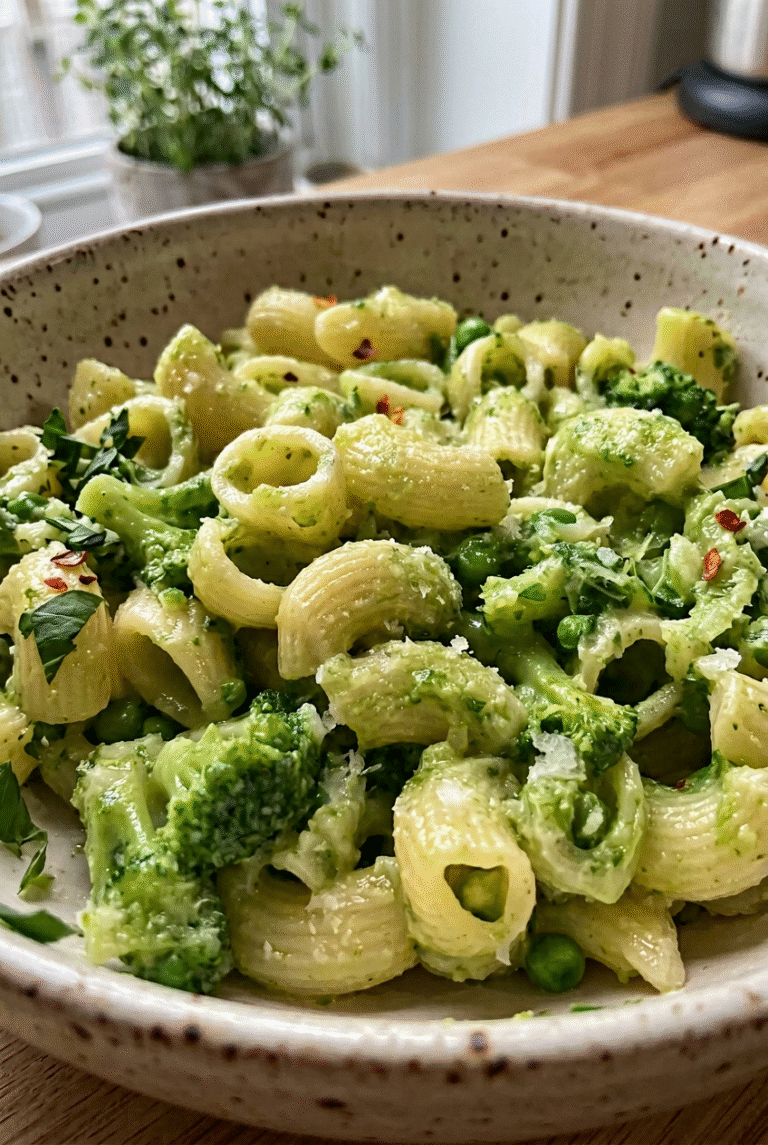
Creamy Broccoli Pasta
🥦 Whip up this quick and easy creamy broccoli pasta for a nutrient-packed, comforting meal ready in just 25 minutes with fresh veggies and cheesy goodness!
🍝 Family-friendly weeknight winner loaded with vitamins, protein from Parmesan, and simple ingredients for effortless deliciousness.
- Total Time: 25 minutes
- Yield: 4 servings
Ingredients
– 4 tablespoons butter – Forms the rich base of the sauce and adds essential fat for flavor and mouthfeel
– 4 cloves garlic, minced – Provides aromatic depth and classic Italian flavor foundation
– 2 cups chicken broth – Creates the cooking liquid that becomes part of the sauce, adding savory depth
– 1 ¼ cups half and half – Delivers creaminess without the heaviness of heavy cream
– ½ pound medium pasta shells – Perfect shape to hold the sauce and catch broccoli pieces
– ¼ teaspoon onion powder – Layered seasonings for complex flavor
– ¼ teaspoon dried thyme – Layered seasonings for complex flavor
– ¼ teaspoon salt – Layered seasonings for complex flavor
– ½ teaspoon dried oregano – Mediterranean herbs that complement broccoli beautifully
– ½ teaspoon dried parsley – Mediterranean herbs that complement broccoli beautifully
– 3 ½ cups uncooked broccoli florets – The star vegetable that adds color, nutrition, and texture
– 2 teaspoons lemon juice – Brightens the rich sauce and balances the creaminess
– ¾ cup finely grated Parmesan cheese – Adds umami flavor, saltiness, and helps thicken the sauce
Instructions
1-First Step: Preparation and Mise en Place Before you turn on the stove, measure all ingredients and have them ready to go. This French technique called “mise en place” (everything in its place) ensures a smooth cooking process without last-minute scrambling. Cut your broccoli into smaller, uniform pieces for quicker, more even cooking. If you’re using fresh herbs for garnish, chop them now. Grate your Parmesan cheese from a block if possible, as pre-packaged grated cheese often contains anti-caking agents that can make your sauce grainy rather than smooth.
2-Second Step: Building the Flavor Base In a large skillet or saucepan, melt the 4 tablespoons of butter over medium heat. Once the butter has melted and is starting to foam, add the 4 cloves of minced garlic. Cook for just 1 minute, stirring constantly you want the garlic to become fragrant and release its flavor, but not burn or brown, which would make it bitter. This short cooking time is crucial for achieving that subtle garlic undertone that will permeate the entire dish without overpowering it.
3-Third Step: Creating the Cooking Liquid After the garlic has cooked for a minute, add the 2 cups of chicken broth, 1 ¼ cups of half and half, and all your seasonings: ¼ teaspoon each of onion powder, dried thyme, and salt, plus ½ teaspoon each of dried oregano and dried parsley. Stir gently to combine all the ingredients. Increase the heat to bring the mixture to a gentle boil. You’ll notice the liquid start to steam and small bubbles forming around the edges this is your sign that it’s time to add the pasta.
4-Fourth Step: Cooking the Pasta Once your cooking liquid is boiling, add the ½ pound of medium pasta shells. Make sure all the pasta is submerged in the liquid. Let the mixture return to a boil, then reduce the heat slightly to maintain a gentle simmer. Cover the pan partially, leaving a small opening for steam to escape. Cook according to the package instructions for your pasta, but begin checking for doneness a minute or two before the recommended time since pasta continues to cook when removed from heat. About halfway through the pasta cooking time, add the 3 ½ cups of broccoli florets. This timing is important it allows the pasta to absorb some of the liquid first, creating starch that will help thicken the sauce. During this cooking phase, stir occasionally with a silicone spatula to prevent the pasta from sticking to the bottom of the pan. The silicone material won’t damage your cookware and allows you to scrape up any flavorful bits that might be sticking.
5-Final Step: Finishing Touches and Serving When the pasta is al dente (tender but still with a slight bite) and the broccoli is tender-crisp, remove the cover. Taste-test a piece of pasta to ensure it’s cooked to your liking if not, continue cooking for another minute or two. Once done, remove the pan from the heat completely this is crucial for the next step. Add the 2 teaspoons of lemon juice and gently mix in the ¾ cup of finely grated Parmesan cheese. The residual heat from the pasta will melt the cheese perfectly without risking it separating or becoming grainy, which can happen if added to boiling liquid. Let the dish stand for a few minutes before serving, as the sauce will continue to thicken slightly. Garnish with fresh parsley if desired and serve immediately. The finished dish should feature tender pasta shells coated in a creamy, cheesy sauce with bright green broccoli florets throughout. Each bite delivers the comforting creaminess you crave, balanced by the fresh vegetables and aromatic herbs.
Last Step:
Please leave a rating and comment letting us know how you liked this recipe! This helps our business to thrive and continue providing free, high-quality recipes for you.Notes
🧀 Grate Parmesan from a block for superior melting and flavor; avoid pre-grated with additives.
🔥 Do not add cheese to a very hot sauce base to prevent grainy texture.
🍝 Substitute similar pasta shapes like fusilli or farfalle, adjusting cook time as needed.
- Prep Time: 10 minutes
- Cook Time: 15 minutes
- Category: Pasta
- Method: Stovetop
- Cuisine: Italian
- Diet: Vegetarian
Nutrition
- Serving Size: 1 serving
- Calories: 495 kcal
- Sugar: 2g
- Sodium: 866mg
- Fat: 26g
- Saturated Fat: 16g
- Unsaturated Fat: 8g
- Trans Fat: 1g
- Carbohydrates: 48g
- Fiber: 2g
- Protein: 17g
- Cholesterol: 71mg