

Why You’ll Love This Dry Brine Turkey
Imagine preparing a turkey that’s tender, flavorful, and easier than your average roast. Dry brine turkey stands out because it’s simple for anyone, whether you’re a beginner or have cooked many meals. This method keeps the meat juicy and full of taste without much effort, making it a go-to for family dinners or holidays.
Dry brining helps lock in the turkey’s natural juices, which means you get a healthier option with less added fat and sodium. For instance, it preserves the protein in the turkey while boosting its nutritional value, perfect if you’re watching your diet or cooking for health-conscious folks. That’s why this technique appeals to home cooks, busy parents, and everyone from students to seniors looking for tasty, nourishing meals.
You can tweak dry brine turkey to fit various needs, like gluten-free or low-calorie versions, while keeping the flavors bold and satisfying. It’s versatile enough for different occasions, ensuring everyone at your table enjoys a great meal. Plus, the deep, savory taste makes it stand out from regular roasts, turning a simple turkey into something special that delights food enthusiasts and party hosts alike.
Dry Brine Benefits
One key advantage of dry brining is how it enhances turkey brining tips without the mess of traditional methods. By using salt and herbs directly on the bird, you get benefits like better moisture retention and a crispier skin, which aligns with how to dry brine turkey for a juicy roast. This approach not only saves time but also reduces water usage, making it an eco-friendly choice for busy households.
Jump to:
- Why You’ll Love This Dry Brine Turkey
- Dry Brine Benefits
- Essential Ingredients for Dry Brine Turkey
- How to Prepare the Perfect Dry Brine Turkey: Step-by-Step Guide
- Step-by-Step Cooking Instructions
- Dietary Substitutions to Customize Your Dry Brine Turkey
- Mastering Dry Brine Turkey: Advanced Tips and Variations
- How to Store Dry Brine Turkey: Best Practices
- FAQs: Frequently Asked Questions About Dry Brine Turkey
- What is dry brining, and how does it improve turkey flavor and texture?
- Can I dry brine a frozen turkey, or does it have to be thawed first?
- How much salt should I use for dry brining a turkey?
- Should I rinse off the dry brine before roasting the turkey?
- How do I know when my dry brined turkey is fully cooked and safe to eat?
- Dry Brine Turkey
- Ingredients
- Instructions
- Last Step:
- Notes
- Nutrition
- Did you make this recipe?
Essential Ingredients for Dry Brine Turkey
To make this dry brine turkey recipe, you’ll need a specific set of ingredients that ensure a juicy and flavorful result. Let’s list them out clearly so you can gather everything easily. Each item plays a key role in seasoning the turkey and enhancing its natural flavors.
- 1 (12 to 14-pound) turkey, patted dry
- ¼ cup packed light brown sugar
- 3 tablespoons kosher salt or ¼ cup kosher salt
- 2 teaspoons dried thyme
- 2 teaspoons dried sage leaves or ground sage
- 1 teaspoon freshly ground black pepper
- 6 tablespoons unsalted butter at room temperature
- 1 large yellow onion cut into wedges
- 2 carrots cut into 2-inch pieces
- 2 stalks celery cut into 2-inch pieces
These ingredients come together to create a balanced mix that seasons the turkey deeply. For example, the kosher salt helps draw out moisture for a tasty crust, while brown sugar adds a touch of sweetness that aids in browning. Remember, using unsalted butter keeps things rich without extra saltiness, making it ideal for dietary tweaks.
How to Prepare the Perfect Dry Brine Turkey: Step-by-Step Guide
Getting started with dry brine turkey is straightforward and rewarding. Begin by fully thawing your turkey and patting it dry with paper towels to help the brine stick well. This step sets the stage for maximum flavor absorption, making your roast turn out just right.
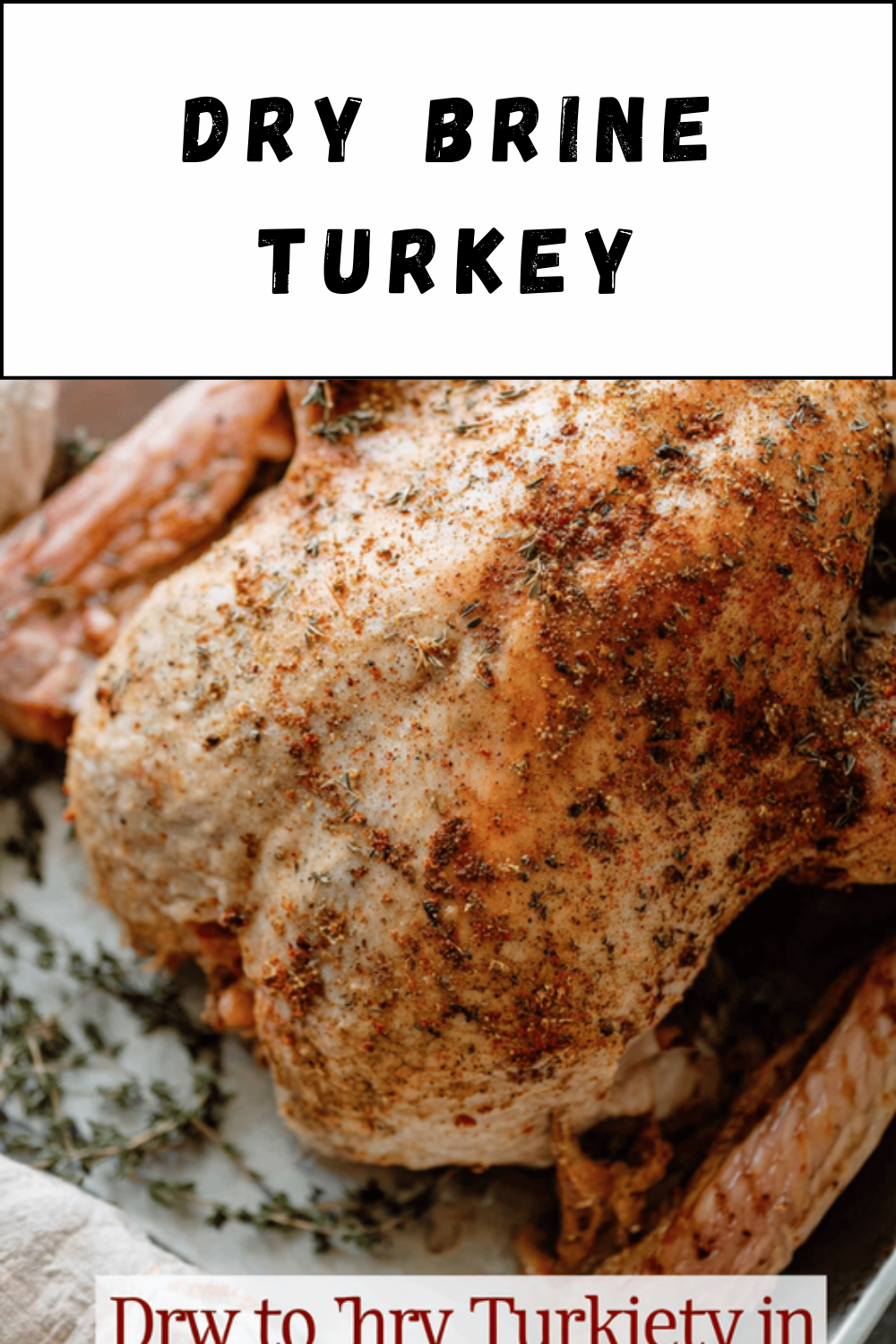
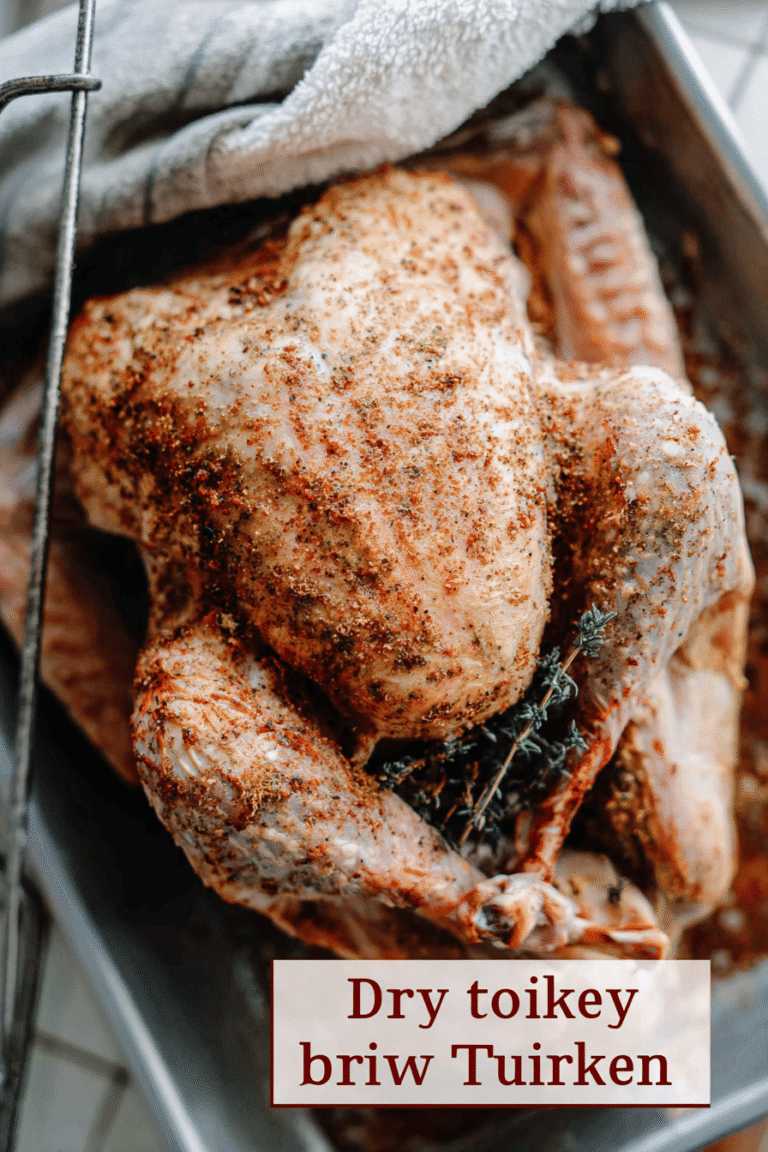
Next, mix the kosher salt, brown sugar, dried thyme, dried sage, and black pepper in a small bowl. Rub this dry brine mixture all over the turkey, including inside the cavity, for even seasoning. Place the turkey on a rack over a rimmed baking sheet lined with foil and refrigerate it uncovered for 24 to 48 hours at 40°F or lower to let the flavors penetrate.
About an hour before roasting, take the turkey out of the fridge to reach room temperature, which helps it cook evenly. Preheat your oven to 375°F and position the rack in the lower third. Brush off the excess dry brine from the exterior using damp paper towels, but leave it inside the cavity for added taste.
Step-by-Step Cooking Instructions
Scatter the onion wedges, carrot pieces, and celery pieces in the bottom of a roasting pan for extra flavor. Put a roasting rack in the pan, place the turkey on it breast side up, and tuck the wings underneath for even cooking. Smear the unsalted butter all over the turkey by hand to promote browning and richness.
Roast the turkey until the skin turns deep golden and the internal temperature hits 165°F in the breast and thigh, which takes about 1¾ to 2½ hours. Check after 1½ hours and cover loosely with foil if it’s browning too fast. Once done, tilt the turkey to drain juices into the pan, then transfer it to a platter, tent with foil, and let it rest for 20 to 30 minutes before carving.
After resting, remove the vegetables from the pan they can be saved if not too soft or discarded. Reserve the drippings to make gravy while the turkey rests. For a complete meal, serve the carved turkey with the gravy and your favorite sides. This process, including dry brine turkey cooking instructions, ensures a moist and delicious result every time.

Dietary Substitutions to Customize Your Dry Brine Turkey
Making dry brine turkey work for your needs is simple with a few swaps. If you’re following a vegan diet, swap the turkey for large seitan roasts or seasoned tofu blocks to keep a similar texture and absorb the brine well.
For other poultry like chicken or duck, use the same dry brine but adjust cooking times based on size. When it comes to seasonings, try swapping traditional herbs for basil or oregano to match different tastes. For How to Dry Brine a Turkey, you can add low-sodium soy sauce or tamari for glazing in gluten-free setups, or spice things up with chili flakes or smoked paprika.
Mastering Dry Brine Turkey: Advanced Tips and Variations
Taking your dry brine turkey to the next level involves some smart tricks. For crispier skin, leave the turkey uncovered in the fridge for up to 48 hours, as this dry brine turkey time and temperature rule helps create that perfect golden exterior.
Experiment with flavors by adding lavender or coriander seeds to your herb mix for a fresh twist. Explore creative desserts like high-altitude chocolate lava cakes to pair with your turkey for a full meal. Trussing the bird ensures even cooking and a neat presentation, while infusing citrus zest can brighten the overall taste.
For make-ahead options, apply the dry brine the day before and refrigerate to save time. When presenting, garnish with fresh herbs or roasted citrus slices to make your platter look inviting. Use a digital thermometer with a leave-in probe for precise cooking, avoiding the need to open the oven often and ensuring your turkey stays moist.
| Tip Category | Details |
|---|---|
| Cooking Technique | Use unsalted butter for richness; baste with avocado oil if desired |
| Flavor Boost | Add smoked salts or adjust for bird size with lower oven temps |
| Dietary Notes | Check spices for gluten-free options; save drippings for soups |
How to Store Dry Brine Turkey: Best Practices
Proper storage keeps your dry brine turkey fresh and tasty. After cooking, wrap it tightly in foil or place it in airtight containers and store in the fridge for up to 3-4 days.
For longer keeps, slice the turkey and freeze it in vacuum-sealed bags or freezer-safe containers, using it within 2-3 months. When reheating, do so in a low-temperature oven or covered dish to keep the meat moist and flavorful.
- Portion into meal-sized containers for easy meal prep
- Reheat gently to maintain texture and taste
- Freeze leftovers within two hours of cooking for safety
FAQs: Frequently Asked Questions About Dry Brine Turkey
What is dry brining, and how does it improve turkey flavor and texture?
Dry brining is the process of rubbing salt and optional herbs directly onto the turkey’s skin and letting it rest in the refrigerator for 24 to 48 hours. This method allows the salt to penetrate the meat, helping it retain moisture and enhancing flavor. Unlike wet brining, dry brining results in crispier skin because the turkey is left uncovered, which helps the skin dry out before roasting. The longer the dry brine time (up to 48 hours), the more tender and flavorful the turkey will be.
Can I dry brine a frozen turkey, or does it have to be thawed first?
It’s best to dry brine a fully thawed turkey. Dry brining requires the salt to absorb into the meat, which won’t happen properly if the turkey is still frozen. Plan ahead and allow enough time for the turkey to thaw in the refrigerator—usually about 24 hours for every 4 to 5 pounds—before starting the dry brine process.
How much salt should I use for dry brining a turkey?
A general guideline is to use about 1 teaspoon of kosher salt per pound of turkey. If you are using Morton kosher salt, which is denser, measure approximately 3 tablespoons for a 12-pound bird. For lighter Diamond Crystal kosher salt, increase the amount to about ¼ cup. Adjust the amount if your turkey is pre-seasoned or self-basting to avoid over-salting.
Should I rinse off the dry brine before roasting the turkey?
No, you should not rinse off the dry brine because it helps season the meat and promote browning. Instead, gently brush off any excess salt from the skin using a dry paper towel or lightly wipe with a damp cloth if the salt looks thick. This will prevent the turkey from becoming too salty while keeping the skin dry for crispiness.
How do I know when my dry brined turkey is fully cooked and safe to eat?
Roast the turkey at around 375°F and monitor the internal temperature using a meat thermometer. The turkey is fully cooked when the thickest part of the breast and thigh reaches 165°F. Cooking times vary depending on the turkey size, generally between 1¾ to 2½ hours. Let the turkey rest for 20 minutes before carving to allow juices to redistribute.
Dry Brine Turkey
🦃 Achieve perfectly juicy and flavorful turkey with this easy dry brine technique that enhances natural taste and texture.
✨ This method ensures crispy skin and tender meat, making your roast the star of any meal.
- Total Time: Approximately 2 days including brining and resting
- Yield: 8 servings
Ingredients
– 1 (12 to 14-pound) turkey, patted dry
– ¼ cup packed light brown sugar
– 3 tablespoons kosher salt or ¼ cup kosher salt
– 2 teaspoons dried thyme
– 2 teaspoons dried sage leaves or ground sage
– 1 teaspoon freshly ground black pepper
– 6 tablespoons unsalted butter at room temperature
– 1 large yellow onion cut into wedges
– 2 carrots cut into 2-inch pieces
– 2 stalks celery cut into 2-inch pieces
Instructions
1-Getting started with dry brine turkey is straightforward and rewarding. Begin by fully thawing your turkey and patting it dry with paper towels to help the brine stick well. This step sets the stage for maximum flavor absorption, making your roast turn out just right.
2-Next, mix the kosher salt, brown sugar, dried thyme, dried sage, and black pepper in a small bowl. Rub this dry brine mixture all over the turkey, including inside the cavity, for even seasoning. Place the turkey on a rack over a rimmed baking sheet lined with foil and refrigerate it uncovered for 24 to 48 hours at 40°F or lower to let the flavors penetrate.
3-About an hour before roasting, take the turkey out of the fridge to reach room temperature, which helps it cook evenly. Preheat your oven to 375°F and position the rack in the lower third. Brush off the excess dry brine from the exterior using damp paper towels, but leave it inside the cavity for added taste.
4-Scatter the onion wedges, carrot pieces, and celery pieces in the bottom of a roasting pan for extra flavor. Put a roasting rack in the pan, place the turkey on it breast side up, and tuck the wings underneath for even cooking. Smear the unsalted butter all over the turkey by hand to promote browning and richness.
5-Roast the turkey until the skin turns deep golden and the internal temperature hits 165°F in the breast and thigh, which takes about 1¾ to 2½ hours. Check after 1½ hours and cover loosely with foil if it’s browning too fast. Once done, tilt the turkey to drain juices into the pan, then transfer it to a platter, tent with foil, and let it rest for 20 to 30 minutes before carving.
6-After resting, remove the vegetables from the pan they can be saved if not too soft or discarded. Reserve the drippings to make gravy while the turkey rests. For a complete meal, serve the carved turkey with the gravy and your favorite sides. This process, including dry brine turkey cooking instructions, ensures a moist and delicious result every time.
Last Step:
Please leave a rating and comment letting us know how you liked this recipe! This helps our business to thrive and continue providing free, high-quality recipes for you.Notes
❗ Avoid injected or self-basting turkeys; if using, halve salt to prevent over-salting.
🌡️ Use a digital thermometer with probe and remote monitor for precise cooking.
🕒 Dry brine for up to 48 hours for moister results; do not exceed this timeframe to avoid texture issues.
- Prep Time: 30 minutes
- Dry Brining Time: 24 to 48 hours
- Cook Time: 1 hour 45 minutes to 2 hours 30 minutes
- Category: Main Dish
- Method: Dry Brining and Roasting
- Cuisine: American
Nutrition
- Serving Size: 1 serving
- Calories: 1075
- Sugar: 5 g
- Sodium: 1619 mg
- Fat: 47 g
- Saturated Fat: 15 g
- Carbohydrates: 6 g
- Fiber: 0 g
- Protein: 147 g