

Why You’ll Love This Dutch Oven
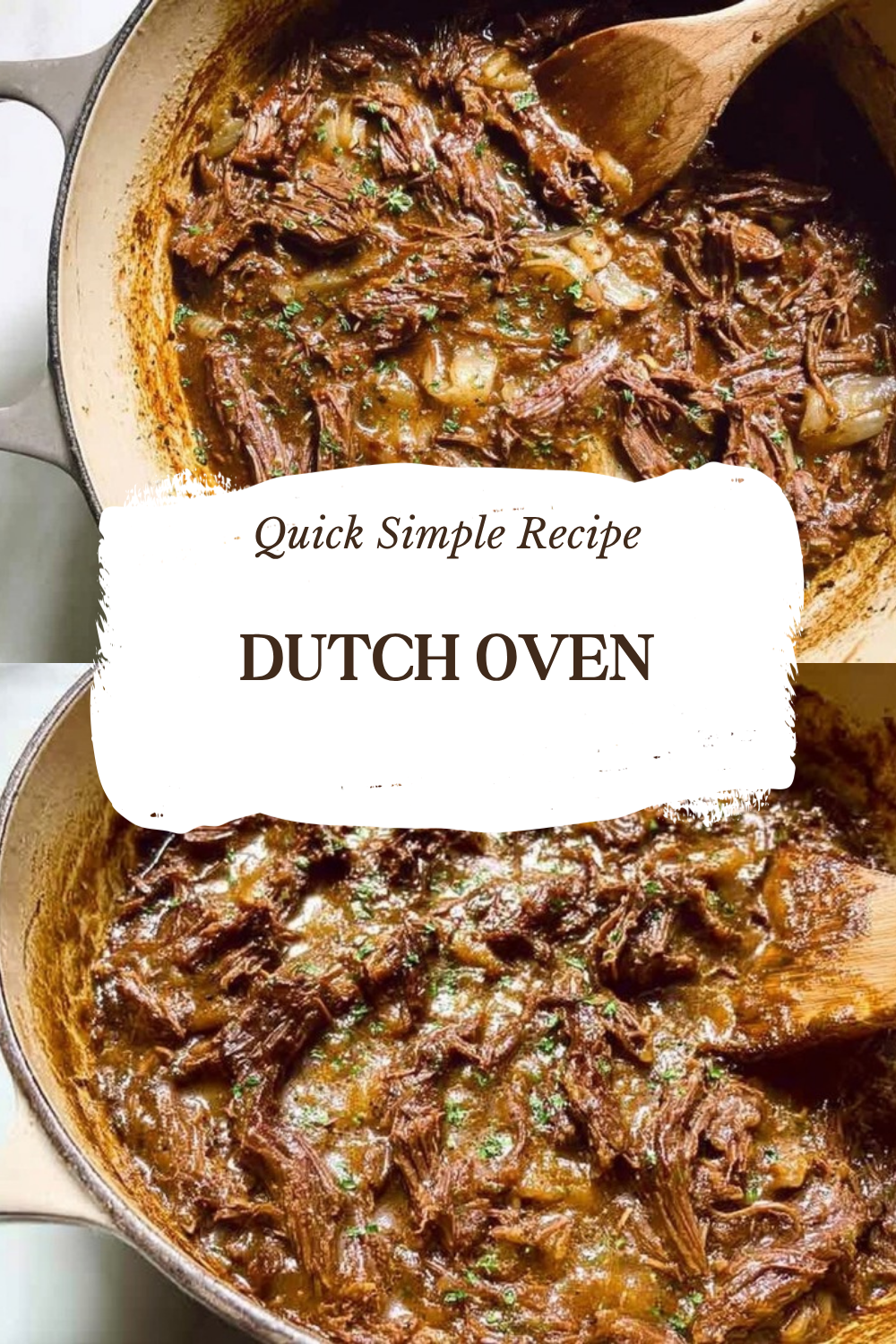
A Dutch Oven gives home cooks a simple way to make a rich beef stew with very little hands-on work. It keeps heat steady, so the beef turns tender and the vegetables cook evenly. If you need a hearty dinner for busy nights, this Dutch Oven recipe fits the plan.
- Ease of preparation: This dish uses one pot, simple chopping, and a clear cooking path. Brown the beef, add the vegetables and broth, then let the Dutch Oven do the work while you handle other tasks.
- Health benefits: Each serving has about 350 calories, 25 grams of protein, 20 grams of fat, and 30 grams of carbs. Beef provides satisfying protein, while carrots and potatoes add fiber and helpful nutrients. For more on beef nutrition, see Healthline’s beef nutrition guide.
- Versatility: A Dutch Oven works for family dinners, meal prep, and flexible serving sizes. You can adjust the seasoning, swap vegetables, or serve it with bread, rice, or a simple salad.
- Distinctive flavor: Slow simmering helps the broth, garlic, onion, beef, and vegetables build deep flavor. Cast iron also spreads heat well, which helps create that classic stew taste.
For best results, use a cast-iron Dutch Oven and let the stew rest before serving. That short pause helps the flavors settle and taste fuller.
If you like family-friendly comfort food, you may also enjoy this banana bread coffee cake recipe for a simple baked treat after dinner.
Jump to:
- Why You’ll Love This Dutch Oven
- Essential Ingredients for Dutch Oven
- Special Dietary Options
- How to Prepare the Perfect Dutch Oven: Step-by-Step Guide
- First Step: Gather and prep the ingredients
- Second Step: Heat the Dutch Oven
- Third Step: Brown the beef
- Fourth Step: Add the vegetables and broth
- Fifth Step: Season and simmer
- Sixth Step: Check tenderness and adjust
- Final Step: Rest and serve
- Dietary Substitutions to Customize Your Dutch Oven
- Protein and Main Component Alternatives
- Vegetable, Sauce, and Seasoning Modifications
- Mastering Dutch Oven: Advanced Tips and Variations
- Pro cooking techniques
- Flavor variations
- Presentation tips
- Make-ahead options
- How to Store Dutch Oven: Best Practices
- FAQs: Frequently Asked Questions About Dutch Oven
- What is a Dutch oven and what is it used for?
- How do I season a new Dutch oven?
- How do you clean a Dutch oven without ruining the seasoning?
- What are the best beginner Dutch oven recipes?
- Can you use a Dutch oven on a campfire and what precautions should I take?
- Dutch Oven
- Ingredients
- Instructions
- Last Step:
- Notes
- Nutrition
- Did you make this recipe?
Essential Ingredients for Dutch Oven
Here is the full ingredient list for this Dutch Oven beef stew recipe. Keep the measurements exact so the stew cooks with the right balance of broth, vegetables, and beef.
- 2 pounds beef stew meat – the main protein that becomes tender during the long simmer.
- 4 carrots, sliced – add natural sweetness, color, and texture.
- 3 potatoes, cubed – help make the stew filling and hearty.
- 1 onion, chopped – builds the base flavor as it cooks.
- 2 cloves garlic, minced – adds a strong savory note.
- 4 cups beef broth – forms the stew liquid and carries flavor through the pot.
- Salt, to taste – seasons the broth and beef.
- Pepper, to taste – adds mild heat and balance.
Special Dietary Options
- Vegan: Replace the beef stew meat with chickpeas, mushrooms, or lentils. Use vegetable broth instead of beef broth.
- Gluten-free: This Dutch Oven stew is naturally gluten-free if your broth is certified gluten-free.
- Low-calorie: Reduce the potatoes slightly and use a leaner beef cut if needed. You can also add more carrots or celery for volume.
Carrots are a smart addition for many cooks because they bring color, sweetness, and useful nutrients. For more details, read WebMD’s guide to the benefits of carrots.
How to Prepare the Perfect Dutch Oven: Step-by-Step Guide
First Step: Gather and prep the ingredients
Start by measuring all ingredients before you turn on the heat. Slice the carrots, cube the potatoes, chop the onion, and mince the garlic. Pat the beef stew meat dry with paper towels so it browns better in the Dutch Oven.
Second Step: Heat the Dutch Oven
Place the Dutch Oven on the stovetop over medium heat. A cast-iron Dutch Oven works well because it spreads heat evenly and keeps the temperature steady. Let the pot warm for a few minutes before adding the beef.
Third Step: Brown the beef
Add the beef stew meat in a single layer. Let it brown on all sides before stirring too often. This step builds flavor in the bottom of the Dutch Oven and gives the stew a deeper taste. If your pot is small, brown the beef in batches so it sears instead of steaming.
Fourth Step: Add the vegetables and broth
Once the beef is browned, add the onion, garlic, carrots, and potatoes. Pour in the 4 cups of beef broth and stir gently. Scrape the bottom of the Dutch Oven with a spoon to pull up the browned bits, which adds more flavor to the stew.
Fifth Step: Season and simmer
Add salt and pepper to taste. Bring the liquid to a gentle simmer, then lower the heat so the stew cooks slowly. Cover the Dutch Oven with its lid and let it simmer for 2 hours. Check it once or twice during cooking and stir lightly so nothing sticks to the bottom.
Sixth Step: Check tenderness and adjust
After 2 hours, test the beef with a fork. It should be tender and easy to break apart. The potatoes and carrots should be soft but not falling apart. If the stew needs more seasoning, add a little salt or pepper at this stage.
Final Step: Rest and serve
Turn off the heat and let the stew rest for a few minutes before serving. This short rest helps the broth settle and improves the final texture. Ladle the beef stew into bowls and serve hot. The total time is about 2.5 hours, with 30 minutes of prep and 2 hours of cooking.
| Recipe Detail | Time or Amount |
|---|---|
| Prep time | 30 minutes |
| Cook time | 2 hours |
| Total time | 2.5 hours |
| Calories per serving | About 350 |
| Protein | 25 grams |
| Fat | 20 grams |
| Carbs | 30 grams |

Dietary Substitutions to Customize Your Dutch Oven
Protein and Main Component Alternatives
If you want a different protein, try chuck roast cut into cubes, lamb stew meat, or turkey thigh for a lighter version. For a vegetarian Dutch Oven meal, use mushrooms, lentils, or canned beans. These swaps still work well with the same cooking method because the Dutch Oven holds heat so evenly.
Vegetable, Sauce, and Seasoning Modifications
You can swap potatoes for sweet potatoes, parsnips, or turnips. Add celery, peas, or green beans near the end of cooking for more color and texture. For a stronger herb profile, add thyme, rosemary, or bay leaf. If you prefer a deeper sauce, let the stew simmer uncovered for the last 15 minutes. For a lighter bowl, use extra broth and fewer potatoes.
Mastering Dutch Oven: Advanced Tips and Variations
Pro cooking techniques
Use a cast-iron Dutch Oven for even heat, which helps the beef brown well and the stew simmer without hot spots. Do not crowd the pot during browning. If needed, brown the beef in two batches so you get better color. Keep the simmer gentle, not rapid, so the meat stays tender.
Flavor variations
Add tomato paste for a richer base, or stir in a splash of Worcestershire sauce for a deeper savory note. A bay leaf or a few sprigs of thyme can also round out the flavor. If you want a more rustic bowl, leave the potatoes in larger chunks. If you like a thicker stew, mash a few potato pieces into the broth near the end.
Presentation tips
Serve the stew in wide bowls so the beef, carrots, and potatoes are easy to see. Add a small sprinkle of chopped parsley if you want a fresh finish. A side of crusty bread or simple biscuits also works well with Dutch Oven stew.
Make-ahead options
This recipe fits busy schedules because you can chop the vegetables ahead of time and store them in the fridge. You can also brown the beef earlier in the day, then finish the stew closer to dinner. The flavor often gets better after a short rest, so make it a little ahead when possible.
How to Store Dutch Oven: Best Practices
Cool the Dutch Oven beef stew before storing. Move leftovers to airtight containers once the stew is no longer steaming.
- Refrigeration: Store in the fridge for up to 4 days. Keep the broth and solids together so the beef stays moist.
- Freezing: Freeze in freezer-safe containers for up to 3 months. Leave a little space at the top because the liquid expands as it freezes.
- Reheating: Reheat on the stovetop over low heat or in the microwave in short intervals. Add a splash of broth if the stew looks too thick.
- Meal prep considerations: Portion the stew into single servings for fast lunches or easy weeknight dinners. It reheats well and holds flavor after storage.
Let the stew cool fully before sealing the container. This helps protect the texture and keeps the broth from breaking down too quickly in storage.
FAQs: Frequently Asked Questions About Dutch Oven
What is a Dutch oven and what is it used for?
A Dutch oven is a thick-walled cast iron pot with a tight-fitting lid, designed for slow cooking and high-heat baking. It excels at retaining and distributing heat evenly, making it ideal for stews, braises, breads, and roasts. On the stovetop, it simmers soups perfectly; in the oven, it bakes crusty loaves or casseroles. Many models have a flange on the lid to trap steam, mimicking a traditional oven environment. It’s versatile for indoor kitchens or outdoor camping over coals. Sizes range from 3 to 8 quarts—choose based on your cooking needs. With proper care, it lasts generations, building a natural nonstick seasoning over time. (87 words)
How do I season a new Dutch oven?
Seasoning creates a protective, nonstick layer on cast iron. Start by washing your new Dutch oven with warm water and mild soap, then dry thoroughly. Coat the interior (and exterior if desired) with a thin layer of vegetable oil or shortening—avoid olive oil as it smokes at high heat. Wipe off excess until it looks dry. Place upside down in a 450°F oven on the middle rack with foil below to catch drips; bake 1 hour, then cool inside the oven. Repeat 2-3 times for best results. Re-season after each use if food sticks. This prevents rust and improves performance. (102 words)
How do you clean a Dutch oven without ruining the seasoning?
Avoid soap unless necessary to preserve seasoning. After cooling, scrape out food with a plastic scraper or wooden spoon. For stuck bits, fill with hot water, add 1-2 tablespoons baking soda, and simmer 5-10 minutes on the stovetop. Scour gently with a non-metal brush, rinse, and dry immediately over low heat. Apply a light oil coat while warm, then store with a paper towel inside to absorb moisture. For rusty spots, scrub with steel wool and coarse salt, rinse, dry, and re-season. Never put in the dishwasher or soak overnight. This keeps it rust-free and ready for next use. (98 words)
What are the best beginner Dutch oven recipes?
Start simple: No-knead bread—mix flour, yeast, salt, water; let rise overnight; bake covered at 450°F for 30 minutes, uncovered 15 more for a crispy crust. Or chicken stew: brown thighs, add onions, carrots, potatoes, broth; simmer covered 45 minutes. Chili works great too—sauté beef, onions, spices; add beans, tomatoes; cook low 2 hours. These one-pot meals build confidence. Use medium heat to avoid scorching. Recipes scale with pot size; 5-7 quart handles family portions. Track times and adjust for your stove. Experiment with beans, ribs, or cobblers next. (94 words)
Can you use a Dutch oven on a campfire and what precautions should I take?
Yes, Dutch ovens shine for campfire cooking—perfect for beans, cobblers, or roasts. Place on a stable fire ring with legs over hot coals. Use about 2/3 coals under the pot, 1/3 on the lid for even heat (e.g., 12 under, 6 on top for 350°F). Rotate every 15 minutes for uniform cooking. Start with fewer coals and add as needed. Protect from wind; use tongs for safety. After, cool completely before cleaning. Enameled versions heat faster but plain cast iron holds heat longer. Always lift by handles with heat-resistant gloves. (92 words)
Dutch Oven
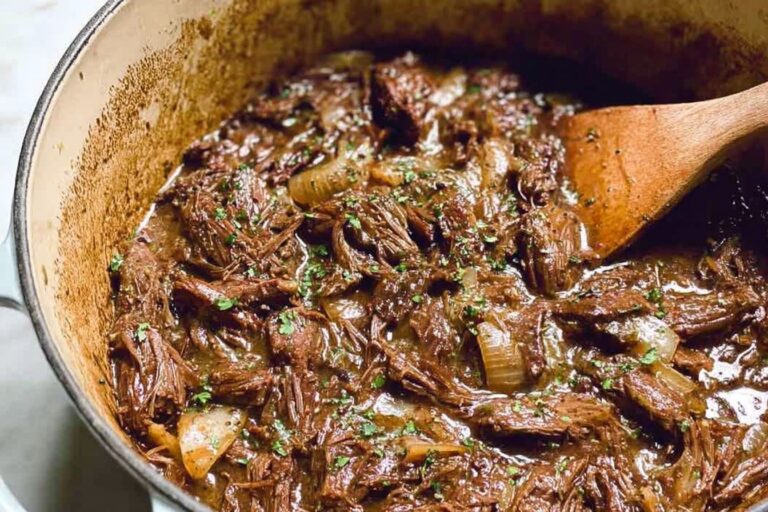
🥘🔥 Dutch Oven Beef Stew – tender beef & veggies simmered low-slow in ultimate heat-retaining pot for richest flavors!
🏠 Shop picks guide home cooks to perfect one-pot wonders, hearty family meals with minimal cleanup.
- Total Time: 2 hours 30 minutes
- Yield: 6 servings
Ingredients
– 2 pounds beef stew meat – the main protein that becomes tender during the long simmer.
– 4 carrots, sliced – add natural sweetness, color, and texture.
– 3 potatoes, cubed – help make the stew filling and hearty.
– 1 onion, chopped – builds the base flavor as it cooks.
– 2 cloves garlic, minced – adds a strong savory note.
– 4 cups beef broth – forms the stew liquid and carries flavor through the pot.
– Salt, to taste – seasons the broth and beef.
– Pepper, to taste – adds mild heat and balance.
Instructions
1-First Step: Gather and prep the ingredients Start by measuring all ingredients before you turn on the heat. Slice the carrots, cube the potatoes, chop the onion, and mince the garlic. Pat the beef stew meat dry with paper towels so it browns better in the Dutch Oven.
2-Second Step: Heat the Dutch Oven Place the Dutch Oven on the stovetop over medium heat. A cast-iron Dutch Oven works well because it spreads heat evenly and keeps the temperature steady. Let the pot warm for a few minutes before adding the beef.
3-Third Step: Brown the beef Add the beef stew meat in a single layer. Let it brown on all sides before stirring too often. This step builds flavor in the bottom of the Dutch Oven and gives the stew a deeper taste. If your pot is small, brown the beef in batches so it sears instead of steaming.
4-Fourth Step: Add the vegetables and broth Once the beef is browned, add the onion, garlic, carrots, and potatoes. Pour in the 4 cups of beef broth and stir gently. Scrape the bottom of the Dutch Oven with a spoon to pull up the browned bits, which adds more flavor to the stew.
5-Fifth Step: Season and simmer Add salt and pepper to taste. Bring the liquid to a gentle simmer, then lower the heat so the stew cooks slowly. Cover the Dutch Oven with its lid and let it simmer for 2 hours. Check it once or twice during cooking and stir lightly so nothing sticks to the bottom.
6-Sixth Step: Check tenderness and adjust After 2 hours, test the beef with a fork. It should be tender and easy to break apart. The potatoes and carrots should be soft but not falling apart. If the stew needs more seasoning, add a little salt or pepper at this stage.
7-Final Step: Rest and serve Turn off the heat and let the stew rest for a few minutes before serving. This short rest helps the broth settle and improves the final texture. Ladle the beef stew into bowls and serve hot. The total time is about 2.5 hours, with 30 minutes of prep and 2 hours of cooking.
Last Step:
Please leave a rating and comment letting us know how you liked this recipe! This helps our business to thrive and continue providing free, high-quality recipes for you.Notes
🔥 Cast-iron Dutch oven distributes even heat, prevents scorching.
🥩 Brown meat well first – Maillard reaction builds deep flavor.
❄️ Refrigerate up to 4 days; reheat gently – tastes better day 2.
- Prep Time: 30 minutes
- Cook Time: 2 hours
- Category: Main Course
- Method: Stovetop
- Cuisine: American
Nutrition
- Serving Size: 1.5 cups
- Calories: 350 kcal
- Sugar: 5g
- Sodium: 800mg
- Fat: 20g
- Saturated Fat: 8g
- Unsaturated Fat: 12g
- Trans Fat: 0g
- Carbohydrates: 30g
- Fiber: 5g
- Protein: 25g
- Cholesterol: 80mg