
Why You’ll Love This Gochujang Chicken
This gochujang chicken recipe is a game-changer for anyone craving a quick, flavorful meal that packs a punch without overwhelming your schedule. Imagine tender, juicy chicken coated in a sticky, spicy glaze that balances sweet and savory notes in every bite it’s the kind of dish that’ll make your taste buds dance! With its simple steps and everyday ingredients, it’s perfect for busy parents juggling family dinners or students looking to whip up something exciting in their dorm kitchen.
What really sets this gochujang chicken apart is how easy it is to prepare, taking just about 30 minutes from start to finish, so you can enjoy a homemade feast even on the most hectic days. You’ll appreciate the health perks too, like the protein boost from the chicken that helps keep you full and energized, while the veggies you pair it with add vitamins for a well-rounded meal. Whether you’re a food enthusiast experimenting with global flavors or a diet-conscious individual tweaking it to fit your needs, this recipe’s versatility makes it a go-to option for all sorts of lifestyles.
Key Benefits and Adaptations
Let’s talk about why this recipe shines for different audiences. For busy professionals, the minimal prep and cook time mean you can have a nutritious dinner ready faster than ordering takeout. Home cooks will love how it introduces that irresistible Korean-inspired twist, blending spices and sweetness in a way that’s both bold and approachable. Plus, it’s adaptable for everyone from newlyweds hosting intimate meals to seniors seeking lighter options without sacrificing flavor.
One of the best parts is how it fits into various diets, like gluten-free by swapping soy sauce, or low-calorie versions with leaner cuts. You’ll find yourself making it again and again because it’s not just tasty it’s a smart choice for your health and wallet. And if you’re a party host, serve it up with rice and veggies for a crowd-pleaser that elevates any gathering!
To expand on its appeal, this gochujang chicken promotes wellness with its protein-rich profile, which can support muscle health and keep you satisfied longer. Food enthusiasts might enjoy how it encourages playing with flavors, like adding fresh herbs for a personal touch. For travelers inspired by global cuisine, it’s an easy way to bring Korean vibes home, making every meal feel like an adventure.
Jump to:
- Why You’ll Love This Gochujang Chicken
- Key Benefits and Adaptations
- Essential Ingredients for Gochujang Chicken
- Why These Ingredients Matter
- How to Prepare the Perfect Gochujang Chicken: Step-by-Step Guide
- Dietary Substitutions to Customize Your Gochujang Chicken
- Mastering Gochujang Chicken: Advanced Tips and Variations
- How to Store Gochujang Chicken: Best Practices
- FAQs: Frequently Asked Questions About Gochujang Chicken
- What does gochujang taste like in gochujang chicken?
- How is gochujang chicken typically prepared?
- Is gochujang chicken very spicy to eat?
- What ingredients in gochujang contribute to its unique flavor?
- Can I add gochujang chicken to a healthy meal plan?
- Gochujang Chicken
- Ingredients
- Instructions
- Last Step:
- Notes
- Nutrition
- Did you make this recipe?
Essential Ingredients for Gochujang Chicken
Gochujang chicken starts with a handful of key ingredients that create its magical, sticky glaze and tender texture. This section breaks down everything you need, pulling from a reliable recipe to ensure you’re set for success. Let’s dive into the exact list so you can shop smart and get cooking without any guesswork.
- 1 ¼ pound boneless, skinless chicken (breasts, thighs, tenders, etc.)
- ¼ teaspoon baking soda
- 1 teaspoon granulated sugar
- ½ teaspoon white pepper
- 2 teaspoons toasted sesame oil
- 3 tablespoons low sodium soy sauce, divided
- 3 tablespoons cornstarch
- 3 tablespoons avocado oil
- ¼ cup honey
- 2 tablespoons gochujang paste (or more to taste)
- 1 tablespoon rice vinegar
- 5 cloves garlic, minced
- Green onions and toasted sesame seeds for topping (optional)
These ingredients work together to deliver that perfect balance of spice, sweetness, and savoriness. For special dietary tweaks, you can substitute chicken with firm tofu for vegan options or use tamari instead of soy sauce to keep it gluten-free. Remember, precise measurements are key to nailing the flavor, so measure carefully for the best results.
Why These Ingredients Matter
Each item plays a specific role, like baking soda for tenderizing the chicken or gochujang for that signature kick. If you’re watching calories, opt for low-sodium swaps and pair with veggies to lighten it up. For more on how ingredients like gochujang boost your health, check out this resource on health benefits of gochujang.
How to Prepare the Perfect Gochujang Chicken: Step-by-Step Guide
Getting gochujang chicken just right is all about following simple, straightforward steps that anyone can master, even if you’re new to cooking. Start by prepping your ingredients to make the process smooth and fun this is where the magic begins! You’ll cut the chicken into bite-sized pieces and mix up a quick marinade that infuses flavor deep into every piece.
Once marinated, coat the chicken and fry it to golden perfection, then toss it in a bubbly sauce for that irresistible stickiness. The whole thing comes together in about 30 minutes, making it ideal for weeknight dinners. Let’s walk through it so you can enjoy a restaurant-quality meal at home!
- Cut 1 ¼ pound boneless, skinless chicken into ¾ inch pieces. In a bowl, combine water, ¼ teaspoon baking soda, kosher salt, 1 teaspoon granulated sugar, ½ teaspoon white pepper, 2 teaspoons toasted sesame oil, and 1 tablespoon low sodium soy sauce. Stir until the baking soda dissolves, add the chicken, stir, and let it sit for 10 minutes.
- Add 3 tablespoons cornstarch to the chicken and toss to coat evenly.
- In a separate bowl, whisk together 2 tablespoons low sodium soy sauce, ¼ cup honey, 2 tablespoons gochujang paste, and 1 tablespoon rice vinegar to make the sauce.
- Heat 2 tablespoons avocado oil in a skillet over medium-high heat. Fry half the chicken without moving for 2-3 minutes, then flip and cook another 2-4 minutes until golden and cooked through. Remove to a plate and cook the remaining chicken with added oil as needed.
- Reduce skillet heat to medium-low and let cool for 2 minutes. Add a small amount of oil, sauté 5 cloves minced garlic until fragrant. Increase heat to high, pour in the sauce, let it bubble, return chicken to skillet, and toss to coat in sauce. Remove from heat.
- Top with green onions and toasted sesame seeds. Serve over fluffy rice with steamed vegetables.
This method ensures juicy, crispy results every time, and you can adapt it for an air fryer if you prefer. For more dessert ideas to complement your meal, try this chocolate lava cakes recipe for a sweet finish.

Dietary Substitutions to Customize Your Gochujang Chicken
One of the beauties of gochujang chicken is how flexible it is to fit your dietary needs, whether you’re going vegan or cutting calories. You can swap out ingredients without losing that amazing flavor, making it a hit for busy parents or health-focused folks. Let’s explore some easy changes to make this recipe your own!
For instance, if you’re aiming for a plant-based version, replace the chicken with firm tofu to keep things tender and tasty. Baking enthusiasts might enjoy pairing it with sides like banana bread coffee cake recipe for a balanced meal. Always adjust quantities to maintain the dish’s harmony.
- Replace chicken with firm tofu or tempeh for a vegan option.
- Use skinless chicken breast as a leaner alternative for low-calorie diets.
- Substitute soy sauce with gluten-free tamari or coconut aminos.
- Swap honey with a sugar alternative like stevia to reduce calories.
- Add seasonal veggies such as bell peppers or broccoli for extra nutrition.
Mastering Gochujang Chicken: Advanced Tips and Variations
Once you’re comfortable with the basics, take your gochujang chicken to the next level with these pro tips that add flair and fun. Marinating overnight can make the chicken extra tender, while experimenting with add-ins like sesame seeds brings new depths of flavor. It’s all about building on what you know to create something truly exciting!
For variations, try grilling instead of pan-frying for a smoky twist, or mix in grated ginger for an extra zing. These tricks are great for food enthusiasts who love to innovate. Plus, baking soda helps tenderize by raising the pH, ensuring moisture and crispiness just like in the recipe’s tips.
| Tip Category | Description |
|---|---|
| Texture Enhancement | Marinate overnight and sear on high heat for a crispy exterior. |
| Flavor Boost | Add toasted sesame seeds or cilantro for unique twists. |
| Presentation | Garnish with cucumber slices for visual appeal. |
How to Store Gochujang Chicken: Best Practices
Keeping your gochujang chicken fresh is key to enjoying leftovers without any letdowns, and it’s simpler than you might think. Store it properly to maintain that delicious texture and flavor for your next meal. Whether you’re meal prepping or saving for later, these steps will help you out.
Refrigerate leftovers in an airtight container for up to 3 days, or freeze for up to 2 months to extend its shelf life. Always reheat gently to keep it moist, and consider portioning for easy grab-and-go options during busy weeks.
FAQs: Frequently Asked Questions About Gochujang Chicken
What does gochujang taste like in gochujang chicken?
Gochujang chicken features a rich and balanced flavor profile. The gochujang paste adds a combination of spicy, sweet, and umami notes with a mild earthiness. While it carries a gentle heat, it is not overwhelmingly spicy, making the dish flavorful and approachable for most palates. The slight sweetness and deep fermented soybean flavor complement the savory chicken perfectly.
How is gochujang chicken typically prepared?
Gochujang chicken is usually made by marinating chicken pieces in a sauce combining gochujang paste, soy sauce, garlic, sugar or honey, and sometimes rice vinegar or sesame oil. After marinating, the chicken can be grilled, baked, or pan-fried until cooked through and caramelized. This method helps the sauce coat the chicken with a sticky, flavorful glaze.
Is gochujang chicken very spicy to eat?
Gochujang chicken has a moderate level of spiciness. The heat comes from Korean red chili paste but is often balanced by ingredients like sugar or honey. Unless the recipe adds extra chili peppers, the spice is usually mild to medium and well-suited for those who enjoy a little kick without overwhelming heat.
What ingredients in gochujang contribute to its unique flavor?
Gochujang is made from fermented glutinous rice, red chili powder, fermented soybeans, and salt. The fermentation process produces a savory depth with a hint of sweetness and umami, while the chili powder adds vibrant red color and mild heat. These ingredients combine to give gochujang its complex taste that enhances dishes like gochujang chicken.
Can I add gochujang chicken to a healthy meal plan?
Yes, gochujang chicken can fit into a healthy diet when prepared mindfully. Using lean chicken cuts like breast meat, limiting added sugars, and pairing the dish with vegetables or whole grains increases its nutritional value. The paste itself is low in calories but rich in flavor, so a small amount goes a long way in seasoning without excessive fat or sodium.
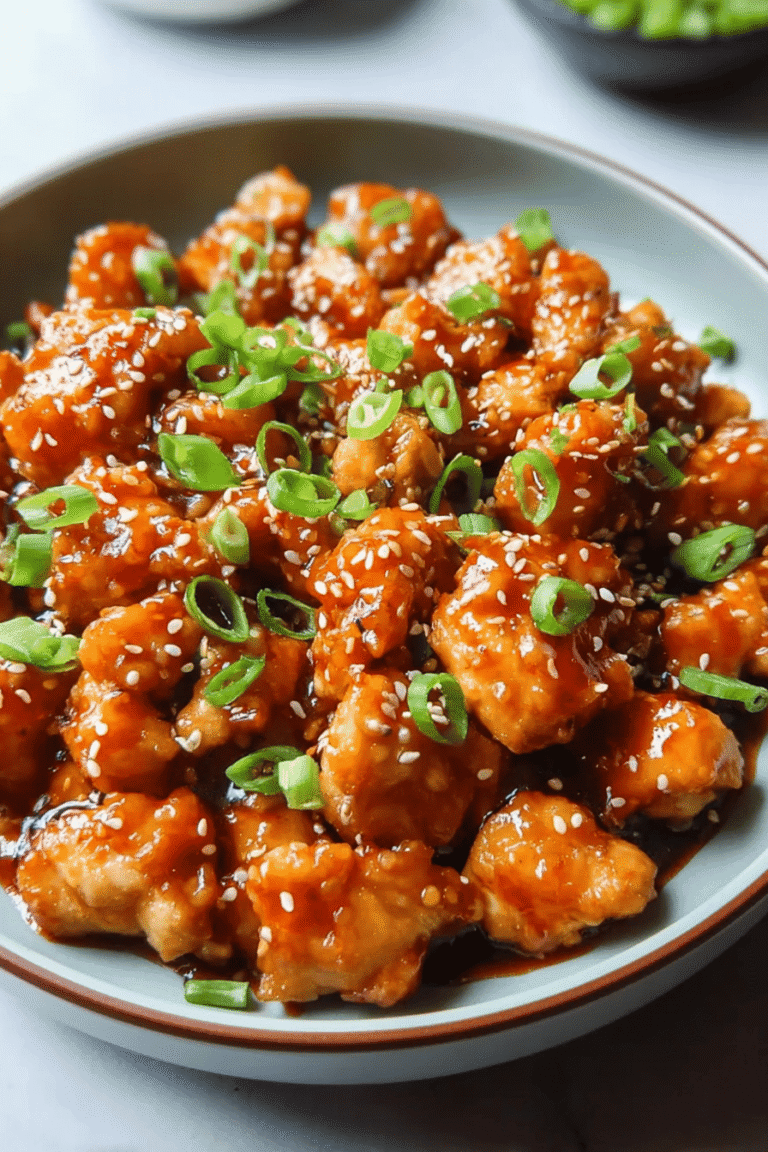
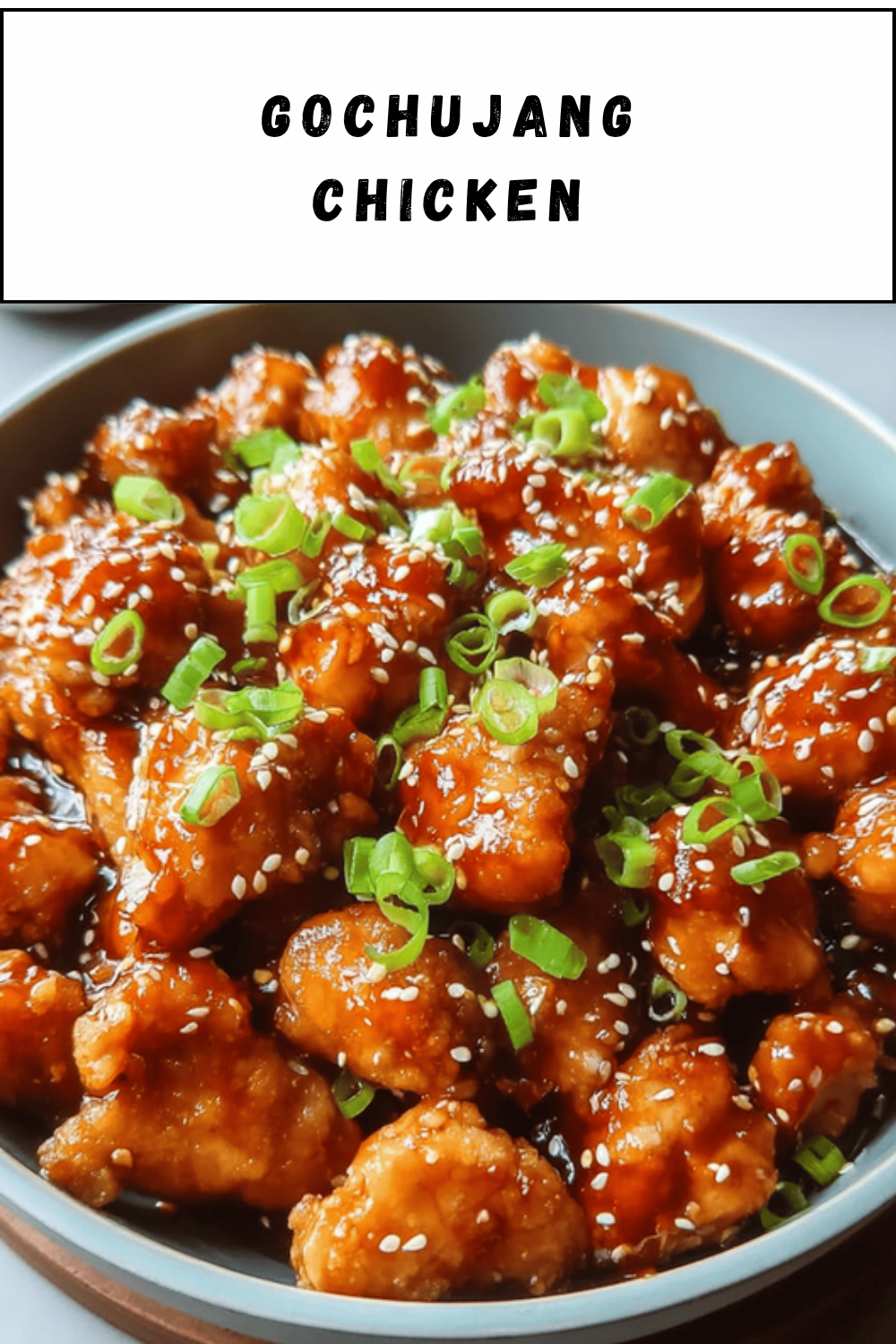
Gochujang Chicken
🌶️ Savor the bold and spicy flavors of sticky garlic gochujang chicken that delivers a perfect balance of heat and sweetness.
🍗 This recipe features tender, crispy chicken coated in a rich Korean-inspired sauce, making it a delicious and satisfying meal option.
- Total Time: 30 minutes
- Yield: 5 servings 1x
Ingredients
1 ¼ pound boneless, skinless chicken (breasts, thighs, tenders, etc.)
¼ teaspoon baking soda
1 teaspoon granulated sugar
½ teaspoon white pepper
2 teaspoons toasted sesame oil
3 tablespoons low sodium soy sauce, divided
3 tablespoons cornstarch
3 tablespoons avocado oil
¼ cup honey
2 tablespoons gochujang paste (or more to taste)
1 tablespoon rice vinegar
5 cloves garlic, minced
Green onions and toasted sesame seeds for topping (optional)
Instructions
1-Cut 1 ¼ pound boneless, skinless chicken into ¾ inch pieces. In a bowl, combine water, ¼ teaspoon baking soda, kosher salt, 1 teaspoon granulated sugar, ½ teaspoon white pepper, 2 teaspoons toasted sesame oil, and 1 tablespoon low sodium soy sauce. Stir until the baking soda dissolves, add the chicken, stir, and let it sit for 10 minutes.
2-Add 3 tablespoons cornstarch to the chicken and toss to coat evenly.
3-In a separate bowl, whisk together 2 tablespoons low sodium soy sauce, ¼ cup honey, 2 tablespoons gochujang paste, and 1 tablespoon rice vinegar to make the sauce.
4-Heat 2 tablespoons avocado oil in a skillet over medium-high heat. Fry half the chicken without moving for 2-3 minutes, then flip and cook another 2-4 minutes until golden and cooked through. Remove to a plate and cook the remaining chicken with added oil as needed.
5-Reduce skillet heat to medium-low and let cool for 2 minutes. Add a small amount of oil, sauté 5 cloves minced garlic until fragrant. Increase heat to high, pour in the sauce, let it bubble, return chicken to skillet, and toss to coat in sauce. Remove from heat.
6-Top with green onions and toasted sesame seeds. Serve over fluffy rice with steamed vegetables.
Last Step:
Please leave a rating and comment letting us know how you liked this recipe! This helps our business to thrive and continue providing free, high-quality recipes for you.Notes
🧂 Baking soda tenderizes chicken by raising pH, ensuring moisture and tenderness.
🌾 Tossing chicken in cornstarch before frying seals moisture and creates crispiness.
🌶️ Adjust gochujang and honey amounts to find your preferred balance of spicy and sweet.
- Prep Time: 10 minutes
- Marinating and resting time: 10 minutes
- Cook Time: 10 minutes
- Category: Main Dish
- Method: Frying and sautéing
- Cuisine: Korean
- Diet: Gluten-Free option
Nutrition
- Serving Size: 1 serving
- Calories: 443 kcal
- Sugar: 15 g
- Sodium: 800 mg
- Fat: 21 g
- Saturated Fat: 3 g
- Unsaturated Fat: 15 g
- Trans Fat: 0 g
- Carbohydrates: 28 g
- Fiber: 2 g
- Protein: 35 g
- Cholesterol: 85 mg