

Why You’ll Love This Greek Moussaka
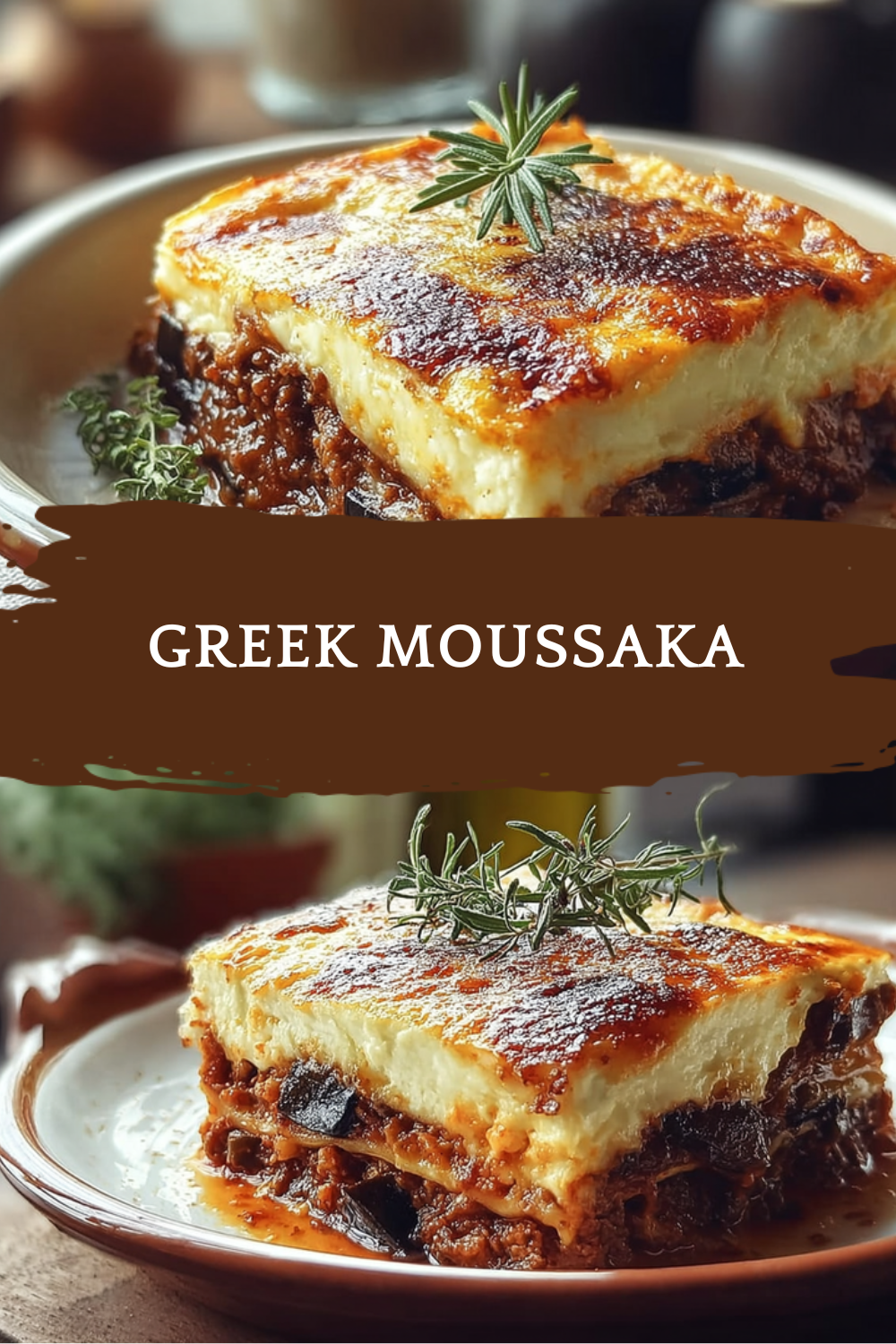
Picture this: a warm, layered delight that brings the heart of Greek kitchens right to your table. Greek Moussaka is all about that comforting mix of eggplant, savory meat, and creamy sauce, making it a go-to for anyone craving a hearty meal without the fuss. You’ll find it’s simple enough for a weeknight dinner yet special enough to impress guests, blending ease with tons of flavor in every bite.
One big plus is how straightforward it is to whip up. This Greek Moussaka recipe cuts down on time while keeping things authentic, so even if you’re juggling a busy day, you can still serve up something amazing. Plus, it’s packed with veggies like eggplant and tomatoes, giving you a boost of nutrients that make you feel good about what you’re eating.
What really sets it apart is how versatile it can be. Whether you’re cooking for family or tweaking it for your diet, this dish adapts like a pro. Let’s dive into why so many folks keep coming back for more of this classic Greek favorite.
Ease of Preparation
This recipe is simple and quick, perfect for beginners or anyone short on time. Follow the steps and you’ll have a Mediterranean masterpiece without spending all day in the kitchen. I remember my first try it turned out great, and I bet yours will too (with maybe a little kitchen mess for good measure!).
Health Benefits
Loaded with eggplant and tomatoes, Greek Moussaka offers a healthy dose of fiber, vitamins, and antioxidants. It’s a smart choice for staying on track with your wellness goals while enjoying delicious food. Think of it as a tasty way to sneak in those extra veggies that keep you energized.
Versatility
You can easily swap ingredients to fit different diets, like going vegan or gluten-free. That means everyone at your table can enjoy it, no matter their preferences. It’s like having a recipe that grows with you, always ready for a fun twist.
Jump to:
- Why You’ll Love This Greek Moussaka
- Ease of Preparation
- Health Benefits
- Versatility
- Essential Ingredients for Greek Moussaka
- Special Dietary Options
- How to Prepare the Perfect Greek Moussaka: Step-by-Step Guide
- Dietary Substitutions to Customize Your Greek Moussaka
- Mastering Greek Moussaka: Advanced Tips and Variations
- How to Store Greek Moussaka: Best Practices
- FAQs: Frequently Asked Questions About Greek Moussaka
- What type of meat is traditionally used in Greek moussaka?
- Can I use potatoes instead of eggplant in moussaka?
- Is it better to bake or fry eggplant for moussaka?
- Why do you need to salt eggplant before cooking moussaka?
- What spices are traditionally used in Greek moussaka meat sauce?
- Greek Moussaka
- Ingredients
- Instructions
- Last Step:
- Notes
- Nutrition
- Did you make this recipe?
Essential Ingredients for Greek Moussaka
Gathering the right ingredients is the fun part of making Greek Moussaka it’s like collecting pieces for a delicious puzzle. This dish relies on fresh, simple items that come together to create layers of flavor. I’ll break it down so you can shop smart and get started without any confusion.
- 1 kg eggplant, sliced 0.75 cm thick
- 1 tsp salt (for salting the eggplant)
- 2-3 tbsp olive oil (for baking the eggplant)
- 700 g ground beef or lamb
- 1 tbsp olive oil (for cooking the meat filling)
- 1 diced onion
- 3 minced garlic cloves
- ½ cup dry red wine (optional)
- 400 g crushed tomatoes
- 3 tbsp tomato paste
- 1 cup beef broth
- 1 beef bouillon cube or 1 tsp powder
- 2 bay leaves
- 1.5 tsp sugar
- 2 tsp dried oregano
- ½ tsp cinnamon
- ¾ tsp salt (for the meat sauce)
- 60 g butter (for béchamel sauce)
- 5 tbsp plain flour (for béchamel sauce)
- 2½ cups milk (for béchamel sauce)
- ¼ tsp freshly grated nutmeg (optional, for béchamel sauce)
- ½ cup grated parmesan or similar cheese (for béchamel sauce)
- 1¼ tsp stock powder or salt (for béchamel sauce)
- ¼ tsp pepper (for béchamel sauce)
- 1 whole egg (for béchamel sauce)
- 1 egg yolk (for béchamel sauce)
- ⅓ cup panko breadcrumbs (for topping)
This list covers everything you need for a full recipe that serves about six people. Each item plays a key role, from the eggplant that soaks up all the goodness to the spices that make the sauce sing. Don’t skip anything it’s all about that perfect balance (and hey, who knew measuring could be this exciting?).
Special Dietary Options
If you’re looking to tweak things, options abound. For a vegan version, swap the ground meat with lentils and use a plant-based milk in the béchamel. Gluten-free? Just grab gluten-free flour for the sauce. These swaps keep the dish light and adaptable for any crowd.
How to Prepare the Perfect Greek Moussaka: Step-by-Step Guide
Ready to roll up your sleeves? Making Greek Moussaka is like building a tasty tower layer by layer, it comes together beautifully. Start by prepping your eggplant, as it’s the star of the show. This guide walks you through each part, so you can enjoy the process and end up with a dish that’s pure comfort.
First, slice 1 kg of eggplant into 0.75 cm thick rounds and sprinkle with 1 tsp salt to draw out moisture. Let it sit for a bit, then pat dry. Bake the slices with 2-3 tbsp olive oil at 240°C (450°F) for 15-20 minutes until they’re tender and browned this step makes them just right for layering (trust me, it’s worth it!).
Next, cook the meat filling. Heat 1 tbsp olive oil in a pan, add 1 diced onion and 3 minced garlic cloves, and sauté until soft. Stir in 700 g ground beef or lamb and cook until browned, then add ½ cup dry red wine if you’re using it. For more flavor, simmer with 400 g crushed tomatoes, 3 tbsp tomato paste, 1 cup beef broth, 1 beef bouillon cube or 1 tsp powder, 2 bay leaves, 1.5 tsp sugar, 2 tsp dried oregano, ½ tsp cinnamon, and ¾ tsp salt until it thickens into a rich sauce.
Now for the béchamel sauce: Melt 60 g butter in a pot, stir in 5 tbsp plain flour, and gradually whisk in 2½ cups milk until it thickens. Season with ¼ tsp nutmeg (if you like), ½ cup grated parmesan, 1¼ tsp stock powder or salt, and ¼ tsp pepper. After it cools a little, whisk in 1 whole egg and 1 egg yolk for that creamy finish.
To assemble, lower your oven to 180°C (350°F). In a baking dish, layer half the eggplant slices, spread all the meat sauce on top, add the remaining eggplant, then pour over the béchamel and sprinkle with ⅓ cup panko breadcrumbs. Bake for 30-40 minutes until golden, and let it rest for 10 minutes before serving. This recipe yields about six servings, each with roughly 434 calories, 20 g carbohydrates, 32 g protein, 24 g fat, and 5 g fiber a balanced treat for sure. For more baking inspiration, check out our banana bread coffee cake recipe to pair with it.

Dietary Substitutions to Customize Your Greek Moussaka
Everyone’s got their own way of eating, and Greek Moussaka is flexible enough to handle it. Whether you’re cutting calories or going meat-free, a few swaps can make this dish fit your style. It’s all about keeping that classic taste while making it work for you.
For protein, try lentils or mushrooms instead of 700 g ground beef or lamb to go vegan. If you want it leaner, ground turkey can step in for a lighter option. On the veggie side, swap eggplant with zucchini or potatoes for a fresh twist, and use plant-based milk in the béchamel for dairy-free versions.
- Replace ground meat with lentils for a protein-packed vegan twist.
- Use gluten-free flour in the sauce to keep things inclusive.
- Opt for low-fat milk in béchamel to cut calories without losing creaminess.
These changes let you experiment while staying true to the recipe’s roots. Remember, a little adjustment can turn this Greek classic into your personal favorite (and who doesn’t love a customizable meal?).
Mastering Greek Moussaka: Advanced Tips and Variations
Once you’ve nailed the basics, it’s time to level up your Greek Moussaka game. Think of these tips as your secret ingredients for even better results. Salting the eggplant draws out bitterness and moisture, leading to a perfect texture, while simmering the sauce slowly builds deeper flavors.
For flavor boosts, toss in red wine or extra cinnamon to the meat mix it adds a cozy depth that’ll wow your taste buds. You could also blend in different cheeses like ricotta for a creamier béchamel. Presentation is key too; slice neatly and top with fresh herbs for that Instagram-worthy look.
| Tip Category | Description |
|---|---|
| Pro Techniques | Salt eggplant and drain it for better texture; simmer sauce low and slow. |
| Variations | Add wine for complexity or mix cheeses for richness. |
| Make-Ahead | Assemble ahead and refrigerate or freeze for easy meals. |
If you’re into more creative baking, try our strawberry crinkle cookies recipe for a sweet sidekick to your savory skills.
How to Store Greek Moussaka: Best Practices
Don’t let leftovers go to waste storing Greek Moussaka the right way keeps it tasty for later. Pop it in the fridge or freezer, and you’ll have a quick meal ready when life gets hectic. It’s all about keeping that fresh-from-the-oven vibe.
For short-term, keep it in an airtight container in the fridge for up to 3 days. Freezing works great too; wrap portions tightly and they’ll stay good for up to 3 months. When reheating, use the oven at 160°C to warm it through without messing up the layers.
FAQs: Frequently Asked Questions About Greek Moussaka
What type of meat is traditionally used in Greek moussaka?
Greek moussaka is traditionally made with ground lamb, which provides a rich, authentic flavor. However, ground beef is a popular substitute and works well if you prefer a milder taste or want a more affordable option. Both meats should be cooked with onions, garlic, and warm spices like cinnamon and allspice to capture the classic moussaka flavor profile.
Can I use potatoes instead of eggplant in moussaka?
Yes, potatoes can be used instead of eggplant and still create a delicious moussaka. While eggplant is the traditional vegetable layer, sliced and roasted potatoes offer a hearty alternative. Some recipes even combine both. Just be sure to cook the potatoes thoroughly before layering to achieve the right texture.
Is it better to bake or fry eggplant for moussaka?
Frying eggplant slices before layering in moussaka is traditional because it adds richness and a slightly crispy texture. However, baking or roasting the eggplant with a light brush of oil is a healthier method that still delivers great flavor. Baking reduces oil absorption, making the dish lighter without a noticeable difference in taste once the casserole is assembled and baked.
Why do you need to salt eggplant before cooking moussaka?
Salting eggplant helps draw out excess moisture, preventing a soggy moussaka. It also reduces any slight bitterness found in some eggplants, although modern varieties are less bitter. After salting, rinse and pat the slices dry before cooking to improve texture and flavor absorption.
What spices are traditionally used in Greek moussaka meat sauce?
Traditional moussaka meat sauce features warm spices like cinnamon and allspice, which give the dish its distinctive aromatic quality. Garlic, onion, and sometimes a hint of nutmeg are also common. These spices balance the richness of the meat and creamy béchamel sauce, making the dish flavorful and comforting.
Greek Moussaka
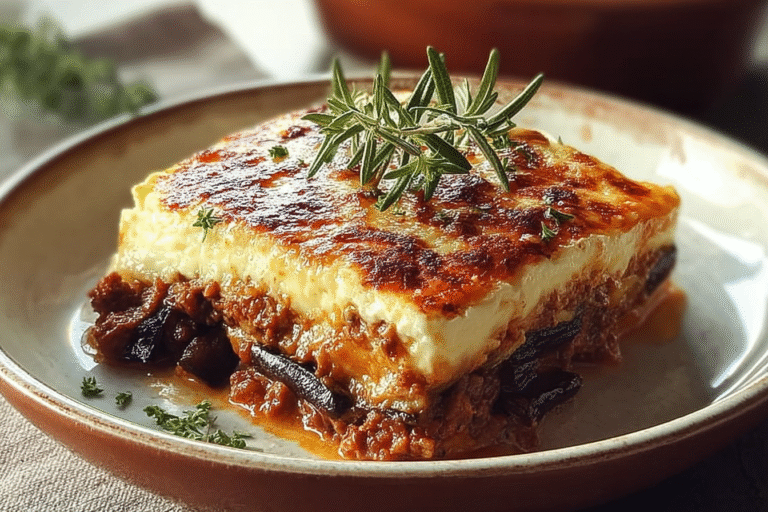
🍆 This classic Greek Moussaka delivers rich layers of tender eggplant, savory meat sauce, and creamy béchamel sauce for a satisfying meal.
🍽️ It’s a comforting casserole that balances hearty protein and vegetables, perfect for a flavorful family dinner or special occasion.
- Total Time: 2 hours
- Yield: 6 servings 1x
Ingredients
1 kg eggplant, sliced 0.75 cm thick
1 tsp salt for salting the eggplant
2–3 tbsp olive oil for baking the eggplant
700 g ground beef or lamb
1 tbsp olive oil for cooking the meat filling
1 diced onion
3 minced garlic cloves
½ cup dry red wine (optional)
400 g crushed tomatoes
3 tbsp tomato paste
1 cup beef broth
1 beef bouillon cube or 1 tsp powder
2 bay leaves
1.5 tsp sugar
2 tsp dried oregano
½ tsp cinnamon
¾ tsp salt for the meat sauce
60 g butter for béchamel sauce
5 tbsp plain flour for béchamel sauce
2½ cups milk for béchamel sauce
¼ tsp freshly grated nutmeg (optional, for béchamel sauce)
½ cup grated parmesan or similar cheese for béchamel sauce
1¼ tsp stock powder or salt for béchamel sauce
¼ tsp pepper for béchamel sauce
1 whole egg for béchamel sauce
1 egg yolk for béchamel sauce
⅓ cup panko breadcrumbs for topping
Instructions
1-First, slice 1 kg of eggplant into 0.75 cm thick rounds and sprinkle with 1 tsp salt to draw out moisture. Let it sit for a bit, then pat dry. Bake the slices with 2-3 tbsp olive oil at 240°C (450°F) for 15-20 minutes until they’re tender and browned this step makes them just right for layering (trust me, it’s worth it!).
2-Next, cook the meat filling. Heat 1 tbsp olive oil in a pan, add 1 diced onion and 3 minced garlic cloves, and sauté until soft. Stir in 700 g ground beef or lamb and cook until browned, then add ½ cup dry red wine if you’re using it. For more flavor, simmer with 400 g crushed tomatoes, 3 tbsp tomato paste, 1 cup beef broth, 1 beef bouillon cube or 1 tsp powder, 2 bay leaves, 1.5 tsp sugar, 2 tsp dried oregano, ½ tsp cinnamon, and ¾ tsp salt until it thickens into a rich sauce.
3-Now for the béchamel sauce: Melt 60 g butter in a pot, stir in 5 tbsp plain flour, and gradually whisk in 2½ cups milk until it thickens. Season with ¼ tsp nutmeg (if you like), ½ cup grated parmesan, 1¼ tsp stock powder or salt, and ¼ tsp pepper. After it cools a little, whisk in 1 whole egg and 1 egg yolk for that creamy finish.
4-To assemble, lower your oven to 180°C (350°F). In a baking dish, layer half the eggplant slices, spread all the meat sauce on top, add the remaining eggplant, then pour over the béchamel and sprinkle with ⅓ cup panko breadcrumbs. Bake for 30-40 minutes until golden, and let it rest for 10 minutes before serving. This recipe yields about six servings, each with roughly 434 calories, 20 g carbohydrates, 32 g protein, 24 g fat, and 5 g fiber a balanced treat for sure.
Last Step:
Please leave a rating and comment letting us know how you liked this recipe! This helps our business to thrive and continue providing free, high-quality recipes for you.Notes
🍆 Salting the eggplant removes bitterness and prevents excess moisture.
🔥 Use a mix of ground beef and lamb for richer flavor if preferred.
🧀 Grate fresh Parmesan for topping and béchamel to enhance the dish’s creaminess.
- Prep Time: 45 minutes (including eggplant salting time)
- Cook Time: 1 hour 15 minutes
- Category: Main Course
- Method: Baking, Sautéing, Simmering
- Cuisine: Greek
- Diet: Standard
Nutrition
- Serving Size: 1 serving
- Calories: 434
- Sugar: 7 g
- Sodium: 700 mg
- Fat: 24 g
- Saturated Fat: 12 g
- Unsaturated Fat: 8 g
- Trans Fat: 0 g
- Carbohydrates: 20 g
- Fiber: 5 g
- Protein: 32 g
- Cholesterol: 130 mg