
Why You’ll Love This Healthy Breakfast Casserole
When it comes to starting your day with a nutritious meal, nothing compares to a hearty breakfast casserole that’s both delicious and wholesome. This healthy breakfast casserole brings together the perfect balance of protein, vegetables, and flavor to energize your morning routine without spending hours in the kitchen.
What makes this recipe special is its straightforward preparation. Even if you’re not confident in the kitchen, you’ll find these steps simple to follow. With just 15 minutes of prep time and about an hour of cooking, you can create a satisfying meal that serves up to 12 people, making it ideal for family gatherings or meal prepping for the week ahead.
Beyond convenience, this breakfast casserole packs a nutritional punch. The combination of eggs provides high-quality protein that helps keep you full and focused throughout the morning. Meanwhile, the colorful vegetables add essential vitamins, minerals, and fiber to support overall wellness. The potatoes offer comfort and substance, while the cheese brings calcium and a satisfying savory element to complete the dish.
The versatility of this recipe means it can easily adapt to your dietary preferences or whatever ingredients you have on hand. Whether you’re cooking for picky eaters, following specific dietary guidelines, or simply looking to use up vegetables in your fridge, this healthy breakfast casserole provides a flexible foundation to build upon.
The distinct flavor profile sets this breakfast casserole apart from others. The roasted potatoes develop a crispy exterior and tender interior, while the sautéed vegetables add freshness and depth. The eggs create a creamy custard that binds everything together, and the cheese adds the perfect finishing touch with its rich, satisfying taste. Each forkful delivers a delightful combination of textures and flavors that will make this recipe a regular in your meal rotation.
Jump to:
- Why You’ll Love This Healthy Breakfast Casserole
- Essential Ingredients for Healthy Breakfast Casserole
- How to Prepare the Perfect Healthy Breakfast Casserole: Step-by-Step Guide
- Preparing the Potatoes
- Preparing the Egg Mixture and Vegetables
- Assembling and Baking the Casserole
- Nutritional Information and Serving Suggestions
- Dietary Substitutions to Customize Your Healthy Breakfast Casserole
- Protein and Main Component Alternatives
- Vegetable, Sauce, and Seasoning Modifications
- Mastering Healthy Breakfast Casserole: Advanced Tips and Variations
- Professional Cooking Techniques
- Flavor Profile Variations
- Presentation and Serving Suggestions
- Time-Saving Make-Ahead Options
- How to Store Healthy Breakfast Casserole: Best Practices
- Refrigeration Guidelines
- Freezing Methods
- Reheating Instructions
- Meal Prep Strategies
- FAQs: Frequently Asked Questions About Healthy Breakfast Casserole
- What ingredients do I need to make a healthy breakfast casserole?
- Can I customize the vegetables and cheese in a breakfast casserole?
- How do I prepare and store a breakfast casserole in advance?
- What is the best way to roast potatoes for a breakfast casserole?
- How long should I bake the assembled breakfast casserole, and what should I serve with it?
- Healthy Breakfast Casserole
- Ingredients
- Instructions
- Last Step:
- Notes
- Nutrition
- Did you make this recipe?
Essential Ingredients for Healthy Breakfast Casserole
The success of this healthy breakfast casserole starts with selecting quality ingredients that work in harmony. Below you’ll find a complete list of what you’ll need, with precise measurements to ensure perfect results every time:
- 3 Yukon Gold potatoes (about 1 pound), chopped into ¼-inch pieces
- 1 tablespoon olive oil
- 1 ½ teaspoons salt (divided)
- Black pepper (to taste)
- 12 large eggs
- 1 cup milk (any unsweetened kind)
- 2 tablespoons olive oil (plus more for greasing baking dish)
- ½ medium yellow onion, chopped
- 2 cloves garlic, minced
- 1 red bell pepper, chopped
- 1 green bell pepper, chopped
- 1 cup fresh spinach, roughly chopped
- 4 green onions, chopped (divided)
- 1 ½ cups shredded cheddar cheese
Each ingredient plays a specific role in creating the perfect texture and flavor balance. The Yukon Gold potatoes are ideal for their creamy texture that complements the eggs while maintaining their structure during roasting. If you don’t have Yukon Golds on hand, russets can work as a substitute, though they may yield a slightly different texture.
The combination of vegetables not only adds vibrant color but also layers of flavor and essential nutrients. Red and green bell peppers provide sweetness and crunch, while the spinach adds iron and a delicate earthy note. The onions and garlic create an aromatic foundation that brings all the flavors together.
When it comes to cheese, cheddar offers a classic sharp flavor that pairs beautifully with the eggs and vegetables. However, feel free to experiment with other varieties like pepper jack for a spicy kick or a blend of cheeses for more complexity.
| Ingredient Category | Purpose in Recipe | Substitution Options |
|---|---|---|
| Potatoes | Base ingredient providing substance and texture | Russet potatoes, sweet potatoes |
| Eggs & Milk | Creates custard base binding all ingredients | Egg beaters, almond/soy milk for dairy-free |
| Vegetables | Adds flavor, color, and nutritional value | Broccoli, mushrooms, zucchini, asparagus |
| Cheese | Provides richness, flavor, and protein | Pepper jack, mozzarella, cheese blend |
For those with specific dietary needs, this recipe can easily be adapted. Gluten-free eaters will find this recipe naturally gluten-free as written, though you should verify that any pre-shredded cheese doesn’t contain anti-caking agents with gluten. For a lower-calorie version, consider using egg whites instead of whole eggs and reducing the amount of cheese while still maintaining flavor.
How to Prepare the Perfect Healthy Breakfast Casserole: Step-by-Step Guide
Creating this delicious healthy breakfast casserole is simpler than you might think. Just follow these straightforward steps to achieve a perfect result every time. The recipe flows from preparing the potatoes to assembling the final dish, with each step building on the last to create layers of flavor.
Preparing the Potatoes
Start by preheating your oven to 425°F and lining a baking sheet with parchment paper. This prevents the potatoes from sticking and makes cleanup easier. While the oven heats, chop your Yukon Gold potatoes into uniform ¼-inch pieces. This small size is important because it allows the potatoes to become tender and develop crispy edges without requiring excessive roasting time.
In a mixing bowl, toss the chopped potatoes with 1 tablespoon of olive oil, ½ teaspoon of the salt, and black pepper to your taste. The oil helps the potatoes become golden and crispy, while the seasoning enhances their natural flavor. Spread the seasoned potatoes evenly in a single layer on the prepared baking sheet, ensuring they aren’t overcrowded, which would cause them to steam rather than roast.
Place the baking sheet in the preheated oven and roast for 20-25 minutes, or until the potatoes are tender inside and nicely browned on the outside. You’ll know they’re ready when you can easily pierce them with a fork and they have developed a slight crispness around the edges.
Preparing the Egg Mixture and Vegetables
While the potatoes are roasting, reduce your oven temperature to 350°F in preparation for baking the assembled casserole. Grease a 9×13-inch baking dish with a little olive oil or cooking spray to prevent sticking.
In a large mixing bowl, whisk together 12 large eggs, 1 cup of milk (any unsweetened variety works fine), and ¼ teaspoon of the salt. Whisk until the mixture is well combined and slightly frothy, which helps create a lighter texture in the finished casserole. Set this egg mixture aside while you prepare the vegetables.
Heat 2 tablespoons of olive oil in a large skillet over medium heat. Add the chopped yellow onion along with the remaining 1 teaspoon of salt and black pepper to taste. Sauté for 5-8 minutes, stirring occasionally, until the onions have softened and become translucent.
Add the minced garlic, chopped red bell pepper, and chopped green bell pepper to the skillet. Continue cooking for another 2 minutes, allowing the peppers to soften slightly but still retain some crispness. The garlic will become fragrant, which signals it’s time to move to the next step.
Finally, stir in the fresh spinach and half of the chopped green onions. Continue cooking for just 1-2 minutes, until the spinach wilts. Remove the skillet from heat, as the vegetables are now ready to be assembled with the other ingredients.
Assembling and Baking the Casserole
Once your potatoes are roasted and your vegetables are sautéed, it’s time to assemble the casserole. Start by spreading the roasted potatoes evenly across the bottom of the greased baking dish. This creates a sturdy, flavorful base for the other ingredients.
Sprinkle 1 cup of the shredded cheddar cheese over the potatoes. The cheese between the potato layer and vegetables helps bind everything together and adds delicious pockets of melted cheese throughout the casserole.
Evenly distribute the sautéed vegetable mixture over the cheese-topped potatoes. Use a spatula to spread the vegetables in an even layer, ensuring that all parts of the dish will have a balanced mixture of ingredients.
Gently pour the egg mixture over the vegetables and potatoes. The egg mixture will seep down through the layers, which is exactly what you want. Take a moment to ensure the egg mixture distributes evenly across the dish.
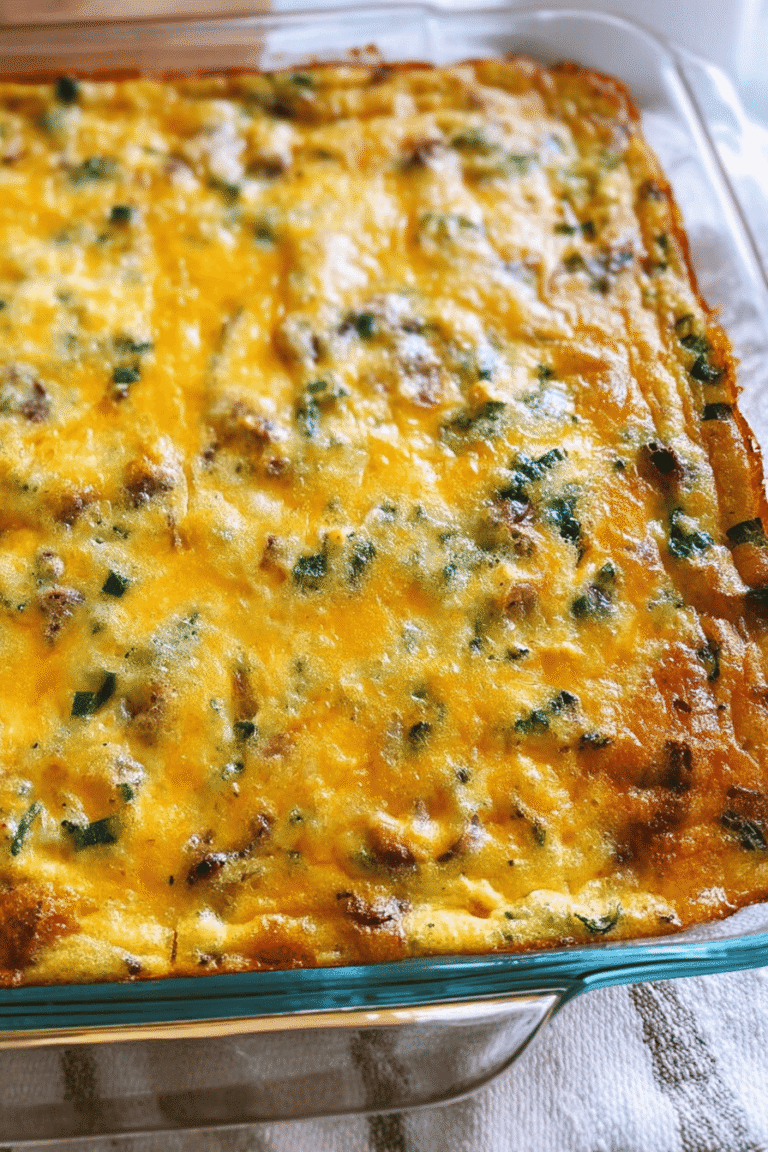
To finish assembling, sprinkle the remaining ½ cup of shredded cheddar cheese and the reserved green onions over the top of the casserole. The top layer of cheese will become beautifully golden and bubbly as it bakes, while the green onions add a fresh finish and pop of color.
Place the baking dish in the preheated 350°F oven and bake for 40-45 minutes. The casserole is done when the eggs are completely set in the center. You can test this by inserting a knife into the middle of the casserole if it comes out clean, the eggs are set. If there’s wet egg mixture on the knife, continue baking for a few more minutes and test again.
Pro tip: If the top of your casserole is browning too quickly before the eggs are fully set, you can loosely cover it with aluminum foil for the remainder of the baking time. This prevents excessive browning while allowing the eggs to cook through properly.
Once the casserole is done baking, remove it from the oven and let it rest for 5 minutes before slicing and serving. This resting period allows the eggs to set fully and makes the casserole easier to cut into clean portions. For a beautiful presentation, garnish with additional fresh green onions or herbs before serving.
Nutritional Information and Serving Suggestions
This healthy breakfast casserole provides a balanced meal that delivers protein, fiber, vitamins, and minerals to fuel your day. One serving of this casserole offers a satisfying combination of macronutrients that will keep you full and energized until your next meal.
The recipe serves 12 people, making it perfect for family breakfasts, brunch gatherings, or weekly meal prep. The active preparation time is just 15 minutes, with a total time of 1 hour 15 minutes including both prep and cooking. This efficient timeline means you can have a hearty, homemade breakfast on the table without an excessive time commitment.
While specific nutritional details weren’t provided in the original recipe, we can analyze the key components to understand the nutritional profile. The eggs provide high-quality protein and essential nutrients like choline, which supports brain health. The potatoes offer complex carbohydrates, potassium, and vitamin C, while the vegetables contribute fiber, vitamins A and C, and various phytonutrients that support overall health.
This breakfast casserole works well as a standalone meal but can also be part of a larger brunch spread. Consider serving it with some of these complementary sides to create a more complete meal:
- Fresh fruit salad or tropical fruit platters
- Whole grain toast or artisan bread with butter
- Yogurt parfait with granola and berries
- Simple green salad with light vinaigrette
- Breakfast meats like turkey bacon or chicken sausage for meat-eaters
The versatility of this dish extends to when you can enjoy it. While it makes a perfect Sunday brunch centerpiece, it’s also ideal for:
- Holiday mornings when you want something special but easy
- Christmas breakfast before present opening
- Meal prep for busy weekday mornings
- Potluck brunches or gatherings with friends
- Lazy weekend breakfasts when you have a little extra time
For those watching portion sizes or caloric intake, you can adjust the serving size to meet your needs. A serving size of approximately 3×3 inches provides a substantial portion that can be paired with fruit for a complete meal, while smaller portions work well as part of a larger buffet-style breakfast.

Dietary Substitutions to Customize Your Healthy Breakfast Casserole
One of the beautiful aspects of this healthy breakfast casserole recipe is how easily it adapts to different dietary preferences and needs. Whether you’re following a specific eating plan or simply working with ingredients you have on hand, these substitutions will help you customize the dish while maintaining its delicious flavor and satisfying texture.
Protein and Main Component Alternatives
The eggs in this recipe create the custard base and provide significant protein, but there are several alternatives for those who can’t or prefer not to eat eggs:
- Chickpea flour batter: Mix 1 cup of chickpea flour with 1 cup of water and 2 tablespoons of oil until smooth. This creates a similar binding effect to eggs and works particularly well with the vegetables in this recipe.
- Tofu scramble: Crumble 14-16 ounces of firm tofu and sauté with the vegetables. Add turmeric for a yellow color similar to eggs and nutritional yeast for a cheesy flavor.
- Egg substitute products: Commercial egg replacers work well in this recipe, especially when combined with a little extra cornstarch or arrowroot powder to help with setting.
For the potato base, you have several options if you want to change things up:
- Sweet potatoes: Replace Yukon Gold potatoes with diced sweet potatoes for a slightly sweeter profile and added nutrients. Note that they may cook a bit faster, so check them a few minutes earlier.
- Cauliflower: For a lower-carb option, use riced cauliflower or small cauliflower florets in place of potatoes. Roast them similarly to the potatoes, though they may need slightly less time.
- Butternut squash: Diced butternut squash offers a sweet and nutty flavor profile that pairs beautifully with eggs and cheese. Use the same amount as the potatoes in the recipe.
Vegetable, Sauce, and Seasoning Modifications
The vegetable combination in this recipe provides color, texture, and nutrition, but feel free to customize based on seasonal availability, personal preferences, or what’s in your refrigerator:
- Spinach alternatives: Swap spinach for kale, Swiss chard, or arugula. These greens vary in flavor intensity, with arugula being peppery, kale robust, and chard milder than spinach.
- Pepper substitutions: Replace bell peppers with poblano peppers for a mild heat, jalapeños for more spice, or even roasted red peppers for a smoky sweetness.
- Additional vegetables: Consider adding diced zucchini, sliced mushrooms, steamed broccoli florets, or asparagus pieces. Add heartier vegetables like broccoli and asparagus earlier in the cooking process to ensure they become tender.
Cheese selections dramatically influence the flavor profile of your breakfast casserole:
- Dairy-free options: Use dairy-free cheese alternatives made from nuts or soy, or nutritional yeast for a cheesy flavor without dairy.
- Flavor variations: Try pepper jack for a spicy kick, goat cheese for tang, Swiss for nuttiness, or a Mexican blend for a fiesta-inspired version.
- Reduced-fat versions: Opt for reduced-fat cheese to lower the calorie content while still maintaining that cheesy goodness.
Seasonings offer another opportunity to customize the flavor profile:
- Mediterranean twist: Add dried oregano, basil, and a pinch of red pepper flakes. Consider adding kalamata olives and sun-dried tomatoes.
- Southwest flavor: Incorporate cumin, chili powder, and garlic powder. Top with avocado slices and cilantro after baking.
- Herb-fresh approach: Add fresh dill, chives, and parsley to the egg mixture for a light, herbaceous profile that’s perfect for spring.
When making substitutions, remember that cooking times may need adjustment, especially when substituting vegetables with different moisture contents or cooking requirements. Always check for doneness rather than relying strictly on suggested cooking times.
Mastering Healthy Breakfast Casserole: Advanced Tips and Variations
Once you’ve mastered the basic technique for this healthy breakfast casserole, you might want to explore some advanced approaches to elevate the dish even further. These tips and variations will help you achieve restaurant-quality results at home and customize the recipe to impress family and friends.
Professional Cooking Techniques
Serious home cooks can borrow techniques from professional kitchens to improve the texture and consistency of their breakfast casserole:
- Water bath method: Place your baking dish inside a larger pan filled with about an inch of hot water. This technique ensures even baking and prevents the edges from drying out before the center sets. The result is a creamier, more evenly cooked casserole with a delicate texture.
- Pre-cooking moisture removal: After sautéing vegetables, especially mushrooms or zucchini which have high water content, place them in a colander and press gently with a paper towel to remove excess moisture. This prevents the casserole from becoming watery.
- Tempering eggs: For an extra creamy texture, slowly whisk a small amount of the hot milk into the eggs before combining all ingredients. This gradual temperature change prevents the eggs from becoming grainy.
Flavor Profile Variations
Transform your healthy breakfast casserole into completely different culinary experiences with these regional and themed variations:
| Flavor Profile | Ingredient Swaps & Additions | Seasoning Adjustments |
|---|---|---|
| Mediterranean | Replace spinach with sun-dried tomatoes and Kalamata olives; substitute feta cheese for cheddar | Add oregano, basil, and a pinch of red pepper flakes |
| Southwest | Add black beans, corn, and diced green chilies; top with avocado after baking | Include cumin, chili powder, and smoked paprika |
| Tex-Mex | Incorporate chorizo (or plant-based chorizo), jalapeños, and Monterey Jack cheese | Season with garlic powder, onion powder, and cayenne to taste |
| French-inspired | Add caramelized onions, mushrooms, and Gruyère cheese; top with fresh herbs | Include fresh thyme, a hint of nutmeg, and white pepper |
Presentation and Serving Suggestions
The way you present and serve your breakfast casserole can transform it from a simple home-cooked dish into an impressive centerpiece for entertaining:
- Individual servings: Instead of a large baking dish, divide the mixture among greased ramekins or small cast-iron skillets before baking. This creates elegant individual portions that make guests feel special.
- Layered presentation: Create distinct layers by straining the egg mixture through a fine-mesh sieve before pouring it over the vegetables. This results in a clearer separation between layers for a more dramatic visual effect.
- Garnishing techniques: Enhance the appearance with thoughtful garnishes. Fresh herbs like chives or parsley add color, while thinly sliced radishes or microgreens provide a sophisticated finish. A sprinkle of smoked paprika can add both color and flavor.
Time-Saving Make-Ahead Options
One of the best features of this healthy breakfast casserole is how well it lends itself to advance preparation. These make-ahead strategies can help you enjoy a homemade breakfast even on the busiest mornings:
- Full overnight assembly: Prepare the entire casserole the night before, cover tightly with plastic wrap or aluminum foil, and refrigerate. In the morning, simply bake as directed, adding 5-10 minutes to the cooking time if needed. The flavors will have melded overnight, often resulting in an even more delicious dish.
- Component prep method: Cook and roast all components separately the day before. Store each component (potatoes, vegetables, egg mixture) in separate airtight containers in the refrigerator. In the morning, simply assemble and bake. This method offers the most flexibility and prevents sogginess.
- Freeze-ahead option: Assemble the casserole in a disposable aluminum pan, cover tightly, and freeze before baking. When ready to serve, thaw in the refrigerator overnight, then bake as directed, adding 15-20 minutes to accommodate for the cold starting temperature.
For the best results when make-ahead cooking, slightly undercook vegetables that will be reheated, as they’ll continue to cook during the final baking process. This prevents them from becoming overly soft in the finished dish.
How to Store Healthy Breakfast Casserole: Best Practices
Proper storage is essential for maintaining the quality and food safety of your healthy breakfast casserole, especially when making larger batches for meal prep purposes. Following these best practices will ensure your leftovers remain delicious and safe to eat for as long as possible.
Refrigeration Guidelines
When storing your breakfast casserole in the refrigerator, these tips will help maintain freshness and flavor:
- Cool the casserole completely before storing. Hot food placed in the refrigerator can raise the internal temperature, potentially affecting other items and causing condensation that makes the casserole soggy.
- Use airtight containers to prevent the casserole from absorbing other flavors in your refrigerator and to maintain moisture content.
- Store for up to 3 days for best quality. While the casserole may remain safe to eat for up to 4 days, the texture and flavor begin to decline after day 3.
- For easier portion control, consider cutting the casserole into individual servings before storing. This makes it simple to grab just what you need without reheating the entire dish.
Freezing Methods
Freezing extends the life of your breakfast casserole significantly, allowing you to enjoy quick breakfasts for weeks after cooking:
- Cool the casserole completely in the refrigerator before attempting to freeze. This step is crucial as it prevents ice crystal formation that can affect texture.
- For whole casserole freezing, wrap the dish tightly with plastic wrap, then add a layer of aluminum foil for extra protection against freezer burn.
- For individual portions, cut the cooled casserole into serving sizes, wrap each piece tightly in plastic wrap, and then place them in a freezer-safe bag or container.
- Label all packages with the name of the dish and the date it was frozen. Properly frozen breakfast casserole will maintain best quality for up to 3 months.
Reheating Instructions
Proper reheating is essential for reviving the texture and flavor of your stored breakfast casserole:
- Oven method (recommended): Preheat your oven to 350°F. Place the casserole in an oven-safe dish, cover with aluminum foil to prevent drying, and heat for 20-30 minutes (for individual portions) or 30-45 minutes (for a larger portion or whole casserole). Remove the foil for the last 10 minutes to crisp up the top.
- Microwave method: For individual portions, place on a microwave-safe plate and cover with a damp paper towel. Heat on medium power (50%) in 1-minute intervals until warmed through. This gentler heating prevents rubbery eggs and uneven temperatures.
- From frozen: Thaw frozen casserole overnight in the refrigerator before reheating using one of the methods above. This step ensures even reheating and maintains the best texture.
If your reheated casserole seems dry, add a small splash of milk or water before heating. This added moisture helps restore the creamy texture of the eggs and prevents them from becoming rubbery or overcooked during reheating.
Meal Prep Strategies
With proper planning, your healthy breakfast casserole can become the foundation of your weekly meal prep routine:
- Dedicate time on weekends to prepare one or two casseroles that will provide breakfasts for the upcoming week.
- Create a assembly line approach to your meal prep, with stations for potato roasting, vegetable sautéing, and egg mixing to maximize efficiency.
- Consider preparing two variations at once a classic version and perhaps a specialty version like the Southwest or Mediterranean options discussed earlier. This adds variety to your weekly meals without extra work sessions.
- For the ultimate convenience, freeze several individual portions in microwave-safe containers. These can be quickly reheated even on the busiest mornings, providing a nutritious alternative to processed breakfast foods.
When planning your meal prep, consider that breakfast casseroles taste best when consumed within 3 days of cooking. If making larger batches, freezing portions immediately after cooling preserves the quality much better than refrigerating for extended periods.

FAQs: Frequently Asked Questions About Healthy Breakfast Casserole
What ingredients do I need to make a healthy breakfast casserole?
A healthy breakfast casserole typically includes roasted potatoes (Yukon Gold or sweet potatoes), sautéed vegetables like onions, garlic, bell peppers, spinach, and green onions. It also uses eggs whisked with milk and cheese such as cheddar or pepper jack. You can adjust the vegetables and cheese types to suit your taste or dietary needs.
Can I customize the vegetables and cheese in a breakfast casserole?
Yes, you can swap out vegetables like peppers and spinach for broccoli, mushrooms, zucchini, or asparagus. Similarly, instead of cheddar, try pepper jack, mozzarella, or a cheese blend. These changes will slightly alter the flavor and nutritional profile but keep the dish fresh and satisfying.
How do I prepare and store a breakfast casserole in advance?
You can assemble the casserole the night before and keep it refrigerated until baking. Alternatively, cook the ingredients separately, refrigerate, and assemble just before baking. Leftover casserole should be stored in an airtight container in the fridge for up to 3 days or frozen for up to 3 months; thaw overnight in the fridge before reheating.
What is the best way to roast potatoes for a breakfast casserole?
Roast diced potatoes at 425°F (220°C) for 20 to 25 minutes until they are tender inside and golden brown outside. Toss them with a little olive oil, salt, and pepper before roasting to enhance flavor and texture.
How long should I bake the assembled breakfast casserole, and what should I serve with it?
Bake the casserole at 350°F (175°C) for 40 to 45 minutes, or until the eggs are fully set and the top is lightly golden. Serve it alongside fresh fruit or with other brunch items like yogurt, toast, or a green salad for a balanced meal.
Healthy Breakfast Casserole
🥔 Breakfast Casserole Recipes provide a hearty start to your day with a blend of potatoes, eggs, vegetables, and cheese.
🍳 Easy to prepare and versatile, this casserole is perfect for busy mornings or a cozy brunch gathering.
- Total Time: 1 hour 15 minutes
- Yield: 12 servings 1x
Ingredients
3 Yukon Gold potatoes (about 1 pound)
1 tablespoon olive oil
1 ½ teaspoons salt (divided)
Black pepper (to taste)
12 large eggs
1 cup milk (any unsweetened kind)
2 tablespoons olive oil (plus more for greasing baking dish)
½ medium yellow onion, chopped
2 cloves garlic, minced
1 red bell pepper, chopped
1 green bell pepper, chopped
1 cup fresh spinach, roughly chopped
4 green onions, chopped (divided)
1 ½ cups shredded cheddar cheese
Potatoes for base ingredient providing substance and texture
Eggs & Milk for creating custard base binding all ingredients
Vegetables for adding flavor, color, and nutritional value
Cheese for providing richness, flavor, and protein
Instructions
1-Preparing the Potatoes: Start by preheating your oven to 425°F and lining a baking sheet with parchment paper. This prevents the potatoes from sticking and makes cleanup easier. While the oven heats, chop your Yukon Gold potatoes into uniform ¼-inch pieces. This small size is important because it allows the potatoes to become tender and develop crispy edges without requiring excessive roasting time.
2-Preparing the Potatoes: In a mixing bowl, toss the chopped potatoes with 1 tablespoon of olive oil, ½ teaspoon of the salt, and black pepper to your taste. The oil helps the potatoes become golden and crispy, while the seasoning enhances their natural flavor. Spread the seasoned potatoes evenly in a single layer on the prepared baking sheet, ensuring they aren’t overcrowded, which would cause them to steam rather than roast.
3-Preparing the Potatoes: Place the baking sheet in the preheated oven and roast for 20-25 minutes, or until the potatoes are tender inside and nicely browned on the outside. You’ll know they’re ready when you can easily pierce them with a fork and they have developed a slight crispness around the edges.
4-Preparing the Egg Mixture and Vegetables: While the potatoes are roasting, reduce your oven temperature to 350°F in preparation for baking the assembled casserole. Grease a 9×13-inch baking dish with a little olive oil or cooking spray to prevent sticking.
5-Preparing the Egg Mixture and Vegetables: In a large mixing bowl, whisk together 12 large eggs, 1 cup of milk (any unsweetened variety works fine), and ¼ teaspoon of the salt. Whisk until the mixture is well combined and slightly frothy, which helps create a lighter texture in the finished casserole. Set this egg mixture aside while you prepare the vegetables.
6-Preparing the Egg Mixture and Vegetables: Heat 2 tablespoons of olive oil in a large skillet over medium heat. Add the chopped yellow onion along with the remaining 1 teaspoon of salt and black pepper to taste. Sauté for 5-8 minutes, stirring occasionally, until the onions have softened and become translucent.
7-Preparing the Egg Mixture and Vegetables: Add the minced garlic, chopped red bell pepper, and chopped green bell pepper to the skillet. Continue cooking for another 2 minutes, allowing the peppers to soften slightly but still retain some crispness. The garlic will become fragrant, which signals it’s time to move to the next step.
8-Preparing the Egg Mixture and Vegetables: Finally, stir in the fresh spinach and half of the chopped green onions. Continue cooking for just 1-2 minutes, until the spinach wilts. Remove the skillet from heat, as the vegetables are now ready to be assembled with the other ingredients.
9-Assembling and Baking the Casserole: Once your potatoes are roasted and your vegetables are sautéed, it’s time to assemble the casserole. Start by spreading the roasted potatoes evenly across the bottom of the greased baking dish. This creates a sturdy, flavorful base for the other ingredients.
10-Assembling and Baking the Casserole: Sprinkle 1 cup of the shredded cheddar cheese over the potatoes. The cheese between the potato layer and vegetables helps bind everything together and adds delicious pockets of melted cheese throughout the casserole.
11-Assembling and Baking the Casserole: Evenly distribute the sautéed vegetable mixture over the cheese-topped potatoes. Use a spatula to spread the vegetables in an even layer, ensuring that all parts of the dish will have a balanced mixture of ingredients.
12-Assembling and Baking the Casserole: Gently pour the egg mixture over the vegetables and potatoes. The egg mixture will seep down through the layers, which is exactly what you want. Take a moment to ensure the egg mixture distributes evenly across the dish.
13-Assembling and Baking the Casserole: To finish assembling, sprinkle the remaining ½ cup of shredded cheddar cheese and the reserved green onions over the top of the casserole. The top layer of cheese will become beautifully golden and bubbly as it bakes, while the green onions add a fresh finish and pop of color.
14-Assembling and Baking the Casserole: Place the baking dish in the preheated 350°F oven and bake for 40-45 minutes. The casserole is done when the eggs are completely set in the center. You can test this by inserting a knife into the middle of the casserole if it comes out clean, the eggs are set. If there’s wet egg mixture on the knife, continue baking for a few more minutes and test again.
15-Assembling and Baking the Casserole: Once the casserole is done baking, remove it from the oven and let it rest for 5 minutes before slicing and serving. This resting period allows the eggs to set fully and makes the casserole easier to cut into clean portions. For a beautiful presentation, garnish with additional fresh green onions or herbs before serving.
Last Step:
Please leave a rating and comment letting us know how you liked this recipe! This helps our business to thrive and continue providing free, high-quality recipes for you.Notes
🥔 Use Yukon Gold potatoes for creamy texture; russets are a good substitute.
🥕 Substitute vegetables like broccoli, mushrooms, or zucchini for variety.
⏰ Prepare casserole the night before for a quick, hands-off morning.
- Prep Time: 15 minutes
- Cook Time: 1 hour
- Category: Breakfast
- Method: Baking and sautéing
- Cuisine: American
Nutrition
- Serving Size: 1 serving