
Why You’ll Love This Homemade Caramel Sauce
If you’ve ever wondered how to transform simple ingredients into a decadent treat that elevates desserts and beverages, you’re in for a delightful surprise. This homemade caramel sauce recipe brings professional-quality results right to your kitchen with minimal effort and maximum reward. Whether you’re drizzling it over ice cream, swirling it into coffee drinks, or using it as a dipping sauce, this rich, buttery creation will quickly become a staple in your culinary repertoire.- Ease of preparation: This simple caramel sauce comes together in just 22 minutes with only five basic ingredients. No candy making experience required! The process is straightforward enough for beginners yet yields impressive results that will make you look like a master confectioner.
- Health benefits: While caramel sauce is certainly a treat, making it at home allows you to control the quality of ingredients. You avoid preservatives, artificial flavors, and excessive additives found in store-bought versions. Plus, a little goes a long way this quick homemade caramel sauce delivers intense flavor in small quantities.
- Versatility: This recipe adapts beautifully to different dietary preferences. Whether you need a vegan version, dairy-free alternative, or just want to adjust sweetness levels, this easy caramel sauce serves as a perfect base for countless variations.
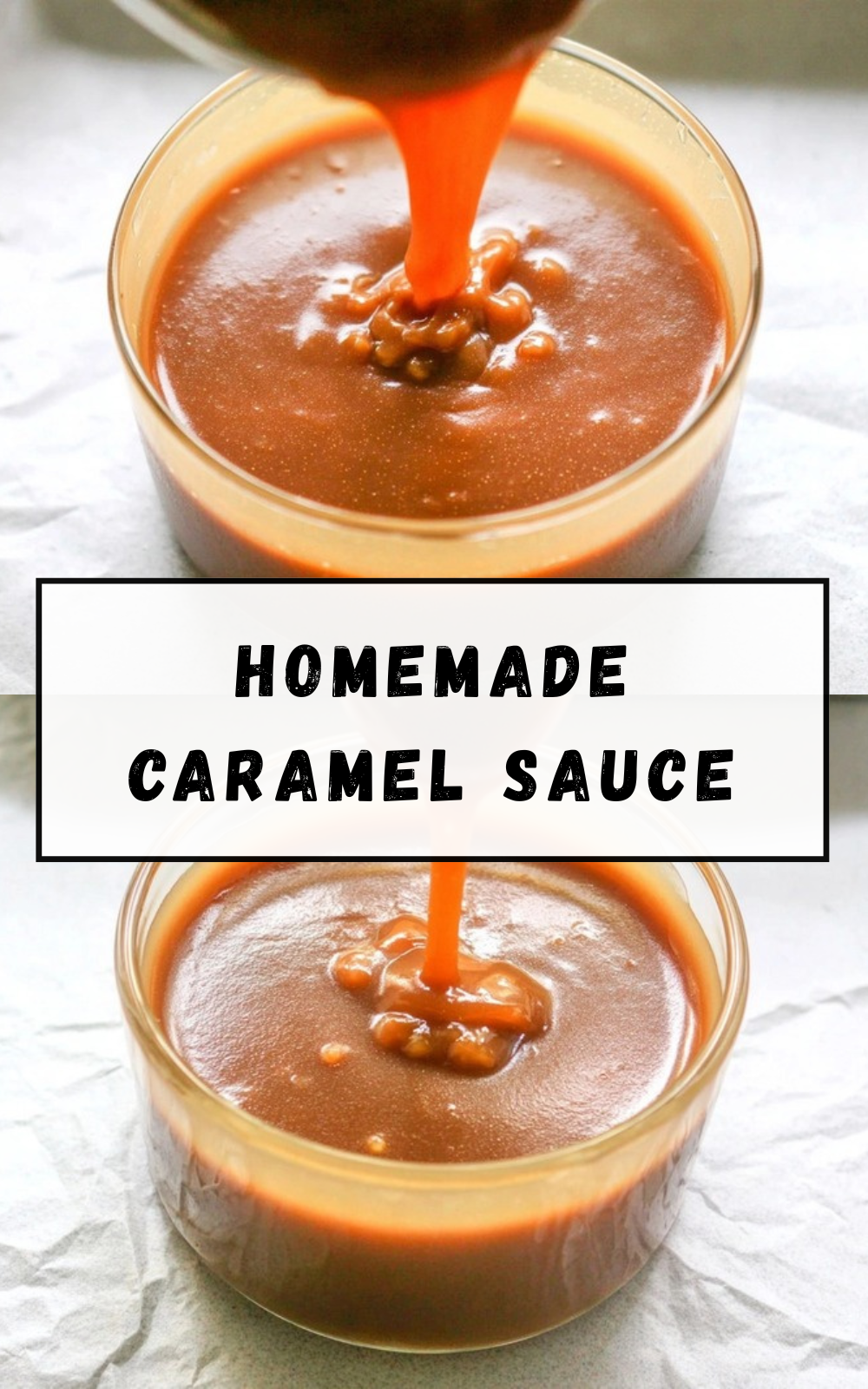
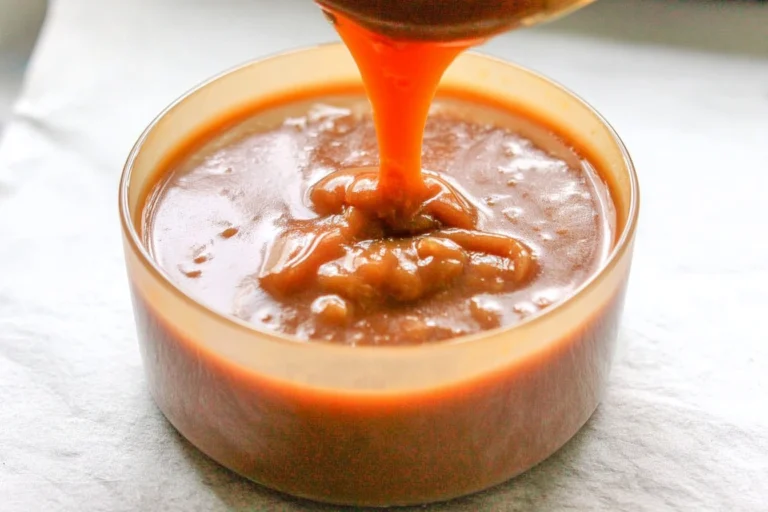
- Distinctive flavor: The deep honey-gold color and rich buttery notes set this caramel apart from commercial versions. The careful cooking process develops complex caramelized sugars that create depth of flavor you simply can’t achieve with pre-made sauces.
Nothing beats the satisfaction of creating something from scratch that tastes infinitely better than what you can buy at the store. This easy homemade caramel sauce will impress your family and friends while being surprisingly simple to prepare.
Jump to:
- Why You’ll Love This Homemade Caramel Sauce
- Essential Ingredients for Homemade Caramel Sauce
- Main Ingredients
- Special Dietary Options
- How to Prepare the Perfect Homemade Caramel Sauce: Step-by-Step Guide
- Preparation and Setup
- Step-by-Step Instructions
- Expert Tips for Success
- Dietary Substitutions to Customize Your Homemade Caramel Sauce
- Dairy Alternatives
- Sugar Variations
- Vegan Considerations
- Gluten-Free and Allergy-Friendly Options
- Mastering Homemade Caramel Sauce: Advanced Tips and Variations
- Flavor Variations
- Texture Adjustments
- Presentation Tips
- Make-Ahead Options
- Pairing Suggestions
- How to Store Homemade Caramel Sauce: Best Practices
- Refrigeration Guidelines
- Freezing Methods
- Reheating Techniques
- Meal Prep Considerations
- Nutritional Information
- FAQs: Frequently Asked Questions About Homemade Caramel Sauce
- Do I need a candy thermometer to make homemade caramel sauce?
- How do I store homemade caramel sauce?
- What if my homemade caramel sauce crystallizes?
- How do I make salted caramel sauce at home?
- Can I freeze homemade caramel sauce?
- Homemade Caramel Sauce
- Ingredients
- Instructions
- Last Step:
- Notes
- Nutrition
- Did you make this recipe?
Essential Ingredients for Homemade Caramel Sauce
The magic of this recipe lies in its simplicity. With just six pantry staples, you can create a luxurious sauce that rivals gourmet versions. Here’s everything you’ll need to make this quick homemade caramel sauce:Main Ingredients
- 1 cup granulated sugar – Provides the base and the signature caramel color when melted properly. Use pure white cane sugar for best results.
- 1/4 cup water – Helps dissolve the sugar evenly at the beginning of the cooking process.
- 6 tablespoons unsalted butter, cut into pieces – Adds richness and creaminess to the sauce. Unsalted allows you to control the final flavor profile.
- 1/2 cup heavy cream – Creates that velvety texture and balances the sweetness. Room temperature cream prevents the sauce from seizing.
- 1 teaspoon vanilla – Enhances the overall flavor profile with aromatic depth.
- Pinch of salt – Balances the sweetness and intensifies the caramel flavor. For salted caramel, start with 1/8 teaspoon and adjust to taste.
Special Dietary Options
- Vegan: Substitute dairy butter with plant-based butter and replace heavy cream with full-fat coconut milk or cashew cream.
- Gluten-free: This recipe is naturally gluten-free when using pure ingredients. Double-check labels on any processed ingredients.
- Low-calorie: Try using a sugar substitute like erythritol or stevia designed for high-heat cooking, though texture may vary slightly.
The secret to achieving perfect results with this simple caramel sauce recipe lies in using high-quality ingredients. Since there are so few components, each one contributes significantly to the final flavor and texture.
Before you begin, make sure all your ingredients are measured and ready. This preparation will help you work efficiently once the sugar begins to cook, as timing becomes crucial during the caramelization process.
How to Prepare the Perfect Homemade Caramel Sauce: Step-by-Step Guide
Ready to make your own delicious caramel sauce? Follow these detailed instructions for foolproof results every time. This straightforward process requires just a bit of patience and attention to detail, but the reward is absolutely worth it.Preparation and Setup
Preparation Time: 2 minutes
Cook Time: 10 minutes
Cool Time: 10 minutes
Total Time: ~22 minutes
Yields: ~1 1/4 cups (10 servings of 2 tablespoons)
Before starting, gather your equipment. You’ll need a 3-quart heavy-bottomed pot (which distributes heat evenly), a heat-resistant spatula or wooden spoon, and a whisk. Have your ingredients measured and the cream at room temperature to prevent separation when added to the hot sugar.
Step-by-Step Instructions
First Step: Combine 1 cup granulated sugar and 1/4 cup water in your 3-quart heavy-bottomed pot. Stir lightly just to mix the sugar with the water, being careful not to splash any sugar onto the sides of the pot. Any sugar crystals on the sides can cause your caramel to crystallize later.
Second Step: Place the pot over medium heat and allow the sugar to dissolve completely. You’ll see the mixture bubble gently as it heats. Avoid stirring during this process, as agitation can cause crystallization. Instead, gently swirl the pot if needed to distribute heat evenly.
Third Step: As the sugar dissolves and begins to bubble, you may notice some sugar crystals forming on the sides of the pot. Use a heat-resistant spatula to carefully brush down any sugar clumps with a little water, but continue to avoid stirring the mixture itself. This ensures smooth, glossy caramel without grainy texture.
Fourth Step: Continue cooking without stirring. Watch closely as the liquid begins to change color, gradually deepening from clear to light golden, then to a rich amber-honey color. This transformation typically takes between 8-15 minutes, depending on your stove and the specific pot you’re using. The timing can vary significantly, so keep your eyes on the pot rather than relying strictly on a timer. If you prefer using a thermometer, the target temperature is 225-230°F, but visual cues work perfectly well for this easy caramel sauce recipe.
Fifth Step: Once the mixture reaches that beautiful deep honey-gold color, immediately remove the pot from the heat. This is crucial because the sugar will continue cooking for a moment even after you remove it from the stove. Carefully whisk in the 6 tablespoons of unsalted butter pieces. The mixture will bubble vigorously, so use caution and add the butter gradually to prevent overflow. Continue whisking until all the butter is completely melted and incorporated.
Sixth Step: Slowly pour in the 1/2 cup heavy cream while whisking continuously. The mixture will bubble and steam dramatically, so take your time with this step. Whisk until the sauce becomes completely smooth and glossy. The addition of the cream stops the cooking process and creates that luscious, pourable consistency.
Seventh Step: Stir in the 1 teaspoon vanilla extract and your pinch of salt. If you’re making salted caramel sauce, start with 1/8 teaspoon of salt and taste before adding more. Remember that you can always add more salt, but you can’t remove it once added. For more inspiration on flavor variations, check out these delicious caramel sauce ideas.
Final Step: Allow the sauce to cool in the pot for about 10 minutes. During this time, it will thicken slightly as it cools. Transfer your homemade caramel sauce to a clean glass jar or container. Let it cool completely before covering and refrigerating. The sauce will continue to thicken as it cools completely. When you’re ready to use it, simply reheat gently to return it to a pourable consistency.
Expert Tips for Success
While making caramel might seem intimidating, these tips will help you achieve perfect results:
- Use a wooden or heat-resistant silicone spoon for any stirring to avoid melting utensils.
- Resist the urge to stir once the sugar begins bubbling to prevent crystallization.
- Brush down the sides of the pot with water if sugar crystals climb up.
- If crystals do form, don’t panic simply add 1/4 cup water and gently reheat to dissolve them.
- Use unsalted butter to control the salt content, especially important for making perfect salted caramel.
- Monitor the color constantly, as the transition from perfect caramel to burnt happens quickly.
- Remember that this sauce is ideal for toppings and dips but isn’t thick enough for caramel apples.
With practice, you’ll develop an intuitive sense of when the caramel is perfectly cooked. The rich, buttery aroma will guide you as much as the visual cues. Trust your senses and you’ll create the most delicious homemade caramel sauce every time.

Dietary Substitutions to Customize Your Homemade Caramel Sauce
One of the beauties of making your own caramel sauce is the ability to customize it for different dietary needs and preferences. Whether you’re accommodating allergies, following a specific diet, or simply experimenting with new flavors, these substitutions will help you create the perfect version for your needs.
Dairy Alternatives
For those avoiding dairy, several substitutions work remarkably well in this recipe. Plant-based butter makes an excellent replacement for traditional butter, though you may want to experiment with different brands to find one that melts and incorporates smoothly. For the heavy cream, full-fat coconut milk provides the rich, creamy consistency needed for this quick caramel sauce. Cashew cream, made by blending soaked cashews with water, also creates a velvety texture that mimics heavy cream beautifully. When using coconut milk, be aware that it will impart a subtle coconut flavor to your sauce, which can be delightful but may not work for all flavor profiles.
Sugar Variations
While granulated white sugar creates the most traditional caramel, other sweeteners can work with some modifications. Brown sugar will produce a deeper, more molasses-like flavor and slightly darker color. Coconut sugar adds a subtle caramel-like taste with a lower glycemic index, though it may result in a grainier texture. For those avoiding refined sugar, maple syrup can be used but will require adjustments to cooking time and liquid ratios. Honey presents another alternative with its own distinct flavor profile that pairs wonderfully with the buttery notes of caramel.
Vegan Considerations
Making vegan caramel sauce is straightforward with the right substitutions. Use high-quality plant-based butter that contains a good fat content to ensure proper texture. Coconut cream, the thick layer that rises to the top of a can of coconut milk, provides the richness typically achieved through dairy cream. For a completely neutral flavor, opt for commercial vegan heavy cream alternatives now available at many grocery stores. When making vegan versions, remember that cooking temperatures may need slight adjustments as dairy alternatives can respond differently to heat.
Gluten-Free and Allergy-Friendly Options
Good news this basic caramel sauce recipe is naturally gluten-free when using pure ingredients without additives. However, always check labels on your ingredients, particularly if using flavored extracts or prepared versions of butter alternatives. For those with nut allergies, avoid nut-based cream alternatives and stick with oat milk, soy cream, or coconut products. If you’re accommodating multiple allergies, a simple combination of vegan butter and canned coconut milk typically works for most restrictions while still delivering delicious results.
Experimenting with substitutions is part of the fun of homemade cooking. Each variation brings unique characteristics to your sauce, creating new flavor profiles to explore and enjoy.
When trying new substitutions, consider making a small test batch first. This approach saves time and ingredients if the results aren’t quite what you expected. Take notes on your modifications so you can perfect your custom version of this simple caramel sauce recipe over time.
Mastering Homemade Caramel Sauce: Advanced Tips and Variations
Once you’ve mastered the basic recipe, you’ll want to explore ways to customize your homemade caramel sauce. These advanced techniques and creative variations will help you develop your signature style and impress everyone with your caramel-making prowess.
Flavor Variations
The basic caramel recipe serves as a blank canvas for endless flavor possibilities. Infuse your sauce with complementary flavors by adding them during the cooling process. Try stirring in a tablespoon of bourbon or rum for an adult version perfect for drizzling over vanilla ice cream. For a coffee-lover’s dream, dissolve instant espresso powder into the cream before adding it to the caramel. Spiced caramel, featuring cinnamon, nutmeg, or cardamom, makes an excellent addition to fall desserts and holiday treats. Chocolate lovers can add cocoa powder for a mocha-caramel hybrid that’s absolutely divine. If you enjoy floral notes, a drop of rose water or orange blossom water creates an elegant, sophisticated sauce perfect for special occasions.
Texture Adjustments
While this recipe produces a pourable sauce ideal for drizzling, you can modify the consistency for different uses. For a thicker dipping sauce, simply cook the sugar to a slightly darker amber stage before adding the cream. Remember that the sauce will naturally thicken as it cools, so don’t overdo it during cooking. If you need a thinner consistency for specific applications, adding a teaspoon of water while reheating usually does the trick. Those wanting to use caramel as a filling for tarts or between cake layers can cook it slightly longer or reduce the cream amount by a tablespoon. These adjustments allow you to create the perfect texture for whatever culinary creation you have in mind.
Presentation Tips
Elevate the appearance of your homemade caramel sauce with simple presentation techniques. Pour warm sauce into decorative glass jars for gifting it makes an impressive homemade present that friends and family will adore. For serving, consider a warm pour-over presentation where you bring the sauce to the table still warm and let guests drizzle it themselves. For an elegant touch, pipe the sauce into small dollops on parchment paper, chill until firm, and use as garnishes on plated desserts. When photographing your culinary creations, caramel sauce adds beautiful contrast and visual interest capture that slow, luxurious pour for the most appetizing images.
Make-Ahead Options
This caramel sauce recipe is excellent for meal planning and advance preparation. Make a double batch and portion it into smaller containers for different uses throughout the month. Try freezing individual portions in ice cube trays for quick single-use amounts perfect for adding a touch of sweetness to coffee or hot chocolate without thawing the entire batch. When preparing for events or holidays, make your sauce up to three days in advance and store it properly in the refrigerator. This simple preparation step can save valuable time when you’re in the thick of cooking a multi-course meal. For those who enjoy baking, incorporate a splash of this homemade caramel into Greek yogurt muffins for a delightful flavor contrast.
Pairing Suggestions
The versatility of caramel sauce means it pairs beautifully with numerous foods and beverages. Classic combinations include apple pie, vanilla ice cream, and chocolate desserts, but don’t stop there. Try drizzling it over Earl Grey honey scones for a sophisticated tea-time treat. A spoonful swirled into oatmeal transforms breakfast into a special occasion. For savory applications, a small amount adds complexity to glazes for roasted meats or creates a delightful contrast with sharp cheeses on a charcuterie board. In beverages, caramel enhances coffee drinks, hot chocolate, and even creates a unique twist when added to a classic milkshake.
These advanced techniques and variations will help you develop confidence in your caramel-making skills and inspire culinary creativity in your kitchen. Remember that even experienced cooks occasionally face challenges with caramel each batch teaches you something new and brings you closer to mastering the art of caramel-making.
How to Store Homemade Caramel Sauce: Best Practices
Proper storage ensures your homemade caramel sauce maintains its quality and flavor for as long as possible. Whether you’re making a big batch for future use or saving leftovers from a recipe, these storage guidelines will help you enjoy your sauce at its best.
Refrigeration Guidelines
Store your homemade caramel sauce in an airtight glass container in the refrigerator for up to 3 weeks. Glass jars are preferable to plastic because they don’t absorb flavors and are less likely to react with the ingredients. Mason jars work exceptionally well and make for attractive storage containers. Ensure the sauce has cooled completely before covering to prevent condensation from forming inside the container. Always use a clean spoon when removing sauce to prevent contamination and extend shelf life. Label the container with the date prepared so you can easily track freshness. The sauce will thicken considerably when chilled due to the dairy content, but this is completely normal.
Freezing Methods
For longer storage, homemade caramel sauce freezes beautifully for up to 2 months. Use freezer-safe glass containers, leaving about half an inch of space at the top to allow for expansion as the sauce freezes. An excellent method for portion control is to freeze the sauce in ice cube trays once frozen, transfer the cubes to a freezer bag for easy single-use portions. This approach is particularly convenient when you only need small amounts for coffee or other recipes. Avoid freezing in plastic containers unless they’re specifically marked as freezer-safe, as some plastics can impart flavors or warp under freezing temperatures. Thaw frozen sauce in the refrigerator overnight before reheating.
Reheating Techniques
When you’re ready to use refrigerated or frozen caramel sauce, proper reheating restores its pourable consistency. For gentle reheating, place the desired amount in a heat-proof bowl and microwave in 10-second intervals, stirring between each. This careful approach prevents overheating and maintains the sauce’s smooth texture. Alternatively, reheat the sauce in a small saucepan over low heat, stirring constantly. If the sauce seems too thick, add a teaspoon of water and whisk to combine. Never bring caramel to a boil during reheating as this can change the texture and potentially cause separation. For detailed nutritional information and storage guidelines, you can view these caramel sauce nutrition facts.
Meal Prep Considerations
Incorporating caramel sauce into your meal prep routine can streamline your cooking process. Prepare a batch at the beginning of the week to have ready for quick dessert additions, breakfast toppings, or coffee enhancements. When prepping for special occasions, make the sauce up to three days ahead to free up time on the day of your event. Consider portioning the sauce into serving-sized containers for grab-and-go convenience. These small preparations can make a significant difference in reducing stress during busy cooking periods. Proper storage not only extends the life of your homemade caramel but also ensures it’s always ready to add that special touch to your culinary creations.
Nutritional Information
Understanding the nutritional content of your homemade caramel sauce helps you make informed choices about including it in your diet. Here’s the breakdown per 2 tablespoon serving:
| Nutrient | Amount |
|---|---|
| Calories | 180 |
| Carbohydrates | 20g |
| Protein | 1g |
| Fat | 11g |
| Saturated Fat | 7g |
| Cholesterol | 34mg |
| Sodium | 6mg |
| Potassium | 9mg |
| Sugar | 20g |
| Vitamin A | 385 IU |
| Calcium | 10mg |
Remember that moderation is key when enjoying sweet treats like caramel sauce. The rich flavor means a small amount delivers significant satisfaction, making it easier to enjoy in appropriate portions. Consider pairing your caramel with nutrient-dense foods like fruits, nuts, or yogurt to create more balanced snacks and desserts.
FAQs: Frequently Asked Questions About Homemade Caramel Sauce
Do I need a candy thermometer to make homemade caramel sauce?
No, you don’t need a candy thermometer for homemade caramel sauce, but it can help if you have one. Aim for 225-230°F for the ideal caramel stage, which gives a rich amber color and smooth texture. Without it, watch closely for visual cues: the sugar melts from clear to bubbling light amber, then deepens to golden-brown, about 8-15 minutes on medium heat. Use your nose too—the sweet, nutty aroma signals readiness before it burns. Stay attentive, as caramel changes fast. This method works reliably in a heavy-bottomed saucepan with granulated sugar alone first, then add butter and cream off-heat. Patience prevents scorching for perfect results every time. (92 words)
How do I store homemade caramel sauce?
Store homemade caramel sauce in a tightly sealed glass jar in the fridge for up to 3 weeks, or freeze in a freezer-safe jar for up to 2 months. It thickens and solidifies when chilled due to the dairy (butter and cream), so gently reheat on the stove over low heat or in the microwave in 10-second bursts, stirring until pourable. Avoid metal containers to prevent reactions. For gifting, a 10-ounce mason jar fits the 1 1/4 cups yield perfectly. Always label with the date, and thaw frozen sauce overnight in the fridge before reheating. This keeps it fresh and safe. (104 words)
What if my homemade caramel sauce crystallizes?
If your caramel sauce crystallizes, don’t worry—it’s fixable. Add 1/4 cup water to the pot with the crystallized sugar, then gently heat on low, stirring until crystals dissolve completely. Resume cooking without stirring further, watching for the amber color. Prevent it next time by avoiding stirring after sugar melts, brushing pot sides with a wet pastry brush if crystals form there, and using clean granulated sugar. Impurities from raw sugar can cause issues too, so stick to refined. This quick recovery keeps your sauce smooth and glossy. (89 words)
How do I make salted caramel sauce at home?
Yes, turn homemade caramel sauce into salted by using unsalted butter for control, then add sea salt after cooking. Start with 1/8 teaspoon, taste, and increase to 1/2 teaspoon for that sweet-salty balance. Stir it in with the warm cream off-heat for even distribution. Use room-temperature ingredients to avoid separation. It’s perfect drizzled on ice cream or popcorn. This tweak takes seconds and elevates basic sauce—test small batches first to match your preference. Store as usual in the fridge. (82 words)
Can I freeze homemade caramel sauce?
Yes, freeze homemade caramel sauce in a freezer-safe glass jar, leaving headspace for expansion, for up to 2 months. Thaw overnight in the fridge, then reheat gently on the stove or microwave to restore pourable texture—it may thicken from dairy. Portion into ice cube trays first for easy single-use amounts, like 2-tablespoon servings. Avoid plastic that might leach flavors. Freezing preserves flavor without quality loss, making it ideal for bulk prep. Always reheat slowly, stirring to prevent scorching. (84 words)
Homemade Caramel Sauce
🍮 Quick homemade caramel sauce achieves silky, buttery richness in under 15 minutes with pantry staples.
🥄 Endless uses from ice cream drizzles to coffee stir-ins, elevating any dessert effortlessly.
- Total Time: 22 minutes
- Yield: 1 1/4 cups (10 servings)
Ingredients
– 1 cup granulated sugar
– 1/4 cup water
– 6 tablespoons unsalted butter, cut into pieces
– 1/2 cup heavy cream
– 1 teaspoon vanilla
– Pinch of salt
Instructions
1-First Step: Combine 1 cup granulated sugar and 1/4 cup water in your 3-quart heavy-bottomed pot. Stir lightly just to mix the sugar with the water, being careful not to splash any sugar onto the sides of the pot. Any sugar crystals on the sides can cause your caramel to crystallize later.
2-Second Step: Place the pot over medium heat and allow the sugar to dissolve completely. You’ll see the mixture bubble gently as it heats. Avoid stirring during this process, as agitation can cause crystallization. Instead, gently swirl the pot if needed to distribute heat evenly.
3-Third Step: As the sugar dissolves and begins to bubble, you may notice some sugar crystals forming on the sides of the pot. Use a heat-resistant spatula to carefully brush down any sugar clumps with a little water, but continue to avoid stirring the mixture itself. This ensures smooth, glossy caramel without grainy texture.
4-Fourth Step: Continue cooking without stirring. Watch closely as the liquid begins to change color, gradually deepening from clear to light golden, then to a rich amber-honey color. This transformation typically takes between 8-15 minutes, depending on your stove and the specific pot you’re using. The timing can vary significantly, so keep your eyes on the pot rather than relying strictly on a timer. If you prefer using a thermometer, the target temperature is 225-230°F, but visual cues work perfectly well for this easy caramel sauce recipe.
5-Fifth Step: Once the mixture reaches that beautiful deep honey-gold color, immediately remove the pot from the heat. This is crucial because the sugar will continue cooking for a moment even after you remove it from the stove. Carefully whisk in the 6 tablespoons of unsalted butter pieces. The mixture will bubble vigorously, so use caution and add the butter gradually to prevent overflow. Continue whisking until all the butter is completely melted and incorporated.
6-Sixth Step: Slowly pour in the 1/2 cup heavy cream while whisking continuously. The mixture will bubble and steam dramatically, so take your time with this step. Whisk until the sauce becomes completely smooth and glossy. The addition of the cream stops the cooking process and creates that luscious, pourable consistency.
7-Seventh Step: Stir in the 1 teaspoon vanilla extract and your pinch of salt. If you’re making salted caramel sauce, start with 1/8 teaspoon of salt and taste before adding more. Remember that you can always add more salt, but you can’t remove it once added. For more inspiration on flavor variations, check out these delicious caramel sauce ideas.
8-Final Step: Allow the sauce to cool in the pot for about 10 minutes. During this time, it will thicken slightly as it cools. Transfer your homemade caramel sauce to a clean glass jar or container. Let it cool completely before covering and refrigerating. The sauce will continue to thicken as it cools completely. When you’re ready to use it, simply reheat gently to return it to a pourable consistency.
Last Step:
Please leave a rating and comment letting us know how you liked this recipe! This helps our business to thrive and continue providing free, high-quality recipes for you.Notes
🚫 Avoid stirring after bubbling starts to prevent crystallization and grainy texture.
🧈 Whisk butter and cream off-heat for safety and emulsion success.
❄️ Reheat cooled sauce slowly with a splash of cream for perfect pourable consistency.
- Prep Time: 2 minutes
- Cooling: 10 minutes
- Cook Time: 10 minutes
- Category: Desserts
- Method: Stovetop
- Cuisine: American
- Diet: Vegetarian
Nutrition
- Serving Size: 2 tablespoons
- Calories: 180 kcal
- Sugar: 20g
- Sodium: 6mg
- Fat: 11g
- Saturated Fat: 7g
- Unsaturated Fat: 4g
- Trans Fat: 0g
- Carbohydrates: 20g
- Fiber: 0g
- Protein: 1g
- Cholesterol: 34mg