
Why You’ll Love This Italian Pasta Salad
Italian Pasta Salad isn’t just another dish to add to your recipe collection it’s a game-changer for your meal planning and social gatherings. The combination of fresh ingredients and a simple dressing creates a harmonious blend that satisfies both your taste buds and your nutritional needs. This recipe has become a favorite among home cooks and food enthusiasts alike, and for good reason.There’s something magical about how the flavors meld together in this Italian Pasta Salad. Each bite offers a perfect balance of textures and tastes that make it impossible to stop at just one serving.
Ease of Preparation
One of the standout features of this Italian pasta salad recipe is its simplicity. The straightforward steps and minimal cooking time mean you can have a delicious dish ready in no time. Even if you’re new to cooking or pressed for time, this recipe won’t disappoint. With just 15 minutes of prep time and 15 minutes of cooking, you’ll have a substantial dish that can feed a crowd or provide several days of meals with minimal effort at dinnertime.Health Benefits
Packed with an array of fresh vegetables, lean proteins from the salami, and wholesome pasta, this salad offers numerous nutritional advantages. It delivers a balanced combination of carbohydrates, protein, and healthy fats that keep you energized throughout the day. Each serving provides essential vitamins and minerals including Vitamin A, Vitamin C, calcium, and iron, making it a wholesome option that supports a balanced diet and promotes wellness. The nutritional benefits of pasta salads are often underestimated, but this recipe makes healthy eating both easy and delicious.Versatility
Italian Pasta Salad is exceptionally adaptable to various dietary needs, making it a go-to recipe for households with diverse preferences. It can easily be modified for vegan, gluten-free, or low-calorie preferences without compromising flavor. Whether you’re cooking for friends with dietary restrictions or simply looking to switch up your meal routine, this recipe’s flexibility makes it a valuable addition to your culinary repertoire.Distinctive Flavor
The blend of herbs, tangy dressings, and fresh ingredients creates a unique and memorable taste that sets this salad apart from ordinary pasta dishes. The combination of salami, fresh vegetables, cheeses, and Italian vinaigrette offers a symphony of flavors that improve with time as they meld together in the refrigerator. This allows you to prepare it ahead of time, making it perfect for summer events, barbecues, potlucks, and outdoor gatherings.Jump to:
- Why You’ll Love This Italian Pasta Salad
- Ease of Preparation
- Health Benefits
- Versatility
- Distinctive Flavor
- Essential Ingredients for Italian Pasta Salad
- Ingredients List
- Special Dietary Options
- Vegan Options
- Gluten-Free Modifications
- Low-Calorie Alternatives
- How to Prepare the Perfect Italian Pasta Salad: Step-by-Step Guide
- First Step: Cooking the Pasta
- Second Step: Preparing the Fresh Ingredients
- Third Step: Combining Ingredients
- Fourth Step: Adding the Dressing
- Fifth Step: Chilling for Optimal Flavor
- Preparation and Nutritional Information
- Preparation Timeline
- Nutritional Information (per serving)
- Dietary Substitutions to Customize Your Italian Pasta Salad
- Protein and Main Component Alternatives
- Meat Options
- Cheese Substitutions
- Pasta Varieties
- Vegetable, Sauce, and Seasoning Modifications
- Vegetable Alternatives
- Dressing Options
- Seasoning Adjustments
- Mastering Italian Pasta Salad: Advanced Tips and Variations
- Pro Cooking Techniques
- Flavor Variations
- Mediterranean Twist
- Southwestern Variation
- Greek-Inspired Version
- Presentation Tips
- Make-Ahead Options
- Store Italian Pasta Salad: Best Practices
- Refrigeration
- Freezing
- Reheating
- Meal Prep Considerations
- FAQs: Frequently Asked Questions About Italian Pasta Salad
- How do I make an Italian pasta salad that stays fresh for several days?
- What types of pasta work best for Italian pasta salad?
- Can I make Italian pasta salad gluten-free?
- What are common ingredients in a traditional Italian pasta salad?
- How can I make Italian pasta salad more protein-rich for a meal?
- Italian Pasta Salad
- Ingredients
- Instructions
- Last Step:
- Notes
- Nutrition
- Did you make this recipe?
Essential Ingredients for Italian Pasta Salad
The secret to creating a truly memorable Italian Pasta Salad lies in selecting the right ingredients. This recipe combines the perfect balance of fresh vegetables, savory meats, creamy cheeses, and flavorful seasonings to create a dish that’s both satisfying and refreshing.Ingredients List
- 16 ounces tricolor rotini pasta
- 8 ounces chopped salami
- 1 cup Italian vinaigrette dressing (store-bought or homemade)
- 1 cup cubed mozzarella cheese
- 1 pint grape tomatoes, halved
- ½ cup sliced black olives
- ½ green bell pepper, diced
- ½ orange bell pepper, diced
- ½ red bell pepper, diced
- ⅓ cup diced red onion
- ⅓ cup shredded Parmesan cheese
- 3 tablespoons chopped fresh parsley
- Salt and black pepper to taste
- ½ teaspoon Italian seasoning (optional)
Special Dietary Options
One of the beautiful aspects of this Italian Pasta Salad is its adaptability to different dietary needs. Here are some simple substitutions to customize the recipe based on your preferences or restrictions:Vegan Options
- Substitute mozzarella cheese with plant-based cheese alternatives
- Replace salami with vegan pepperoni or omit entirely
- Swap Parmesan cheese with nutritional yeast or vegan Parmesan
Gluten-Free Modifications
- Use gluten-free pasta varieties like rice or corn-based rotini
- Ensure your Italian dressing is certified gluten-free
- Check that all processed ingredients (like olives) are gluten-free
Low-Calorie Alternatives
- Opt for light Italian dressing or a lemon vinaigrette to reduce calories
- Reduce or omit the salami for a lower-fat version
- Use less cheese or opt for low-fat varieties
How to Prepare the Perfect Italian Pasta Salad: Step-by-Step Guide
Creating the perfect Italian Pasta Salad is straightforward when you follow these simple steps. The process is designed to be user-friendly, even for those who are new to cooking. Let’s walk through each stage to ensure your salad turns out perfectly every time.First Step: Cooking the Pasta
Cook the 16 ounces of tricolor rotini pasta until al dente according to package instructions. This usually takes about 10-12 minutes, but check your package for specific timing. Once cooked, drain the pasta and immediately rinse under cold water to stop the cooking process. This step is crucial because it prevents the pasta from becoming mushy and helps it maintain the perfect texture. For gluten-free options, choose appropriate pasta and monitor cooking time closely, as gluten-free varieties can cook faster and become overcooked more easily.Second Step: Preparing the Fresh Ingredients
While the pasta is cooking, you can prepare all the other ingredients. This includes washing and halving the grape tomatoes, dicing the green, orange, and red bell peppers, dicing the red onion, slicing the black olives, cubing the mozzarella cheese, and chopping the fresh parsley. Having all ingredients ready before combining makes the process smoother. Remember to cut vegetables slightly smaller than bite-sized for even flavor distribution. This preparation typically takes about 15 minutes but can be done ahead of time.Third Step: Combining Ingredients
In a large mixing bowl, combine the cooled pasta with the prepared vegetables. Add the chopped salami, cubed mozzarella, sliced black olives, halved grape tomatoes, and diced bell peppers. Stir gently to mix evenly without breaking up the ingredients. This is where you can also add the shredded Parmesan cheese and most of the chopped parsley, saving some for garnish before serving.Fourth Step: Adding the Dressing
Pour the Italian vinaigrette dressing over the salad and toss thoroughly to ensure even coating. You can use a store-bought version for convenience or make your own with a simple combination of vegetable oil, red wine vinegar, Dijon mustard, Italian seasoning, sugar, salt, and pepper. Add salt, black pepper, and the optional Italian seasoning to taste, remembering that the dressing already contains some seasoning. If you’re making this for a specific dietary need, adjust the dressing accordingly using a light version for fewer calories or ensuring it’s gluten-free if needed.Fifth Step: Chilling for Optimal Flavor
Cover the bowl and refrigerate the salad for at least 2 hours before serving. This resting period is essential as it allows the flavors to meld together and fully develop. The longer the salad chills, the better the flavor will be. Before serving, give the salad a final toss and garnish with the remaining fresh parsley. You might also want to add a little extra dressing if the salad seems dry after resting.Preparation and Nutritional Information
When planning to make this Italian Pasta Salad, it’s helpful to know the time requirements and nutritional content of the dish. Here’s a breakdown of what you can expect when preparing this recipe.Preparation Timeline
| Activity | Time Required |
|---|---|
| Preparation time (vegetable chopping, etc.) | About 15 minutes |
| Cook time (pasta boiling) | Approximately 15 minutes |
| Chill time (flavors melding) | At least 2 hours |
| Total time | Roughly 2 hours and 30 minutes |
Nutritional Information (per serving)
| Nutrient | Amount |
|---|---|
| Calories | 325 |
| Carbohydrates | 34g |
| Protein | 13g |
| Fat | 15g |
| Saturated Fat | 5g |
| Cholesterol | 24mg |
| Sodium | 818mg |
| Potassium | 314mg |
| Fiber | 2g |
| Sugar | 5g |
| Vitamin A | 855 IU |
| Vitamin C | 24mg |
| Calcium | 104mg |
| Iron | 1mg |

Dietary Substitutions to Customize Your Italian Pasta Salad
One of the greatest strengths of Italian Pasta Salad is its versatility. Whether you’re adapting to dietary restrictions, accommodating different tastes, or simply working with what you have in your pantry, this recipe can be customized in numerous ways.Protein and Main Component Alternatives
Meat Options
- Swap salami for pepperoni for a spicier kick
- Use grilled chicken or cooked shrimp for a leaner protein
- Try prosciutto for a more refined flavor profile
- For a vegetarian version, omit the meat entirely or replace with meat alternatives
Cheese Substitutions
- Substitute traditional mozzarella with feta for a tangier flavor
- Use vegan cheese options to accommodate plant-based diets
- Try adding goat cheese or asiago for different flavor profiles
Pasta Varieties
- Swap standard pasta for gluten-free pasta made from rice, corn, or lentils to suit gluten intolerance
- Experiment with different shapes like farfalle, fusilli, or penne to change the texture and appearance
- Consider whole wheat pasta for added fiber and nutrients
Vegetable, Sauce, and Seasoning Modifications
Vegetable Alternatives
- Replace cucumbers with zucchini or additional bell peppers for seasonal variation
- Add artichoke hearts for a Mediterranean twist
- Incorporate sun-dried tomatoes for an intense burst of tomato flavor
- Try shredded carrots for color and crunch
Dressing Options
- Experiment with different dressings such as balsamic vinaigrette or lemon-herb to vary flavors
- For a lighter option, use a red wine vinegar and olive oil base with fresh herbs
- Add pesto to the dressing for a basil-rich alternative
Seasoning Adjustments
- Adjust seasoning levels with fresh herbs like oregano or parsley based on taste preferences
- Add red pepper flakes for a bit of heat
- Incorporate lemon zest for brightness
- Try minced garlic for additional depth of flavor
Mastering Italian Pasta Salad: Advanced Tips and Variations
Once you’ve mastered the basic Italian Pasta Salad recipe, you might want to try some professional techniques and creative variations to take this dish to the next level.Pro Cooking Techniques
To prevent the pasta from sticking and enhance its texture, toss it with a bit of olive oil immediately after draining. This creates a light coating that helps keep the pasta separate and adds a subtle flavor boost. Additionally, when cutting vegetables for the salad, aim for uniform sizes to ensure even distribution of flavors. For the best flavor infusion, allow the salad to marinate in the dressing for several hours or even overnight in the refrigerator.Flavor Variations
Mediterranean Twist
Add sun-dried tomatoes, artichoke hearts, and feta cheese instead of mozzarella. Include fresh oregano and a splash of lemon juice in your dressing for a bright Mediterranean flavor profile.Southwestern Variation
Swap the Italian dressing for a cilantro-lime vinaigrette, add black beans and corn, and include Monterey Jack cheese instead of mozzarella for a Southwestern flair.Greek-Inspired Version
Incorporate cucumbers, Kalamata olives, and gyro meat or chickpeas. Use crumbled feta and a Greek-inspired dressing with lemon, olive oil, and dill to complete the theme.Presentation Tips
The visual appeal of your Italian Pasta Salad can be just as important as its taste. Consider serving the salad in individual clear bowls to showcase the colorful ingredients. For gatherings, try a layered presentation in a glass trifle dish to create an impressive visual effect. Garnish generously with fresh herbs like parsley or basil just before serving to add a pop of color and freshness.Make-Ahead Options
This Italian Pasta Salad is perfect for advance preparation, which actually improves its flavor. Prepare the pasta and vegetables a day ahead and store them separately in airtight containers in the refrigerator. Keep the dressing in a separate container and combine everything just before serving to maintain freshness and prevent the salad from becoming soggy. This approach is ideal for busy weeknights or when entertaining guests, as the majority of the work is done in advance.Store Italian Pasta Salad: Best Practices
Proper storage is key to maintaining the freshness and flavor of your Italian Pasta Salad, especially since it can be made ahead of time and may have leftovers. Here are the best practices for storing your salad.Refrigeration
Store the Italian pasta salad in an airtight container in the refrigerator for up to 3 days to keep it fresh and flavorful. Be sure to transfer the salad to the refrigerator within two hours of preparation to ensure food safety. The container should be sealed tightly to prevent the salad from absorbing other flavors from your refrigerator and to keep it from drying out.Freezing
It is not recommended to freeze this salad as ingredients like fresh vegetables and cheese may lose their texture and taste when thawed. The pasta can become mushy, and the vegetables may release excess water, making the salad watery and unappetizing. The Italian Pasta Salad is best enjoyed fresh from the refrigerator.Reheating
Serve the salad cold or at room temperature; reheating is generally not advised to preserve the salad’s integrity and the fresh quality of its ingredients. If the salad has been refrigerated and seems dry, you can refresh it by stirring in a little extra Italian dressing before serving.Meal Prep Considerations
For batch cooking or meal prep, keep the dressing separate and combine with the pasta and other ingredients just before serving to avoid sogginess. You can prepare all the components ahead of time cook the pasta, chop all vegetables, prepare the meat and cheese and store them in separate containers in the refrigerator. This method gives you the convenience of advance preparation while ensuring your Italian Pasta Salad maintains its optimal texture and flavor.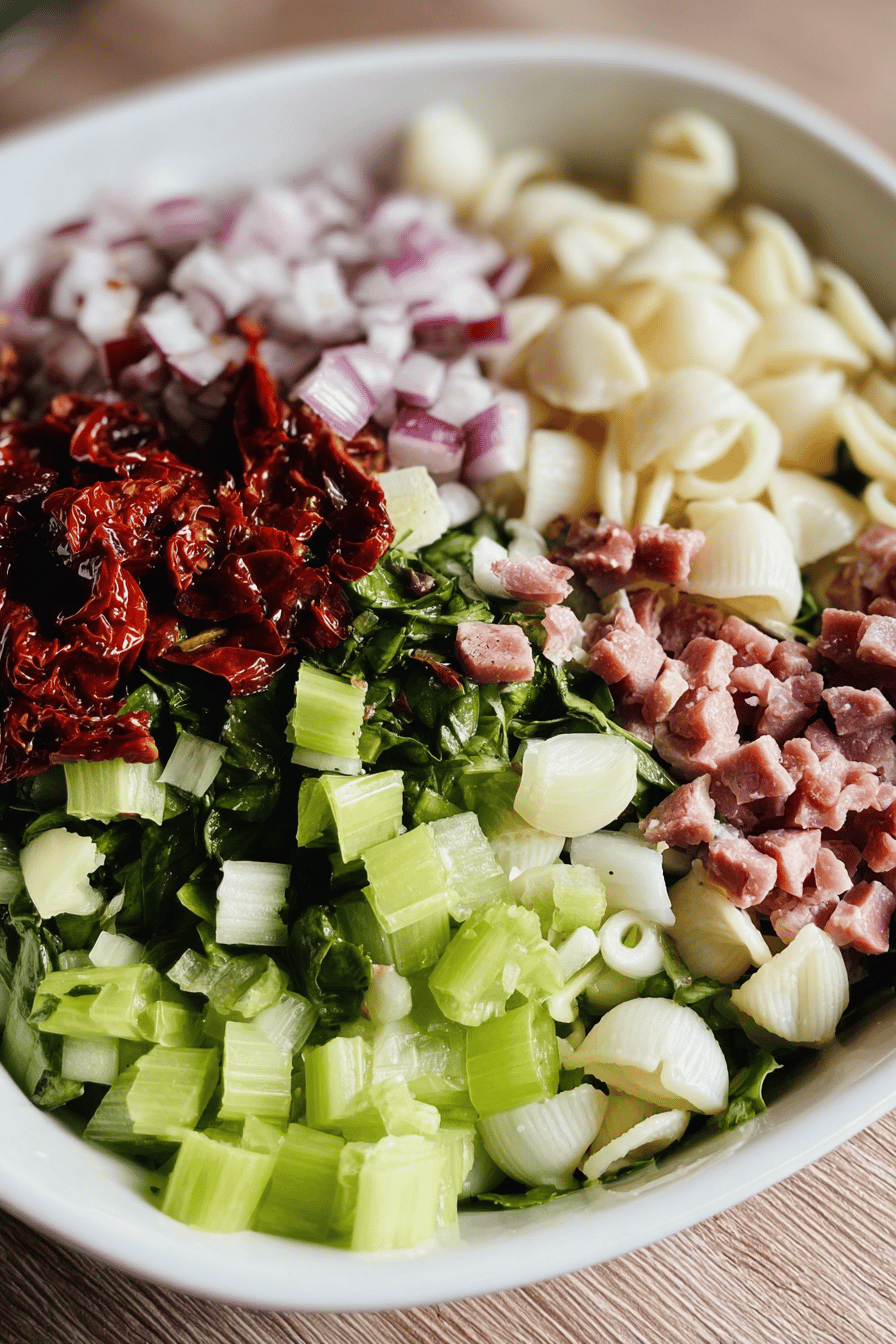
FAQs: Frequently Asked Questions About Italian Pasta Salad
How do I make an Italian pasta salad that stays fresh for several days?
To keep Italian pasta salad fresh for up to 3-4 days, cook the pasta until just al dente, then rinse with cold water to stop cooking. Toss the salad with dressing and store it in an airtight container in the refrigerator. Avoid adding delicate ingredients like fresh herbs or cheese until just before serving to preserve their texture. Stir the salad gently before serving and keep it chilled to maintain taste and safety.
What types of pasta work best for Italian pasta salad?
Short, bite-sized pasta shapes like rotini, penne, fusilli, and farfalle are ideal for Italian pasta salad because they hold dressing and mix well with ingredients. These shapes provide texture and make the salad easy to eat. Avoid long pasta like spaghetti, which can become clumpy and harder to serve in a cold salad.
Can I make Italian pasta salad gluten-free?
Yes, you can make Italian pasta salad gluten-free by substituting regular pasta with gluten-free varieties made from rice, corn, quinoa, or chickpeas. Make sure to check that other ingredients (like dressings or added toppings) are also gluten-free. This allows you to enjoy the classic flavors without gluten-related concerns.
What are common ingredients in a traditional Italian pasta salad?
Traditional Italian pasta salad typically includes cooked pasta, cherry tomatoes, olives, cucumbers, red onions, bell peppers, mozzarella cheese, and Italian dressing made with olive oil, vinegar, and herbs like oregano or basil. You can also add salami or pepperoni for extra flavor. These ingredients combine to create a fresh, tangy, and satisfying dish.
How can I make Italian pasta salad more protein-rich for a meal?
To increase protein in Italian pasta salad, add ingredients such as grilled chicken, cooked shrimp, salami, pepperoni, chickpeas, or mozzarella cheese. These options not only boost protein content but also add flavor and texture. Incorporating protein helps make the salad a filling, balanced meal suitable for lunch or dinner.
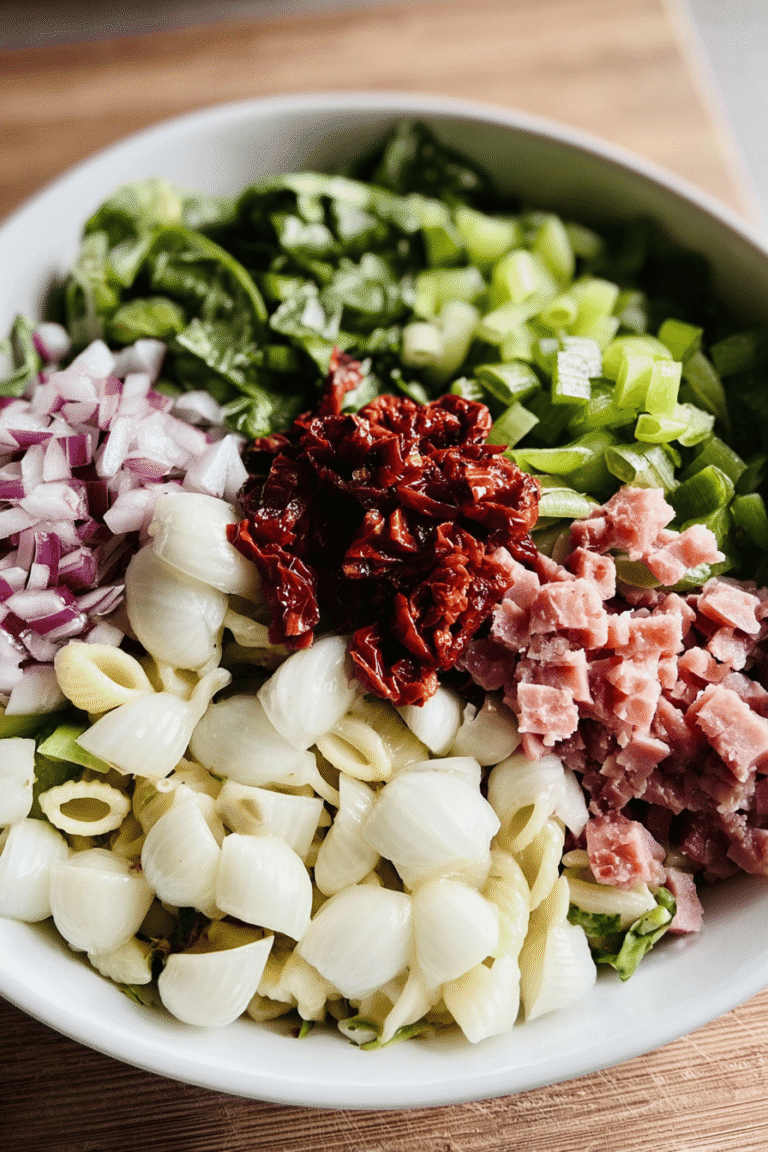
Italian Pasta Salad
🍝 This Italian Pasta Salad blends fresh vegetables, savory salami, and cheese with a simple Italian vinaigrette for a flavorful, easy-to-make dish.
🌿 It’s perfect for summer gatherings or meal prep, offering a refreshing and vibrant meal that tastes best when chilled.
- Total Time: 2 hours 30 minutes
- Yield: 6-8 servings
Ingredients
– 16 ounces tricolor rotini pasta
– 8 ounces chopped salami
– 1 cup Italian vinaigrette dressing
– 1 cup cubed mozzarella cheese
– 1 pint grape tomatoes, halved
– ½ cup sliced black olives
– ½ green bell pepper, diced
– ½ orange bell pepper, diced
– ½ red bell pepper, diced
– ⅓ cup diced red onion
– ⅓ cup shredded Parmesan cheese
– 3 tablespoons chopped fresh parsley
– Salt and black pepper to taste
– ½ teaspoon Italian seasoning (optional)
Instructions
First Step: Cooking the Pasta Cook the 16 ounces of tricolor rotini pasta until al dente according to package instructions. This usually takes about 10-12 minutes, but check your package for specific timing. Once cooked, drain the pasta and immediately rinse under cold water to stop the cooking process. This step is crucial because it prevents the pasta from becoming mushy and helps it maintain the perfect texture. For gluten-free options, choose appropriate pasta and monitor cooking time closely, as gluten-free varieties can cook faster and become overcooked more easily.
Second Step: Preparing the Fresh Ingredients While the pasta is cooking, you can prepare all the other ingredients. This includes washing and halving the grape tomatoes, dicing the green, orange, and red bell peppers, dicing the red onion, slicing the black olives, cubing the mozzarella cheese, and chopping the fresh parsley. Having all ingredients ready before combining makes the process smoother. Remember to cut vegetables slightly smaller than bite-sized for even flavor distribution. This preparation typically takes about 15 minutes but can be done ahead of time.
Third Step: Combining Ingredients In a large mixing bowl, combine the cooled pasta with the prepared vegetables. Add the chopped salami, cubed mozzarella, sliced black olives, halved grape tomatoes, and diced bell peppers. Stir gently to mix evenly without breaking up the ingredients. This is where you can also add the shredded Parmesan cheese and most of the chopped parsley, saving some for garnish before serving.
Fourth Step: Adding the Dressing Pour the Italian vinaigrette dressing over the salad and toss thoroughly to ensure even coating. You can use a store-bought version for convenience or make your own with a simple combination of vegetable oil, red wine vinegar, Dijon mustard, Italian seasoning, sugar, salt, and pepper. Add salt, black pepper, and the optional Italian seasoning to taste, remembering that the dressing already contains some seasoning. If you’re making this for a specific dietary need, adjust the dressing accordingly using a light version for fewer calories or ensuring it’s gluten-free if needed.
Fifth Step: Chilling for Optimal Flavor Cover the bowl and refrigerate the salad for at least 2 hours before serving. This resting period is essential as it allows the flavors to meld together and fully develop. The longer the salad chills, the better the flavor will be. Before serving, give the salad a final toss and garnish with the remaining fresh parsley. You might also want to add a little extra dressing if the salad seems dry after resting.
Last Step:
Please leave a rating and comment letting us know how you liked this recipe! This helps our business to thrive and continue providing free, high-quality recipes for you.Notes
🔪 Cut vegetables smaller than bite-sized for even flavor distribution.
⏳ Avoid overcooking pasta; shock in cold water to keep it firm.
❄️ Chill salad well to let dressing fully infuse ingredients for best flavor.
- Prep Time: 15 minutes
- Chill time: 2 hours
- Cook Time: 15 minutes
- Category: Salad
- Method: Boiling and Mixing
- Cuisine: Italian
Nutrition
- Serving Size: 1 serving
- Calories: 325
- Sugar: 5g
- Sodium: 818mg
- Fat: 15g
- Saturated Fat: 5g
- Carbohydrates: 34g
- Fiber: 2g
- Protein: 13g
- Cholesterol: 24mg