
Why You’ll Love This Marzipan
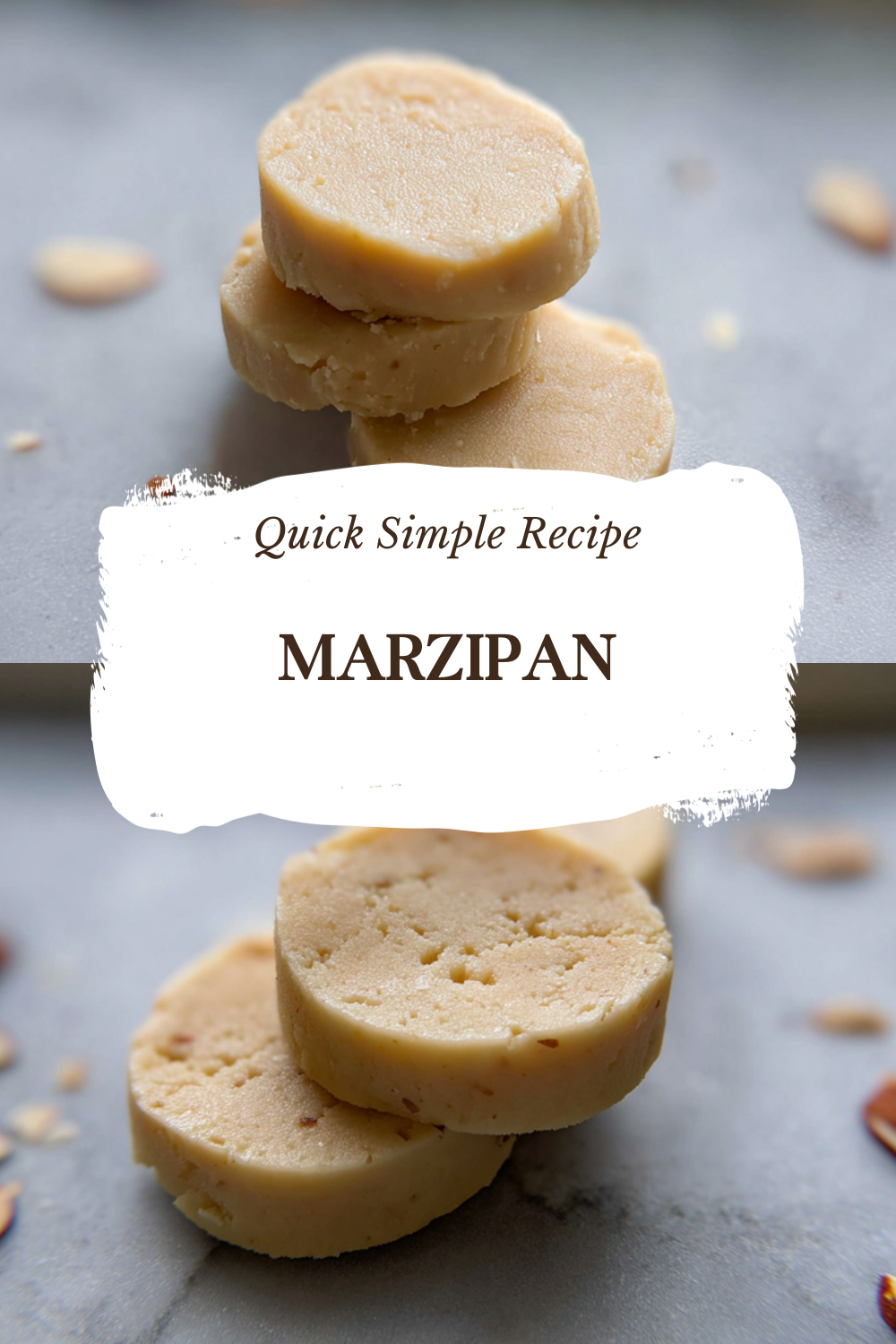
Marzipan offers a delightful combination of simplicity and satisfaction, making it a favorite for home cooks and baking enthusiasts alike. Its rich almond flavor comes from high-quality nuts and just the right amount of sugar, creating a versatile treat that fits into various recipes or stands alone as a sweet. Whether you’re blending it into desserts or shaping it for special occasions, the ease of preparation ensures anyone can enjoy professional results in their own kitchen.
Beyond its taste, marzipan provides nutritional perks, drawing from the natural fats and vitamins in almonds that support daily wellness. This confection adapts effortlessly to dietary preferences, allowing for quick modifications that make it suitable for everyone. The unique blend of textures and flavors ensures marzipan enhances any meal, from everyday snacks to festive gatherings, appealing to busy parents, students, and party hosts who value both health and convenience.
Preparation involves basic steps that minimize mess and maximize fun, with the option to add subtle flavors like a hint of citrus. Marzipan is a sweet confection made mainly from ground almonds and sugar, with key ingredients including almonds and sugar making up to 35% of the mixture. Raw almonds are blanched in hot water to remove skins, then ground with sugar to form a paste, which can be roasted and cooled before adding extras like syrup or flavorings. Typical quantities include about 200 grams of blanched almonds and 70 grams of sugar, ensuring a balanced sweetness that complements its nutritional profile rich in fats from almonds.
Health and Versatility Benefits
Nutritionally, marzipan is packed with healthy fats from almonds, including saturated and unsaturated fatty acids, while offering fiber and vitamins that align with diets for diet-conscious individuals and seniors. Its low moisture content under 10% helps it stay fresh longer, and variations using sugar substitutes can reduce calorie intake. For travelers and newlyweds, the portability and ease of customization turn marzipan into a quick, memorable treat that adds joy to any moment.
This recipe’s adaptability shines through in its vegan or gluten-free options, broadening its appeal. Tips for quality include using finely ground almonds and maintaining proper moisture to avoid stickiness, with natural additions like lemon zest enhancing the taste. For those exploring baking, internal resources such as funfetti greek yogurt muffins can inspire creative uses alongside marzipan.
Jump to:
- Why You’ll Love This Marzipan
- Health and Versatility Benefits
- Essential Ingredients for Marzipan
- Dietary Variations
- How to Prepare the Perfect Marzipan: Step-by-Step Guide
- Dietary Substitutions to Customize Your Marzipan
- Protein and Main Component Alternatives
- Vegetable, Sauce, and Seasoning Modifications
- Mastering Marzipan: Advanced Tips and Variations
- How to Store Marzipan: Best Practices
- FAQs: Frequently Asked Questions About Marzipan
- What ingredients are used to make marzipan?
- How is marzipan usually served or used in recipes?
- Are there different types of marzipan in various cultures?
- Can marzipan be flavored or colored for decorative purposes?
- How should marzipan be stored to keep it fresh?
- Marzipan
- Ingredients
- Instructions
- Last Step:
- Notes
- Nutrition
- Did you make this recipe?
Essential Ingredients for Marzipan
To create a basic marzipan, focus on fresh, high-quality ingredients that deliver the perfect balance of flavor and texture. The key components include almonds as the base and sugar for sweetness, with options to incorporate flavors that elevate the taste. Marzipan is a sweet confection made mainly from ground almonds and sugar, occasionally flavored with almond extract, rose water, or other additives, and typical ingredient quantities might include about 200 grams of blanched almonds and approximately 70 grams of sugar, which is about 35% of the almond weight.
Below is a comprehensive list of the essential ingredients needed for this recipe. Each item is presented with precise measurements to ensure accurate preparation, making it straightforward for readers to gather everything required.
- 200g blanched almonds – provides the base flavor and texture essential to marzipan.
- 150g powdered sugar – sweetens the marzipan evenly without graininess.
- 1 tbsp almond extract – enhances the natural almond aroma.
- 2 tbsp corn syrup or honey – binds the mixture together for pliability.
- Additional flavorings such as a few drops of almond extract or teaspoons of rose water – to enhance taste as desired.
For special dietary options, consider these adjustments to customize the recipe. Natural flavorings such as lemon zest or rose water complement the almond flavor well, and substitutions can maintain the dish’s appeal for various needs.
Dietary Variations
| Dietary Need | Substitution |
|---|---|
| Vegan | Use agave syrup or maple syrup instead of honey for a plant-based option. |
| Gluten-free | Ensure powdered sugar is certified gluten-free to avoid contamination. |
| Low-calorie | Substitute sugar with erythritol or stevia-based sweeteners to reduce calorie content. |
These options allow for flexibility, impacting the nutritional profile by reducing sugars or using alternatives like polyols. For more on almond benefits, visit benefits of almonds.
How to Prepare the Perfect Marzipan: Step-by-Step Guide
Preparing marzipan at home is a rewarding process that involves careful steps to achieve the ideal consistency. To begin, raw almonds are blanched in hot water to loosen and remove their skins, then the peeled almonds are coarsely chopped and ground together with sugar to form a paste. This paste can be roasted and cooled before adding additional sugar or syrup and flavorings, with preparation time ranging from 30 minutes to an hour depending on the quantity.
Follow these detailed instructions to ensure success, incorporating tips for quality like using finely ground almonds and chilling the mixture slightly for better shaping. The marzipan paste is shaped by molding it into various forms or rolled into sheets for cake coverings or candy coatings, keeping it soft and pliable.
- Gather and measure all ingredients precisely, including 200 grams of blanched almonds, 70 grams of sugar, and any flavorings like a few drops of almond extract.
- Grind the blanched almonds finely using a food processor for a smooth texture, adapting the grind size to preference and avoiding over-processing to prevent a buttery consistency.
- Mix powdered sugar with the ground almonds thoroughly to distribute sweetness evenly, ensuring the sugar content reaches up to 35% of the mixture.
- Add almond extract and syrup gradually, kneading the mixture until it forms a smooth, pliable dough; for vegan versions, use appropriate substitutes to maintain the balance.
- Shape the marzipan into desired forms or roll it out for use in recipes, then wrap tightly to preserve freshness.
- Refrigerate the marzipan for at least one hour to set before serving or using in desserts, allowing it to hold shapes better during molding.
This method highlights the confection’s rich fats from almonds and high sugar levels, making it a treat to enjoy in moderation. For additional inspiration on variations, check out mini earl grey honey scones that pair well with marzipan creations.

Dietary Substitutions to Customize Your Marzipan
Customizing marzipan for different dietary needs enhances its appeal, allowing everyone from working professionals to food enthusiasts to enjoy this treat. Variations in ingredients, such as substituting other nuts or using sugar substitutes like polyols, can affect the nutritional profile and adapt to preferences. For instance, protein alternatives change the base while maintaining the core essence of the recipe.
Protein and Main Component Alternatives
Substituting almonds with other options provides flexibility for allergies or tastes. Use cashews or sunflower seeds for a nut-free version, which alters the fat content slightly but keeps the texture similar.
Vegetable, Sauce, and Seasoning Modifications
Incorporate elements like citrus zest or cinnamon to add layers of flavor, ensuring the marzipan remains moist and not sticky. Adapting sweeteners based on needs, such as natural syrups, helps accommodate restrictions while preserving the confection’s traditional charm.
Mastering Marzipan: Advanced Tips and Variations
To elevate your marzipan skills, focus on techniques that enhance flavor and presentation. Pro cooking techniques include toasting almonds lightly before grinding to deepen the taste, while flavor variations might involve adding rose water or orange blossom water for an aromatic twist. Maintaining proper moisture levels is key to avoid stickiness, and chilling the marzipan helps it hold shapes during molding.
Presentation tips, such as using molds for intricate designs and dusting with powdered sugar, make it ideal for holidays. Make-ahead options allow you to prepare and store in airtight containers, simplifying event planning and reducing waste.
Using high-quality almonds and natural flavorings like lemon zest ensures the best results, as these elements complement the almond flavor and improve overall quality.
How to Store Marzipan: Best Practices
Proper storage is crucial to keep marzipan fresh and prevent issues like drying or rancidity. It should be stored in airtight containers away from light and air, with methods tailored to short-term or long-term use. Nutritionally, the high level of sugars and fats means storage affects its moisture content, which is less than 10%.
Refrigeration keeps it fresh for up to two weeks, while freezing extends shelf life to three months if wrapped tightly. Thawing slowly maintains texture, and portioning aids in meal prep for busy schedules.
FAQs: Frequently Asked Questions About Marzipan
What ingredients are used to make marzipan?
Marzipan is primarily made from finely ground almonds mixed with sugar or honey. Sometimes small amounts of almond oil or rose water are added for extra flavor. The almonds may be blanched to remove skins before grinding, resulting in a smooth paste. This combination creates the sweet, nutty base that is shaped or rolled for various uses.
How is marzipan usually served or used in recipes?
Marzipan is commonly molded into small shapes like fruits or animals and used as candies. It’s also rolled thinly to cover cakes or pastries as a smooth icing layer. Additionally, marzipan can be incorporated into baked goods such as cookies or tarts, providing moisture and almond flavor.
Are there different types of marzipan in various cultures?
Yes, marzipan recipes and traditions differ worldwide. For example, German marzipan typically uses whole almonds and is drier, while French massepain blends ground almonds with sugar syrup for a softer texture. Other countries use regional nuts like peanuts in Mexico or apricot kernels as almond alternatives.
Can marzipan be flavored or colored for decorative purposes?
Yes, marzipan can be flavored with ingredients such as rose water, vanilla, or citrus zest. Food coloring is often added to create vibrant hues like pink or green, especially for decorative shapes during holidays or celebrations.
How should marzipan be stored to keep it fresh?
Marzipan should be kept in airtight containers at cool room temperature or refrigerated to prevent drying out and to avoid rancidity. Proper storage preserves its soft texture and sweet almond flavor for several weeks. Avoid exposure to direct sunlight and humidity.
Marzipan
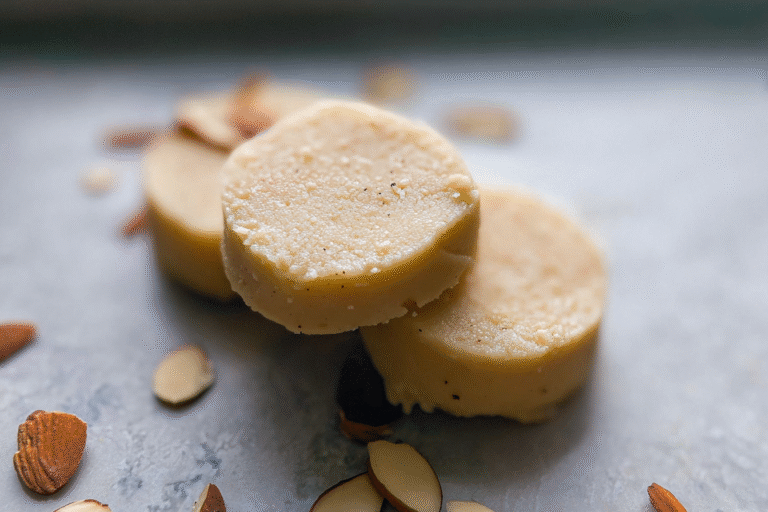
🌰 Marzipan Recipes showcase the art of crafting sweet almond confections perfect for desserts, candies, and decorative treats.
🍬 Mastering the traditional techniques ensures smooth, flavorful marzipan that’s versatile and delightful for every occasion.
- Total Time: 30-60 minutes
- Yield: About 1 cup marzipan
Ingredients
– 200g blanched almonds provides the base flavor and texture essential to marzipan.
– 150g powdered sugar sweetens the marzipan evenly without graininess.
– 1 tbsp almond extract enhances the natural almond aroma.
– 2 tbsp corn syrup or honey binds the mixture together for pliability.
– Additional flavorings such as a few drops of almond extract or teaspoons of rose water to enhance taste as desired.
Instructions
1-Gather and measure all ingredients precisely, including 200 grams of blanched almonds, 70 grams of sugar, and any flavorings like a few drops of almond extract.
2-Grind the blanched almonds finely using a food processor for a smooth texture, adapting the grind size to preference and avoiding over-processing to prevent a buttery consistency.
3-Mix powdered sugar with the ground almonds thoroughly to distribute sweetness evenly, ensuring the sugar content reaches up to 35% of the mixture.
4-Add almond extract and syrup gradually, kneading the mixture until it forms a smooth, pliable dough; for vegan versions, use appropriate substitutes to maintain the balance.
5-Shape the marzipan into desired forms or roll it out for use in recipes, then wrap tightly to preserve freshness.
6-Refrigerate the marzipan for at least one hour to set before serving or using in desserts, allowing it to hold shapes better during molding.
Last Step:
Please leave a rating and comment letting us know how you liked this recipe! This helps our business to thrive and continue providing free, high-quality recipes for you.Notes
🔪 Use finely ground, high-quality almonds for a smooth marzipan texture.
❄️ Chilling marzipan helps maintain shapes during molding and decorating.
💧 Maintain proper moisture levels to avoid overly sticky or dry marzipan.
- Prep Time: 30-60 minutes
- Category: Confectionery, Dessert
- Method: Grinding, Roasting, Molding
- Cuisine: European
Nutrition
- Serving Size: 1 tablespoon
- Calories: 90 kcal
- Sugar: 10 g
- Sodium: 0 mg
- Fat: 6 g
- Saturated Fat: 0.5 g
- Unsaturated Fat: 5 g
- Trans Fat: 0 g
- Carbohydrates: 9 g
- Fiber: 1 g
- Protein: 2 g
- Cholesterol: 0 mg